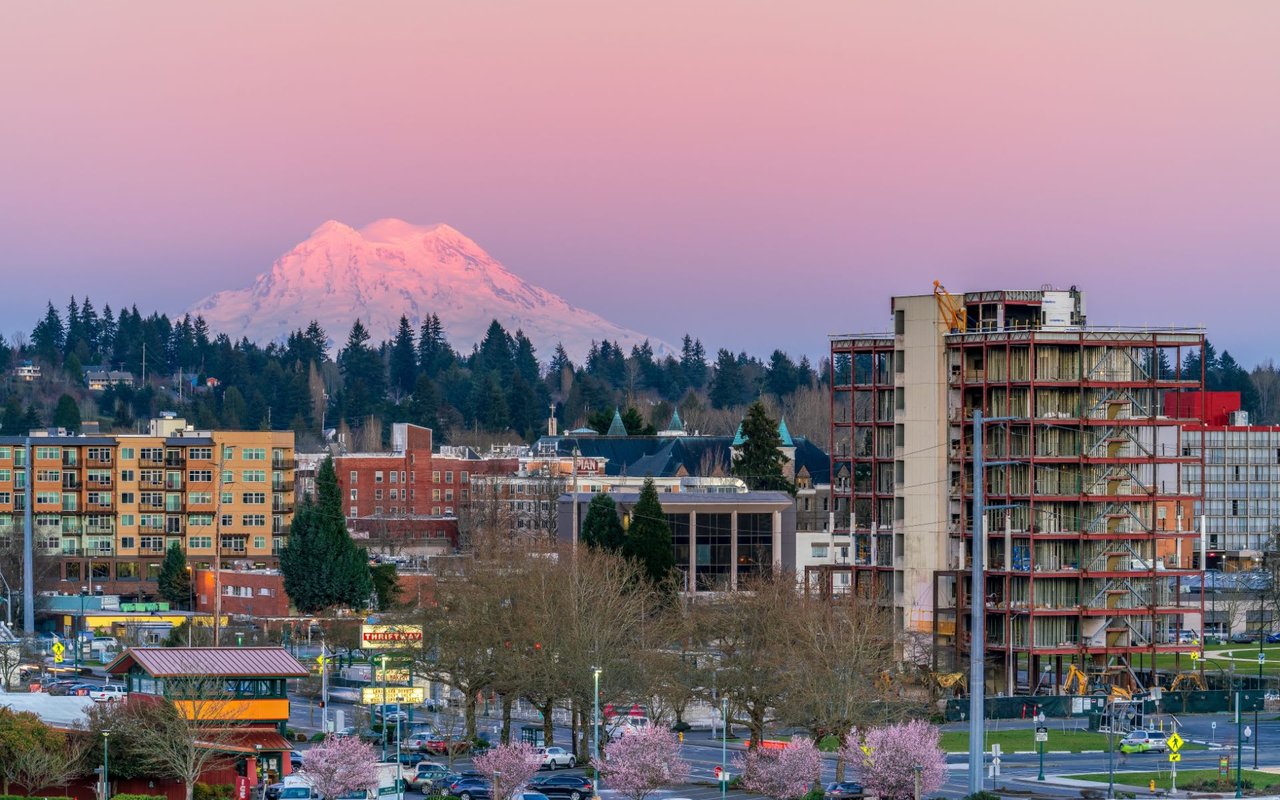
Walk from Pioneer Hill down toward Bishop Boulevard for a coffee run or a grocery trip and you've probably clocked the fencing outside Pullman Regional Hospital by now. Maybe you noticed it going up last fall and figured, reasonably, that it would be down by spring. It wasn't gone by spring, and trade coverage as recent as this summer confirms the project was still active. If you're doing the math on when your usual walk gets its sidewalk back, you're solving the wrong problem.
The hospital isn't wrapping up a project. It's one phase into five.
What's Actually Behind the Fence at 835 Bishop
Pullman Regional Hospital has occupied its current spot on Bishop Boulevard since 2004, when the community opened a 25-bed facility to replace the old hospital that used to sit on the WSU campus. In the two decades since, the hospital has grown into the third largest employer in the community, with more than 700 employees. Annual emergency visits have climbed from 7,000 to 14,500 over that span, surgical cases are up 35 percent, and the hospital has added sixteen clinics without ever building a facility big enough to hold all of it comfortably. Since 2004 there have been more than eighteen interior remodels and only one true addition, a 10,000 square foot expansion in 2018. The building kept absorbing more care into the same footprint until it couldn't anymore.
In November 2022, Pullman voters approved Proposition 1, a $27.5 million bond dedicated to expanding surgical, outpatient, and emergency care space. That bond is the funding backbone for what's happening on Bishop Boulevard right now, supplemented by hospital operating funds and philanthropic gifts. You can read the hospital's own accounting of the project on its expansion page, which is worth a look if you want the unfiltered version rather than a passing glance through a chain-link fence.
One Phase Down, Four to Go
In December 2023, the hospital's board approved a plan to carry out the work in five phases over roughly five years, at a total project cost near $50 million. Phase one, the piece currently visible from the sidewalk, covers a specific and fairly contained scope according to the public bid documents filed with Washington's Office of Minority and Women's Business Enterprises:
- About 31,250 square feet of renovation inside the hospital's existing 80,820 square foot building
- An 800 square foot addition to the Emergency Department
- One new operating room
- New laboratory space
- Relocated Clean Sterile Services
Bid packages for phase one went out in August 2025 and closed in September 2025, with Bouten Construction serving as general contractor and Design West Architects handling design. Work began that fall. By February 2026, the hospital confirmed the Emergency Department expansion and the new lab were both still under active construction, with scaffolding outside the ER entrance and reallocated patient parking directly across from the doors, along the wall, to keep the same number of spots available during the work.
Trade press covering hospital construction confirmed the project was still underway as of July 2026, consistent with a five-year build rather than a quick turnaround. That's the timeline problem in plain terms. If phase one alone ran from an August 2025 bid opening through active construction eight months later, the remaining four phases aren't a spring cleanup. They're years of sequential work still ahead, likely touching different parts of the building as each phase clears.
The Corridor Residents Already Use
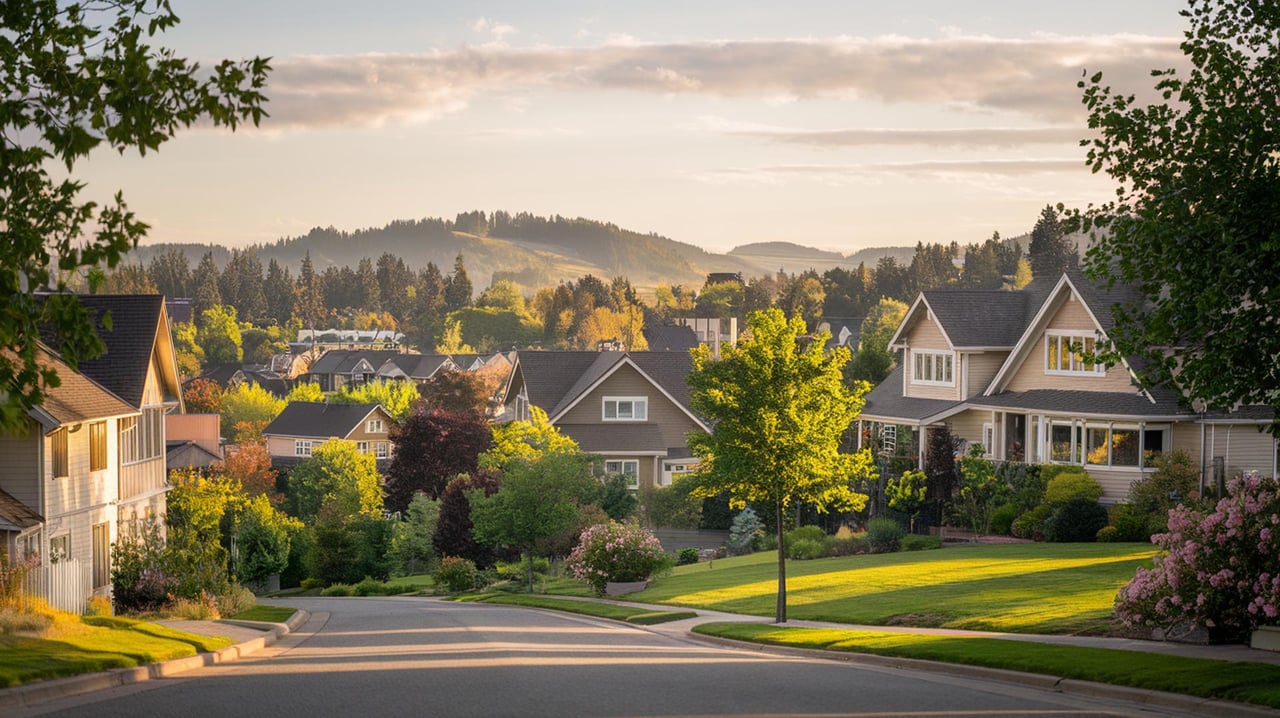
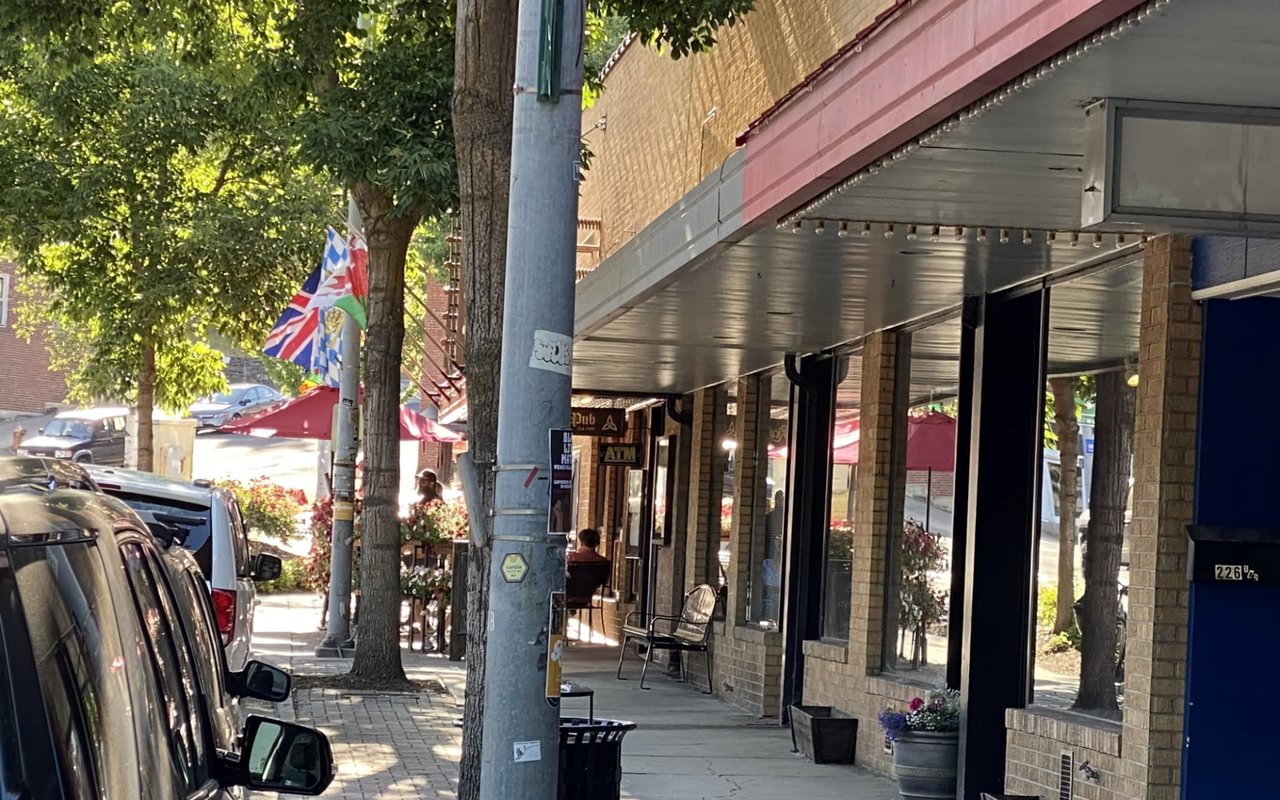
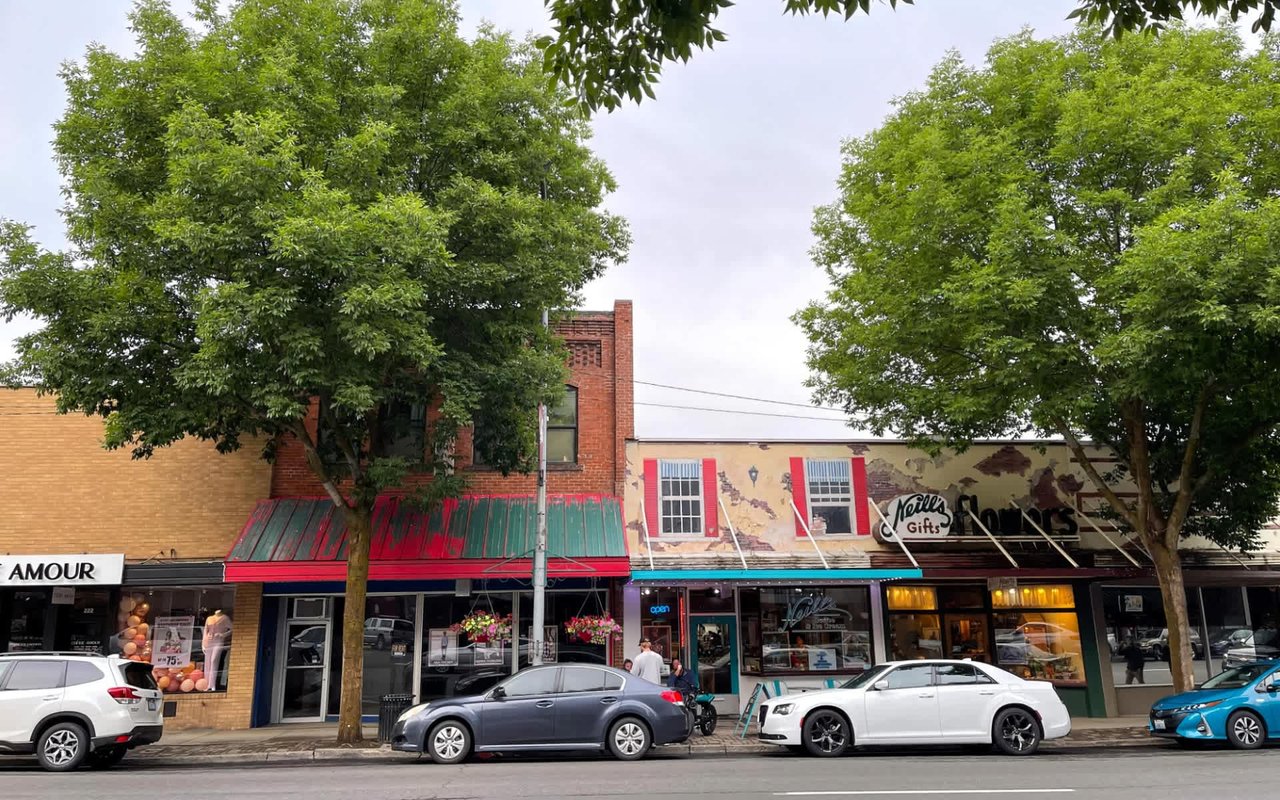
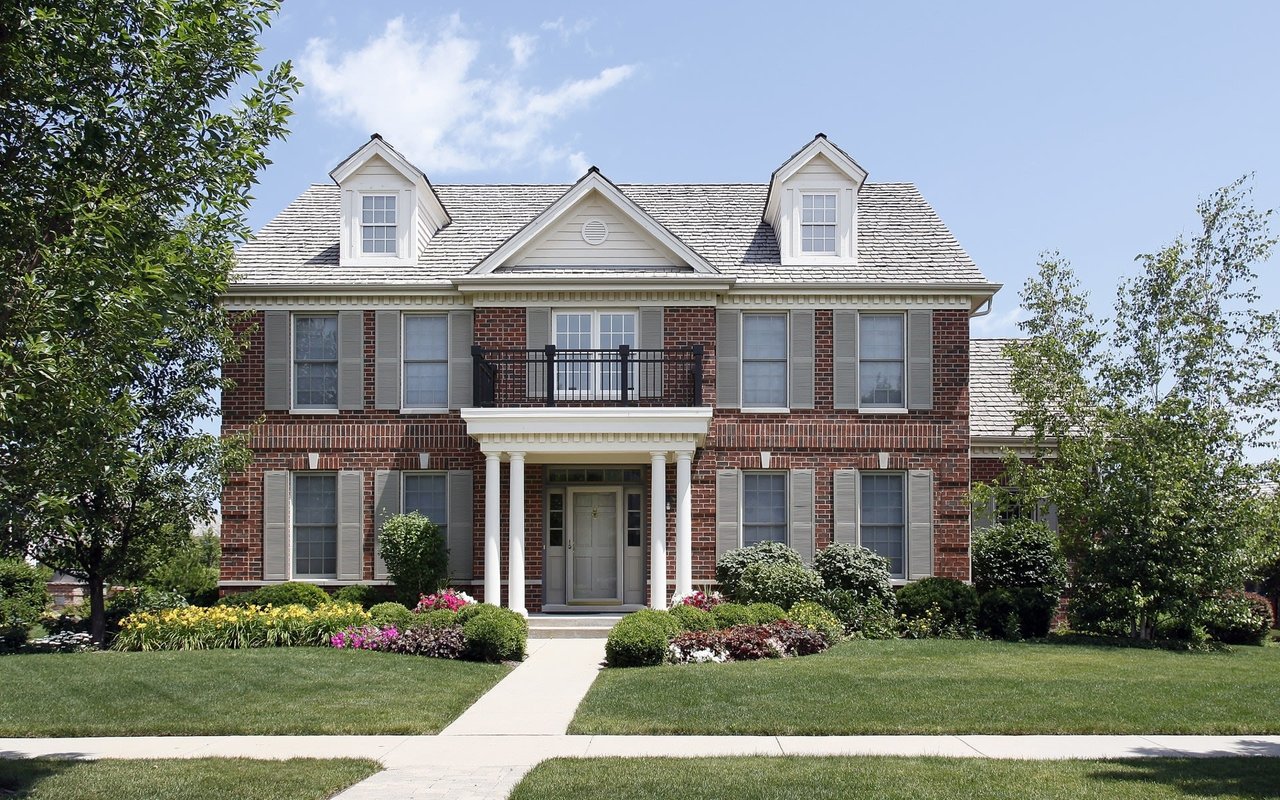
Here's the part that makes this a Pioneer Hill story and not just a hospital story. Bishop Boulevard isn't some far-flung commercial strip. It's the same corridor Pioneer Hill's own neighborhood description points to when it talks about walkability, the stretch residents use to reach what's described as the city's premier shopping district. The hospital sits on that same street. So does the grocery run, the quick dinner out, the errands that make Pioneer Hill's pedestrian access actually useful day to day.
That's why the construction doesn't stay contained to hospital property. The same week the hospital confirmed ongoing ER and lab work in February 2026, Pullman Radio separately flagged possible traffic delays along a portion of Bishop Boulevard. Two distinct advisories, same street, same week. That pattern is worth paying attention to, because a five-phase project spread across multiple years doesn't produce one disruption and then quiet. It produces recurring ones, tied to whichever section of the building is under active work at the time.
If you've adjusted your route once already because of fencing near the ER, don't assume that's the last adjustment you'll make before this project closes out. Plan for periodic shifts in parking and lane access along that stretch for as long as the remaining phases take to complete, and check current conditions before you route through that section on a tight schedule.
Where the Real Timeline Actually Lives
If you want dates rather than guesswork, the best source isn't the fencing itself. In August 2026, the Pullman Chamber of Commerce named Pullman Regional Hospital its Business Member of the Month and described the project as a $45 to $50 million, multi-year effort that includes both the hospital remodel and a new medical office building. The Chamber also pointed members toward its September general membership presentation, where CEO Matt Forge is scheduled to speak directly to the expansion timeline along with the hospital's mental health initiative. That's this month. If you want to hear the actual sequencing from the person running the project rather than piecing it together from scaffolding placement, that presentation is a better source than anything posted at the site.
What Stays Untouched
None of this reaches Pioneer Hill's two green anchors. Kruegel Park, nearly eight acres donated to the city back in 1903 by William C. Kruegel, still has its ball fields, pickleball and tennis courts, and picnic shelter running exactly as they have. Lawson Gardens, the 13-acre formal garden dedicated in 1987 in memory of Alice Lawson, still has its terraced beds, reflecting pond, and rose garden open for the kind of quiet walk that has nothing to do with construction schedules. If the Bishop Boulevard stretch feels unpredictable for a while yet, those two spaces remain the parts of the neighborhood that haven't changed and aren't going to.
The honest way to think about this fall and the ones after it: the scaffolding you're seeing isn't a sign the project is closing out. It's a sign the project is doing exactly what a five-year, five-phase plan is supposed to do, working through one section at a time. Pioneer Hill's daily rhythm on that side of the neighborhood will keep shifting in small ways for a while longer, and the residents who plan around that instead of waiting for it to end will have an easier few years than the ones who keep expecting the fence to come down next month.
If you're weighing what any of this means for your own plans on Pioneer Hill, whether that's timing a move around the neighborhood's rhythms or simply wanting a clearer read on where home values here stand while the corridor evolves, Krista Gross can walk you through it. Request a personalized home valuation and get a straight answer grounded in what's actually happening on the ground, not just the comps.