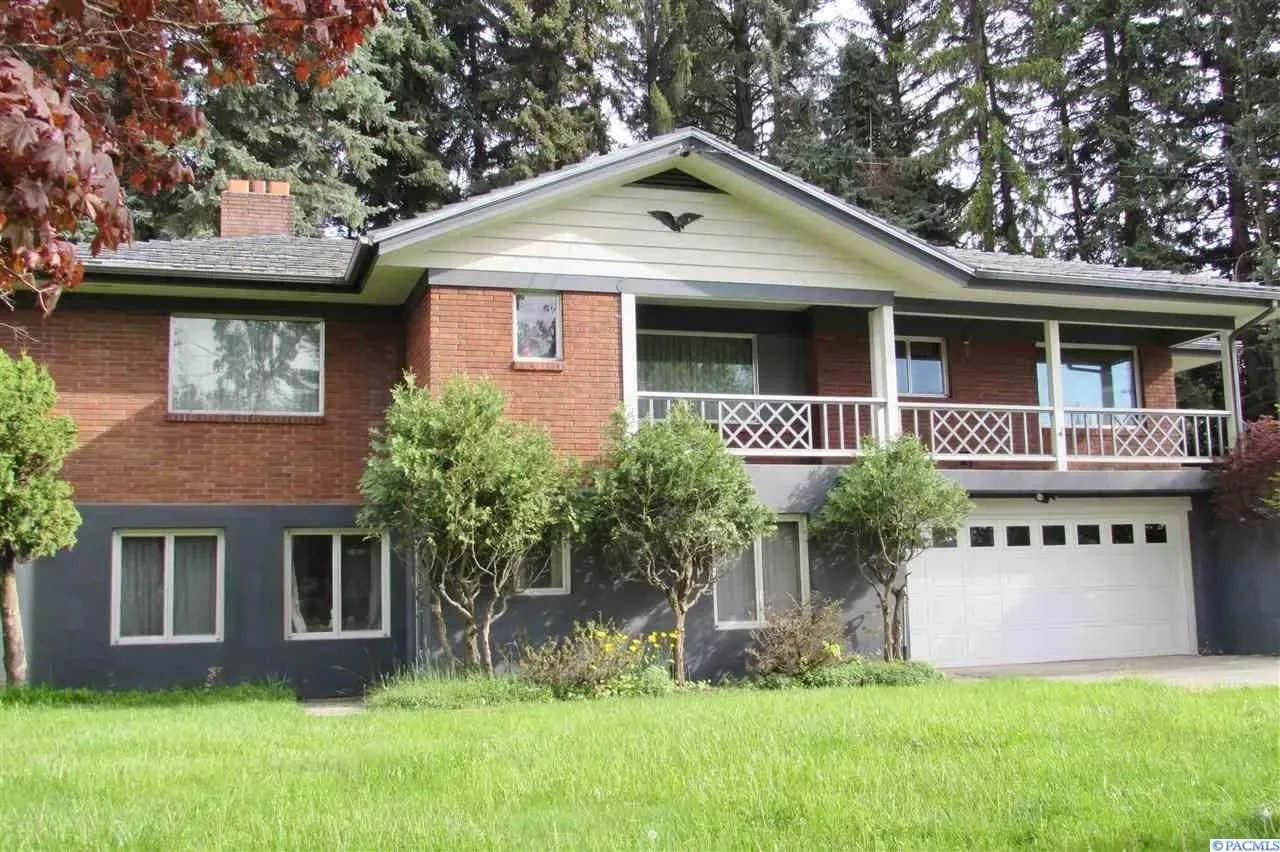
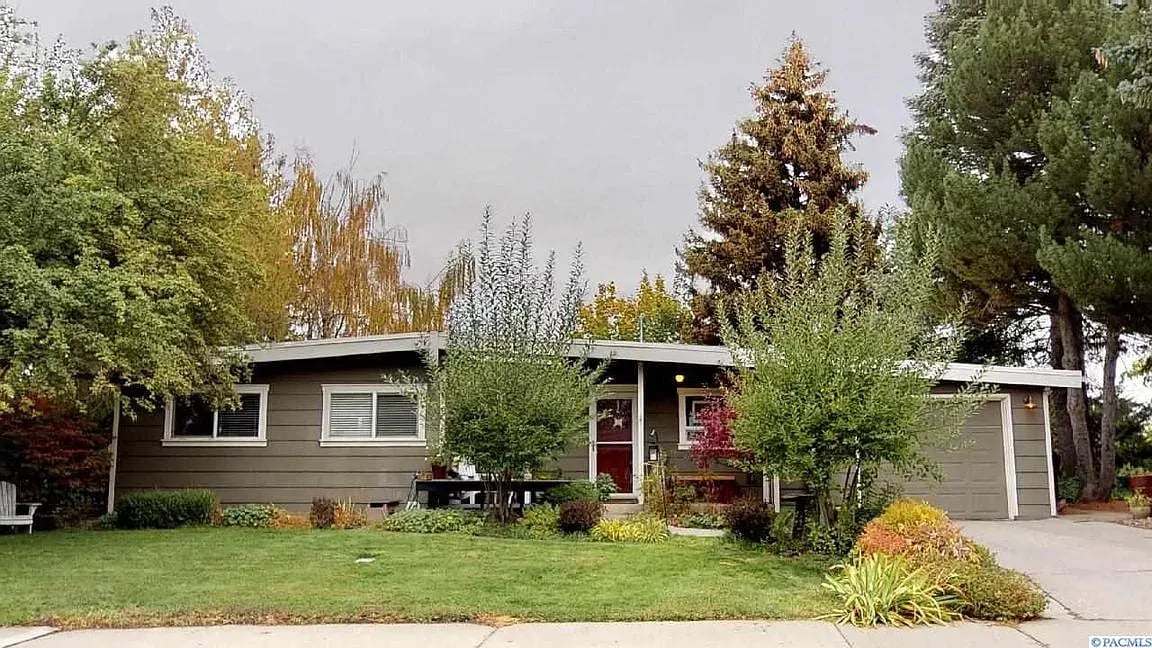
Is Pullman rent money really “gone,” or does buying near WSU tie up more cash than you expect over five years? If you are weighing a move for school, work, or family, it is normal to wonder which path builds more value and fits your budget. In this guide, you will see a clear, Pullman-specific framework that lays out all the costs, three labeled scenarios, and an easy way to find your break-even point. Let’s dive in.
Who this guide helps
If you have a WSU connection, you likely value proximity and predictability. Students and parents want flexible timelines. Faculty and staff tend to look for longer-term stability. Investors consider rent potential against turnover and operating costs. This guide gives you a shared playbook so you can plug in your own numbers and make a confident call.
How Pullman’s market works near WSU
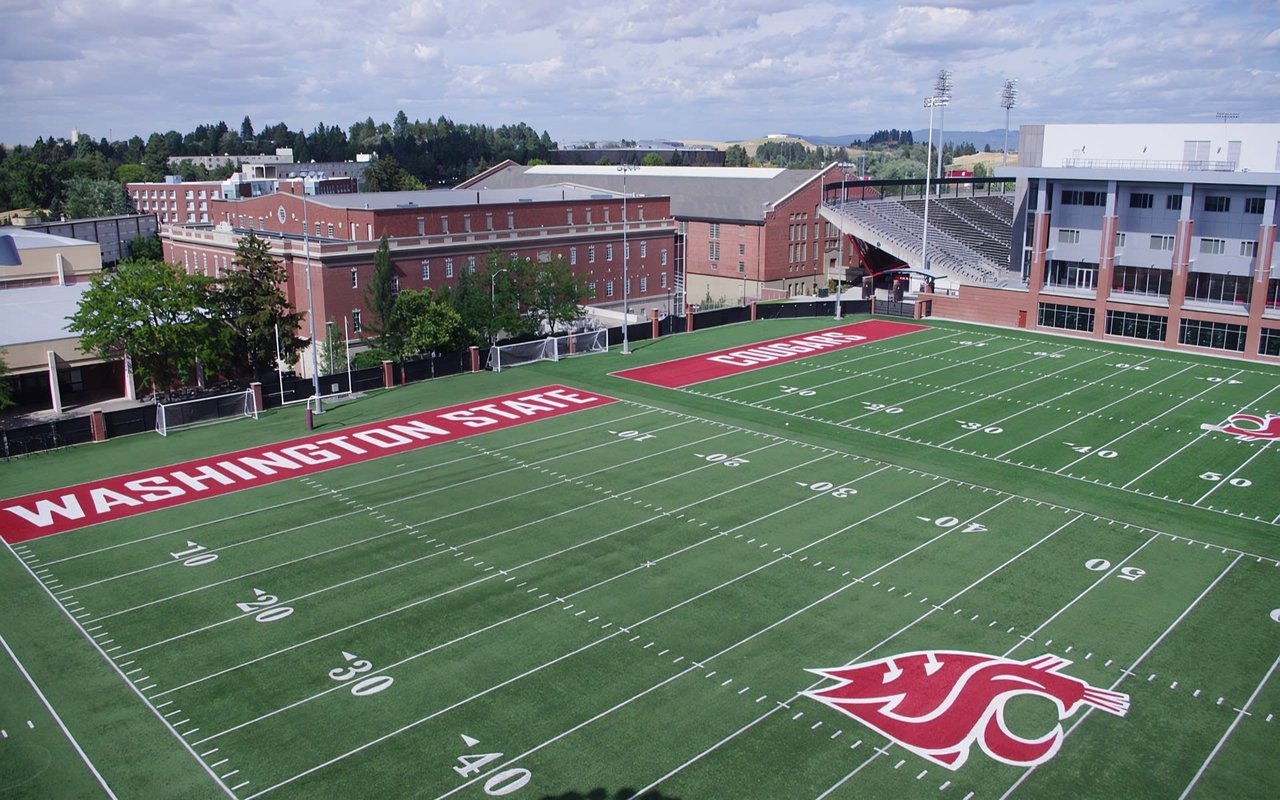
WSU is the primary driver of Pullman’s housing demand. Enrollment cycles, faculty and staff hiring, and campus events create strong seasonal rental demand close to campus. Supply is constrained by Pullman’s small-city geography and limited new construction, which can help support relatively stable home values and rents.
Rental seasonality is real. Demand peaks late summer and early fall, and turnover rises in late spring and early summer as leases end. The renter mix includes students with 9 to 12-month leases, plus young professionals and university employees. If you plan to buy and rent out rooms, plan for higher turnover and wear.
Property taxes matter for homeowners. Washington relies heavily on property taxes, and Whitman County levies affect annual costs. Washington has no state income tax, but property taxes are still a direct cash expense. Always verify current rates with the Whitman County Assessor before you buy.
What goes into a 5-year comparison
To compare renting vs buying, include every major cost over 60 months and be explicit about your assumptions.
Buying costs to count
- One-time upfront: down payment, closing costs (title, escrow, origination, recording), inspection and appraisal.
- Monthly and annual: mortgage principal and interest, property taxes, homeowner’s insurance, mortgage insurance if your down payment is under 20%, HOA fees if applicable, utilities, and a maintenance reserve. Many owners budget 0.5% to 1.5% of home value per year; 1% is a common starting point for older single-family homes.
- Opportunity cost: what your down payment could have earned if invested elsewhere.
- Offsets: principal paydown builds equity each month and potential home price appreciation. Federal tax treatment of mortgage interest and property taxes can help some owners who itemize, but many households use the standard deduction. Selling a primary residence can also qualify for favorable capital gains treatment if IRS rules are met.
Renting costs to count
- One-time upfront: security deposit and possible first/last month’s rent, plus application and pet fees.
- Monthly and annual: rent, renter’s insurance, and utilities if not included.
- Offsets: far lower upfront cash and the flexibility to move on a university timeline. You may also invest the cash you did not tie up in a down payment.
Other Pullman-specific factors
- Transaction costs when selling can be meaningful in a smaller market. Plan for listing prep and typical selling expenses when you model a 5-year horizon.
- If you intend to rent rooms, expect turnover aligned with the WSU calendar. Vacancies and repairs between tenants can affect your returns.
- Local zoning and occupancy rules shape rental use options. Check City of Pullman guidelines before purchasing for multi-tenant use or short-term rental plans.
Our method and assumptions
Below is a simple, transparent framework you can update with your own inputs. All numbers are hypothetical to illustrate the math.
Step-by-step framework
- Choose comparable housing: a 3-bed single-family home near campus vs a 3-bed off-campus rental.
- Define assumptions clearly: purchase price, down payment, mortgage rate and term, appreciation rate, rent growth, property tax, insurance, maintenance, closing and selling costs, tax approach, and an opportunity cost rate for invested cash.
- Track annual cash flows for five years, then calculate total net cost and monthly equivalent (total net cost divided by 60 months).
- For buying, include net sale proceeds at year 5: sale price minus selling costs and remaining mortgage balance.
- Run three labeled scenarios: Conservative, Baseline, and Optimistic.
Example inputs (hypothetical)
- Home purchase price: $375,000
- Down payment: 10% ($37,500)
- Loan: 30-year fixed at a sample 6.75% rate
- Closing costs (buy): 3% ($11,250) plus $1,400 for inspection and appraisal
- Property taxes: modeled at 1% of price per year ($3,750)
- Homeowner’s insurance: $1,200 per year
- Maintenance: 1% of home value per year ($3,750)
- Mortgage insurance (PMI): $150 per month until loan-to-value falls below typical thresholds
- Selling costs at year 5: 7% of sale price
- Rent for a comparable unit: $2,200 per month with 3% annual increases
- Renter’s insurance: $200 per year
- Opportunity cost: 4% annual return on upfront cash if invested instead of used for a down payment
- Federal taxes: no itemizing assumed in these examples (many households take the standard deduction)
Note: Update price, rent, rate, and tax inputs with current local data before you rely on results. Even small changes move the outcome.
5-year scenarios for Pullman (hypothetical)
These three illustrations use the inputs above and only differ by appreciation and PMI duration. Results show total 5-year net cost and a monthly equivalent for apples-to-apples comparison.
Scenario A: Conservative
- Assumptions: 0% annual home appreciation; PMI for the full 60 months; rent grows 3% per year.
- Buying result: total 5-year net cost about $210,100, or about $3,500 per month. Net sale proceeds are modest because selling costs offset most early equity gains.
- Renting result: total 5-year net cost about $129,800, or about $2,160 per month, after accounting for renter’s insurance and a simple invested-cash benefit.
- Takeaway: With flat prices, renting is likely cheaper over five years under these inputs.
Scenario B: Baseline
- Assumptions: 2.5% annual home appreciation; PMI cancelled after month 36; rent grows 3% per year.
- Buying result: total 5-year net cost about $160,900, or about $2,680 per month.
- Renting result: total 5-year net cost about $129,800, or about $2,160 per month.
- Takeaway: Buying narrows the gap but still trails renting over five years with these inputs.
Scenario C: Optimistic
- Assumptions: 4% annual home appreciation; PMI cancelled after month 24; rent grows 3% per year.
- Buying result: total 5-year net cost about $129,100, or about $2,150 per month.
- Renting result: total 5-year net cost about $129,800, or about $2,160 per month.
- Takeaway: With stronger appreciation, buying edges out renting over five years.
All figures above are simplified and hypothetical. Your results will vary based on your purchase price, rate, taxes, maintenance, rent, and how long you hold.
Break-even and sensitivity
Your break-even hinges on appreciation, rent growth, and selling costs. Using the example inputs above:
- Approximate break-even appreciation over 5 years: around 4% per year when rent grows near 3% per year.
- If rent growth slows, buying can break even at slightly lower appreciation. If rent growth accelerates, buying may require higher appreciation.
Approximate guideposts for these inputs (hypothetical):
- Rent growth 2% per year: buying break-even near 3.5% annual appreciation.
- Rent growth 3% per year: buying break-even near 3.8% to 4.0% annual appreciation.
- Rent growth 4% per year: buying break-even near 4.3% annual appreciation.
Use these as directional cues, not predictions. Update the numbers with current rates, prices, and rents.
Local factors that can tilt your math
- Student demand concentration: New campus housing or shifts in enrollment can affect local rental rates quickly near WSU.
- Lease seasonality and turnover: Align purchase timing and rental plans with the academic calendar to reduce vacancy risk.
- Property taxes: Whitman County levies determine your annual bill. Verify before you buy.
- Zoning and permitted uses: Confirm whether multi-tenant arrangements or short-term rentals are allowed for your target property.
- Liquidity and selling timeline: In a smaller market, plan for potential days-on-market and the impact of selling costs.
- Maintenance and contractor availability: Specialized trades may be limited, which can affect timelines and budgets.
- Interest rate risk: Early mortgage years are interest-heavy. If rates drop later, refinancing may lower payments, but it comes with closing costs.
Quick decision guide
Buying may make sense if you:
- Plan to stay 5 to 7+ years and can manage selling costs.
- Want stable housing near campus and value long-term equity.
- Have reserves for taxes, maintenance, and unexpected repairs.
Renting may make sense if you:
- Expect to move within 1 to 4 years or need maximum flexibility.
- Prefer predictable monthly costs with minimal maintenance.
- Want to keep your cash invested and avoid upfront closing costs.
What to do next in Pullman
- Price check: Confirm current sale prices and rents for College Hill, Sunnyside Hill, Military Hill, and Pioneer Hill.
- Lender quotes: Get a written estimate for rate, closing costs, and PMI options. This single step changes the math the most.
- Taxes: Look up the latest Whitman County property tax details for your target home.
- Timing: If you might rent rooms, plan closing and move-in around WSU’s lease cycle.
If you would like a local, personalized rent-versus-buy analysis based on your price range, down payment, and timing, reach out to Krista Gross. You will get neighborhood-level context, lender introductions, and a clear plan for the next steps.
FAQs
How much cash do I need to buy near WSU?
- Typical ranges include 3% to 20% down depending on loan type, plus about 2% to 5% of the purchase price for closing costs and funds for immediate repairs.
What is the 5-year break-even for Pullman buyers?
- With the sample inputs in this guide, buying tends to break even when home appreciation is roughly around 4% per year and rent growth is about 3% per year.
Do student rentals make buying a better deal?
- Higher per-bedroom rents can help, but turnover, vacancies, and repair costs rise with student housing; net results depend on your actual rent, vacancy, and expenses.
How do taxes affect rent vs buy in Washington?
- Washington has no state income tax, and property taxes are a direct cash cost; some owners who itemize may benefit from federal mortgage interest and property tax deductions.
What if mortgage rates drop after I buy?
- You may refinance to lower your payment, but refinancing has closing costs; run a break-even analysis before proceeding.
Is it smarter to invest my down payment instead of buying?
- It depends on expected returns; compare an after-tax investment return to projected home equity gains from appreciation plus principal paydown over your time horizon.