Thinking about buying in downtown Pullman but not sure if an HOA is right for you? You are not alone. With Washington State University shaping demand, parking at a premium, and real winters to plan for, the choice between HOA and no‑HOA living has real day‑to‑day impacts. In this guide, you will learn how each option works in Pullman, what it costs, how it affects financing and resale, and the key documents you should review before you buy. Let’s dive in.
What an HOA means in Pullman
An HOA is a private association that sets and enforces rules for a community with shared elements such as condos, townhomes, or planned developments. It operates through recorded CC&Rs, bylaws, and rules, with a volunteer board and, in some cases, professional management. Dues fund operations, maintenance, insurance for common elements, and reserves. Many downtown Pullman condos and townhomes have HOAs, while older single‑family homes and some rentals typically do not.
Typical HOA responsibilities
- Exterior and common‑area upkeep such as roofs, siding, lobbies, landscaping, and walkways
- Snow and ice removal for private drives, common parking lots, and some sidewalks
- Parking assignment and enforcement, a major benefit where street parking is tight
- Rules that address pets, noise, and leasing, which matter in student‑influenced areas
- Management of shared systems and utilities when applicable
HOA living: pros and cons in downtown Pullman
Choosing an HOA can give you structure and predictability, which is useful in a university‑centered downtown. Here is how it usually plays out.
Where HOAs shine
- Shared maintenance means less personal upkeep, especially during winter.
- Parking rules and assigned spaces reduce conflict when on‑street parking is limited.
- Consistent property standards can help protect curb appeal in mixed‑owner and student areas.
- Professional management, when used, provides a single point of contact for repairs and rules.
- Amenities, even modest ones like secure entry or bike storage, can add daily convenience.
Potential tradeoffs
- Monthly or quarterly dues, plus the risk of special assessments for big projects.
- Restrictions on exterior changes, pets, or rentals that may limit flexibility.
- Governance risk if volunteer boards are inexperienced or inconsistent.
- Smaller condo buildings can face financial stress if many owners become delinquent.
No‑HOA living: pros and cons downtown
Owning outside an HOA gives you more control, but it also shifts all maintenance and enforcement to you.
Benefits of no‑HOA ownership
- More autonomy over exterior updates, landscaping, and tenant choices, subject to city rules.
- No HOA dues or HOA special assessments.
- Simpler decision‑making without board politics.
What to plan for
- You handle all maintenance, from roof and siding to snow removal and landscaping.
- Parking and security are up to you, which can be challenging on crowded blocks.
- Code enforcement replaces community enforcement, which may be slower to resolve issues.
Downtown realities: parking, winter, and rentals
Downtown Pullman has unique pressures that can tilt the balance for you.
Parking pressure
- HOAs often assign spaces and enforce permits, which can be a big plus near campus and downtown services.
- No‑HOA homes rely on private driveways or public street parking. If you need regular guest parking or multiple vehicles, plan accordingly.
Winter maintenance
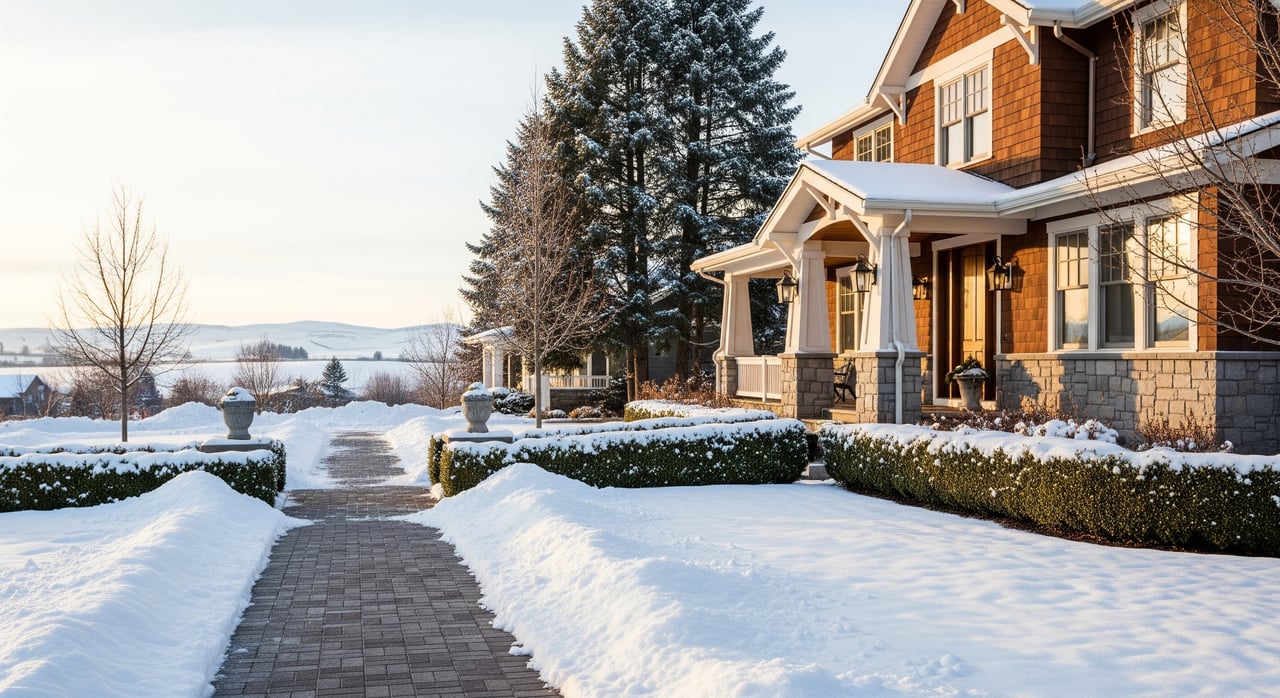
- HOAs typically budget for snow and ice removal in common areas and private drives.
- No‑HOA owners should budget for equipment or a contractor and be ready for frequent service during storms.
Leasing in a student‑influenced market
- HOAs commonly set rental caps, minimum lease terms, or other lease rules. These can limit short‑term rentals and may require owner occupancy.
- No‑HOA properties offer more flexibility for leasing strategies, but city rules and licensing may still apply.
Money matters: dues, assessments, financing, and insurance
The numbers and the paperwork behind the scenes can affect your budget and your loan options.
HOA dues and special assessments
- Dues cover daily operations, insurance for common elements, and reserves, which fund big repairs like roofs or siding.
- If reserves are low when a major project is needed, the board can levy a special assessment. Review the reserve study and recent meeting minutes to gauge risk.
Financing considerations
- Lenders review the HOA’s budget, reserves, insurance, rental ratio, and delinquency rates for condos.
- If you plan to use FHA, VA, or other programs, check whether the condo project meets the lender’s requirements early to avoid surprises.
Insurance differences
- In an HOA, a master policy usually covers common areas and sometimes the exterior shell. You carry a condo policy for interior finishes, personal property, and liability.
- In no‑HOA homes, you insure the entire structure and site. Costs can be higher for older downtown properties.
How to choose: fit your lifestyle and goals
Use your day‑to‑day needs and long‑term plans to guide the decision.
- If you value low‑maintenance living, predictable parking, and consistent standards, an HOA can be a strong fit.
- If you want maximum control over improvements and leasing, no‑HOA may be better.
- Investors should weigh HOA rental rules and the local student demand cycle. Owner‑occupants may prefer communities with clearer standards and professional management.
What to review before you buy in an HOA
Request these items early and read them closely. A careful review now can save you money later.
- CC&Rs, bylaws, rules and regulations, and architectural guidelines
- Current operating budget, income/expense statements, and balance sheet
- Reserve study or capital plan and current reserve fund balance
- Board and member meeting minutes for the past 12–24 months
- Master insurance declarations, coverage limits, and deductibles
- All assessments: current dues, pending or recent special assessments
- Delinquency report: percentage of owners behind on dues
- Rental policies: lease caps, minimum terms, subletting rules, and tenant screening
- Any disclosed or pending litigation
- Management agreement terms and contact details
- Parking assignments and guest rules; pet and short‑term rental policies
Red flags to investigate
- Low reserves paired with an older building
- High delinquency or a large share of investor‑owned units
- Frequent special assessments or major projects with no clear funding plan
- Ongoing litigation, repeated complaints, or thin meeting minutes
- Vague insurance coverage or unusually high master policy deductibles
What to review before you buy without an HOA
You have more freedom, but you also carry full responsibility. Confirm the property is workable for your budget and schedule.
- Age and condition of roof, siding, windows, and major systems
- Snow and ice plan: equipment, contractor quotes, and access
- Parking capacity on site and typical street parking conditions
- Recent permits or improvements and available warranties
- Utility lines and drainage, especially on infill lots
- Lease history if the property has been a rental: terms, deposits, and compliance records
Tips for sellers in downtown Pullman
A little preparation smooths your sale and helps buyers feel confident.
If your property has an HOA
- Gather a complete HOA packet before listing: governing documents, budgets, financials, reserve study, insurance, minutes, and rules.
- Address obvious documentation gaps with the board or manager early.
- Highlight recent capital projects and healthy reserves in your marketing.
If your property has no HOA
- Provide a clear maintenance history and receipts for recent work.
- Emphasize energy updates or system upgrades and note any transferable warranties.
- If the home has been a rental, disclose lease details, deposit handling, and any inspections or licenses.
Negotiation pointers for buyers and sellers
- Buyers: Include an HOA review contingency for condos. Share HOA documents with your lender quickly. If reserves are thin or projects loom, negotiate price or seller credits.
- Sellers: Deliver the HOA packet promptly to avoid delays. For no‑HOA homes, showcase recent maintenance and upgrades to reduce buyer uncertainty.
Your next step
Choosing between HOA and no‑HOA living in downtown Pullman comes down to how you want to live day to day and how you plan to use the property. With parking, winter care, and leasing rules in the mix, a targeted review of documents and costs is essential. If you want local insight tailored to your goals, connect with Krista Gross for guidance on specific buildings and blocks. Request a personalized home valuation to explore your options with clear numbers.
FAQs
What does an HOA typically cover in downtown Pullman condos?
- Most HOAs handle common‑area maintenance, exterior elements, snow removal in shared areas, parking rules, and a master insurance policy; you cover interior finishes and personal property.
Are downtown Pullman condos harder to finance than houses?
- Lenders review the condo project’s budget, reserves, insurance, rental ratio, and delinquencies; strong HOA financials help, while weak ones can limit loan programs or raise costs.
How can I confirm whether a Pullman property has an HOA?
- Check county records for recorded CC&Rs and ask the seller or your agent; title companies can also confirm HOA status during escrow.
Who handles snow and ice for downtown Pullman homes?
- In HOAs, common‑area snow removal is paid through dues; in no‑HOA homes, you arrange and pay for all snow and ice management yourself.
Can an HOA in Pullman restrict rentals or short‑term rentals?
- Many HOAs include rental caps or minimum lease terms; these are enforceable if properly adopted, and city rules for short‑term rentals may also apply regardless of HOA policies.