Working from home most days but still heading to Washington State University or downtown a few times a week? In Pullman, that balance is very doable. Short citywide commutes, a range of home types, and access to university and local services make it easier to set up a productive home office without giving up convenience. In this guide, you’ll learn how the main neighborhood types compare for remote work and commuting, what to check at the address level, and how to choose the right fit for your routine. Let’s dive in.
Why Pullman works for hybrid workers
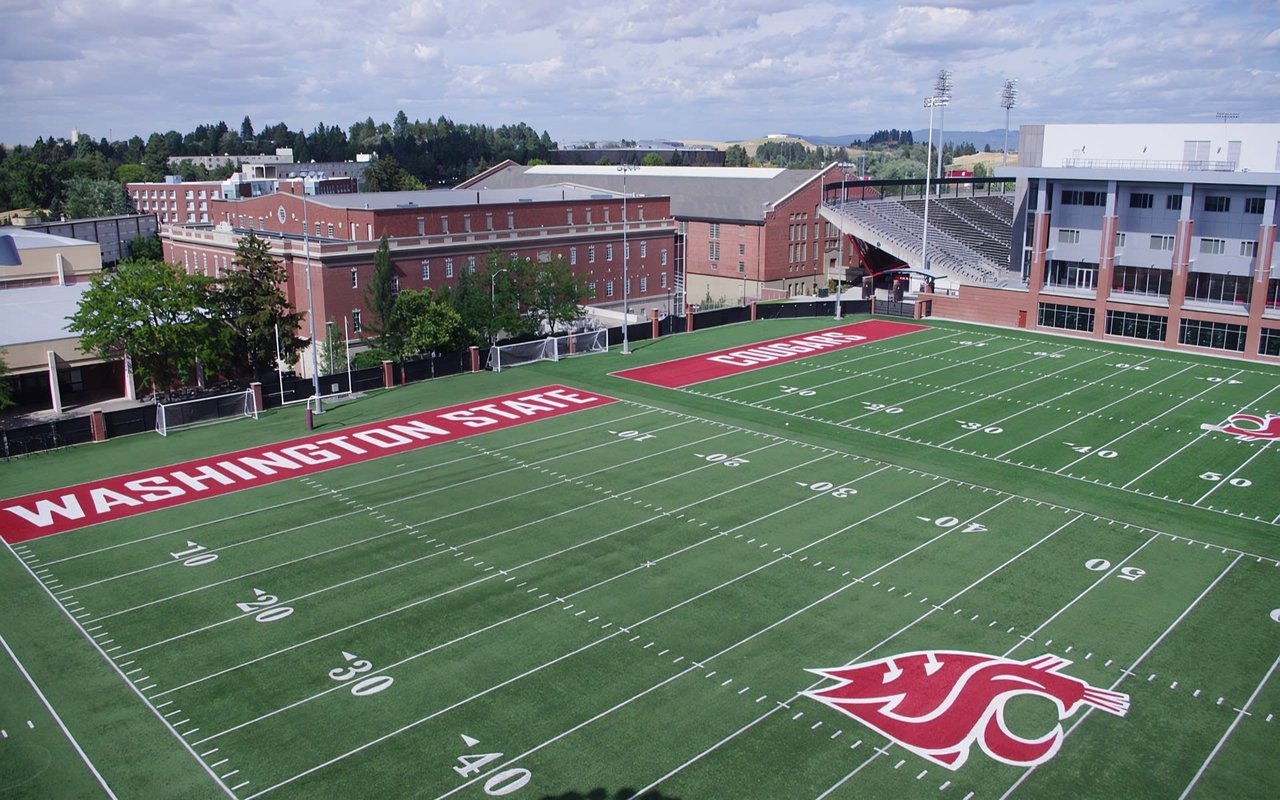
Pullman is a compact college town, so cross-town drives are usually short compared to larger metros. That means you can prioritize the home features you need for remote work and still keep your commute manageable. The WSU campus sits at the center of activity, and most daily destinations are clustered around campus and downtown.
You’ll find a mix of older homes near campus and newer subdivisions toward the south and west edges of town. That variety helps whether you want walkability or more space for a dedicated office. Broadband availability can vary by block, so plan to verify internet options by address before you write an offer.
How to use this guide
This overview groups Pullman into four practical areas based on commute trade-offs, housing types, and remote-work needs. For each, you’ll see typical commute ranges, work-from-home pros and cons, and what kind of buyer each area tends to suit. Use the checklist later to compare specific homes.
Neighborhood types that fit remote work
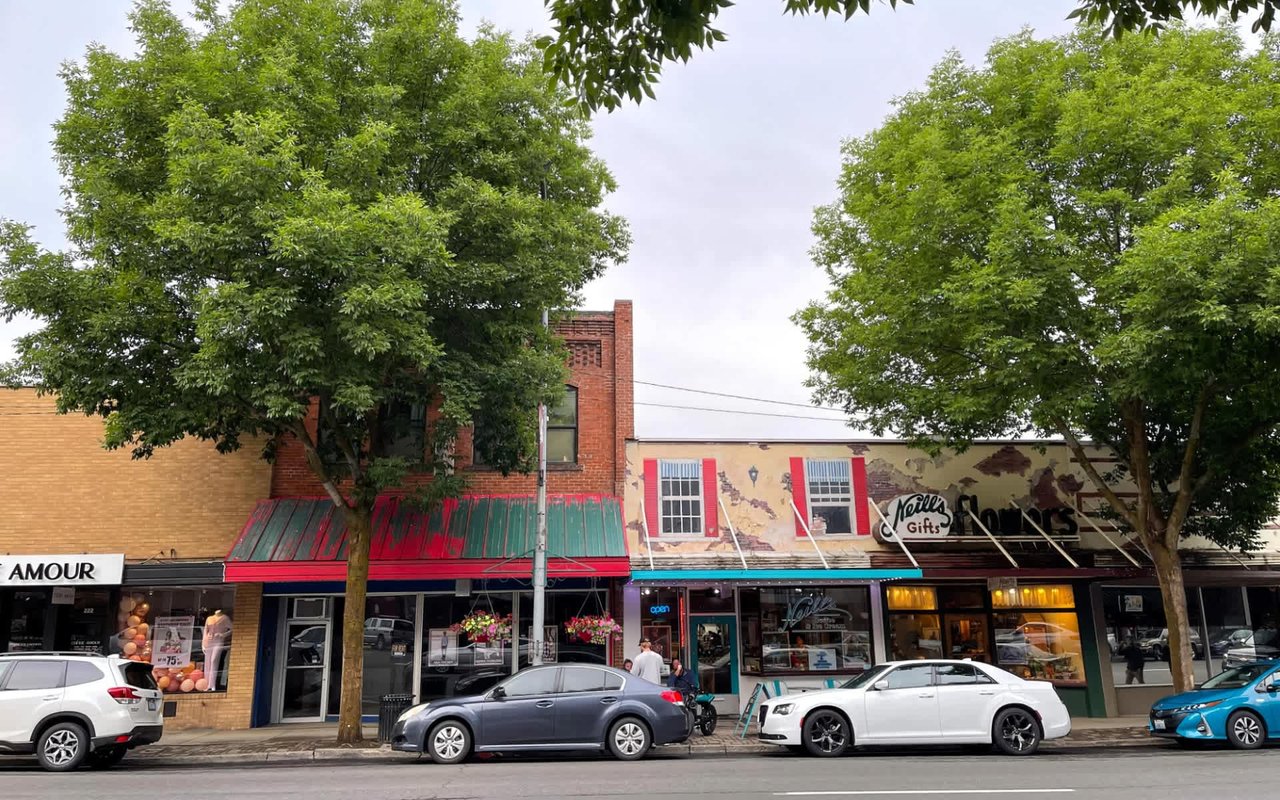
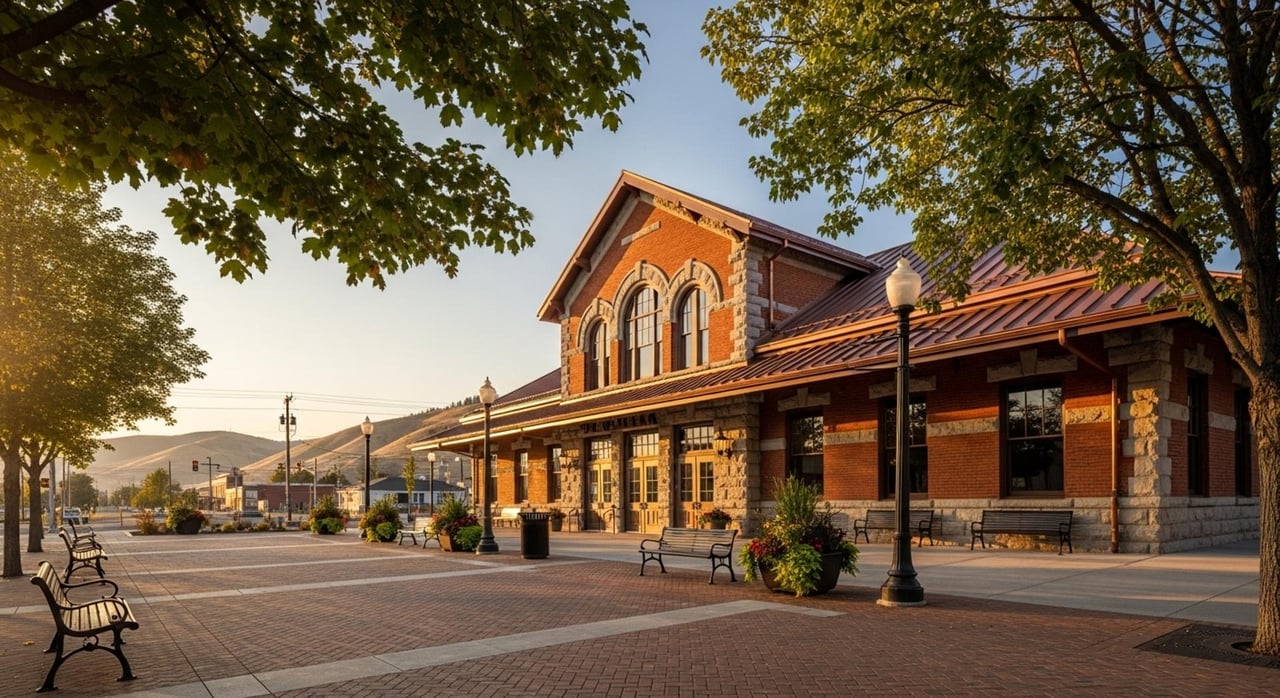
Downtown and campus-adjacent
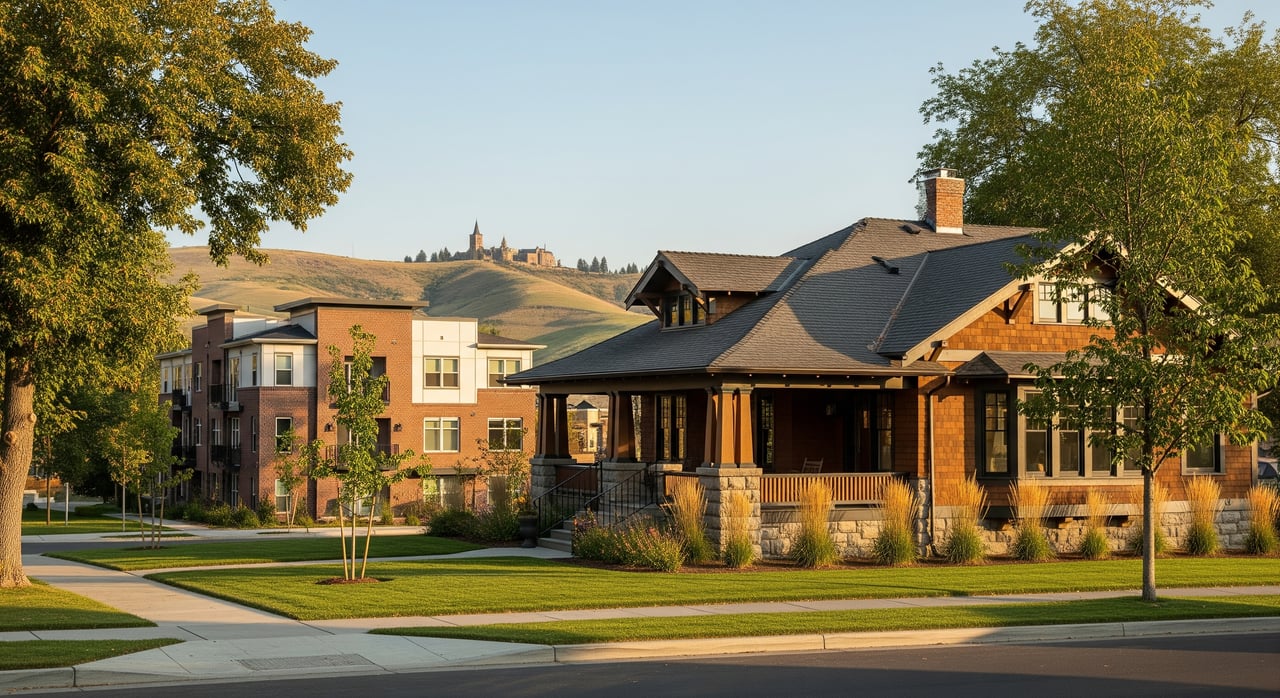
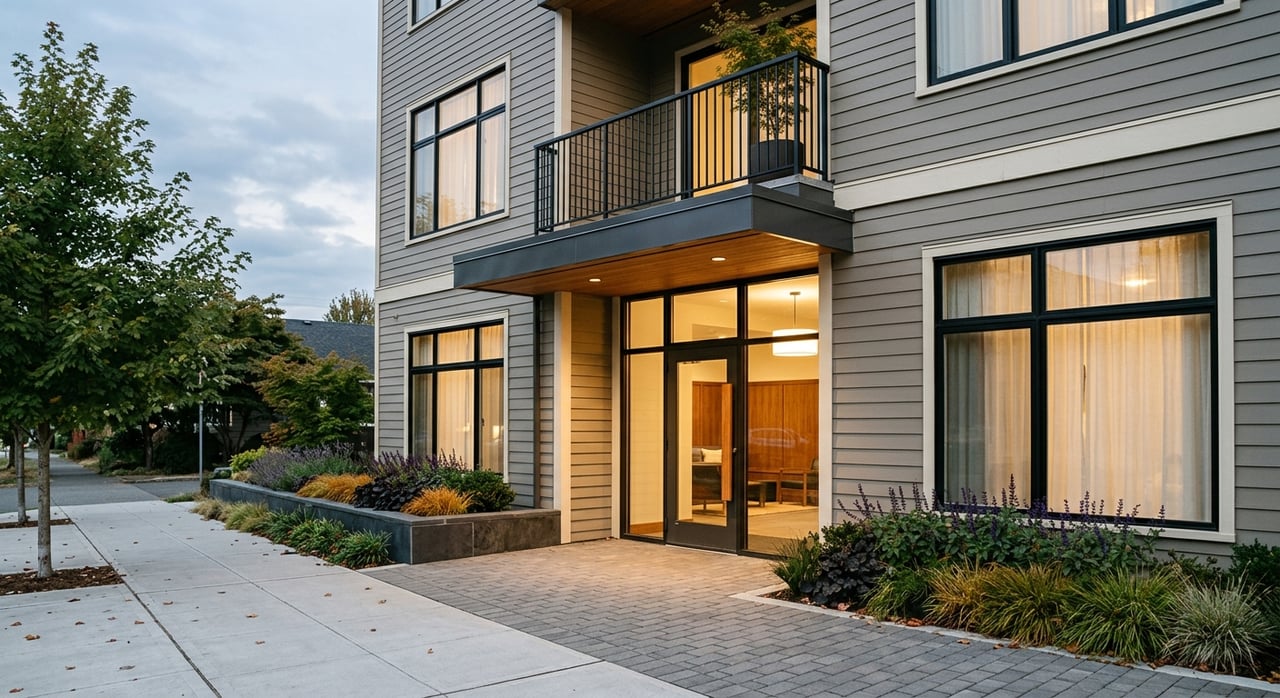
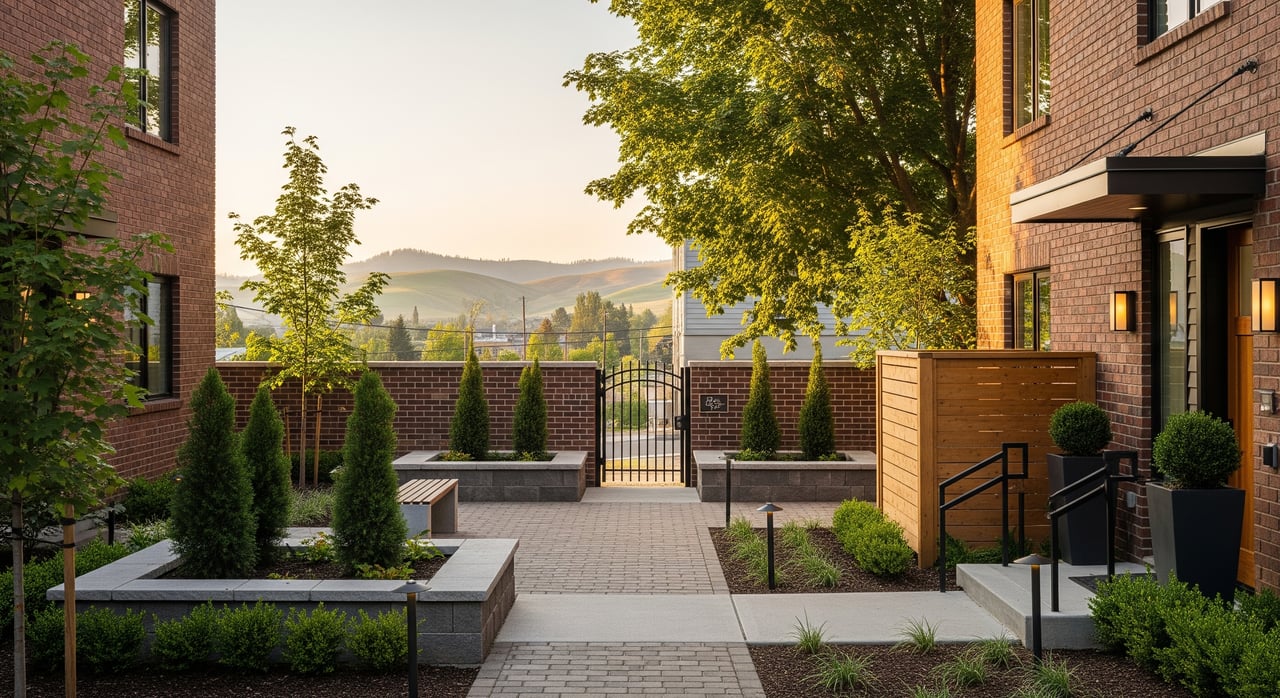
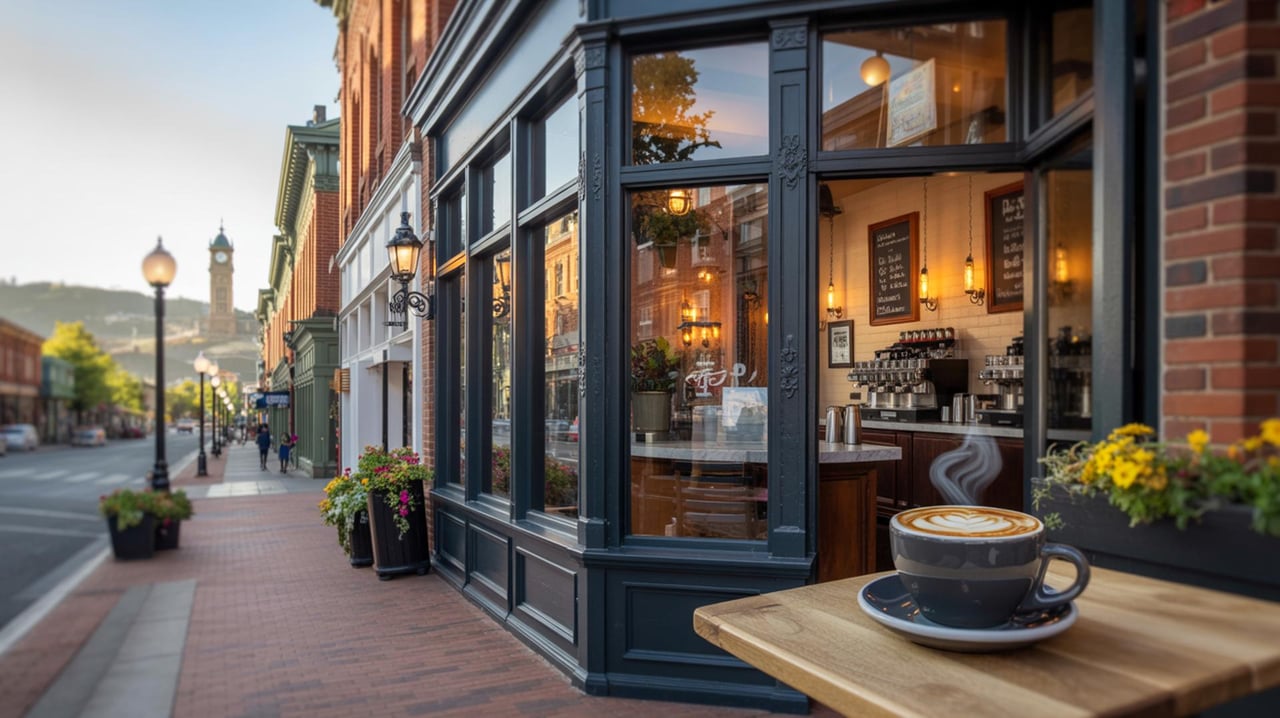
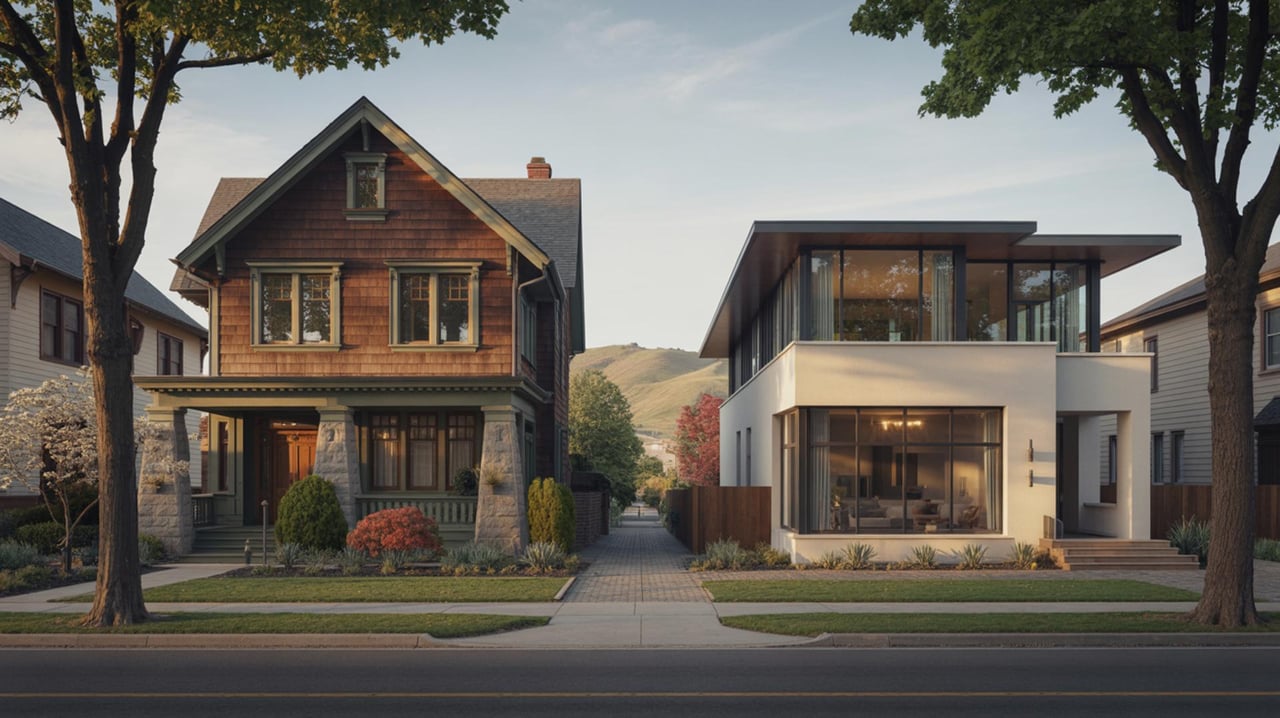
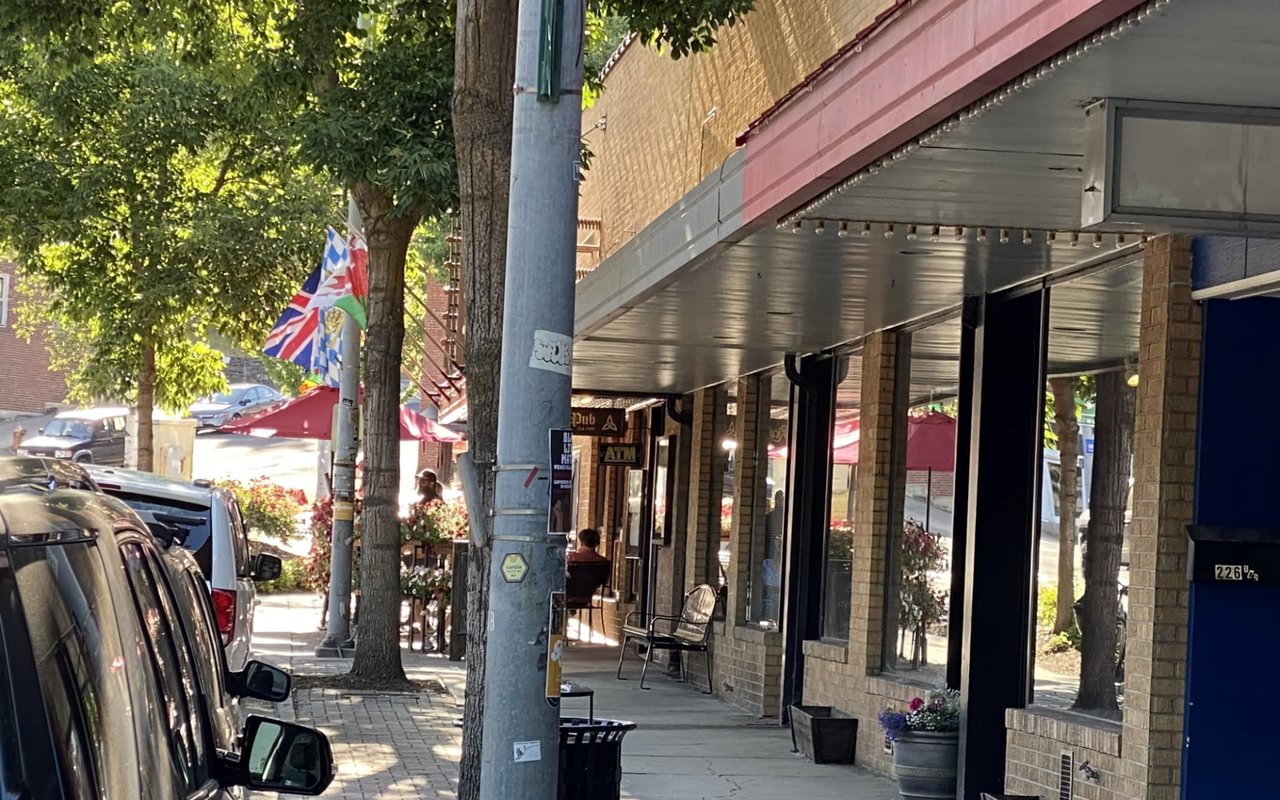
If you want the shortest trips to WSU and downtown, this is the closest-in option. You’ll see a mix of apartments, small single-family homes, and some condos. Walkability to coffee, university libraries, and restaurants is a hallmark here.
- Typical commute: Walkable to 5–10 minutes by car, depending on your exact address and campus parking.
- Work-from-home pros: Easy access to third places like cafes and libraries for a change of scenery. Strong walk and bike options for quick errands.
- Trade-offs: More activity during academic terms, tighter parking, and smaller home footprints that may limit office space.
- Best for: You value convenience and amenities, and you only need a compact workspace at home.
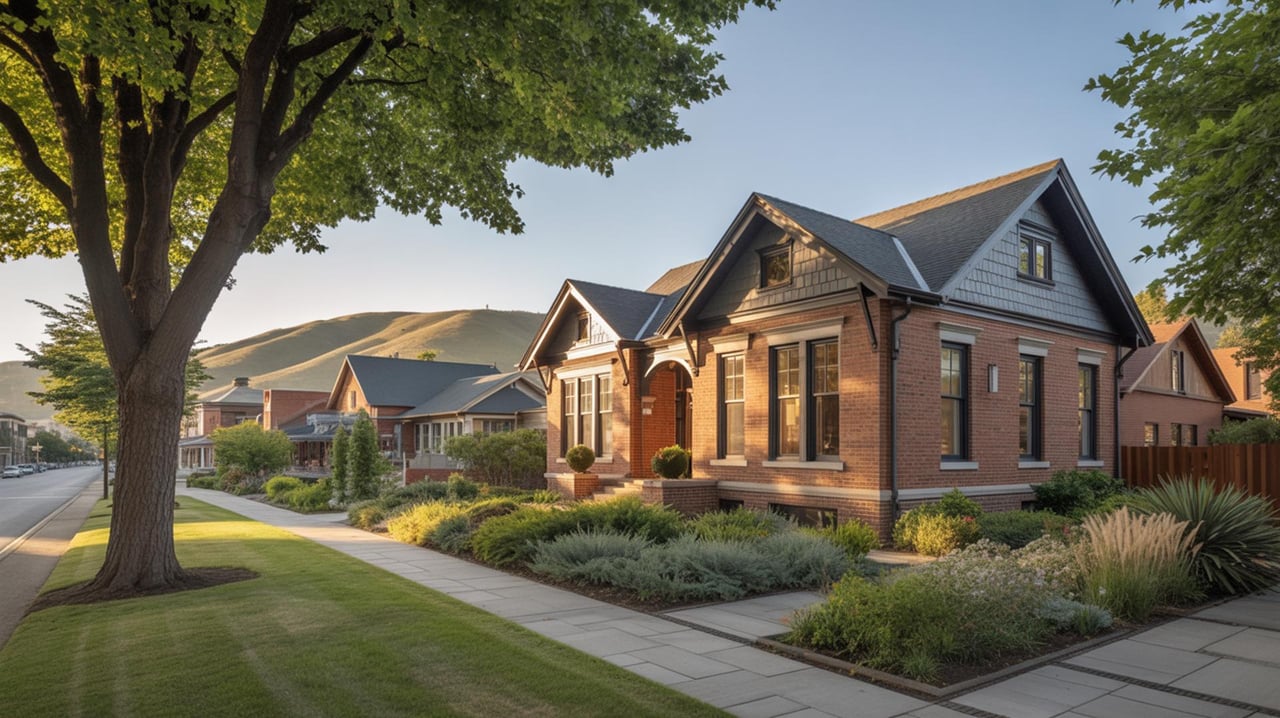
Near-residential corridors just outside the core
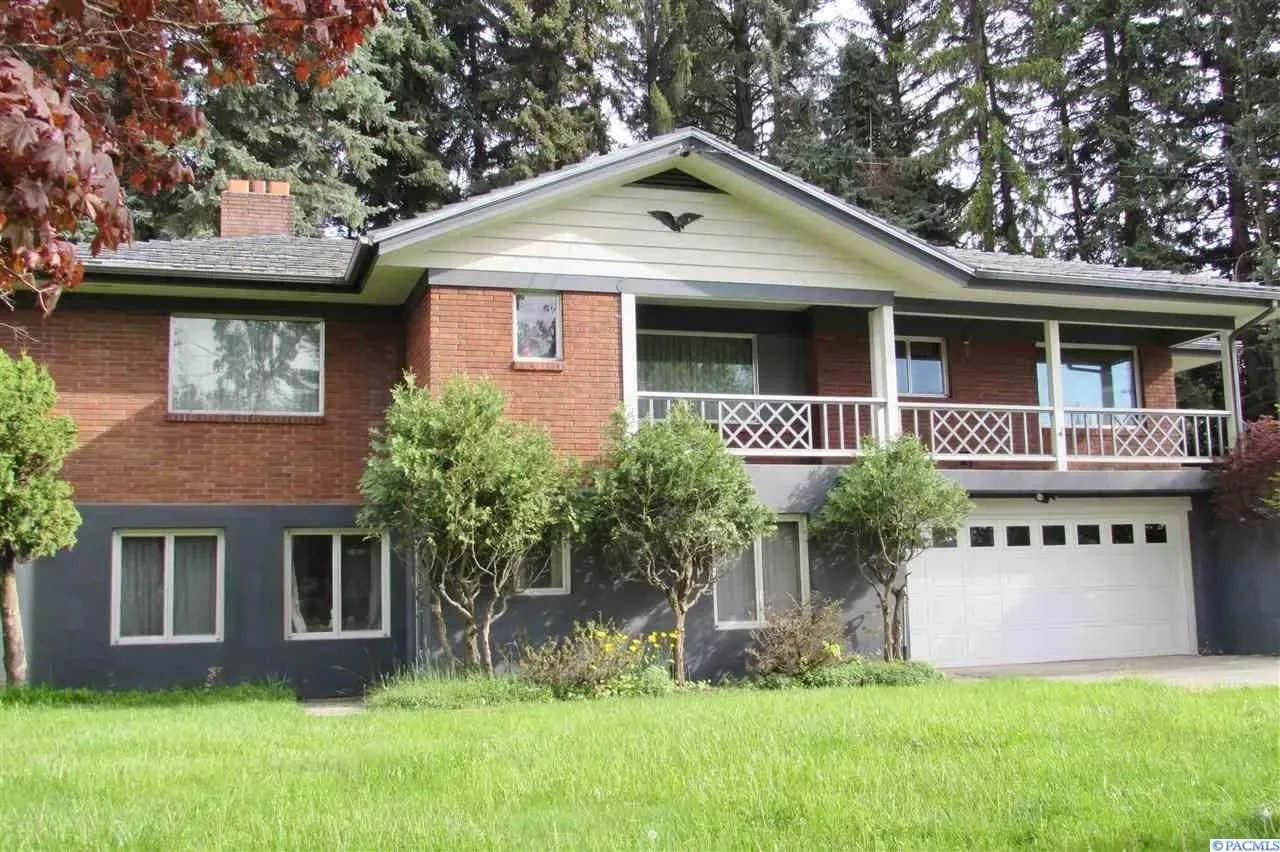
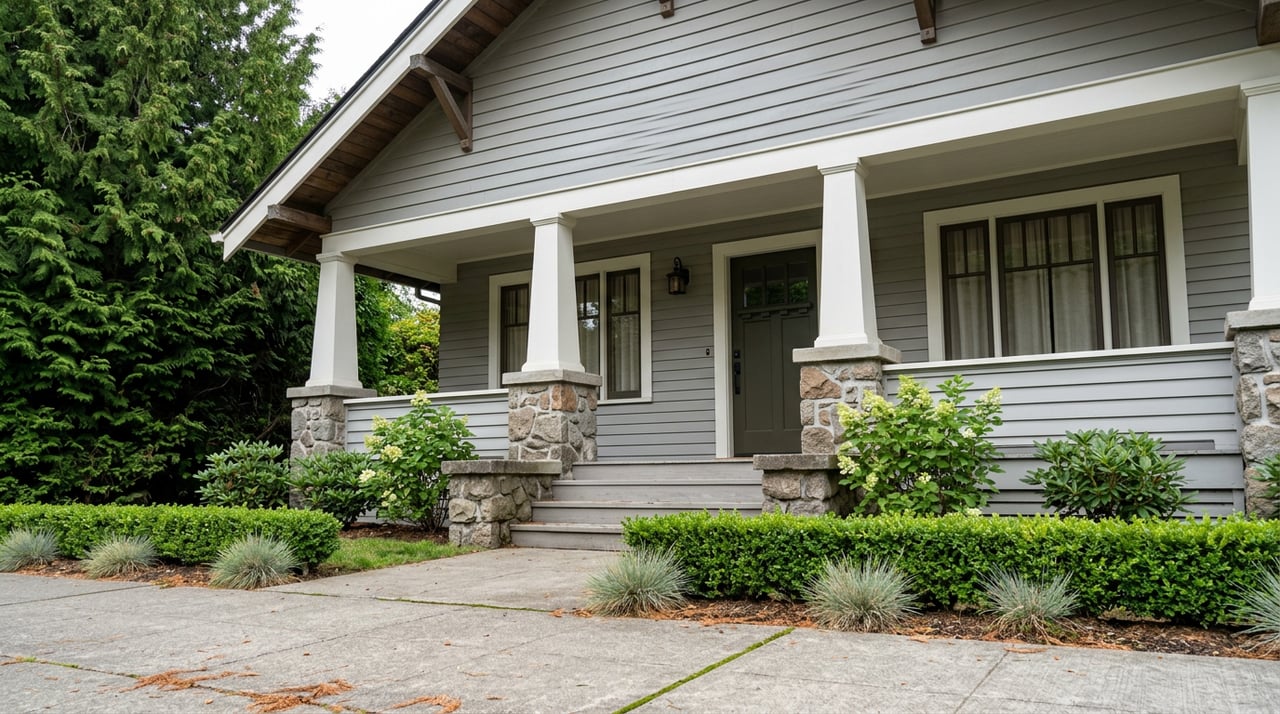
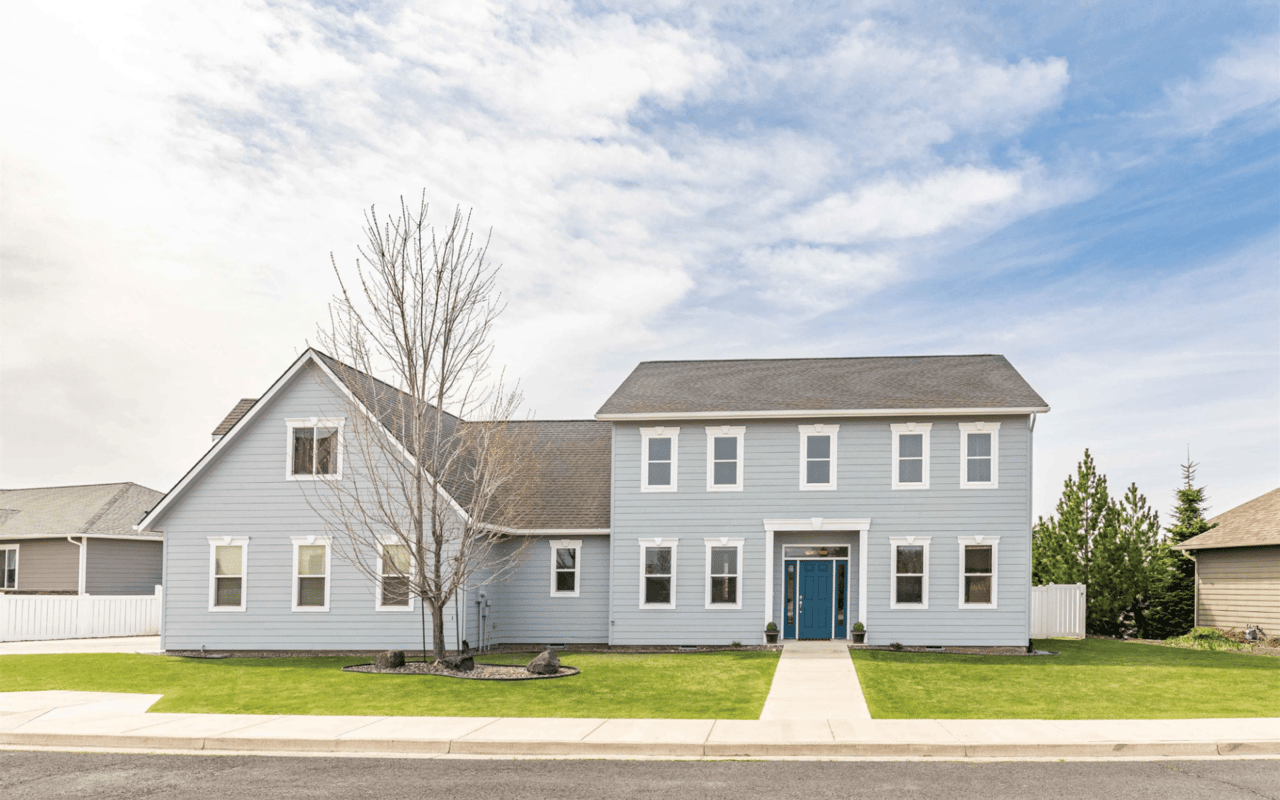
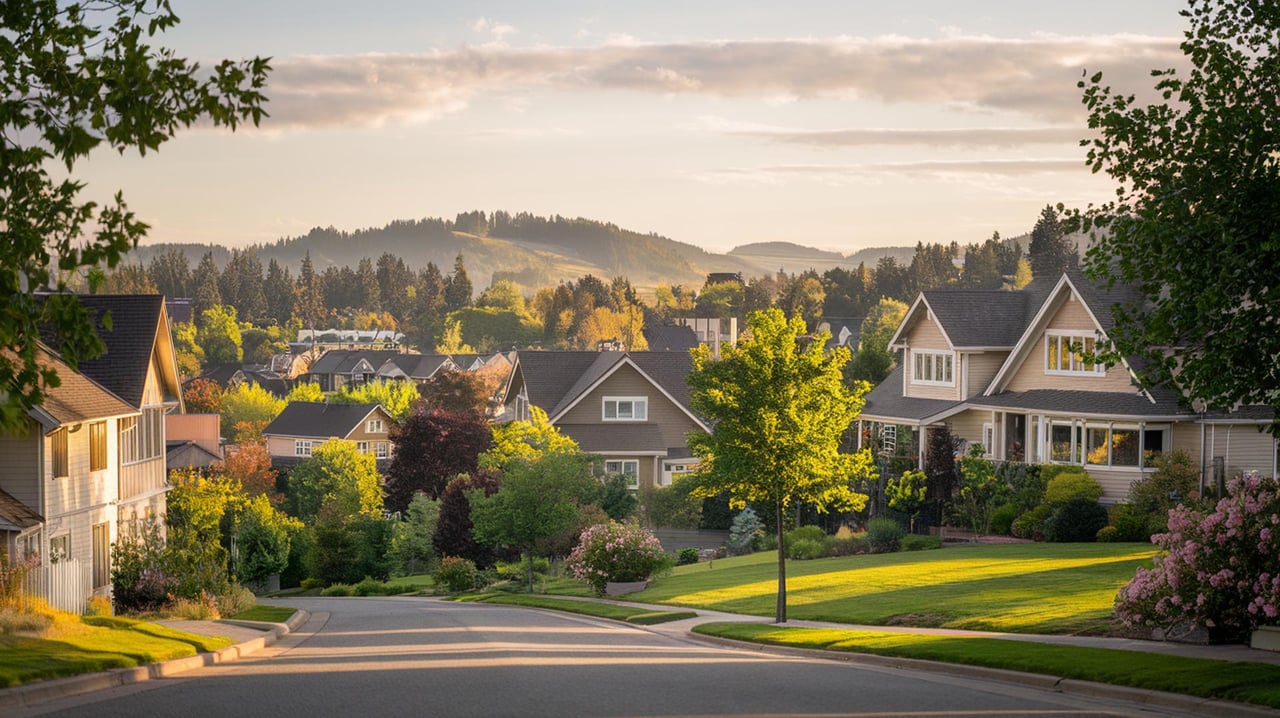
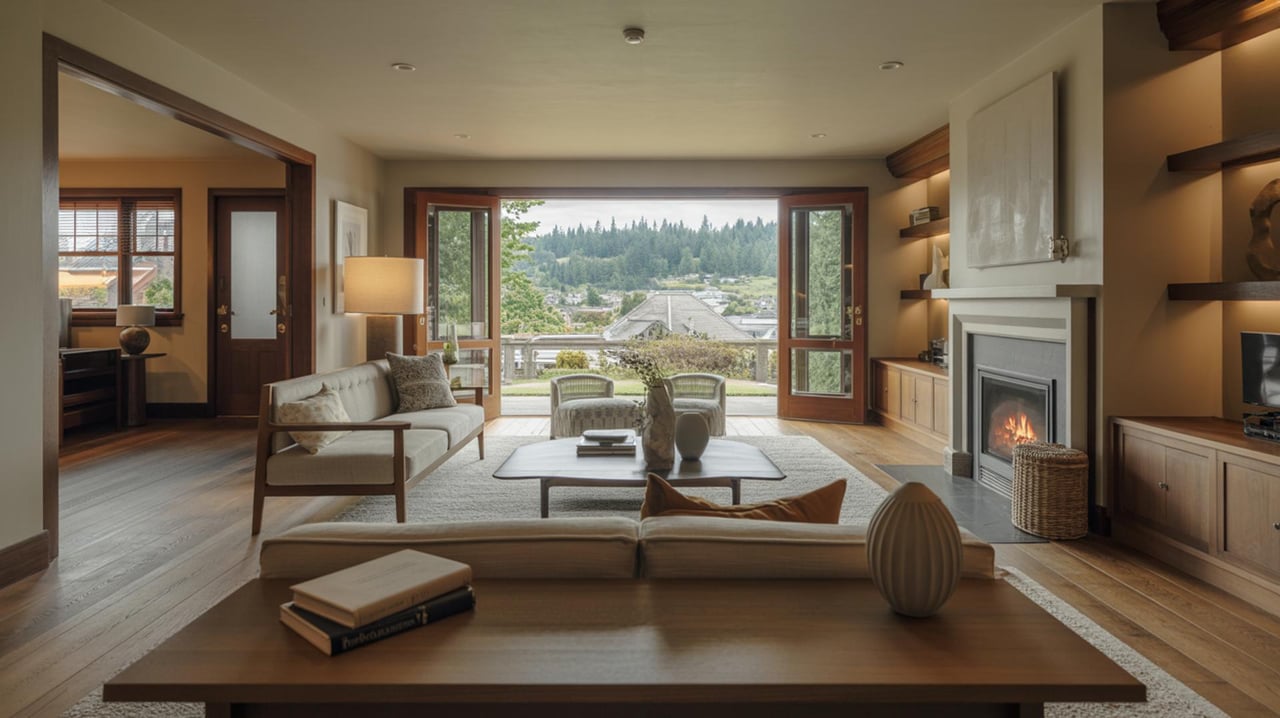
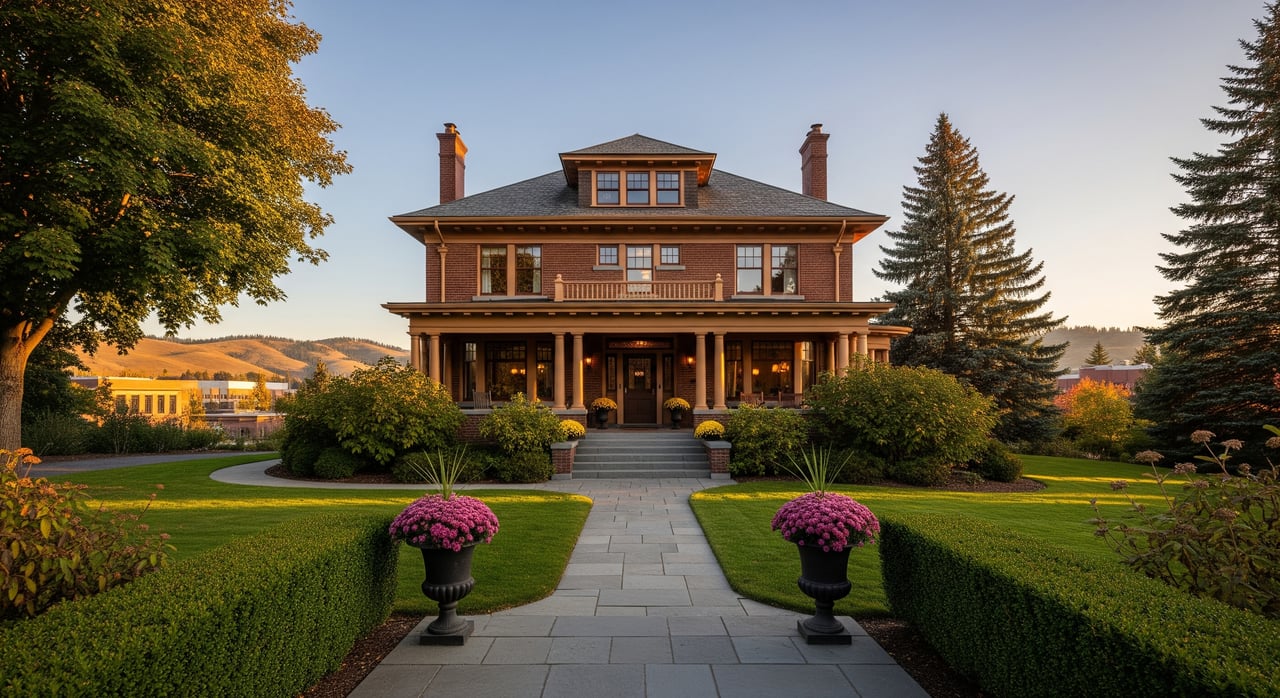
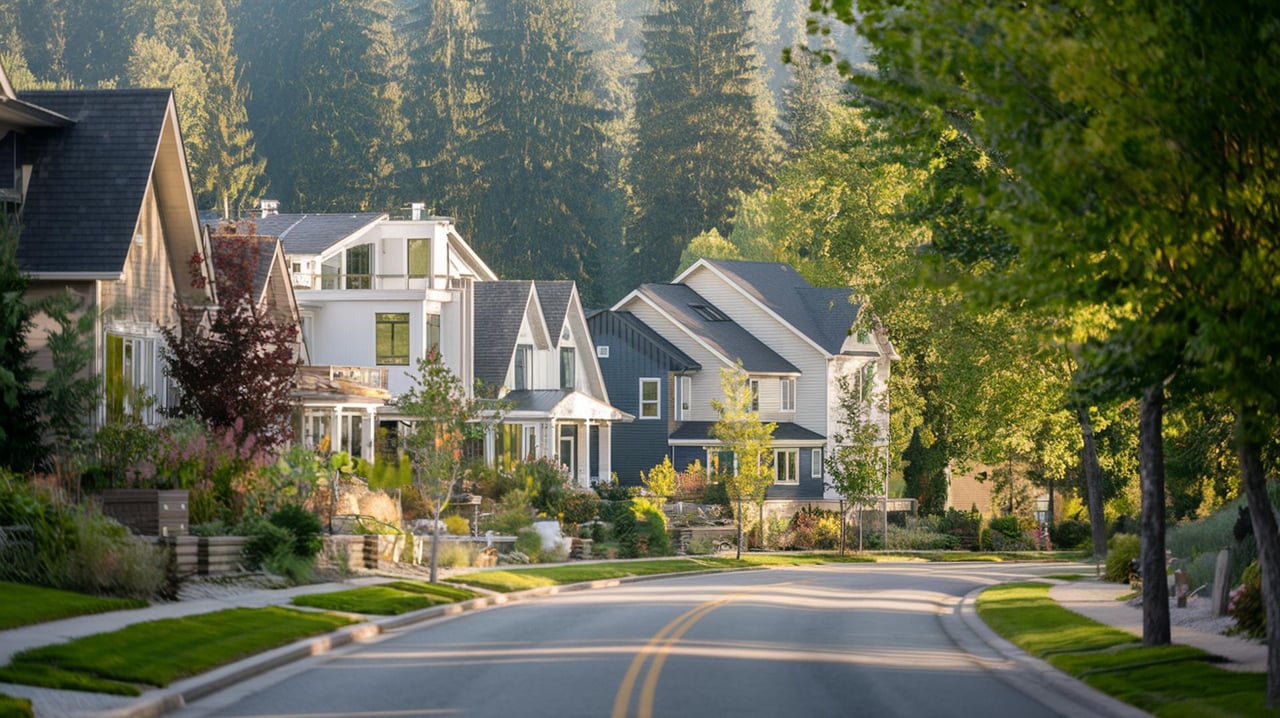
Just beyond the busiest campus blocks, you’ll find quieter streets with mostly older single-family homes. You keep quick access to downtown while gaining more interior space for a true office.
- Typical commute: About 5–15 minutes to campus or downtown.
- Work-from-home pros: A better chance at a dedicated room with natural light. Quieter feel than the immediate campus edge.
- Trade-offs: Older homes can require updates to electrical or insulation to support modern setups.
- Best for: You want balance — short commutes without the highest foot traffic.
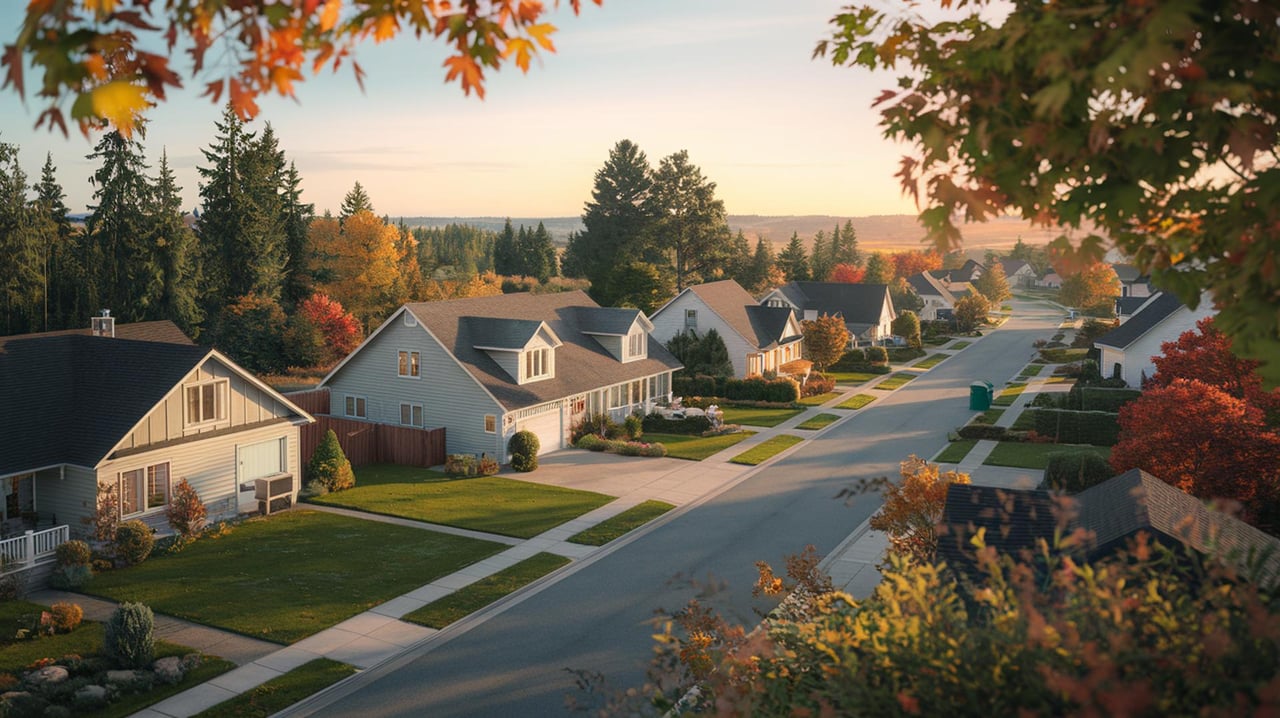
South and west single-family subdivisions
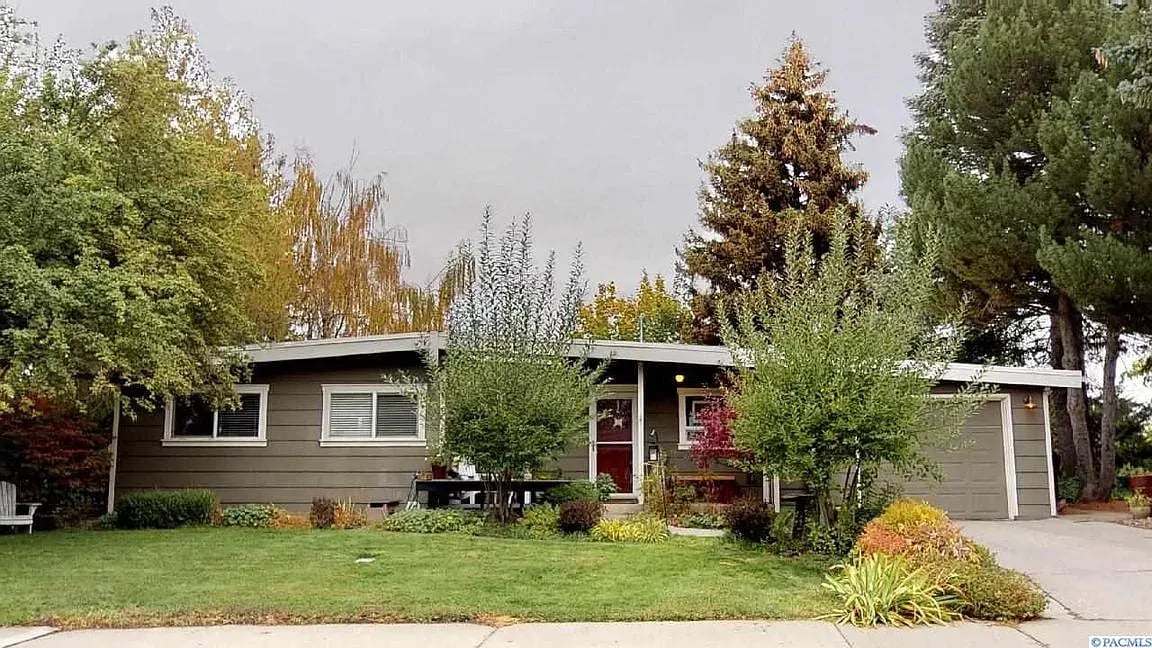
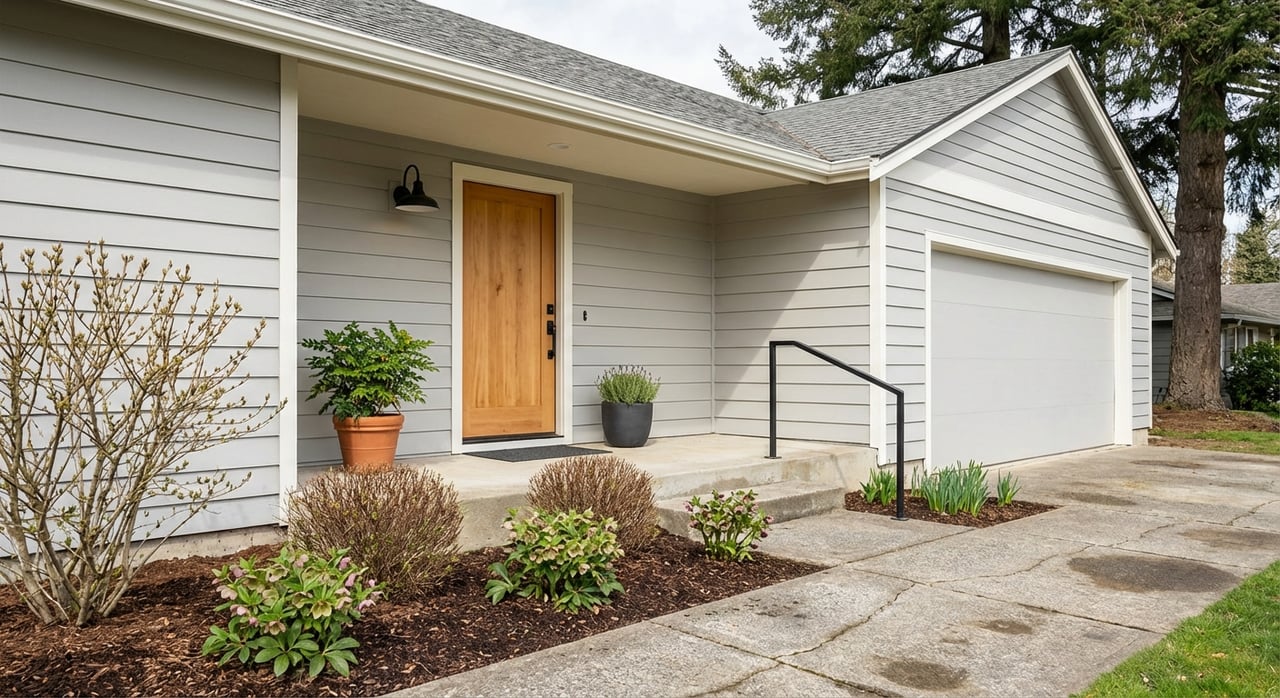
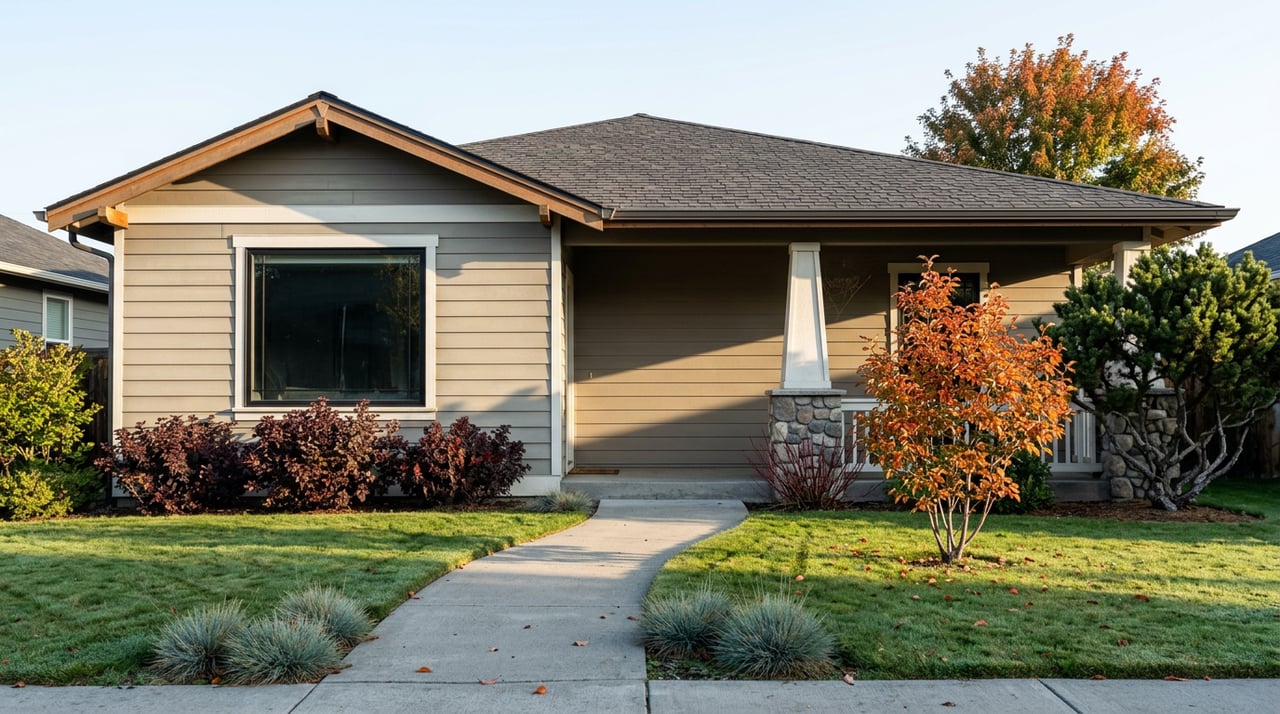
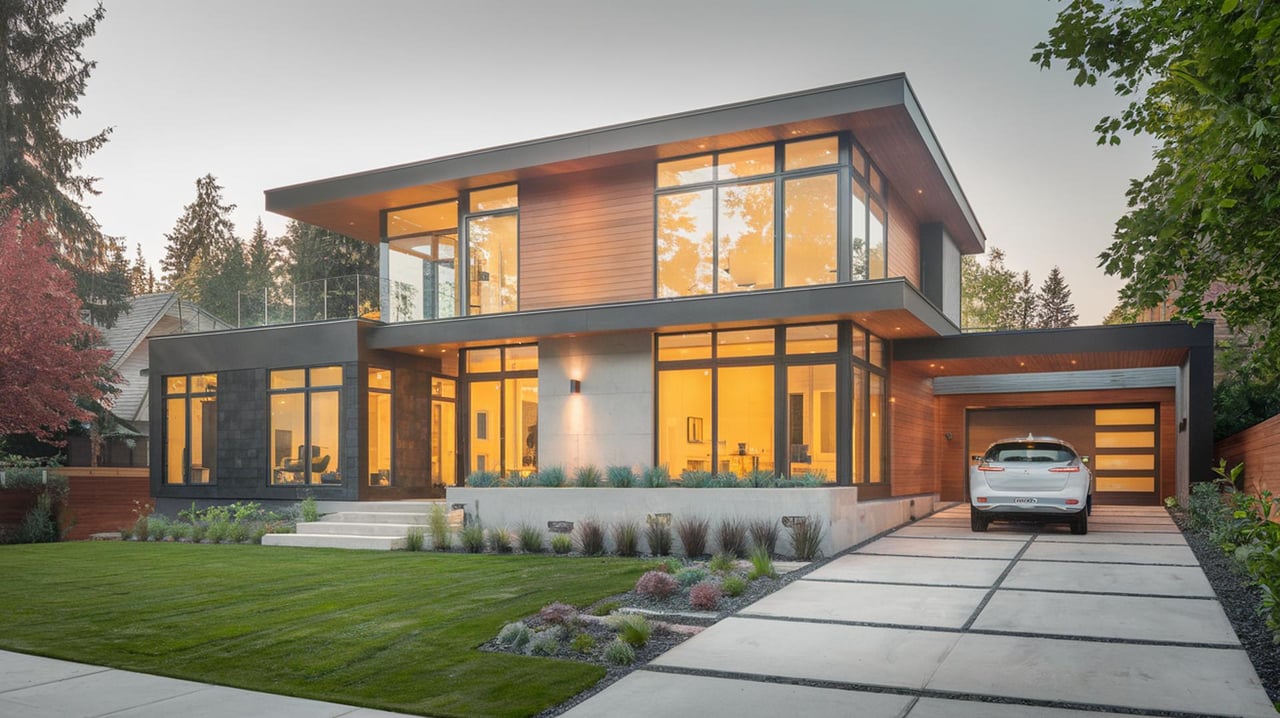
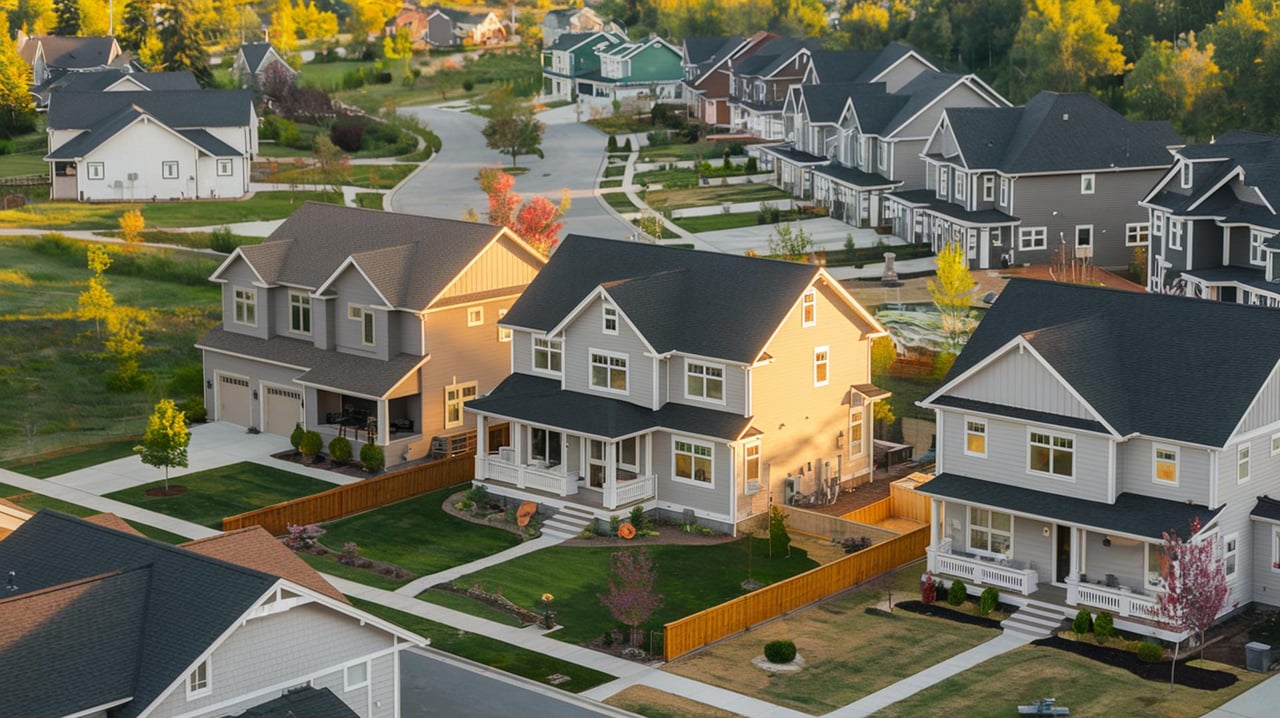
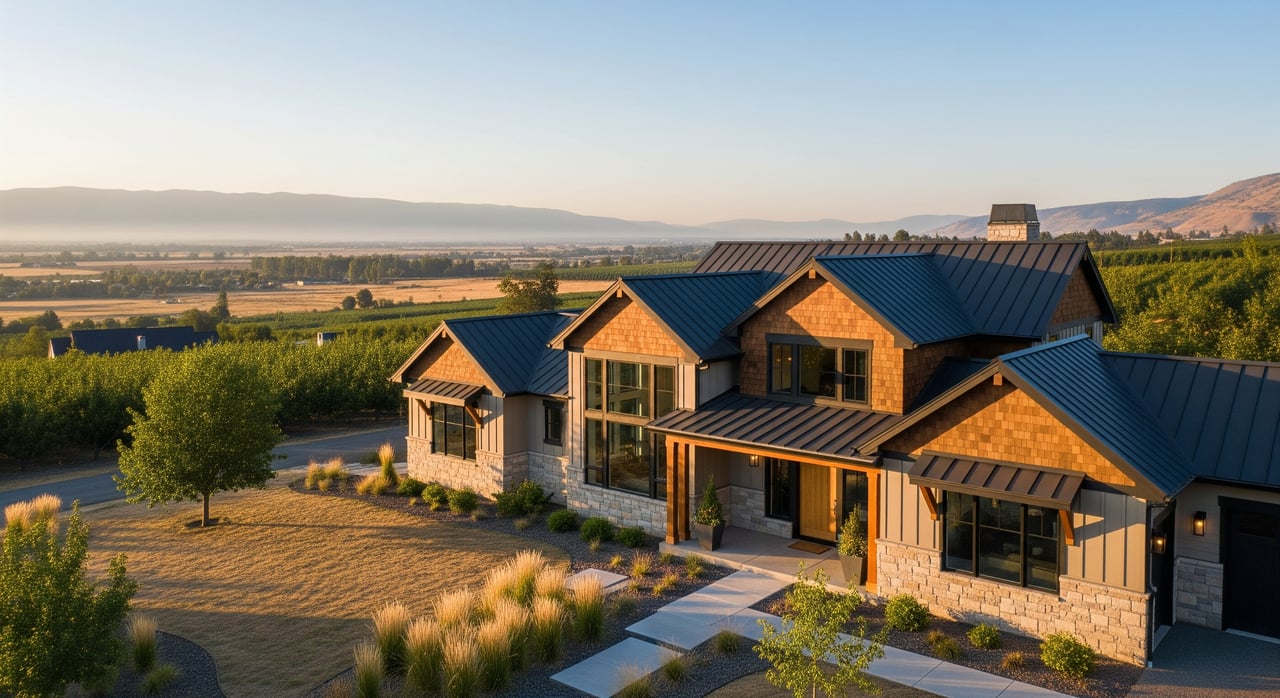
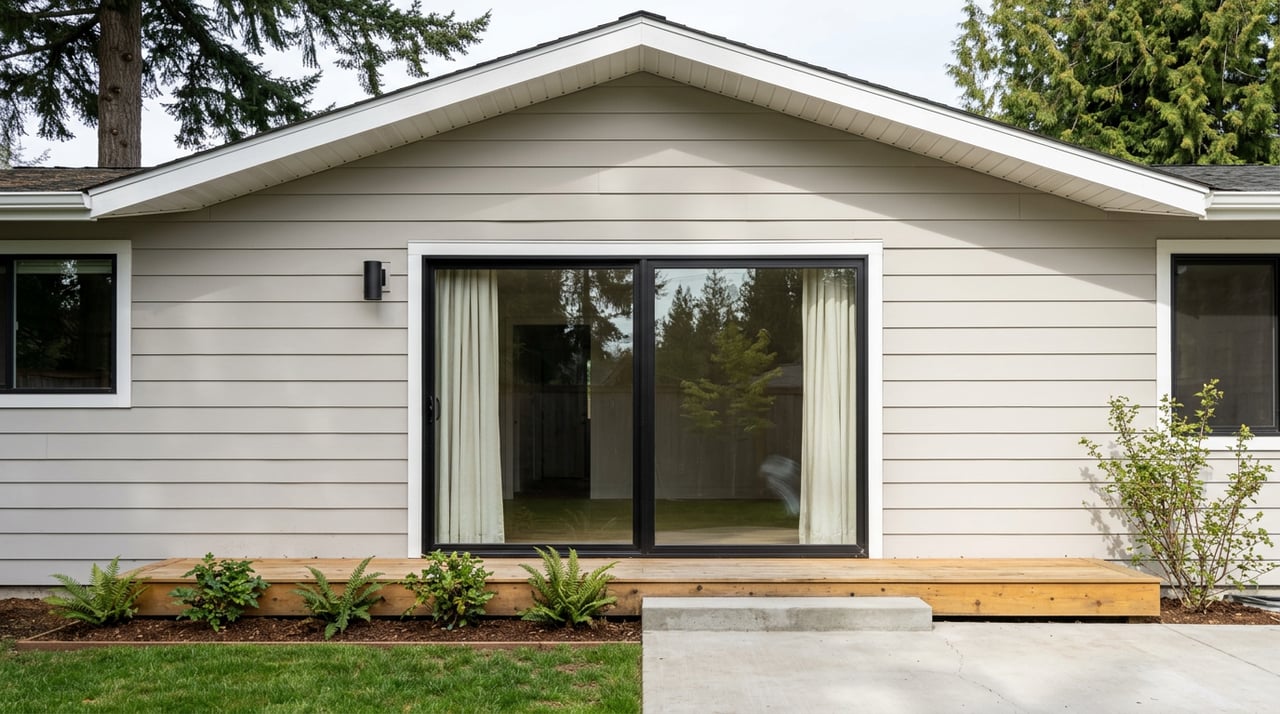
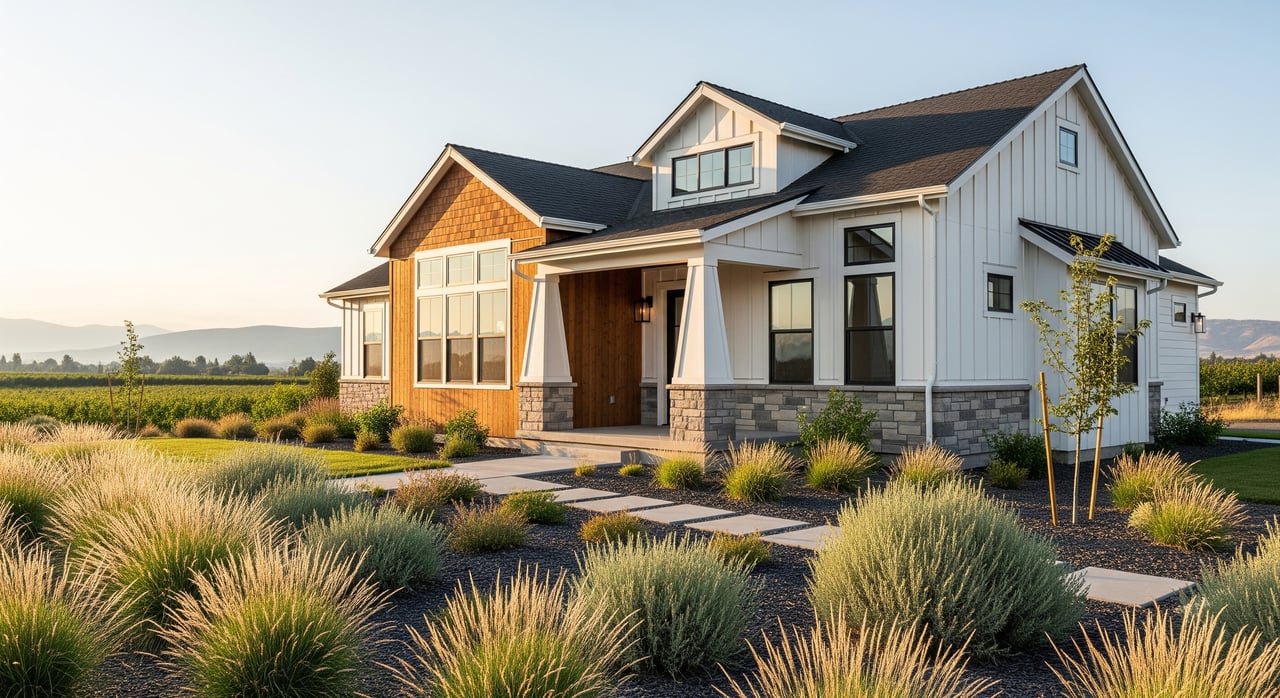
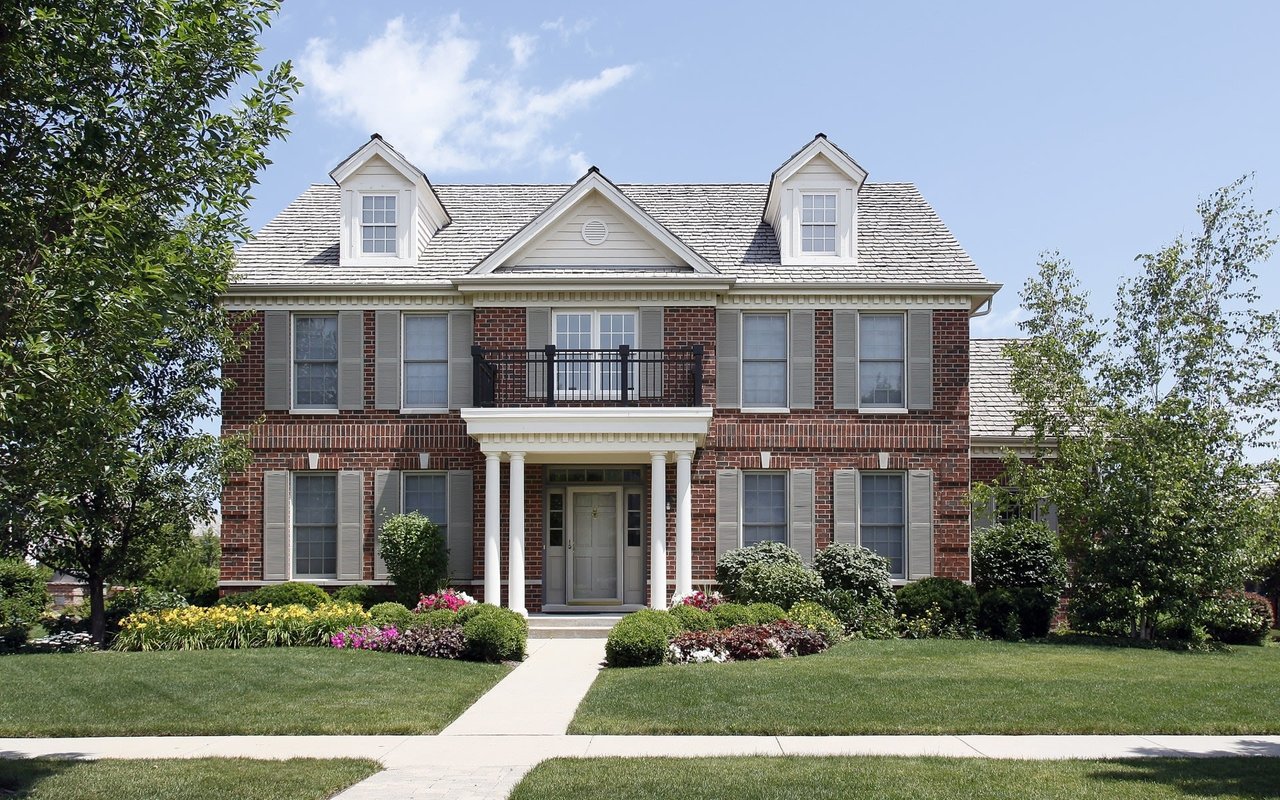
Newer subdivisions often sit on the south and west sides of Pullman. Homes here typically offer larger floor plans, attached garages, and more predictable infrastructure.
- Typical commute: About 10–20 minutes to campus and downtown.
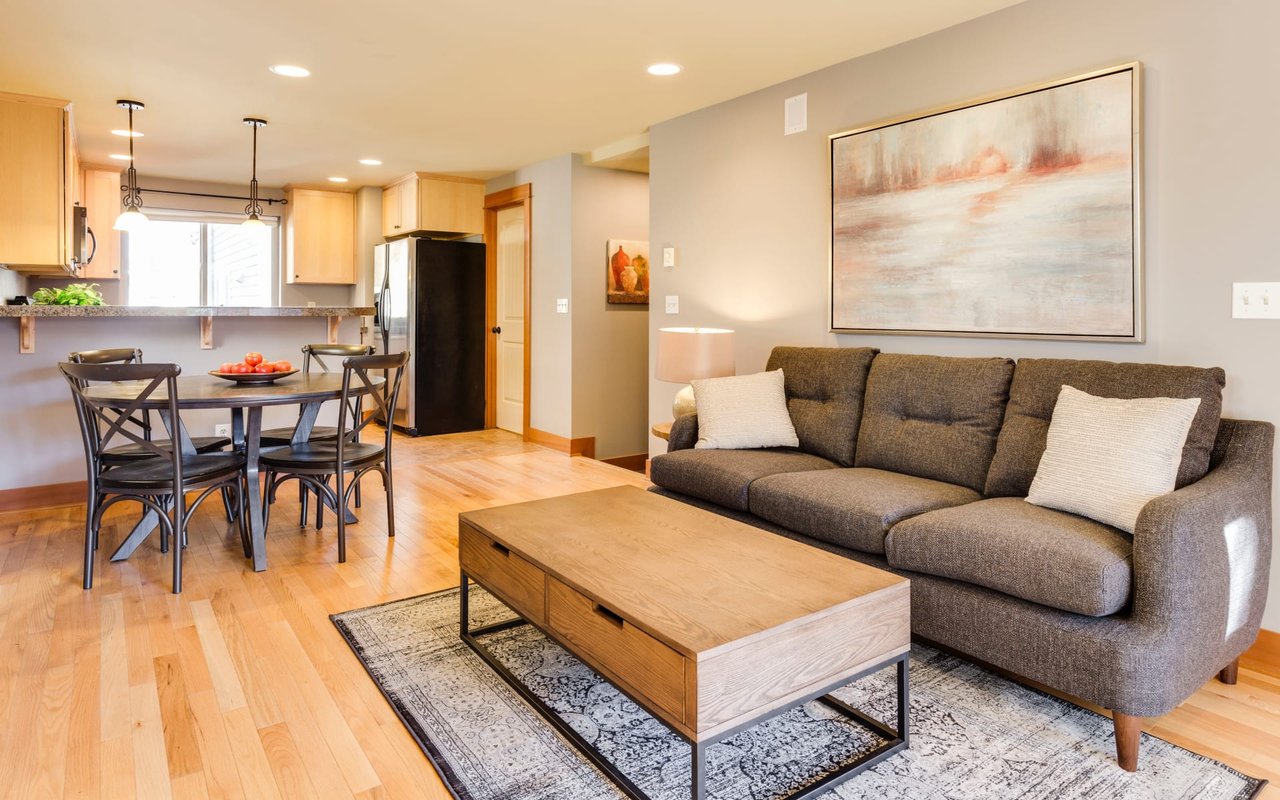
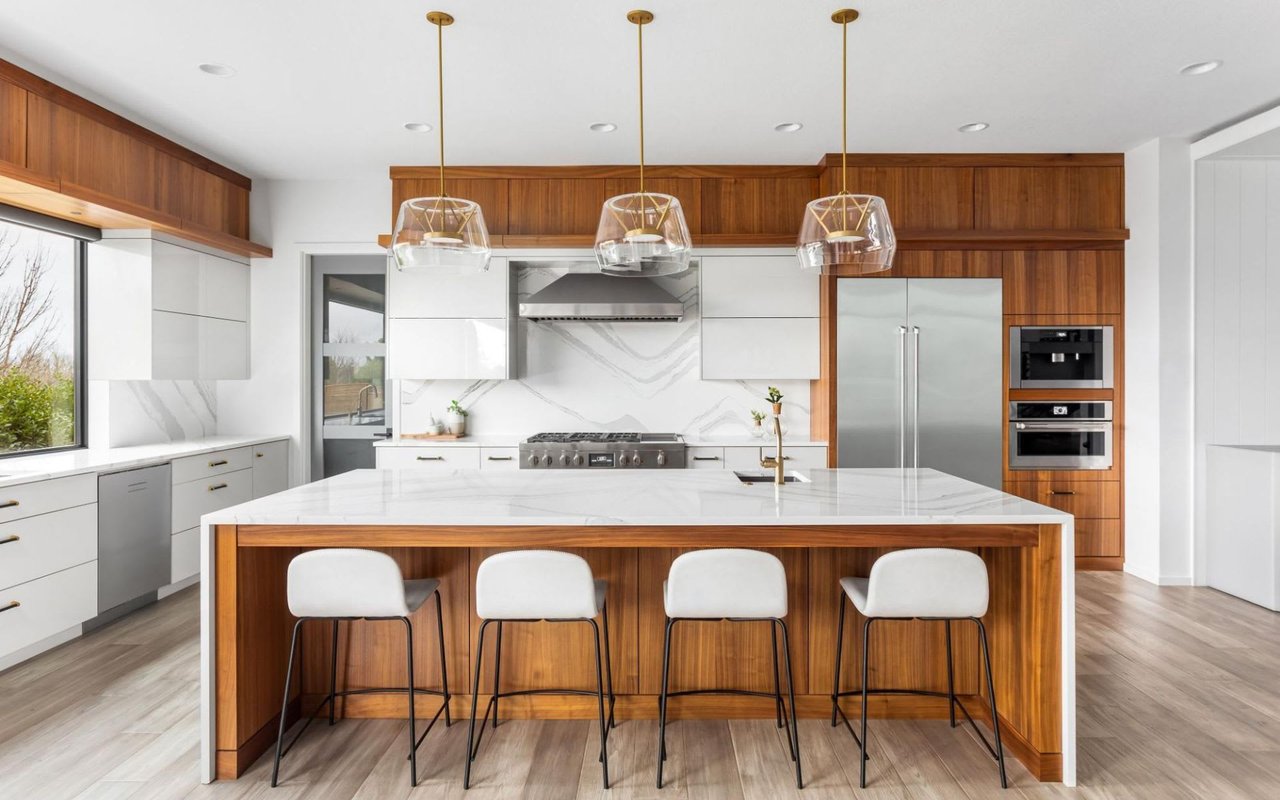
- Work-from-home pros: More space for a dedicated office and storage. Newer construction can mean updated HVAC and wiring.
- Trade-offs: Fewer walkable options for midday errands, so plan for car-based trips.
- Best for: You want a quiet environment, a full office, and possibly a yard or outdoor space.
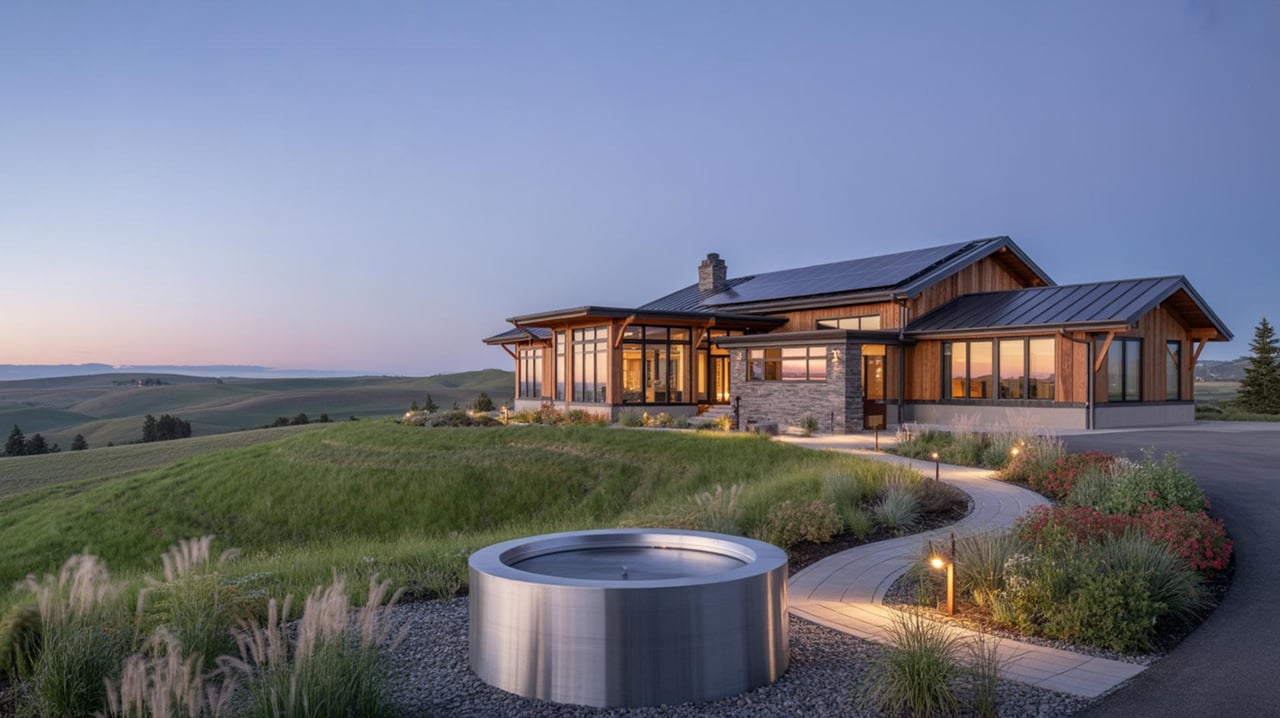
Outskirts and rural properties
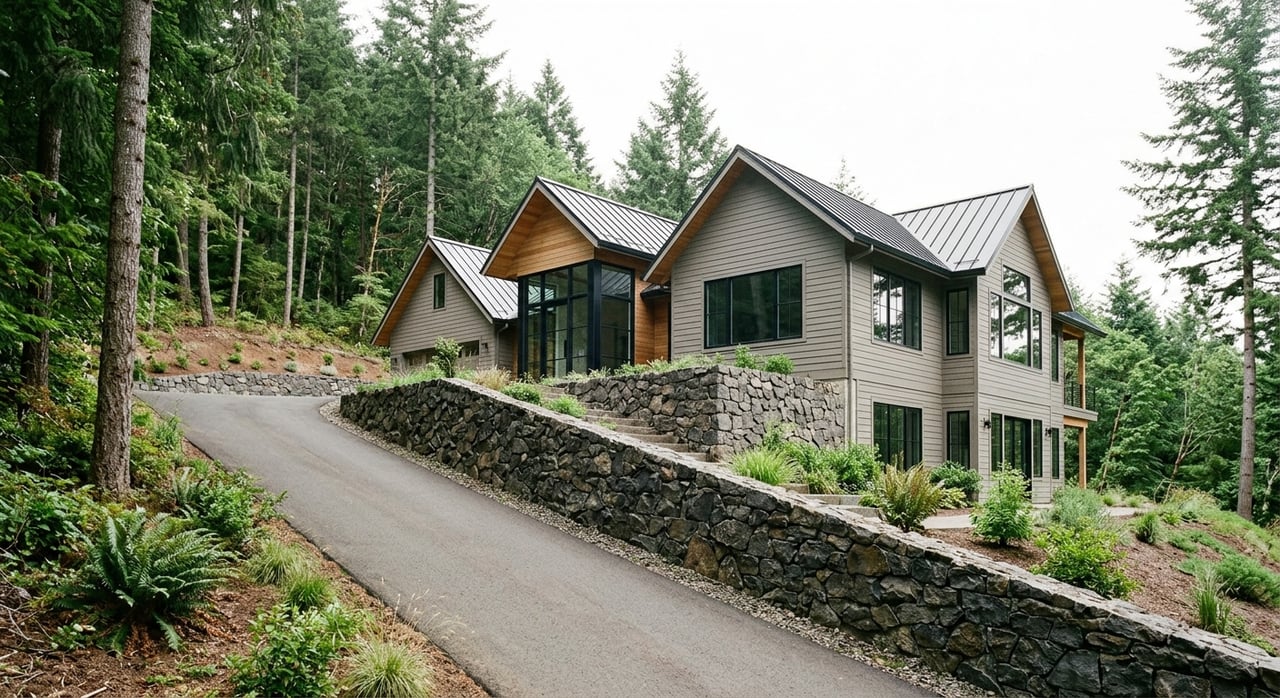
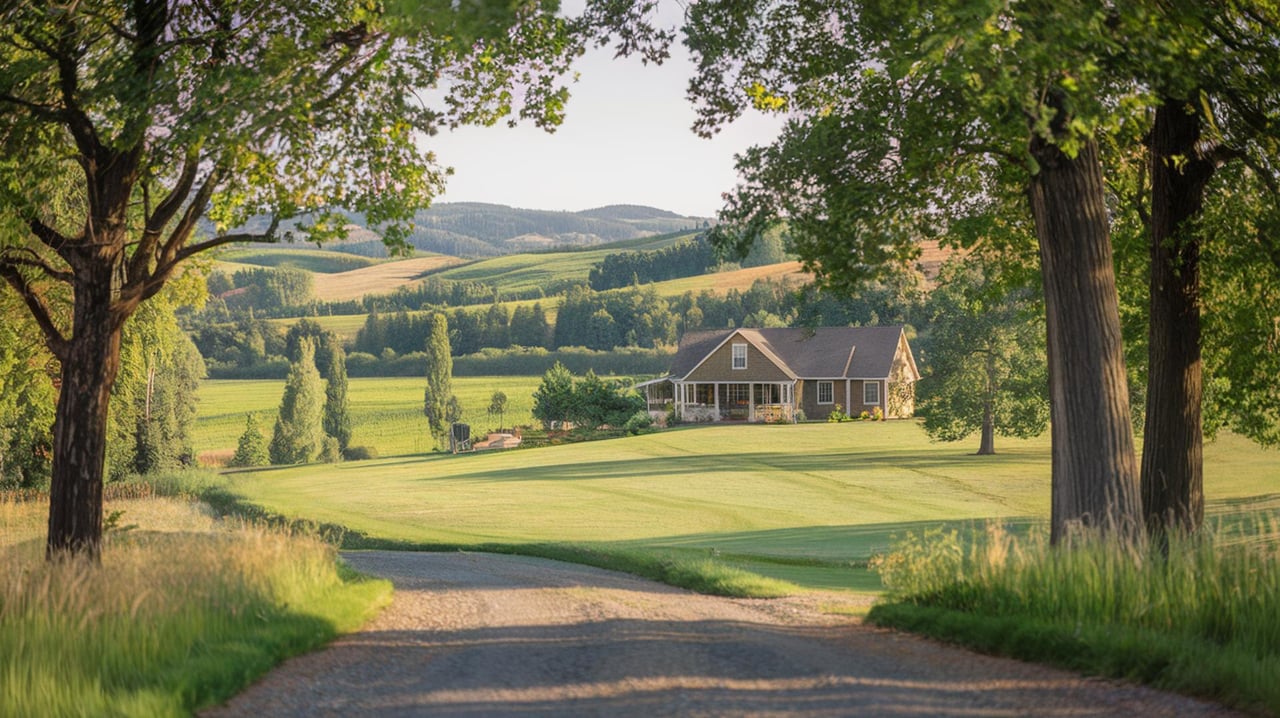
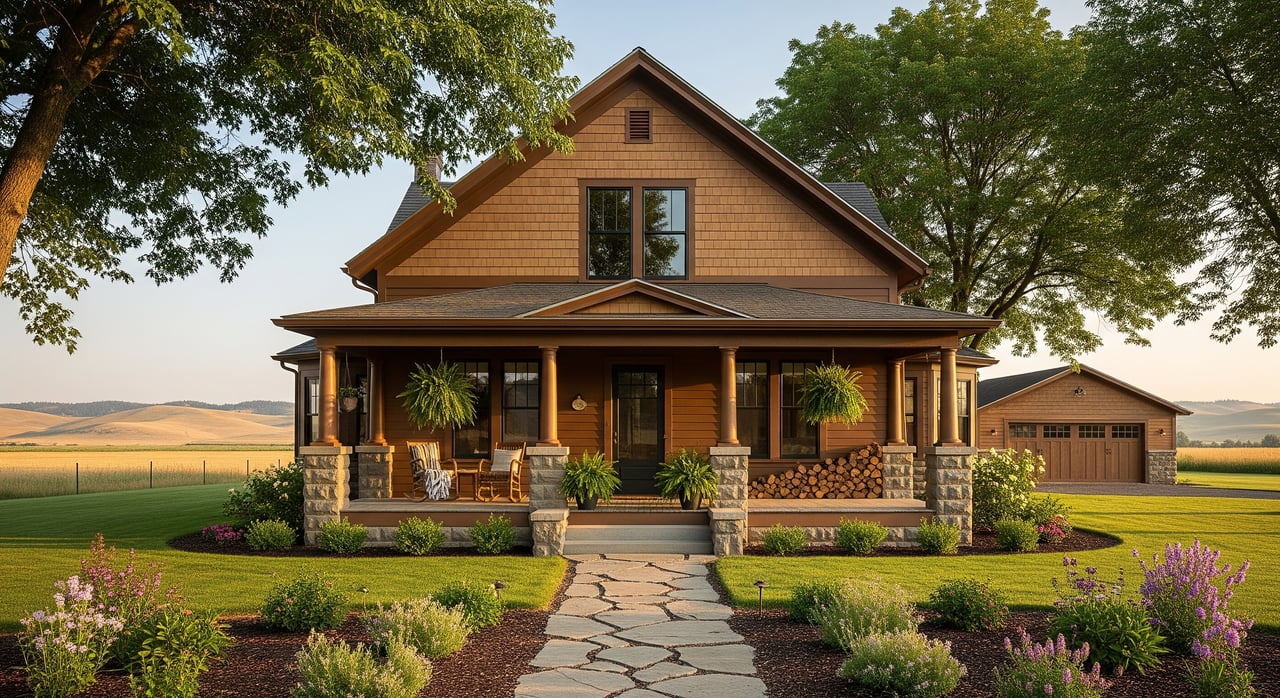
On the edges of town or just outside city limits, you can find acreage and rural homes. Privacy and space are the major draws.
- Typical commute: Around 20 minutes or more to WSU or downtown.
- Work-from-home pros: Room for a stand-alone office, studio, or shop. Low-density settings that support focused work.
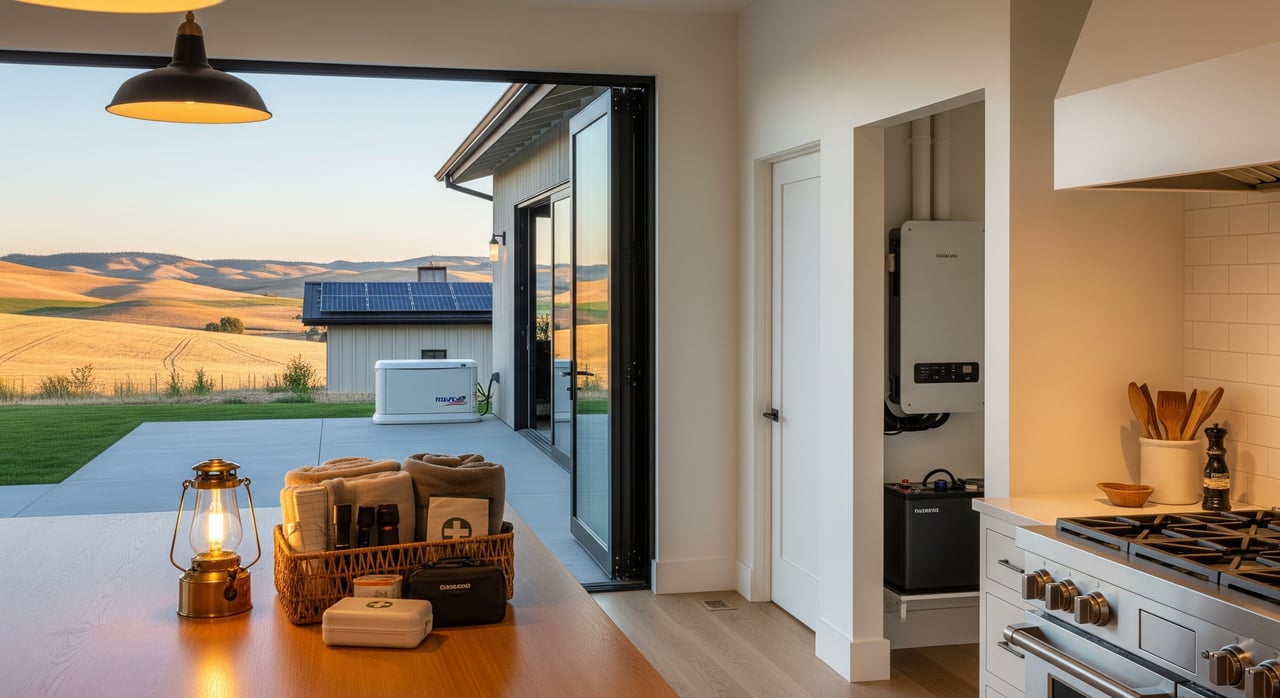
- Trade-offs: You must verify broadband options carefully. Winter road conditions can affect drive times. Some properties rely on wells and septic systems.
- Best for: You prioritize privacy, space, and a customizable workspace and you are comfortable planning around rural utilities.
Commute and transit basics in Pullman
Most in-town commutes are short, especially compared with larger cities. Still, you should drive your route at typical peak times, and again during winter conditions, to see how it feels. If you prefer not to drive, review current Pullman Transit routes to check if schedules align with your workday.
If you are parking on campus, review WSU’s permit rules and visitor options through WSU Transportation Services. Campus activity increases during the academic year, which can affect parking and drive times near the university.
Remote-work infrastructure checklist
A smooth workday starts with reliable utilities and the right space. Use this quick checklist at the address level.
- Internet verification
- Check the FCC Fixed Broadband Map to see advertised providers and technologies at the address.
- Contact local ISPs to confirm current plans, upload speeds, and installation timelines.
- Test cellular coverage at the property as a backup.
- Power and home systems
- Ask about outage frequency and any recent electrical upgrades.
- Review electrical panel capacity if you use multiple monitors, peripherals, or servers.
- Workspace and sound
- Look for a dedicated, quiet room with natural light and door separation from living spaces.
- Check window quality and insulation for noise control near busier streets.
Lifestyle and amenities that support your workday
Daily convenience matters when you work from home. Look for proximity to coffee shops, gyms, libraries, and grocery stores so you can reset between meetings. Access to health care is easy in town, with Pullman Regional Hospital as the local anchor for medical services.
If you need childcare or after-school activities, confirm distances and travel times to your preferred providers. Keep in mind that areas closest to campus feel more active during the school year, while outer neighborhoods offer a quieter day-to-day rhythm.
Seasonal and academic calendar tips
Pullman’s activity level changes with the WSU calendar. During fall and spring terms, streets and parking near campus are busier. Summer is typically quieter in those same areas, and some services may adjust hours.
Winter weather can also change commute times, especially on hilly or outlying roads. If you are considering a rural property, plan for a four-season driving and maintenance routine. The City of Pullman is a good resource for municipal services and seasonal updates.
Step-by-step address-level verification
Turn your short list into a confident choice with these simple steps.
- Confirm internet and cell service
- Look up the address on the FCC Fixed Broadband Map.
- Call providers to verify connection types, uploads, and install timing.
- Test cell signal at different spots in the home.
- Time your commute and parking
- Drive the route at the same time you would normally commute.
- Check Pullman Transit for route fit, stops, and transfer timing.
- Review permit options with WSU Transportation Services if you plan to park on campus.
- Review rules and costs
- For questions on home-based work, parking, and local services, start with the City of Pullman.
- For property tax questions and parcel records, check the Whitman County Assessor.
- If you are considering a condo or townhome, read HOA rules on noise, business use, and any restrictions on equipment or signage.
- Assess the home’s office potential
- Confirm that your preferred office space has natural light, power outlets, and a layout that supports your equipment.
- Consider acoustics, especially if you take frequent calls.
How to choose your best fit
- If you want maximum convenience and walkability: Start with downtown and campus-adjacent blocks. Expect smaller footprints and more day-to-day activity.
- If you want quiet plus quick access: Explore the near-residential corridors just beyond the core. You gain space for a real office and keep short commutes.
- If you want a full office and a yard: Newer south and west subdivisions often deliver more interior space, updated systems, and quiet streets.
- If you want privacy and room to build out: Outskirts or rural properties can deliver studio-sized office options and stand-alone structures. Verify broadband and plan for seasonal driving.
The right choice comes down to how you split your week between home and campus or downtown. Address-level internet checks and real-world drive tests will give you clear answers fast.
Ready to explore Pullman neighborhoods?
If you want a local, high-touch guide to compare areas, confirm internet options, and map your commute, reach out to Krista Gross. You will get neighborhood-level advice, virtual previews if you are out of area, and a clear plan to move forward with confidence.
FAQs
Which Pullman areas have the fastest internet for remote work?
- Newer subdivisions and downtown blocks are more likely to offer cable or fiber, but availability varies by address, so verify using the FCC Fixed Broadband Map and by calling local ISPs.
How long is the commute to WSU from different parts of Pullman?
- Downtown and campus-adjacent can be walkable to 5–10 minutes by car, near-residential corridors run about 5–15 minutes, south and west subdivisions about 10–20 minutes, and outskirts 20 minutes or more.
Are there quiet neighborhoods near WSU for working from home?
- Yes, look to the blocks just outside the busiest campus streets, where older single-family areas often feel calmer while remaining close to downtown and campus.
What home types work best for a dedicated office in Pullman?
- Larger single-family homes and newer builds typically offer a separate room for an office, while condos and smaller homes downtown trade space for walkability.
How do academic terms affect daily life near campus?
- Campus-adjacent areas see more activity, parking demand, and events during fall and spring terms; summer is generally quieter though some services adjust hours.
What should I check before buying a rural property near Pullman?
- Verify broadband at the exact address, test the commute in winter conditions, confirm well and septic details if applicable, and review county tax and parcel records with the Whitman County Assessor.