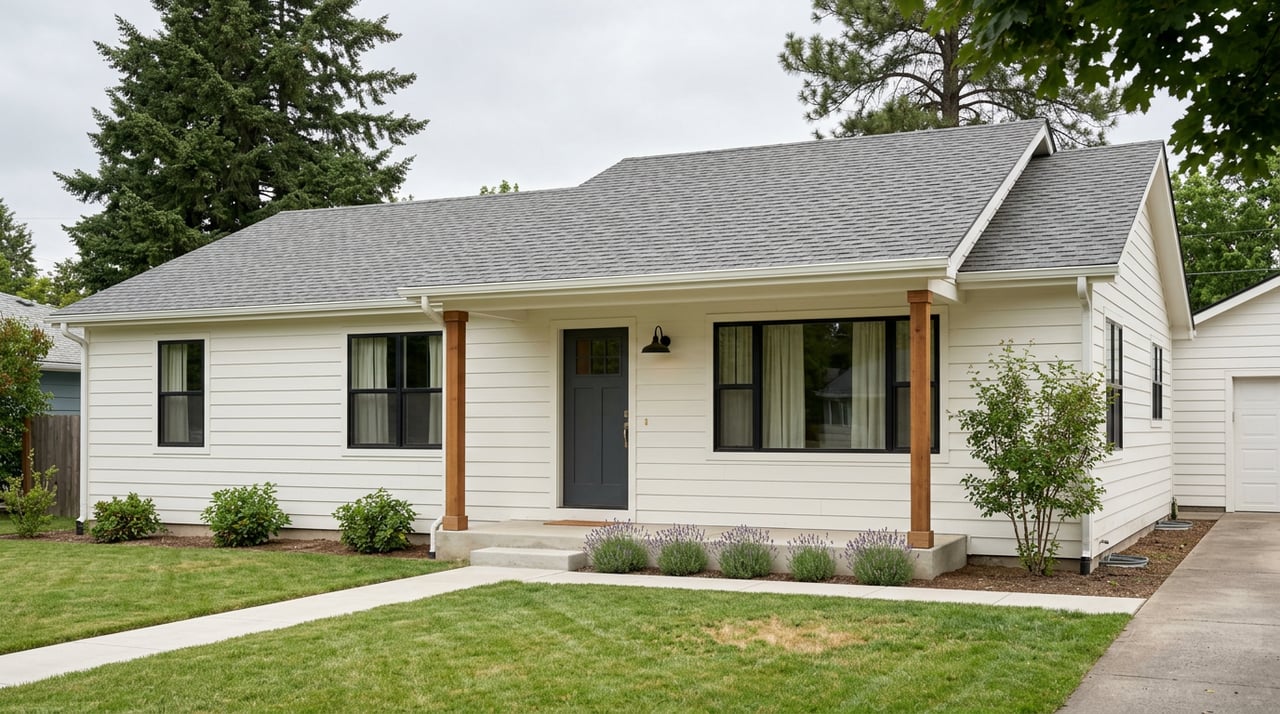
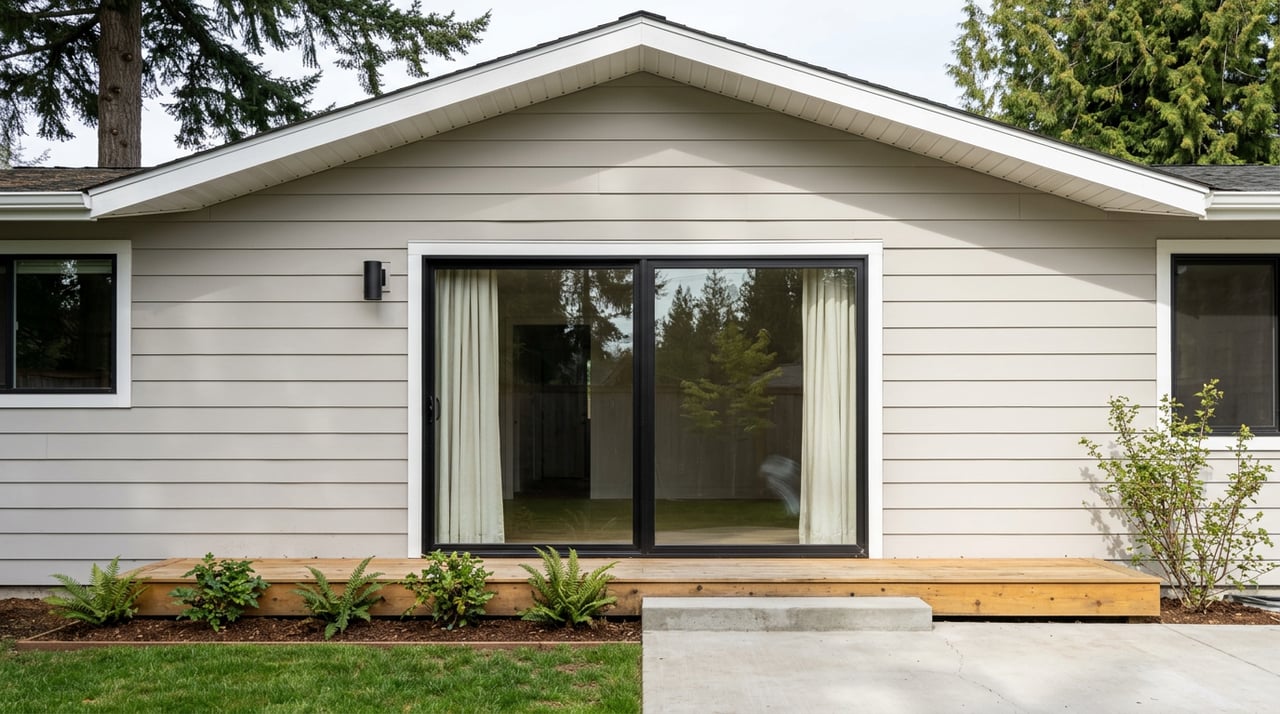
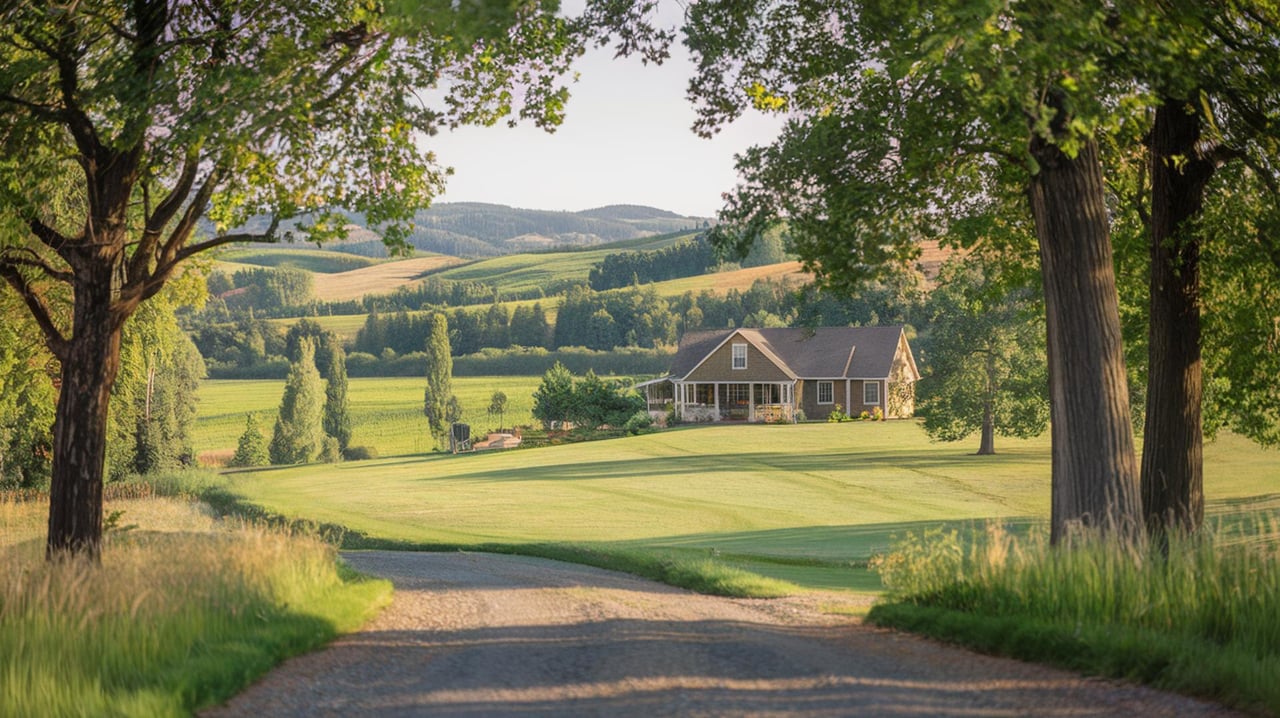
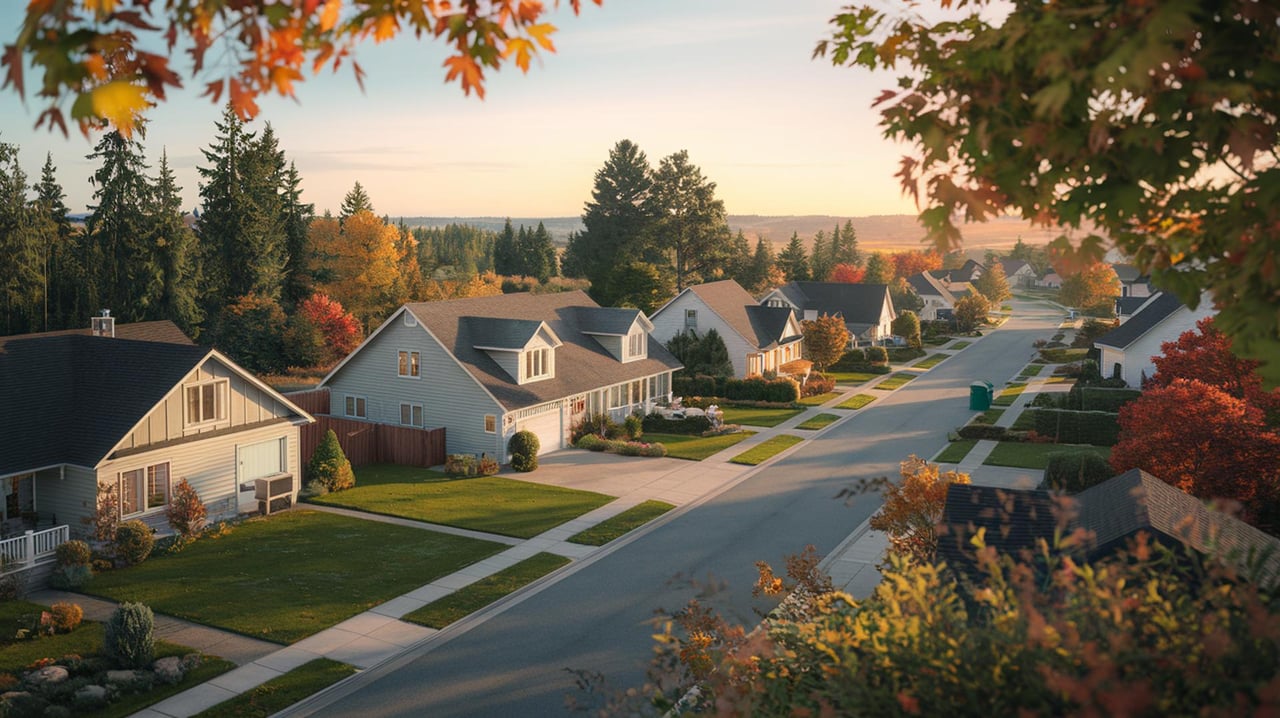
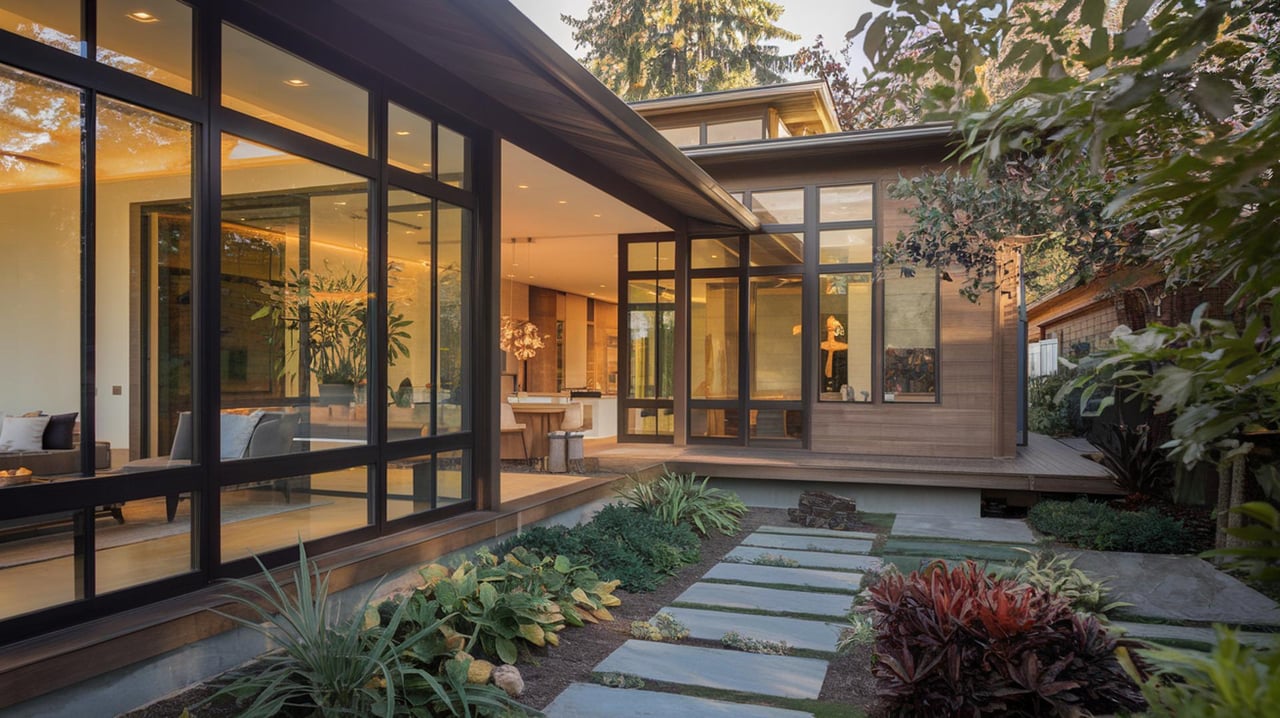
Building from the ground up or buying an existing home is a big decision anywhere, but it feels especially high stakes in a rural market like Albion’s 99102. You want the right home, the right timing, and no surprises with utilities or permits. In this guide, you’ll learn how new construction and resale homes compare on cost, timing, financing, warranties, efficiency, and long‑term value in Albion and greater Whitman County. You will also get practical checklists to help you move forward with confidence. Let’s dive in.
Albion market realities
Albion is a small, rural community on the Palouse with lower housing density and agricultural surroundings. Compared to larger neighbors like Pullman, you can expect fewer municipal services and more properties that rely on private well and septic systems. That setup shapes both costs and timelines, especially if you plan to build.
Local zoning and land use rules are set by Whitman County and, where applicable, by the Town of Albion. Those rules influence whether you can subdivide, what you can build on a parcel, and what infrastructure is required. Fire protection is commonly provided by volunteer departments in rural areas, which can affect homeowner’s insurance based on distance to stations and hydrants.
When you compare Albion to nearby towns like Pullman, Colfax, or Palouse, remember that commute time to employment centers and services, including Washington State University, often drives demand. That demand, along with parcel setup and condition, will influence prices and pace of sales.
New construction: What to expect
Purchase price and site work
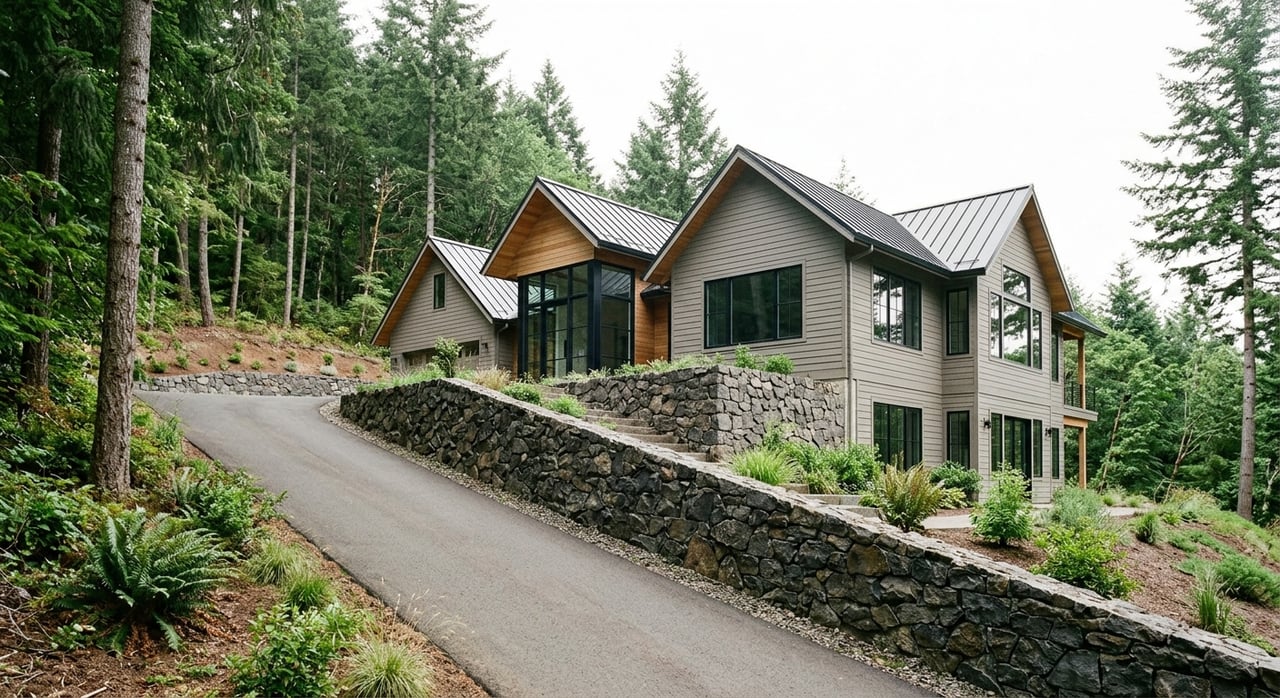
A new build’s base price usually does not include all site costs. In rural 99102, you may need grading, driveway installation, and connections to power and internet. If the lot is not on municipal water and sewer, you will likely need a private well and onsite septic. Permit fees, utility extensions, and finish upgrades can raise the final price above the base model.
Builders sometimes offer incentives that offset closing costs or upgrades. Ask for a written, itemized specification sheet that spells out what the base price covers and what counts as an upgrade.
Timeline and certainty
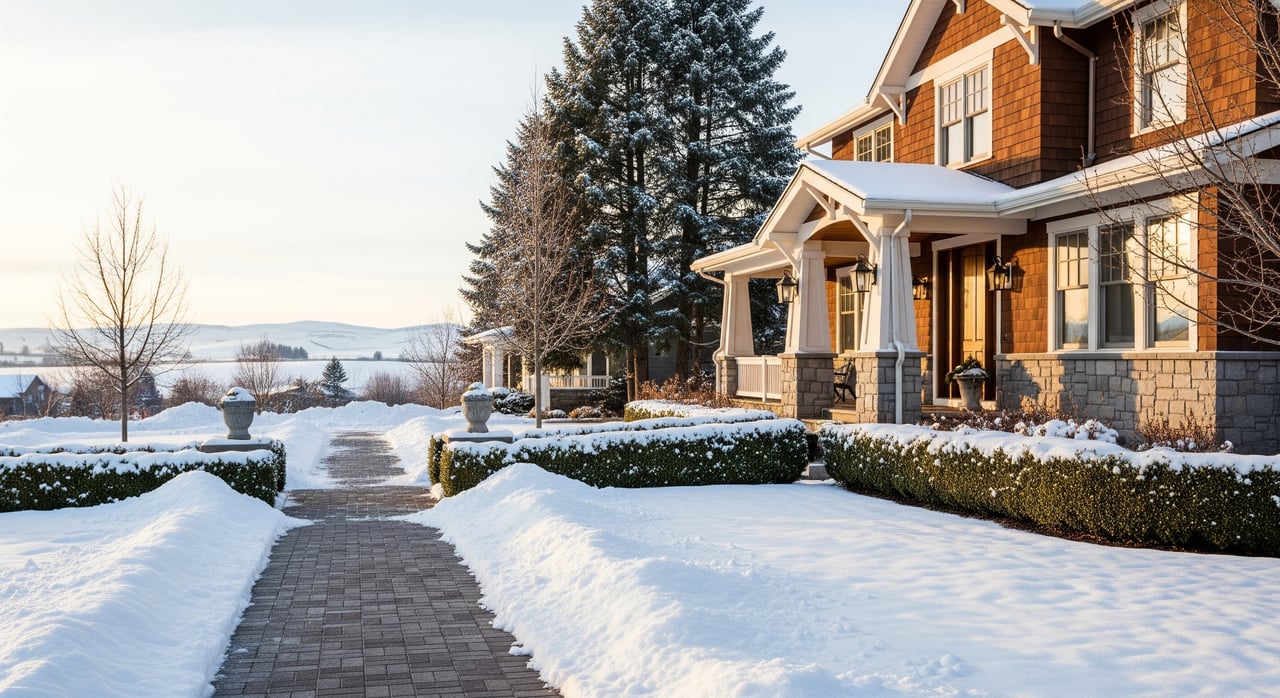
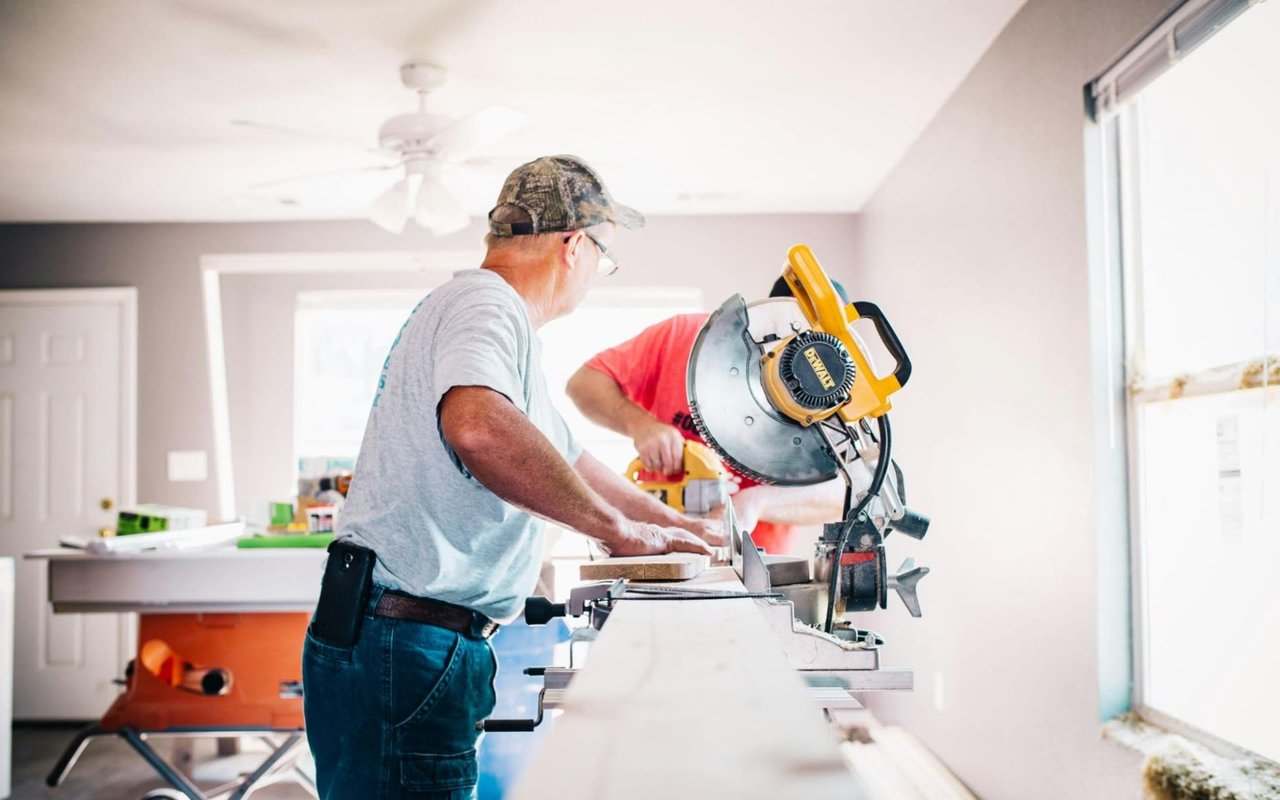
A new build often takes several months to a year from permits to occupancy. Weather, supply chain delays, subcontractor schedules, and county inspections can add time. Whitman County permit review and inspection availability will shape your schedule, especially through winter on the Palouse.
To keep momentum, request a written build schedule with milestone dates, and clarify how change orders are priced and approved. Independent inspections at key stages help catch issues early.
Financing options
You can finance new construction with a construction‑to‑permanent loan, a construction‑only loan followed by a mortgage, or a builder’s preferred package. Lenders review your plans, the builder’s track record, and completion timing. Interest rates can change during construction, so ask about rate lock options and appraisal timing.
Government‑backed loans have specific rules. FHA and VA have additional appraisal and construction requirements, and USDA loans may be an option in eligible rural areas of Whitman County. Confirm eligibility for your parcel and your income with your lender before you commit.
Warranties and inspections
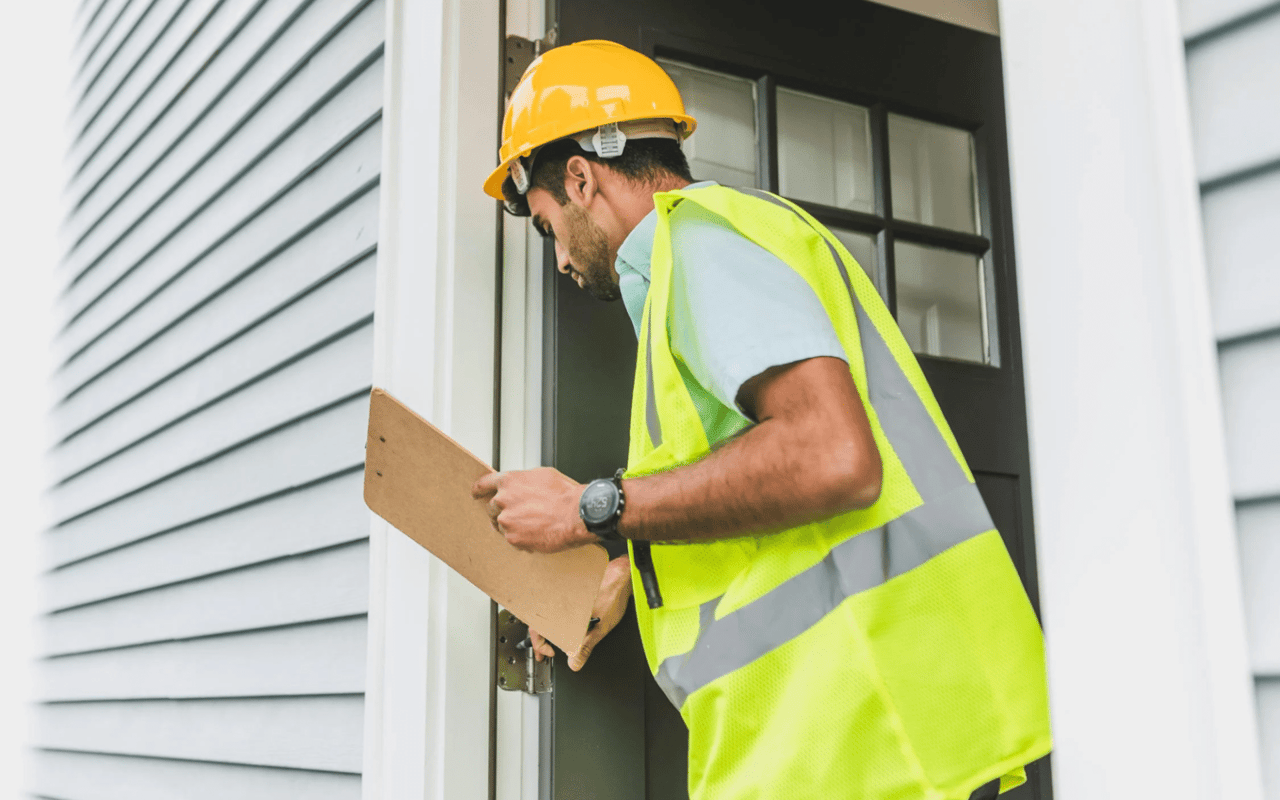
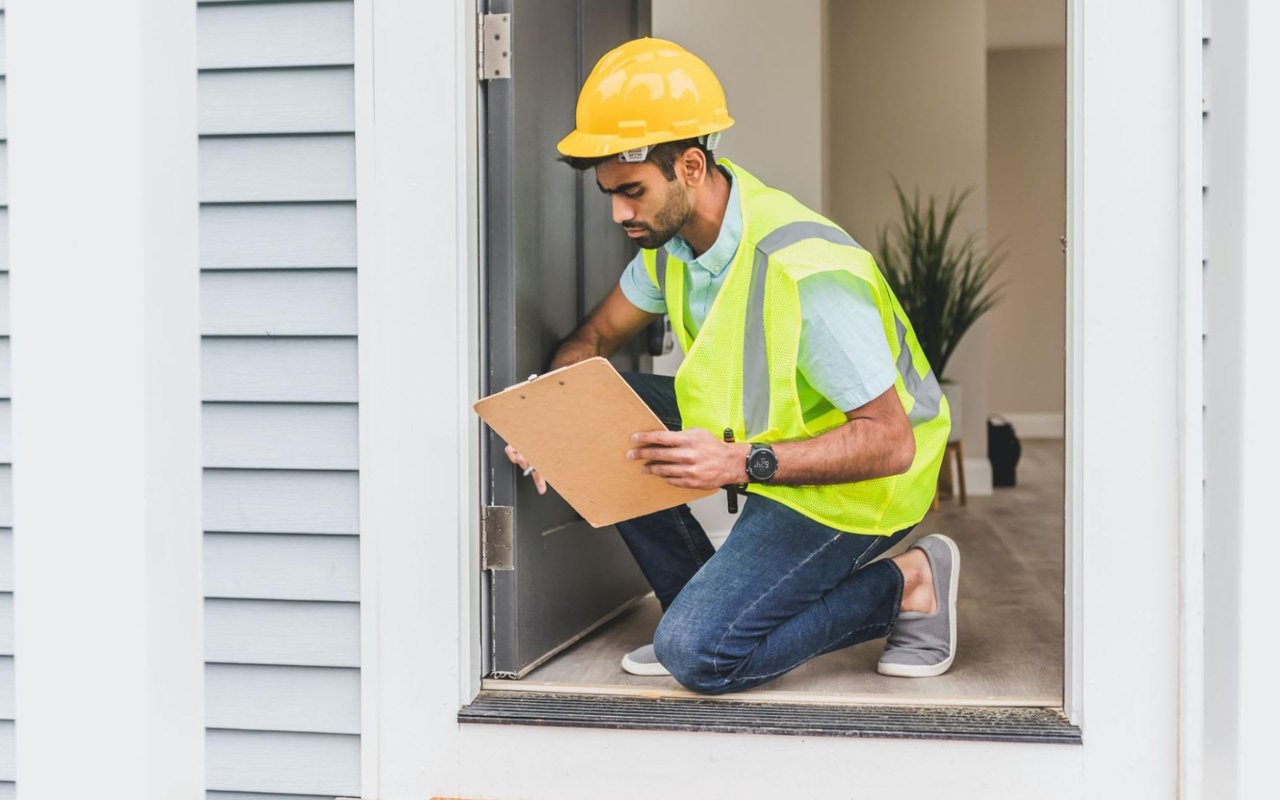
Most builders offer a combination of warranties that cover workmanship and systems for limited periods, and a longer structural warranty. Exact terms vary by builder, so review the warranty document in full. Even with warranties, you should hire independent inspectors for the foundation, pre‑drywall, and final walk‑through to create a clear punch list for the builder.
Energy efficiency and code
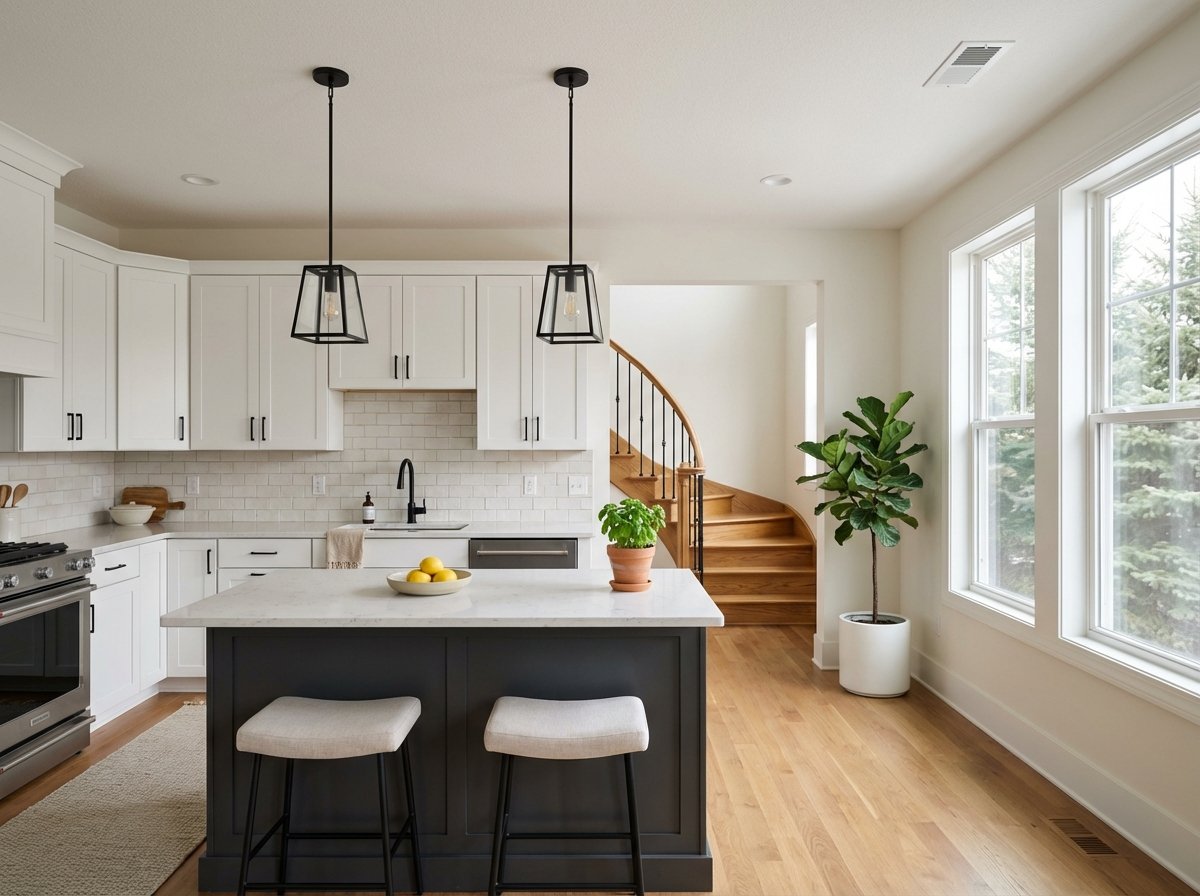
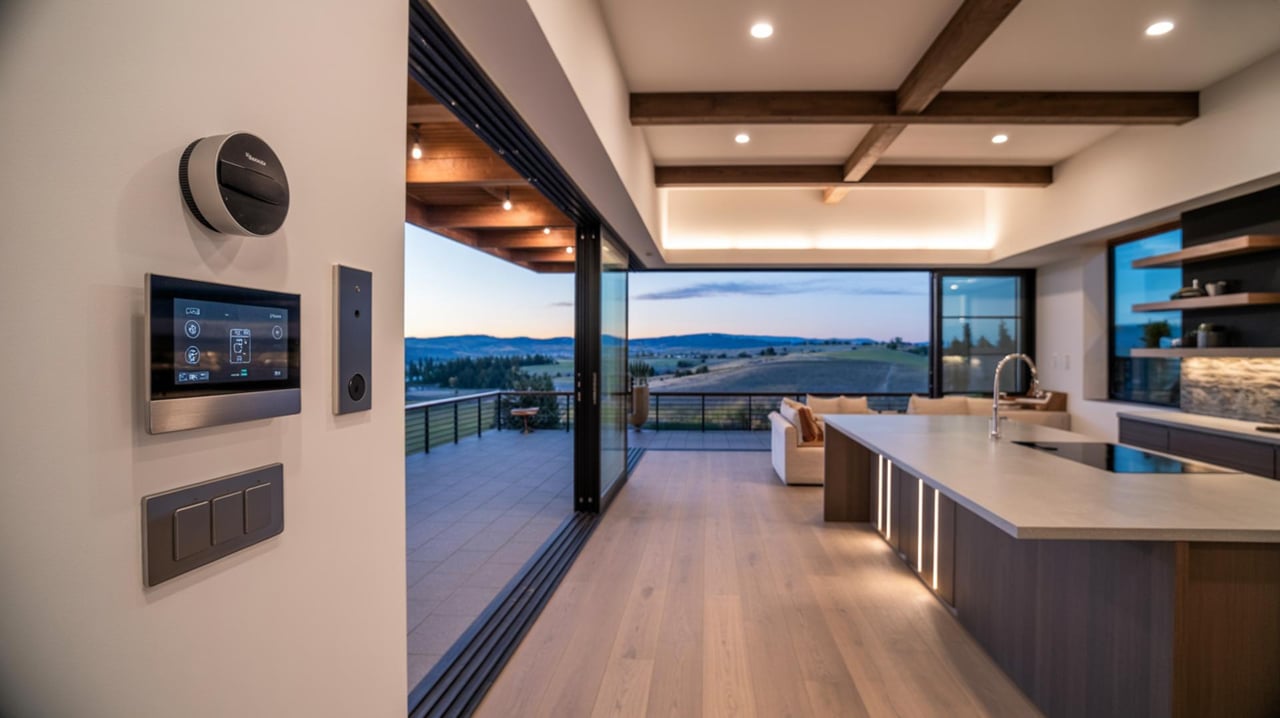
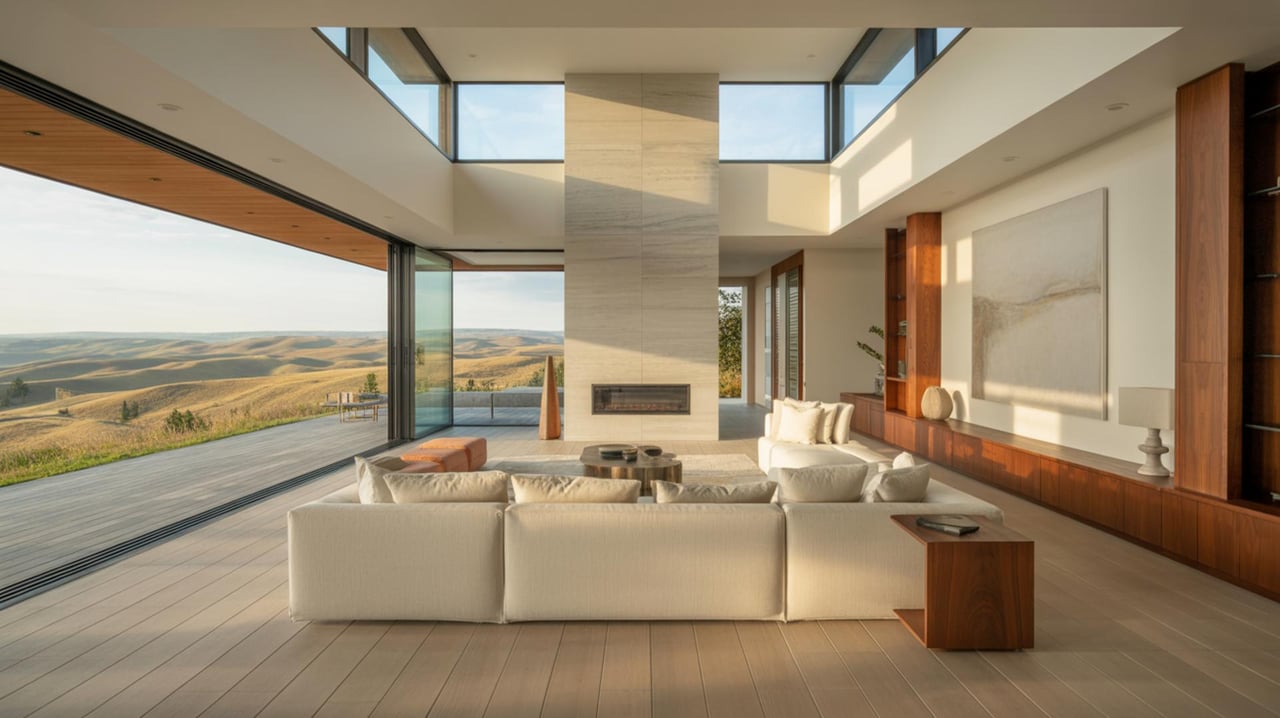
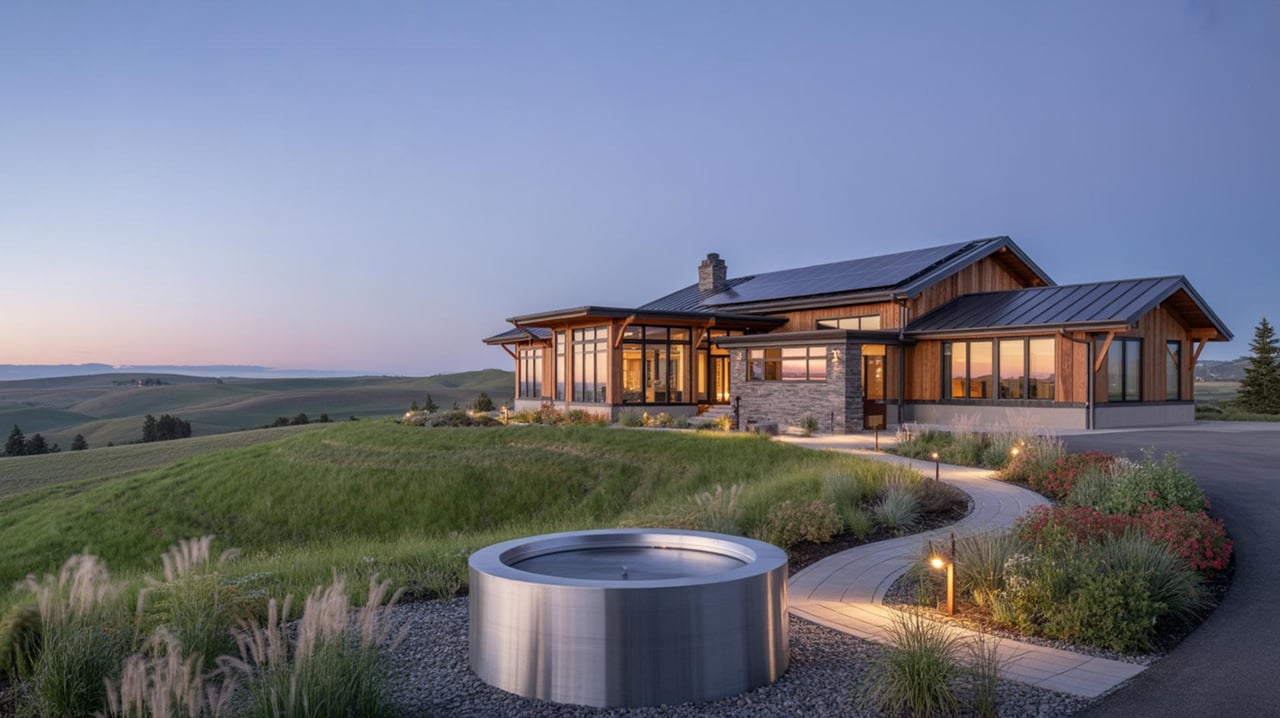
New homes in Washington must meet the current Washington State Energy Code and associated ventilation and building requirements. You will typically see better insulation, efficient windows, modern HVAC or heat pumps, and the ability to add EV charging or smart‑home features. These features can lower operating costs and reduce early maintenance.
Maintenance and operating costs
In the early years, a new home usually has lower maintenance and repair bills. Property tax and insurance costs will depend on the assessed value and your insurance carrier’s rating inputs, including distance to fire protection and replacement cost.
Resale value factors
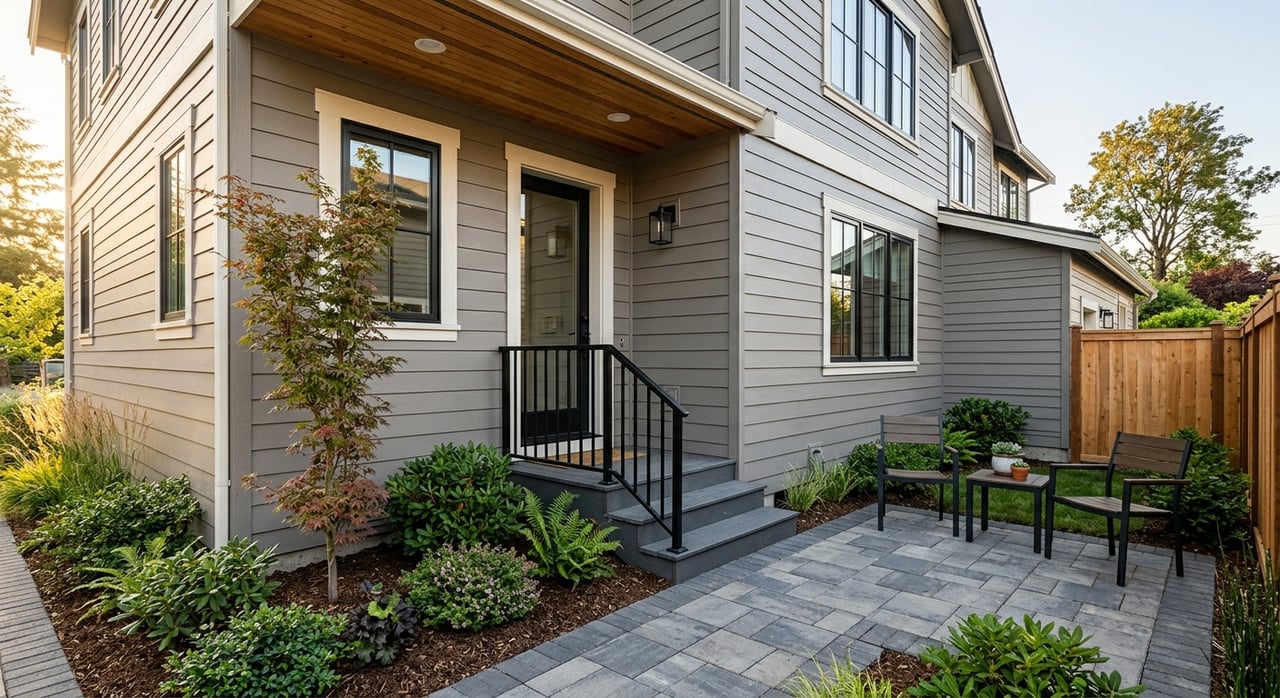
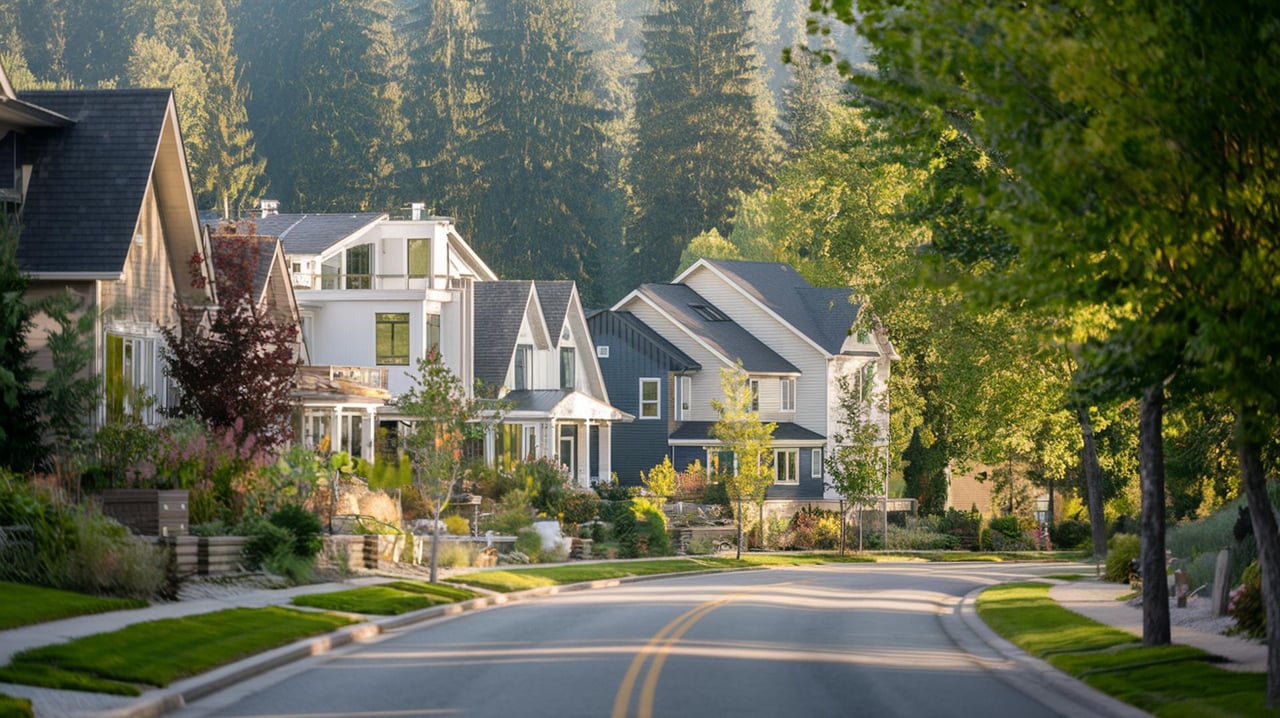
New builds often command a premium for modern design and lower maintenance. In a small market like Albion, long‑term value is also shaped by location, proximity to services, and overall demand across Whitman County. Quality of construction, lot features, and how the home fits the Palouse lifestyle all play a part.
Who new construction fits
- You want modern efficiency and design with fewer near‑term repairs.
- You can tolerate a longer timeline and are comfortable managing milestones.
- You prefer to choose finishes and layout from the start.
Resale homes: What to expect
Purchase price and repairs
Resale homes can offer a lower entry price than a comparable new build. Budget for inspections and any immediate updates or deferred maintenance such as roof, HVAC, windows, or foundation work. In rural areas, also investigate septic and well condition, age, and permits.
Inspection findings can become negotiation points. You can ask for seller credits or repairs based on what the reports reveal.
Speed to move‑in
Resale purchases can close in about 30 to 45 days when financing and inspections move smoothly. If you need to occupy quickly, resale is often the faster path.
Financing options
Conventional, FHA, VA, and USDA mortgages are commonly used for resale homes, subject to property eligibility and your qualifications. USDA loans may apply to eligible rural parcels in Whitman County. Appraisals must support the contract price for your lender to approve the loan.
Inspections and risk
Without a builder warranty, you rely on inspections and seller disclosures. In addition to a general inspection, consider specialized checks for septic systems, wells, roof condition, chimneys, or pests. Verify permits for any past additions or major electrical and plumbing work through county records.
Efficiency upgrades
Older homes may not match current energy codes. You can phase upgrades like insulation, windows, or heat pump installation over time. Check whether local utilities offer incentives for efficiency improvements.
Taxes, insurance, and operating costs
Property taxes and insurance reflect assessed value, location, and hazard factors like wildfire and flood zones. Some resale homes may have lower assessments than a comparable new build, which can influence your monthly costs.
Resale value factors
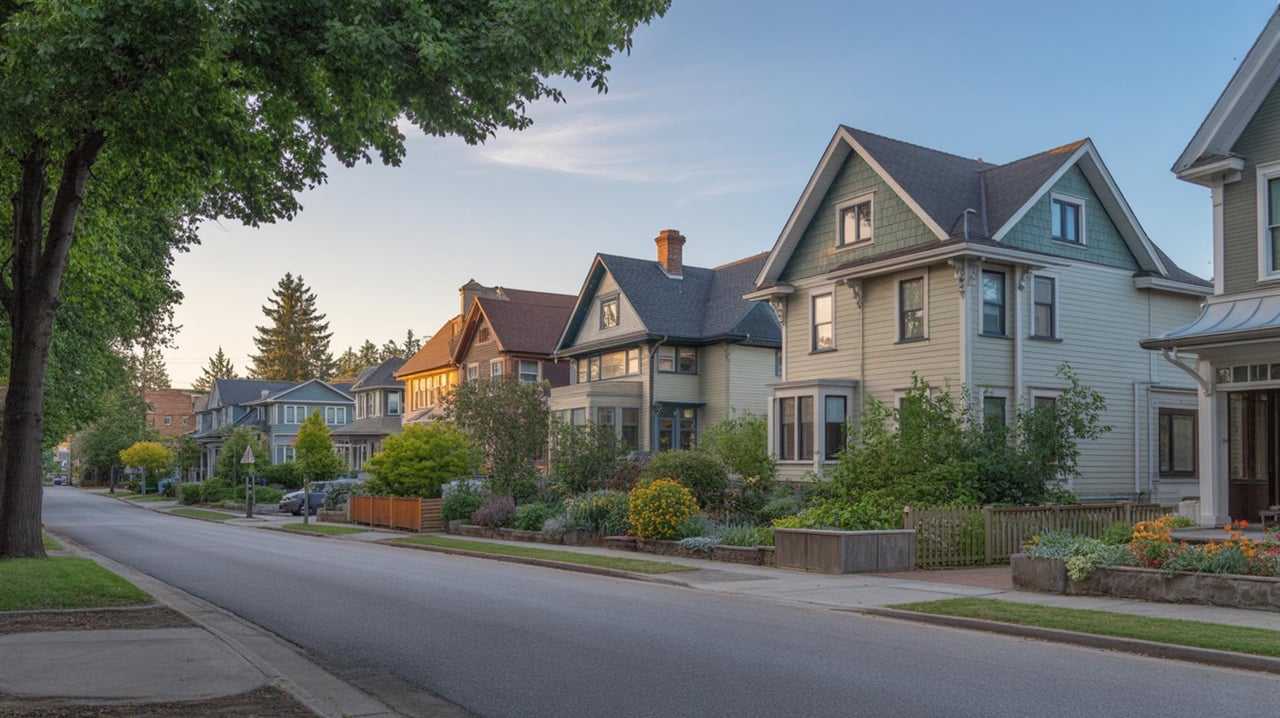
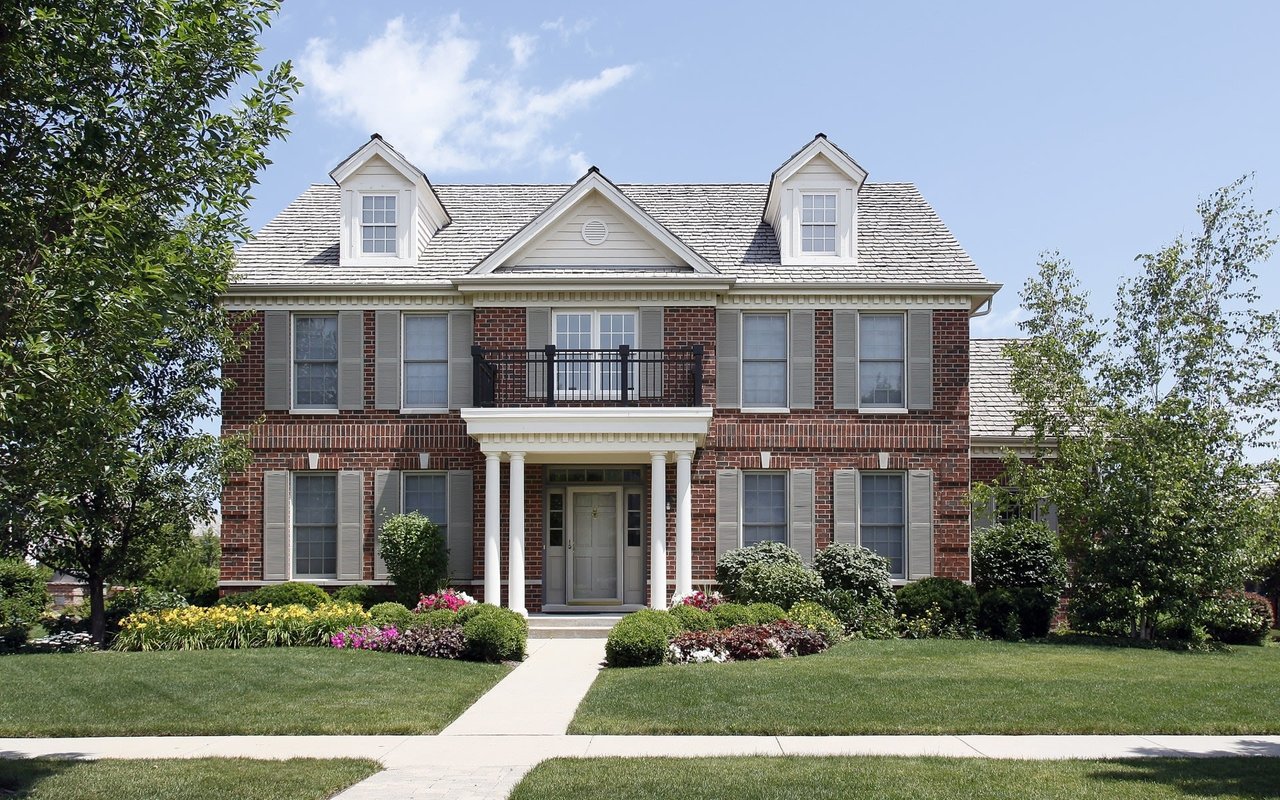
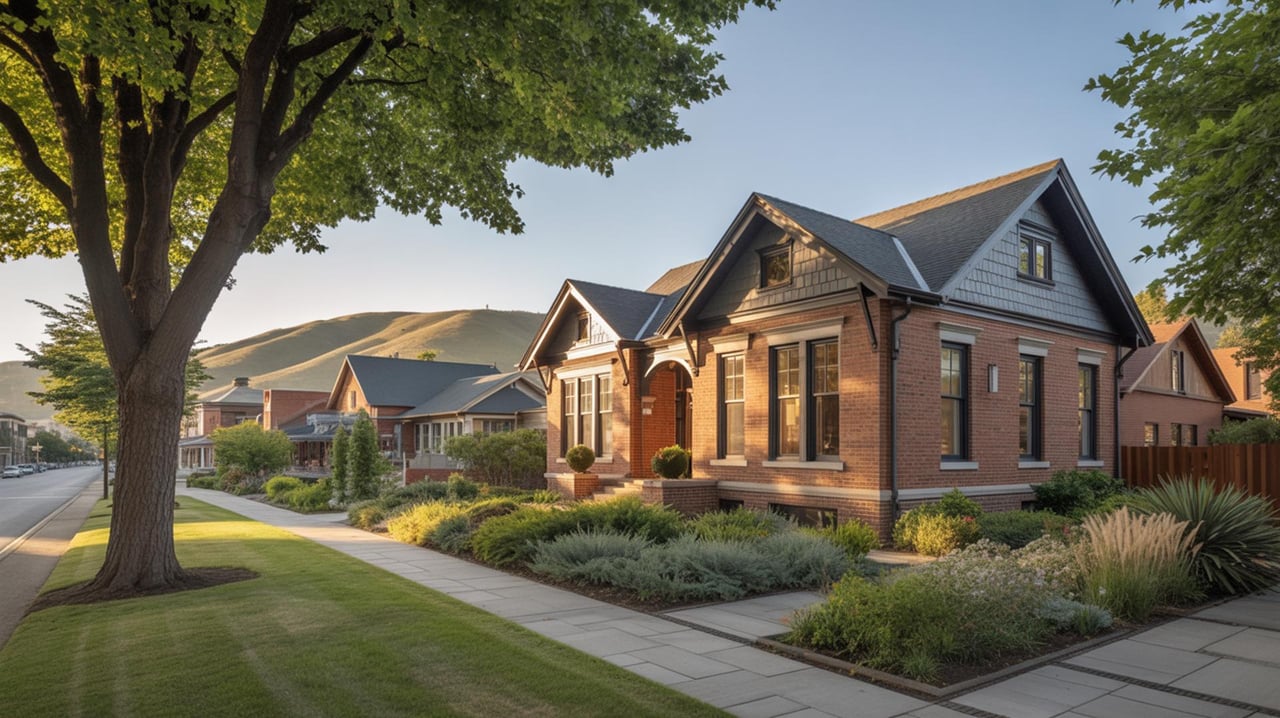
Established neighborhoods with mature landscaping and proven demand can support strong resale value. In Albion, proximity to services and the broader Pullman job base often matters more than the home’s age.
Who resale fits
- You want a shorter timeline to move‑in.
- You value established neighborhoods and mature lots.
- You prefer to invest in updates gradually instead of all at once.
Services and utilities in 99102
Utility setup drives costs and livability in rural markets. Before you commit to a lot or a home, verify the basics.
- Water and sewer. Confirm if the property is on municipal service or will need a private well and onsite septic. If septic is present, request records and a current evaluation.
- Power, broadband, and propane. Ask for provider details, capacity, and connection costs. Check easements for any utility access.
- Fire protection and insurance. Learn the nearest fire station location and hydrant access. Insurance carriers consider response times and ISO ratings.
- Zoning and allowable use. Confirm permitted uses, setbacks, and subdivision rules with Whitman County or the Town of Albion as applicable.
Decision guide: Which fits you
If you value control and efficiency
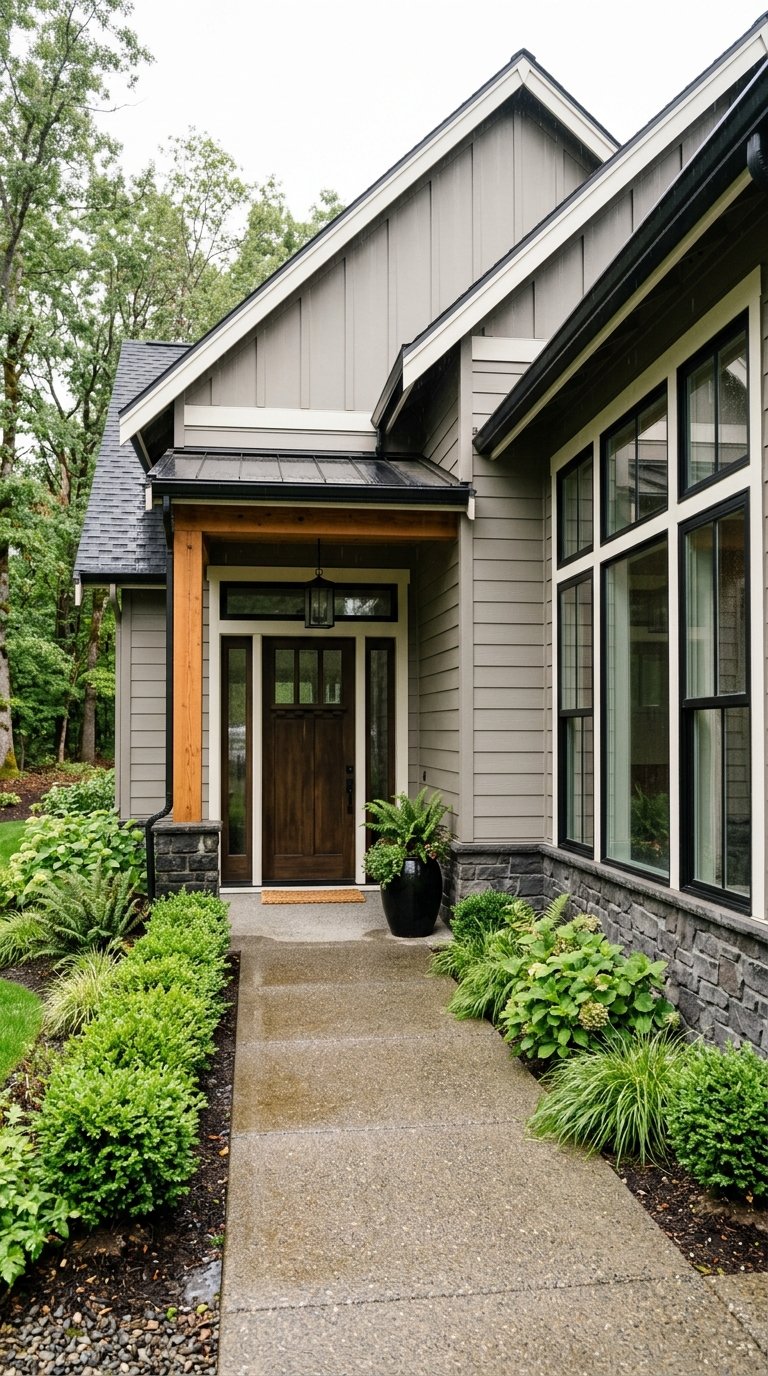
Choose new construction if you want a tailored plan, modern systems, and lower short‑term maintenance. Just be ready for a longer build and more up‑front coordination on permits, inspections, and site work.
If you value location and speed
Choose resale if you want a mature neighborhood and faster occupancy. Plan for inspections, possible repairs, and phased efficiency upgrades that fit your budget.
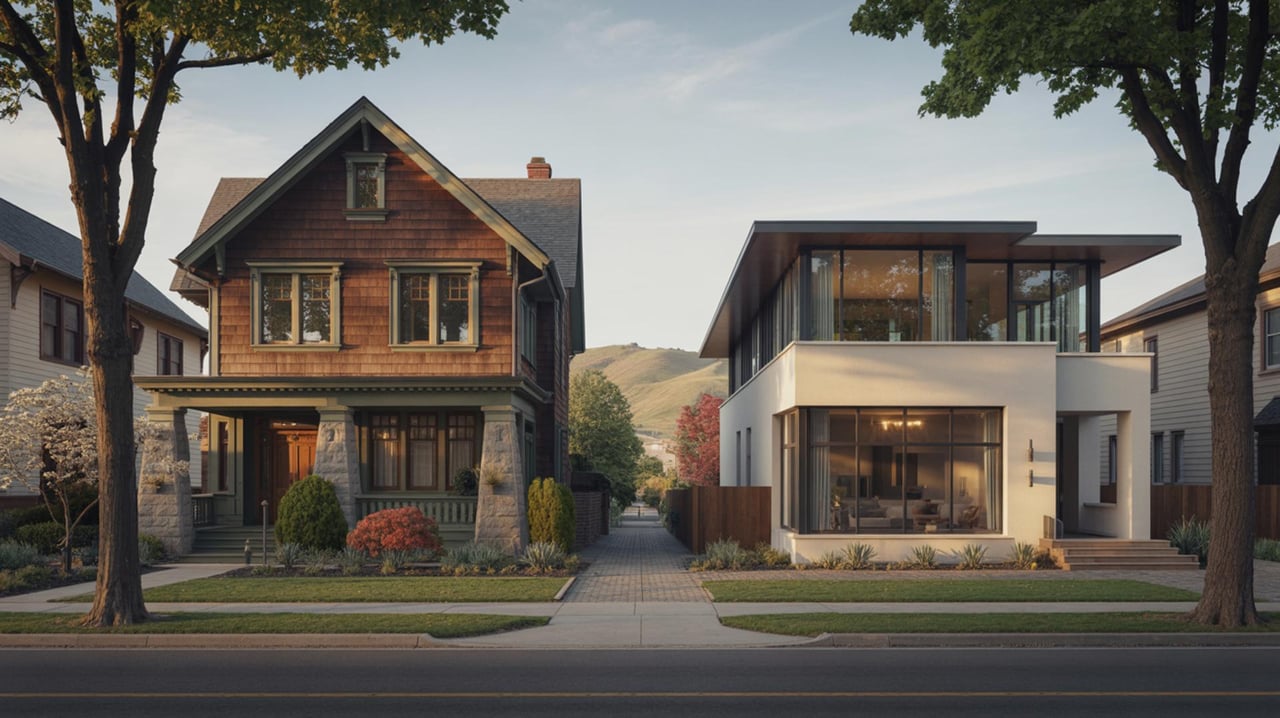
Quick comparison
- Cost. New builds add site work, permits, and upgrades. Resale adds repairs and potential efficiency updates.
- Timeline. New builds can run months to a year. Resale can close in a typical escrow period.
- Financing. Construction loans or builder packages for new builds. Conventional, FHA, VA, and USDA are common for resale, with eligibility rules.
- Risk and protection. Builder warranties and staged inspections for new construction. Thorough due diligence, records checks, and targeted inspections for resale.
Action plan: Your next steps
If you plan to build new
- Verify services. Confirm water, sewer or septic, and well feasibility for your parcel through county departments.
- Understand permits. Ask Whitman County Planning and Building about required permits, review times, inspection schedules, and fees.
- Vet your builder. Check licensing and insurance through Washington’s contractor lookup, request local references, and review a detailed written spec sheet.
- Nail down scope. Get a fixed list of inclusions and a clear change‑order process with pricing and approval steps.
- Set inspections. Schedule independent inspections for foundation, pre‑drywall, and final walkthrough, and confirm your builder welcomes them.
- Align financing. Choose a loan structure, confirm appraisal timing and rate lock policies, and understand any lender conditions for draws and completion.
If you plan to buy resale
-
Order inspections. Book a general inspection plus any needed septic, well, roof, chimney, or pest evaluations.
-
Check records. Confirm permits for major past work through county records and verify property boundaries and easements.
-
Review utilities. For rural parcels, verify well yield and quality, septic location and age, and any shared utility agreements.
-
Confirm insurance. Ask your agent about wildfire, flood zone status, and distance to fire services that may impact premiums.
-
Negotiate strategically. Use inspection findings, days on market, and seller disclosures to negotiate repairs or credits.
If you are selling and trading up
- Map your timing. Consider a contingent offer, a rent‑back, or selling first to free cash before signing a build contract.
- Estimate proceeds. Use current comparable sales and your assessed value to estimate net proceeds, then compare against total new‑build costs including lot work, utility connections, and upgrades.
- Know your taxes. Washington collects Real Estate Excise Tax on sales. Understand the current rate schedule and typical local practices for who pays.
Ready to compare your options in Albion
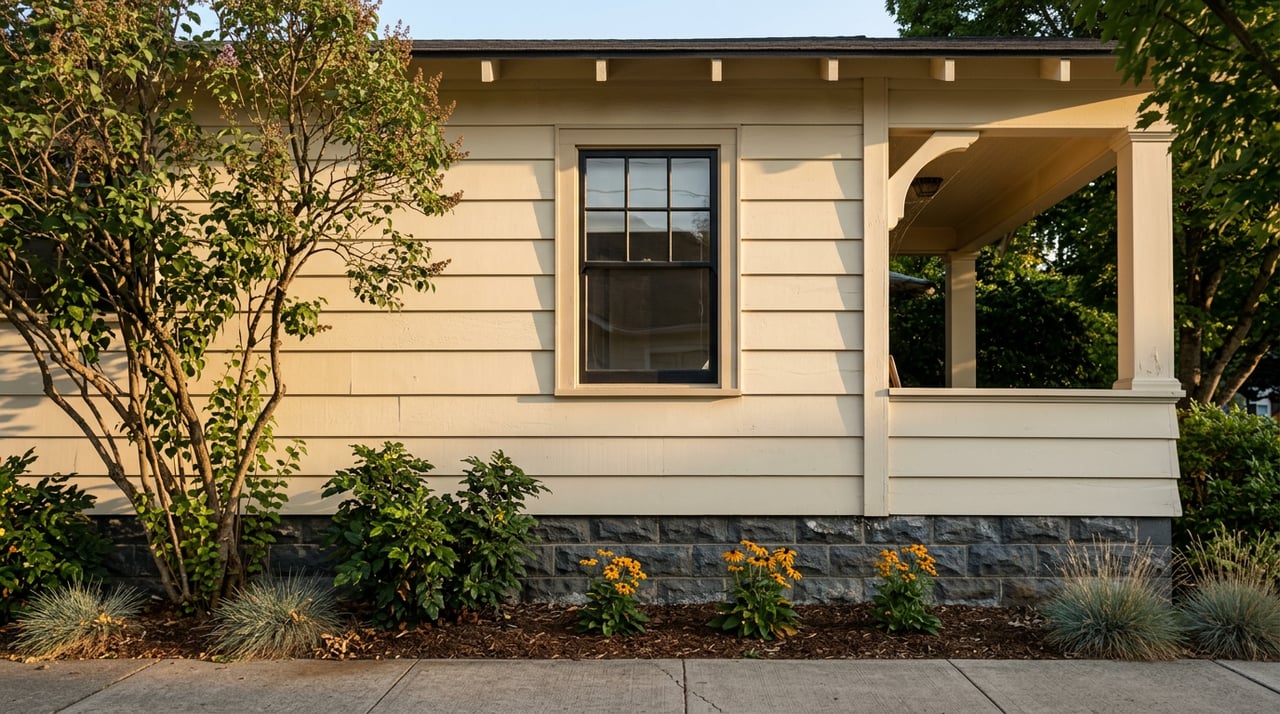
Whether you lean toward a custom build or a character‑rich resale, a clear plan will save you time and money in 99102. If you want help verifying utilities, setting a build or purchase timeline, and designing a negotiation strategy that fits Whitman County, reach out to Krista Gross. You will get local guidance, responsive service, and a step‑by‑step path to the right home.
FAQs
How do costs compare in Albion new vs resale
- New builds often add site work, permits, and upgrades, while resale homes can require immediate repairs and efficiency updates that you should budget for up front.
Do Albion lots need septic and wells
- Many rural parcels rely on private wells and onsite septic, so you should confirm service availability and feasibility for your specific lot before you commit.
How long does a new build take in Whitman County
- Timelines often span several months to a year, depending on permits, weather, inspections, material availability, and your builder’s schedule.
What warranties do new homes include in Washington
- Builders typically provide workmanship and systems coverage for limited periods and a longer structural warranty, with exact terms varying by builder.
Can I use FHA, VA, or USDA for new construction
- These programs have specific rules for new builds, so verify parcel eligibility and builder standards with your lender before choosing a loan.
How do taxes and insurance differ new vs resale
- Tax and insurance costs reflect assessed value and risk factors like fire protection and flood zones, which can vary between new builds and existing homes.
What inspections should I order for Albion resale homes
- Start with a general inspection, then add septic, well, roof, chimney, or pest evaluations as needed, and verify permits for major past work through county records.