Thinking about moving up on Military Hill but worried about juggling two homes, two timelines, and a hundred small decisions? You are not alone. Military Hill is a favorite for its parks, views, and everyday convenience, and you want your next home to fit just right without the chaos. In this guide, you will get a clear plan that fits Pullman’s unique rhythm, plus practical ways to finance, time, and coordinate your move with less stress. Let’s dive in.
Why Military Hill move-ups feel different
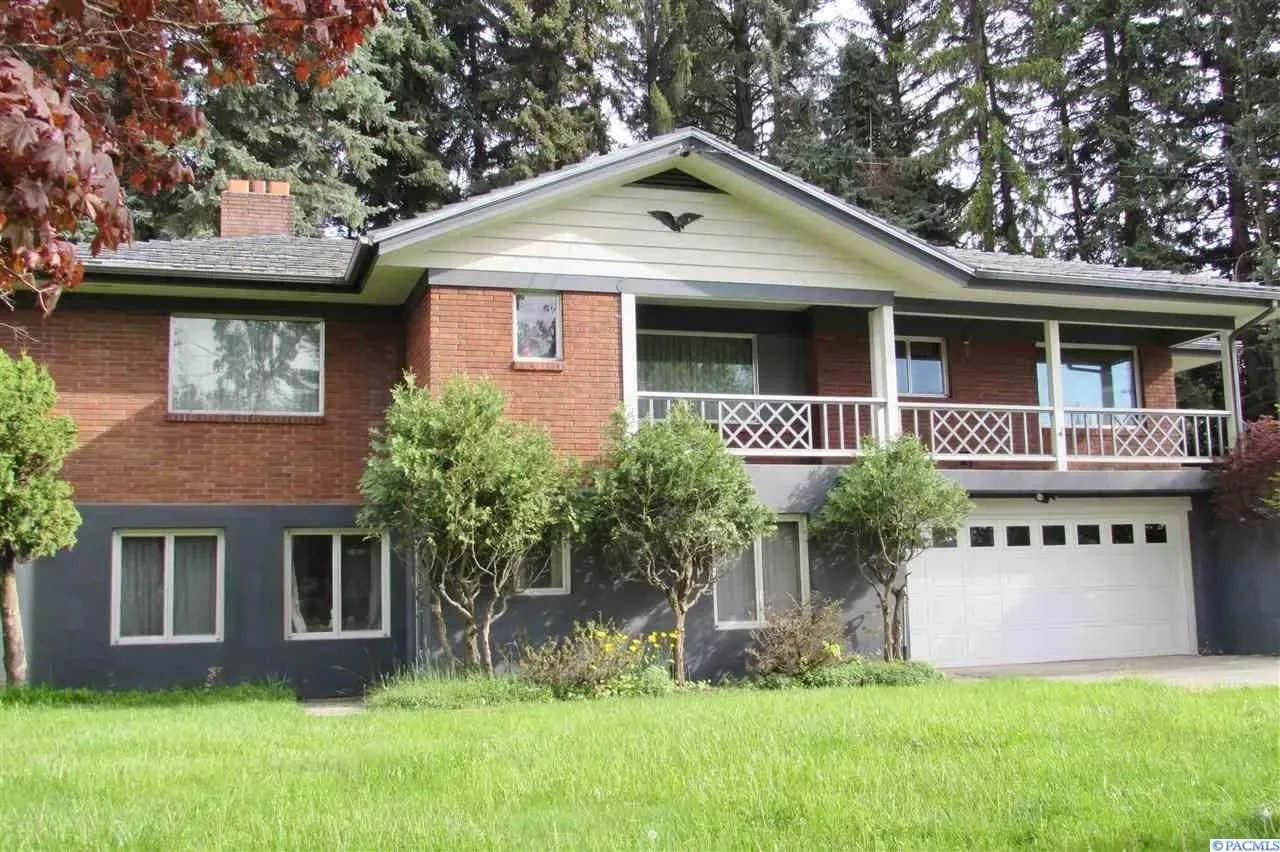
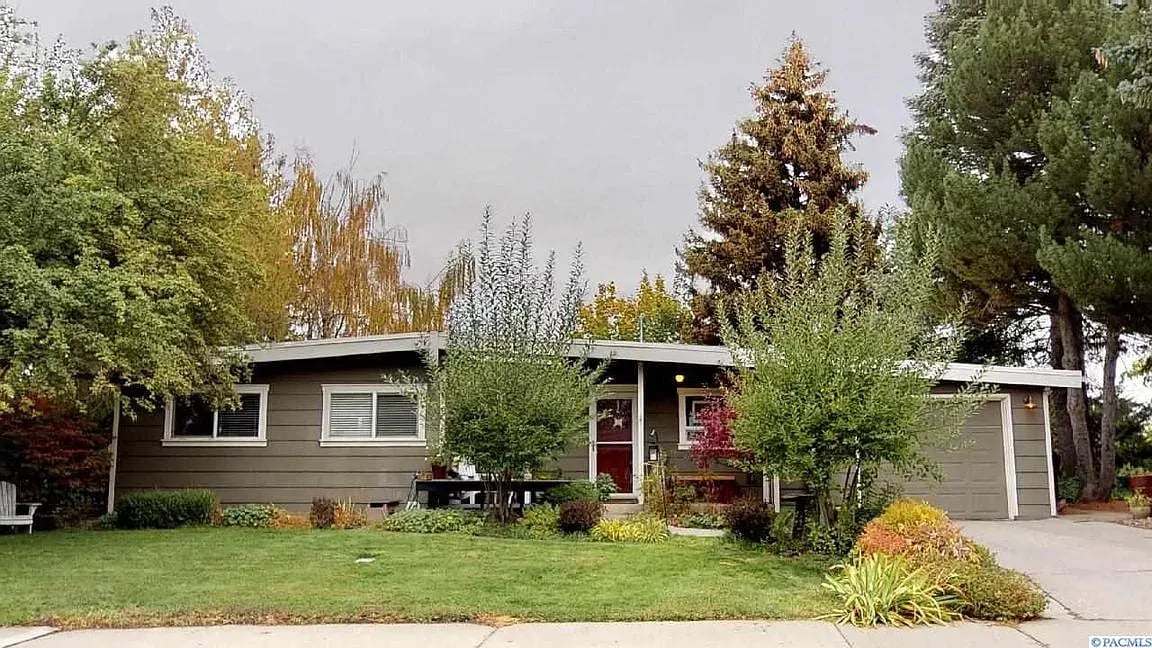
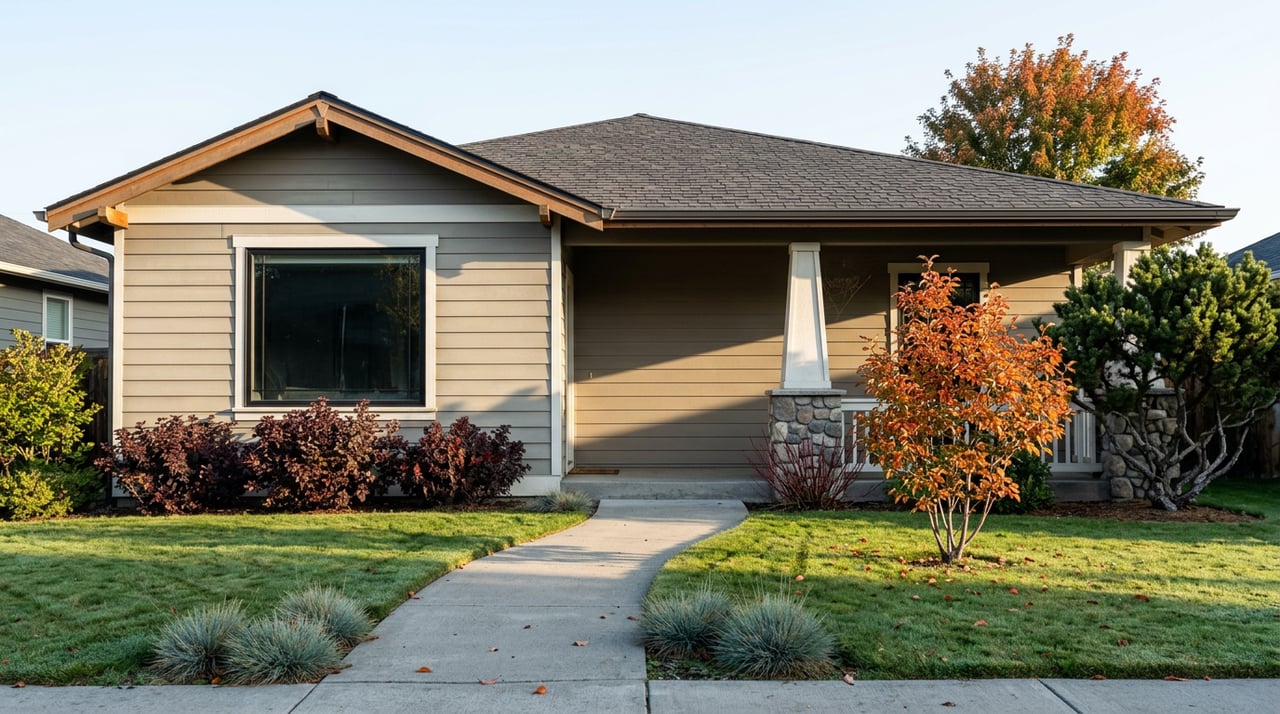
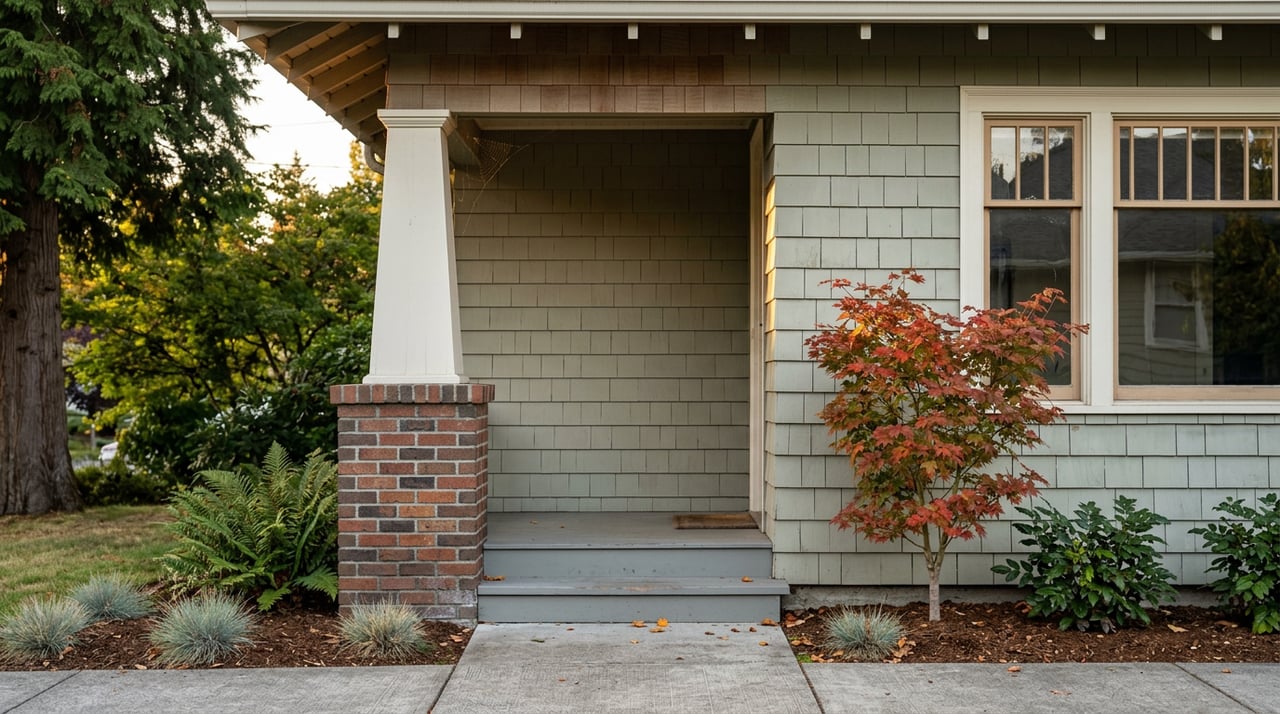
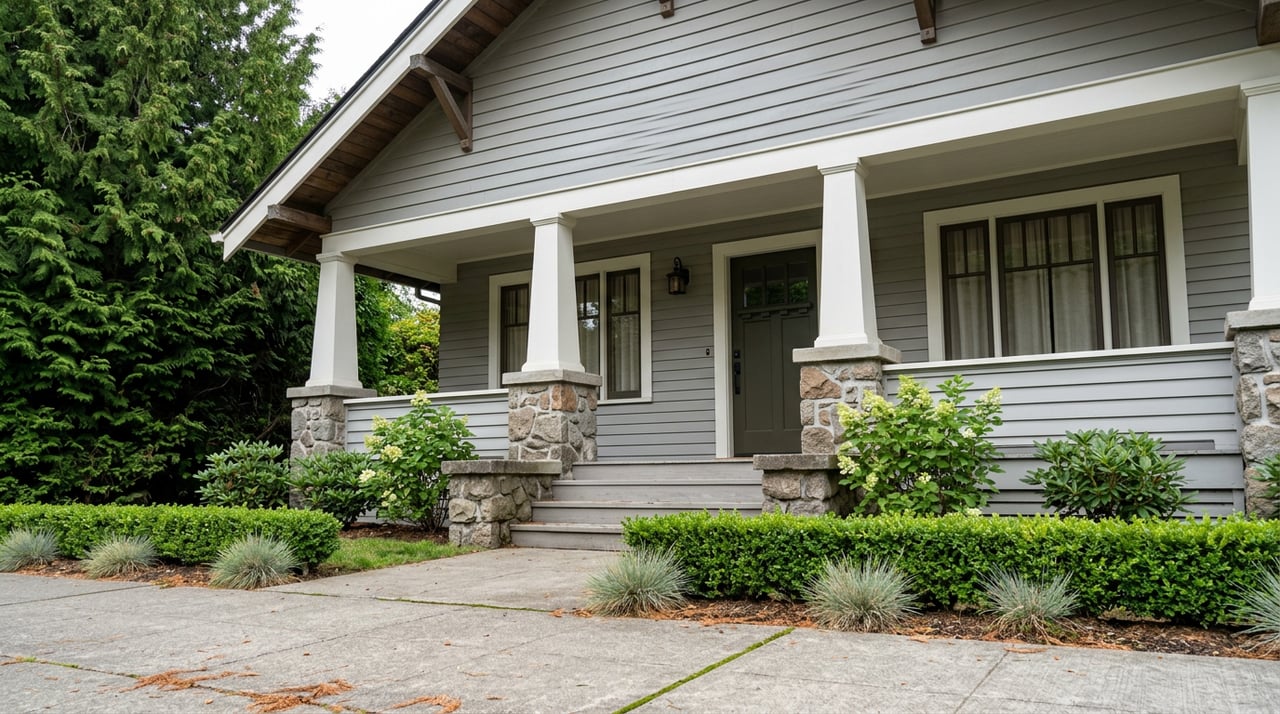
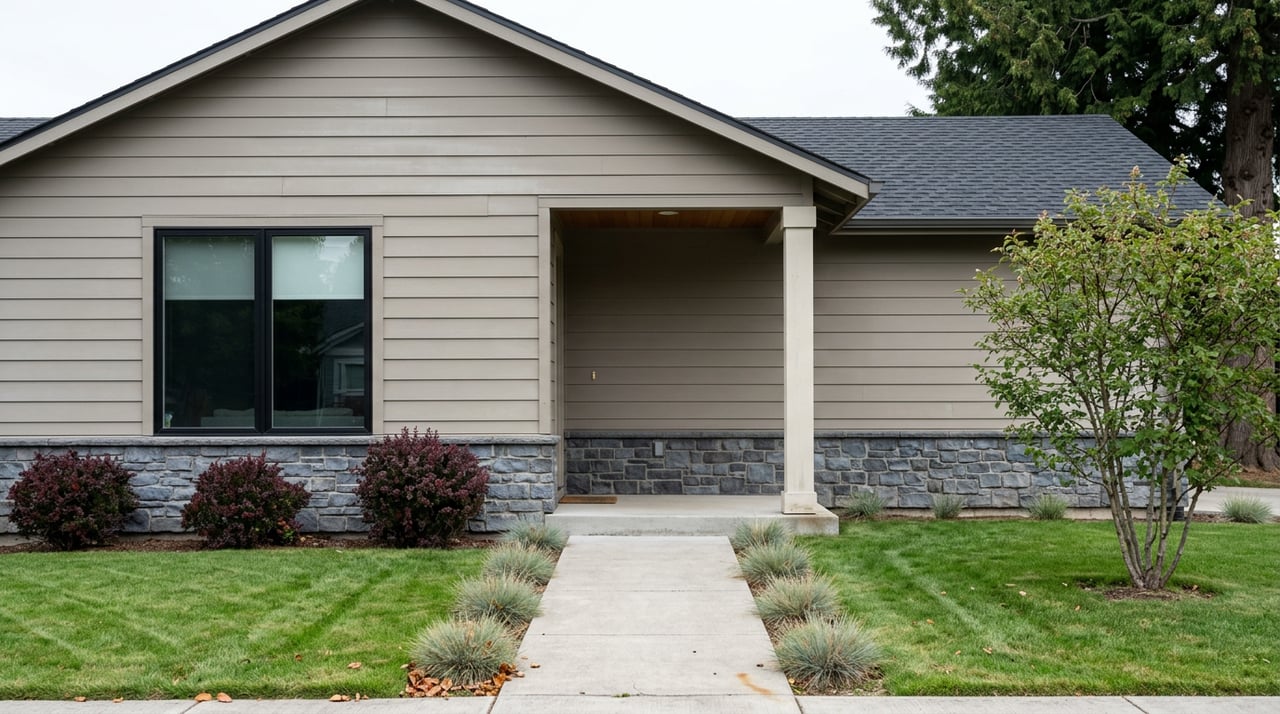
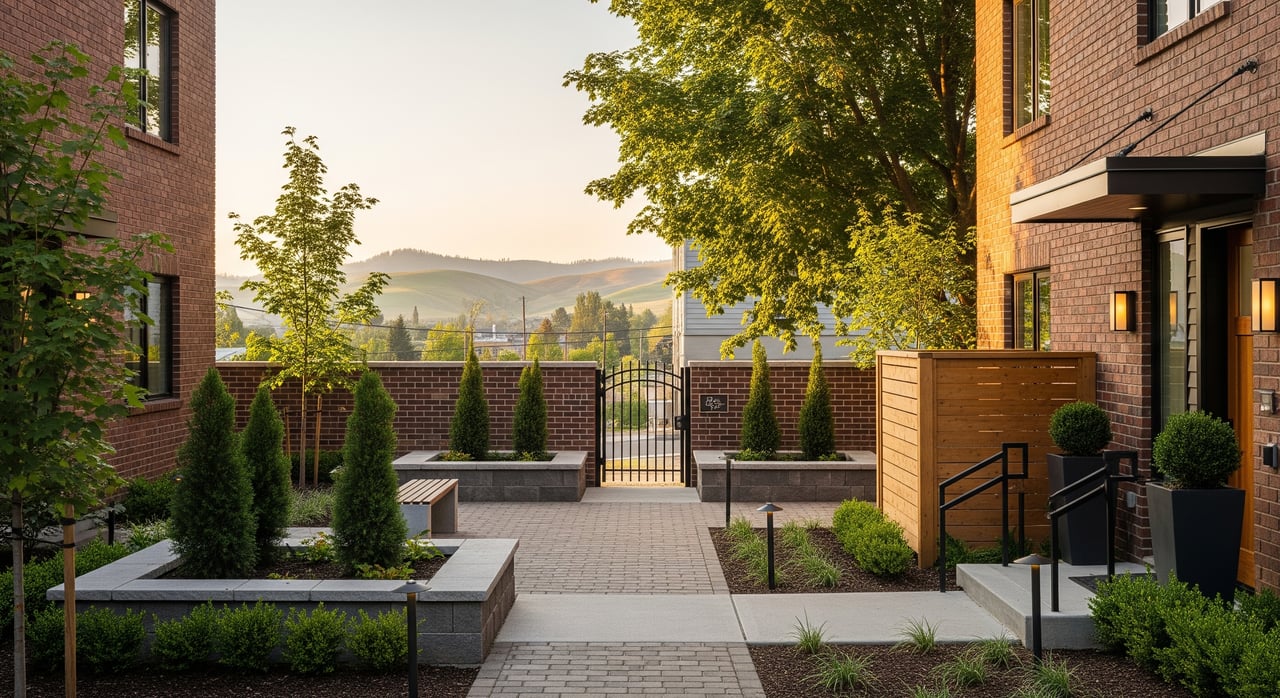
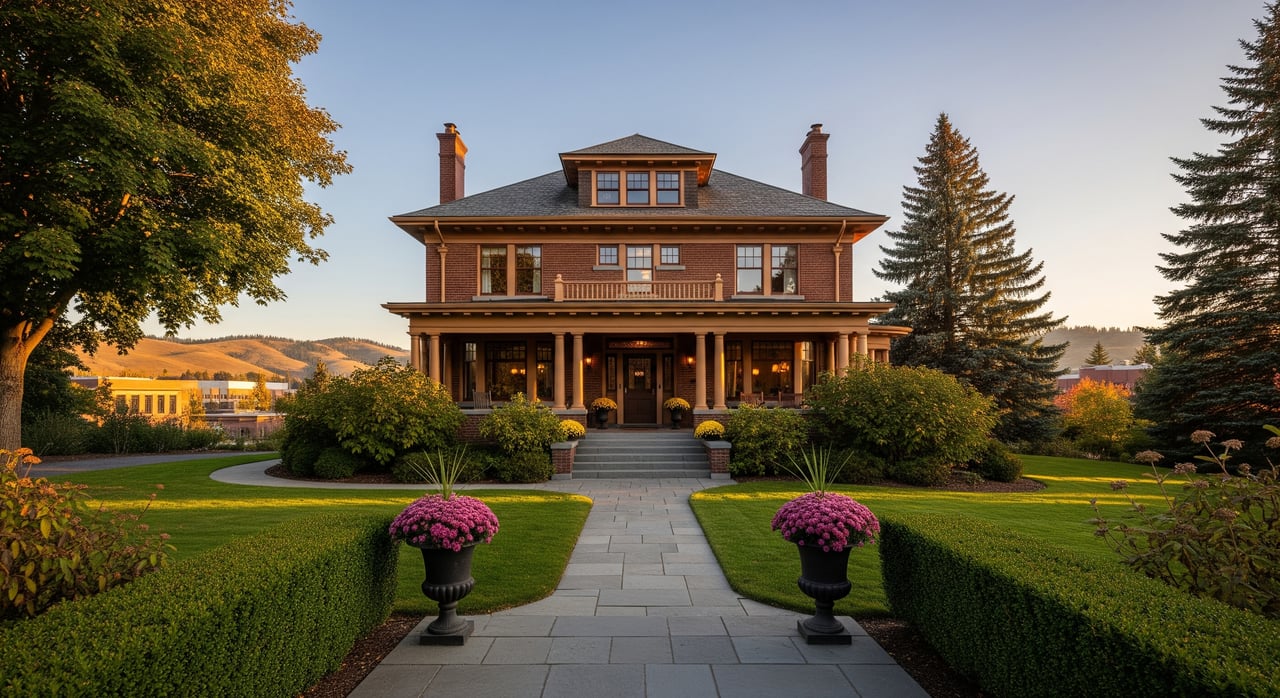
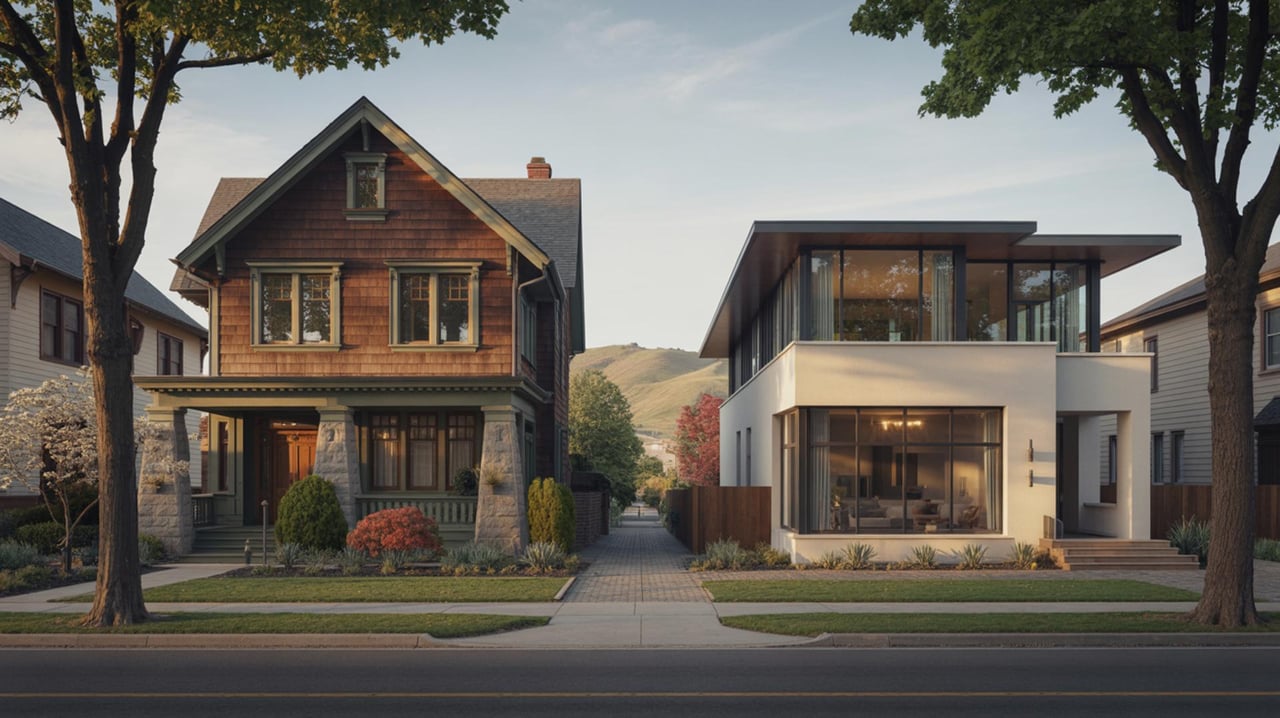
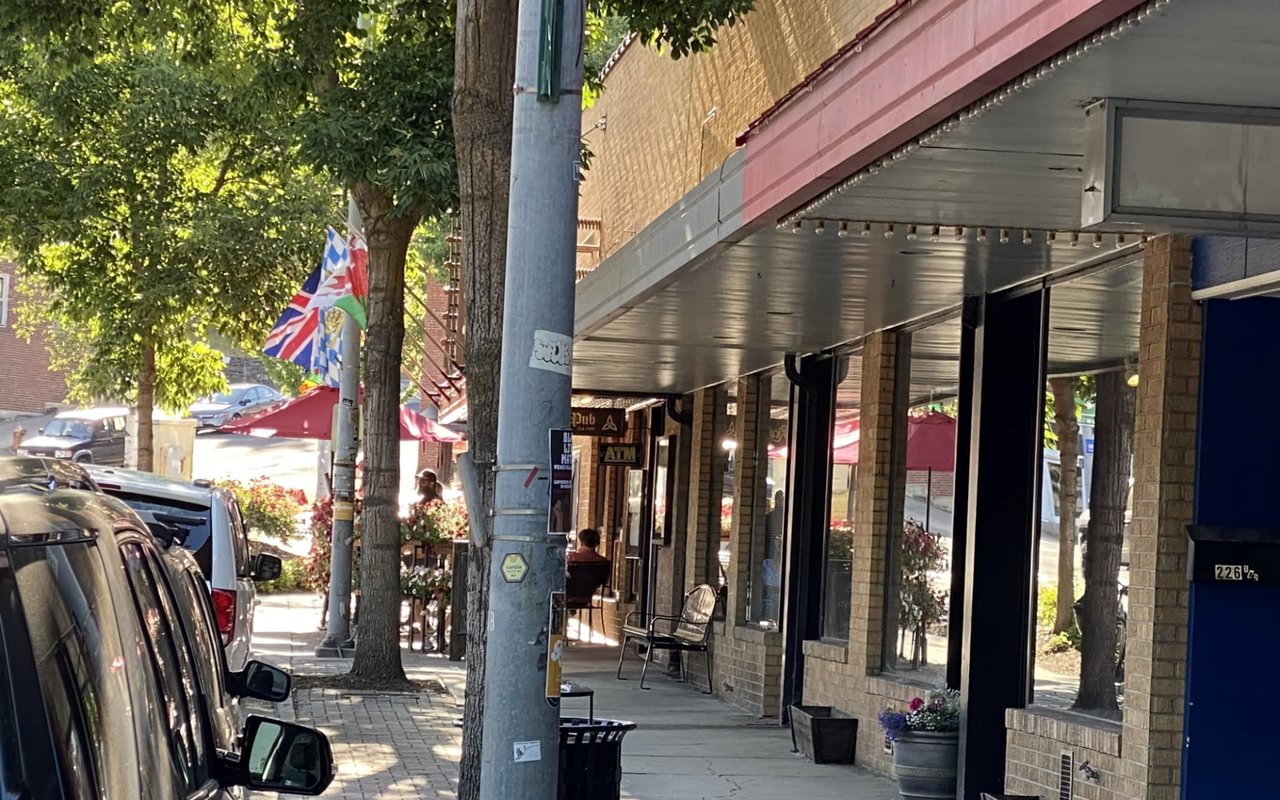
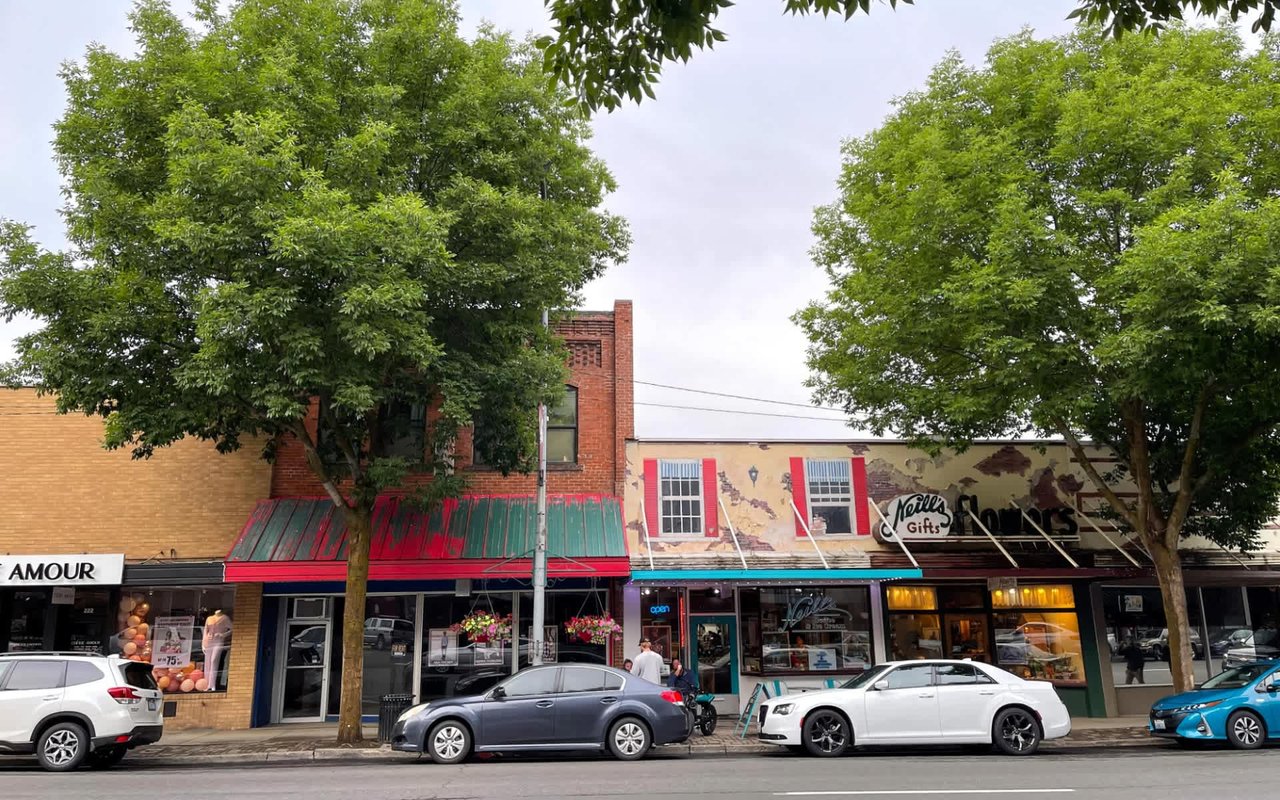
Military Hill sits in Pullman’s northwest quadrant with a mix of older homes and newer pockets, nearby apartments, and quick access to community hubs. Many buyers highlight proximity to Pullman High School and the Pullman Aquatic & Fitness Center, along with parks and views as selling points you can lean on when listing. You can read a concise neighborhood overview on the local chamber’s page for Military Hill.
Pullman’s housing stock has a large rental and student component. The Census estimates only about 31.3% of homes here are owner-occupied, a signal that investors and student timing shape parts of the market. You can see that owner-occupancy context in the U.S. Census QuickFacts for Pullman.
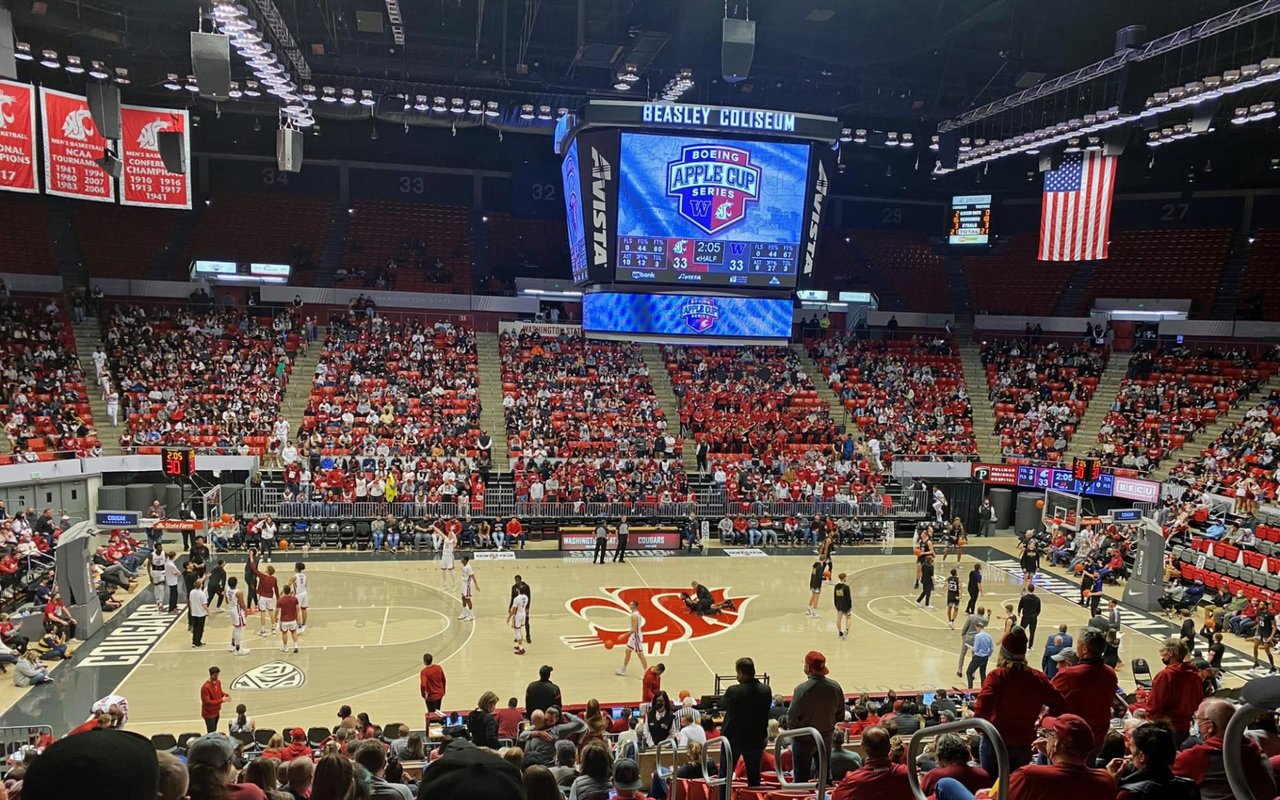
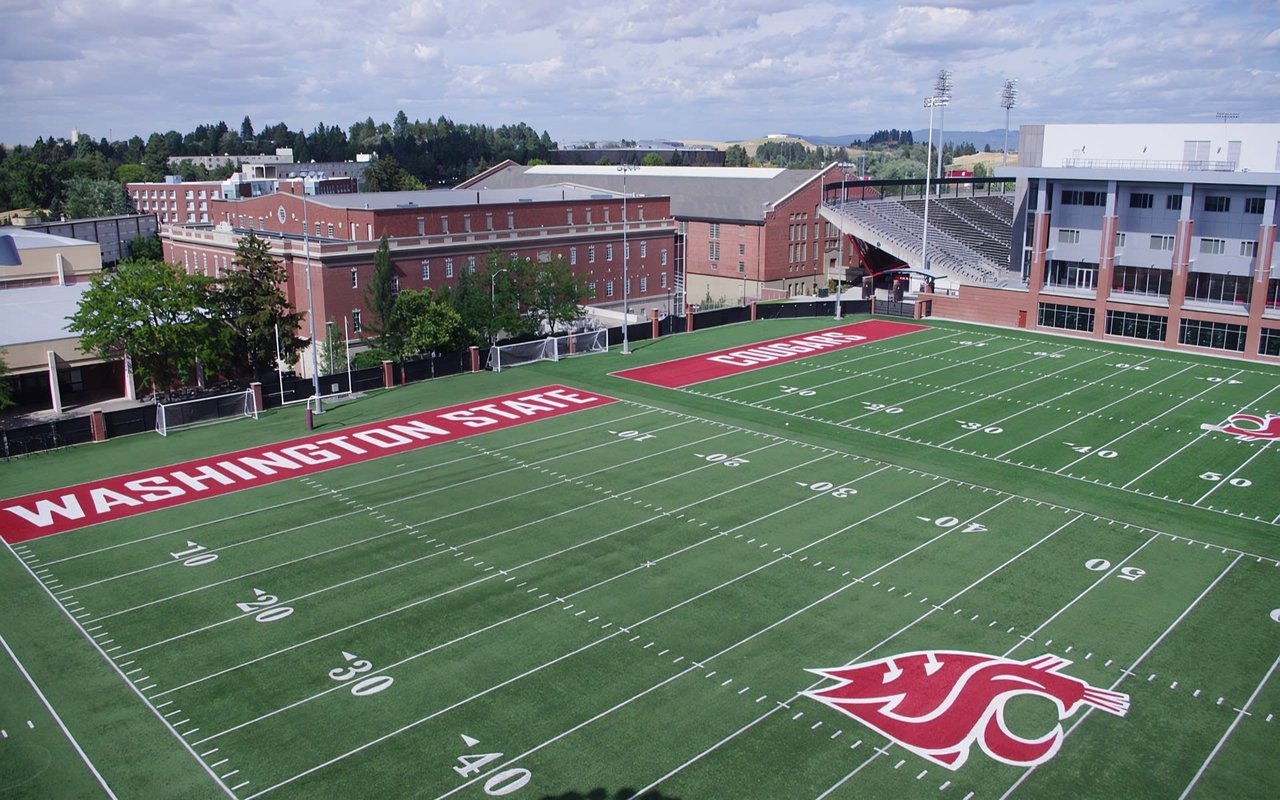
Because Washington State University anchors the city, the academic calendar matters. Fall instruction typically begins in mid to late August, which concentrates student move-in and rental turnover in July and August. If you plan to sell or buy around that season, expect shifting competition and activity. You can confirm dates on the WSU academic calendar.
Market snapshots vary by data source and month. For example, Redfin reported a Pullman median sale price near $429,000 in January 2026, Zillow’s typical home value was about $414,619 as of January 31, 2026, and Realtor.com showed a lower October 2025 median around $336,000. The takeaway is simple: use a neighborhood-level CMA for pricing and timing, and treat citywide portal numbers as broad context.
Choose your move-up path
There is no single best way to move up. You can pick a plan that trades a little cost for more certainty or a little flexibility for less risk. Here are the common paths.
Sell first, then buy
What it is: You list and close on your current Military Hill home, then buy your next home with the proceeds.
- Pros: Lower finance risk, simpler underwriting, clear budget from actual sale proceeds.
- Cons: You may need temporary housing or a short rent-back to bridge the gap.
- Local tip: Build Washington’s Real Estate Excise Tax (REET) into your net sheet. The state uses a graduated structure, and for many sub-$525k sales the state portion has historically been near 1.10%. Confirm your exact rate with title using the WA DOR REET page.
Buy first with bridge funds or equity
How it works: You secure your next home before you sell by using cash, a bridge loan, or a HELOC/home equity loan.
- Pros: Stronger offer with no home-sale contingency and more control over timing.
- Cons: Higher carrying cost and the risk of temporarily holding two homes if your current one takes longer to sell.
- What to ask: Bridge loans are short-term and typically cost more than conventional loans. Get a clear written estimate of rates, fees, and exit plan. Learn the basics from NerdWallet’s bridge loan overview. If you consider a HELOC or home equity loan instead, compare structures and protections with the CFPB’s HELOC vs. home equity guide.
Make a contingent offer
What it means: Your purchase depends on selling your current home. Sellers often add a kick-out clause and firm deadlines.
- Pros: Low carrying cost and less financing complexity.
- Cons: Less competitive if inventory is tight, and timelines can feel cramped.
- Mechanics: See plain-language guidance on standard contingencies and kick-outs in the NAR consumer guide.
Coordinate a same-day double closing
Short description: Your sale and purchase fund on the same day. It takes tight coordination with lender and title.
- Pros: Avoids temporary housing and can keep financing simple if everything aligns.
- Cons: Some title companies will not do back-to-back closes or may require extra funding or fees. Start planning early. Learn the basics in this overview of double escrow closings.
Use a short rent-back
What it is: You close on the sale, then stay on for a set period as a paid occupant with written terms.
- Pros: Buys you time to move into your next home, often 30 to 60 days.
- Cons: Needs clear documentation on rent, deposits, utilities, and move-out date. Many lenders flag longer stays, so keep it short and well documented.
Pullman timing: when to list and shop
Spring and early summer are the traditional peak listing windows nationally, with more buyers and faster days on market. A practical planning guide that outlines season-by-season considerations is summarized here: Will 2026 Bring a Move?
In Pullman, layer in WSU’s calendar. With fall classes starting mid to late August, rental turnovers spike in July and August, which can increase investor activity. If your home could appeal to both households and investors, timing your list date for spring through early summer can create more overlap with both buyer pools. If you want less competition for your purchase, late summer or early fall can also open opportunities as the peak passes.
Median rent in the area has hovered near $1,525 per month as of October 2025. If you are deciding between selling and converting your current home to a rental, that figure helps frame a rough carry-cost comparison alongside your mortgage and taxes. Always confirm current rents and condition-driven comps before deciding.
Your low-stress plan
Use this simple checklist to keep momentum and reduce surprises.
90 to 120 days before your ideal move
- Get a written pre-approval built for your plan. If you might carry two homes, ask how the lender will treat reserves, combined debt, and the timing of your sale. A short explainer on planning for bridge financing is here: Rocket Mortgage on bridge loans.
- Ask for a Military Hill CMA. A neighborhood-level analysis helps you set price, prep, and a marketing plan that highlights parks, school proximity, and community amenities.
- Schedule high-ROI touch-ups. Focus on roof, windows, basic systems, and clean kitchen or bath refreshes if needed.
30 to 60 days before listing or while shopping
- Choose your sequence. If selling first, line up temporary housing or a short rent-back. If buying first, collect bridge or HELOC quotes in writing and confirm timeline to fund.
- Prep for market. Stage, photograph, and write marketing that emphasizes Military Hill benefits like parks, fitness center access, and everyday convenience. You can reference local amenities from the Military Hill overview.
At contract and negotiation
- If you accept a contingent buyer, set a clear deadline and use a kick-out clause. Keep showings open for backups. See the NAR guide to contingencies.
- If you plan a same-day double closing, confirm the title company and lender will coordinate. Share dates early. Review basics of double escrow logistics.
Before closing
- Plan for REET. Washington’s Real Estate Excise Tax is a seller cost based on a graduated rate. Review the current table on the WA DOR REET page.
- Review tax items. If you have lived in the home as your primary residence, ask your tax advisor about the IRS Section 121 exclusion and possible partial qualification if you rented at any point. See a plain-language overview of basis and sale considerations here: Britannica on property basis.
Smart financing questions to ask
Bring these to your lender so your pre-approval matches your plan.
- Will you count my pending sale or rent-back in qualifying? What reserves do you require if I carry two mortgages temporarily?
- If I use a bridge loan, what are the rate, fees, and exit plan if my home takes longer to sell? A quick primer is in NerdWallet’s bridge loan guide.
- Would a HELOC or home equity loan be a lower-cost alternative to a bridge? Compare the structures with the CFPB’s HELOC vs. home equity explainer.
- What is a realistic escrow timeline? In many markets, 30 to 45 days from contract to close is common, depending on appraisal and underwriting. See a typical outline in this homebuyer guide timeline.
Example timelines
Scenario 1: Avoid two moves with a rent-back
- Week 0: List your Military Hill home.
- Week 2 to 3: Accept a strong offer with a 30 to 60 day rent-back.
- Week 4: Shop with certainty using your pre-approval and known net proceeds.
- Week 6 to 8: Close on your sale, then move into your new home during the rent-back window.
Scenario 2: Secure the next home first with a bridge
- Week 0: Get pre-approval that includes bridge financing and reserves.
- Week 1 to 3: Shop and write a non-contingent offer on your next home.
- Week 4 to 6: Close on your purchase, then list your current home with fresh photos and strong marketing.
- Week 8 to 12: Close your sale and pay off the bridge or HELOC.
What your Military Hill listing should highlight
- Proximity to community amenities like Pullman High School, the Pullman Aquatic & Fitness Center, parks, and trails.
- Everyday convenience, commute access, and practical floor plans that work for many lifestyles.
- Natural light, storage, parking, and flexible spaces suited to working or learning from home.
- Condition updates and energy or systems improvements that reduce near-term costs for buyers.
Ready to move up with less stress?
If you want a step-by-step plan tailored to your timeline, budget, and Military Hill goals, let’s talk. You will get a neighborhood CMA, a clear sequencing strategy, and a coordinated calendar so you can move once and land well. Start with a quick call or request a personalized home valuation with Krista Gross.
FAQs
What timeline should I expect from contract to closing in Pullman?
- Many purchases close in about 30 to 45 days, depending on appraisal and underwriting speed. Build a little buffer for surprises and consider a short rent-back if you need flexibility.
How do WSU academic dates affect selling or buying on Military Hill?
- With fall instruction starting mid to late August, rental turnover peaks in July and August, which can shape buyer activity. Listing in spring or early summer often captures broader demand.
What is Washington’s Real Estate Excise Tax and how does it impact my sale?
- REET is a seller-paid, graduated state tax. For many sub-$525k sales, the state portion has historically been near 1.10%, with county additions possible. Title will calculate your exact amount.
Are home-sale contingencies still accepted in today’s market?
- Yes, but they are less competitive when inventory is tight. If you accept one on your sale, use a kick-out clause and a firm deadline to reduce risk.
What if my current home takes longer to sell than planned?
- If you bought first, budget for carrying costs and have a clear exit plan for any bridge or HELOC. If you sold first, a short rent-back can help you time the move into your next home.