Thinking about settling on the Palouse but not sure whether Pullman, Colfax, or Albion fits your life best? You might be relocating for WSU, buying your first home, or looking for more space and quiet. In a few minutes, you will understand how these nearby communities compare on housing, commutes, services, and lifestyle tradeoffs, plus get simple checklists to guide your search. Let’s dive in.
The Palouse at a glance
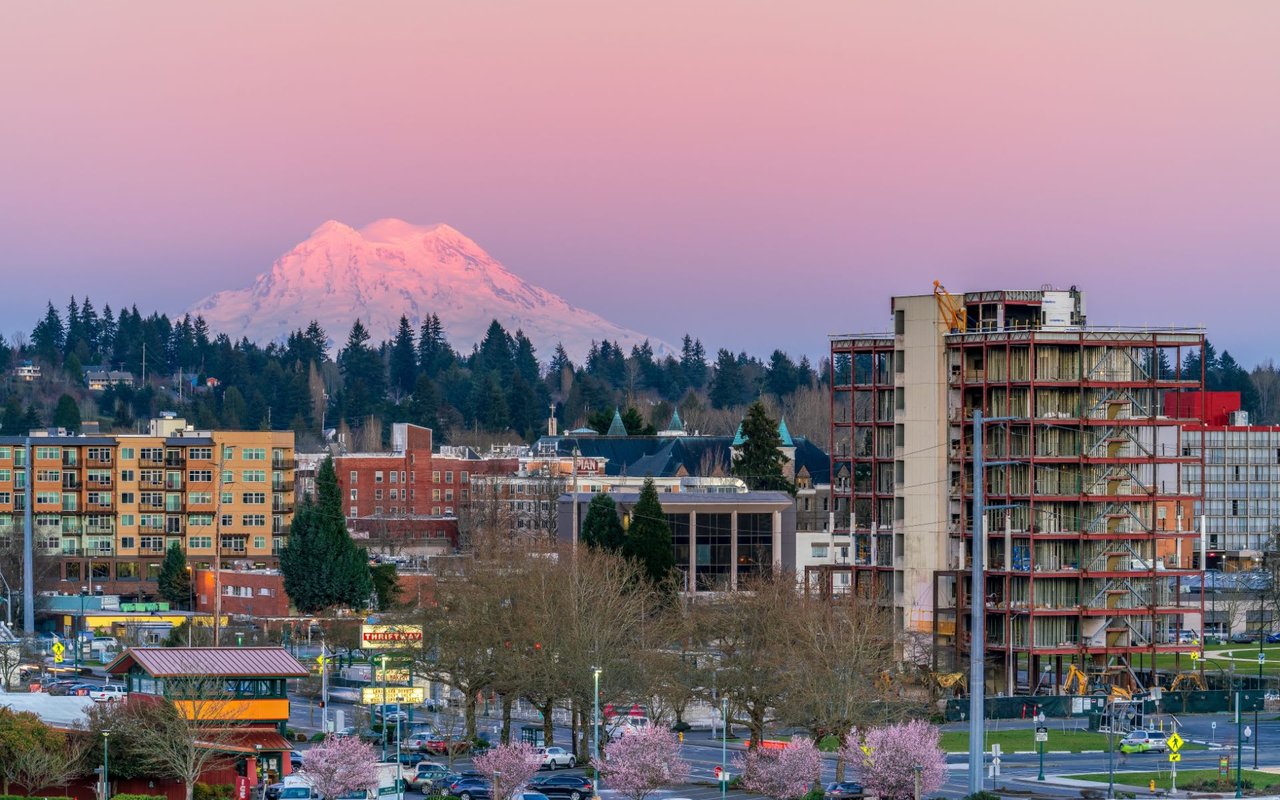
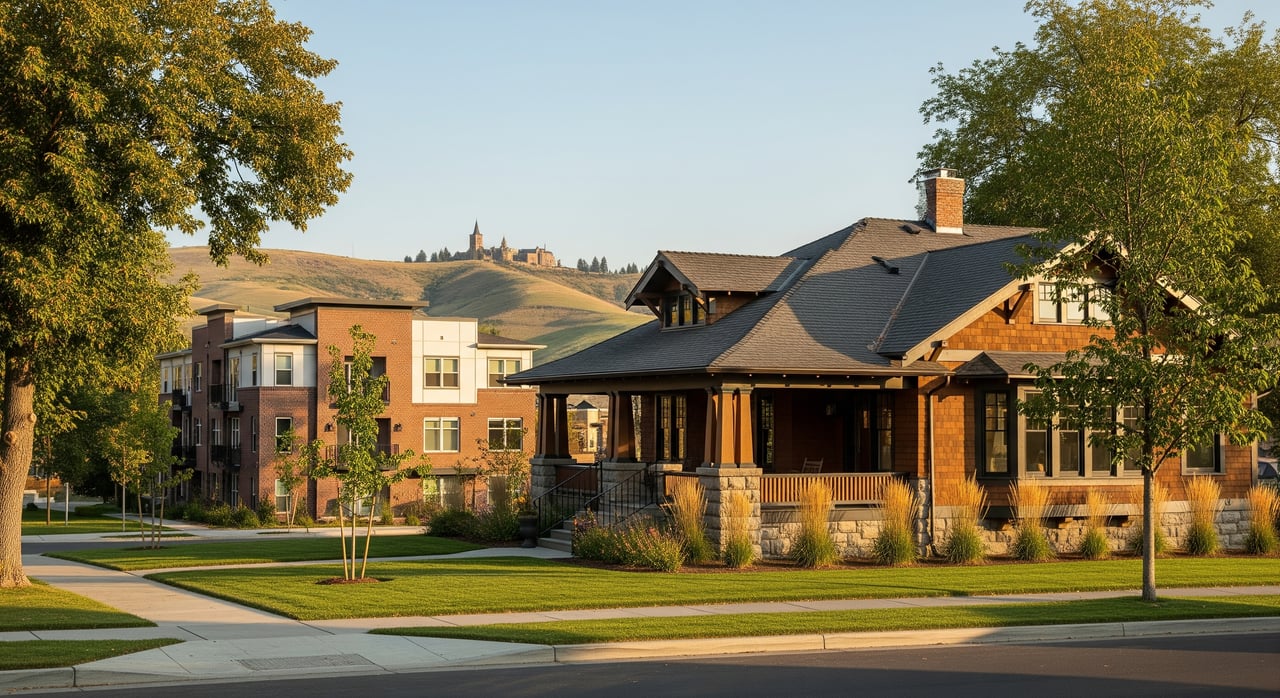
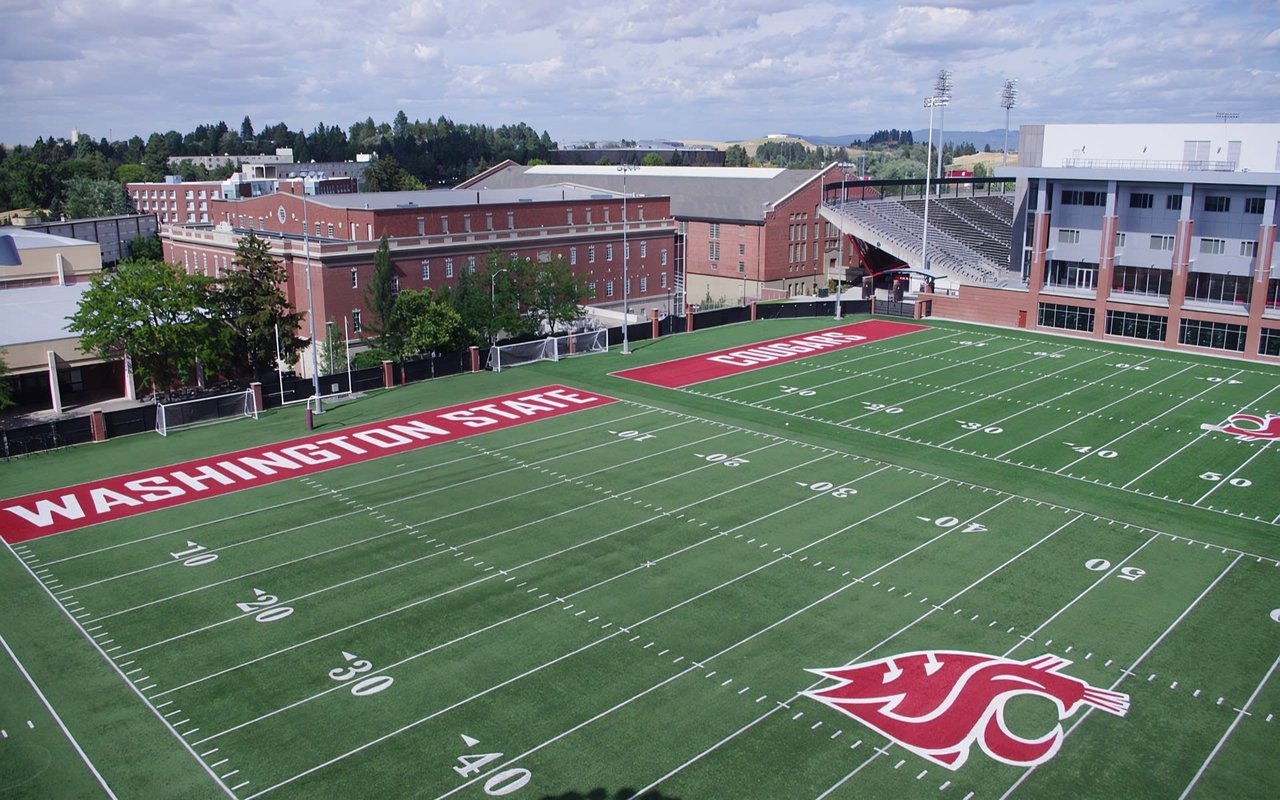
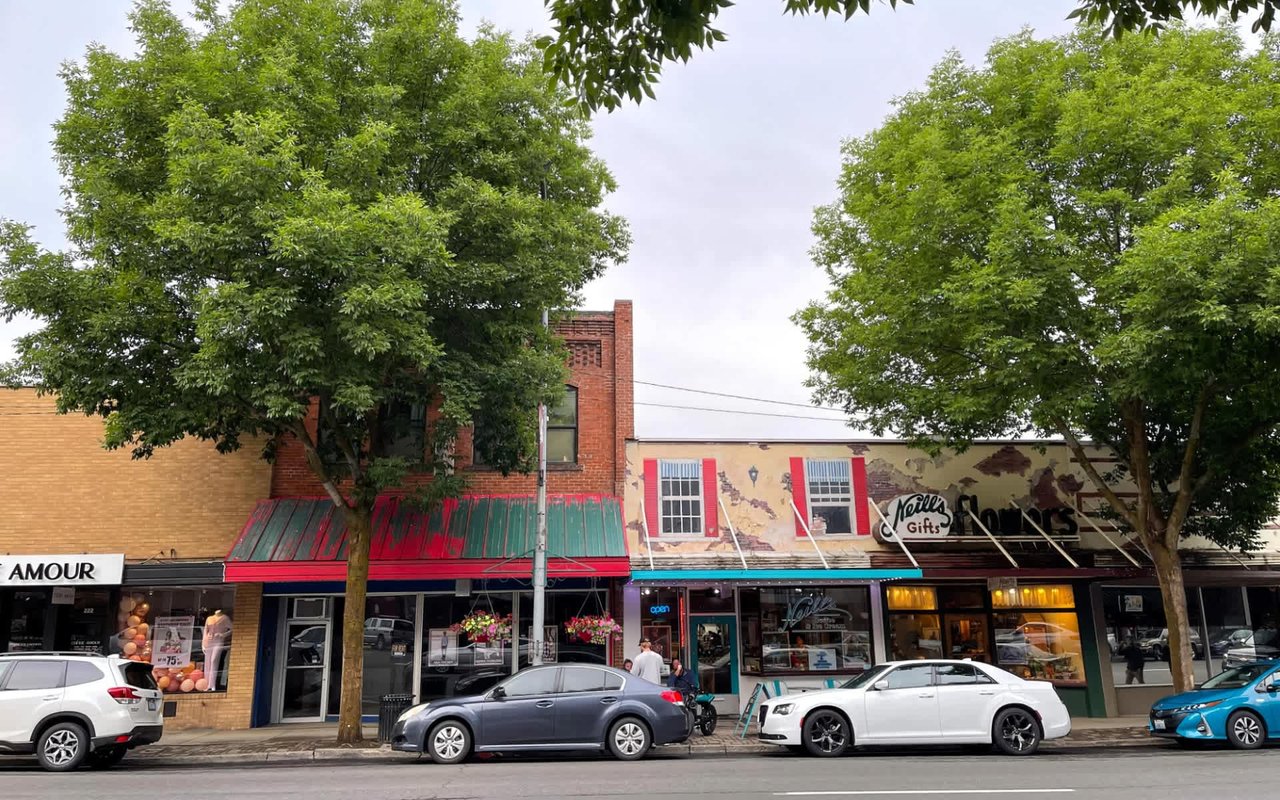
All three towns sit among rolling agricultural hills in southeastern Washington. Pullman is the largest population center and home to Washington State University, which shapes jobs, housing demand, and cultural life. Colfax is the Whitman County seat with a small-city feel and a stable economy tied to government and local business. Albion is a very small rural town where daily life is quieter and services are limited.
Quick comparison: Pullman vs Colfax vs Albion
| Town | Vibe | Housing snapshot | Commute to Pullman | Services and amenities |
|---|---|---|---|---|
| Pullman | University city and regional hub | Mix of apartments, student housing, older single-family homes, some newer subdivisions, and townhomes | In-town commutes are short; many residents live near work or campus | Most grocery, dining, clinics, parks, and WSU arts and sports |
| Colfax | Small county-seat city | Detached homes in historic and mid-century styles, some newer builds and manufactured homes | Typical drive is roughly 30 to 40 minutes depending on route and weather | County courthouse and services, small downtown, local events, basic healthcare |
| Albion | Very small rural community | Farmhouses, rural single-family, manufactured homes, larger lots | Typical drive is about 15 to 25 minutes depending on start and weather | Few local services; residents often shop and see doctors in Pullman or nearby centers |
Housing and costs
Housing choices and pricing vary by town due to scale and demand. Pullman’s university presence drives higher demand and a larger share of rentals, especially near campus and downtown. Colfax tends to have more owner-occupied homes with a steadier, smaller market. Albion’s market is very limited, with fewer listings and longer waits for the right property.
Pullman housing
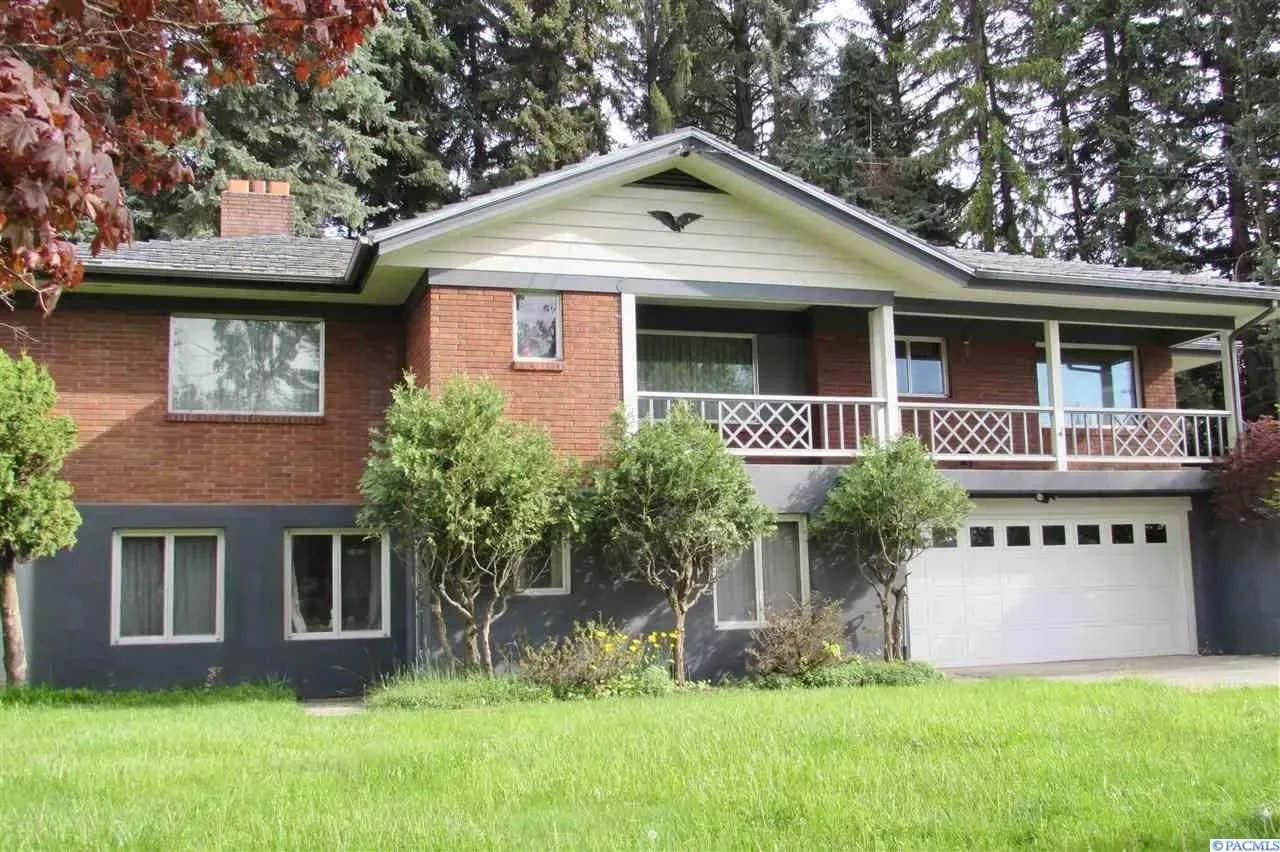
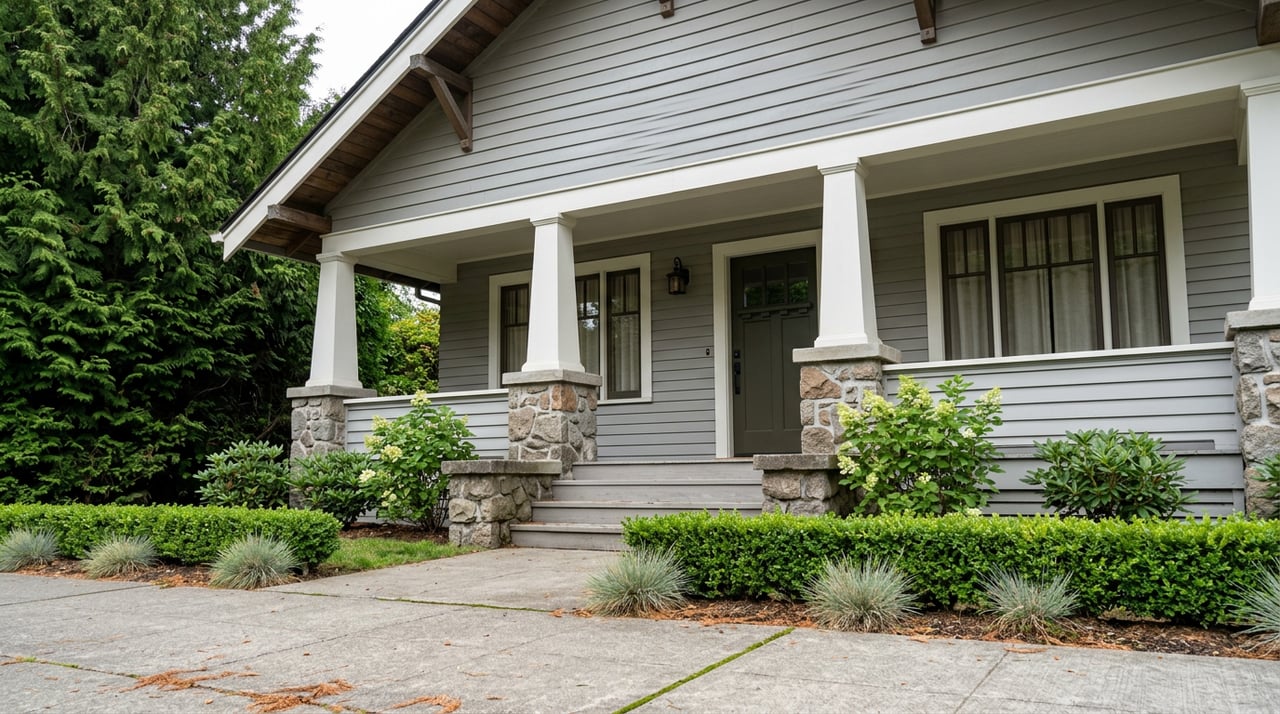
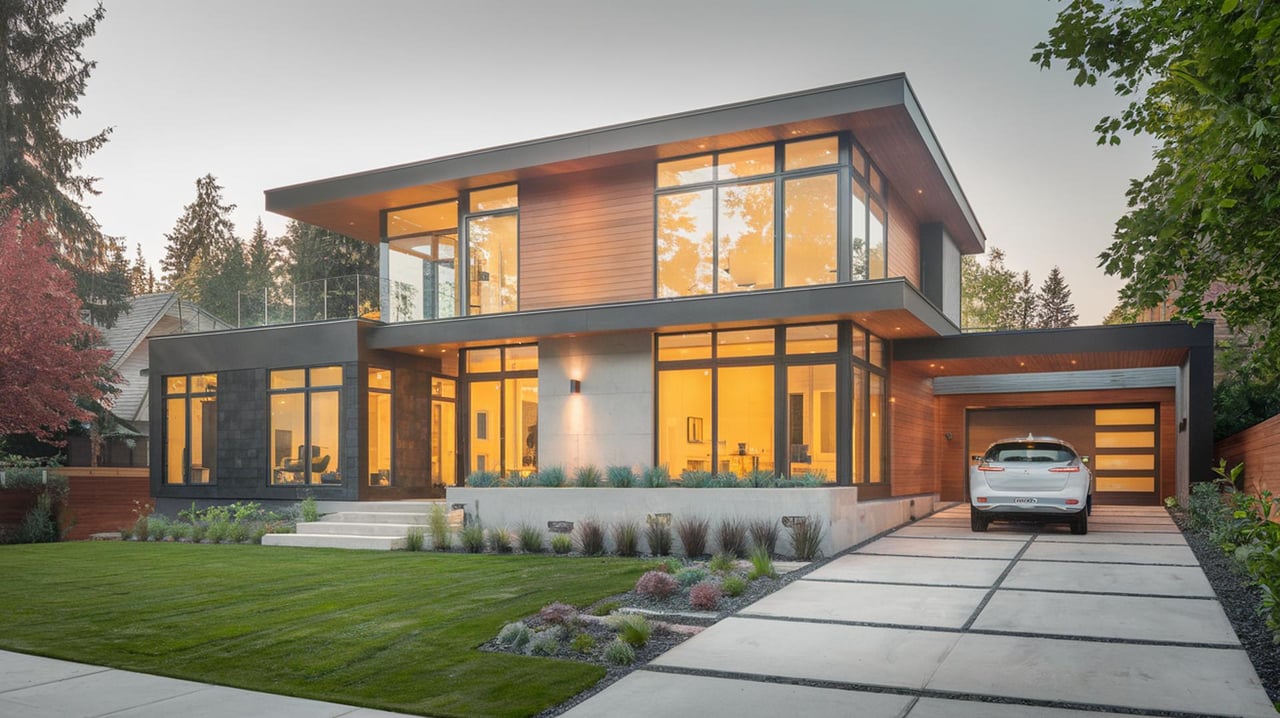
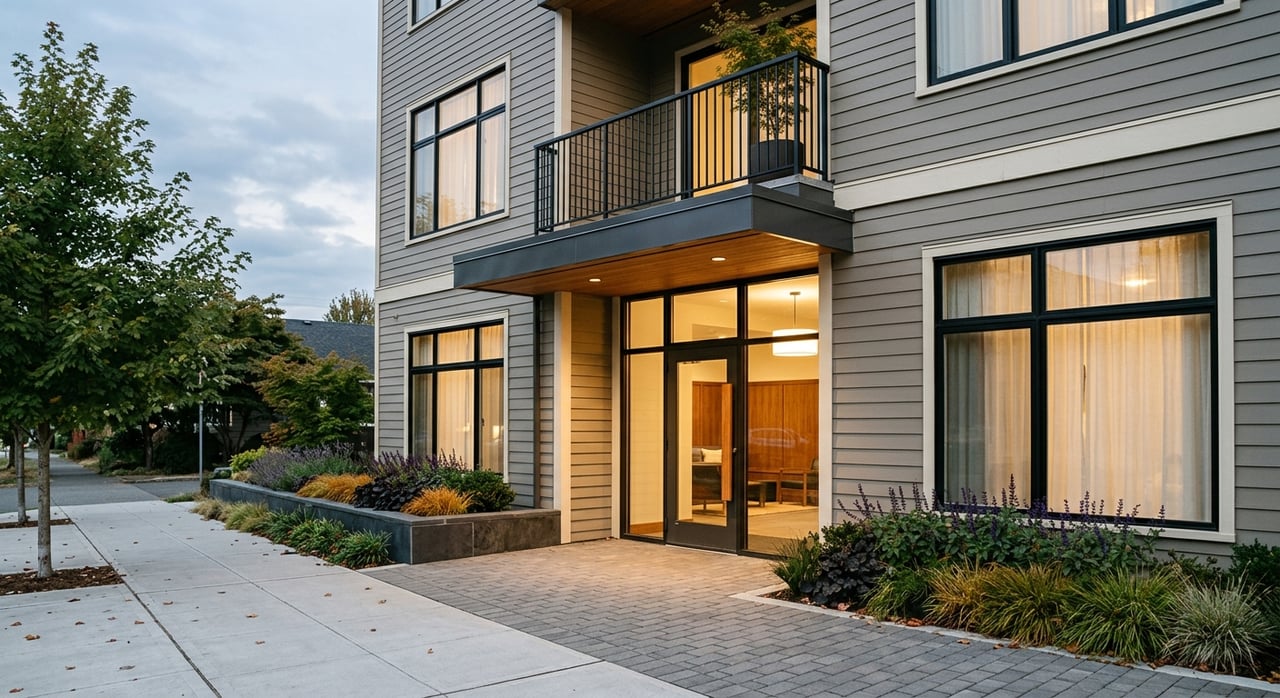
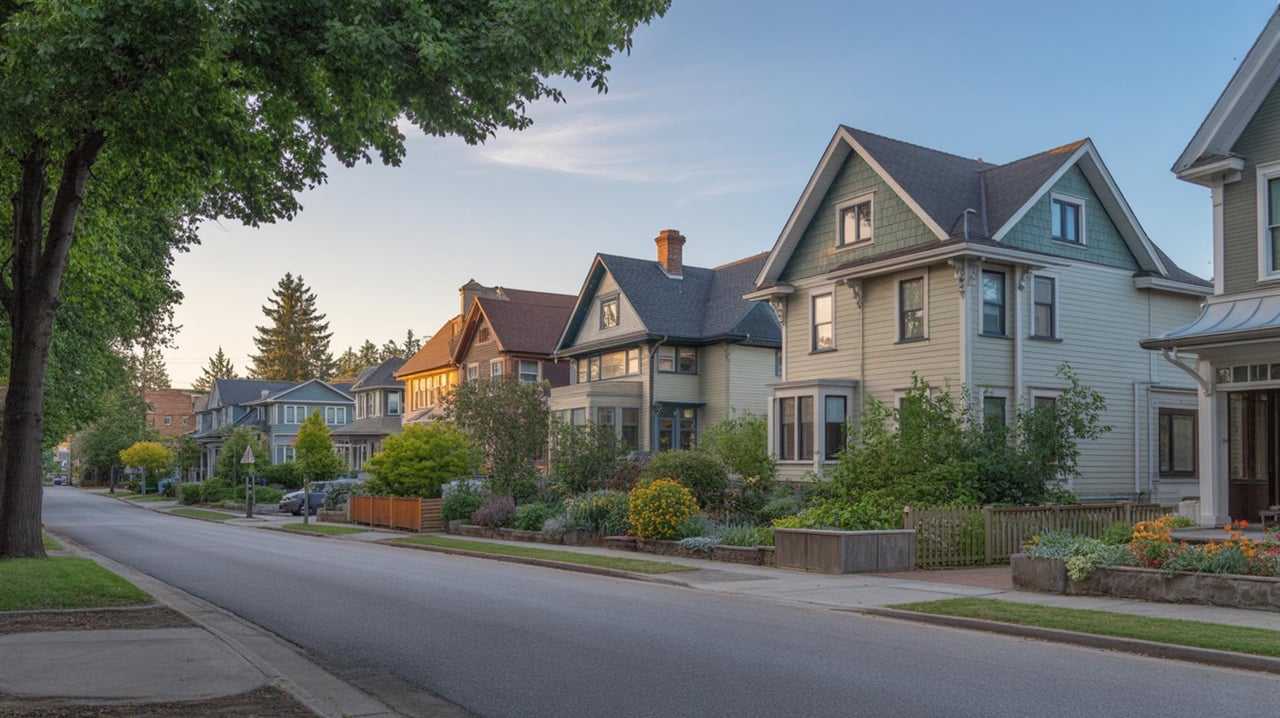
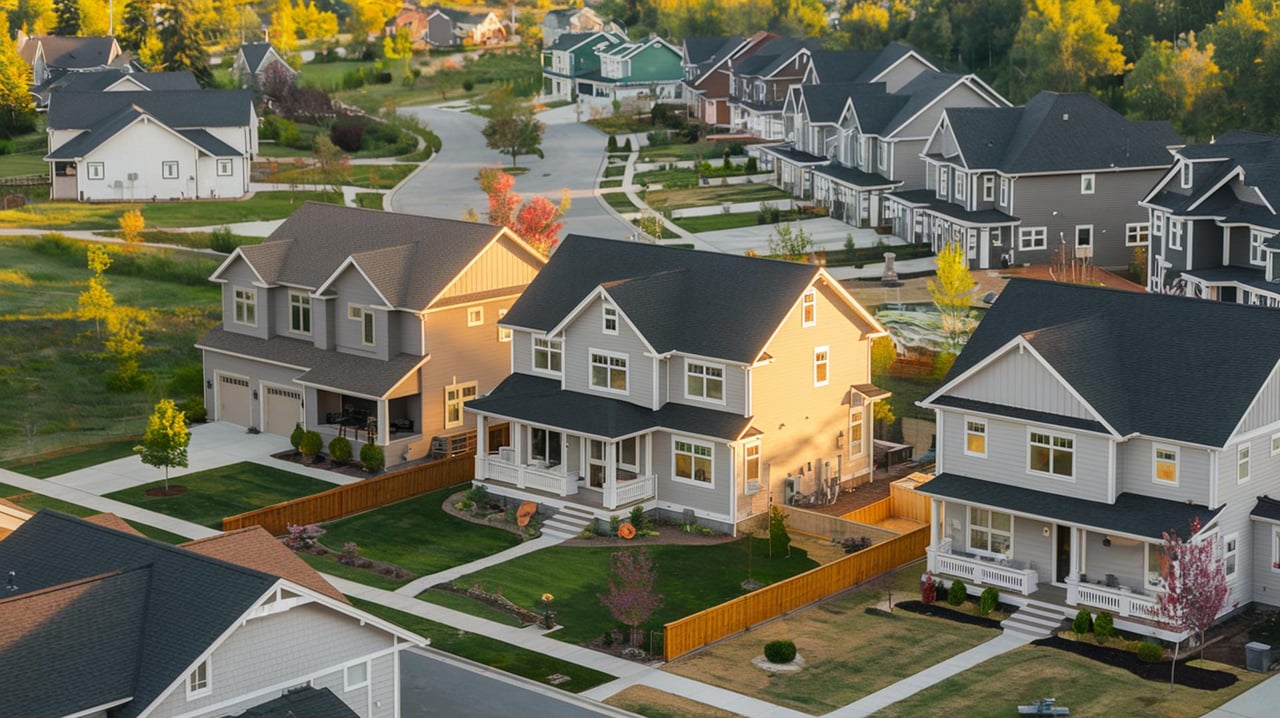
You will find a wide range of options, from purpose-built student apartments to early 1900s bungalows, mid-century homes, and modest newer subdivisions. Townhome and condo options appear near campus and key corridors. Inventory can tighten around the academic calendar, and turnover often follows university seasons.
Colfax housing
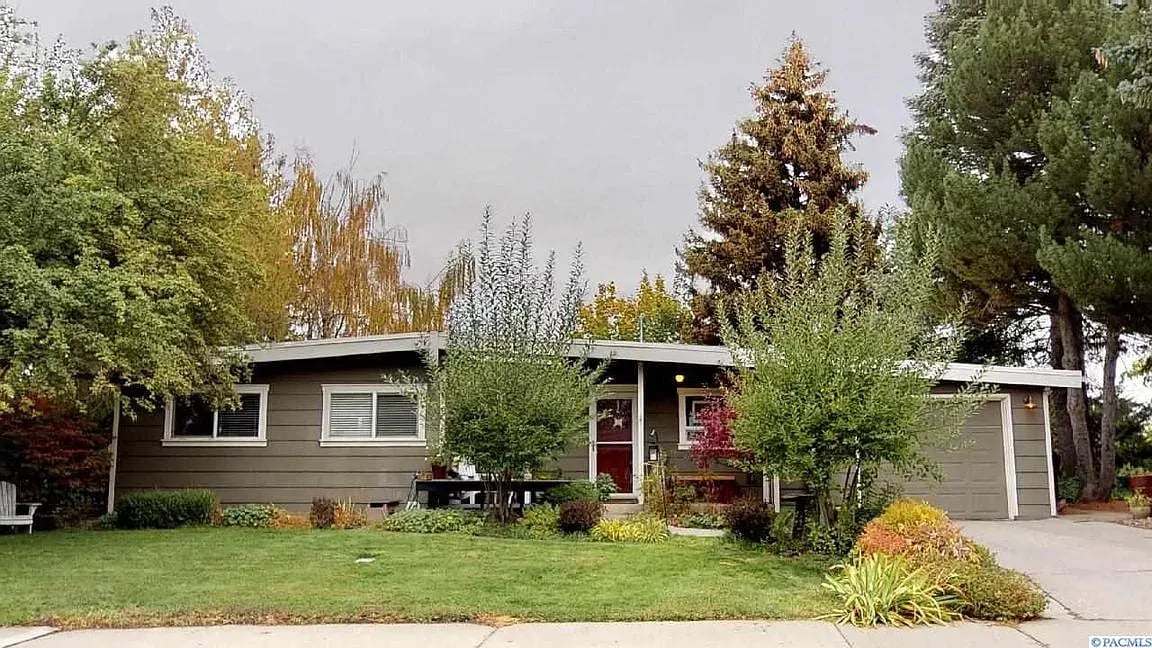
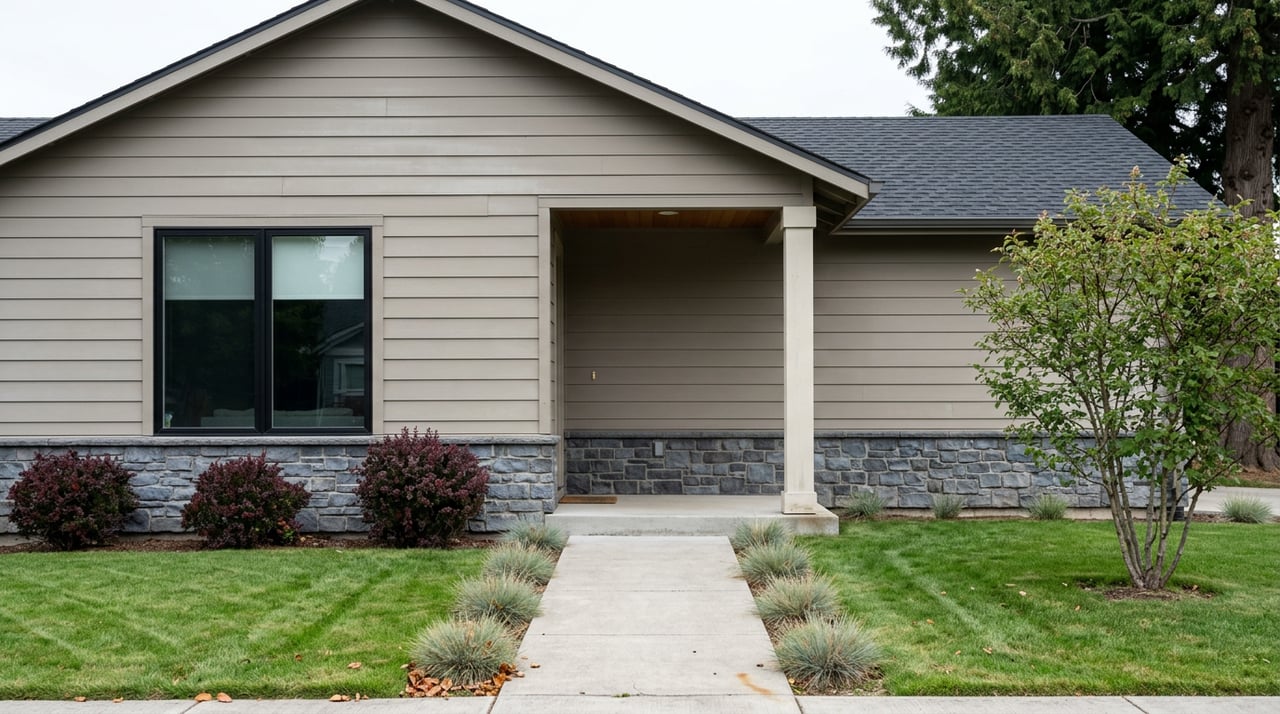
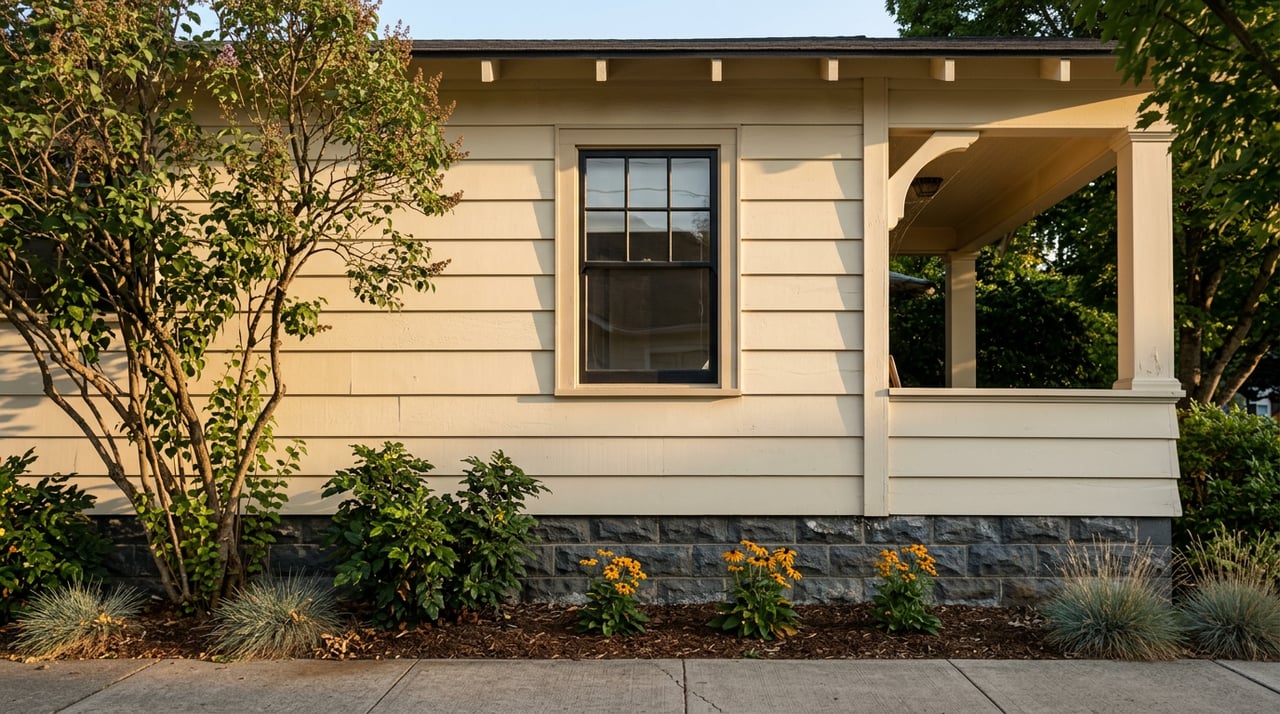
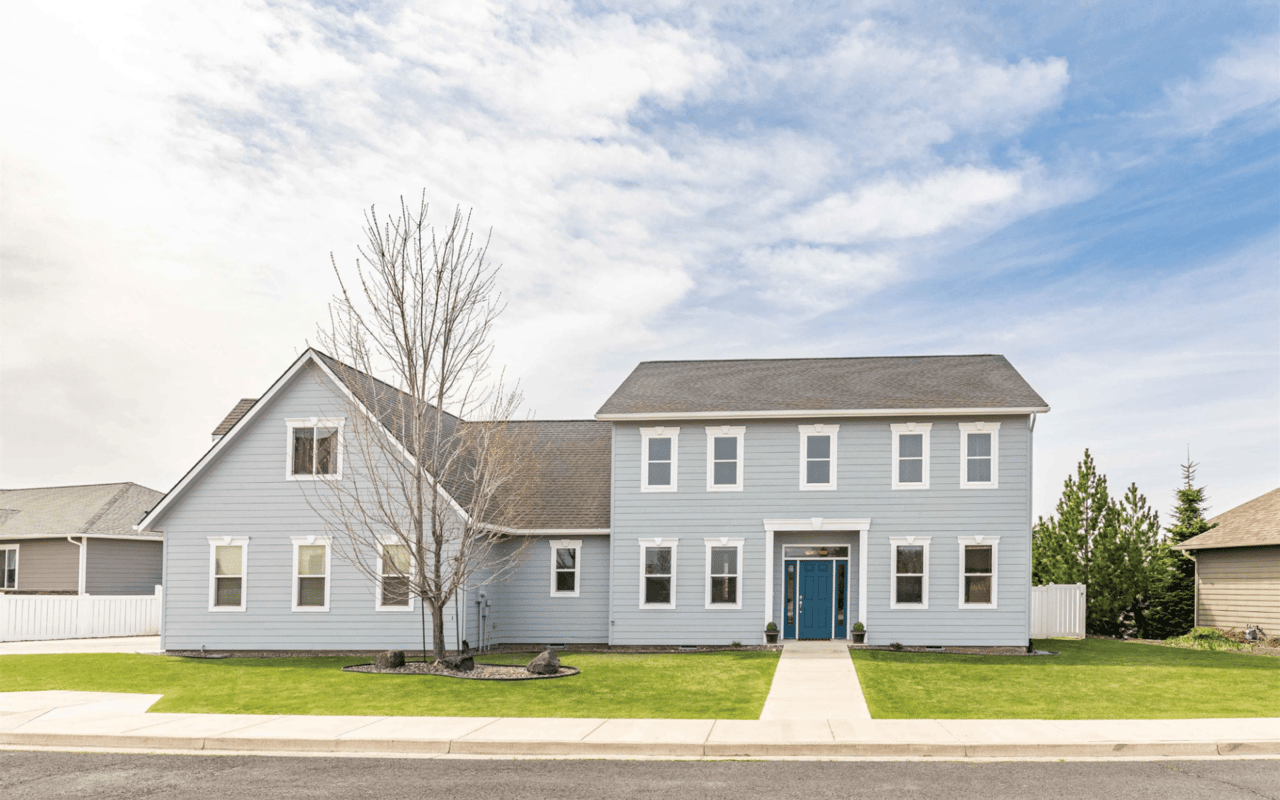
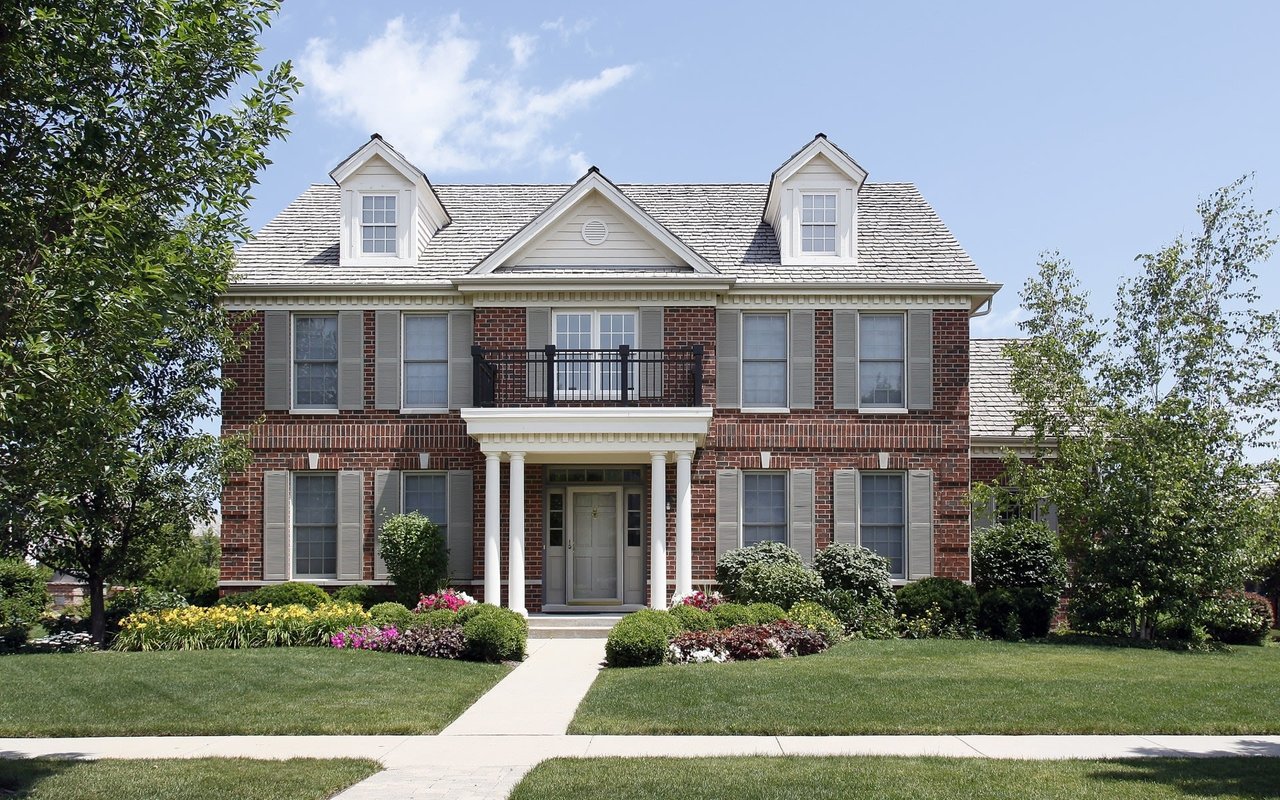
Expect detached single-family homes with historic charm, mid-century ranches and cottages, and some newer construction. Manufactured homes on individual lots are also part of the mix. The market moves at a steadier pace with higher owner occupancy than Pullman.
Albion housing
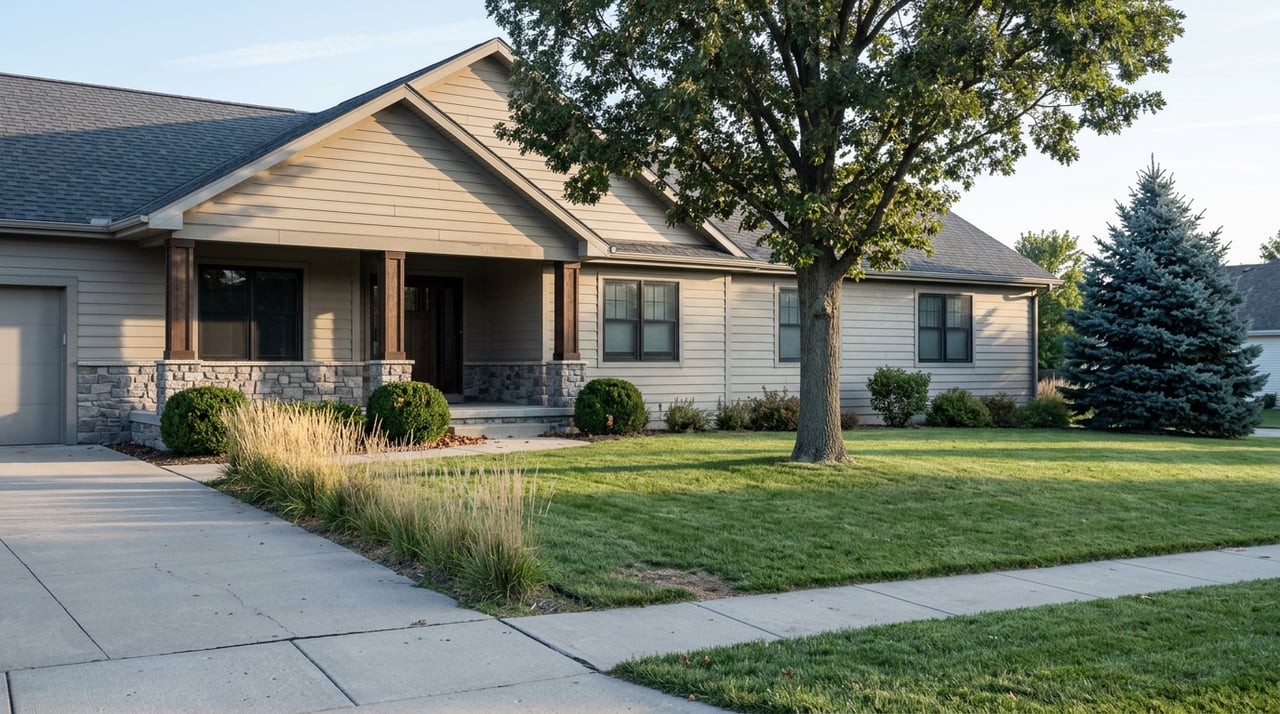
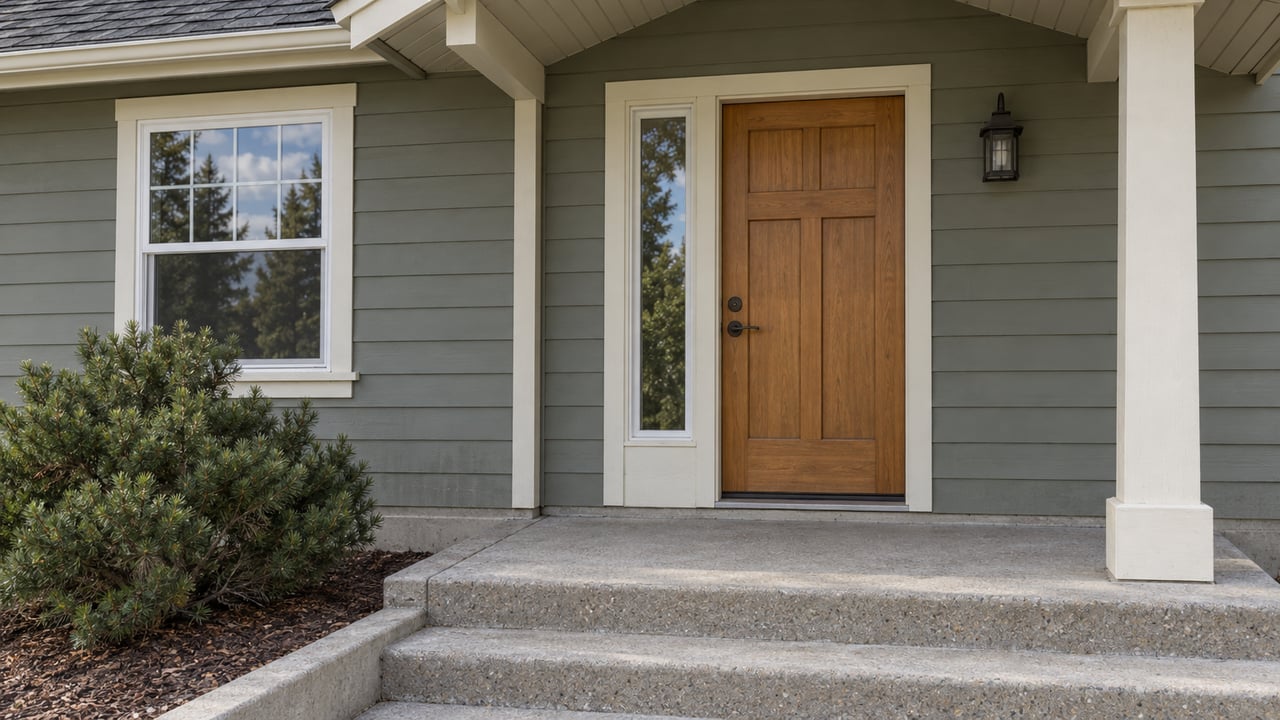
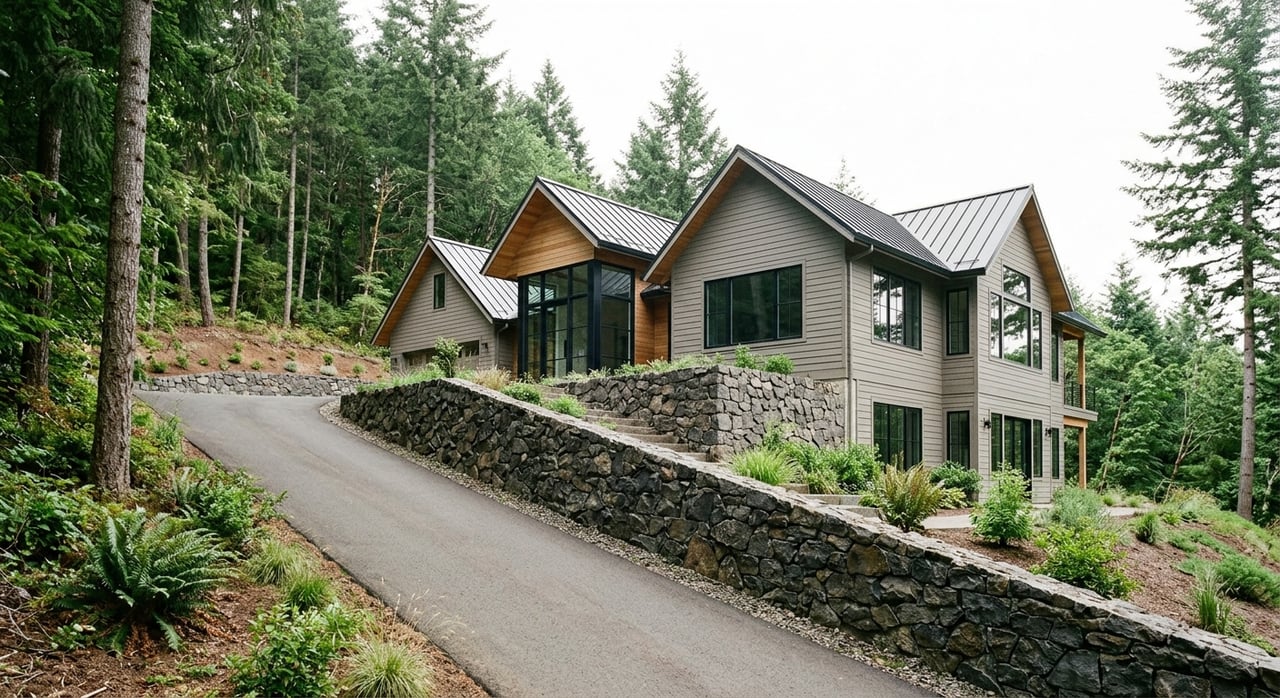
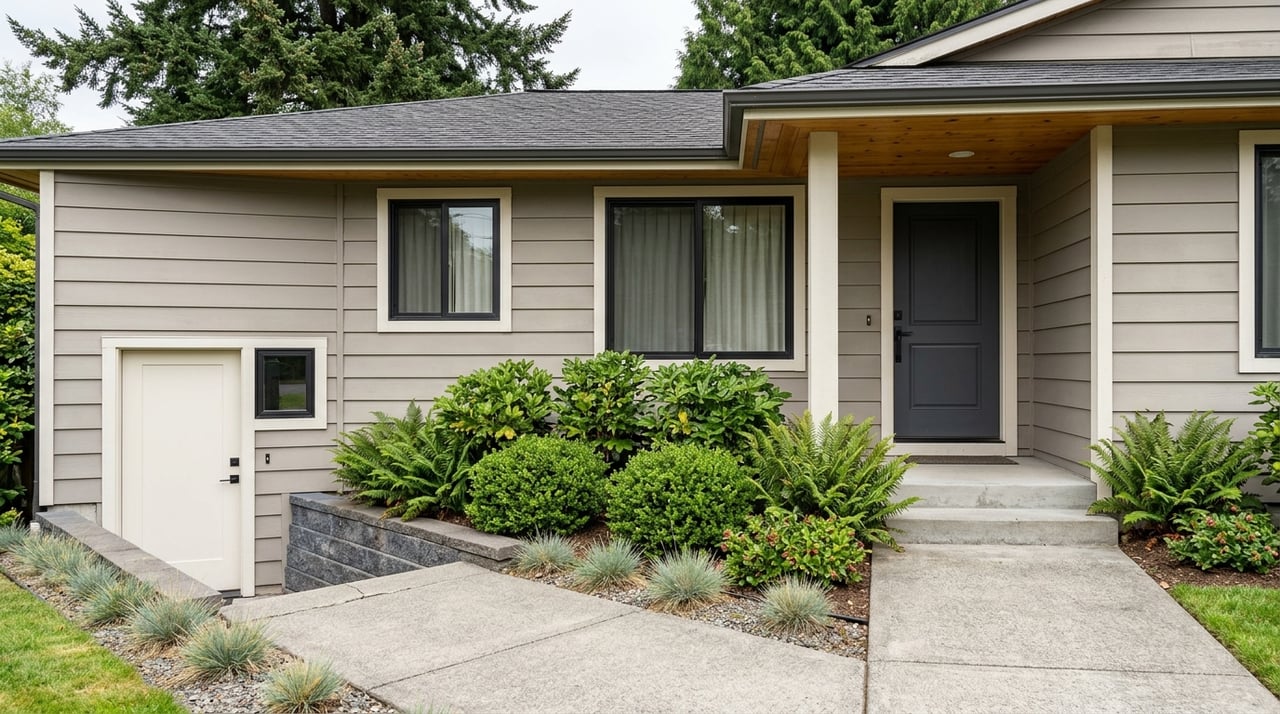
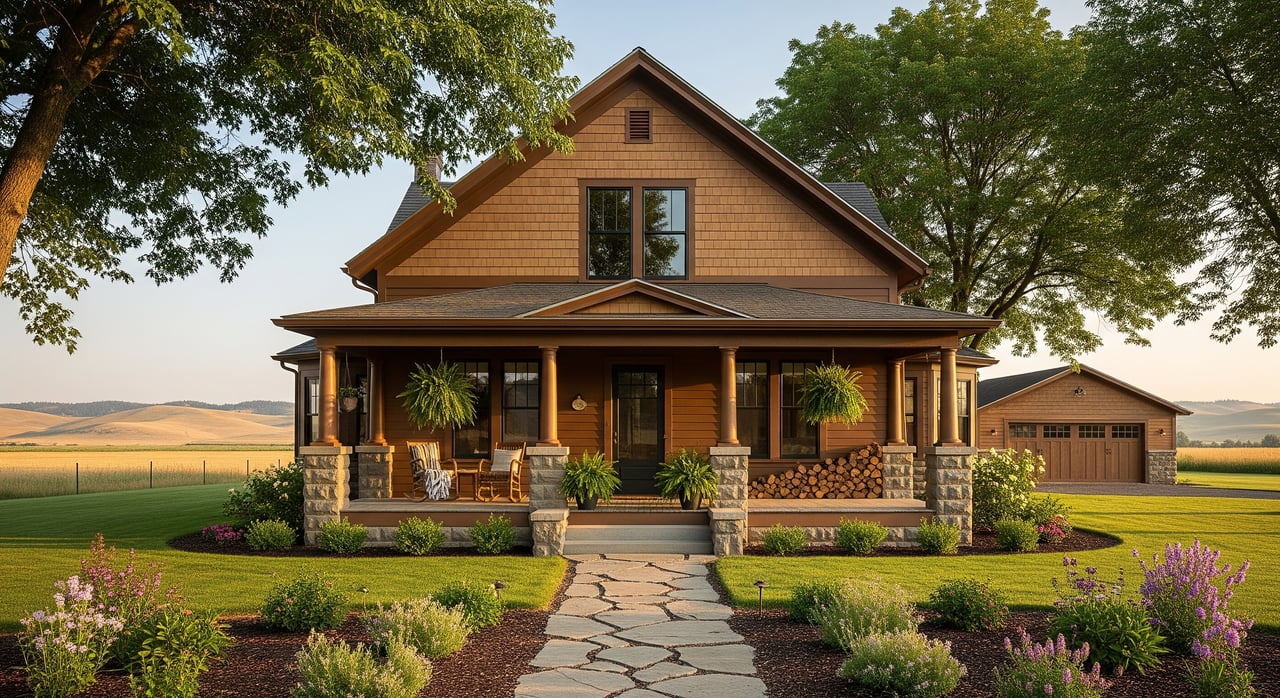
Albion leans rural with farmhouses, site-built homes on larger lots, and manufactured homes. New construction is limited, and the number of resale listings at any time is small. If you want acreage or privacy, Albion can fit, but patience is key.
How to gauge current prices
Prices change month to month, and each micro-market behaves differently. To compare your likely monthly cost, pull the most recent median sale price, days on market, and inventory for each town and confirm property tax rates through county sources. For rental comparisons, focus on Pullman’s student-driven market near campus and more traditional single-family rentals beyond the core.
Commute and transportation
Pullman is the regional job center, and many people commute in from surrounding towns. A typical drive from Colfax to Pullman is roughly 30 to 40 minutes, while Albion to Pullman is about 15 to 25 minutes. Actual times vary with weather, and Palouse winters can be icy, especially on rural, winding routes.
Public transit is strongest within Pullman, where local service supports the campus-city corridor. Between towns, regional transit options are limited, so most commuters rely on personal vehicles. Walkability and biking improve near Pullman’s campus and downtown, while Colfax and Albion are more car dependent with fewer sidewalks and bike routes outside town centers.
Services, schools, and healthcare
Pullman
WSU anchors local culture and employment, bringing sports, arts, lectures, and continuing education to town. You have more grocery options, a broader restaurant mix, local parks and recreation, and access to clinics and outpatient services. The Pullman School District includes neighborhood elementary schools, a middle school, and a high school.
Colfax
As the county seat, Colfax offers courthouse and county services, a small historic downtown, and community events. Basic healthcare is available locally, while many residents travel to Pullman or larger regional centers for specialty care. Colfax schools serve families who live in and around the city.
Albion
Albion has very limited commercial services and year-round programming. Most residents drive to Pullman, Colfax, or nearby cities for shopping, healthcare, and activities. Families should review school district boundaries and transportation logistics as part of planning.
For education research, review district sites and neutral state resources for enrollment, programs, and outcomes. School boundaries and offerings can change, so always verify before you buy.
Lifestyle tradeoffs to weigh
- Proximity to jobs vs privacy: Pullman puts you closer to employment, medical care, and daily errands. Colfax offers small-city calm within a manageable commute. Albion delivers space and quiet with longer drives.
- Pace and social life: Pullman’s younger skew and WSU calendar bring energy and seasonal swings. Colfax leans steady with local civic identity. Albion is small and neighbor-centered with limited nightlife.
- Housing turnover and resale: Pullman typically sees consistent demand, but inventory skews with student cycles. Colfax tends to move steadily at a smaller scale. Albion listings and buyer pools are limited, which can lengthen timelines.
- Property features: If you want walkability or a townhome near services, focus on Pullman. If you prefer a detached home with a yard and a slower pace, Colfax is a fit. If acreage and rural amenities matter, Albion is compelling.
Buyer checklists by town
Pullman due diligence
- Review the rental landscape and seasonal turnover if buying near campus.
- Confirm parking policies and permit needs in campus-adjacent areas.
- Compare townhome or condo rules and fees to single-family options.
- Check recent sales and inventory by neighborhood to time your search.
Colfax due diligence
- Confirm commute routes and winter maintenance schedules for your street.
- Review age, condition, and systems on historic homes to plan upgrades.
- Compare owner-occupied blocks if you value long-term neighbors.
- Verify school boundaries and daily travel times to activities and clinics.
Albion due diligence
- Budget extra time to find the right property due to limited inventory.
- Inspect wells, septic systems, and private road maintenance agreements.
- Ask about snow removal and access during winter weather.
- Plan for longer drives to groceries, healthcare, and services.
Which community fits you
Choose Pullman if you want walkable neighborhoods near WSU, a wide range of restaurants and shops, and more medical and childcare access. It also fits if your job ties to the university, research, healthcare, or service industries. Expect a more active, student-influenced housing market.
Choose Colfax if you value small-city life with county-seat services and potentially lower density than Pullman. The commute to Pullman is realistic for many, and the market often feels steadier with more owner occupancy. You get a quieter setting while staying connected to regional jobs.
Choose Albion if you want rural or farm-adjacent living, privacy, and larger lots at generally lower list prices. You accept limited local services and longer drives for daily needs. This is a strong fit if acreage or agricultural features are on your wish list.
Next steps
Every buyer’s tradeoffs are unique, and the right call depends on your timeline, budget, commute comfort, and preferred lifestyle. If you want a tailored plan, neighborhood-level comps, and a preview of upcoming inventory, reach out to schedule a quick strategy call. Whether you are local or remote, virtual tours and structured checklists can help you compare Pullman, Colfax, and Albion with confidence. For a friendly, data-aware guide on the Palouse, connect with Krista Gross to get started.
FAQs
How do prices generally compare across Pullman, Colfax, and Albion on the Palouse?
- Pullman typically runs higher due to WSU-driven demand, Colfax is commonly lower than Pullman, and Albion often offers the most affordable list prices, though you should verify current figures before deciding.
Is commuting from Colfax or Albion to Pullman realistic for daily work?
- Yes for many residents, with typical drives of roughly 30 to 40 minutes from Colfax and about 15 to 25 minutes from Albion, but winter weather and rural routes can add time.
What types of homes are most common in each town on the Palouse?
- Pullman offers apartments, student housing, older single-family homes, newer subdivisions, and townhomes; Colfax features historic and mid-century detached homes plus some newer builds; Albion leans rural with larger lots, farmhouses, and manufactured homes.
Are there public transit options between these towns?
- Pullman has stronger in-city transit focused on the campus corridor, while intercity service is limited, so most commuters drive between towns.
What should I consider about schools in Pullman, Colfax, and Albion?
- Use district sites and neutral state resources to confirm boundaries, programs, and transportation, and plan your search around the schools and commute patterns that fit your routine.
How competitive is the housing market across these towns?
- Pullman’s market can be more seasonal and competitive due to university cycles, Colfax tends to move steadily at a smaller scale, and Albion often requires patience because of limited listings.