Buying your first home on a hillside can feel exciting and a little overwhelming. If Sunnyside Hill in Pullman is on your radar, you are already looking in one of the city’s most established residential areas where the university influences demand and timing. You want a smart plan that fits the market, a checklist tailored to hillside living, and a clear path from pre-approval to closing. This guide gives you that roadmap so you can move with confidence. Let’s dive in.
Why Sunnyside Hill appeals
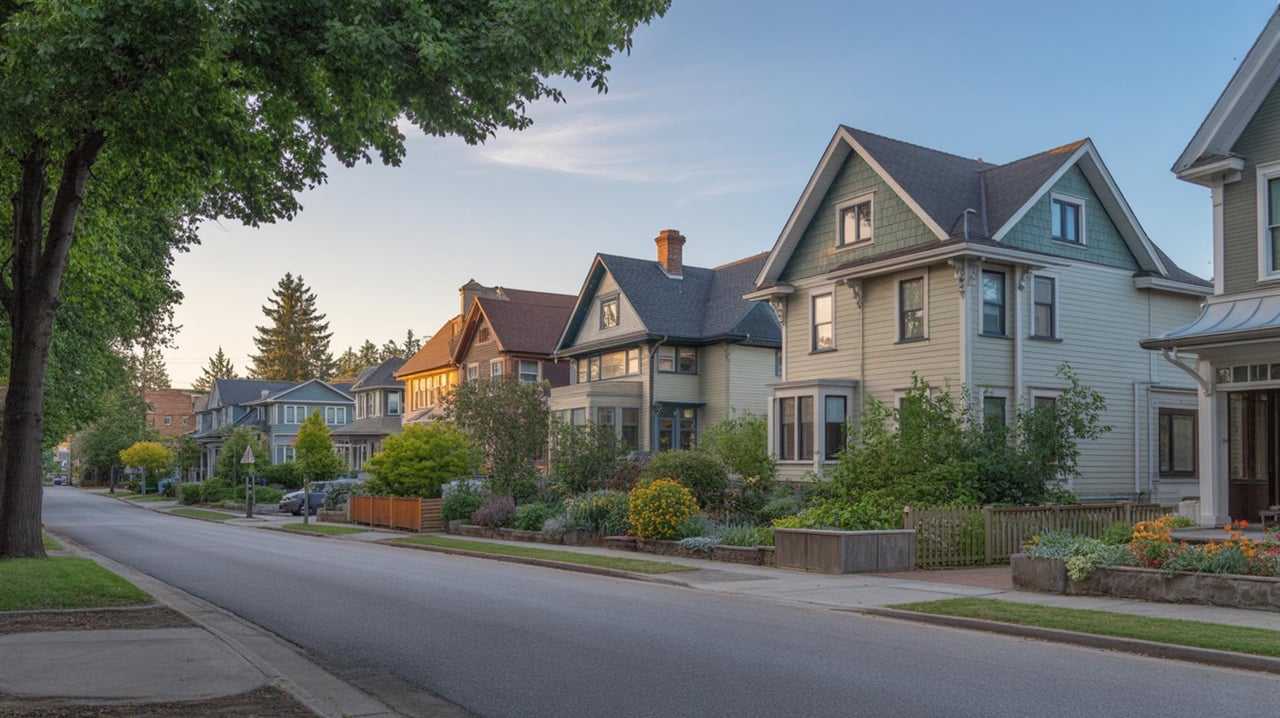
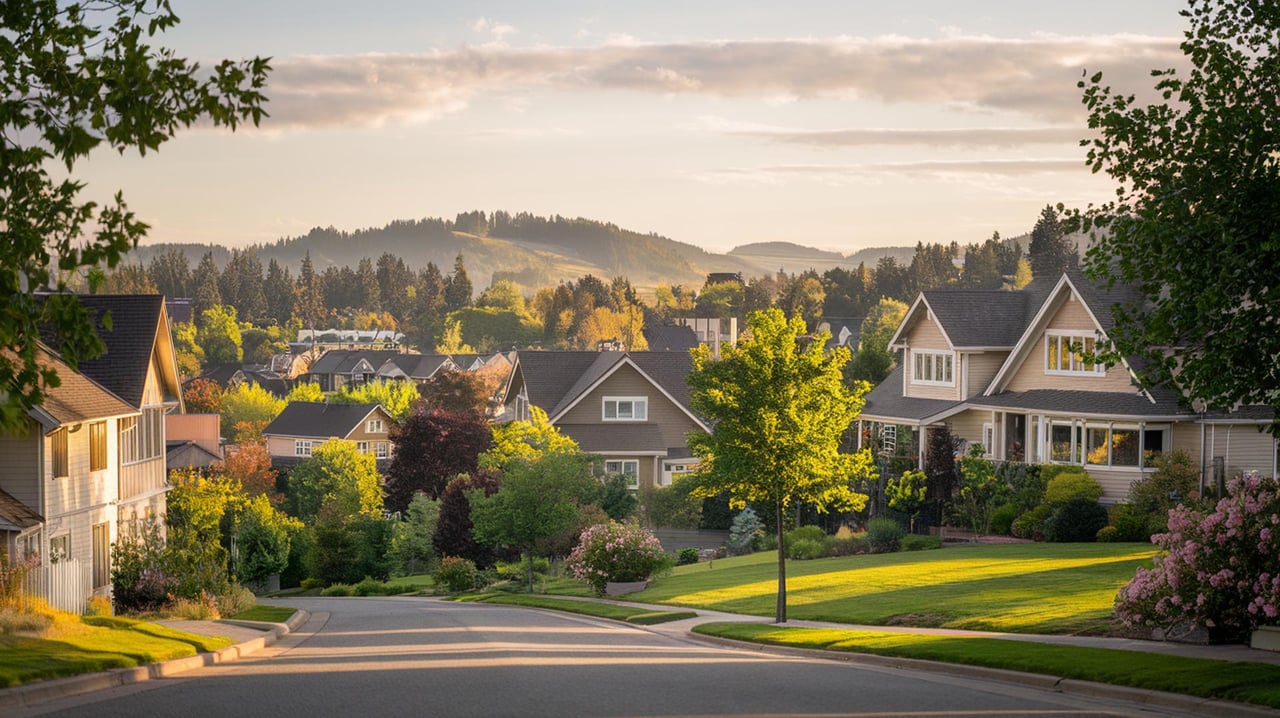
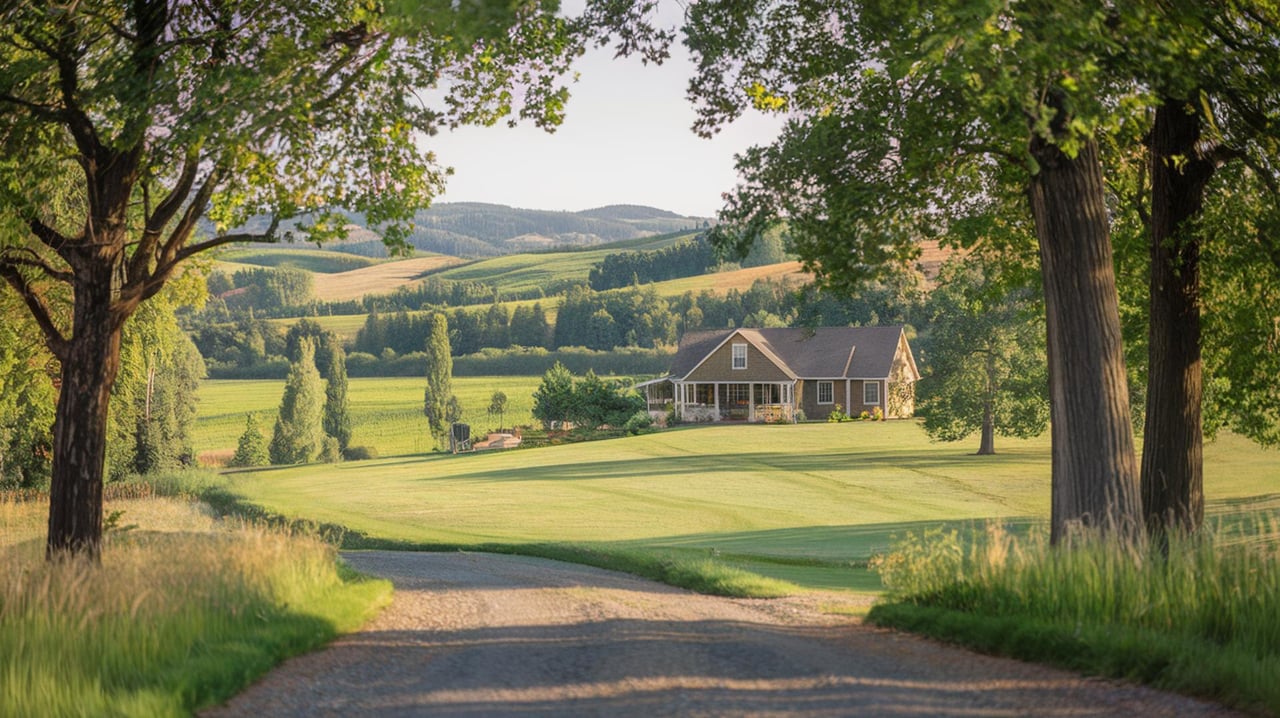
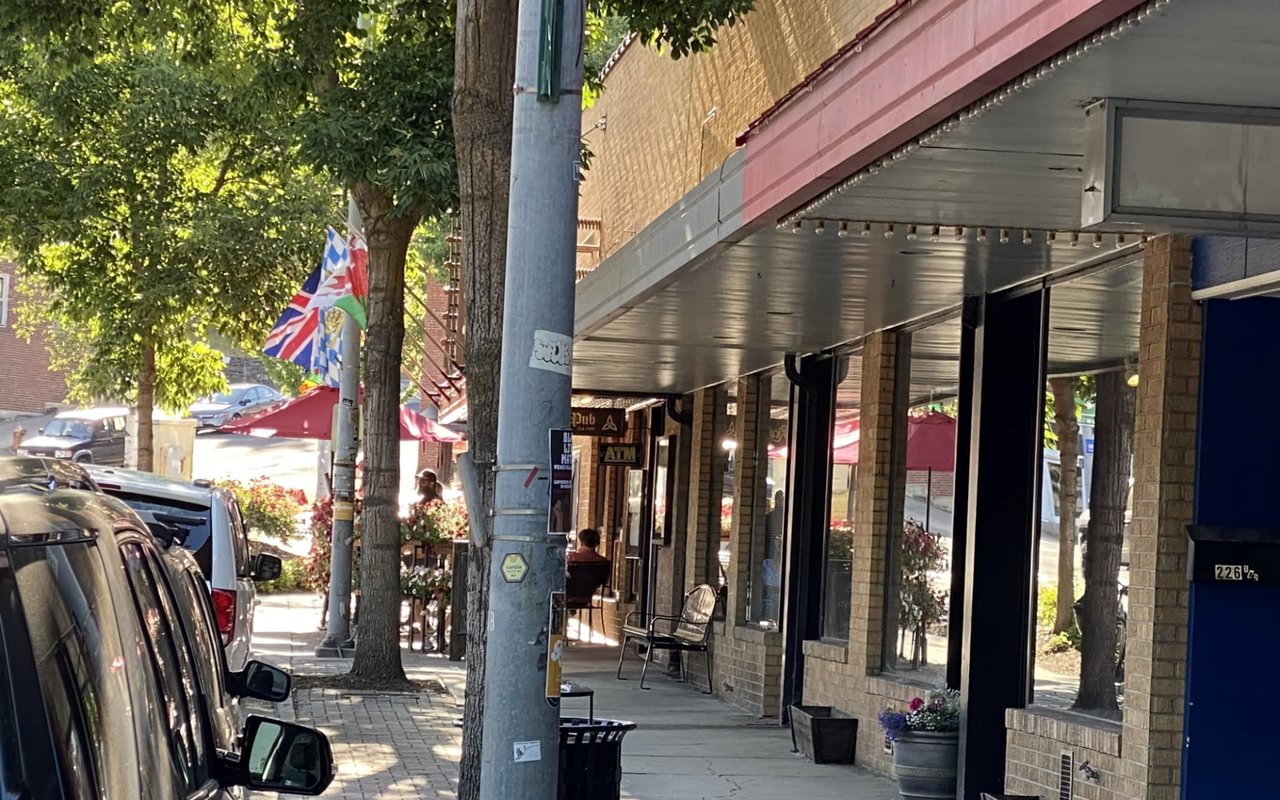
Sunnyside Hill sits within Pullman’s southwest residential fabric, with features you often find on hill neighborhoods like varied lot sizes, mature trees, and potential views. Proximity to Washington State University shapes demand patterns throughout the year. As you explore, verify practical details like commute routes, Pullman Transit access, parks and trails, and nearby retail that fit your day-to-day routine.
How the Pullman market works
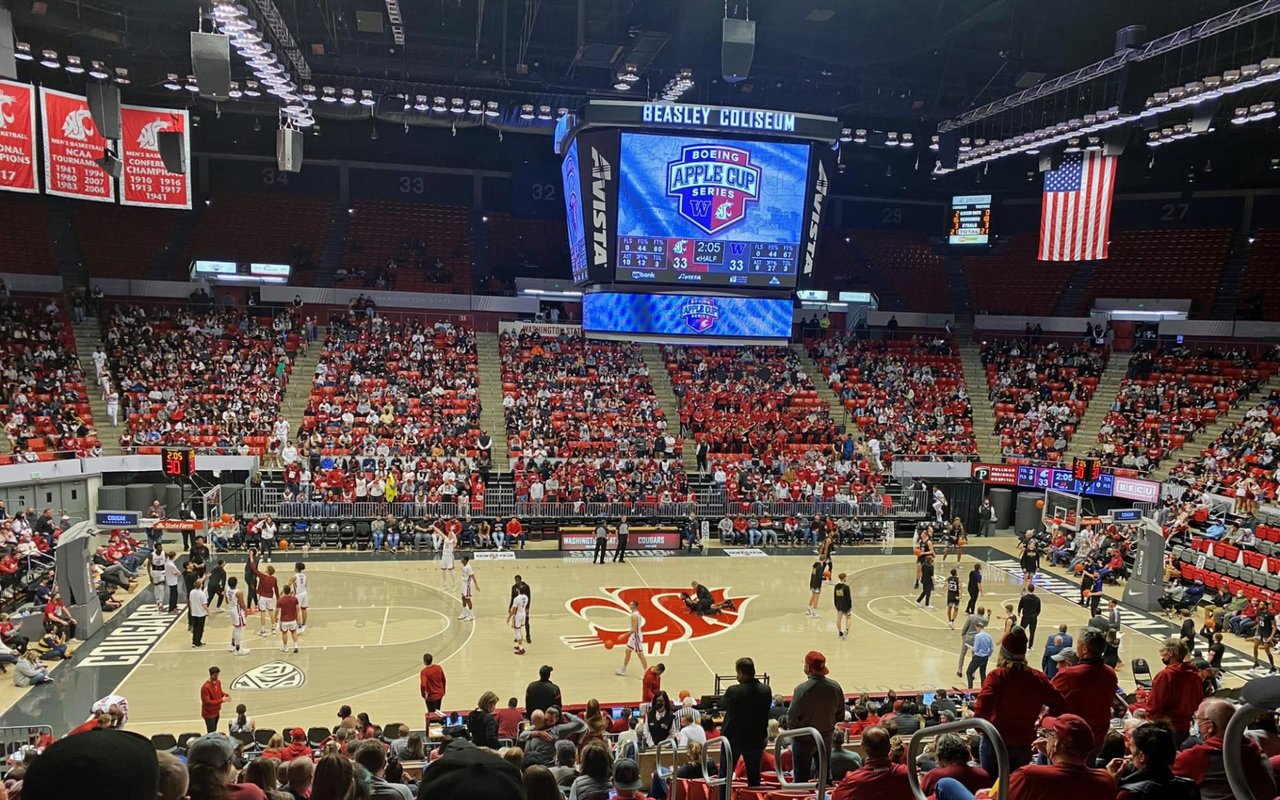
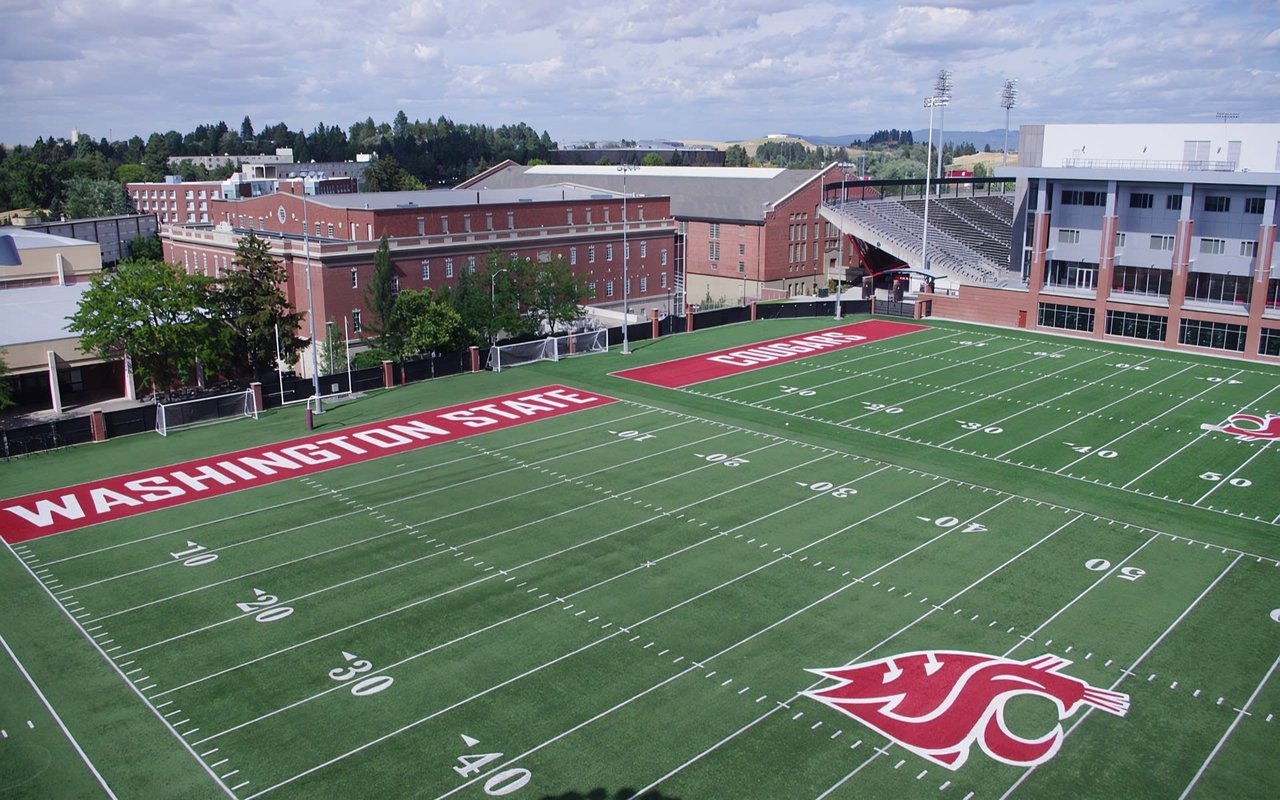
WSU creates steady housing demand for both owner-occupants and rentals, which can tighten inventory in close-in neighborhoods like Sunnyside Hill. Pullman is a smaller market, so there are fewer listings at any given time and buyers may need to move decisively when the right home appears. Seasonality can track the academic calendar, and local wages and the university employment base influence price sensitivity and buyer profiles.
A first-time buyer roadmap for Sunnyside Hill
Step 1: Budget and financing
- Build a full budget that includes down payment, mortgage, property taxes, insurance, utilities, and a maintenance reserve.
- Get a lender pre-approval, not just a pre-qualification, so your offer carries weight.
- Explore first-time buyer options through the Washington State Housing Finance Commission, along with FHA, VA, or USDA where eligible.
- Plan for closing costs like lender fees, escrow, title insurance, and prorated taxes. Your lender’s written estimates will help you prepare.
Step 2: Pre-screen the area and property
- Confirm school boundaries with Pullman School District and note bus routing.
- Verify utilities and services, including water and sewer provider, garbage and recycling, internet options, and snow removal expectations on steep streets.
- Check zoning, recorded covenants, and any HOA rules with Pullman City Planning and the title report.
- Visit at different times of day to gauge traffic flow, noise, parking, and lighting.
Step 3: Tour like a hillside pro
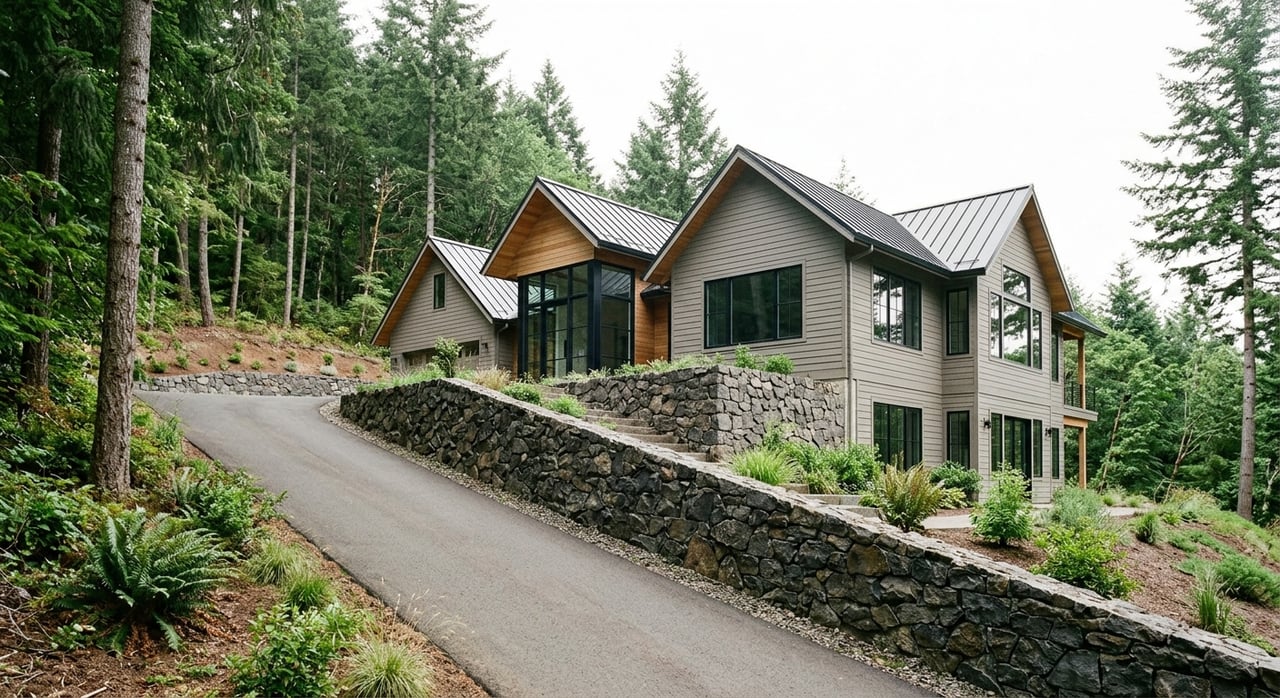
- Evaluate slope and drainage. Look for grading that moves water away from the foundation, clear downspouts, and no erosion around the lot.
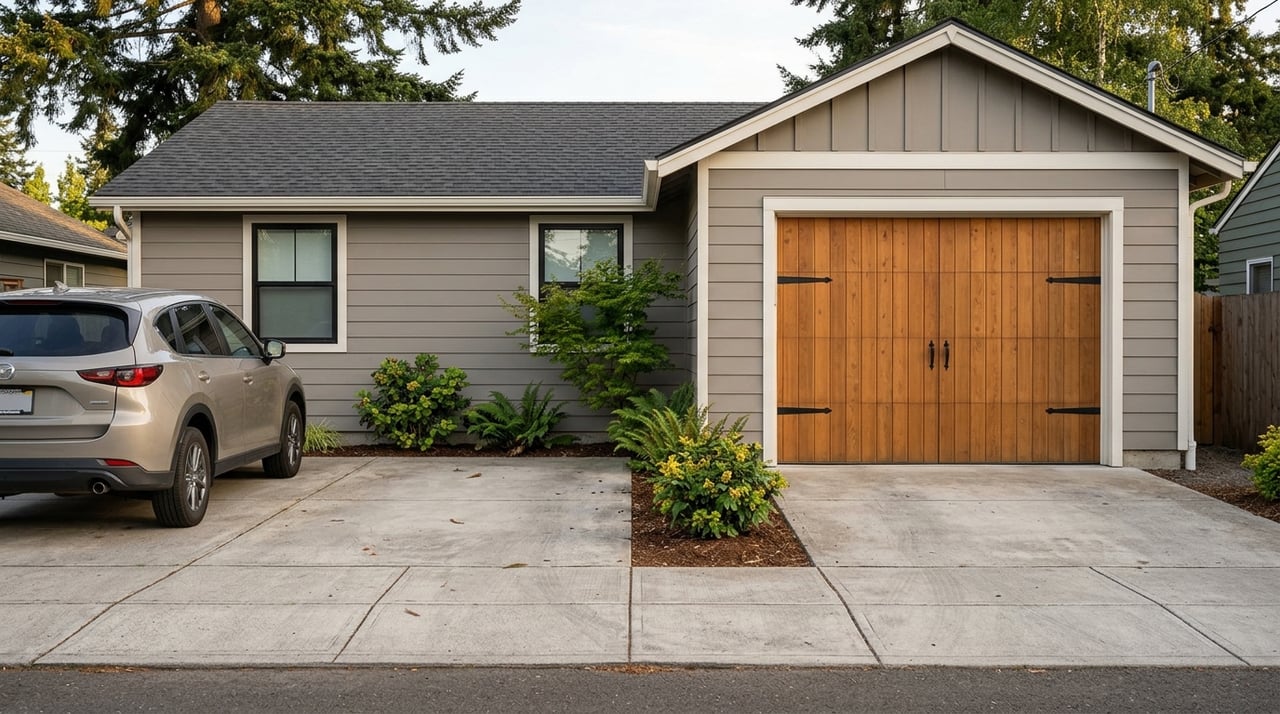
- Check driveway access and winter practicality, especially if there is a steep approach.
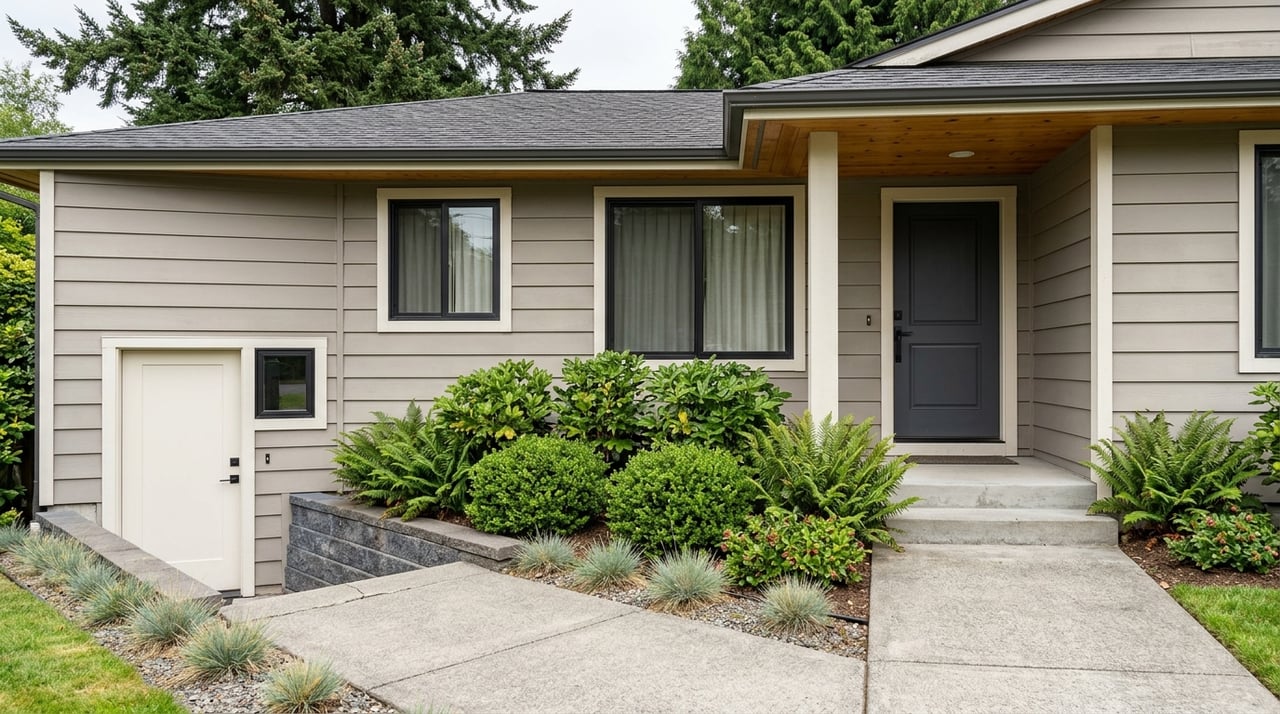
- Inspect retaining walls and terraces for cracks, tilt, or signs of movement.
- Look for foundation or basement moisture indicators like efflorescence or prior water intrusion.
- Note orientation, view potential, and tree maintenance needs.
- Review roof age and condition, plus HVAC, water heater, panel capacity, and insulation.
Step 4: Craft a smart offer
- Include contingencies for inspection, financing, appraisal, title review, and any property-specific needs like septic or well testing.
- Earnest money norms vary locally, so confirm typical practice before you write.
- In a tight market, you can use strategies like shorter inspection windows or escalation clauses, but keep essential protections in place, especially if it is your first purchase.
Step 5: Inspections to consider
- General home inspection by a licensed professional.
- Pest or termite inspection if conditions suggest risk.
- Roof inspection or estimate on older roofs.
- Sewer scope on older lines, and septic and well testing if applicable.
- Radon testing, chimney inspection for fireplaces, and targeted asbestos or lead paint testing in older homes where renovation is planned.
- Structural or geotechnical review when steep slopes, large retaining walls, or settlement are visible.
- Energy audit if heating costs or comfort upgrades are a priority.
Step 6: Appraisal through closing
- If the appraisal comes in low, discuss options like seller concessions or buyer gap funds with your agent and lender.
- Do a final walk-through to confirm repairs are complete and systems are working.
Housing types you are likely to see
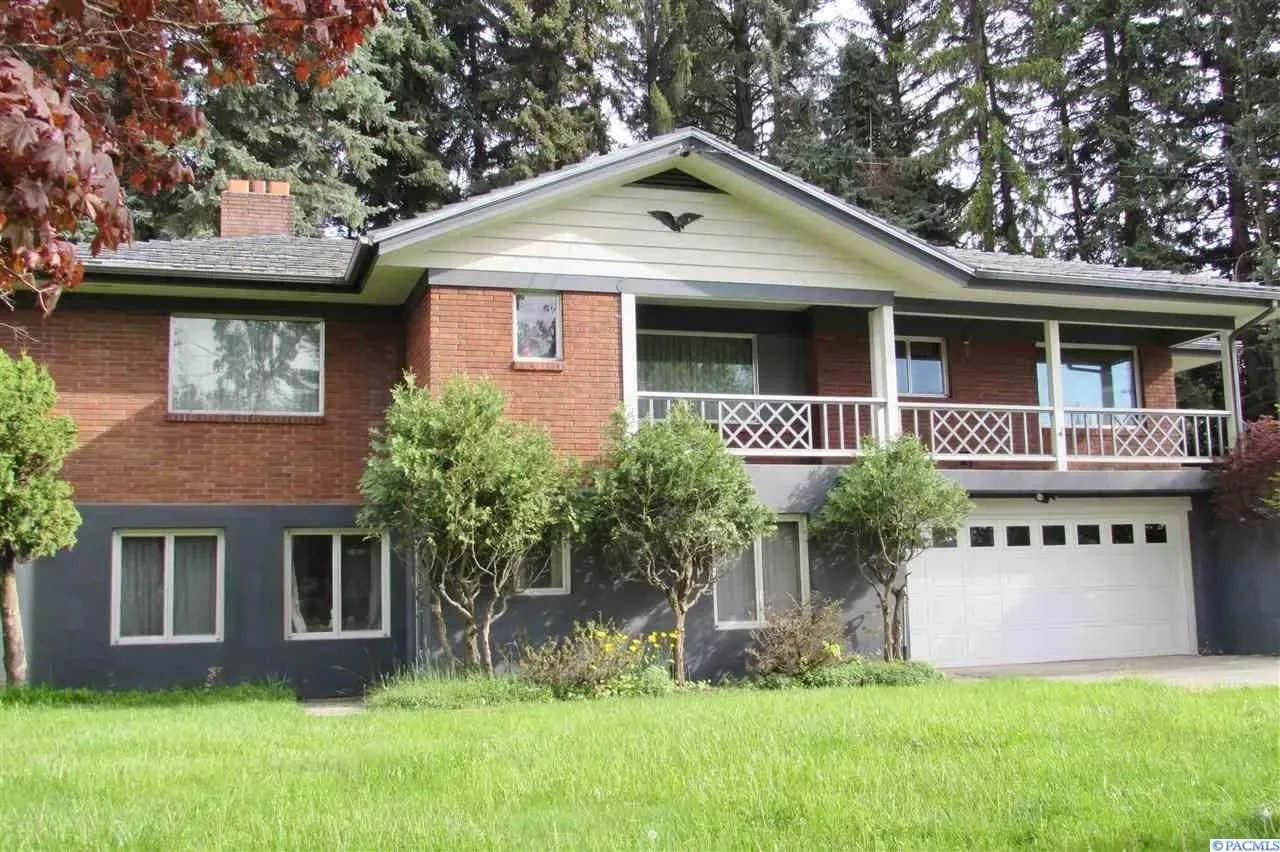
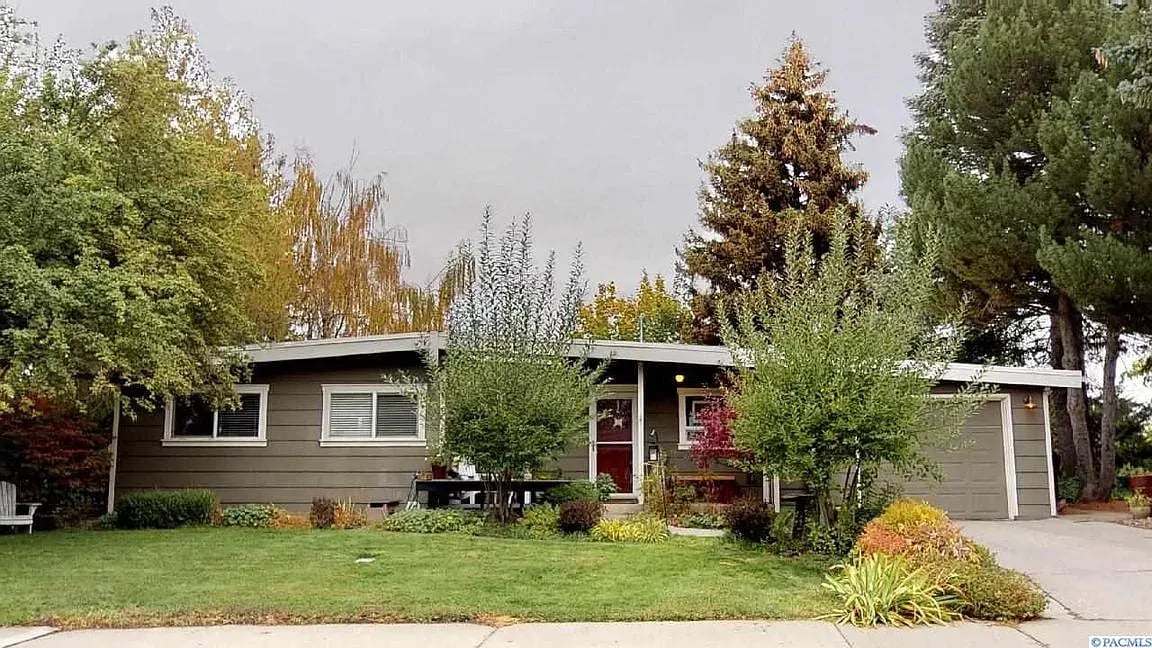
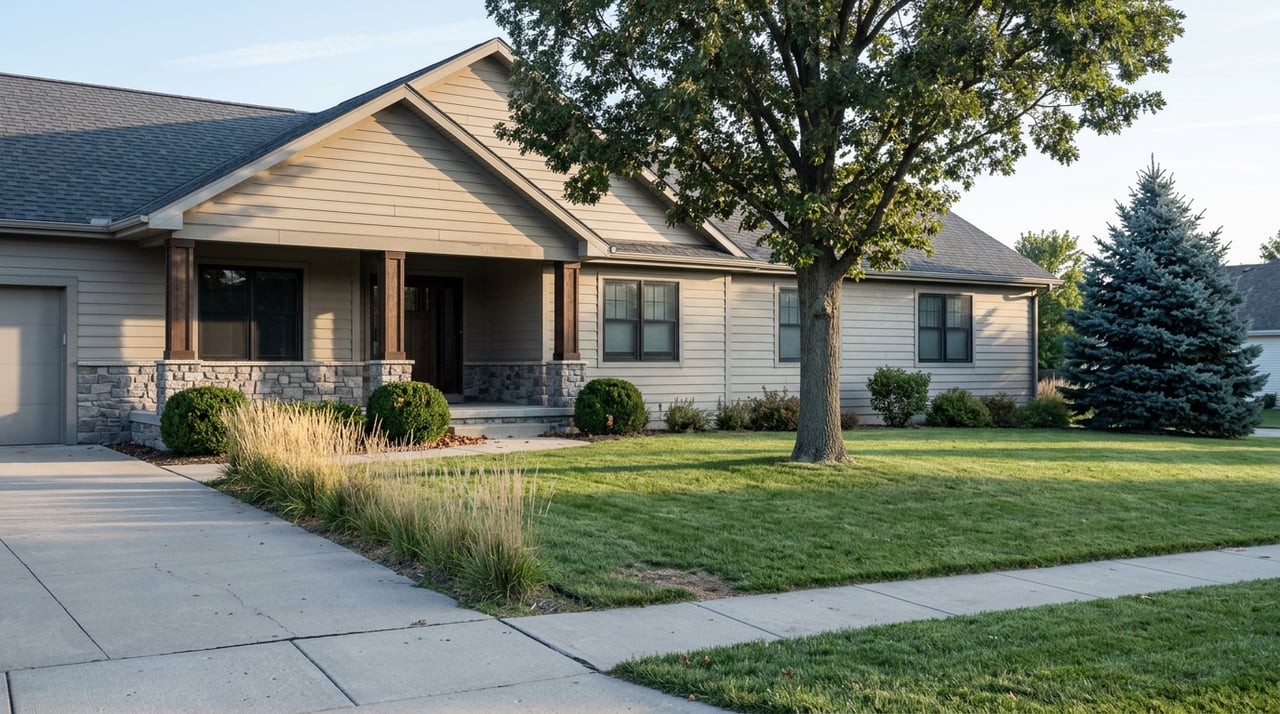
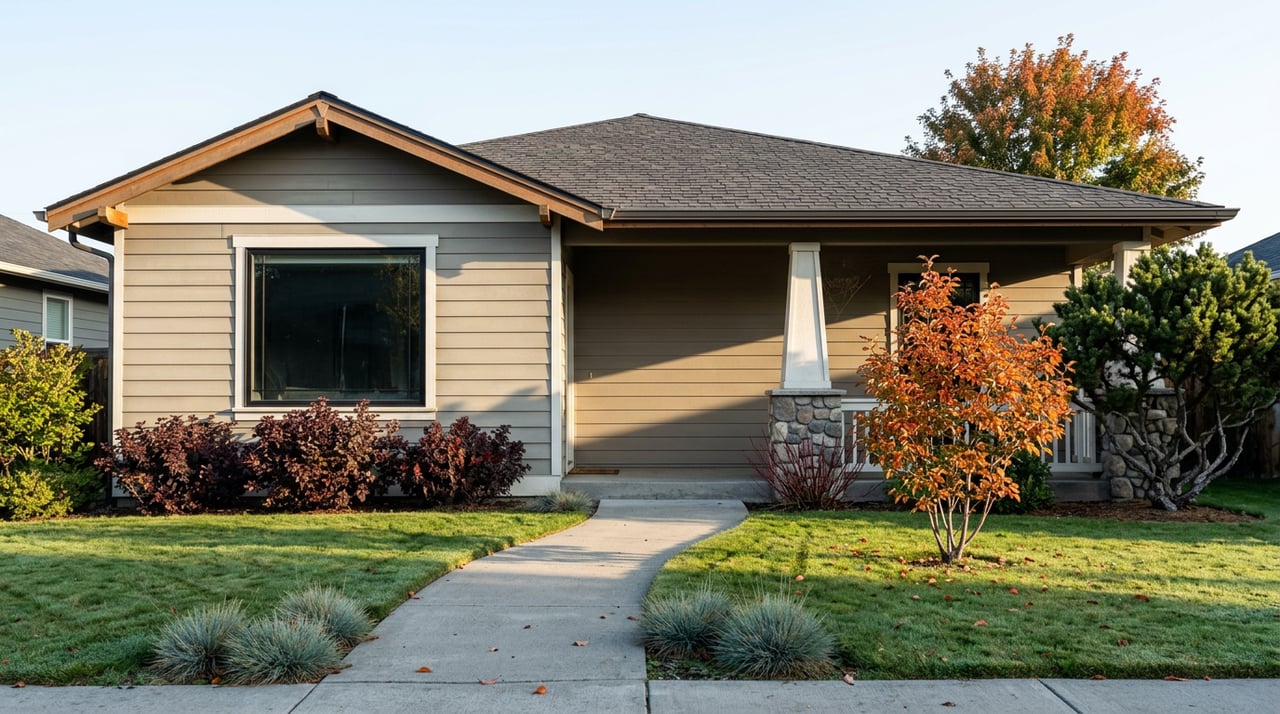
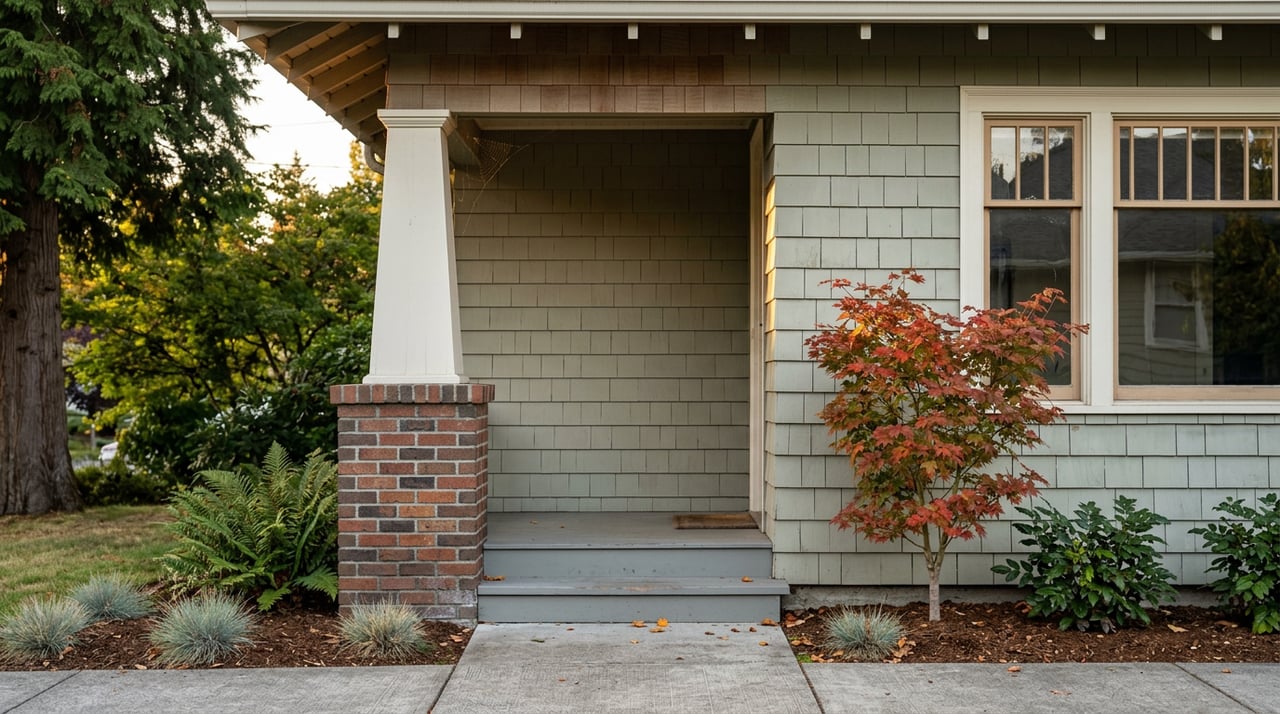
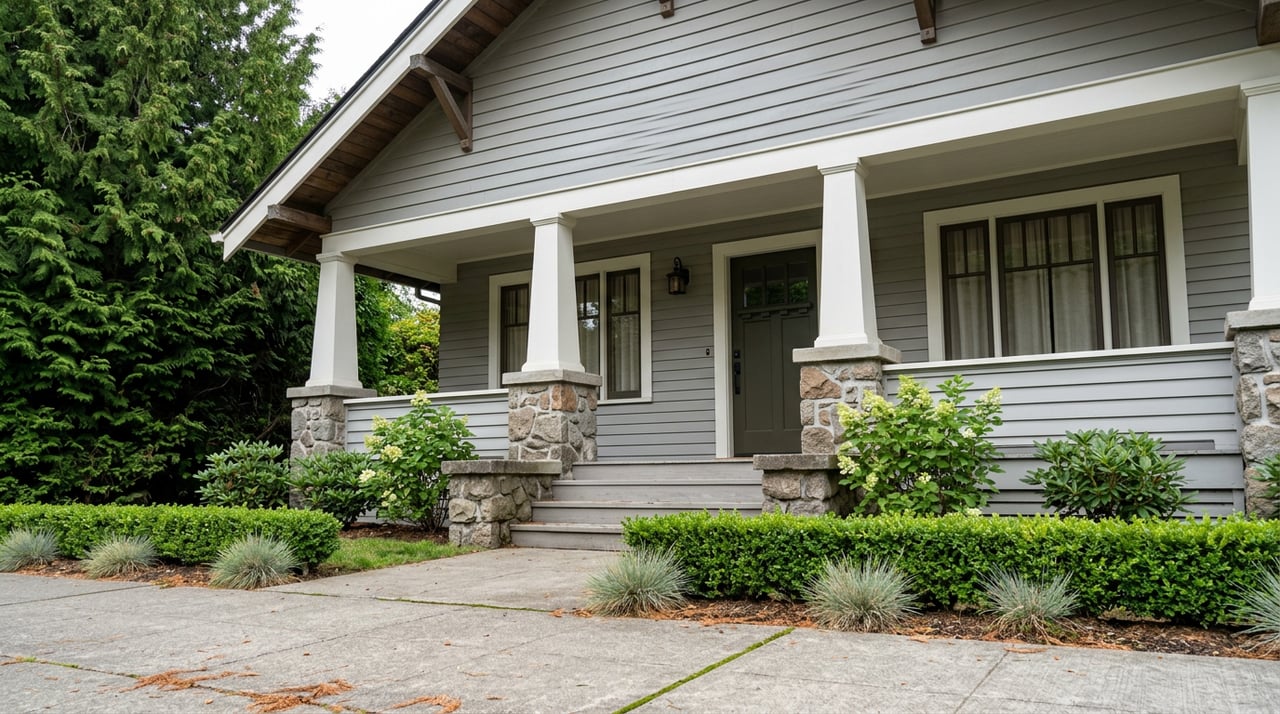
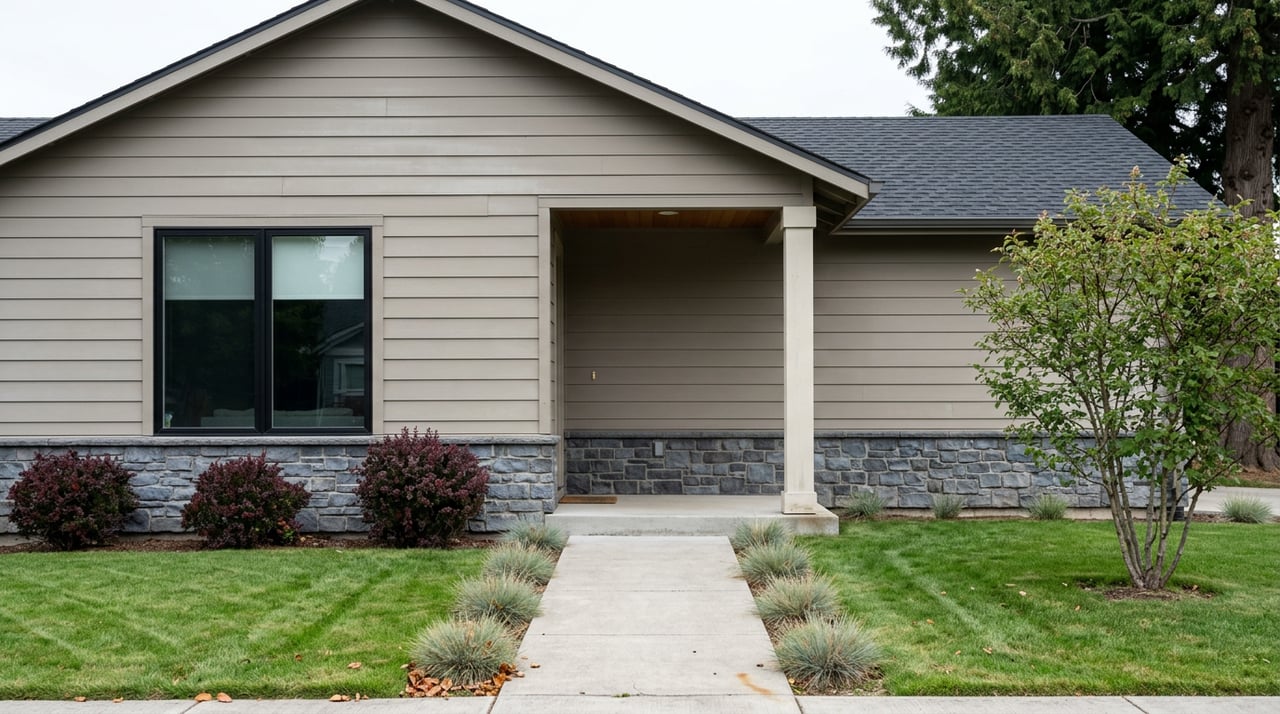
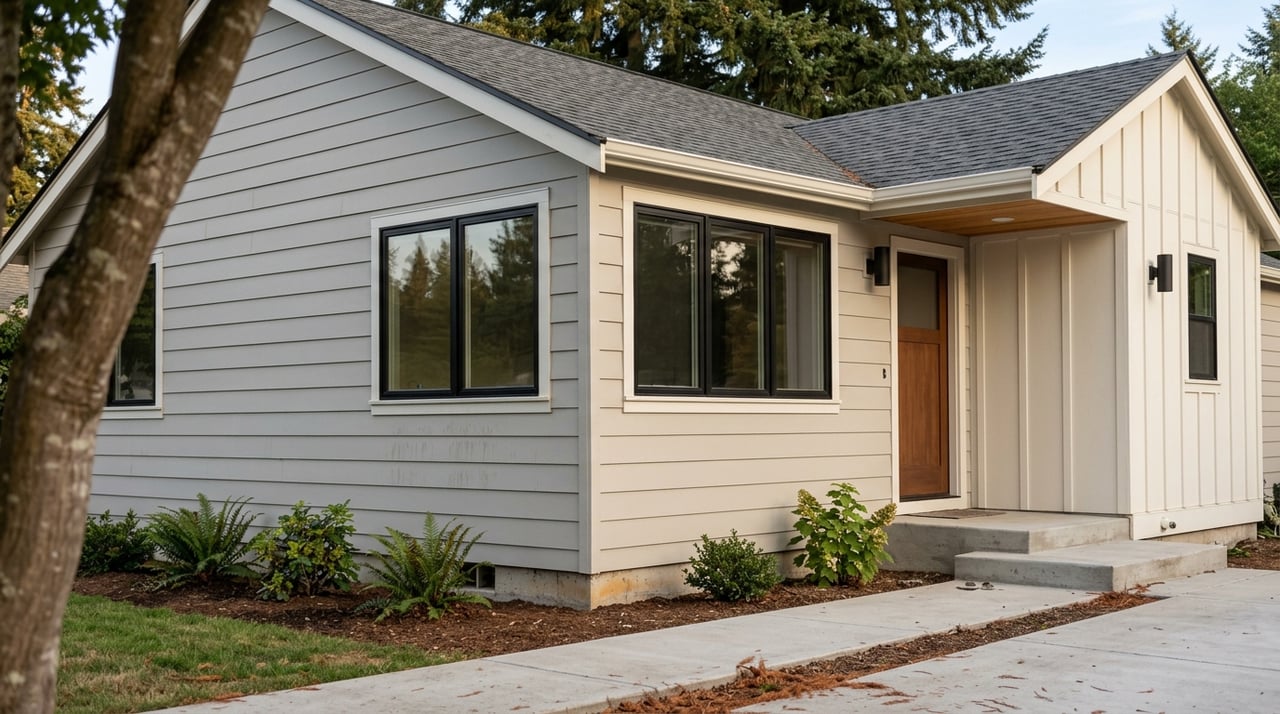
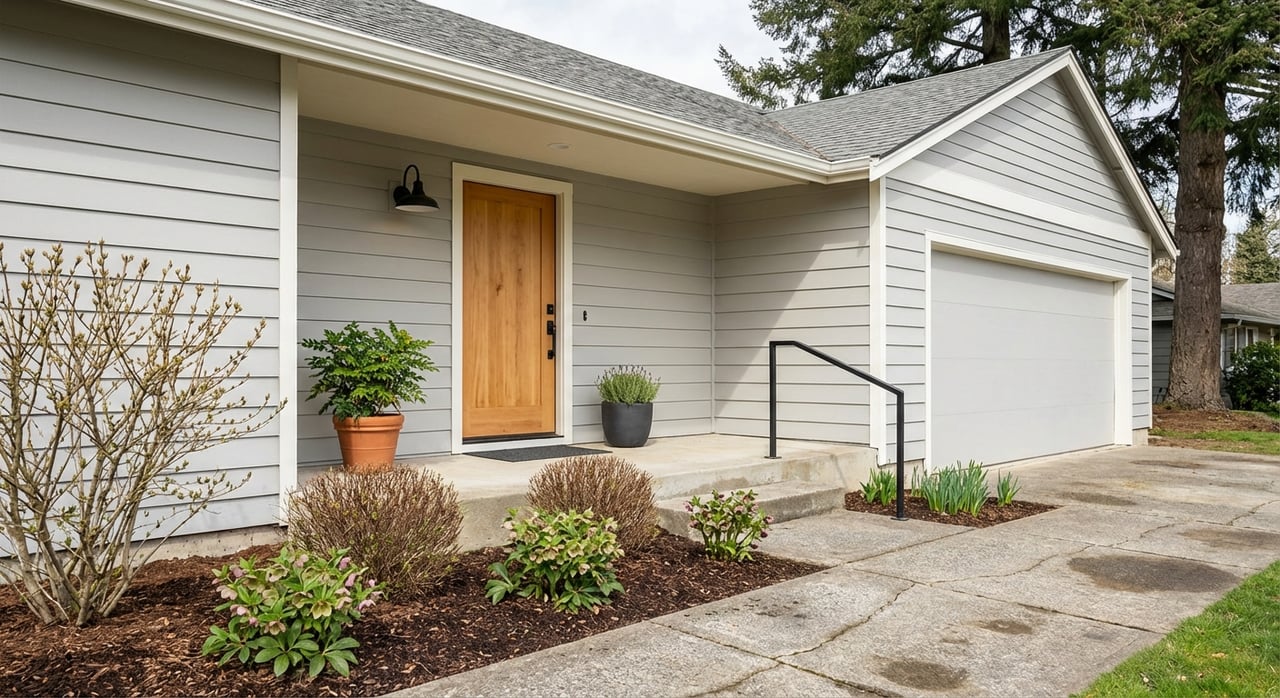
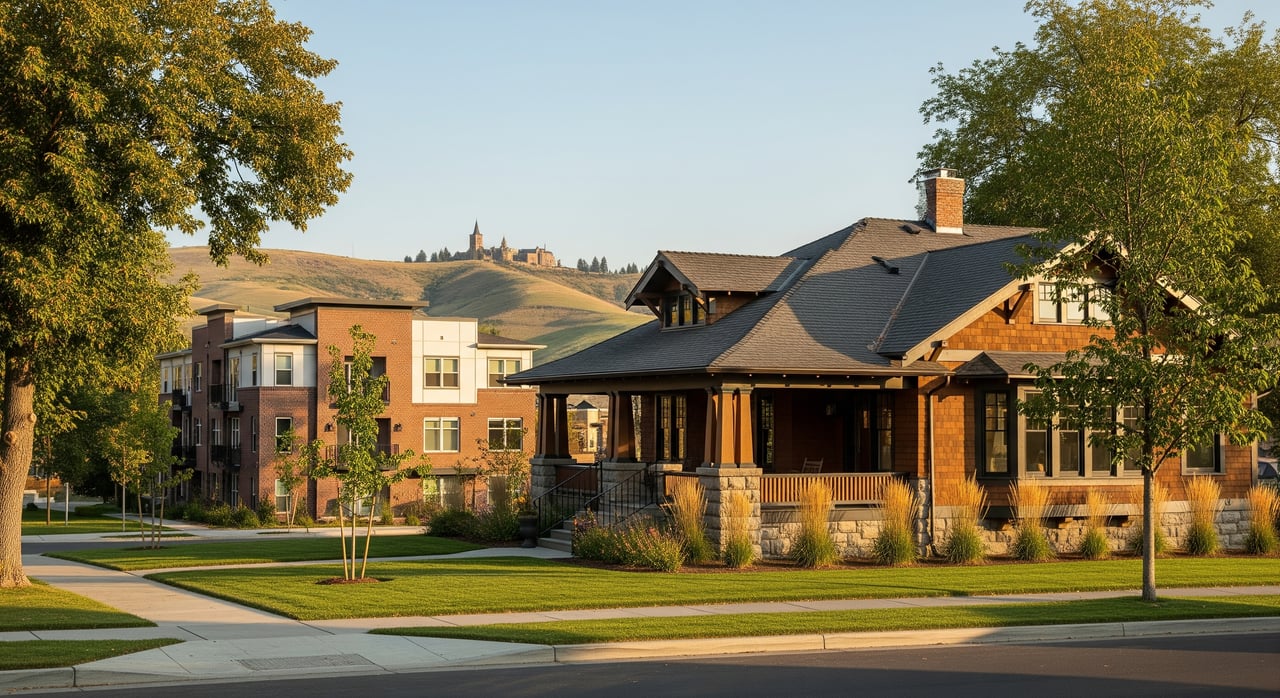
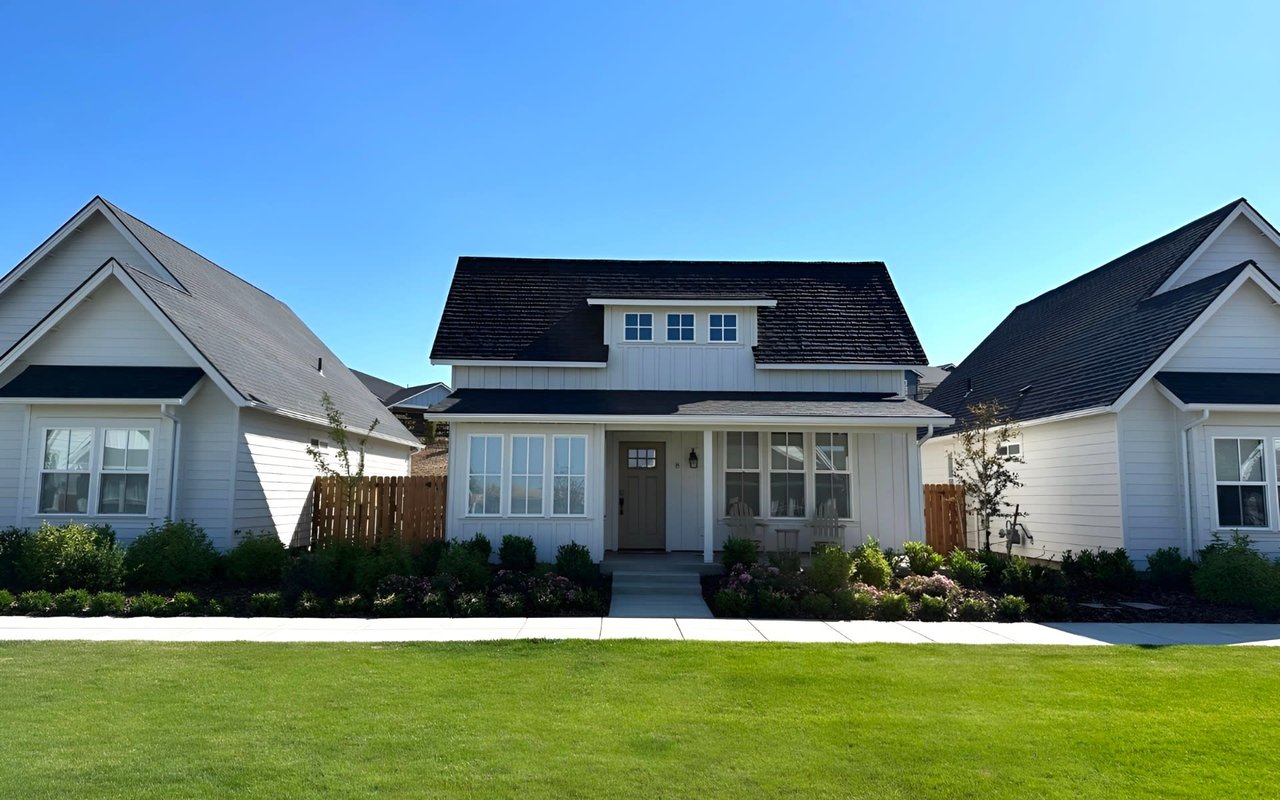
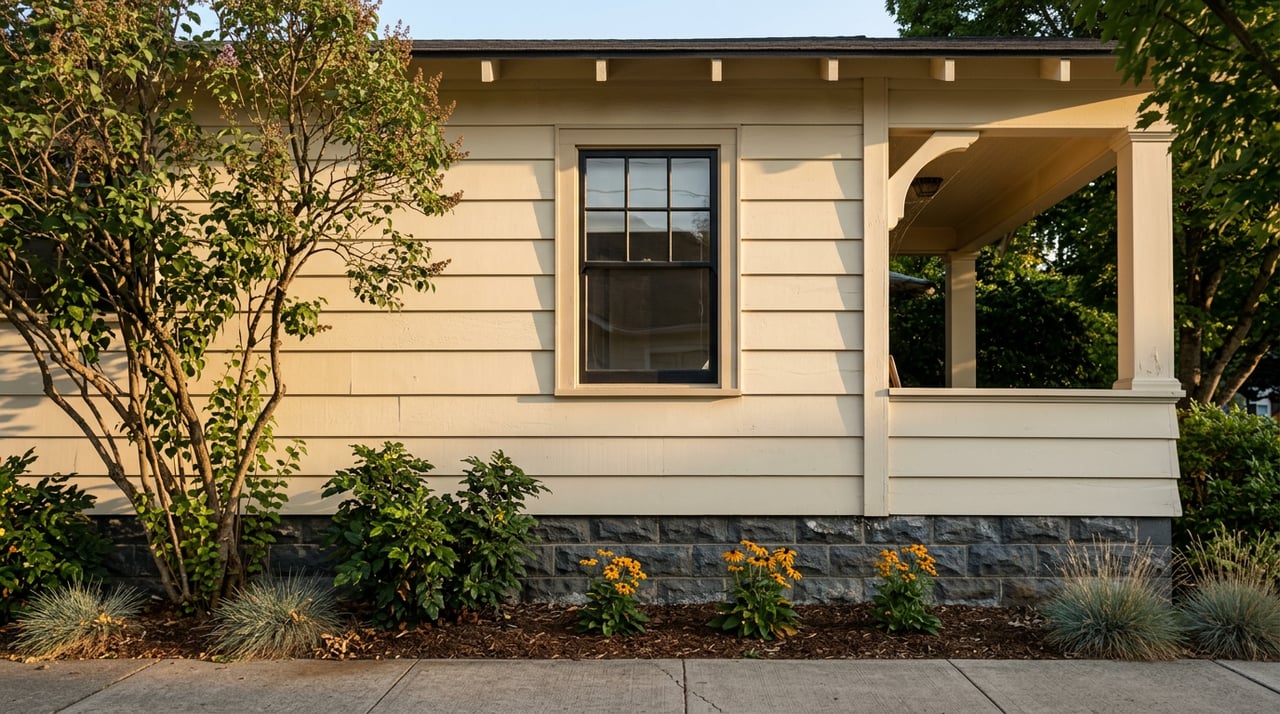
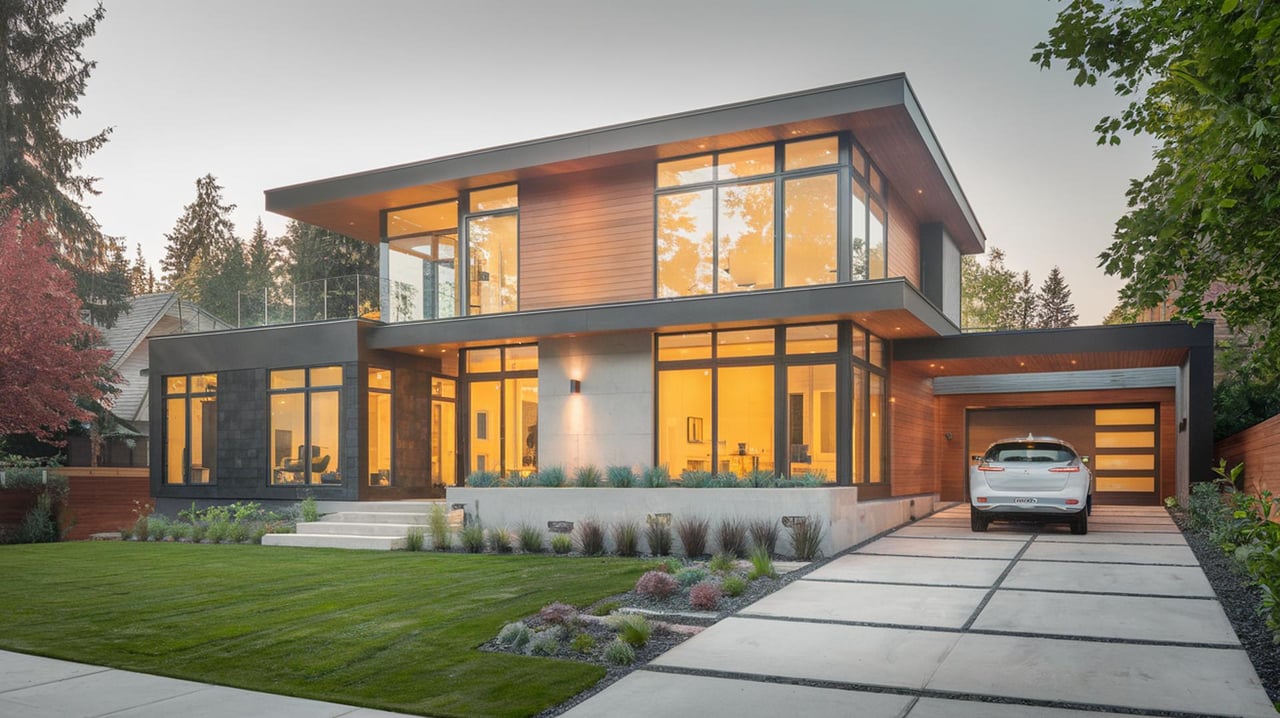
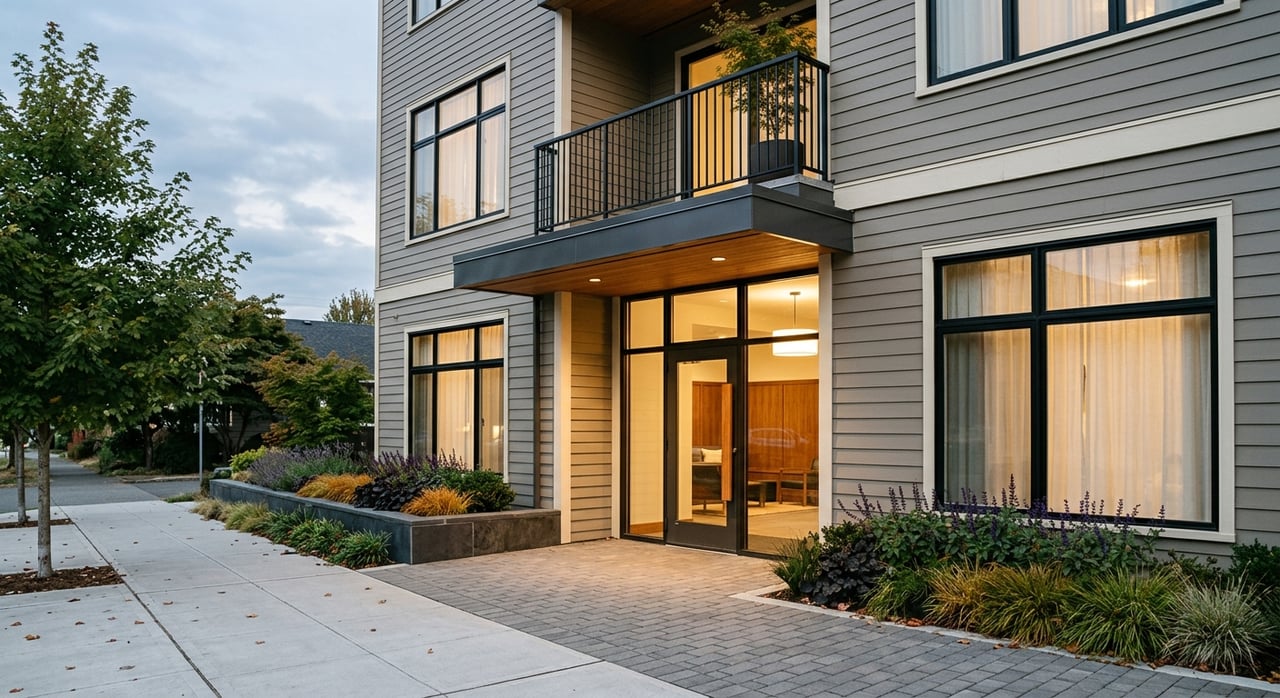
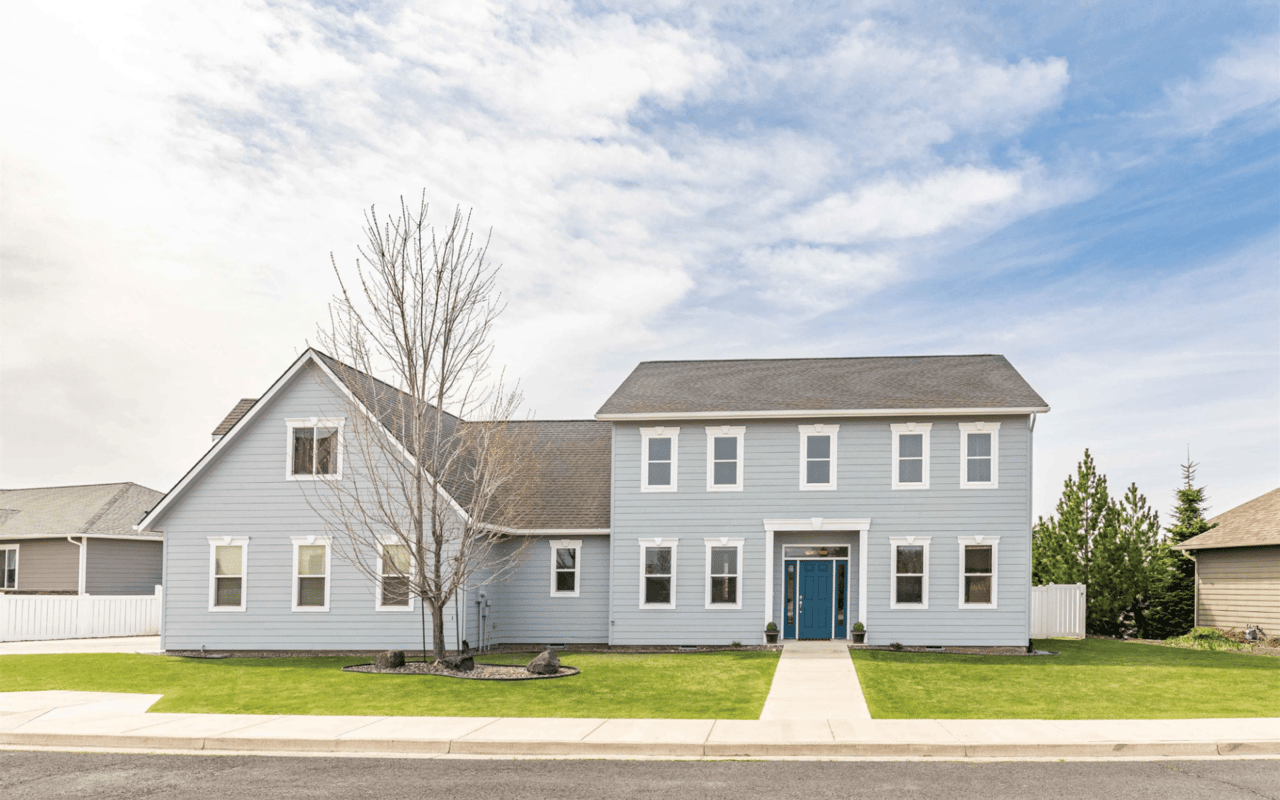
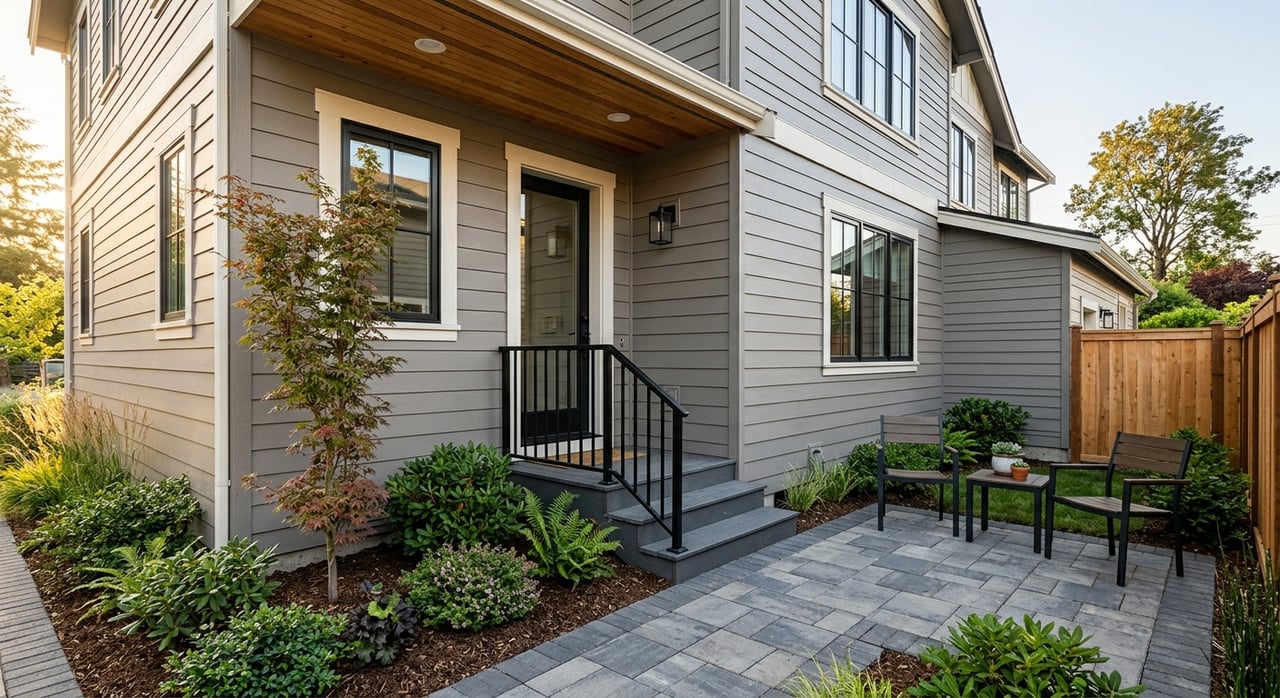
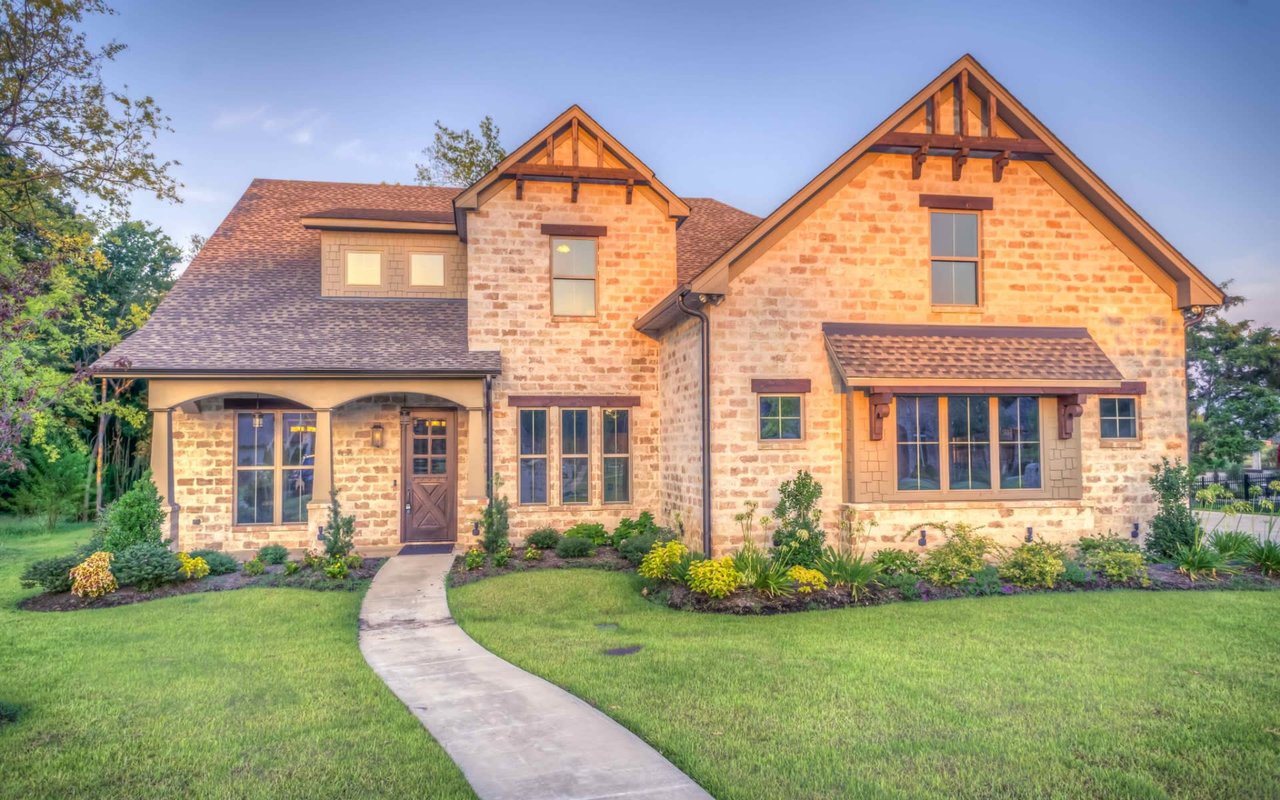
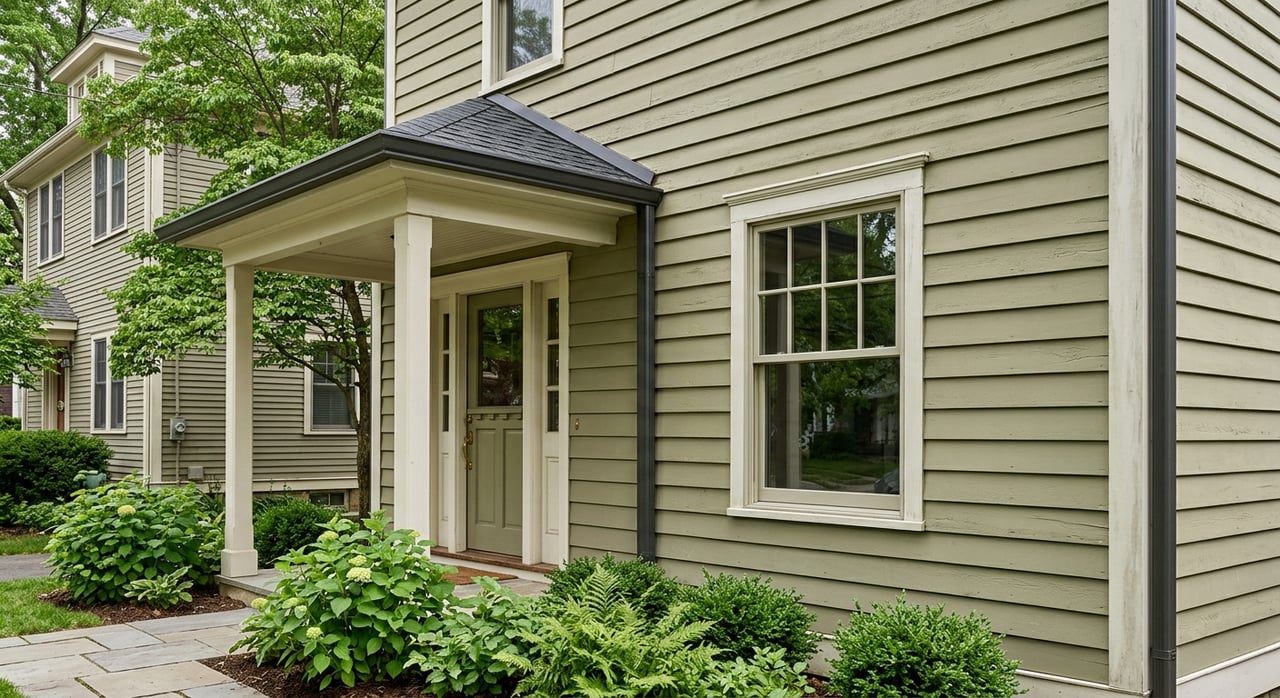
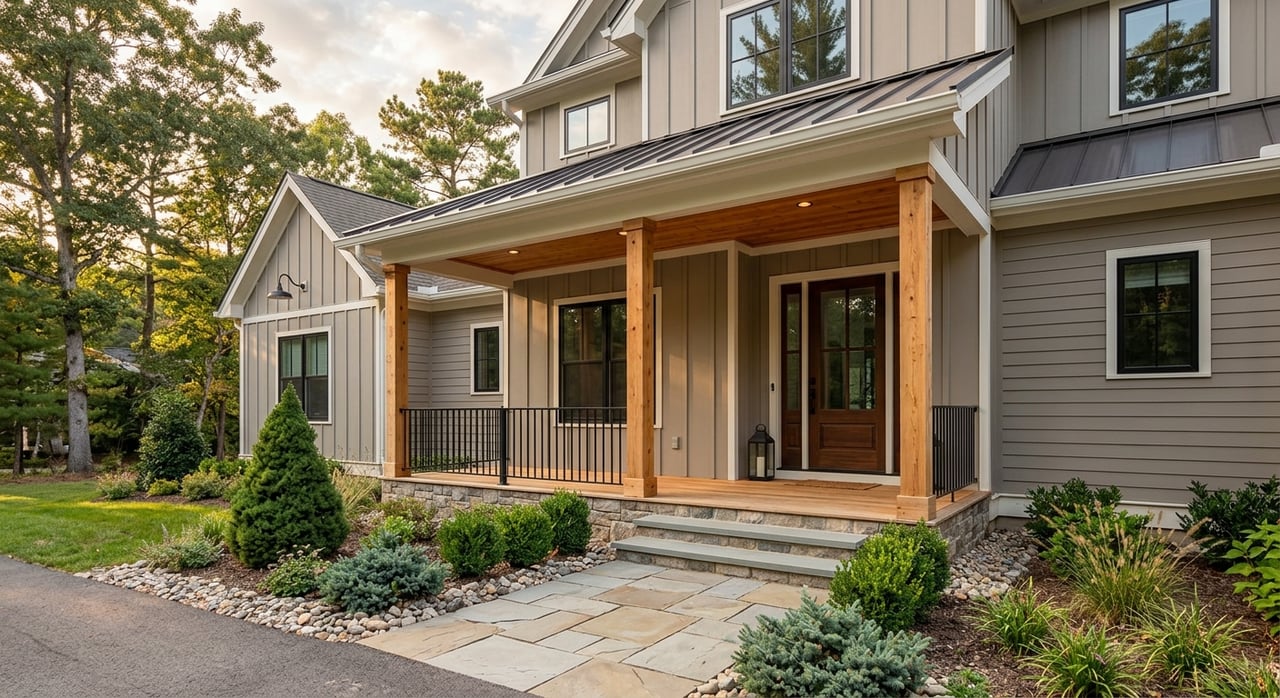
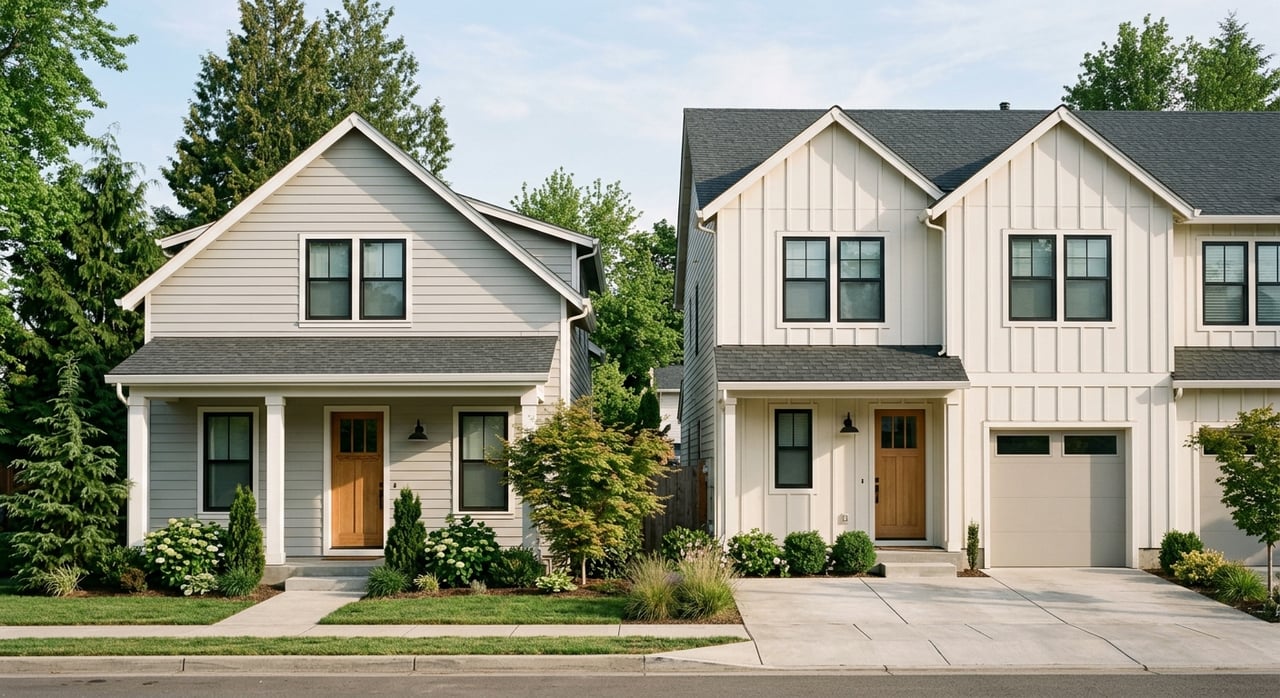
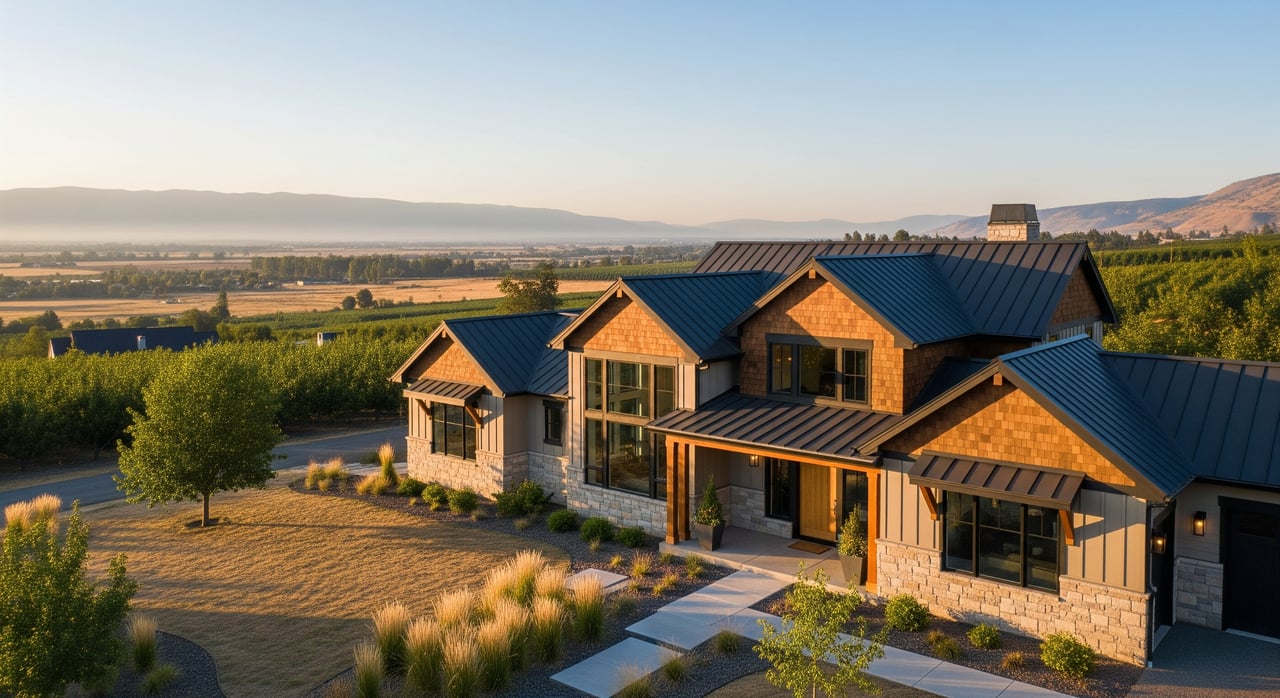
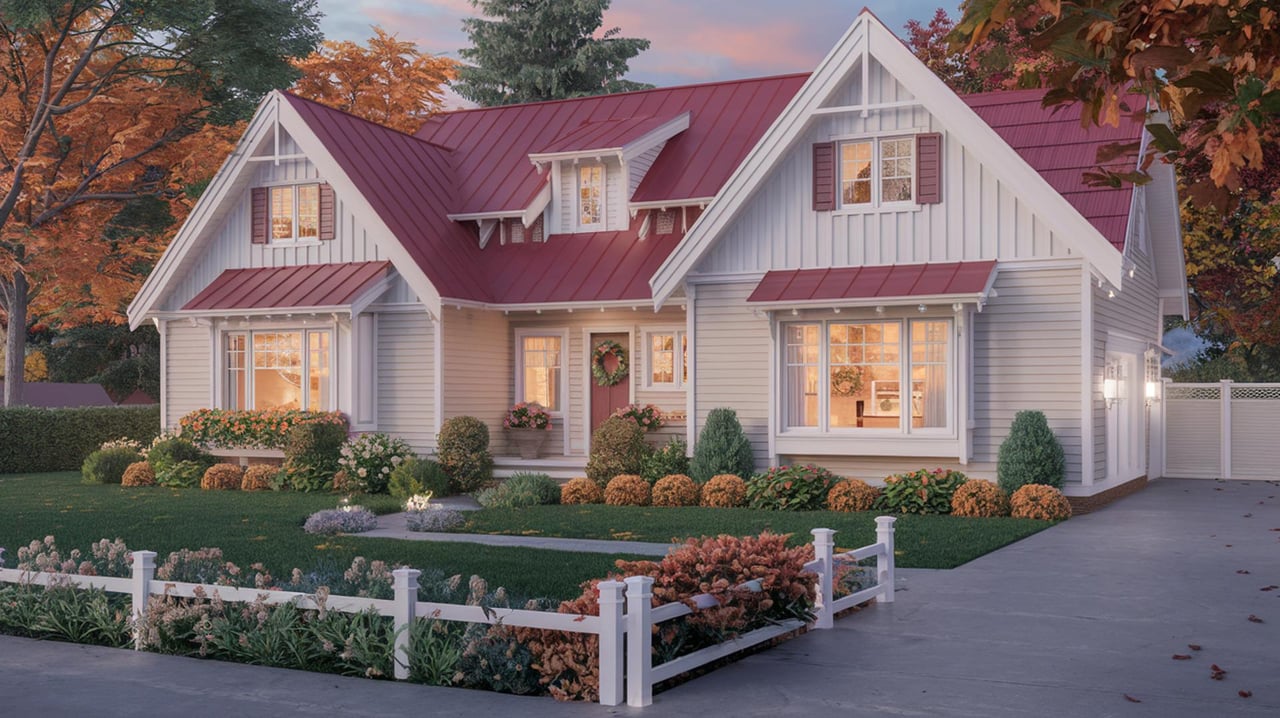
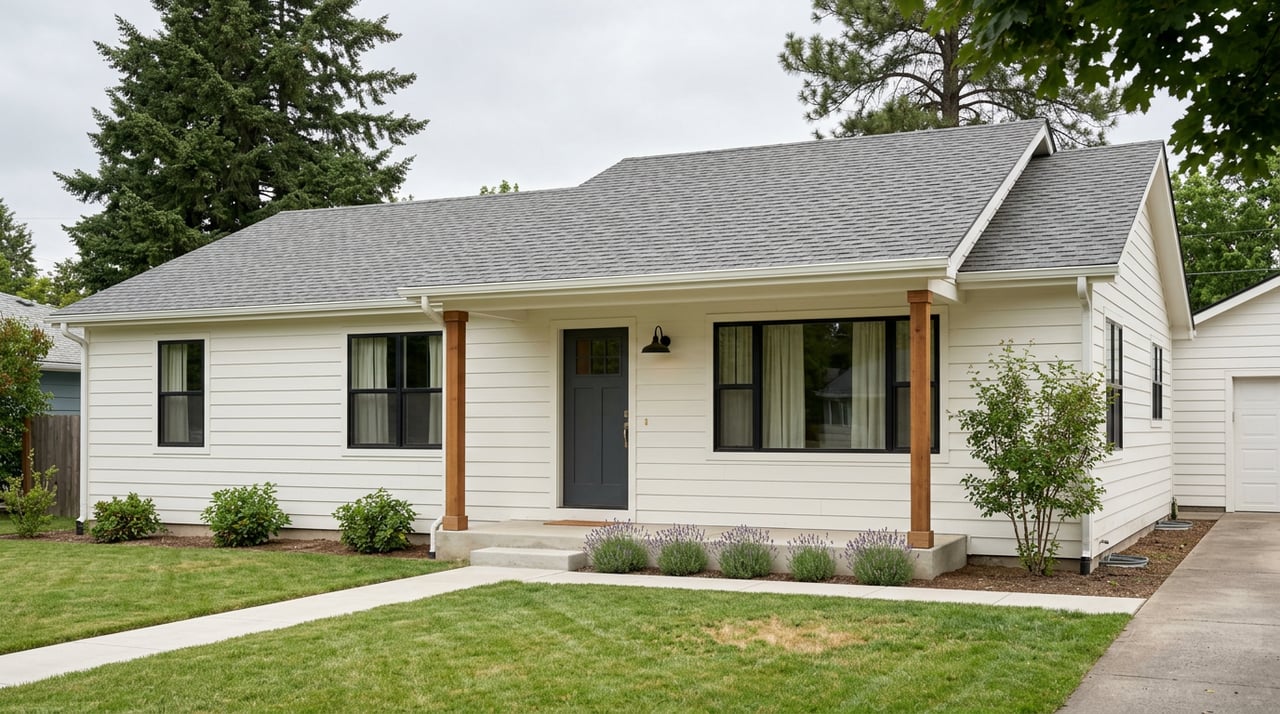
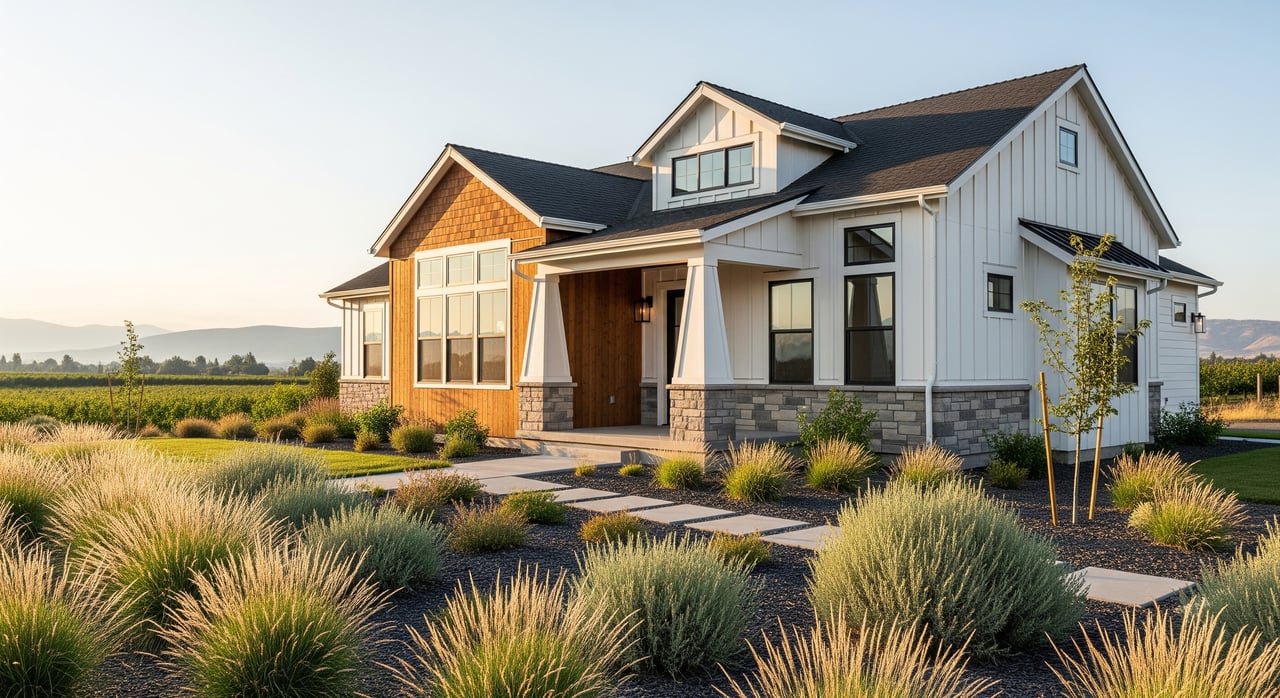
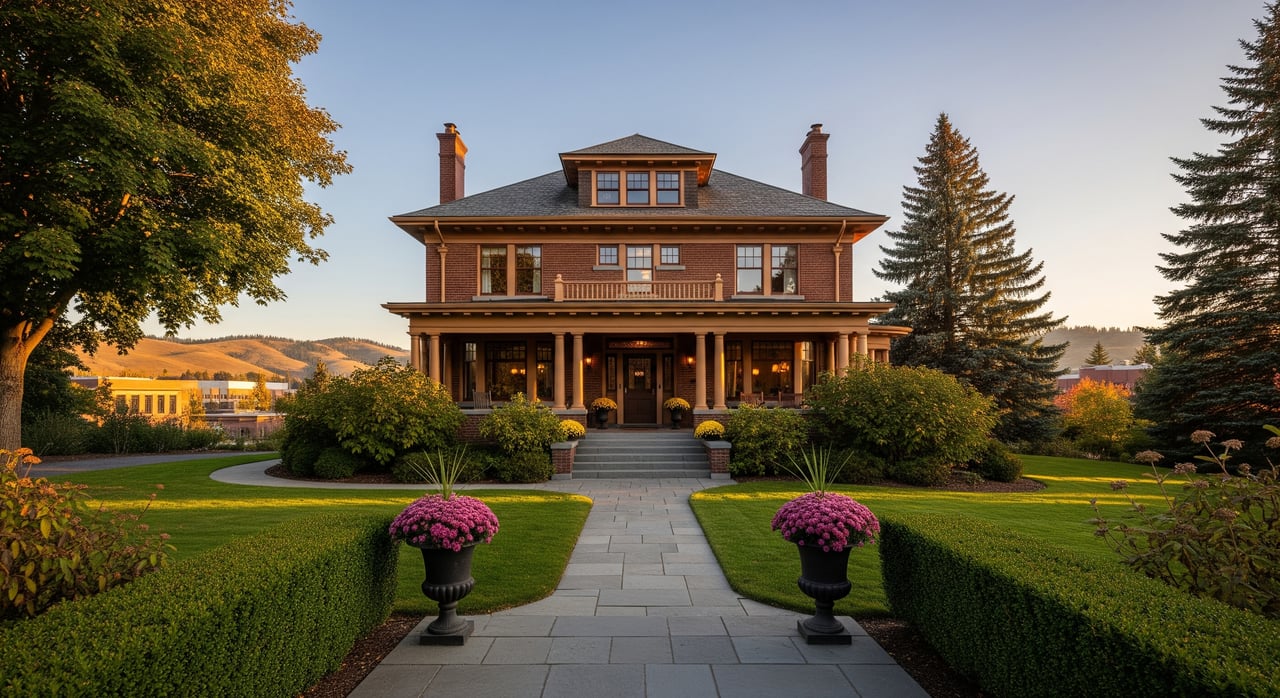
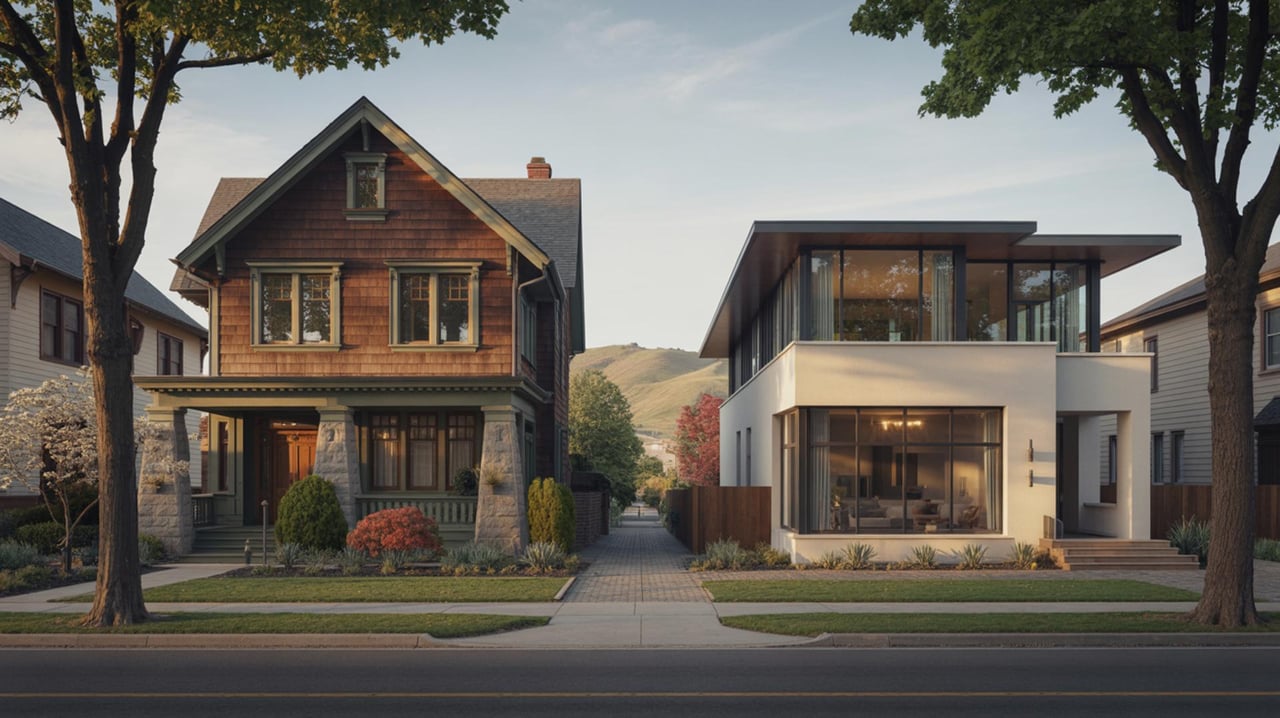
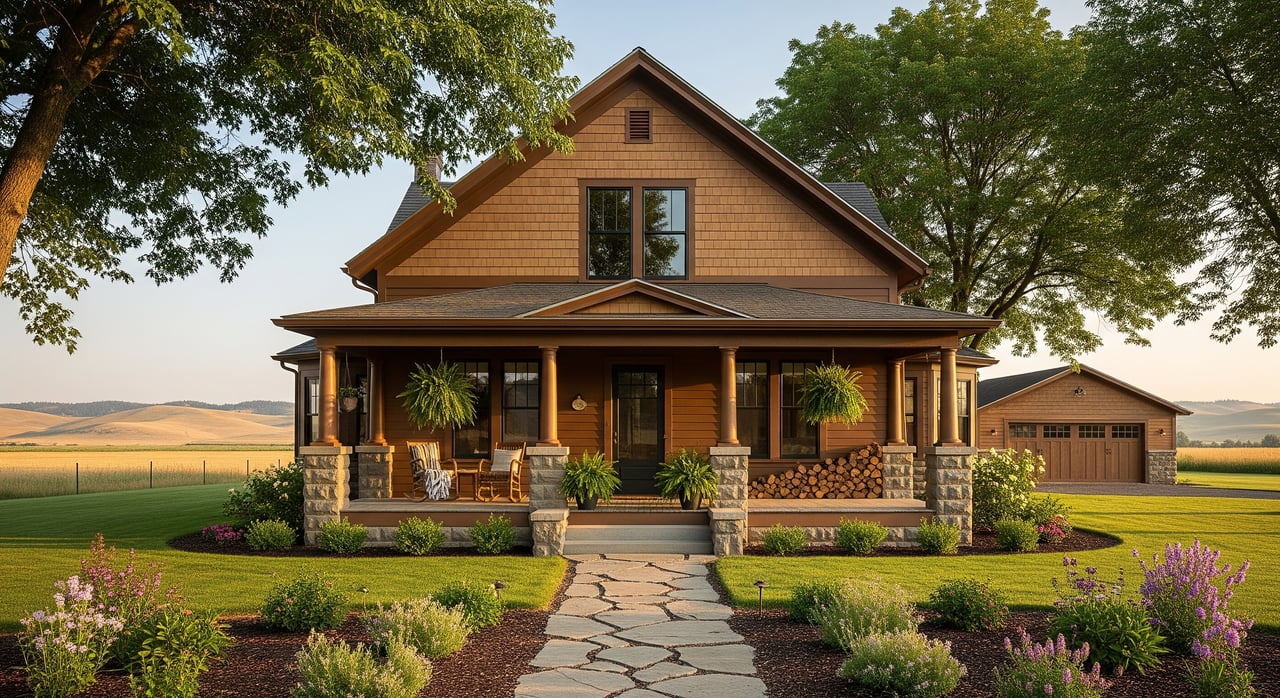
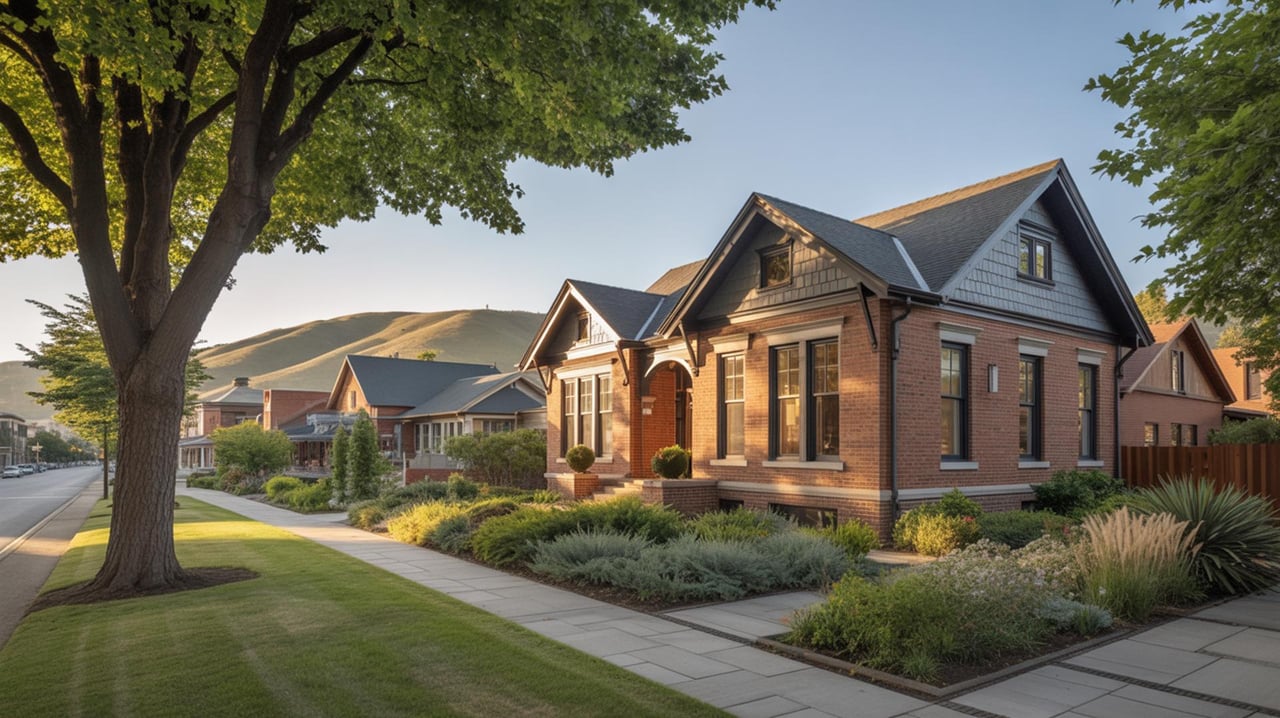
On Sunnyside Hill you may find older single-family homes and modest ranches, Craftsman or bungalow styles in older parts of Pullman, and many split-level or multi-level homes that fit sloped lots. Some smaller multi-family options appear closer to campus, and there may be limited newer infill where lots allow. Always verify current availability and trends with recent MLS data.
How to think about price brackets
Skip guessing a number and focus on where a home sits in the current distribution of sales. Use recent solds for Sunnyside Hill or the closest Pullman subset and sort them into three groups by percentile:
- Entry-level, roughly the lower 25th percentile. Think smaller 1 to 3 bedroom homes, older systems, and likely cosmetic updates.
- Mid-market, around the middle band. Often 2 to 4 bedrooms, maintained systems, modest yards, and fewer immediate projects.
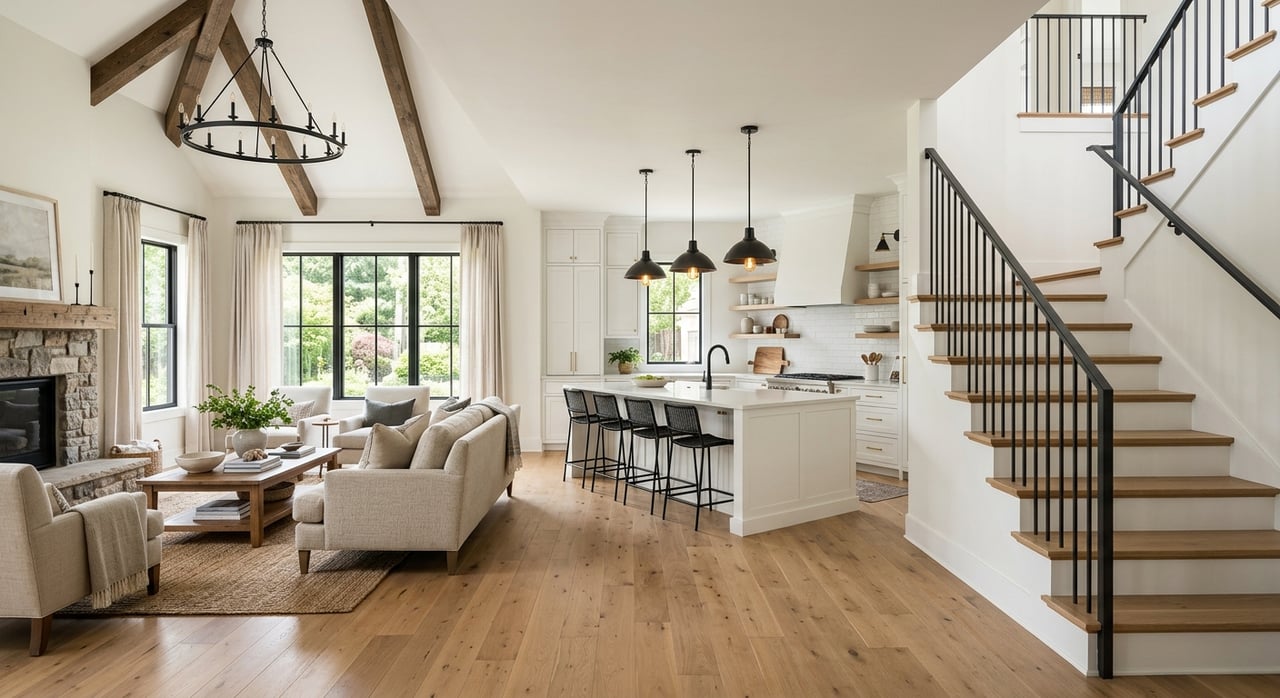
- Premium, upper 25th percentile. Larger footprints, standout lots or views, newer or fully updated finishes.
Pair these bands with on-the-ground condition to judge value. For accuracy, lean on fresh MLS reports and county records.
Hillside risks, maintenance, and insurance
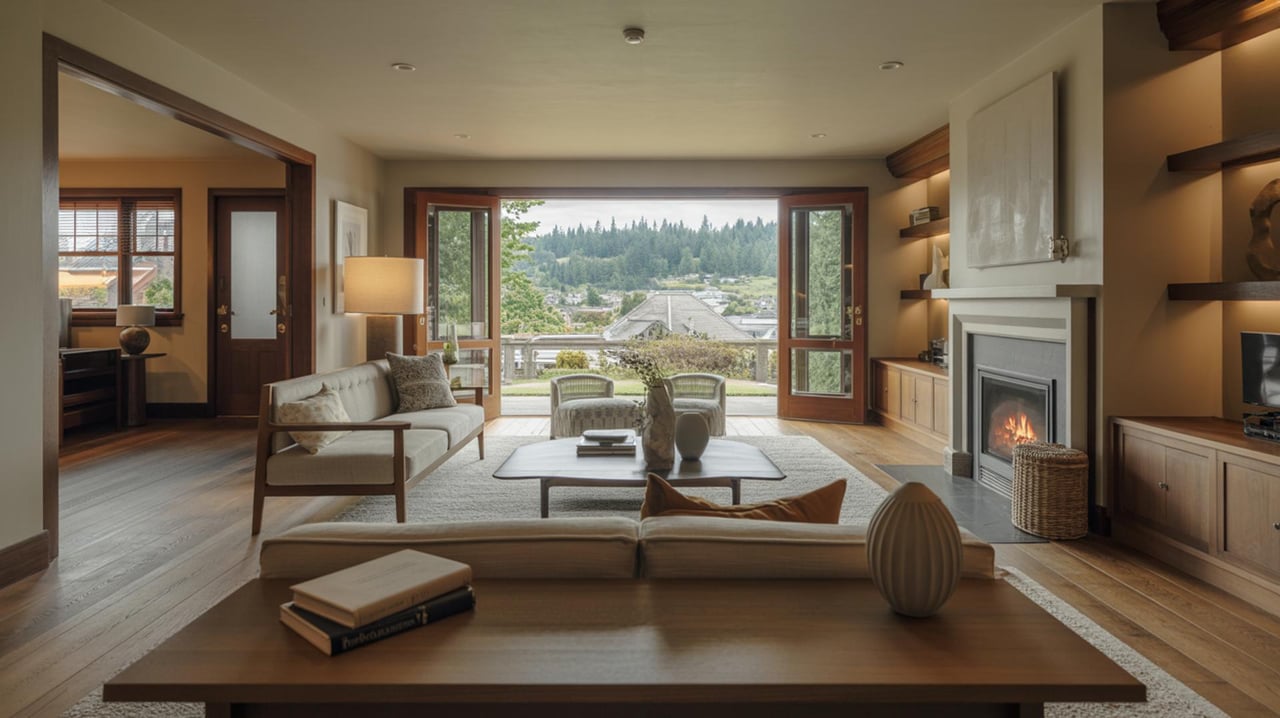
Hillside properties reward you with character and outlooks, yet they require a sharper eye and a proactive plan.
- Drainage and grading. Ensure water moves away from structures, downspouts discharge safely, and no runoff is directed toward foundations.
- Retaining wall stability. Watch for bulging, step cracks, or leaning and verify proper drainage behind walls. Complex sites can merit a structural or geotechnical opinion.
- Slope and erosion. Note exposed roots, gullies, and cracked paving that may signal movement.
- Environmental checks. Test for radon and review regional hazard resources for landslide, flood, and seismic risks that apply to Pullman.
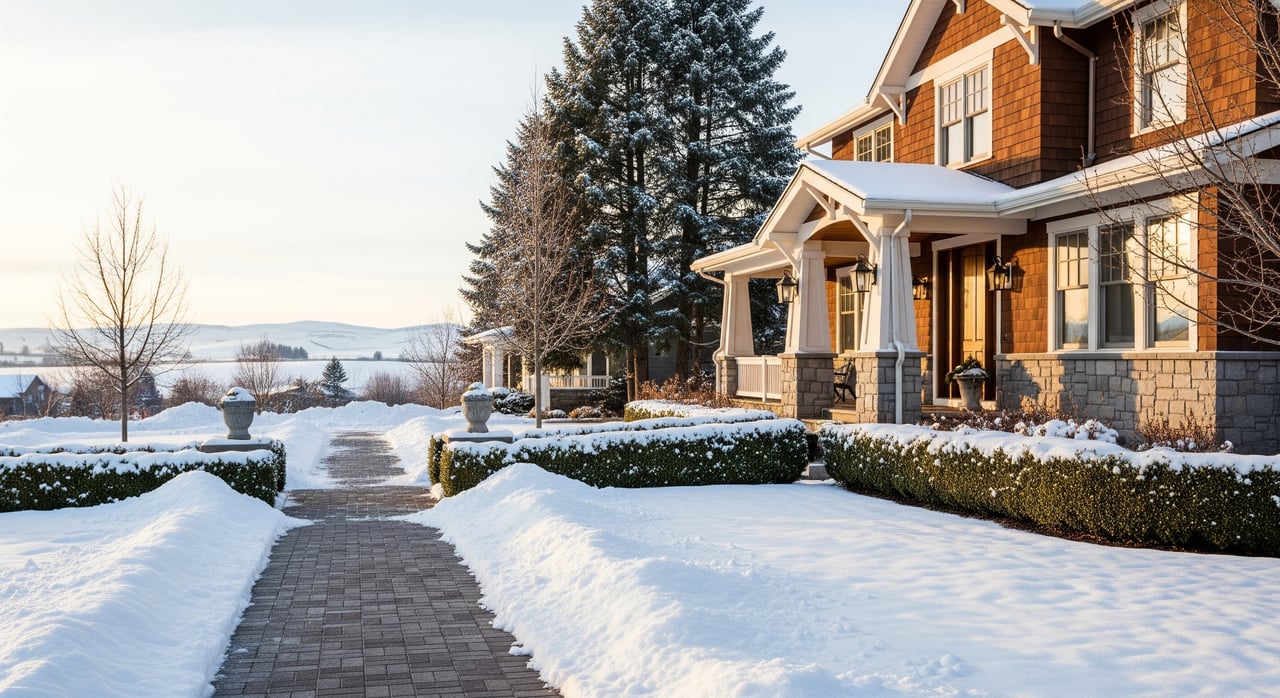
- Seasonal care. Clean gutters in spring and fall, check roofs after storms, prepare for winter snow and ice on driveways, and prune trees for safety and sun.
- Long-term planning. Budget for roof, HVAC, driveway resurfacing, and occasional retaining wall work. Many advisors suggest setting aside a small percentage of home value annually for routine maintenance and capital items, adjusted for the home’s age and condition.
- Insurance. Review coverage for regional risks and ask about endorsements that address landslide or sewer backup where available.
Timing your search around WSU
Because WSU influences the Pullman market, listings and competition can ebb and flow around the academic calendar. You may see tighter inventory and faster decisions near major campus dates. If you are relocating or juggling a tight schedule, plan early and be ready to tour quickly. Remote buyers can often leverage virtual showings to stay competitive.
What to verify before you offer
Use this quick checklist to reduce surprises and strengthen your offer:
- Neighborhood boundaries and zoning with Pullman City Planning.
- Recent sales and assessments through Whitman County records and fresh MLS comps.
- School boundaries through Pullman School District.
- Utility providers, broadband options, and snow removal responsibilities.
- Recorded covenants, any HOA rules, and city permitting history.
- Environmental context using radon guidance and hazard maps for landslide, flood, and seismic considerations.
- Service access for potential hillside repairs if heavy equipment would be required.
Ready to start your Sunnyside Hill search?
You deserve a first purchase that feels thoughtful, protected, and well timed for Pullman’s unique rhythm. If you want neighborhood-level guidance, inspection coaching tailored to hillside homes, and a steady advocate from first tour to closing, connect with Krista Gross. You will get responsive support and clear next steps that fit your goals.
FAQs
Are hillside homes in Pullman more expensive to maintain?
- They can be, since sloped lots sometimes require drainage work, retaining wall upkeep, or specialized access for repairs. Actual costs depend on the lot and prior maintenance.
Do I need a geotechnical report on Sunnyside Hill?
- If you see steep slopes, large retaining walls, signs of settlement, or recent grading, a structural or geotechnical review is a smart addition to your due diligence.
Which inspections should first-time buyers never skip?
- A thorough general home inspection, plus targeted items like a sewer scope and radon test. Add septic or well testing when those systems are present.
How does WSU affect my future resale?
- Proximity to WSU supports steady demand from owner-occupants and investors, though some areas can experience seasonal rental pressure and heavier on-street parking.
How should I plan for snow and ice on a steep driveway?
- Confirm who handles snow clearing and budget for private plowing or treatments. Inspect the driveway slope and drainage during your purchase process and plan accordingly.
What timeline should I expect from offer to closing?
- Many mortgage-backed purchases close in about 30 to 45 days after an accepted offer, with inspection windows typically 5 to 10 days. Cash purchases can move faster.