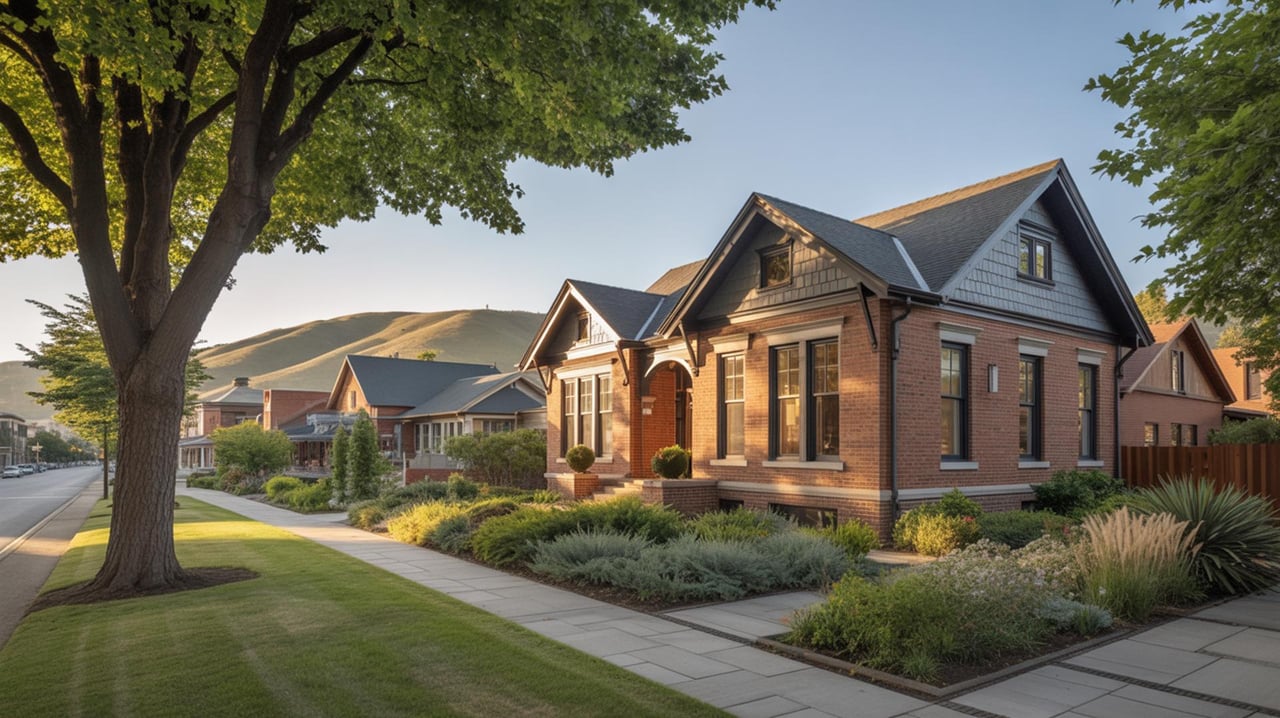
Pricing a home on Military Hill is not one-size-fits-all. Two houses with the same square footage can attract very different offers based on slope, parking, views, and how close they sit to Washington State University. If you are thinking about selling, you want a clear plan you can trust, not a guess. In this guide, you will see exactly how I analyze Military Hill homes, the data I weigh, and the steps I recommend before you list. Let’s dive in.
What makes Military Hill unique
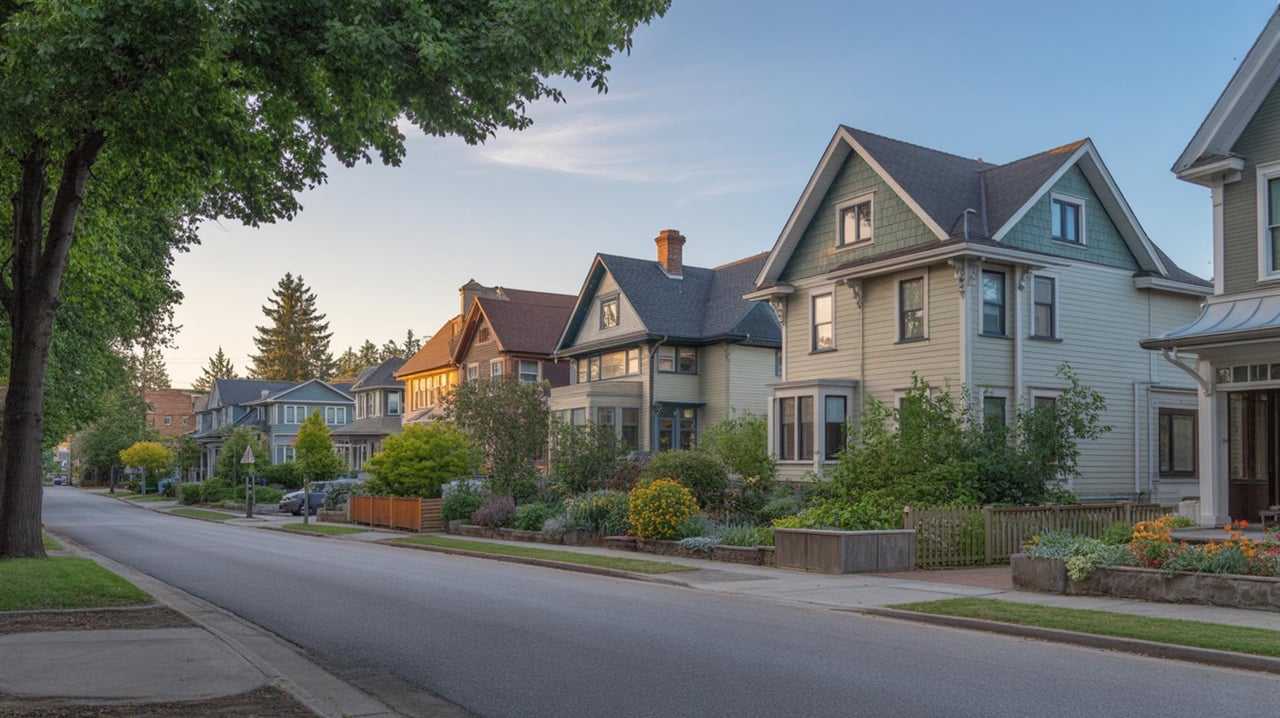
Military Hill is a true micro-market in Pullman. Before pricing, I confirm how local records and residents define the neighborhood so your comparables reflect your actual marketplace.
Boundaries and micro-locations
Neighborhood names can shift a block or two depending on who you ask. I verify boundaries with the local MLS, Whitman County Assessor data, and Pullman planning maps. That helps me keep comps tight to your location, especially if your home sits near a boundary or on a street with different topography.
Housing stock and utilities
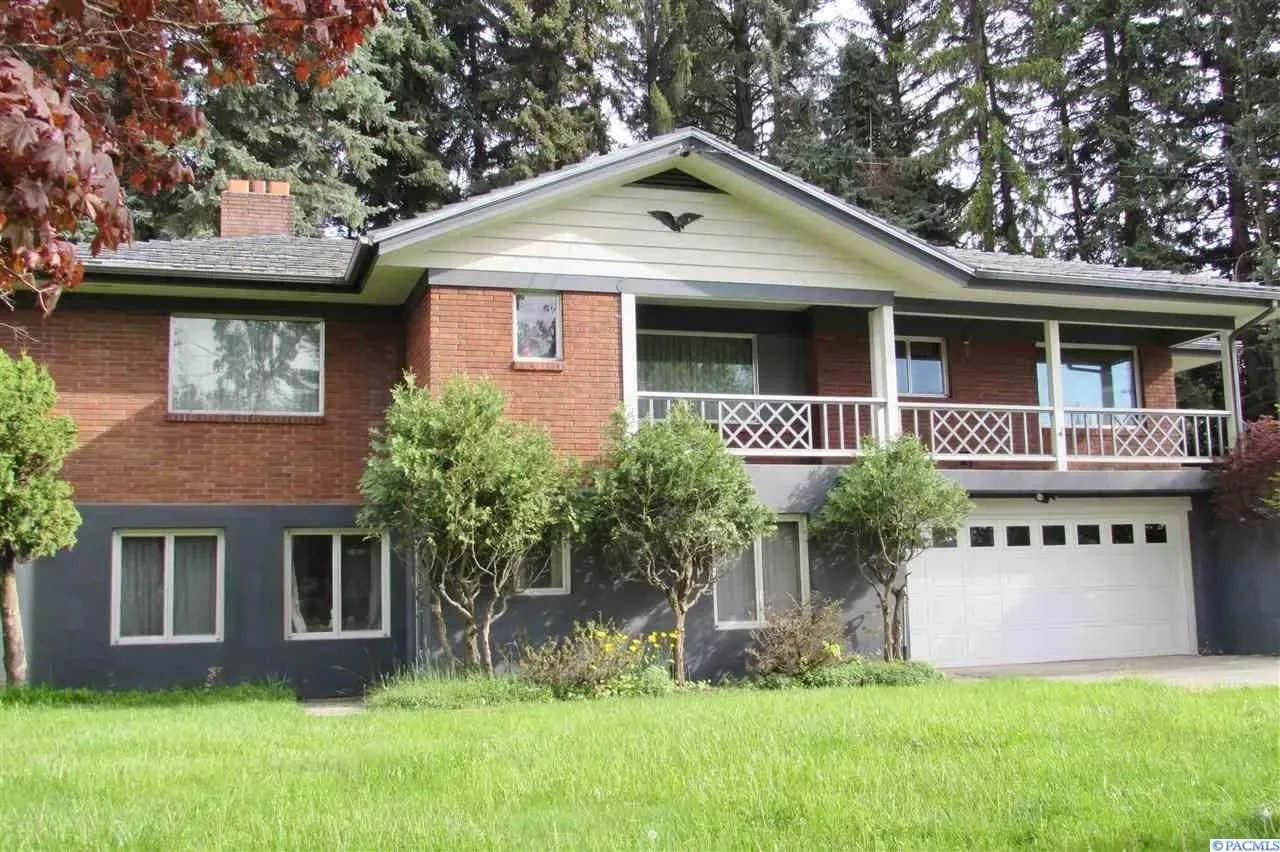
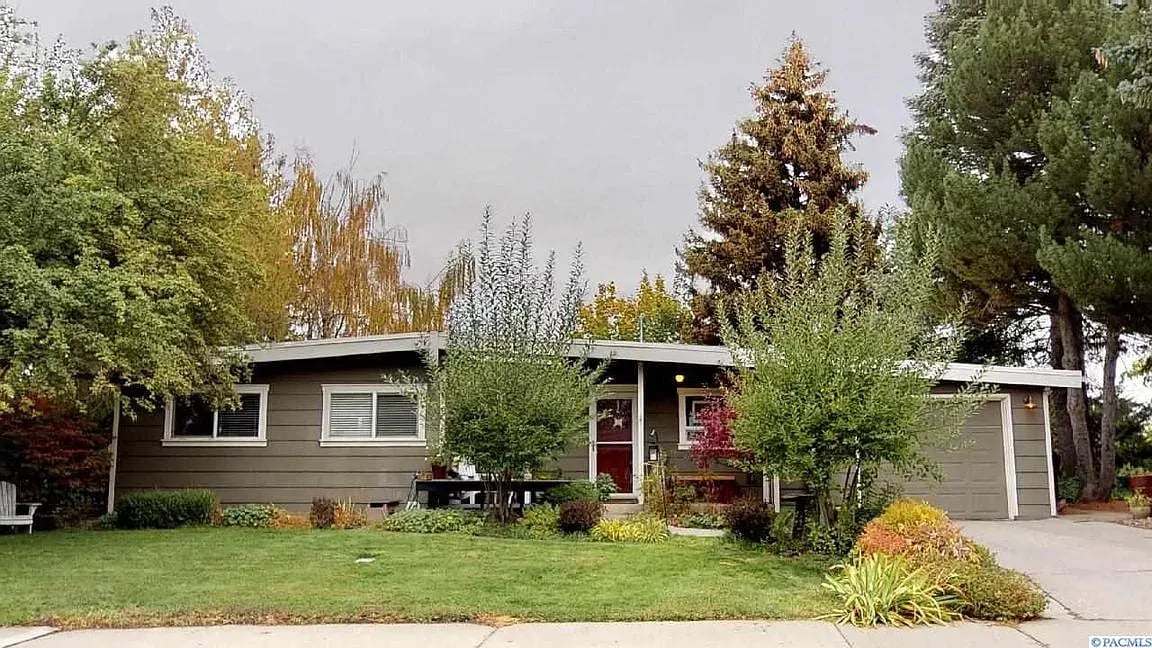
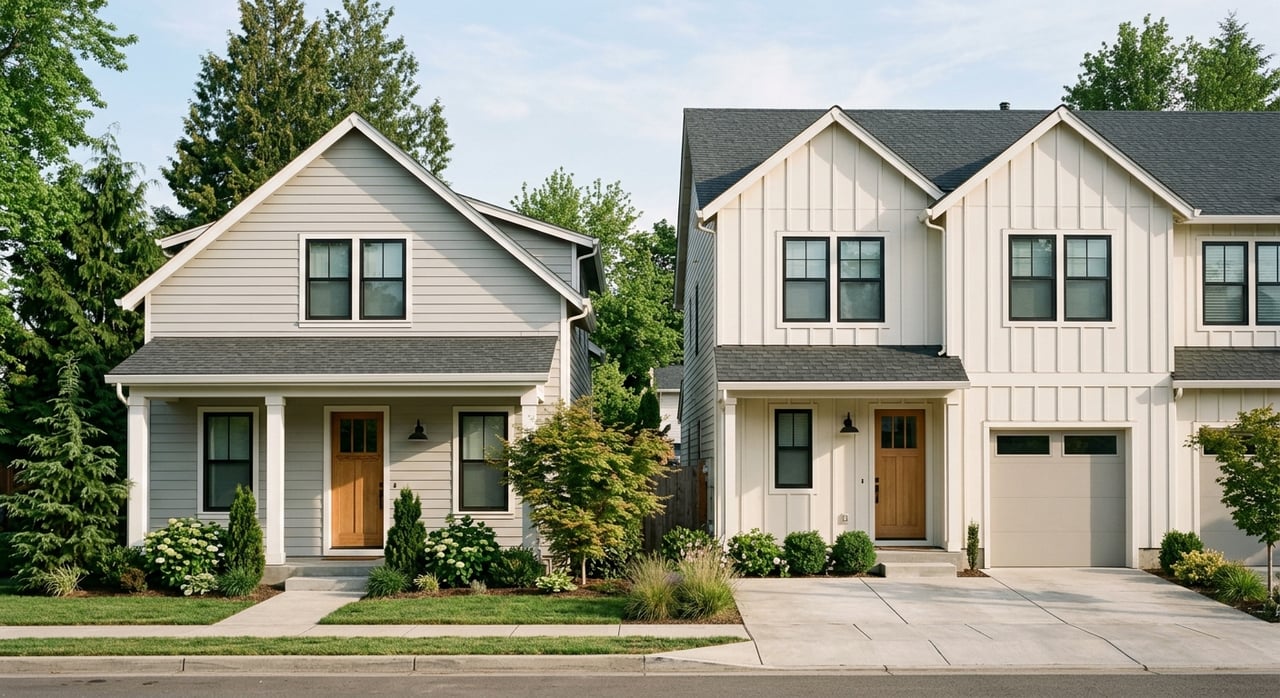
Military Hill includes a range of eras and styles. You will see single-family homes with different ages, some with basements, garages, or accessory spaces. I confirm utilities and infrastructure, such as city sewer versus septic, water source, and whether roads and sidewalks are public or private. These details can influence buyer appeal and appraisal adjustments.
WSU proximity and buyer mix
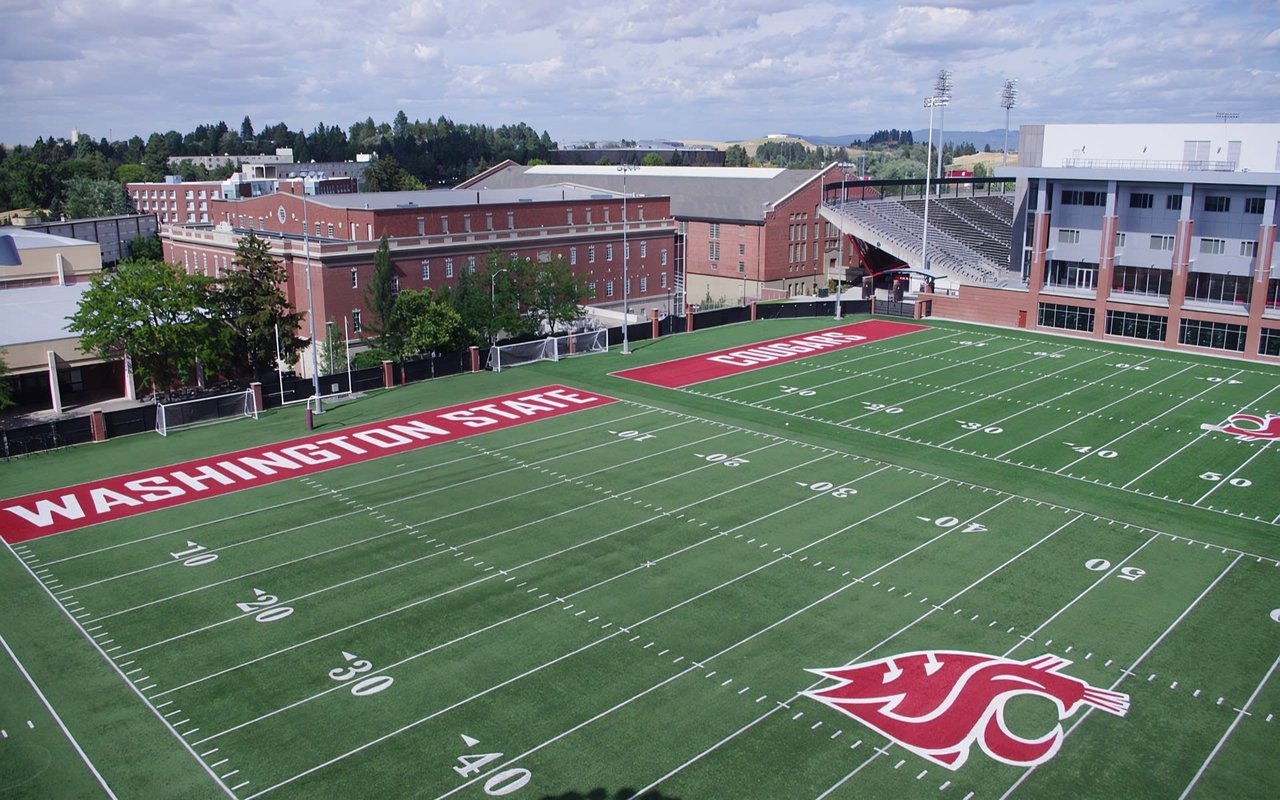
WSU shapes demand. Some buyers look for rental-ready homes near campus, while others want quieter streets and owner-focused features. I separate investor-driven properties from owner-occupied homes when building comps so we do not blend two different buyer pools.
Topography, access, and parking
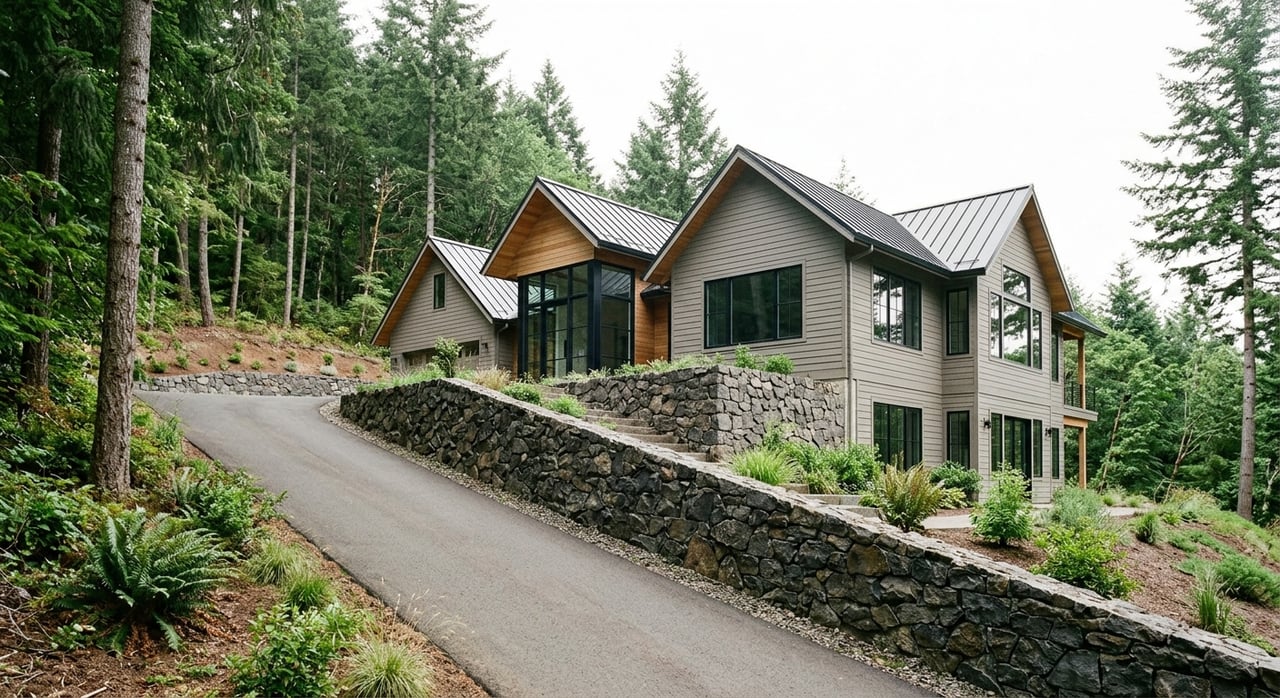
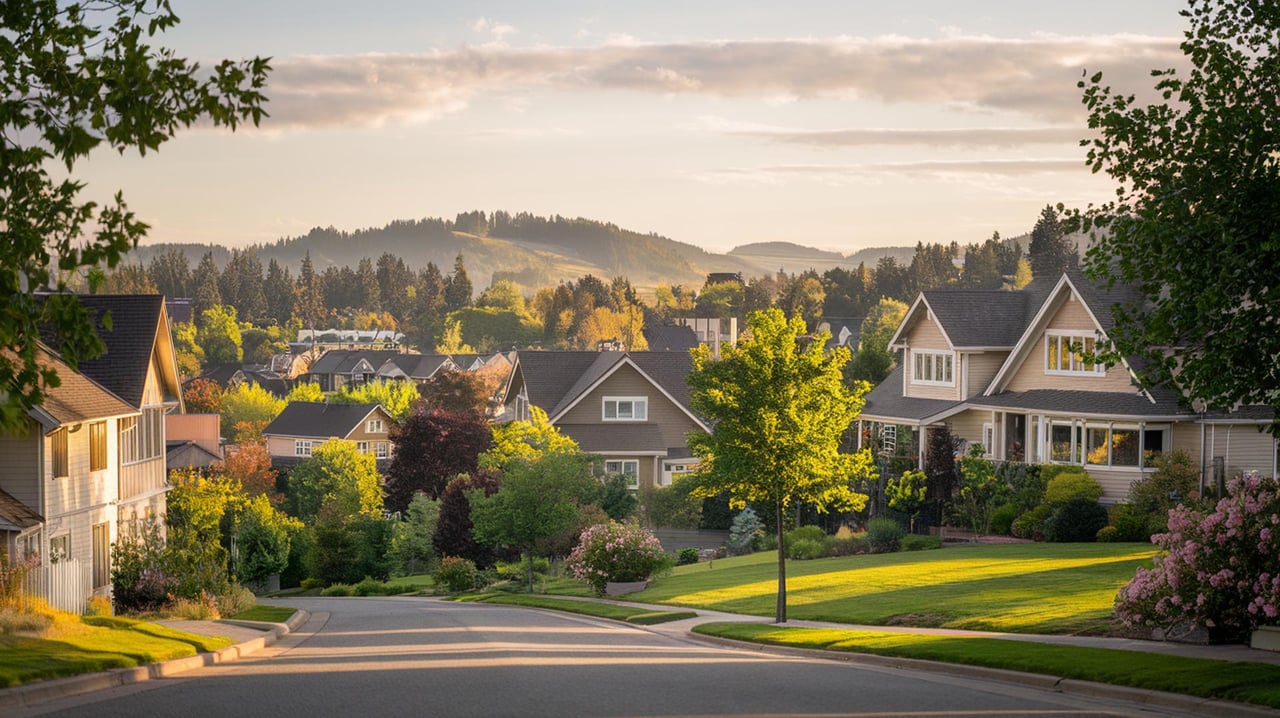
Hilly terrain is part of the charm, but it affects value. I note slope, stairs to the main entry, driveway grade, on-street parking, and winter access. Views can add a premium. Steep approaches or limited parking can narrow the buyer pool. These items enter the pricing model as qualitative adjustments.
The pricing framework I use
My approach blends objective data with local insight. The goal is a price and strategy you understand and can defend.
Define your pricing marketplace
- Use the same neighborhood first, then expand by 0.5 to 1 mile only if inventory is thin.
- Match topography and views as closely as possible.
- Keep school assignments and walkability patterns consistent across comps.
Build the right comp set
- Start with 3 to 6 closed sales that mirror your home’s size, beds and baths, lot type, age, and condition.
- Add active and pending listings to gauge current competition and pricing bands.
- Review expired and withdrawn listings to identify price ceilings buyers resisted.
Quantitative adjustments that matter
I lean on market evidence to adjust for measurable differences. Typical categories include:
- Gross living area and price per square foot
- Bedroom and bathroom count
- Finished basement square footage
- Garage size and covered parking
- Lot size and lot premiums
- Age, condition, and recent system replacements
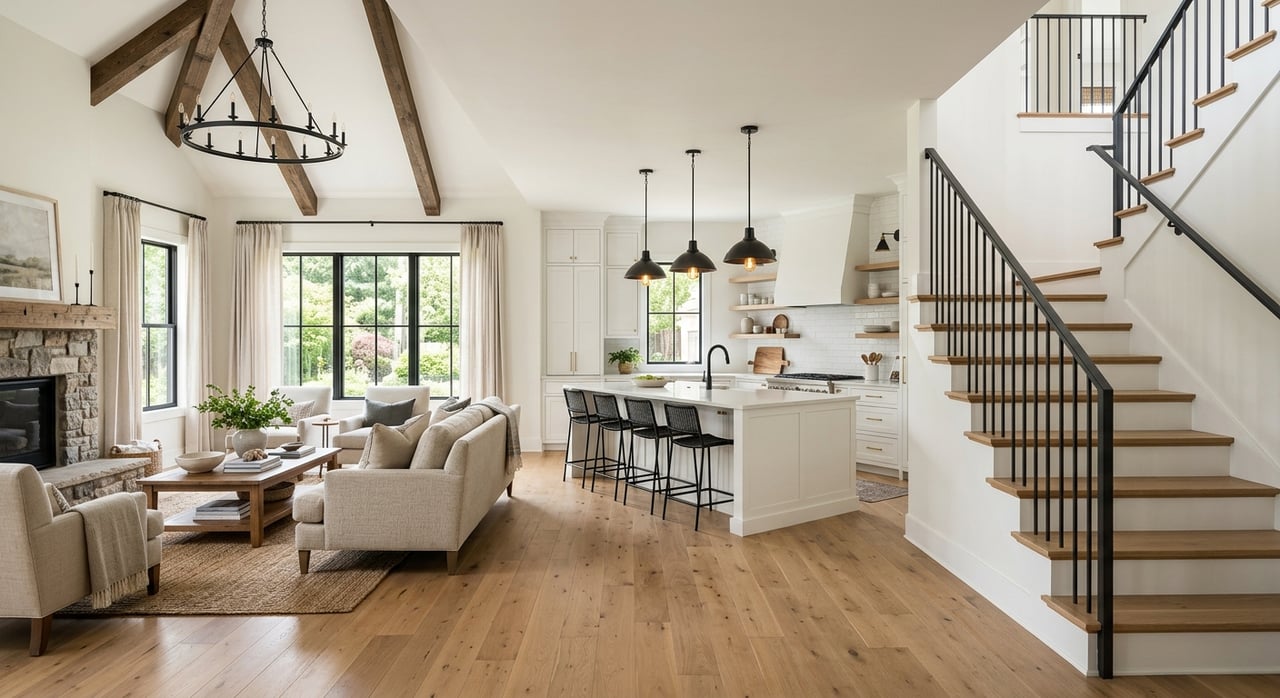
- Renovations to kitchens, baths, flooring, lighting, and windows
These adjustments are tied to what similar homes actually achieved in recent sales, not generic national figures.
Qualitative factors buyers notice
Some value drivers are not one number. I document them and show how they influenced real sales nearby.
- View premiums and privacy
- Slope, stairs, and driveway grade
- Noise exposure and traffic patterns
- Proximity to campus, parks, and transit
- On-street parking constraints or ease of access
- Appeal to renters versus owner-occupants
Synthesize list price and strategy
After weighing comps and current inventory, I present a recommended list price and a price range, plus strategy options with trade-offs:
- Competitive at market to attract strong early interest and multiple-offer potential in tight inventory.
- Slightly under market to accelerate showings and test for bidding pressure when the data supports it.
- At the top of the band to test for a premium buyer, with a plan for longer days on market if needed.
Timing, seasonality, and competition
In a university town, timing matters. Buyer activity often rises around the academic calendar, especially late spring to early summer and late summer ahead of the fall term. I check list-to-pending velocity, months of inventory, and days on market in the weeks before we go live. If the data shows a surge of new listings, we may lean into a more competitive price. If inventory is very light, we can position higher within the range.
Pre-list improvements that lift value
You do not need a full remodel to compete. Many sellers see strong returns from targeted updates and a clean presentation.
- Fresh, neutral interior paint and deep cleaning
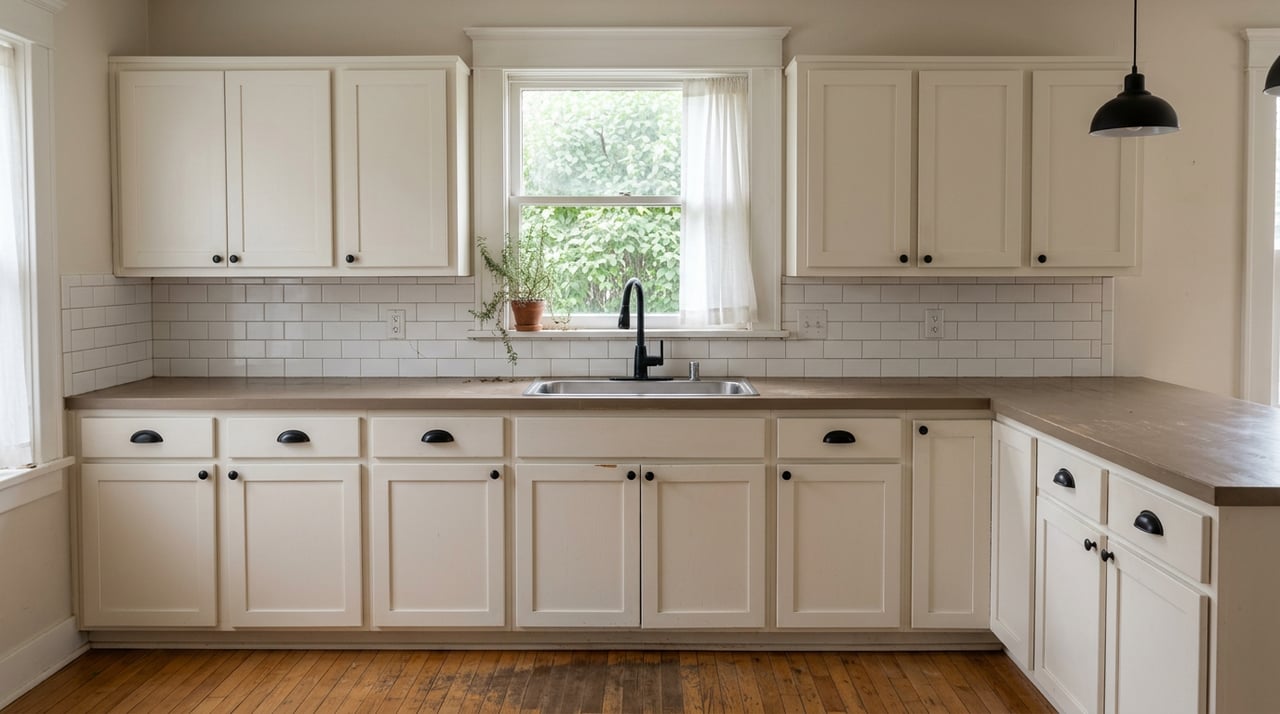
- Minor kitchen and bath refreshes like hardware, lighting, and cabinet paint
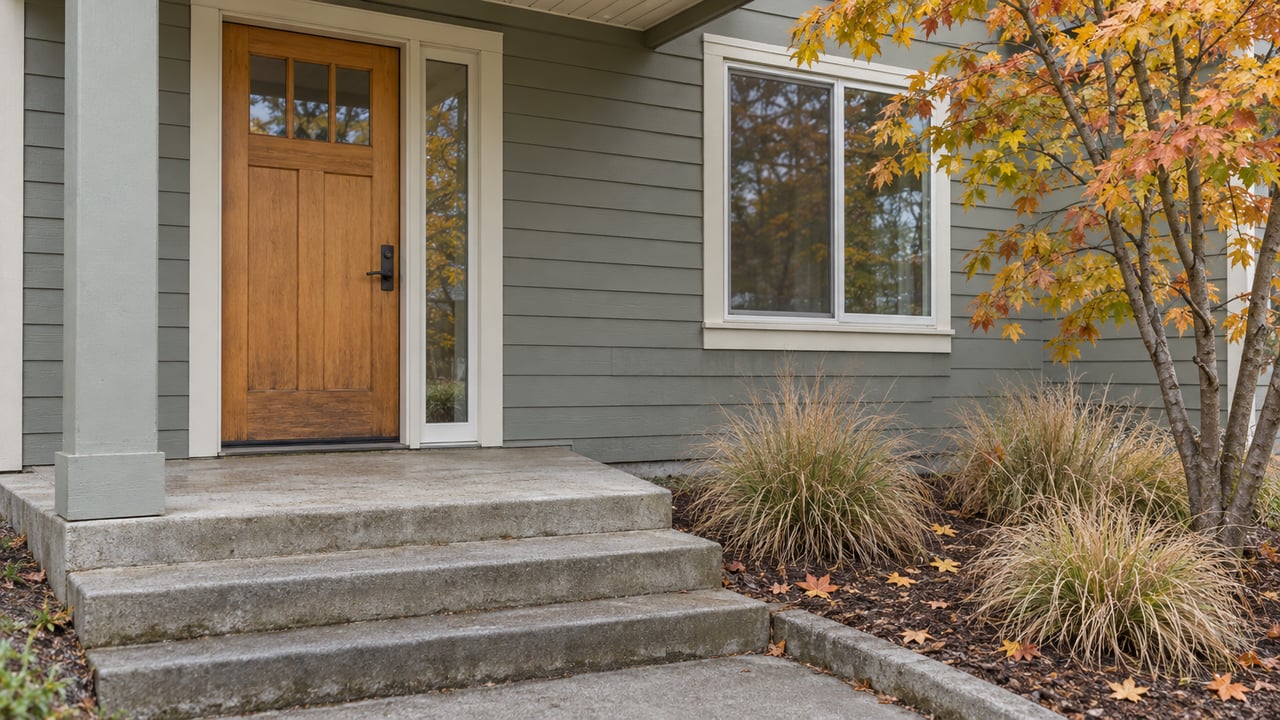
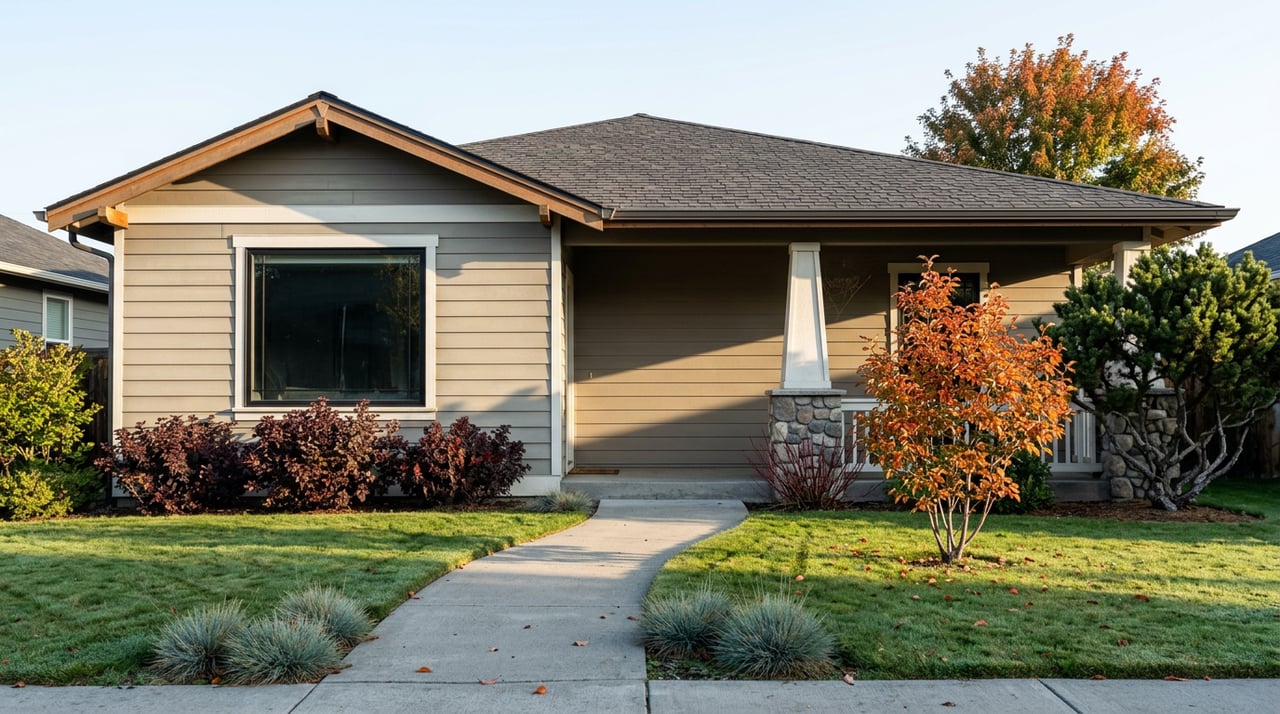
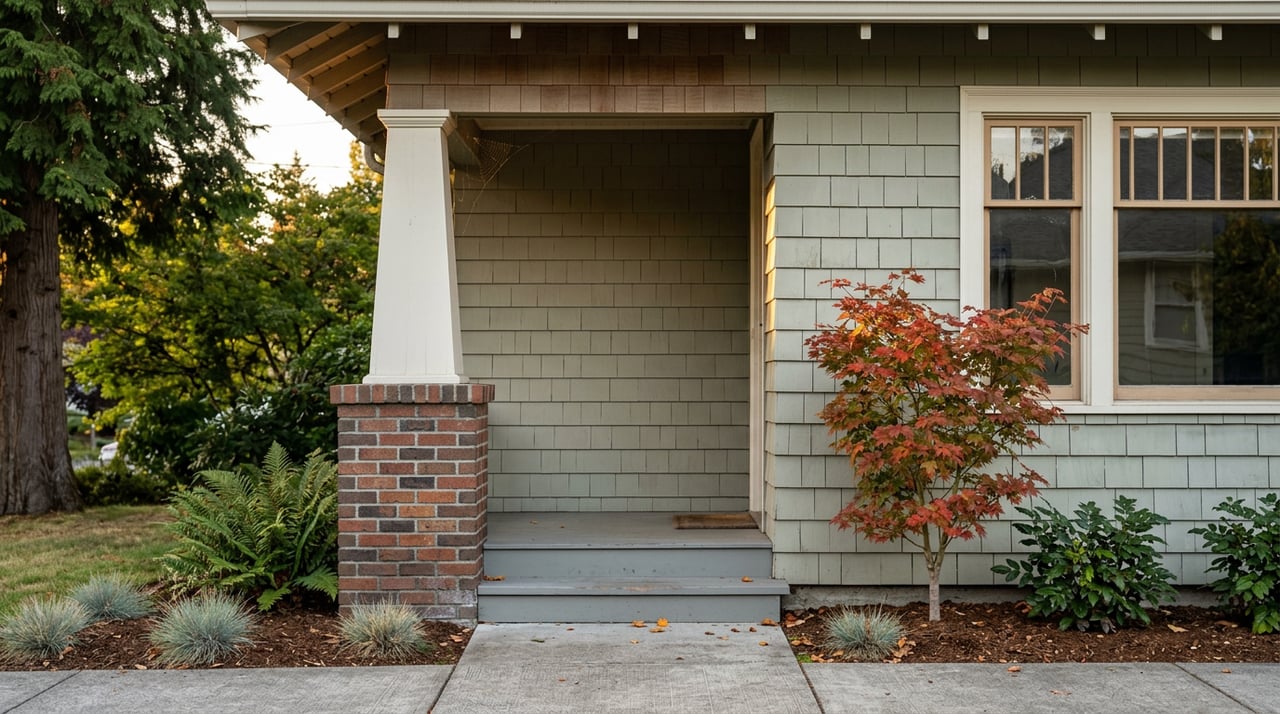
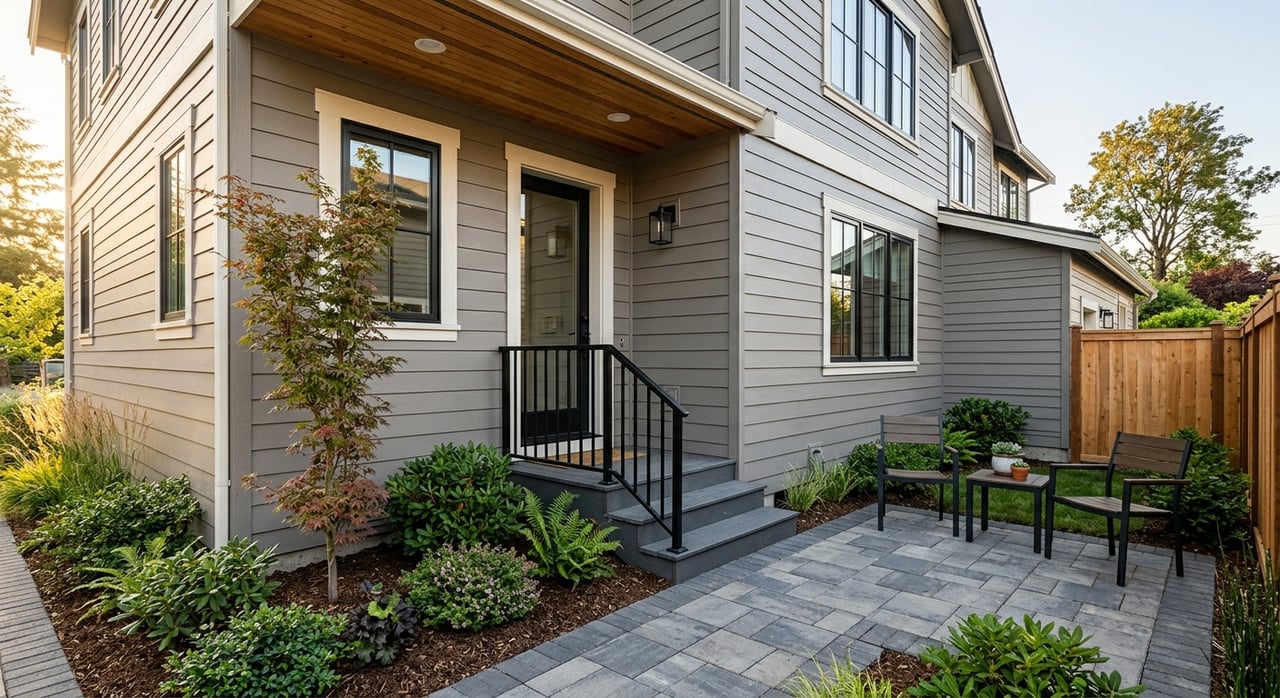
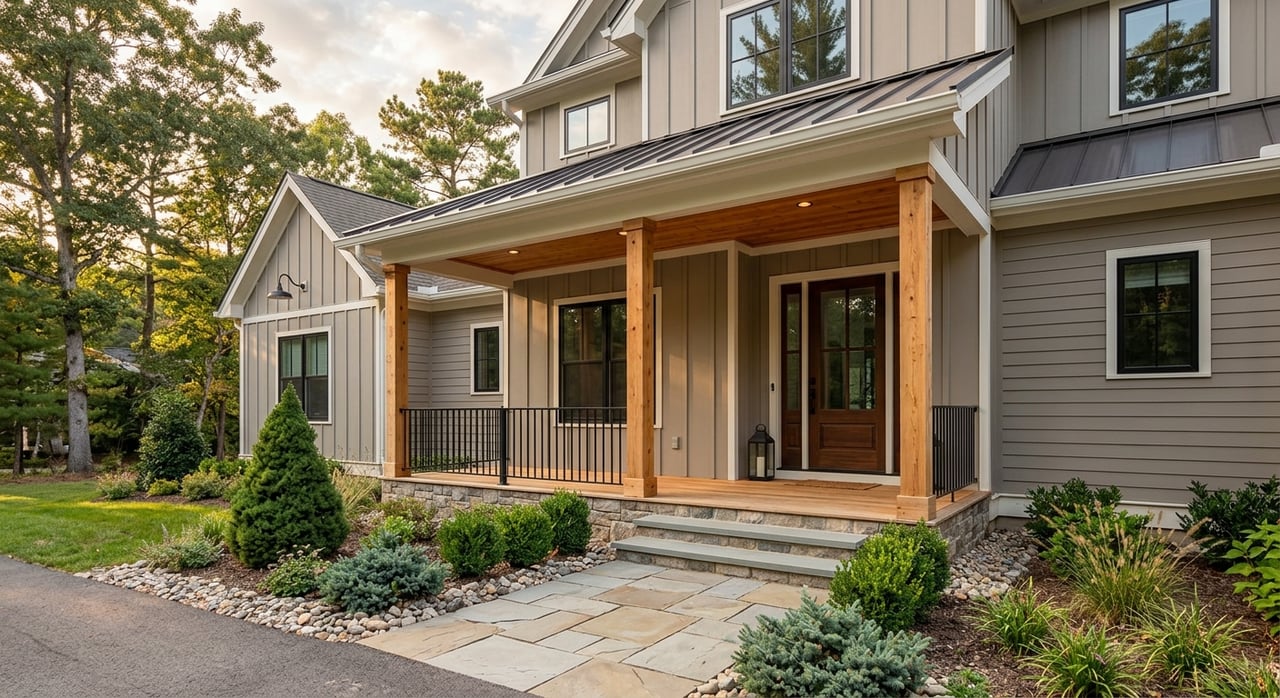
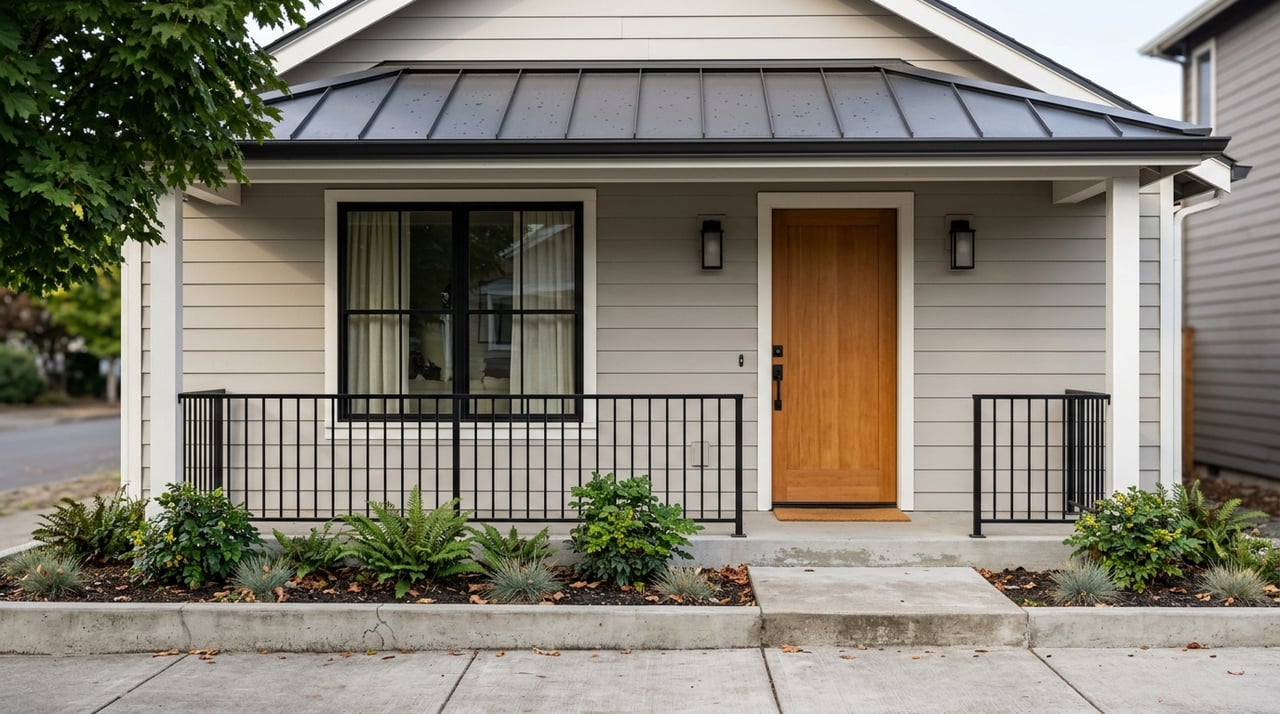
- Curb appeal and entry safety, including landscaping and railings
- Repair items that could trigger buyer concern or appraisal issues
- System transparency for roof, HVAC, water heater, and electrical
If comps do not support high-end finishes, I will recommend pricing at market and letting buyers personalize after closing.
How I prepare your pricing plan
A clear plan builds confidence and reduces surprises. I provide:
- A comparative market analysis with a neighborhood map, handpicked comps, adjustment notes, and a snapshot of active and pending competition.
- A net proceeds estimate that shows expected costs and your bottom line at multiple price points.
- A marketing and timing plan that includes staging guidance, photography, open house cadence, and calendar alignment for university-driven demand.
- An inspection and disclosure checklist to reduce renegotiations and set accurate buyer expectations.
- Scenario planning so you can choose conservative, competitive, or aggressive pricing with timelines and likely outcomes.
Before we finalize, I re-run comps within three days of launch to catch new activity. If we price at the top of a band, I set a plan for feedback-based adjustments if showings or online engagement do not match expectations.
Common Military Hill scenarios
Owner-occupied vs. investor properties
A four-bedroom home near campus with a flexible layout may appeal more to investors, while a similar home farther from student corridors may draw owner-occupants. I segment comps so each pricing decision fits the most likely buyer.
Steep lots and winter access
Hillside driveways and long stairways can narrow the buyer pool. I show how similar features affected nearby sales and reflect that in price positioning or prep, such as adding railings or improving lighting.
Parking and street access
On-street parking limits or narrow streets can reduce appeal for some buyers. I account for garage capacity, off-street spots, and any restrictions that could influence showings.
FHA, VA, and condition
If a large share of buyers are using FHA or VA financing, condition items can affect appraisal outcomes. I identify likely trouble spots early so you can decide whether to repair, credit, or adjust price.
What you can expect when we work together
- Clear recommendations with evidence you can see and understand.
- A price and strategy that reflect real comps, current inventory, and Military Hill’s terrain and access patterns.
- A listing launch aligned with the calendar to meet likely buyers where they are.
- A plan B if buyer feedback suggests a pivot.
When you list on Military Hill, you deserve a pricing process that is transparent, local, and grounded in data. If you want a tailored read on your home, I am here to help.
Ready to see your best price range and plan? Request your personalized valuation with Krista Gross.
FAQs
How do you determine Military Hill boundaries for comps?
- I confirm neighborhood limits through the local MLS, county assessor data, and city planning maps, then keep comps tight to your micro-location and topography.
How do you factor WSU’s influence into pricing a Military Hill home?
- I separate owner-occupied and investor comps, then adjust for proximity to campus, rental potential, and seasonal demand tied to the academic calendar.
What pre-list updates have the best return on Military Hill?
- Fresh paint, deep cleaning, safety and curb appeal updates, and minor kitchen or bath refreshes typically outperform major remodels for cost versus value.
When is the best time to list near WSU in Pullman?
- Late spring to early summer and late summer often see more activity; I confirm timing with current inventory, days on market, and list-to-pending trends before launch.
How do steep lots and stairs affect a Military Hill home’s price?
- Slope and stairs can narrow the buyer pool; I reflect that with qualitative adjustments informed by nearby sales with similar access and parking.
What happens if a buyer uses FHA or VA financing on my home?
- These loans can have condition standards; I identify likely issues early and plan for repairs, credits, or pricing that supports a smooth appraisal.