Trying to choose between a single-family home and a townhome in Pullman? You are not alone. In a market shaped by Washington State University, a relatively small housing supply, and fast-moving listings, the right choice often comes down to your daily lifestyle more than the property label itself. If you want a clearer way to weigh privacy, upkeep, parking, costs, and future flexibility, this guide will help you sort through the tradeoffs. Let’s dive in.
Why this choice matters in Pullman
Pullman is a distinct housing market. The city’s estimated population was 33,543 as of July 1, 2024, and the owner-occupied housing rate was 31.3%, according to the U.S. Census Bureau. The median value of owner-occupied homes was $401,700.
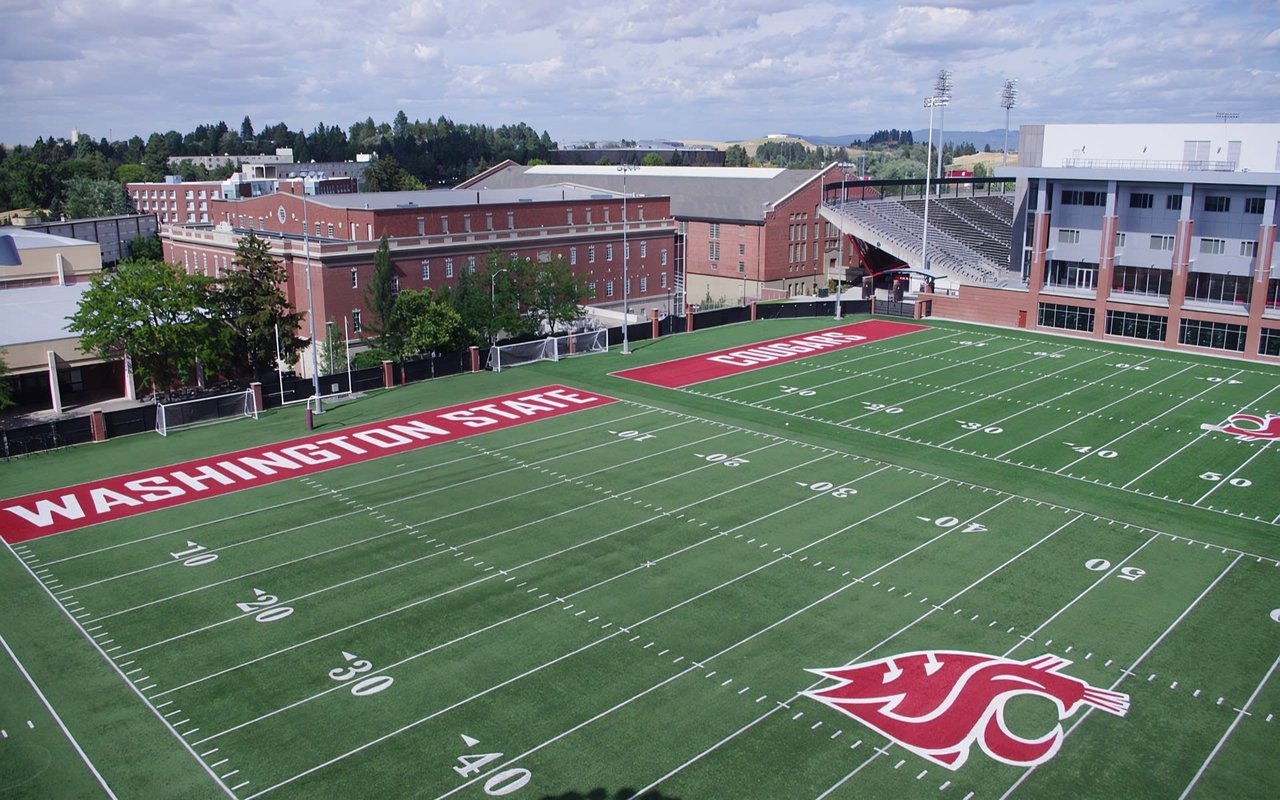
That local context matters because Pullman blends owner-occupant demand with university-related demand. Washington State University reported 16,248 students on the Pullman campus in fall 2025, which helps shape housing needs across the city. Redfin also showed a competitive market in March 2026, with a median sale price of $439,000 and median days on market of 19.
In other words, you are not just choosing a floor plan. You are choosing a level of maintenance, privacy, rule structure, and long-term flexibility that fits how you want to live in Pullman.
Single-family vs townhome basics
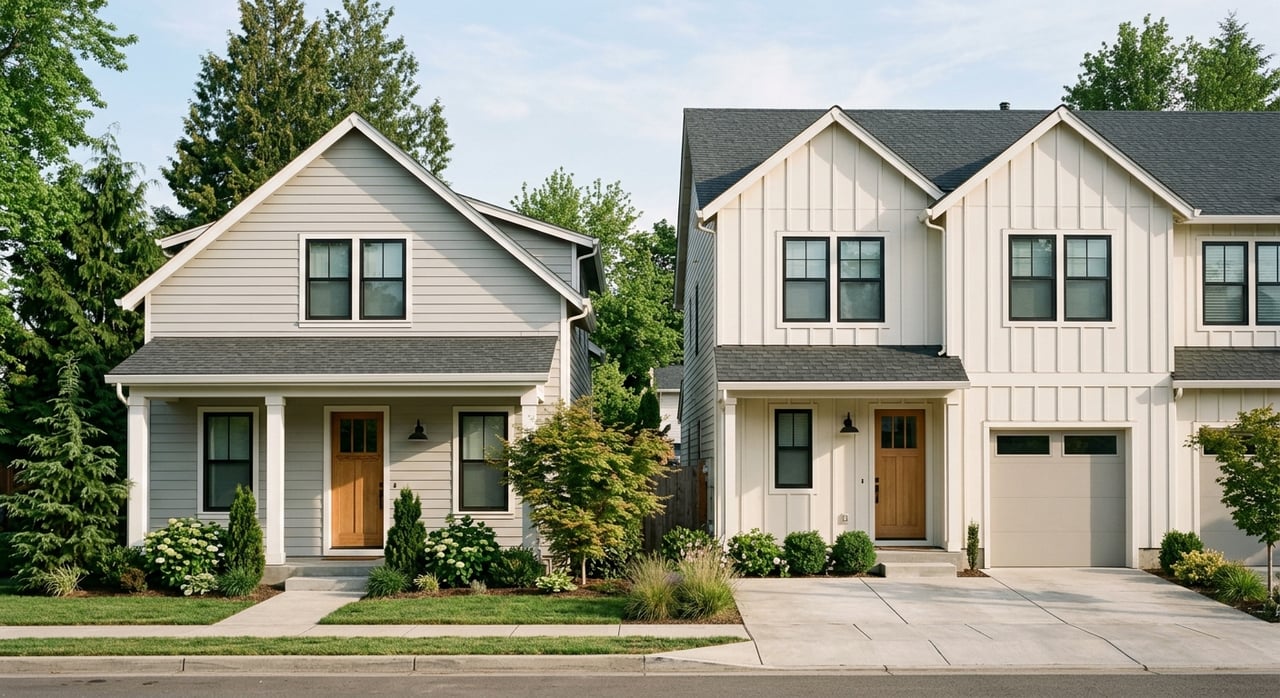
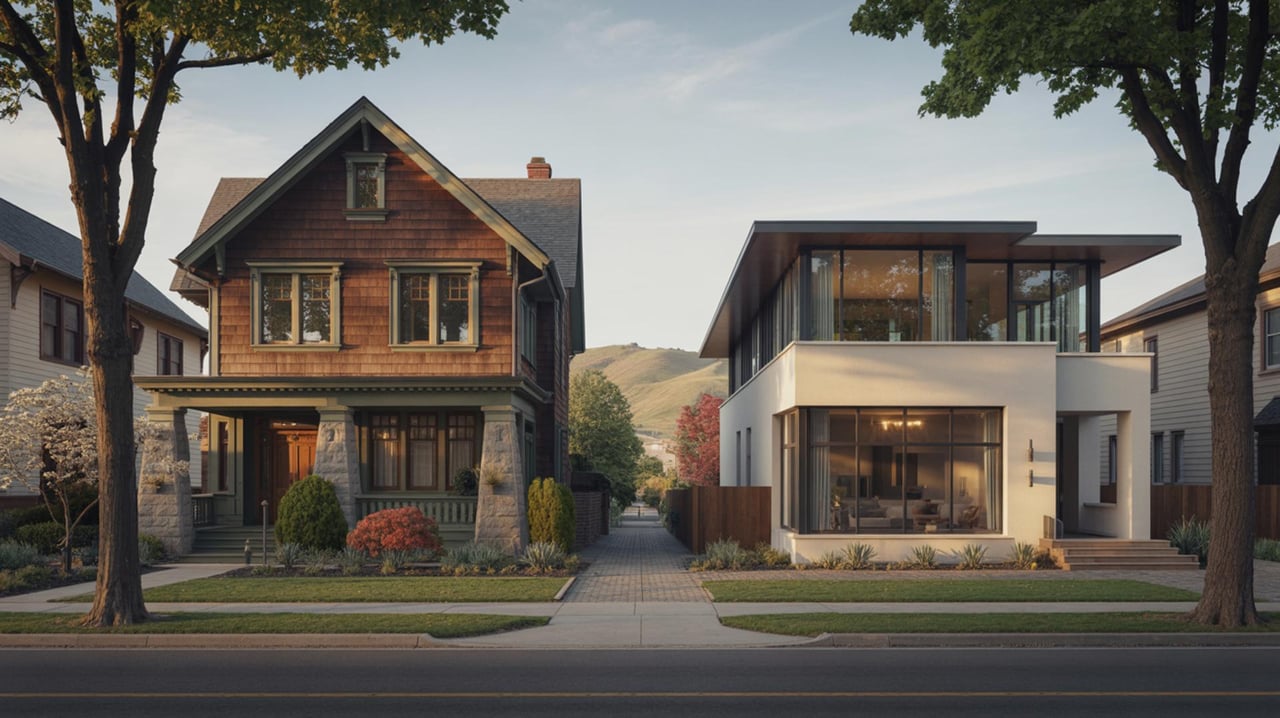
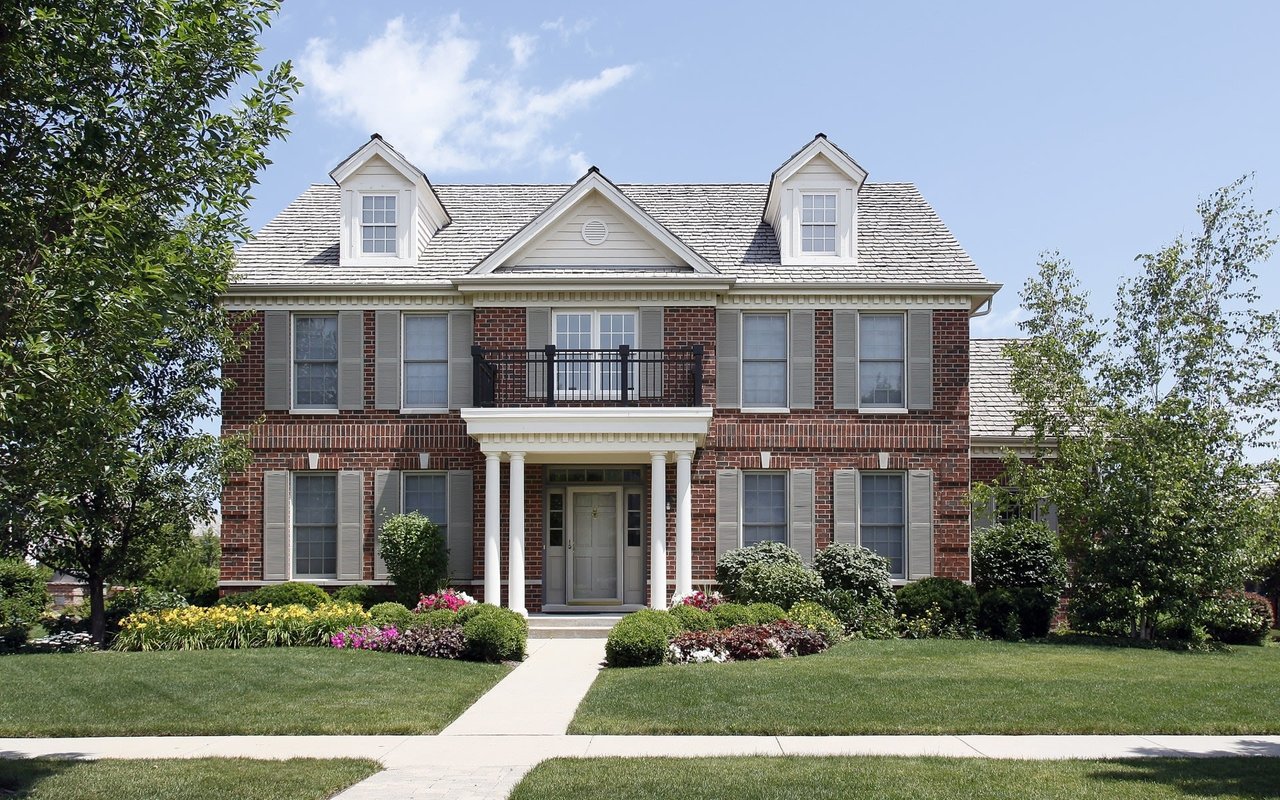
At a high level, a single-family home usually gives you more independence. A townhome often gives you a more shared, lower-maintenance ownership setup. Neither one is automatically better.
The better fit depends on what you value most. If you want more control over outdoor space and fewer shared walls, a detached home may rise to the top. If you want less exterior upkeep and are comfortable with association rules and shared costs, a townhome may make more sense.
What a single-family home often offers
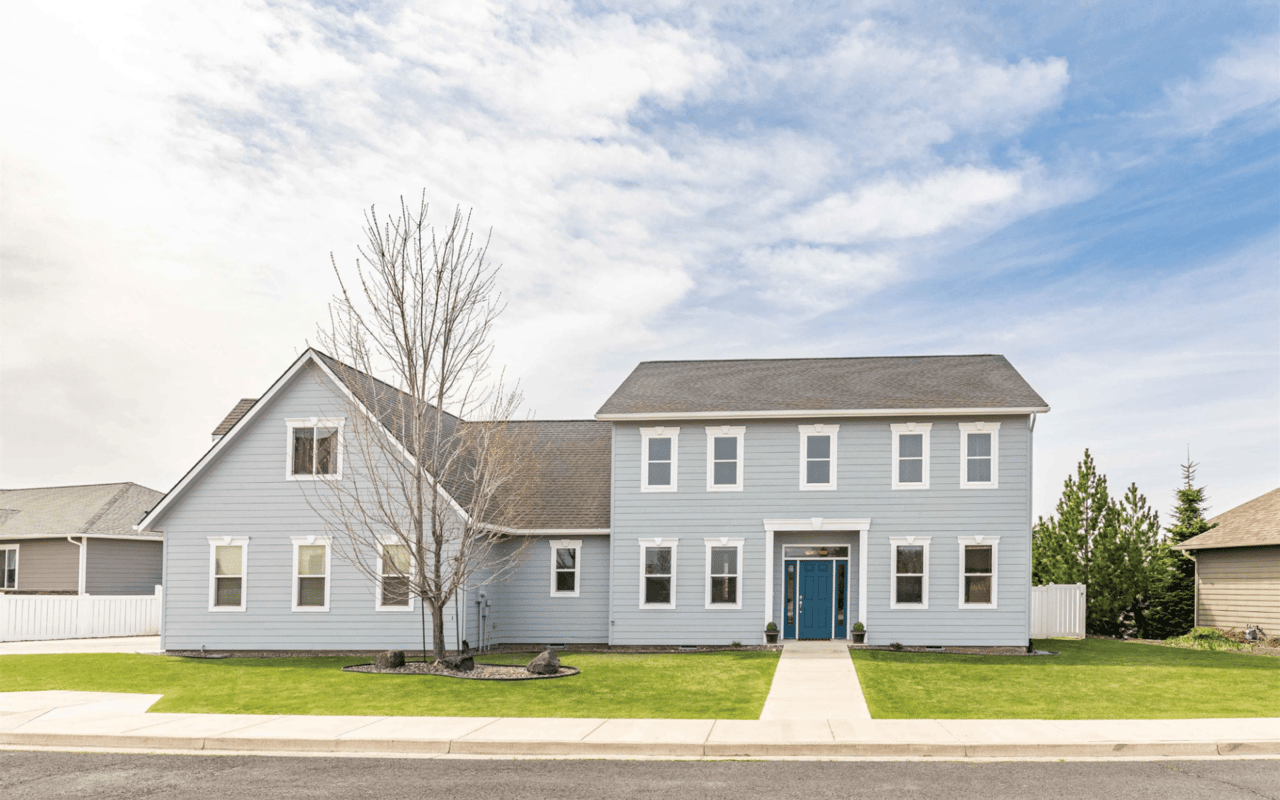
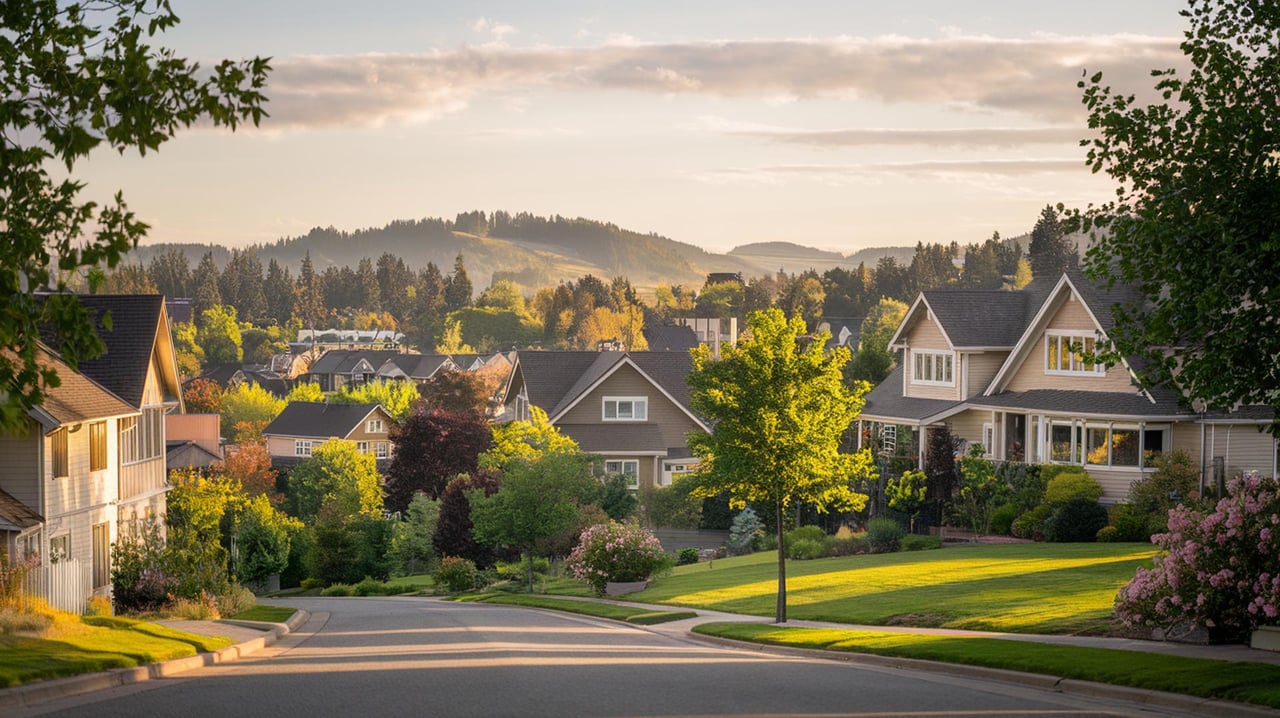
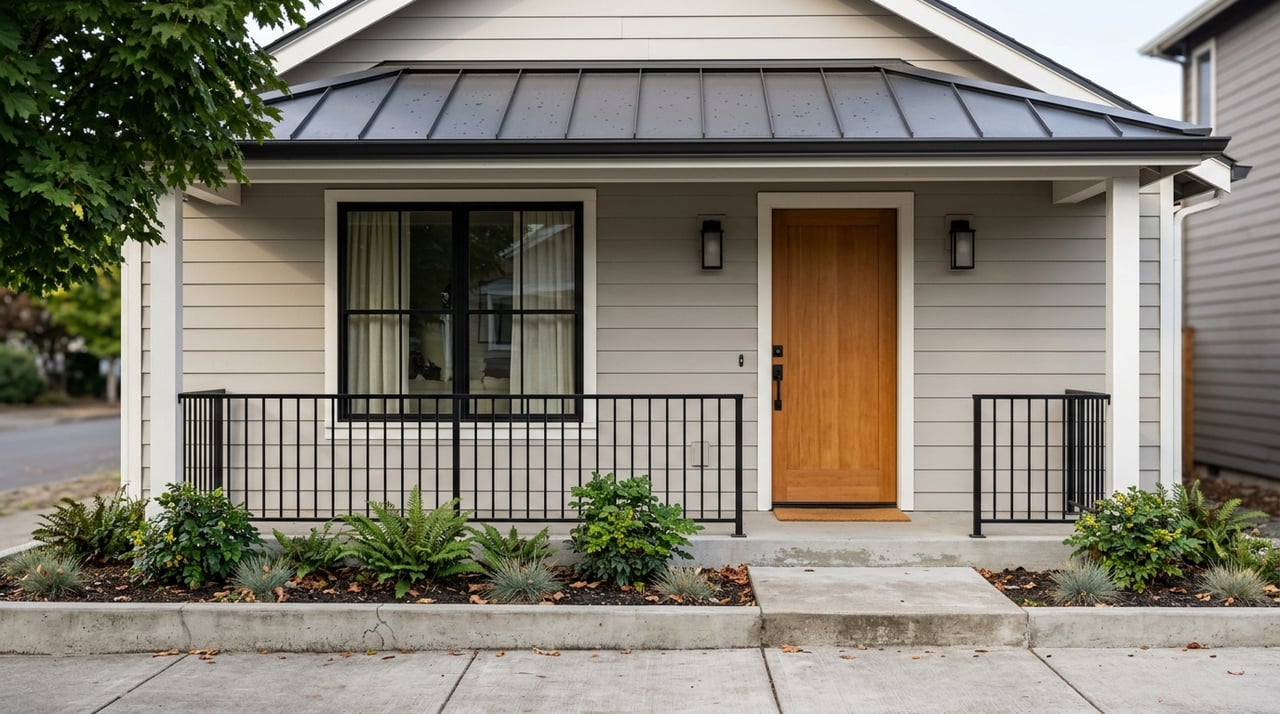
Single-family homes usually appeal to buyers who want more privacy and more separation from neighbors. You may also have more control over your yard, exterior use, and storage.
That added control comes with added responsibility. The Consumer Financial Protection Bureau notes that homeowners should budget for repairs and maintenance, including everything from small fixes to larger costs like roofing, along with taxes, insurance, utilities, and an emergency fund.
What a townhome often offers
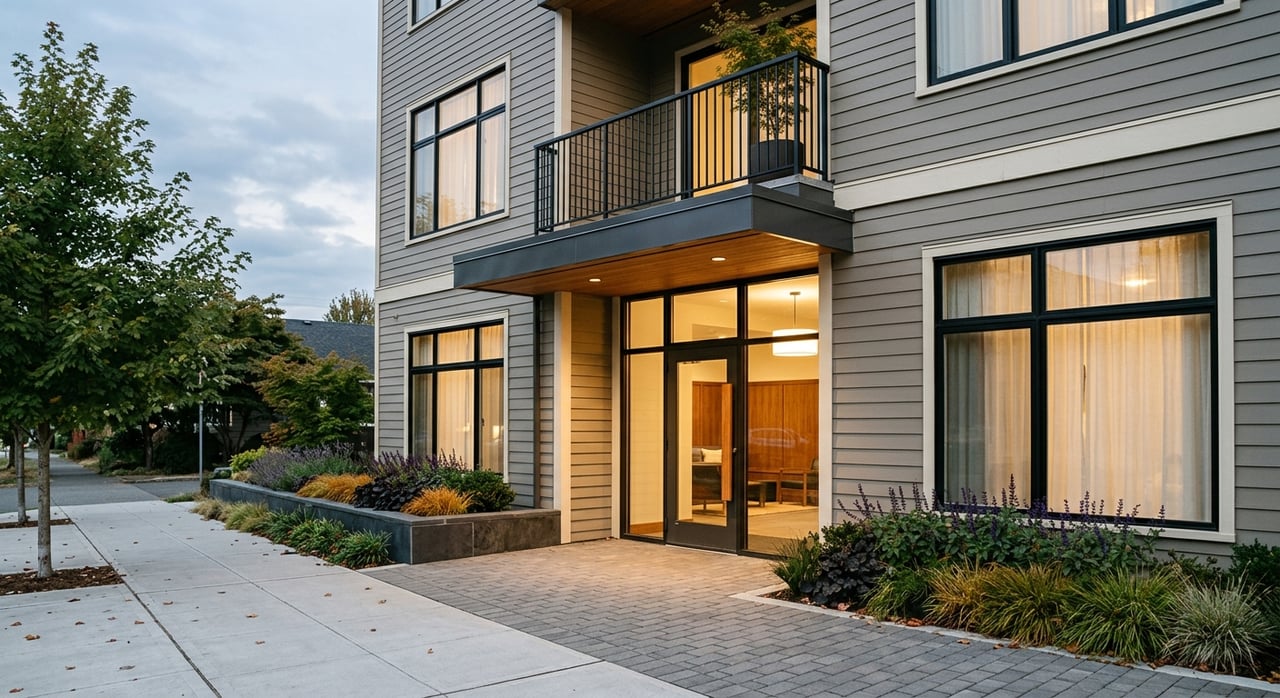
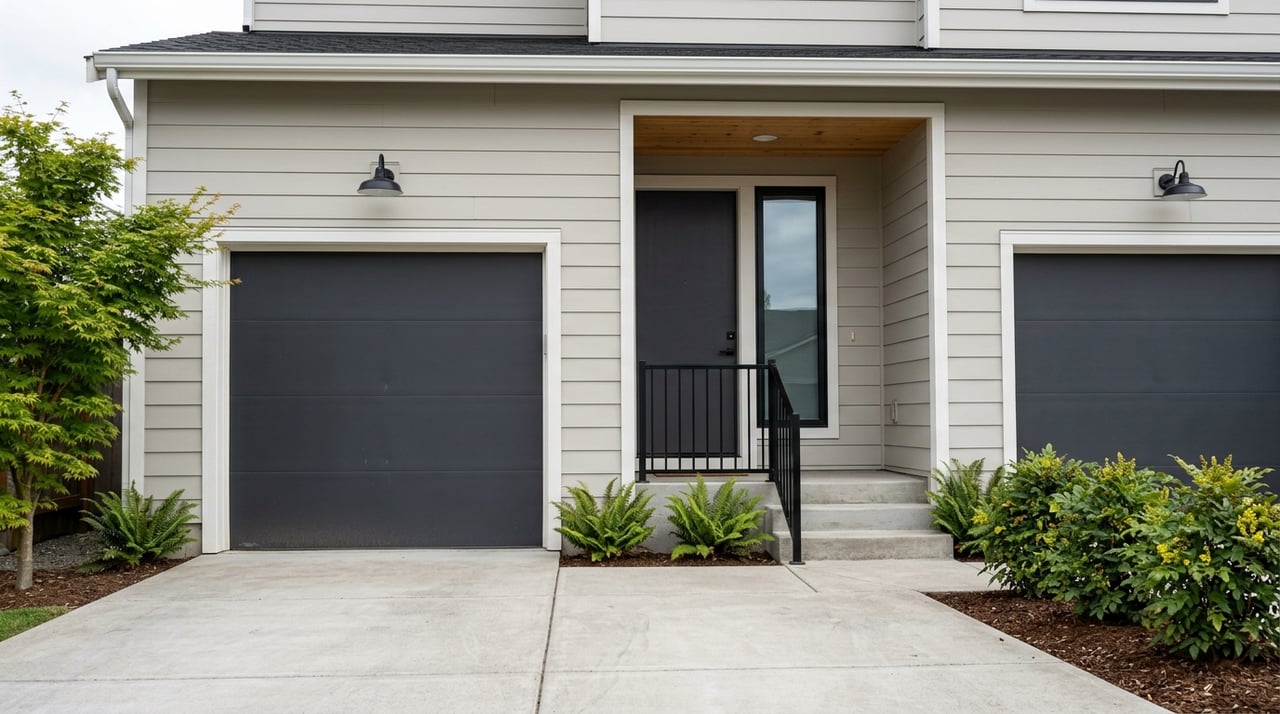
Townhomes usually attract buyers who want a smaller footprint and less exterior maintenance. Depending on how the property is structured, an HOA may handle some or all exterior tasks and common-area upkeep.
That convenience still comes with homework. Fannie Mae advises buyers to review the governing documents carefully to see what the association maintains and what remains the owner’s responsibility.
Why townhomes can make sense in Pullman
Pullman’s zoning code specifically recognizes townhouses as a housing type that supports affordable housing, efficient land use, efficient energy use, and a broader range of homeowner options. That makes townhomes a practical ownership path for buyers who want to own without taking on every aspect of detached-home maintenance.
For some buyers, that can be especially appealing in a university-influenced market. If you split time between Pullman and another city, or if you simply want a more predictable upkeep routine, a townhome can be worth serious consideration.
Compare your day-to-day lifestyle
The easiest way to decide is to picture your normal week, not just your move-in day. Think about what you want to do, what you do not want to do, and what you are comfortable paying someone else to manage.
Choose a single-family home if you want more control
A single-family home may fit you best if your priorities include:
- more privacy
- fewer shared walls
- more yard or outdoor-use flexibility
- more storage potential
- fewer shared community rules
This option can be especially attractive if you enjoy home projects or want space that feels more separate. It can also be a better fit if parking, storage, or outdoor use is important to your routine.
Choose a townhome if you want simpler upkeep
A townhome may fit you best if your priorities include:
- lower exterior-maintenance responsibility
- a smaller footprint
- more predictable upkeep
- shared maintenance for common areas
- comfort with community rules and mandatory assessments
This option can work well if you want ownership but not the full maintenance load of a detached home. It may also appeal to buyers who prefer a more structured property setup.
Understand the real cost difference
The monthly payment is only part of the story. A detached home and a townhome can carry very different ownership costs even if the purchase prices are similar.
With a single-family home, you typically shoulder more of the direct repair and maintenance costs yourself. With a townhome, you may pay regular HOA dues in exchange for shared services and maintenance.
HOA dues are not the same as your mortgage
If you are considering a townhome, treat HOA dues as their own monthly expense. The Consumer Financial Protection Bureau notes that HOA dues are usually paid directly to the association, not bundled into your mortgage payment.
That distinction matters for budgeting. You want to know what you are paying every month, what the dues cover, and what expenses could still come out of pocket later.
Watch for special assessments
A lower-maintenance property does not always mean lower financial risk. Fannie Mae advises buyers to review the association’s financial statements and reserve funding because special assessments can happen.
Washington laws governing HOAs and common-interest communities also require associations to keep records, prepare financial statements, and in many cases maintain reserve studies for future major repairs. That is why the financial health of the association matters almost as much as the unit itself.
Parking matters more than many buyers expect
In Pullman, parking is not a small detail. It can affect convenience, guest access, and how functional the property feels day to day.
Pullman’s code requires off-street parking for new structures. It also states that the nearest required parking for detached dwellings and townhouse dwellings must be on the same lot, and tandem parking can be used to meet parking requirements for single-family dwellings and townhouse units.
That means you should look beyond the listing photos. Ask how many spaces you really have, whether the setup is tandem, whether guest parking is limited, and how the property functions during busy times.
Think ahead about future rental flexibility
If there is any chance you may keep the property as a future rental, do not assume both property types work the same way. This is an area where city rules and governing documents both matter.
Pullman’s short-term-rental chapter says short-term rentals are permitted in zones where single-family homes, townhouses, duplexes, or accessory dwelling units are allowed. But the eligible-dwellings section names only single-family dwellings, duplexes, and ADUs. Because of that difference, buyers should confirm city eligibility before assuming a townhome can be used that way.
You should also confirm HOA rules. Even if a city rule allows a use, association documents may place tighter limits on rentals, occupancy, pets, or other property uses.
What to review before you write an offer
If you are leaning toward a townhome, the document review is a major part of the decision. It helps you understand the true cost, rule structure, and maintenance setup before you commit.
Request these items before writing an offer if they apply:
- CC&Rs
- bylaws
- current budget
- reserve study
- recent meeting minutes
- summary of regular assessments
- summary of any special assessments
- parking rules
- rental restrictions
- pet restrictions
Even if you are buying a detached home, it is smart to verify whether the property is still part of an HOA. Some single-family homes have fewer shared rules than townhomes, but they are not always free of association oversight.
Consider how long you plan to stay
Your likely holding period matters. The Consumer Financial Protection Bureau notes that buying and selling a home can be expensive, so if you expect to move again in only a few years, that should factor into your choice.
If you want a home that can serve you for a longer stretch, a single-family home may offer more flexibility in how you use space over time. If you want ownership with a potentially simpler day-to-day maintenance load, a townhome may be the better match for your current stage of life.
A simple way to make the decision
If you feel stuck, come back to three questions:
- How much upkeep do you truly want to handle?
- How important are privacy and outdoor control?
- How comfortable are you with HOA rules and shared costs?
Your answers will usually point you in the right direction. In Pullman, the best property type is the one that supports your routine, your budget, and your longer-term plans.
Whether you are relocating, buying your first home, or comparing options near Washington State University, local context makes a big difference. If you want help weighing specific neighborhoods, parking setups, HOA documents, or resale potential, Krista Gross can help you compare your options with clear, local guidance.
FAQs
How do Pullman single-family homes and townhomes differ most?
- In Pullman, the biggest differences usually come down to privacy, maintenance responsibility, parking setup, shared walls, and whether you are comfortable with HOA rules and dues.
Are townhomes in Pullman usually lower maintenance?
- Often, yes. Townhomes commonly involve less exterior maintenance for the owner, but you need to review the governing documents to confirm what the HOA handles and what remains your responsibility.
Do Pullman townhomes always have HOA fees?
- Many do, and those fees should be treated as a separate monthly expense. You should also review the association budget, reserve study, and any history of special assessments.
Is parking different for townhomes and single-family homes in Pullman?
- It can be. Pullman’s code requires off-street parking for new structures, and both detached dwellings and townhouse dwellings must have required parking on the same lot, with tandem parking allowed in some cases.
Can you use a Pullman townhome as a short-term rental?
- Do not assume you can. Pullman’s short-term-rental rules should be confirmed carefully, and you also need to check any HOA restrictions before counting on future rental use.
Which is better for first-time buyers in Pullman: a house or a townhome?
- The better fit depends on your budget, upkeep preferences, need for privacy, and comfort with HOA structure. A house offers more control, while a townhome may offer a simpler maintenance model.