Buying in downtown Pullman can feel simple at first glance. A condo or townhome seems like an easy, lower-maintenance path compared with a detached house. But in Pullman, this part of the market is small, varied, and full of details that matter. If you want a smart purchase near downtown or campus, this guide will help you understand inventory, pricing, parking, HOA questions, and what to verify before you write an offer. Let’s dive in.
Why downtown Pullman stands out
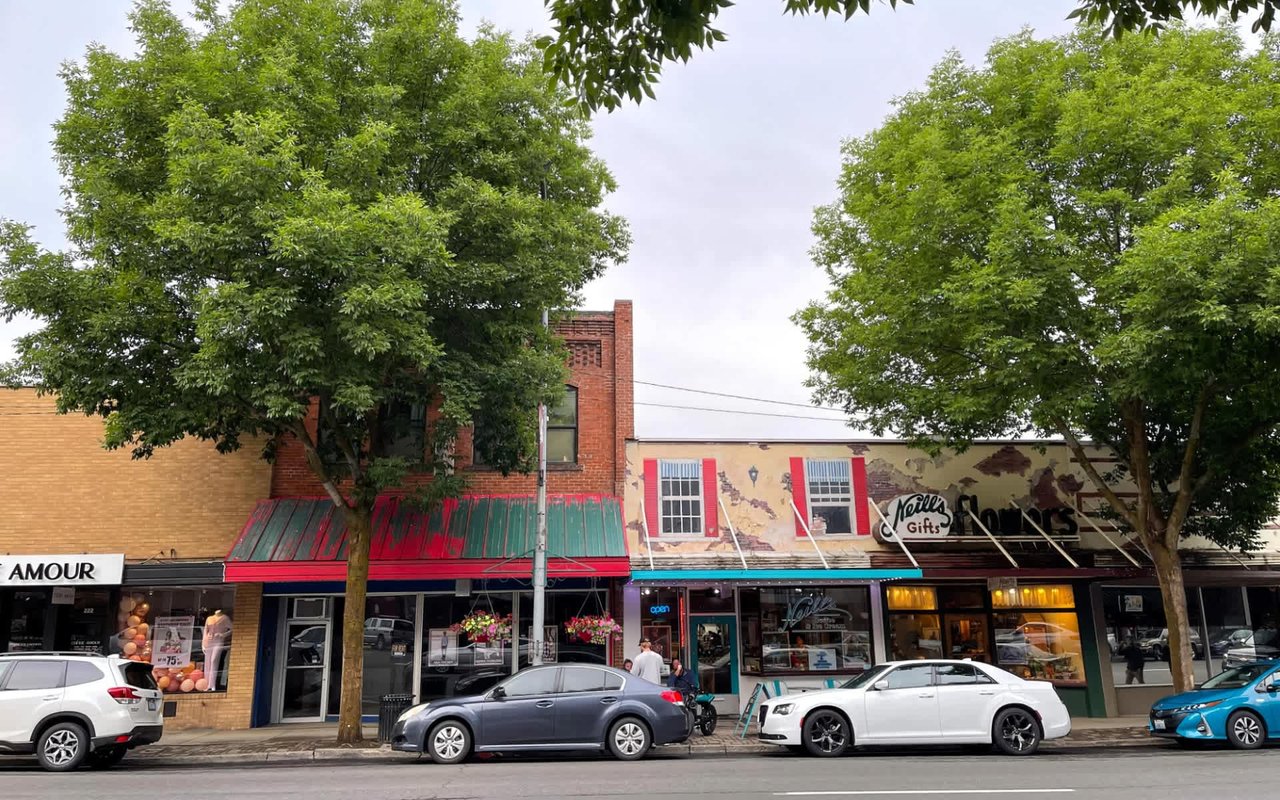
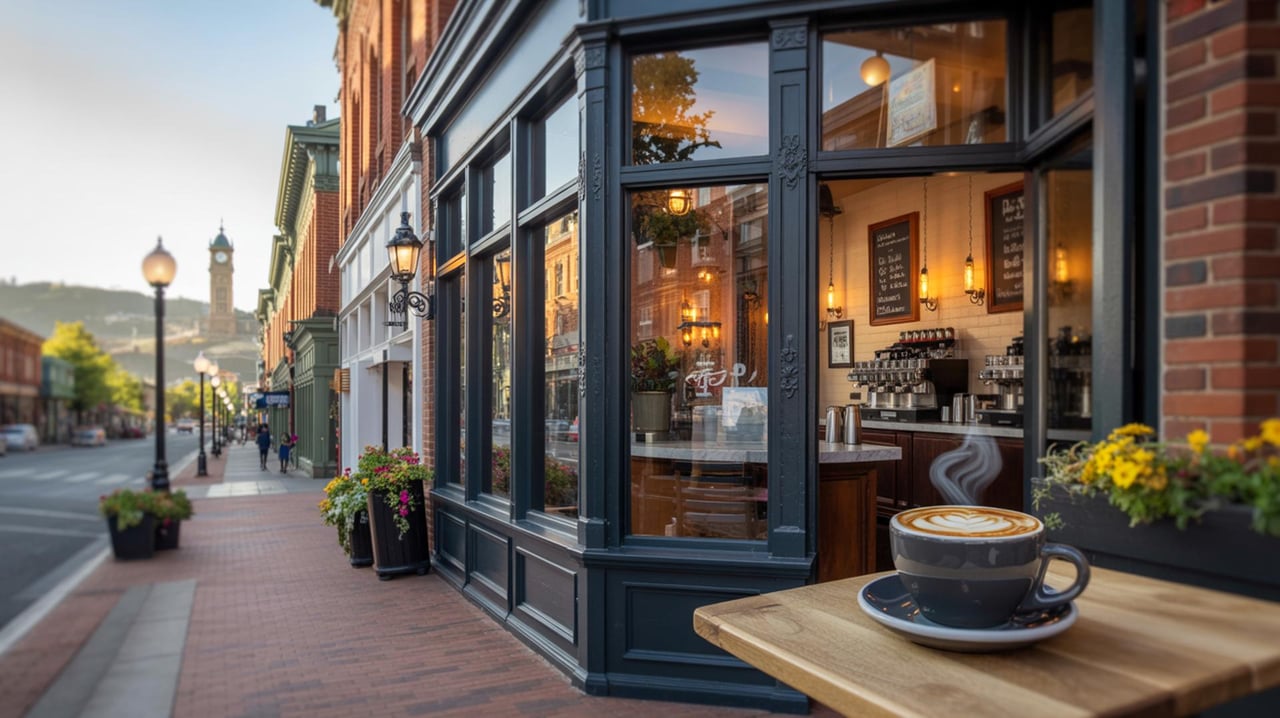
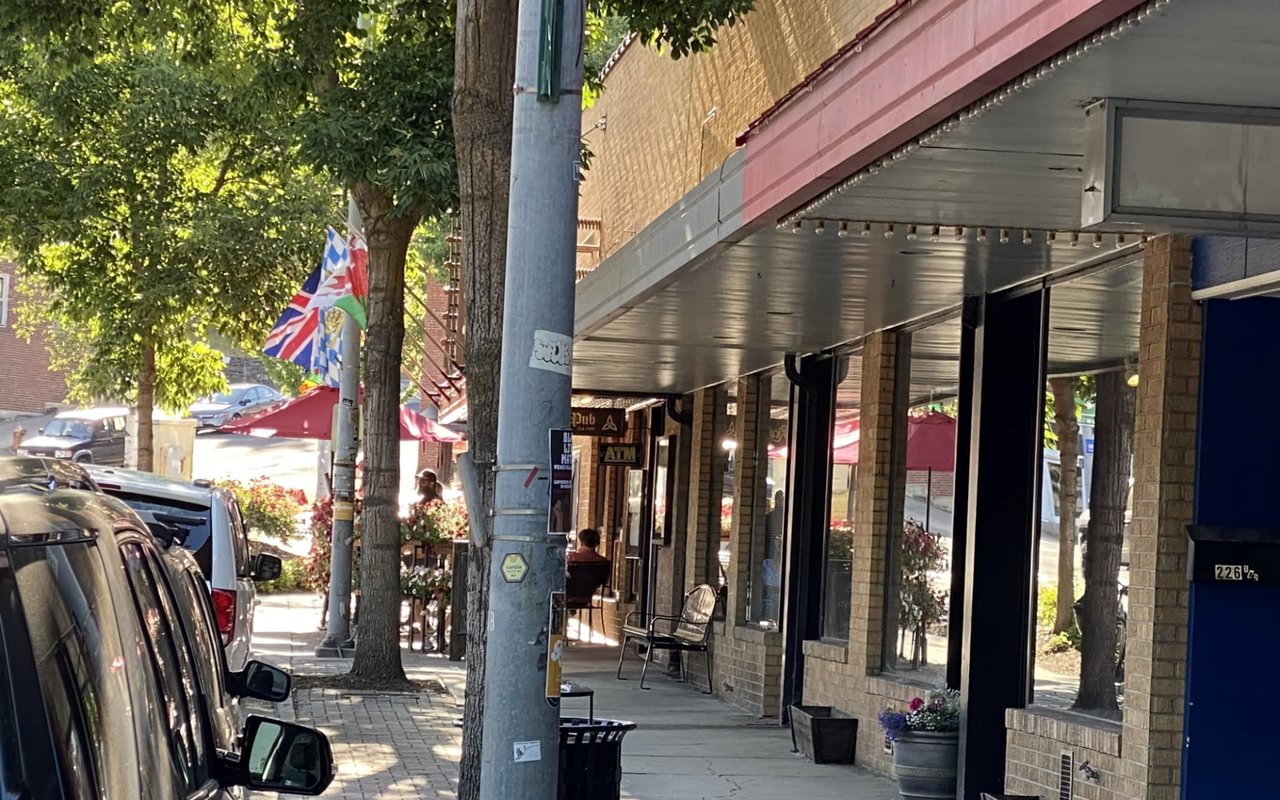
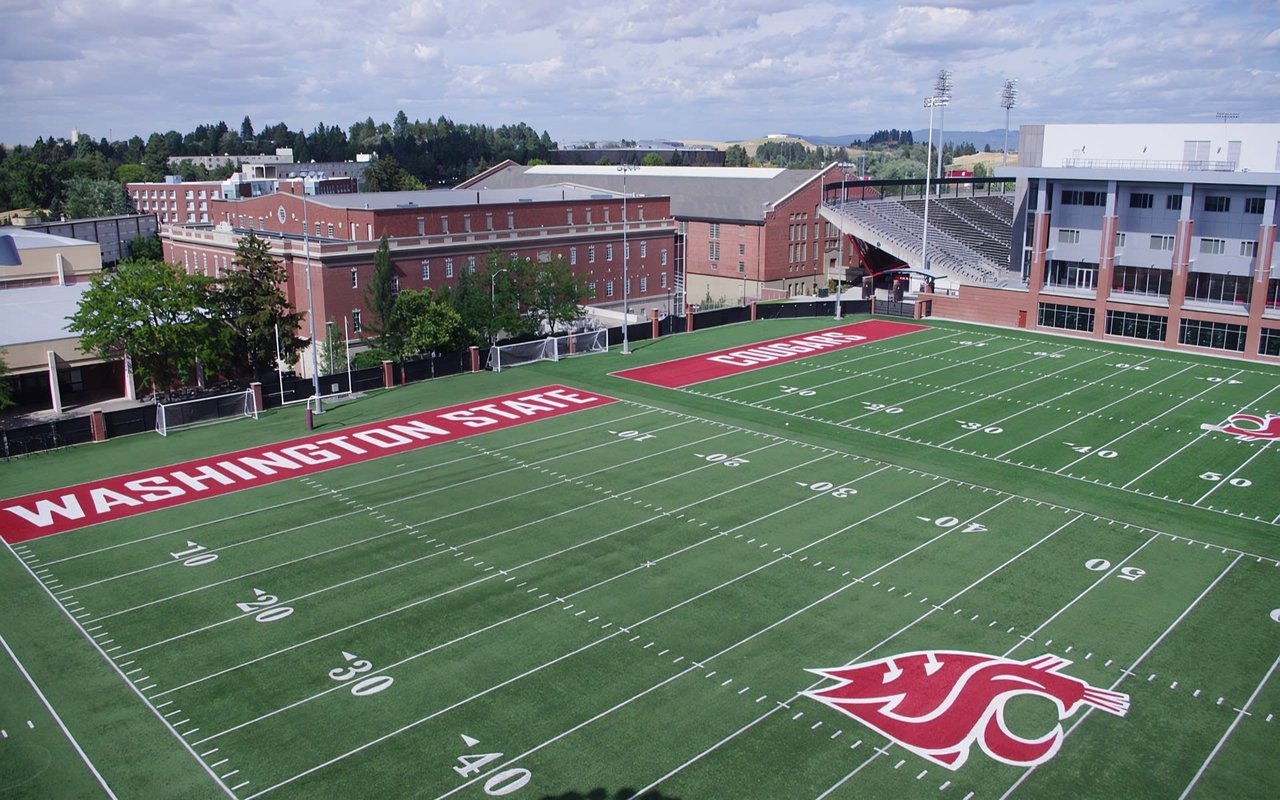
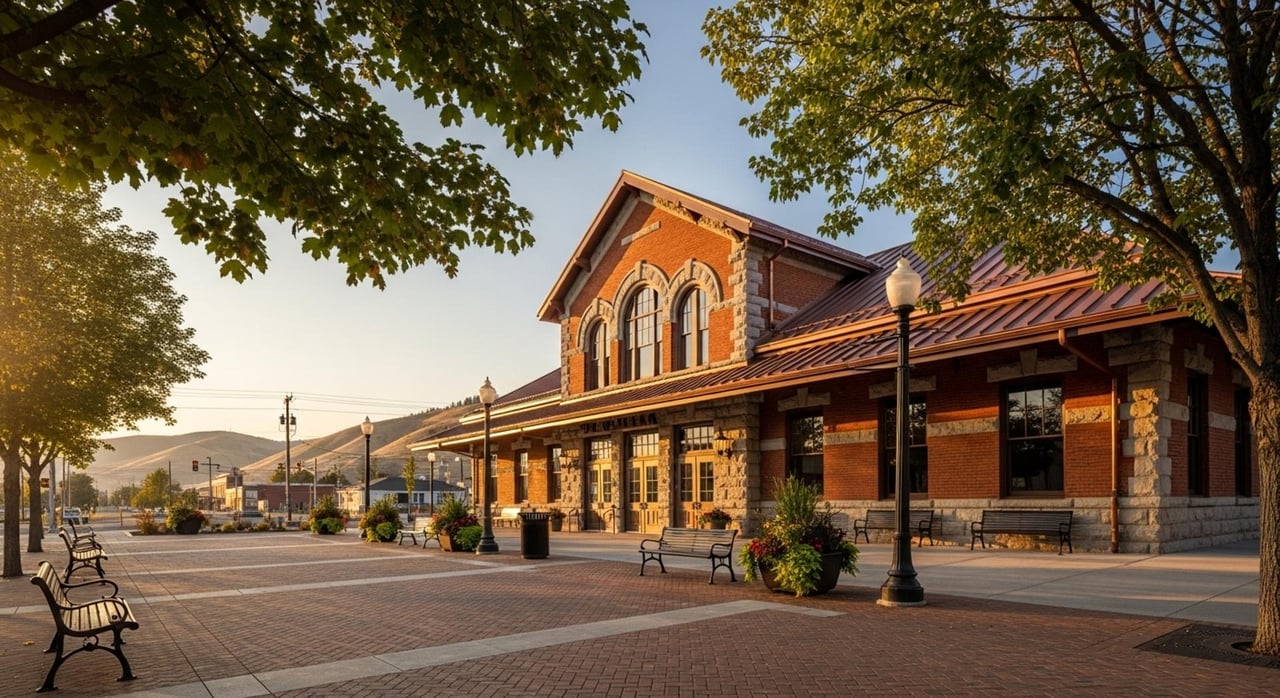
Downtown Pullman is the city’s business district, with public gathering spaces and connections to the Downtown River Walk trail. The city also identifies Washington State University as another major social hub, with room for even stronger connections between campus and downtown. For buyers who want a more convenient daily routine, that location matters.
Pullman overall is considered minimally walkable, which makes downtown and campus-adjacent housing especially practical for buyers who want to reduce everyday driving. According to the City of Pullman Comprehensive Plan, this area offers some of the most realistic low-maintenance living options in town.
What inventory looks like
One of the biggest things to know is that attached-home inventory in Pullman is thin. Redfin’s condo search for Pullman currently shows a small number of condos for sale with a median listing price of $191,000. Its multi-family page also noted only two townhouses for sale in Pullman last month.
That means you should expect less choice and less consistency than you would see in the single-family market. In downtown Pullman and nearby areas, condos and townhomes can differ a lot in age, layout, parking, dues, and ownership structure.
Common condo and townhome layouts
In Pullman, older condos often fall into a practical starter-home range. Recent examples include units around 2 bedrooms, 1 bathroom, and about 1,000 square feet. One unit at 1220 NW State St sold for $187,500 and included a carport, community pool access, and a $255 monthly HOA.
Another unit in that same community sold for $190,000 and included a carport, clubhouse access, storage lockers, and HOA coverage for grounds maintenance, plowing, landscaping, garbage, water, and sewer. These examples show how older condo communities can bundle useful monthly services, but they also require you to read the association documents closely.
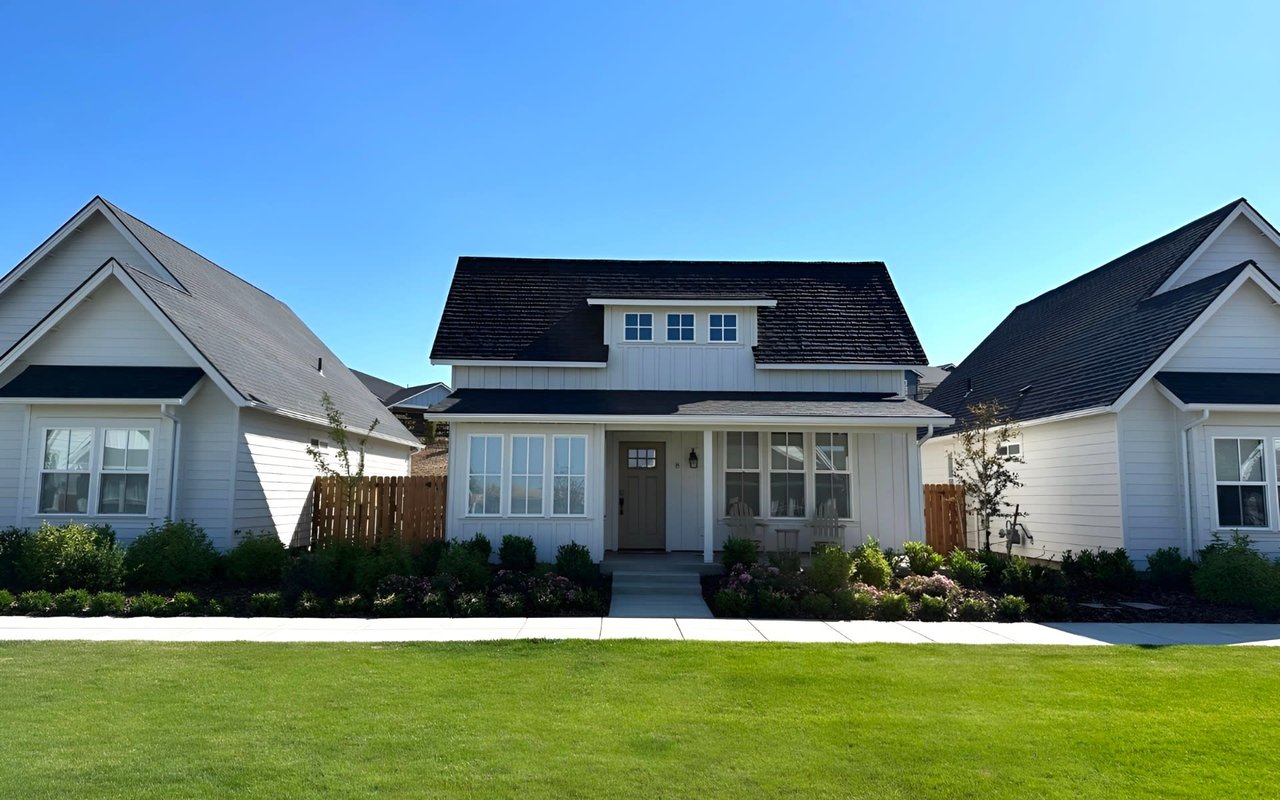
Townhouse-style condos can feel more like a small house. A recent example at 2005 NE Terreview offered 2 bedrooms, 1.5 bathrooms, and 920 square feet, along with covered parking, a private patio, and a $300 HOA that covered water, sewer, garbage, exterior maintenance, landscaping, pest control, and a designated carport.
Larger attached homes also exist near the downtown and WSU corridor. Recent marketing examples on W Main Street and Oak Street showed townhome-style properties with roughly 1,838 to 1,892 square feet, multiple bedrooms and bathrooms, and two-car garages, all with close access to downtown Pullman and Washington State University.
Why the label matters less than the documents
In Pullman, the words condo, townhouse-style condo, and townhome are not always enough to tell you what you are buying. Two properties may look similar from the street but have very different legal structures, maintenance obligations, and financing considerations.
That is why you should verify the legal ownership setup and review the HOA documents instead of relying on the listing label alone. This matters even more in a market like Pullman, where attached homes range from older 1968-era buildings to much newer or even to-be-built townhome products.
How pricing compares with houses
For many buyers, the biggest draw is price. Pullman’s broader market remains moderate by Washington standards, but attached homes often provide a lower-cost entry point. Redfin’s Pullman housing market data shows a median sale price of $435,000 in February 2026, while condos currently cluster much lower.
The attached-home examples in the research ranged from about $187,500 to $325,400, with some larger townhome-style options around $199,500. Compared with a citywide median sale price in the low-to-mid $400,000s, that can be a meaningful gap for first-time buyers, university-linked buyers, and investors looking at entry costs.
The lifestyle tradeoffs to expect
A condo or townhome can lower your purchase price and reduce exterior maintenance, but there is always a tradeoff. In most cases, you gain convenience while giving up some privacy, yard space, and parking flexibility.
You also take on HOA dues and community rules. In return, you may get services like landscaping, snow removal, exterior maintenance, garbage, water, sewer, or amenity access. For buyers who want a simpler routine near downtown or campus, that exchange can make a lot of sense.
Parking is a bigger issue downtown
Parking deserves extra attention when you shop for a downtown Pullman condo or townhome. In Pullman’s downtown free parking zone, parking on streets and public lots is generally limited to two consecutive hours between 8 a.m. and 6 p.m. Monday through Saturday, though some city-owned lots allow longer or overnight parking in specific areas. You can review the current rules in the Pullman municipal code.
This matters because street parking may not work the way it does in a more suburban neighborhood. If your unit has only one assigned space, a carport, or garage parking but limited guest parking, you will want to understand that before you commit.
The city’s zoning code also requires only one parking space for every four townhouse units. That helps explain why some attached-home projects rely on a mix of garages, driveways, and limited street parking rather than abundant dedicated spaces.
Car-light living near downtown and WSU
If your goal is to drive less, downtown or campus-adjacent attached housing offers one of the strongest cases in Pullman. WSU Transportation directs commuters to options including Pullman Transit, Zipcar, Zimride, biking, and walking. The university also notes that parking permits can be purchased at the Brelsford Visitor Center in downtown Pullman.
That does not mean every property is truly walk-everywhere. It does mean buyers who want fewer daily driving chores may find downtown and nearby areas more practical than other parts of Pullman.
HOA dues vary more than many buyers expect
One of the easiest mistakes is assuming HOA dues rise in a simple way with square footage. In Pullman, the examples in the research showed monthly dues ranging from $232 to $650. That is a wide range for a small market.
The difference usually comes down to what the fee covers, how old the buildings are, the level of amenities, and how much maintenance responsibility sits with the association. A basic older condo community may include utilities and exterior upkeep at one price point, while a more amenity-rich project with a pool or more extensive shared maintenance can be much higher.
HOA questions to ask before you offer
Before you write an offer, ask for the full picture. The monthly fee only tells part of the story.
Here are some of the most important questions to ask:
- What does the monthly HOA fee include?
- Does it cover water, sewer, garbage, landscaping, snow removal, pest control, parking, or amenity access?
- Is there a current reserve study?
- Are there any active or planned special assessments?
- What does the association’s master insurance policy cover?
- What parts of the unit will require your own homeowner policy?
- Who is responsible for the roof, siding, windows, decks, carports, and common areas?
- Are there rules about rentals, pets, exterior changes, or short-term occupancy?
According to Fannie Mae’s project standards guidance, buyers should review financial statements, reserve studies, and any active or pending special assessments. Fannie Mae also advises buyers to review governing documents and understand insurance responsibilities through its HOA guidance for homeowners.
Older buildings need a closer look
Many of Pullman’s condo examples date from 1968 to 1980, while some larger townhome-style properties are much newer. Age alone does not make a property a good or bad fit, but it does change the questions you should ask.
With older complexes, you will want to pay close attention to common-area maintenance, reserve funding, building systems, and whether the association has kept up with long-term repairs. With newer or to-be-built products, you still need to review dues, maintenance responsibilities, and legal structure carefully.
Who may benefit most from this type of home
A downtown Pullman condo or townhome can work well if you want a lower-maintenance property close to downtown, campus, or transit options. This type of home may appeal to first-time buyers, WSU-linked relocators, buyers looking for a part-time residence, or purchasers who want to keep their upfront costs lower than a detached home might require.
It can also make sense if you value convenience more than a large lot or a fully private outdoor space. The right fit depends on how you live day to day, how many vehicles you need to accommodate, and how comfortable you are with HOA rules and shared upkeep.
A smart buying strategy in downtown Pullman
Because inventory is limited, good attached homes in Pullman may not come along in a steady, predictable stream. It helps to get clear on your must-haves before a listing appears. Focus on your budget, preferred location, parking needs, ownership structure, and acceptable HOA range.
When a property does hit the market, move from the headline details to the fine print quickly. A low list price can still come with high dues, limited financing flexibility, or parking constraints. A higher monthly HOA might still be worthwhile if it offsets major maintenance costs you would otherwise carry on your own.
If you want help comparing options near downtown or campus, Krista Gross can guide you through the numbers, the documents, and the neighborhood-level tradeoffs so you can buy with confidence.
FAQs
What is the typical price range for condos and townhomes in Pullman?
- Recent attached-home examples in Pullman ranged from about $187,500 to $325,400, while Pullman condos were listed at a median price of $191,000 in the research.
What should buyers know about downtown Pullman parking for condos and townhomes?
- Downtown parking is more regulated than in many residential areas, with two-hour limits in the free parking zone during certain daytime hours, so you should confirm assigned parking, guest parking, and permit options before buying.
What do Pullman condo HOA dues usually cover?
- Coverage varies by community, but local examples included combinations of water, sewer, garbage, landscaping, plowing, exterior maintenance, pest control, parking, pool access, and clubhouse access.
What is the difference between a Pullman condo and a townhouse-style condo?
- In Pullman, the marketing label does not always tell the full story, so you should verify the legal ownership structure, maintenance responsibilities, and HOA documents for any attached home you consider.
Are downtown Pullman condos a good fit for car-light living?
- They can be one of the more practical options in Pullman for buyers who want to reduce daily driving, especially near downtown and WSU, where transit, walking, biking, and other transportation options are more accessible.