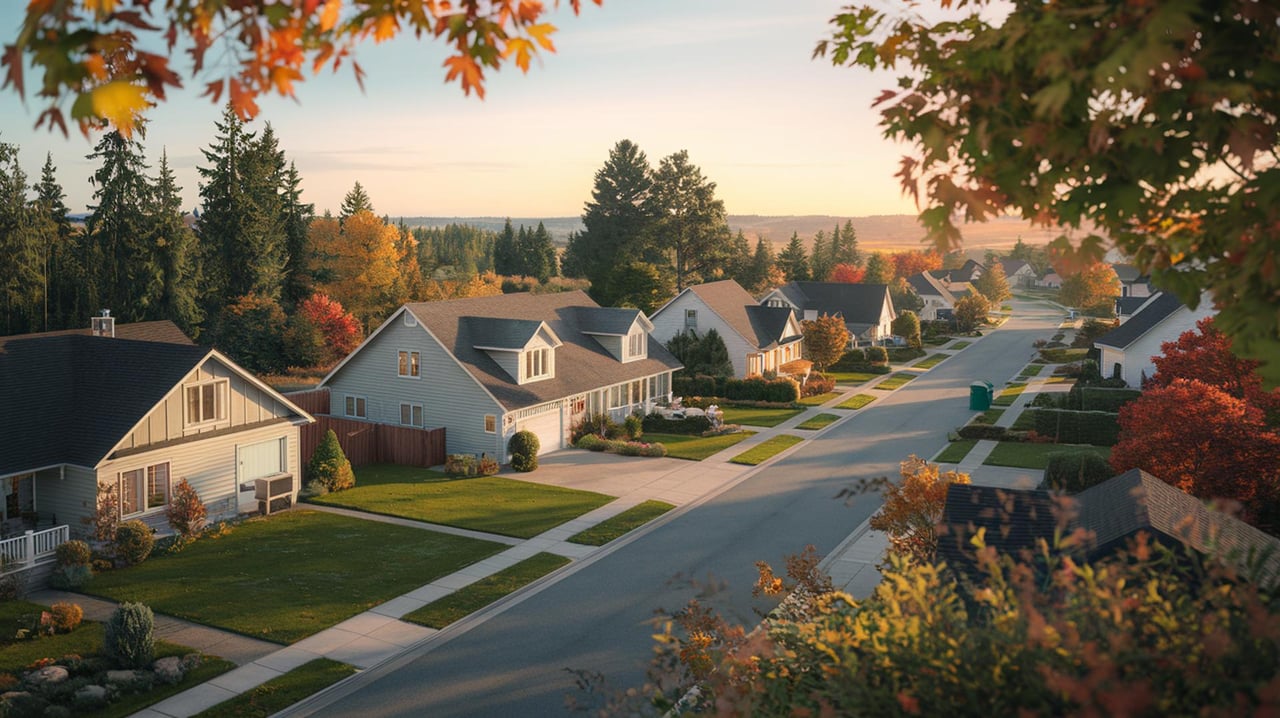
Buying a home from out of town can feel risky, especially when you are trying to judge a street, a slope, or a floor plan through a screen. If you are moving to Pullman for Washington State University, a job change, or a family transition, you are not alone. Remote buying is a common path here, but it works best when you have a smart process before you fall in love with a house. Let’s dive in.
Why Remote Touring Works in Pullman
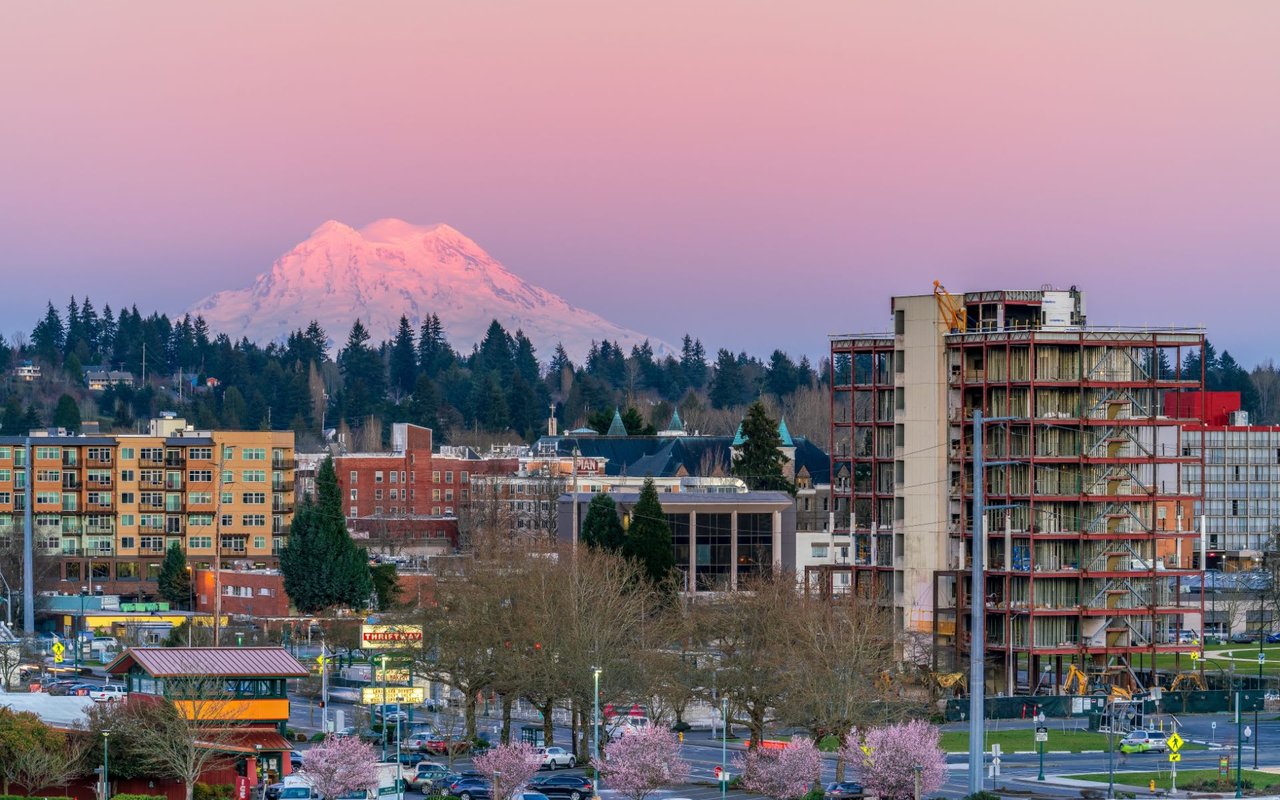
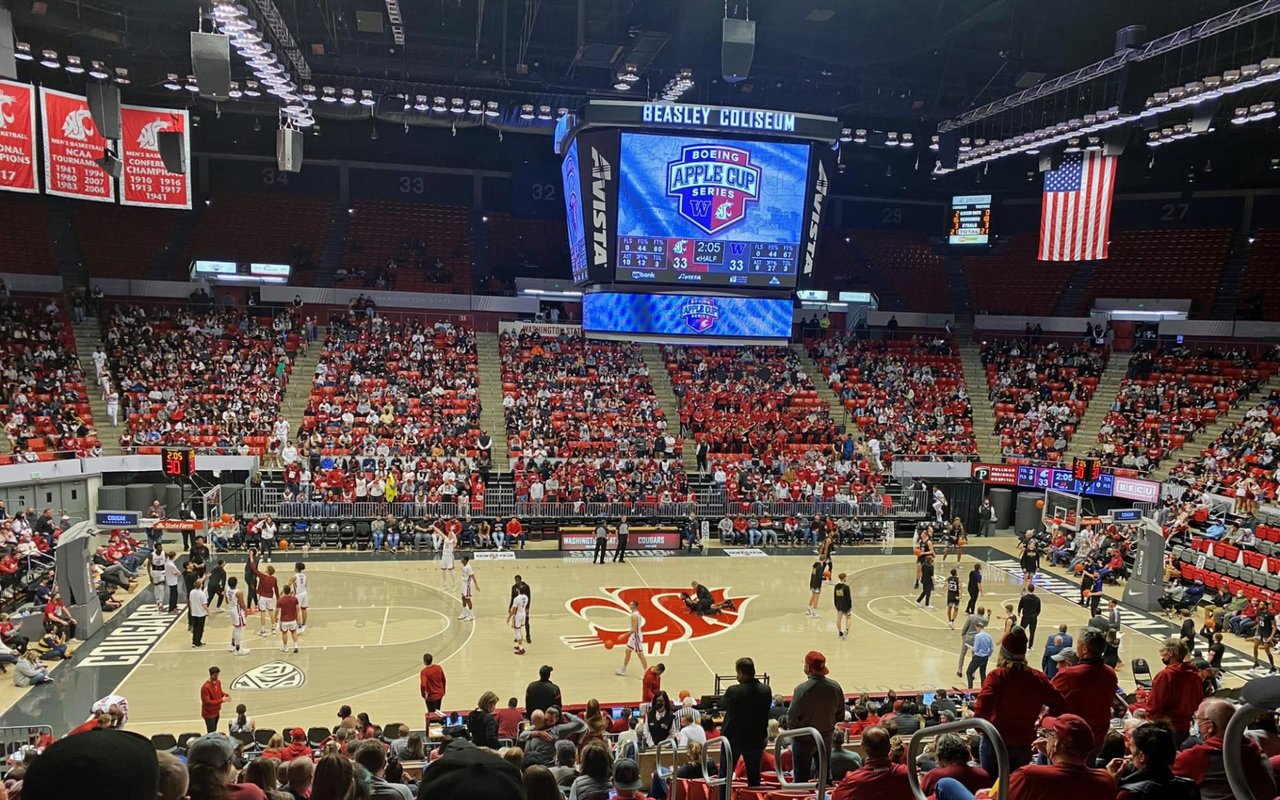
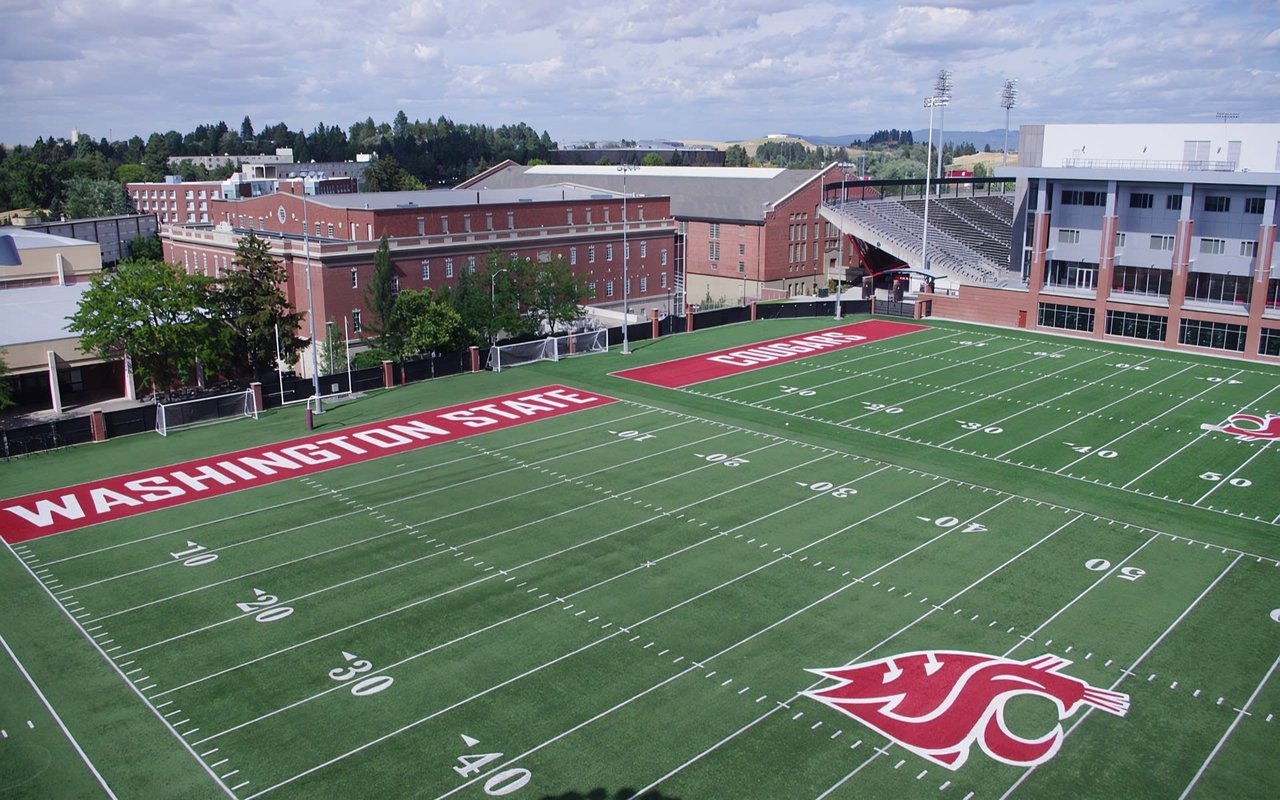
Pullman is home to Washington State University’s flagship campus, which enrolled 16,449 students in fall 2024. The city sits about 75 miles south of Spokane in the Palouse, and housing choices range from in-town homes to more rural properties. That mix makes remote shopping especially relevant for faculty, staff, parents, and relocating households.
The local market also rewards preparation. In March 2026, Redfin reported a median Pullman sale price of $439,000 and a median of 19 days on market, while Realtor.com reported Whitman County as a balanced market with 259 homes for sale, a $379,000 median listing price, and 46 median days on market. These numbers measure different things, but together they suggest that organized buyers have an advantage.
Start With Financing Readiness
Before your first live tour, get your financing team lined up. A preapproval letter can help you shop with confidence, and it does not lock you into using that lender for the final loan. That flexibility matters if you want to compare options later.
The practical goal is simple: be ready before the right home appears. You can still compare Loan Estimates after you have a property under contract, and it is wise to compare APR, fees, and total payment, not just the interest rate. For a remote buyer, this step creates speed without giving up choice.
Make Live Video Tours More Useful
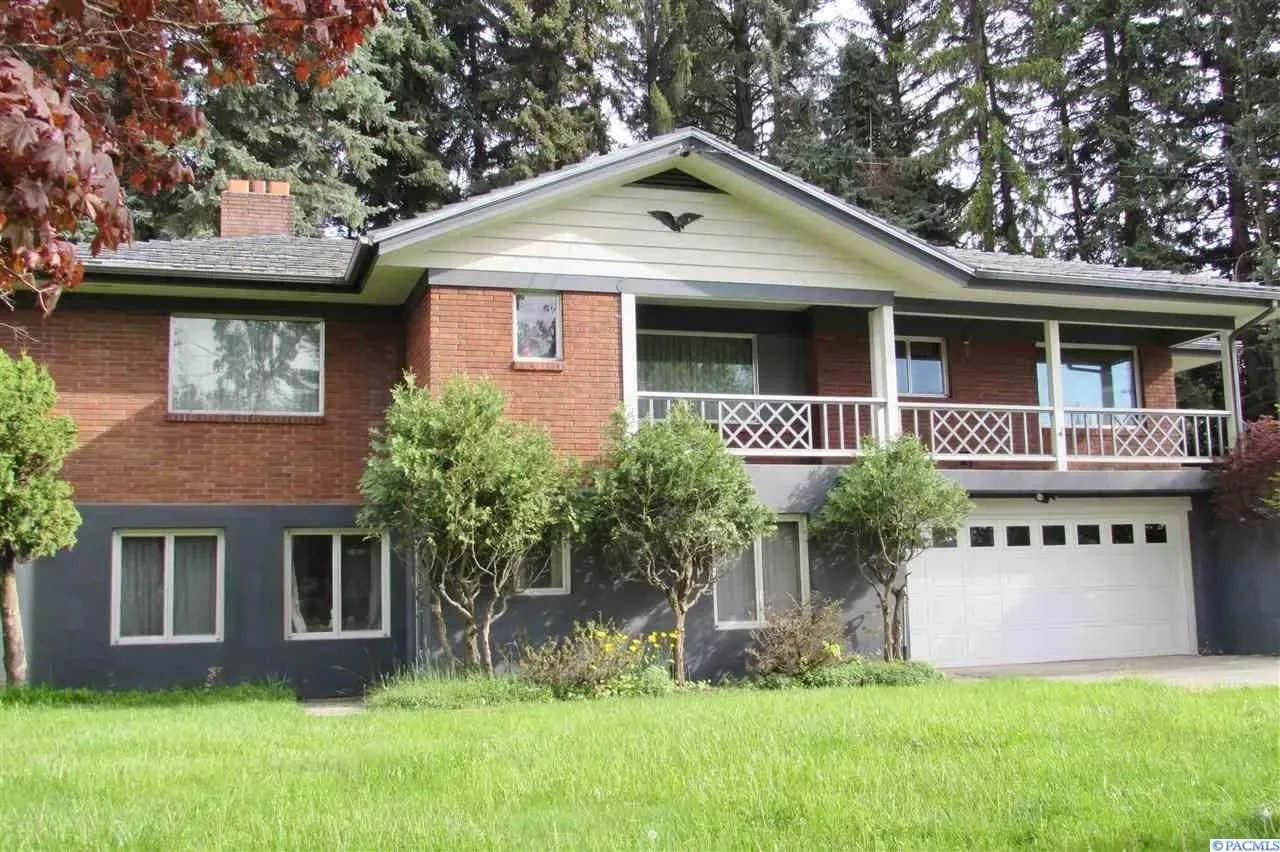
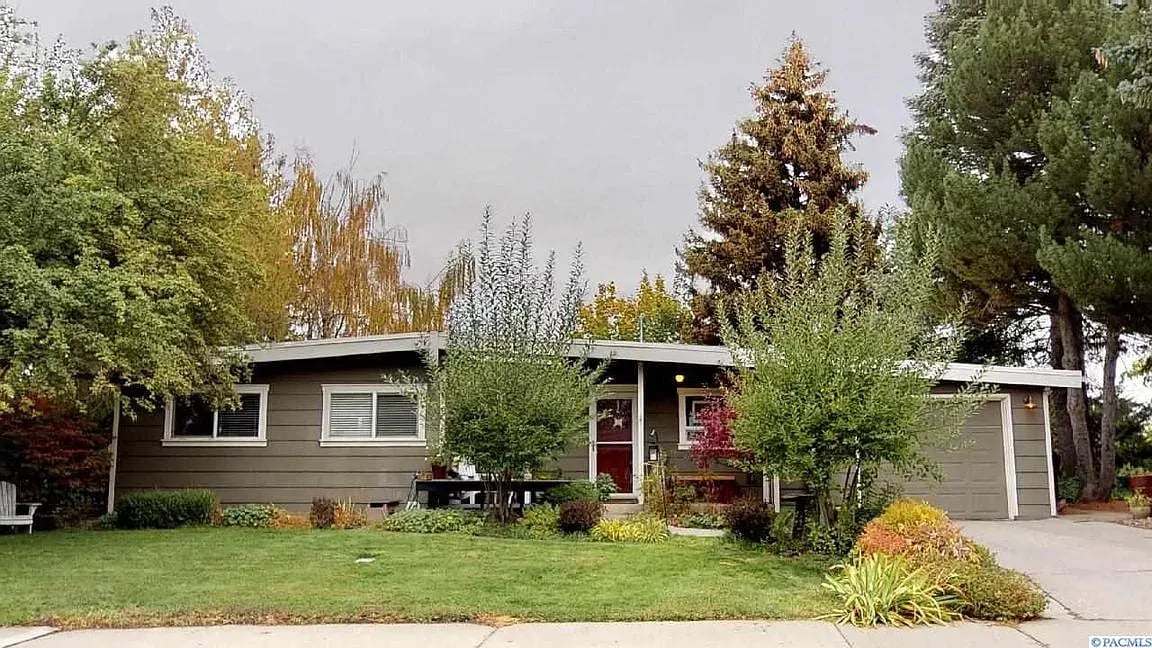
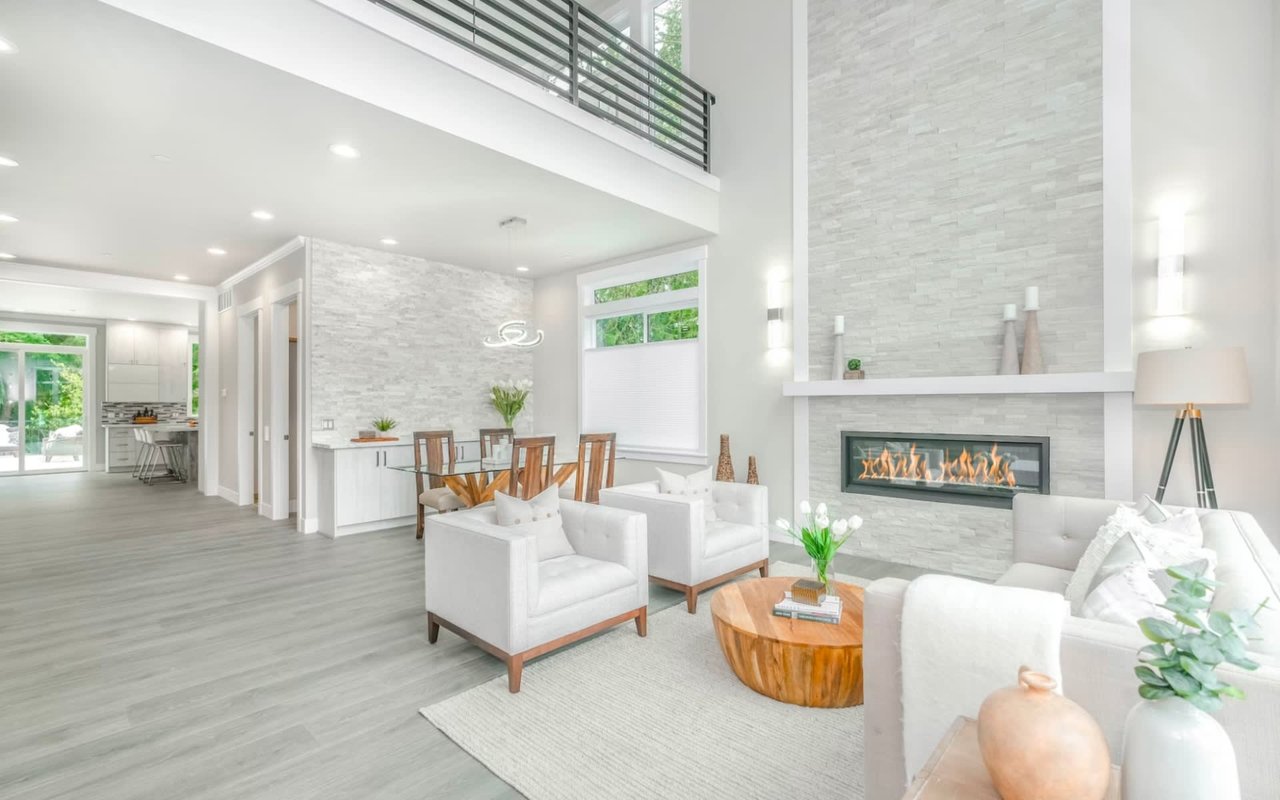
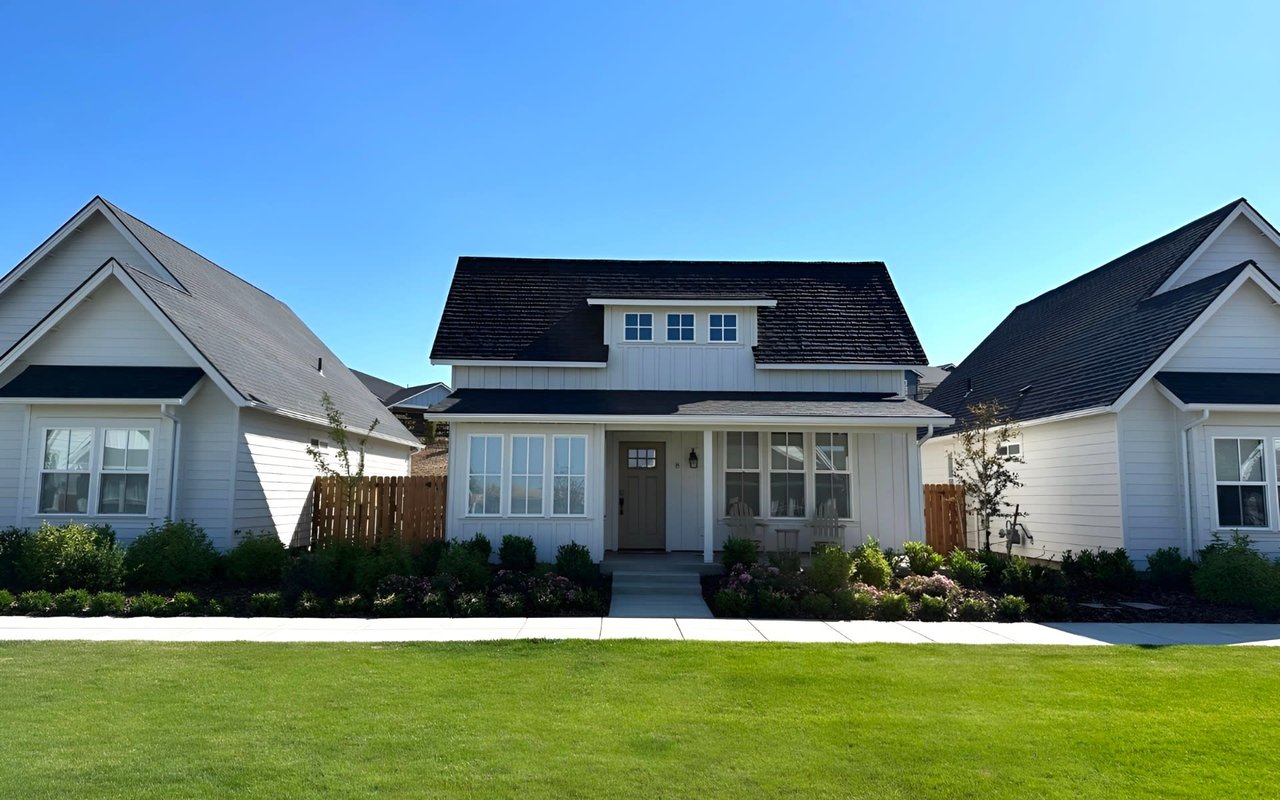
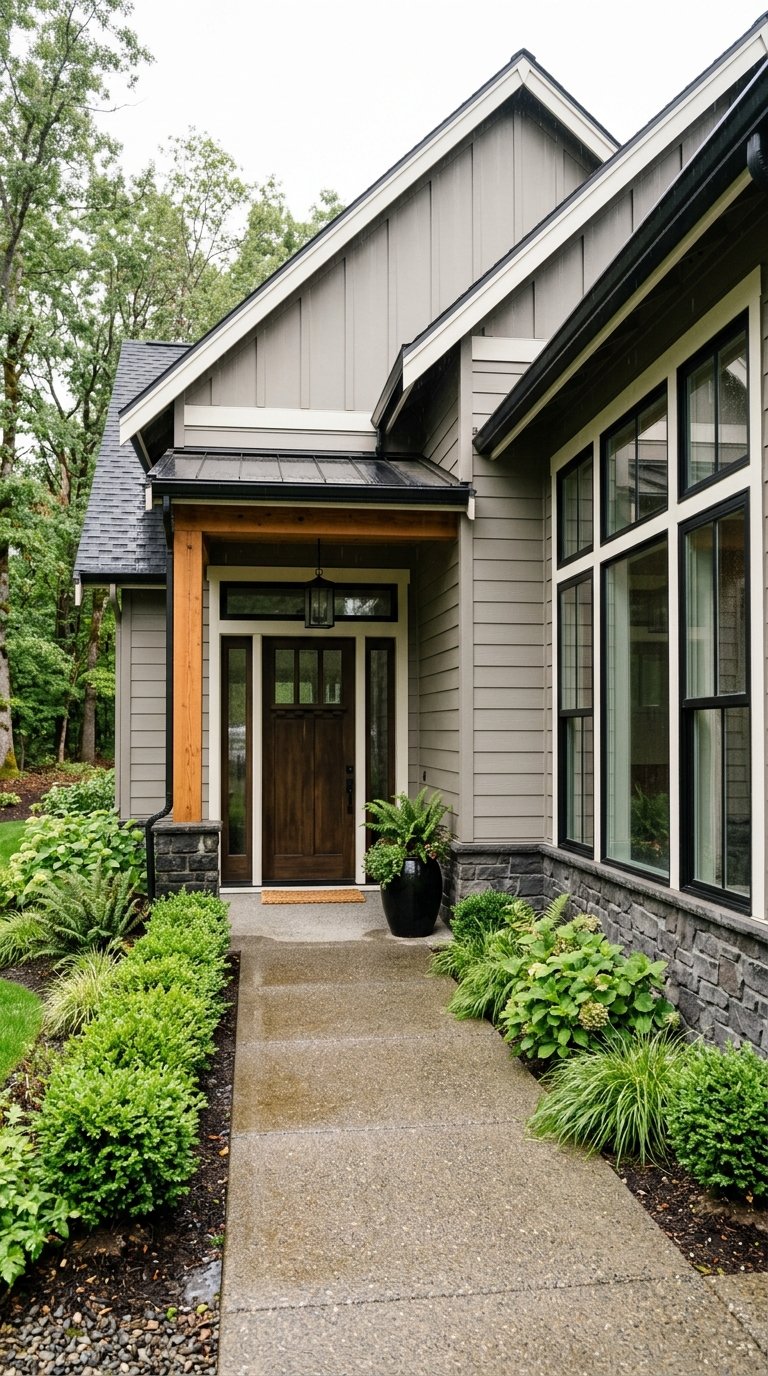
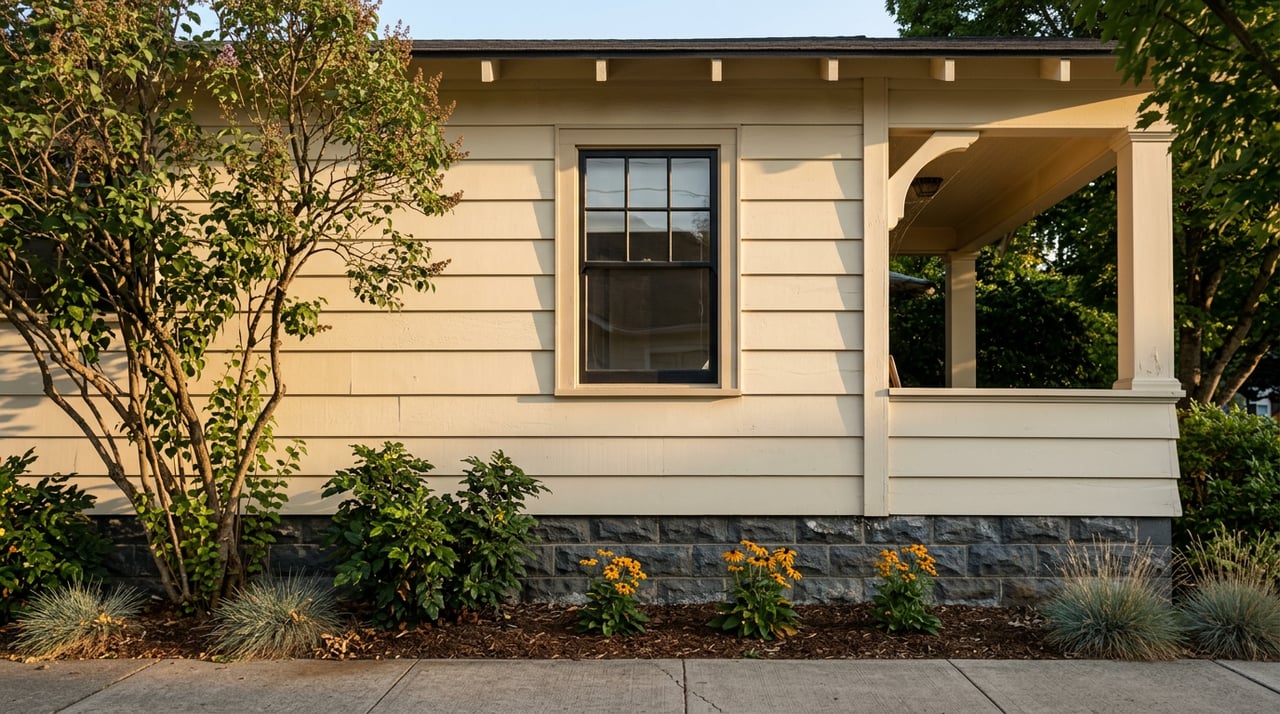
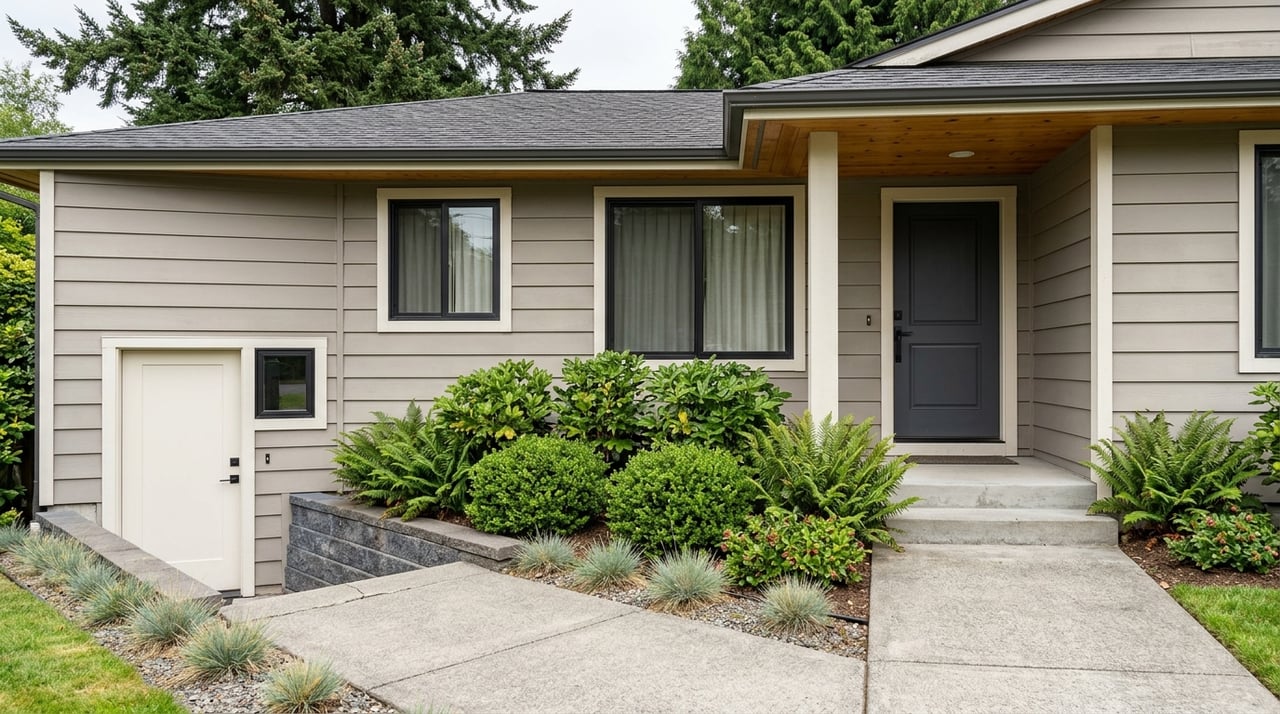
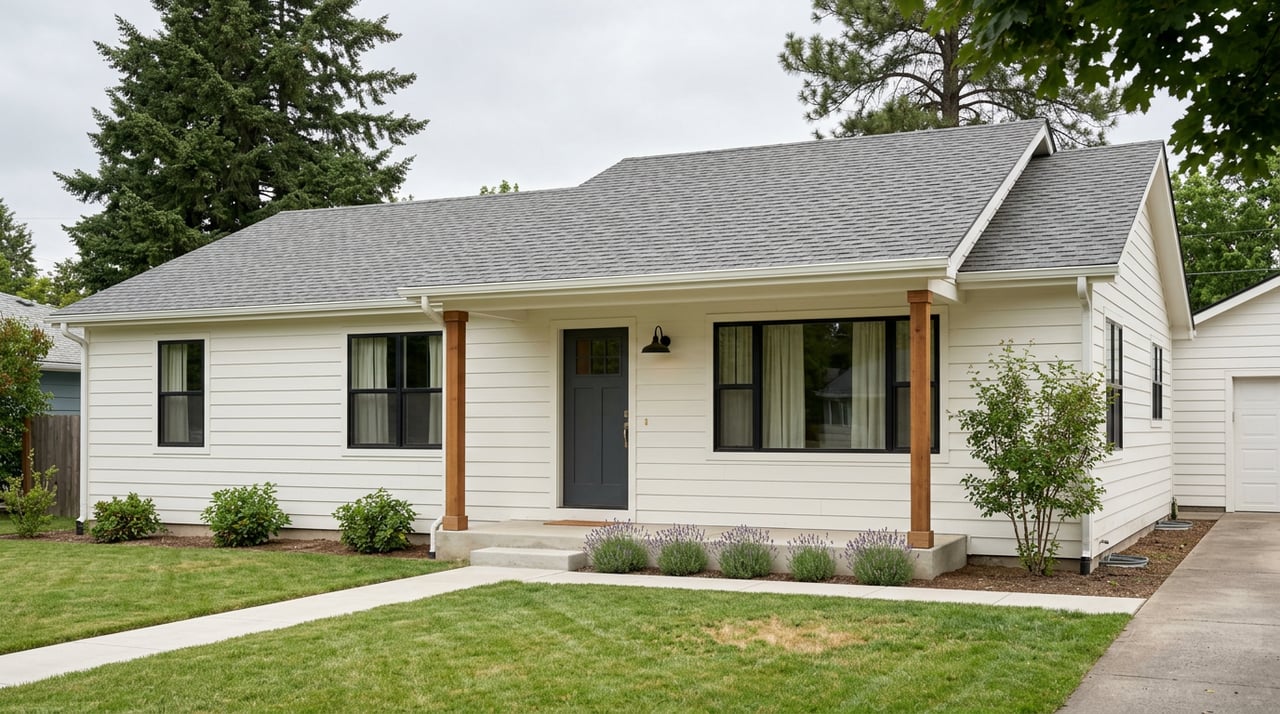
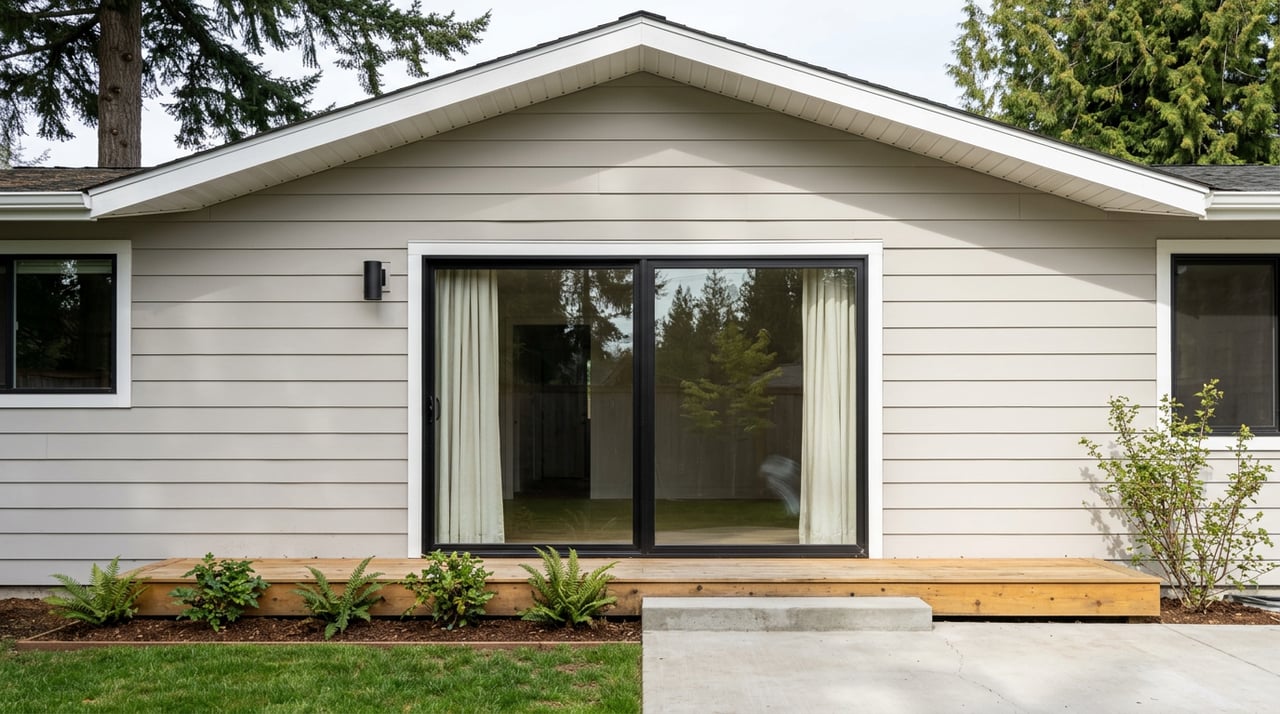
Photos are helpful, but they rarely answer the questions that matter most when you are not there in person. A strong live video showing should help you understand how the home feels, not just how it looks. In Pullman, that matters because homes can vary quite a bit by setting, access, and topography.
During a live walkthrough, ask for a closer look at details like:
- Exterior condition
- Rooflines
- Driveway slope
- Street parking
- Daylight at different angles
- Noise levels inside and outside
- Lot placement and nearby surroundings
- Whether the setting feels close to town or more rural
A good remote tour should replace as many on-site senses as possible. You want to know what the listing photos left out, not just hear a repeat of what you already saw online.
Build a Simple Remote Touring System
Remote buyers do best when each tour follows the same structure. That makes it easier to compare homes later, especially after you have seen several properties over video. It also helps you make decisions based on facts instead of first impressions.
A simple system might include:
- Review the listing and flag your questions before the showing.
- Watch the live tour with notes open.
- Ask for specific views of the street, yard, and approach to the home.
- Confirm details that affect daily use, like parking, access, and layout flow.
- Save your top takeaways right after the tour ends.
This kind of repeatable process can keep you grounded if the market moves quickly. It also helps your agent understand what matters most to you from one showing to the next.
Use Seller Disclosure as a Decision Checkpoint
In Washington, the seller disclosure statement is more than just a form to sign and file away. For improved residential property, the seller generally must deliver the disclosure within five business days after mutual acceptance unless the buyer waives it or an exemption applies. After receipt, the buyer generally has three business days to rescind.
For a remote buyer, that timing matters. This is a built-in checkpoint where you can slow down, review the details, and decide whether the home still fits your goals. When you are buying from a distance, that pause can be incredibly valuable.
The Washington disclosure form can also reveal practical issues that deserve a closer look. It asks about topics such as:
- Title matters
- Easements and access
- Water sources
- Flooding or leaks
- Past remodels
- Permits and final inspections
That information can help you decide what follow-up questions to ask next. It can also point you toward the right inspector or specialist if something needs more review.
Get Local Eyes on the Property
A seller disclosure is based on the seller’s actual knowledge and is for disclosure only, not a warranty. Washington law specifically advises buyers to use qualified experts such as building inspectors, surveyors, plumbers, electricians, roofers, and structural pest inspectors for a more complete review. That advice is especially important when you are not physically present.
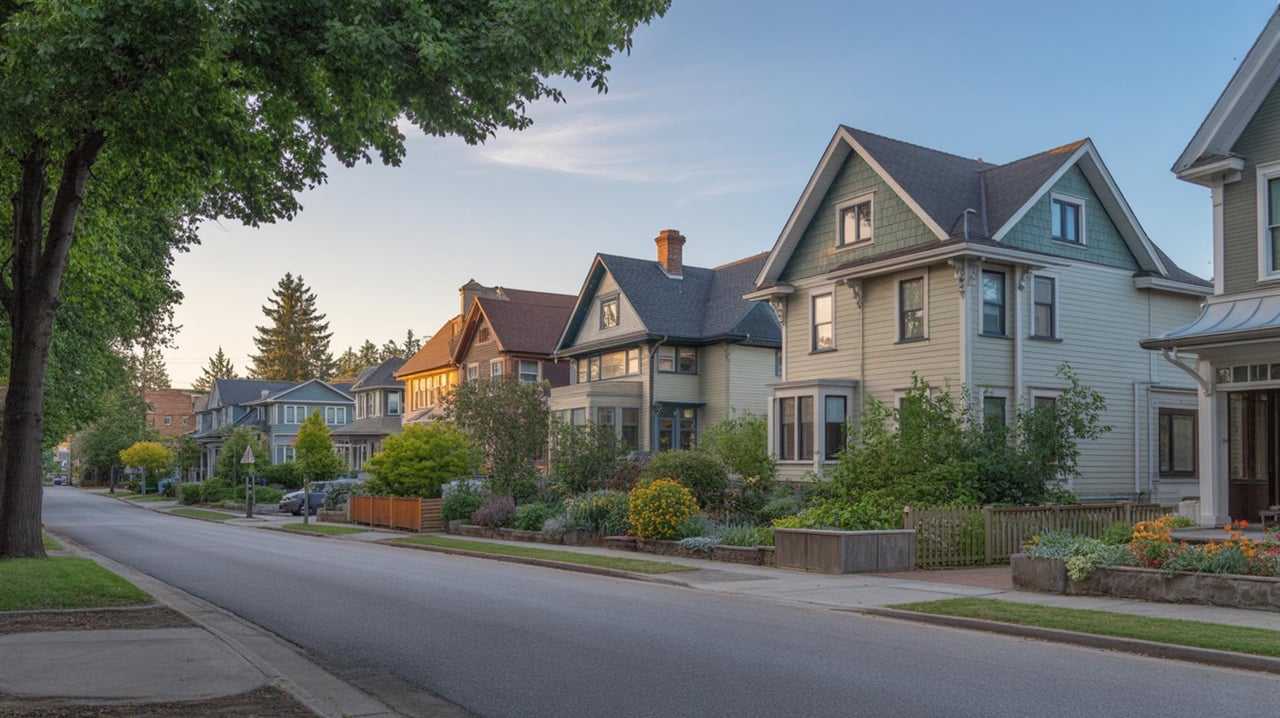
In Pullman, local insight can make a big difference because lot conditions, slopes, access, and property settings can vary. A camera may not fully capture how a driveway functions, how a lot sits, or what the surrounding area feels like in real time. A local second opinion can help confirm what you think you saw on screen.
This is one of the moments when having an on-the-ground REALTOR® matters most. You may need help coordinating inspections, interpreting findings, or getting a realistic read on details that do not translate well through video.
Know the Remote Closing Tools in Washington
Yes, you can often buy a Pullman home without being in town for every step. Washington adopted the Uniform Electronic Transactions Act effective June 11, 2020, which supports the use of electronic transactions. Washington also allows remote notarial acts when the notary has the required endorsements and the notarial certificate shows that communication technology was used.
Whitman County’s Auditor accepts documents for e-recording, which helps support a largely remote closing process. That can make a big difference if you are relocating from another city or state and want to avoid extra travel at the finish line.
Even so, remote closings still require careful coordination. Before you write an offer, it helps to confirm that your lender, title or escrow provider, and notary workflows all align with the level of remote handling you need.
Watch the Final Deadlines Closely
Remote buying is convenient, but timing still matters. Some of the most important deadlines happen after you are already under contract. If you miss one, your options may narrow quickly.
Keep these windows in mind:
| Stage | Why It Matters |
|---|---|
| Financing setup | Helps you act quickly and tour with confidence |
| Seller disclosure delivery | Generally due within five business days after mutual acceptance |
| Disclosure rescission window | Generally three business days after receipt |
| Closing Disclosure review | Must be delivered at least three business days before closing |
That final Closing Disclosure deserves real attention. You should compare it with your earlier Loan Estimate and ask about any differences before closing day arrives.
Protect Yourself From Wire Fraud
One of the biggest remote-closing risks has nothing to do with the home itself. It is fraud. The FTC warns that scammers may impersonate a loan officer or another professional involved in your deal and try to redirect your wire transfer at the last minute.
Before sending funds, verify any wiring instructions using a known phone number or email you already trust. Do not rely on a last-minute message alone. A quick verification step can help protect your money and your closing timeline.
Add Education and Support Early
If you want more structure, Washington offers a useful local resource. The Washington State Housing Finance Commission provides homebuyer education, specialized loans, downpayment assistance, and energy incentives. Its brochure says the seminars are free five-hour classes, and its registration page shows that virtual classes are allowed.
That can be especially helpful if you are a first-time buyer or simply want a clearer roadmap before making a long-distance purchase. Education tends to reduce stress, and remote buyers often benefit from extra clarity early in the process.
A Smart Pullman Remote Buyer Plan
If you want the remote process to feel manageable, keep your plan simple and local. Start with financing readiness, use live video tours to answer real-world questions, treat the seller disclosure as a decision checkpoint, and bring in local experts before you commit. Then confirm your closing team can support e-signatures, remote notarization where appropriate, and e-recording.
Pullman is a market where preparation pays off. If you are buying from outside the area, the right guidance can help you move with confidence instead of guesswork.
If you are planning a move to Pullman or the Palouse, Krista Gross can help you build a clear remote-buying strategy with virtual tours, local insight, and steady guidance from search to closing.
FAQs
Can you buy a home in Pullman without being in town?
- Yes. Washington’s e-signature rules, remote notarization options when properly authorized, and Whitman County e-recording can support a largely remote transaction when your lender and closing team are aligned.
What matters most during a remote Pullman home tour?
- Focus on details photos often miss, including exterior condition, rooflines, driveway slope, street parking, noise, daylight, and whether the lot feels more in-town or rural.
When do seller disclosure deadlines matter in Washington home purchases?
- For improved residential property, the seller generally must deliver the disclosure within five business days after mutual acceptance, and the buyer generally has three business days to rescind after receiving it.
Why should remote buyers in Pullman get local inspections or second opinions?
- Washington’s disclosure form is based on the seller’s actual knowledge and is not a warranty, so qualified local experts can help verify property condition, access, lot issues, and other details a video tour may miss.
What should Pullman remote buyers review before closing?
- Review the Closing Disclosure at least three business days before closing, compare it with the Loan Estimate, and verify wiring instructions through a trusted contact before sending funds.