What if most of your weekly errands, meetups, and workouts in Pullman did not require a car? If you are relocating for Washington State University or you simply want a simpler routine, downtown Pullman makes a car-light lifestyle very realistic. In this guide, you will see what a typical day looks like on foot, bike, or bus, plus where essentials are and how regional travel fits in. Let’s dive in.
Why downtown Pullman works for car-light living
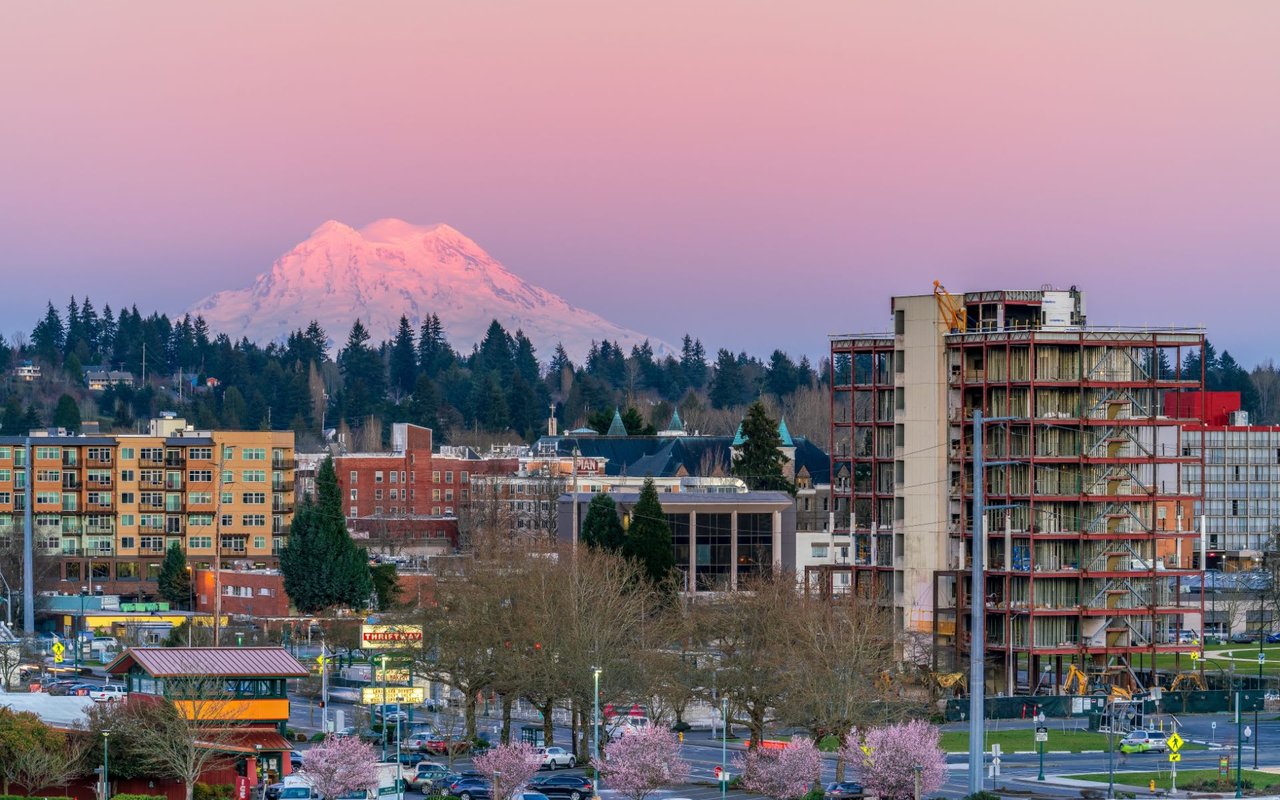
Downtown Pullman sits next to a major campus hub, so daily life clusters close together. The city’s population is about 33,543, and the median commute time is only 14.3 minutes, according to the U.S. Census QuickFacts for Pullman. That compact scale helps you keep trips short.
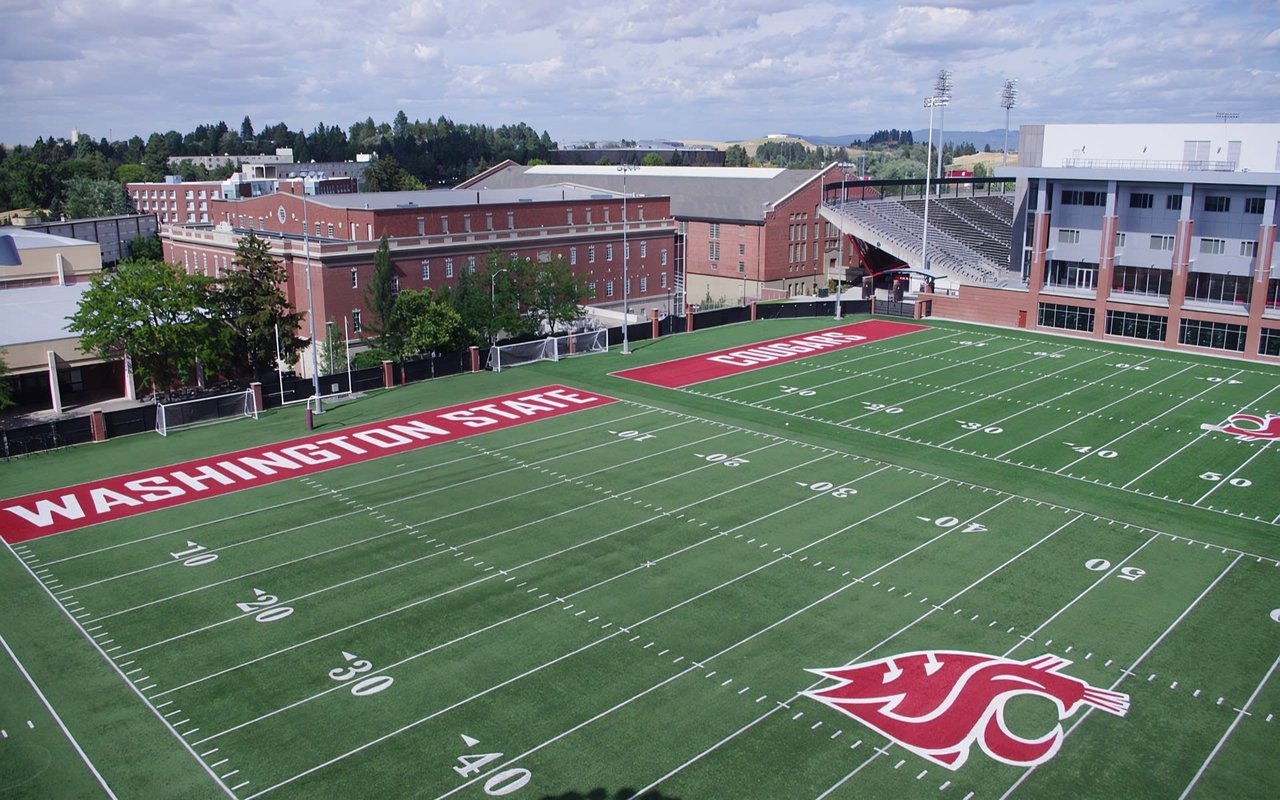
WSU Pullman reported about 16,449 students in fall 2024, and that energy spills into nearby streets with cafés, dining, and services that stay active most of the year. You can learn more about the university’s role in town life on the WSU Pullman overview. That campus presence means there is steady foot traffic and frequent short trips for coffee, lunch, and errands.
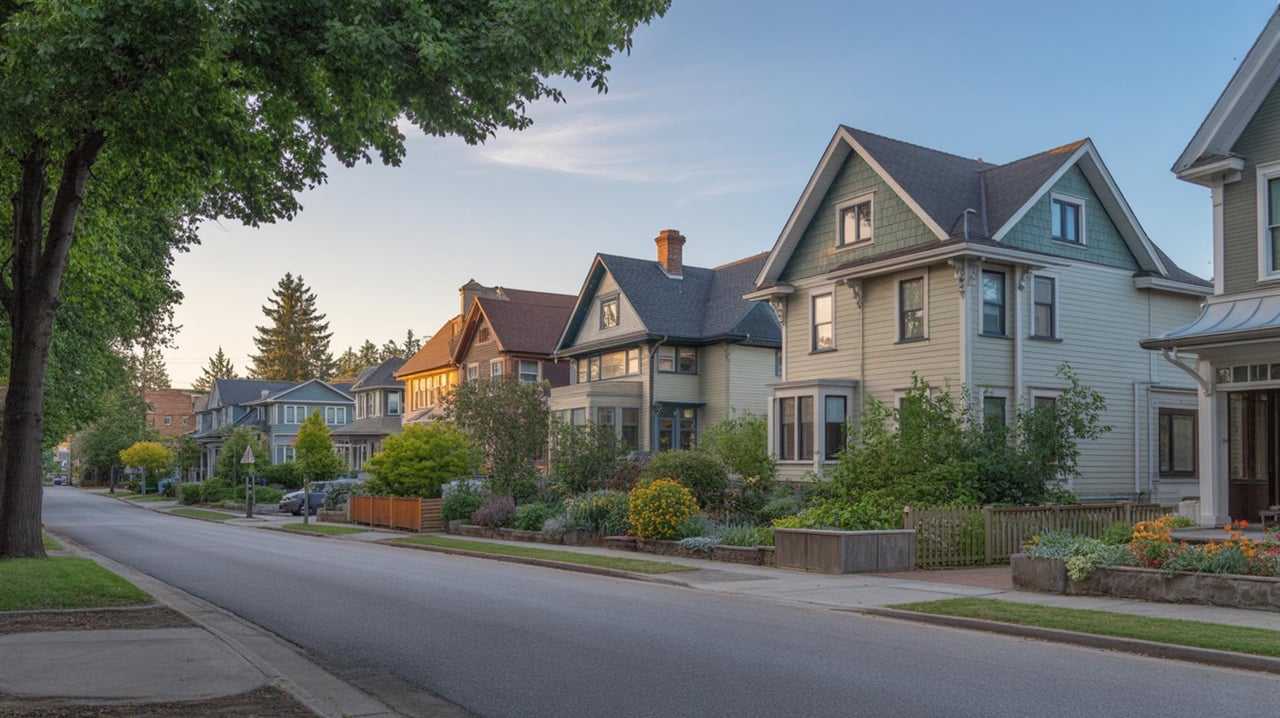
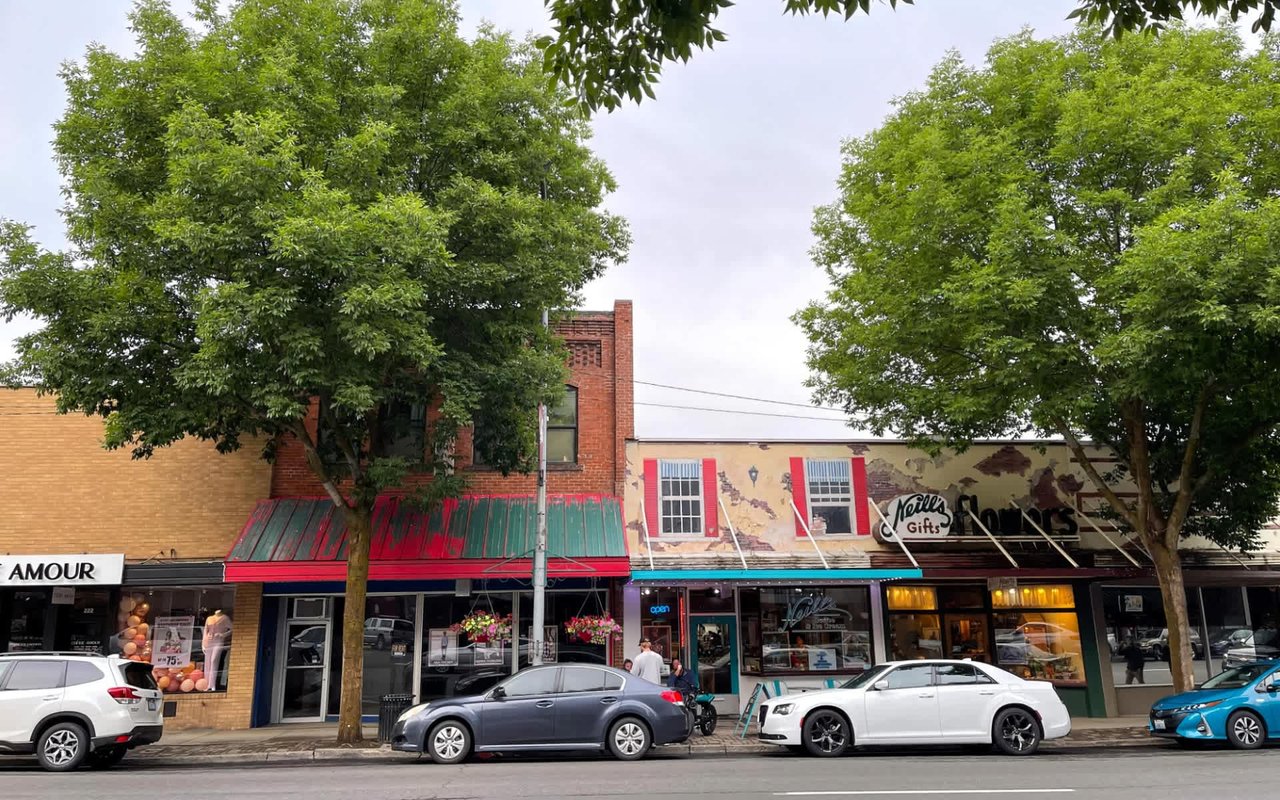
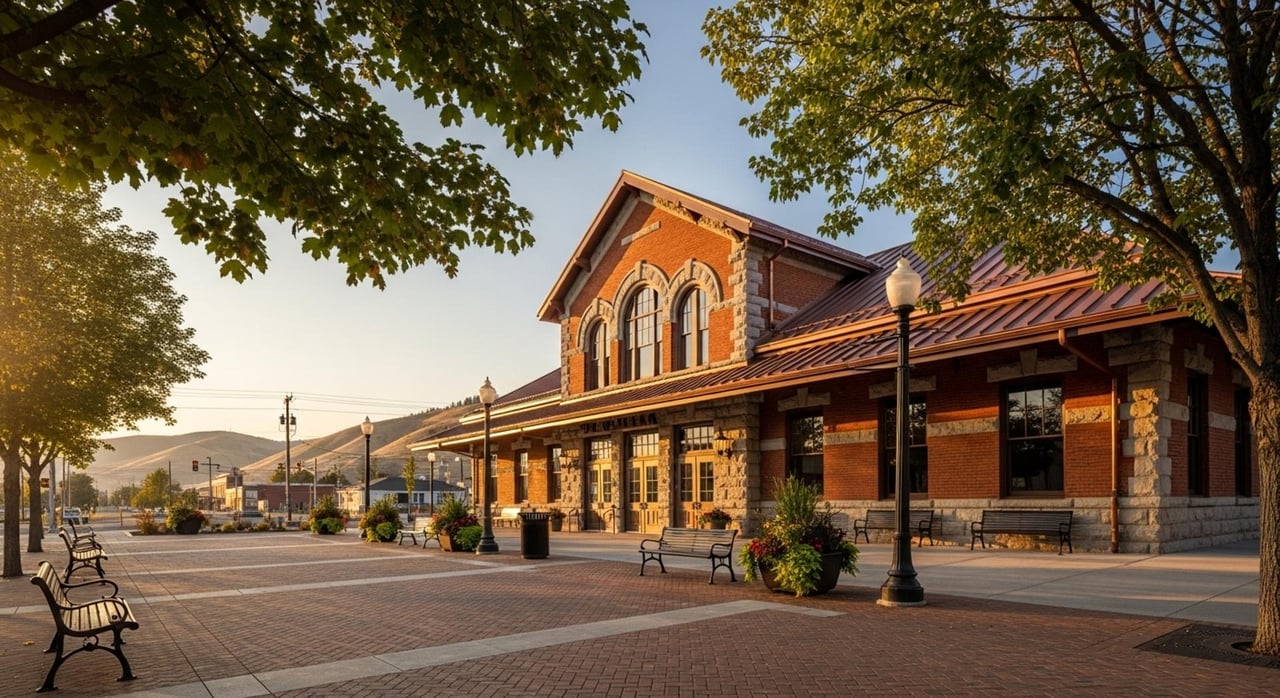
Addresses on or near Main Street often earn a “Very Walkable” score. For example, an address like 105 W Main Street shows high walkability on Walk Score’s downtown listing. The result for you is simple: many essentials sit within a 5 to 20 minute walk or a short bus ride.
A day in downtown Pullman without your car
Morning: coffee on foot
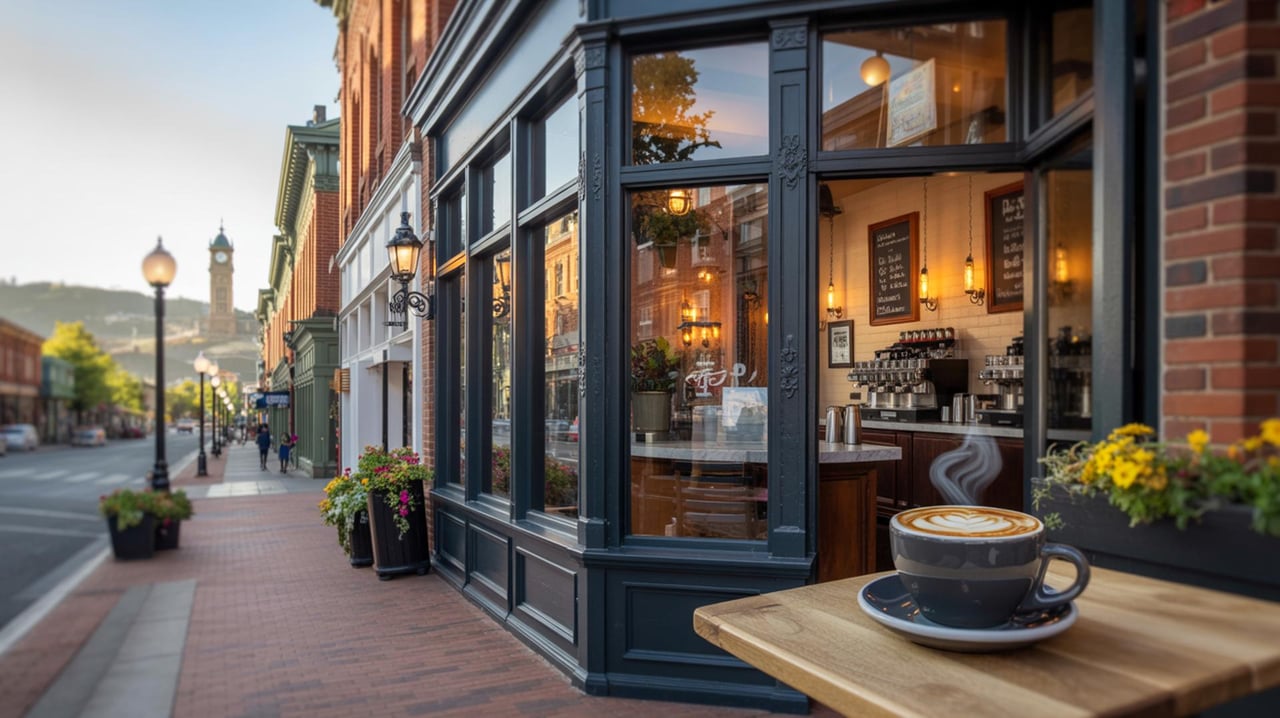
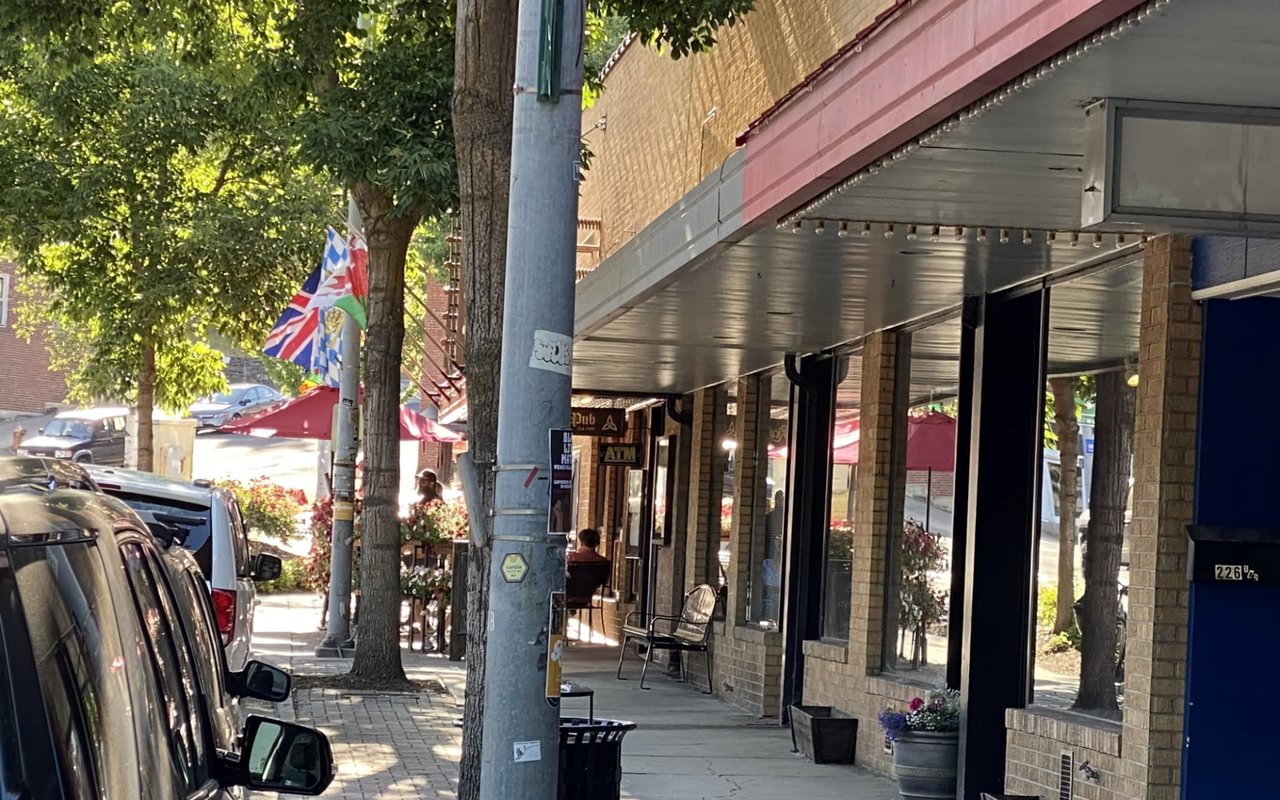
Start your day with a short stroll to a local staple like Roost Coffee & Market for an espresso and something warm to eat. Sidewalks along Main Street are compact, crossings are short, and you will see bike racks near storefronts. If you have a quick campus meeting, the WSU edge is close enough to walk or hop a short bus ride.
Midday: errands and lunch nearby
Around lunch, choose a quick spot in the core. You might grab a slice or meet a friend at a longtime downtown pub like Rico’s. If you need groceries later, plan a stop at a full-service store like Safeway on Bishop Boulevard on your way home by bus or a short rideshare. Smaller markets near Main Street work well for same-day items.
Afternoon: parks or a trail ride
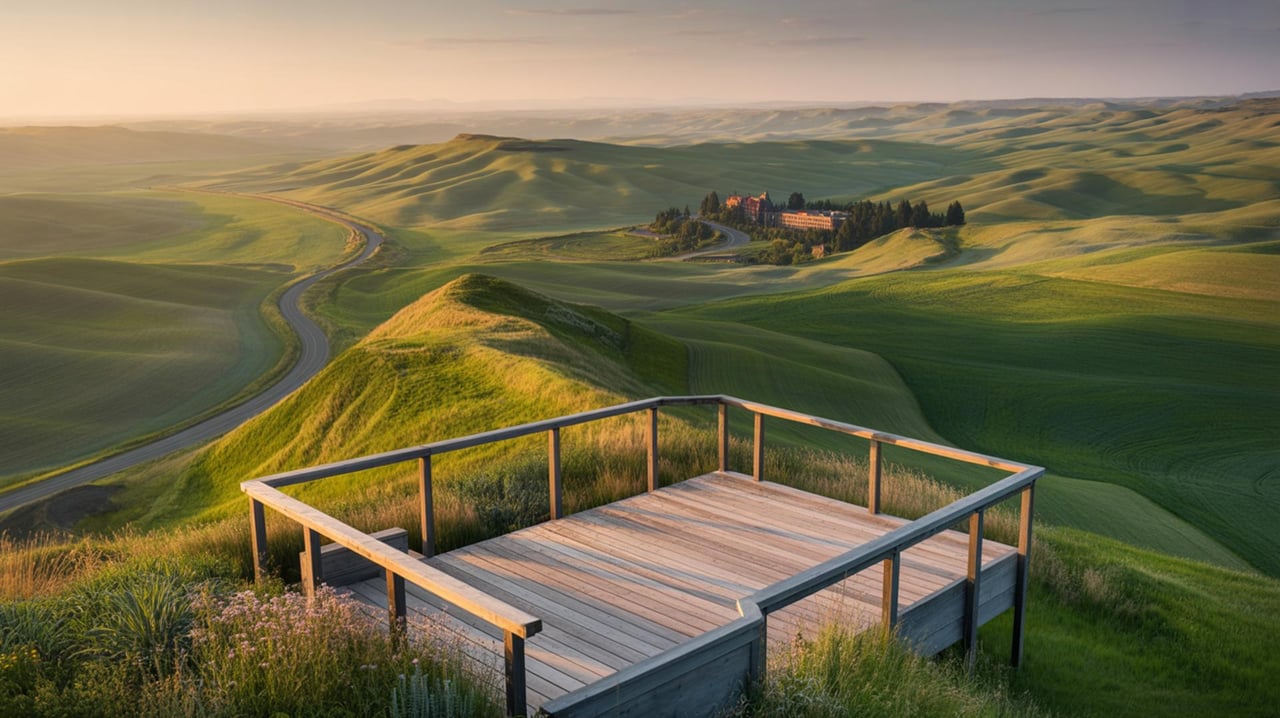
With the day winding down, fit in a 30 to 60 minute ride or walk on the Bill Chipman Palouse Trail. This paved path runs about 8 miles between Pullman and Moscow, which makes it a perfect fitness break without leaving town by car. You can read a short overview of the trail connection in the regional visitor guide summary. Expect broad views, even grades, and a safe pathway that pairs well with a downtown-base lifestyle.
Evening: Main Street vibes
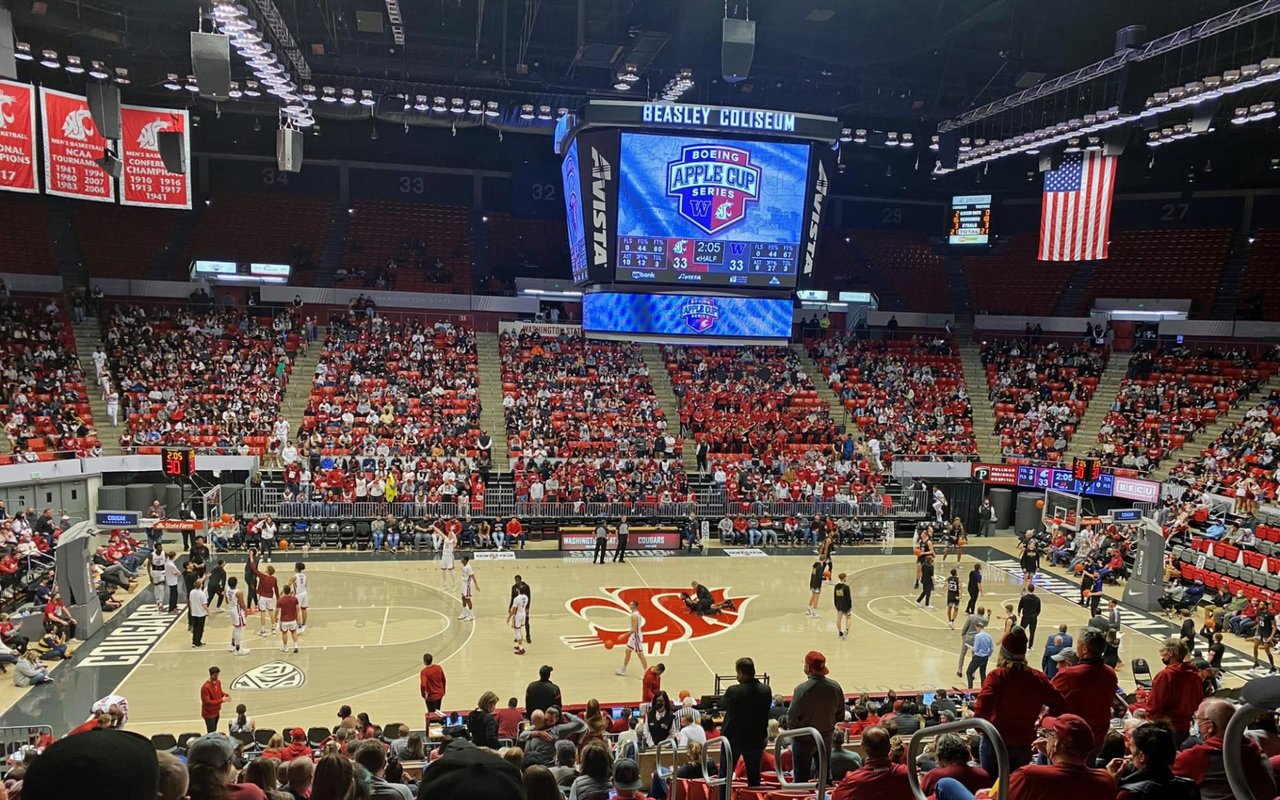
Dinner is easy to keep close. Many restaurants and low-key spots cluster near Main Street, so you can meet friends without driving across town. On WSU home-game days, expect livelier sidewalks and different parking patterns, so plan a little extra time to walk or catch a bus.
Transit and biking made easy
Pullman Transit is designed for short hops around town and to WSU. Routes, timetables, and a rider app are listed on the Pullman Transit site. Buses have front-mounted bike racks, available first-come, and the system offers a youth fare-free program. Adult cash fares and passes are modest, which makes quick, frequent trips cost-effective.
Here is how to turn the bus into a daily tool:
- Check the route map and save your most-used stops near home, campus, and grocery.
- Use real-time tracking to time departures, especially in winter.
- Bring a small backpack or tote for easy-on, easy-off stops.
- Load your bike on the bus rack if a hill or weather slows your ride.
For biking, the city streets near downtown are relatively close together with frequent intersections, which keeps speeds calmer. The trail network and short distances mean you can chain trips: coffee, work, groceries, and home with just a few miles in total.
Groceries, health care, and daily services
For full weekly shopping, Safeway and Rosauers serve most downtown residents within a short drive or bus ride, and Safeway offers pickup for time savings. The Safeway Bishop Boulevard store is a common go-to. Smaller markets in the core help you fill in daily needs when you would rather walk.
For medical care, Pullman Regional Hospital anchors local emergency and routine services. Many residents rely on this hospital and its clinic network for everyday needs. Community anchors like Neill Public Library and the Pullman Post Office sit close to downtown as well, which simplifies library holds and mail runs.
Regional access without the hassle
When you need to fly, the Pullman–Moscow Regional Airport is roughly a 5 minute drive from downtown Pullman and downtown Moscow. With service that includes same-day flights to Seattle, you can often skip the longer drive to Spokane. For a change of pace, Moscow, Idaho sits just a short ride away via road or the Bill Chipman Palouse Trail, so many locals treat Pullman and Moscow as one micro-region for culture and errands.
Housing and commute tradeoffs to expect
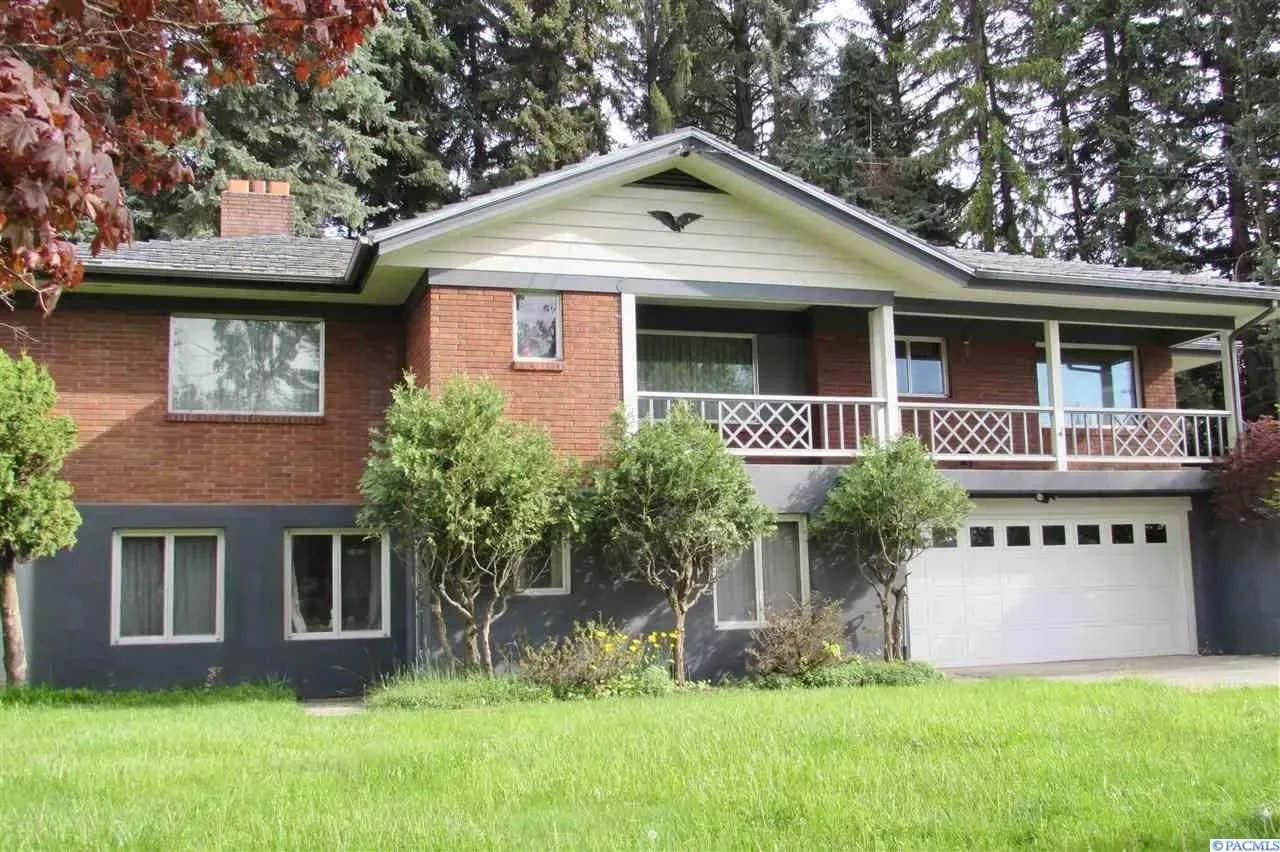
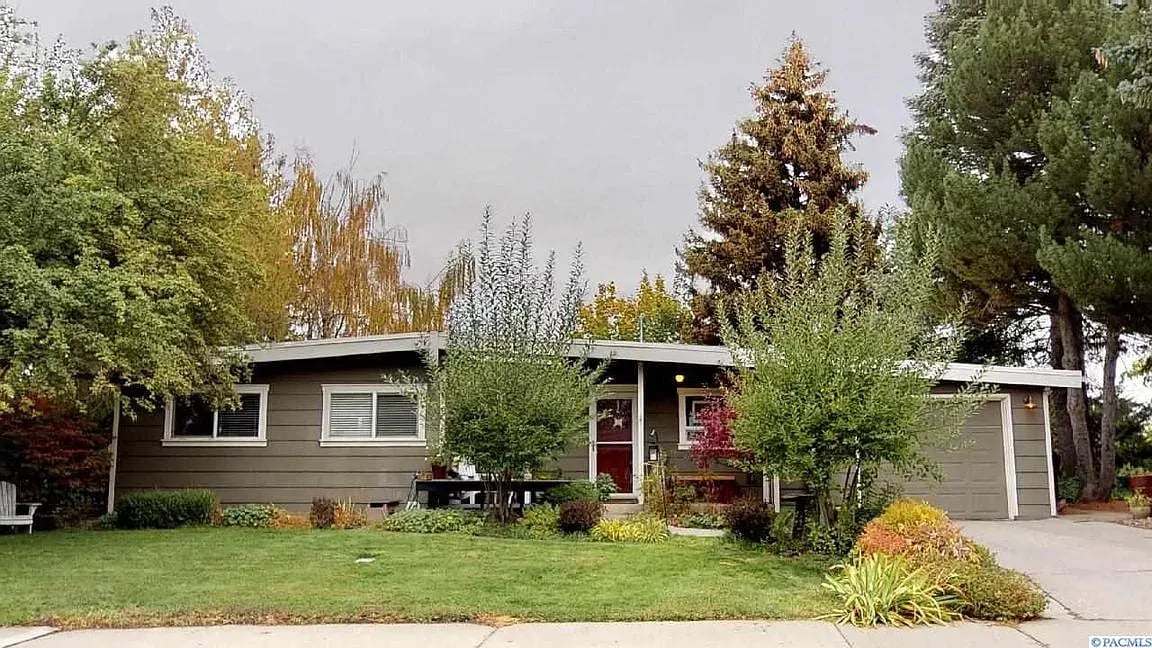
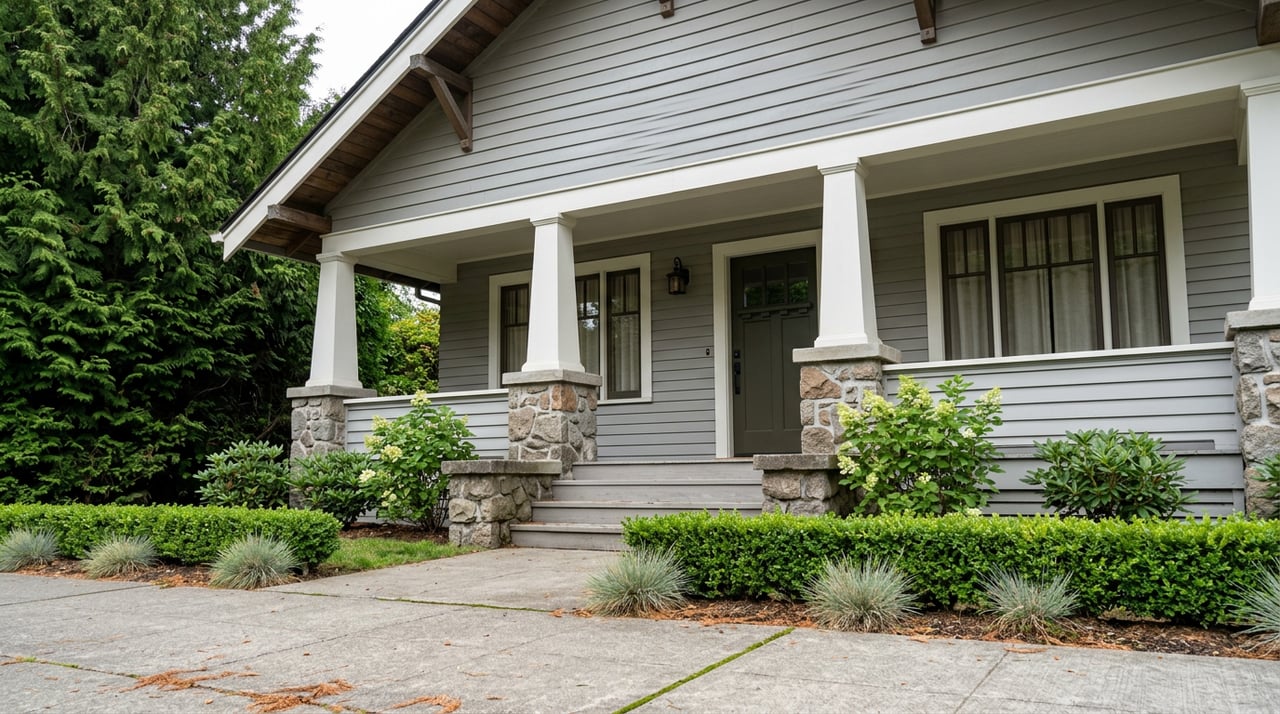
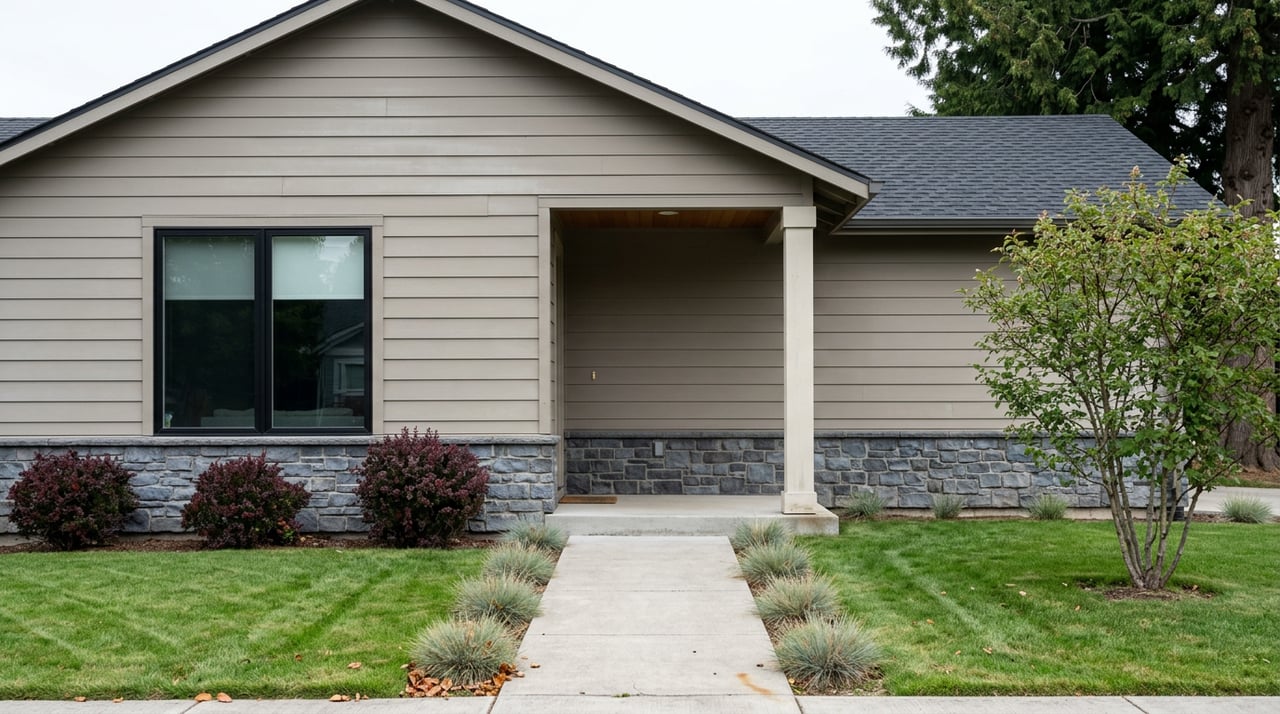
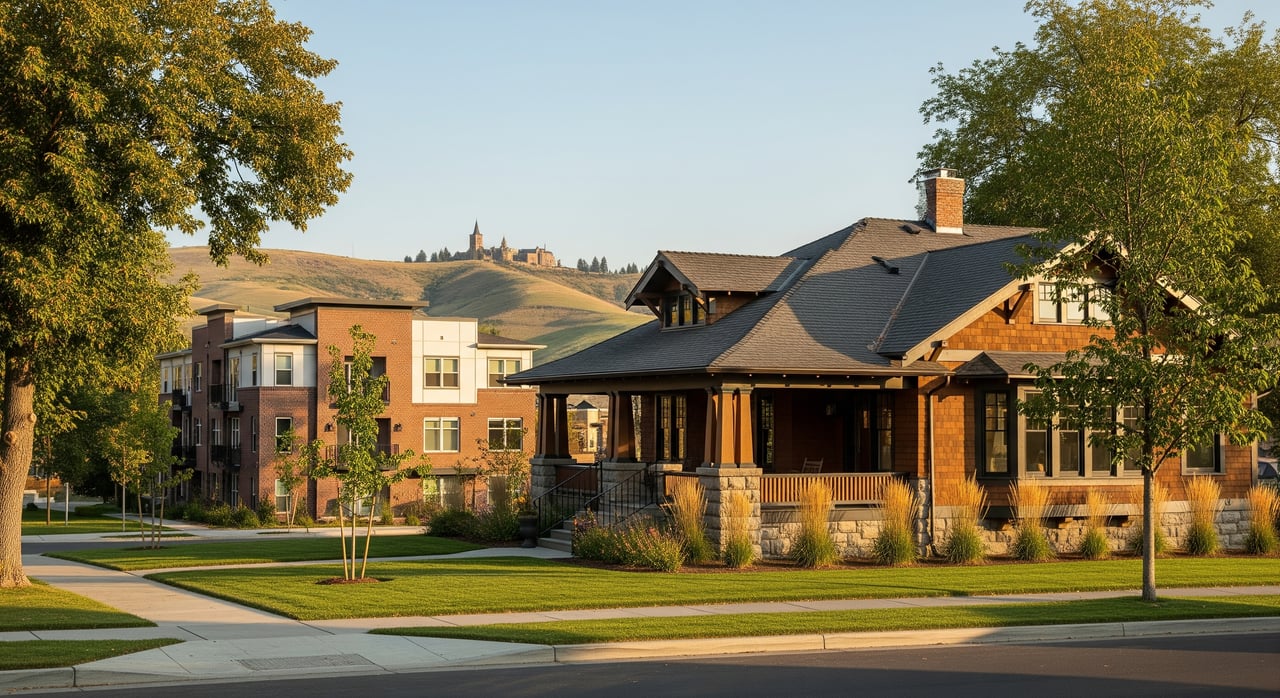
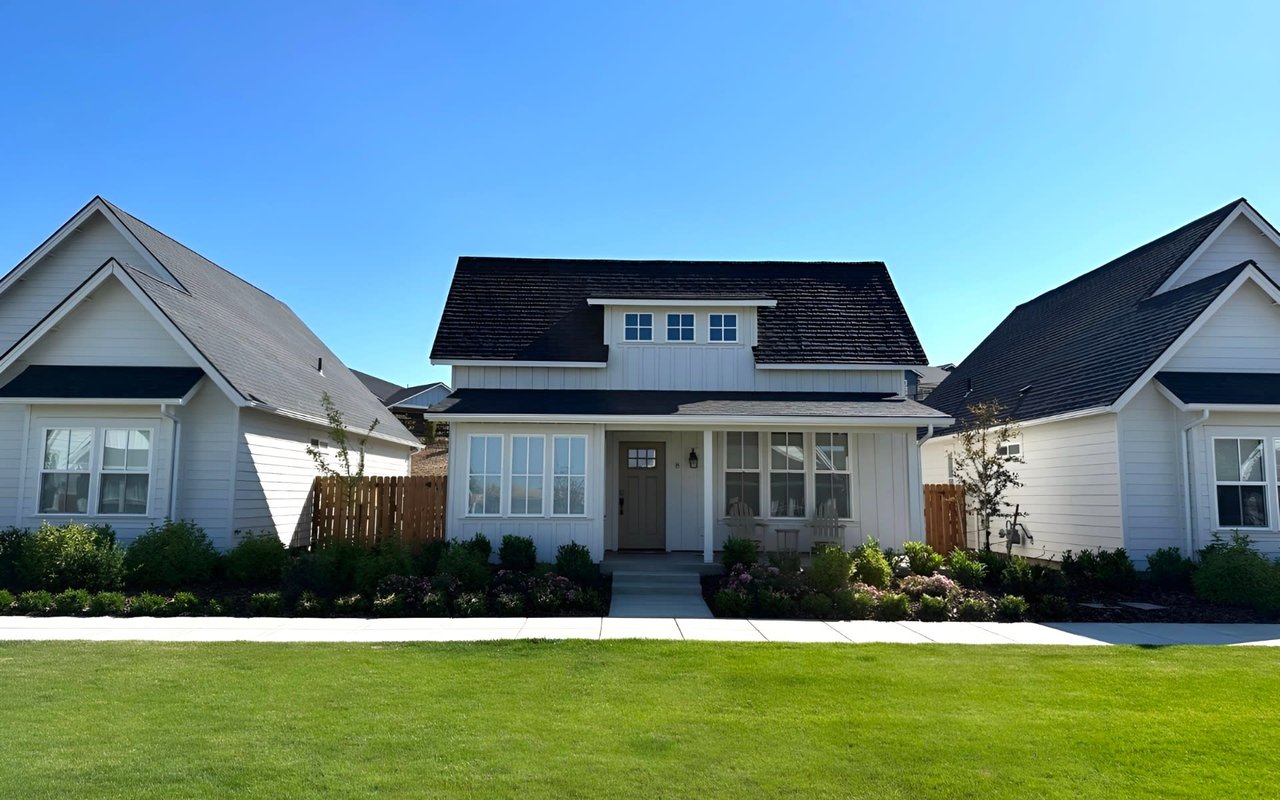
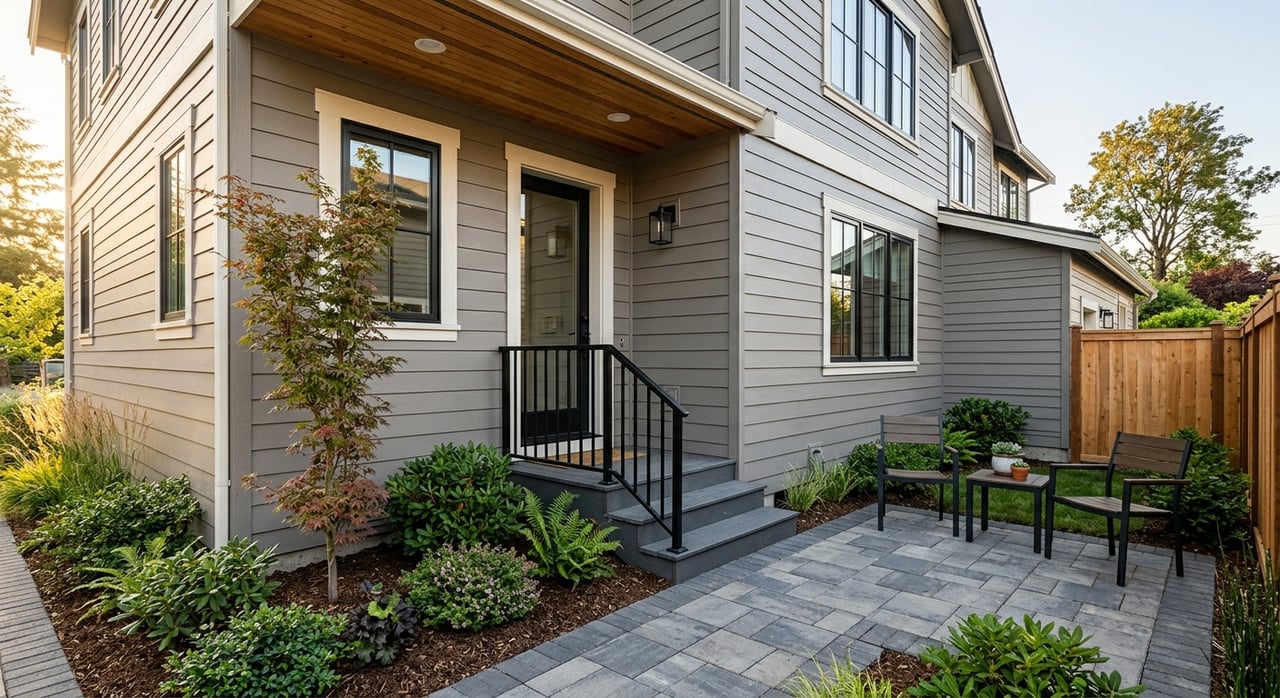
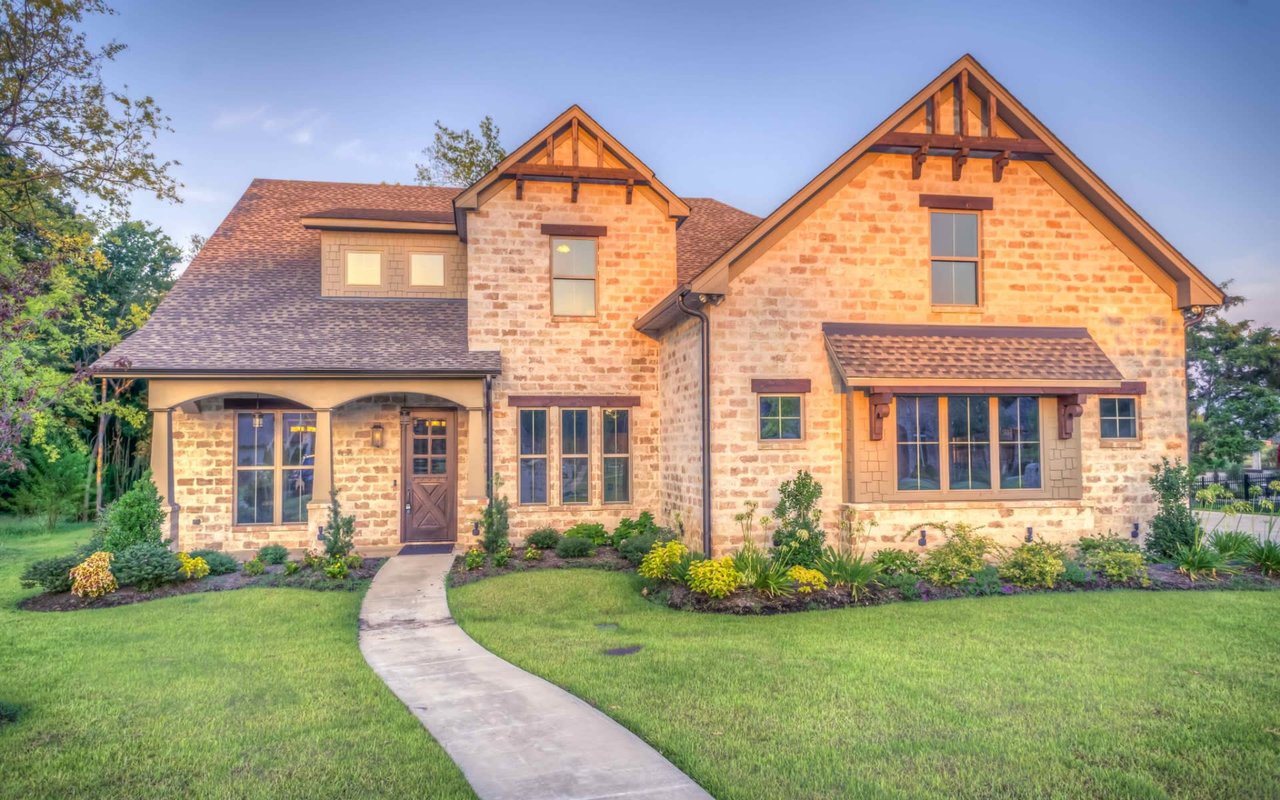
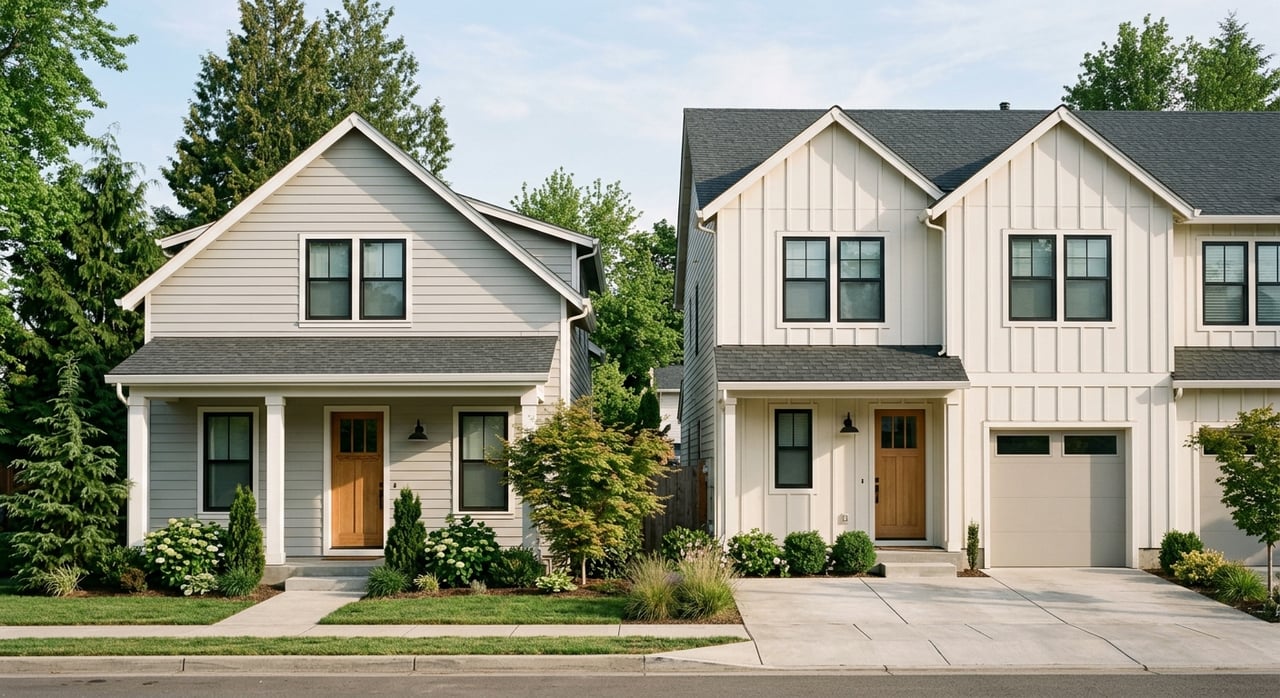
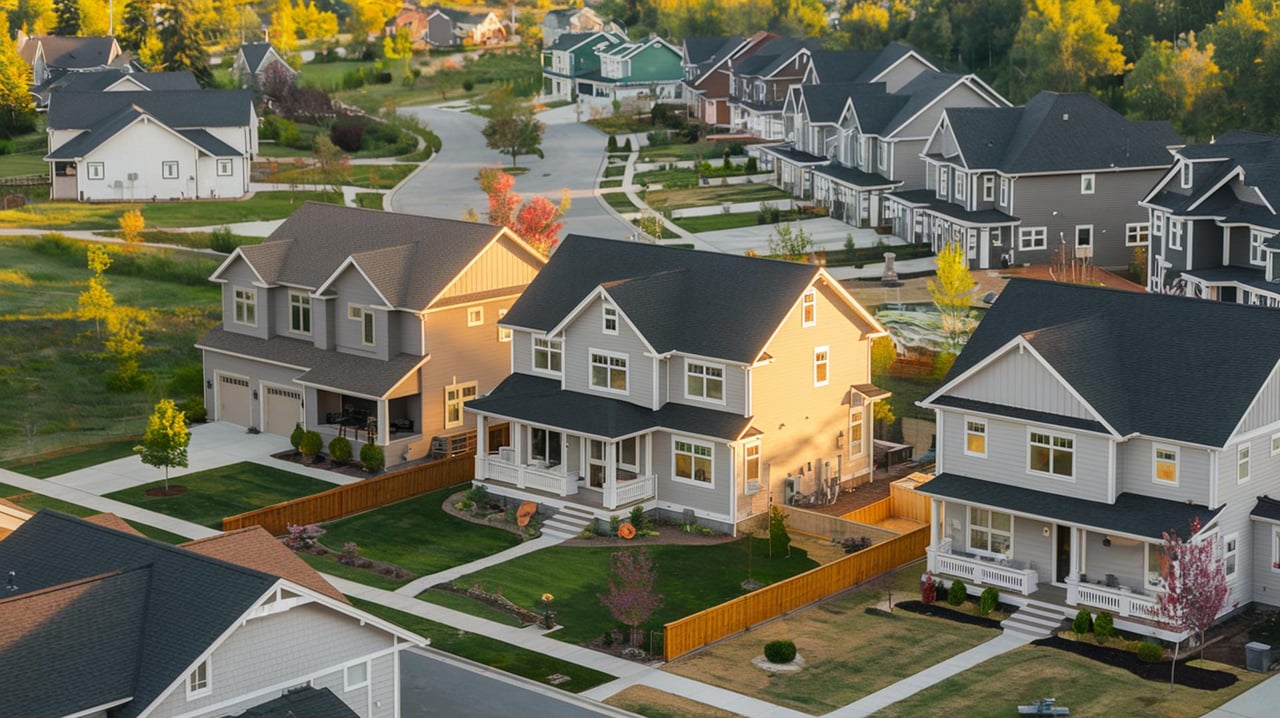
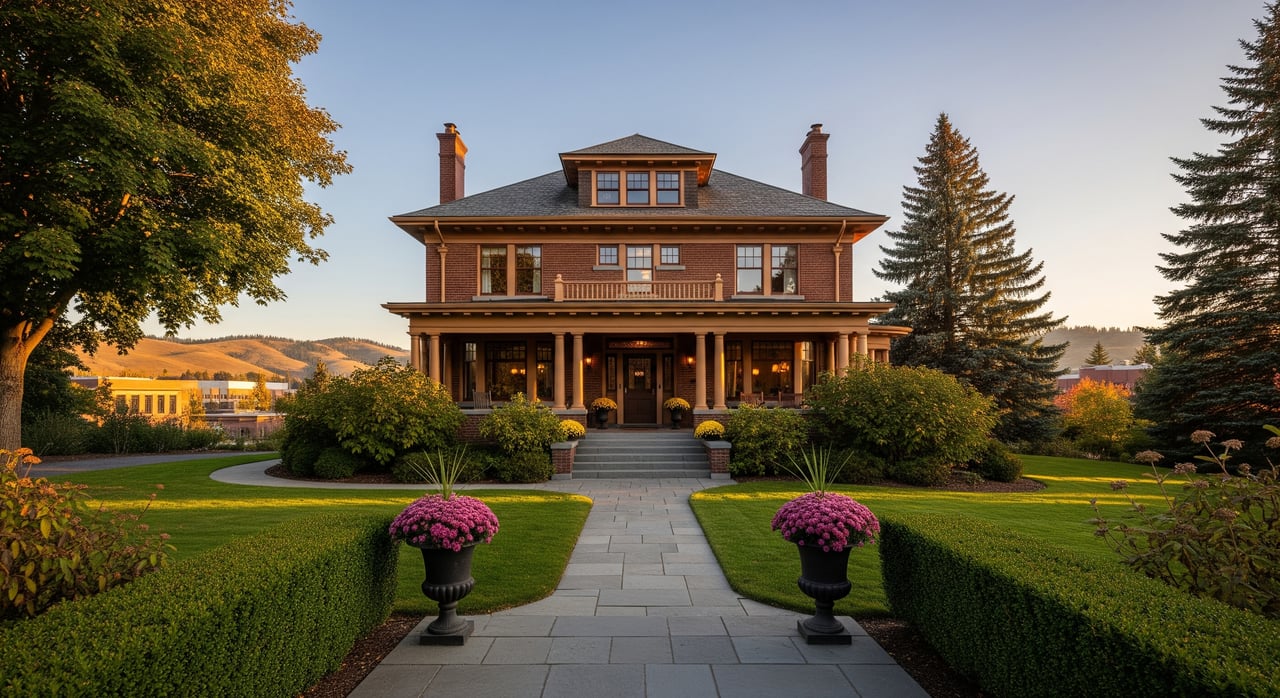
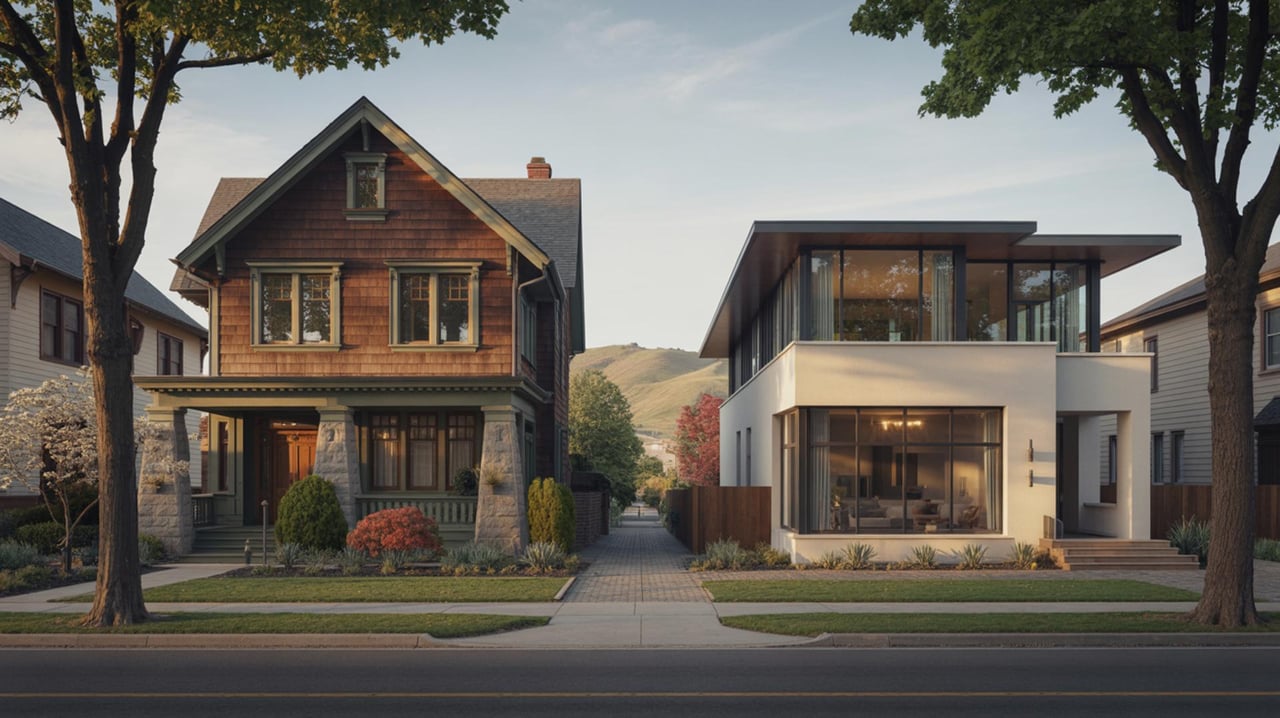
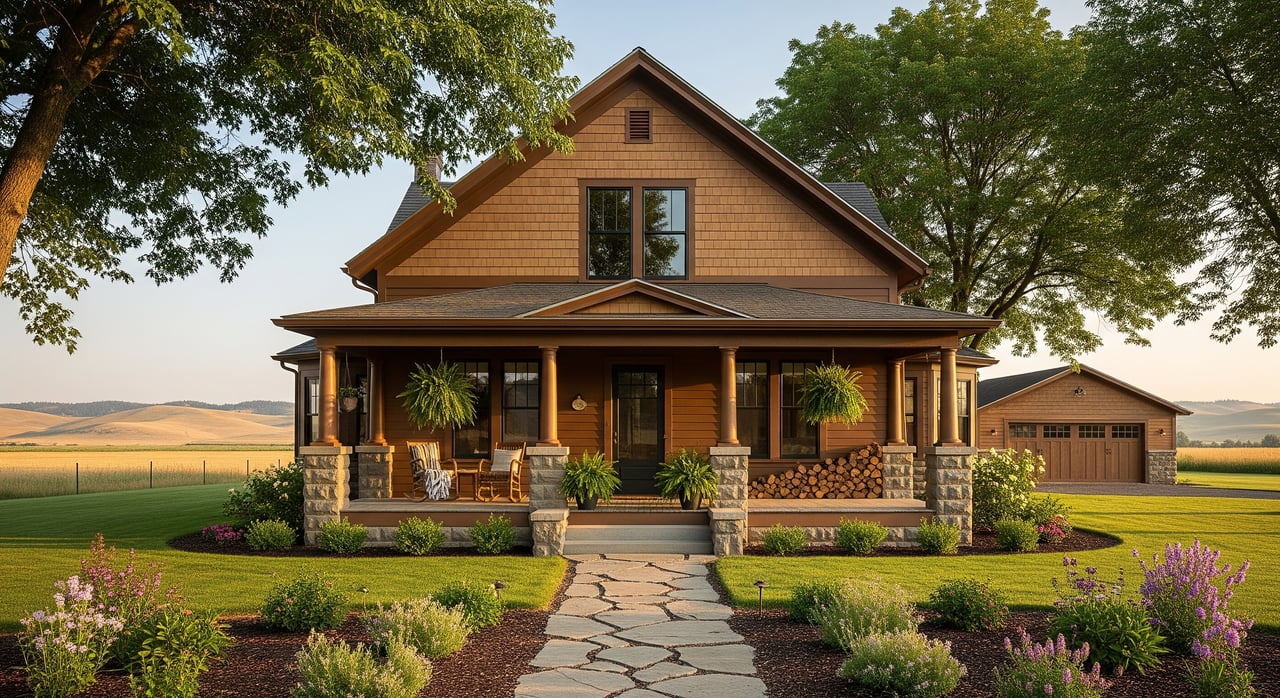
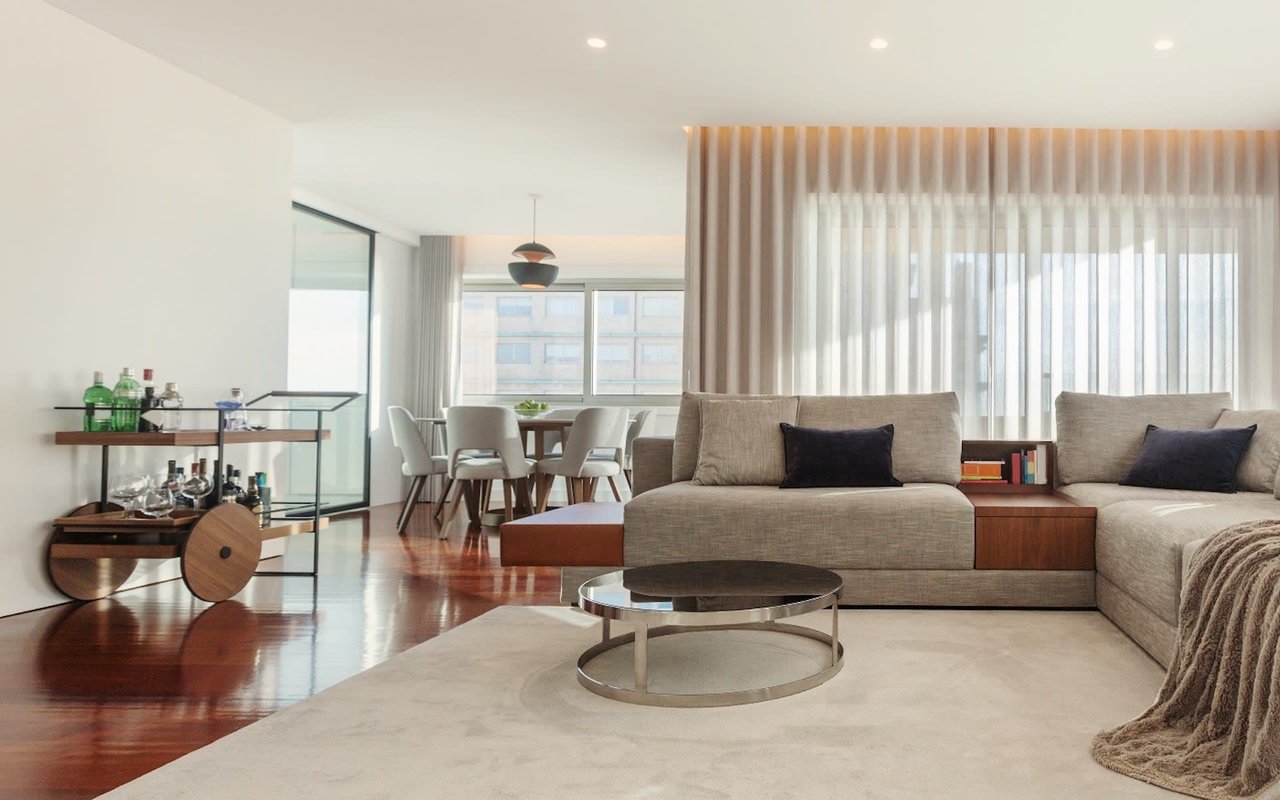
You will find a mix of housing types near downtown: older single-family homes, historic buildings with flats, smaller apartment buildings, and student-oriented rentals. Living close-in trades larger yards and long, quiet blocks for everyday convenience, shorter trips, and easy access to campus and services. This area can have higher turnover due to the academic calendar, which you will notice in rental-heavy pockets.
To set expectations, the U.S. Census QuickFacts lists Pullman’s median value of owner-occupied homes at about $401,700 and median gross rent around $1,010. The mean travel time to work is about 14.3 minutes, which supports the promise that most daily trips are short. If you value being within a 5 to 20 minute walk of coffee, groceries, and campus life, downtown Pullman can meaningfully reduce your car use.
Who car-light living fits best
- University-linked relocators who want to stay close to campus life without relying on a car.
- First-time buyers and young professionals who prefer low-commute stress and walkable routines.
- Remote workers who want cafés, parks, and services within a few blocks for flexible days.
- Downsizers seeking simplicity and fewer car trips while staying connected to community.
Tips to go car-light in Pullman
- Choose a home close to Main Street, WSU corridors, or a frequent bus route.
- Build a weekly rhythm: one bigger grocery run, several small walk-in top-ups.
- Save key transit routes in your phone and set departure reminders.
- Use the bus bike racks when hills or snow make riding slower.
- Plan around WSU game days by walking earlier or taking transit.
- Keep a simple gear setup: reflective layers, compact lock, front and rear bike lights.
The bottom line
Downtown Pullman gives you a small-city scale, a major university next door, and a practical transit network. You can walk for your morning coffee, bus to a meeting, pick up groceries on the way home, and ride the Palouse trail before dinner, all without burning a tank of gas. If you are curious how this lifestyle lines up with specific homes and budget, reach out to Krista Gross for a personalized plan and local options near your favorite routes.
FAQs
What does “car-light” living in downtown Pullman mean?
- It means most daily trips happen on foot, bike, or Pullman Transit, with a car used less often for bigger errands, weekend trips, or specific needs.
How close is WSU Pullman to downtown for non-students?
- The campus edge is close to Main Street, so you can usually walk or take a short bus ride for meetings, events, or games without relying on a car.
Is Pullman Transit reliable for errands and commuting?
- Yes, routes published on the Pullman Transit site cover key corridors, include bike racks, and have a rider app that helps you time trips.
Where can I buy groceries without a car in downtown Pullman?
- Use smaller markets for same-day items and take the bus to full-service stores like Safeway on Bishop Boulevard for weekly restocking.
How expensive is housing near downtown Pullman?
- The U.S. Census QuickFacts lists a median owner-occupied value near $401,700 and median rent around $1,010, with average commutes of about 14.3 minutes.