Is owning a place near WSU worth it for your family or your visits back to Pullman? If you want walkability to campus life, steady rental demand, and a foothold in a tight micro-market, College Hill is one to watch. In this guide, you’ll learn what homes cost on the Hill, how financing really works for parents and faculty, what short-term rental rules say, and how to buy remotely with confidence. Let’s dive in.
Why College Hill stands out
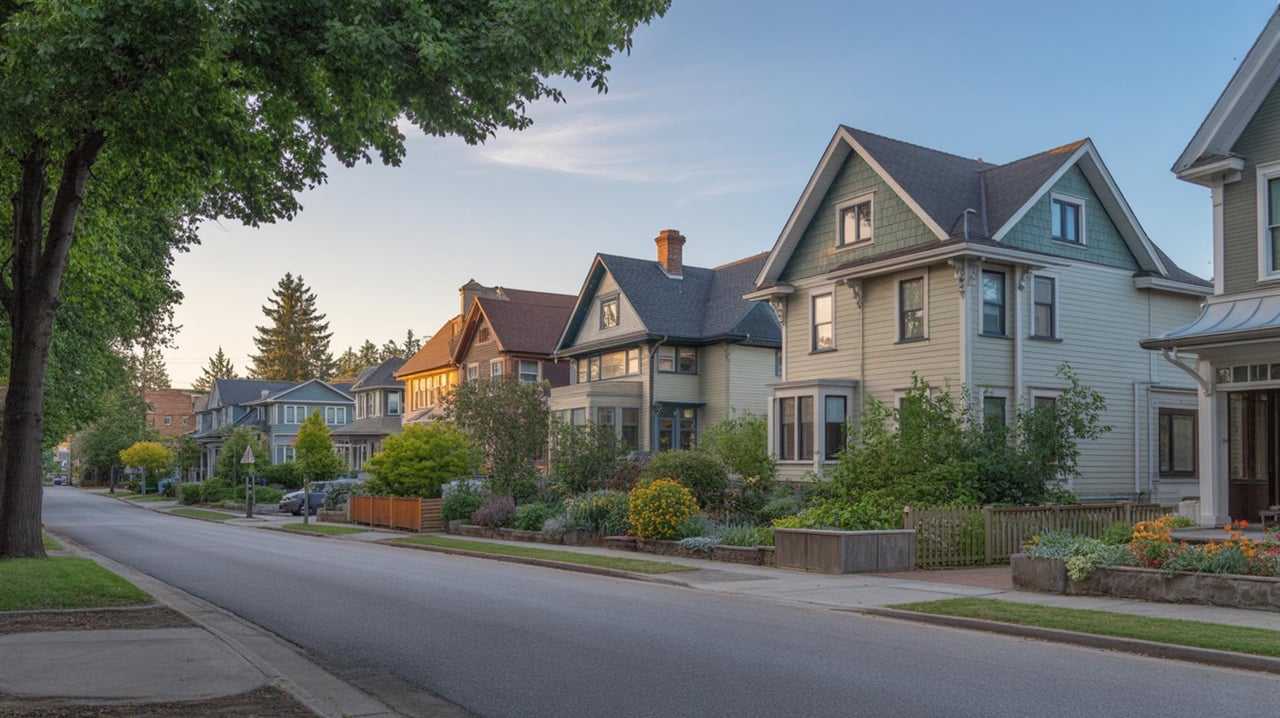
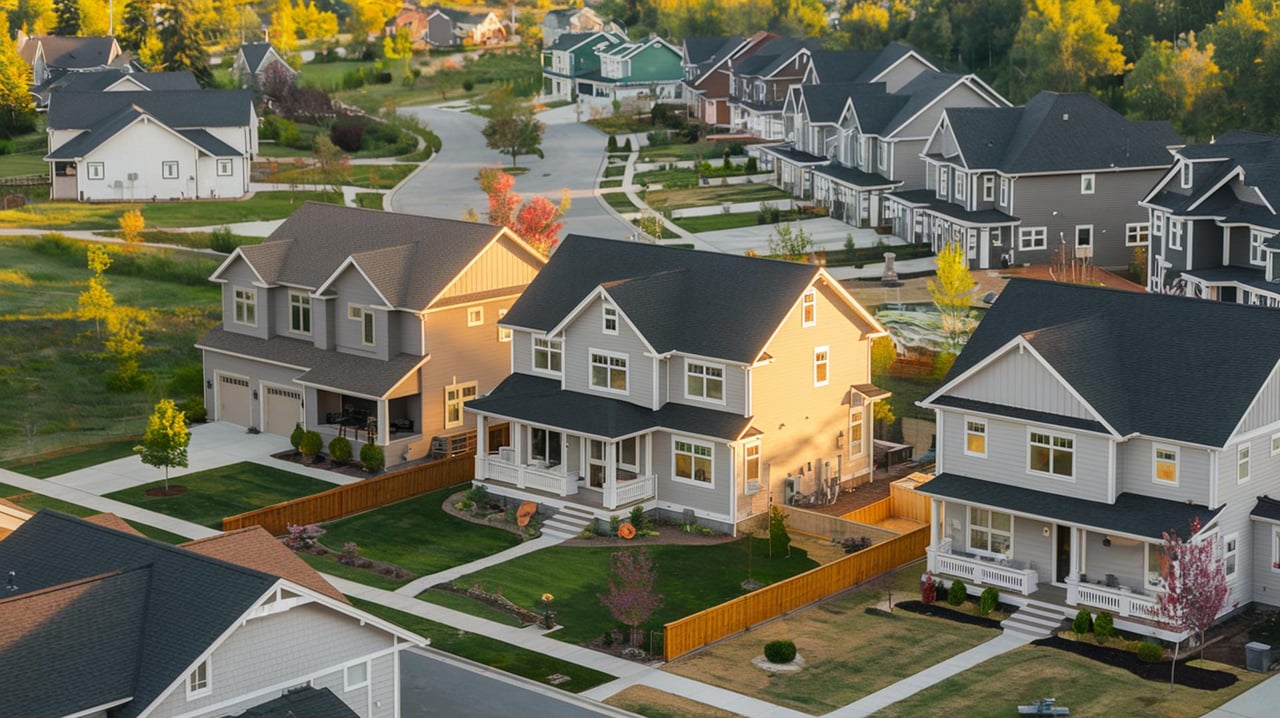
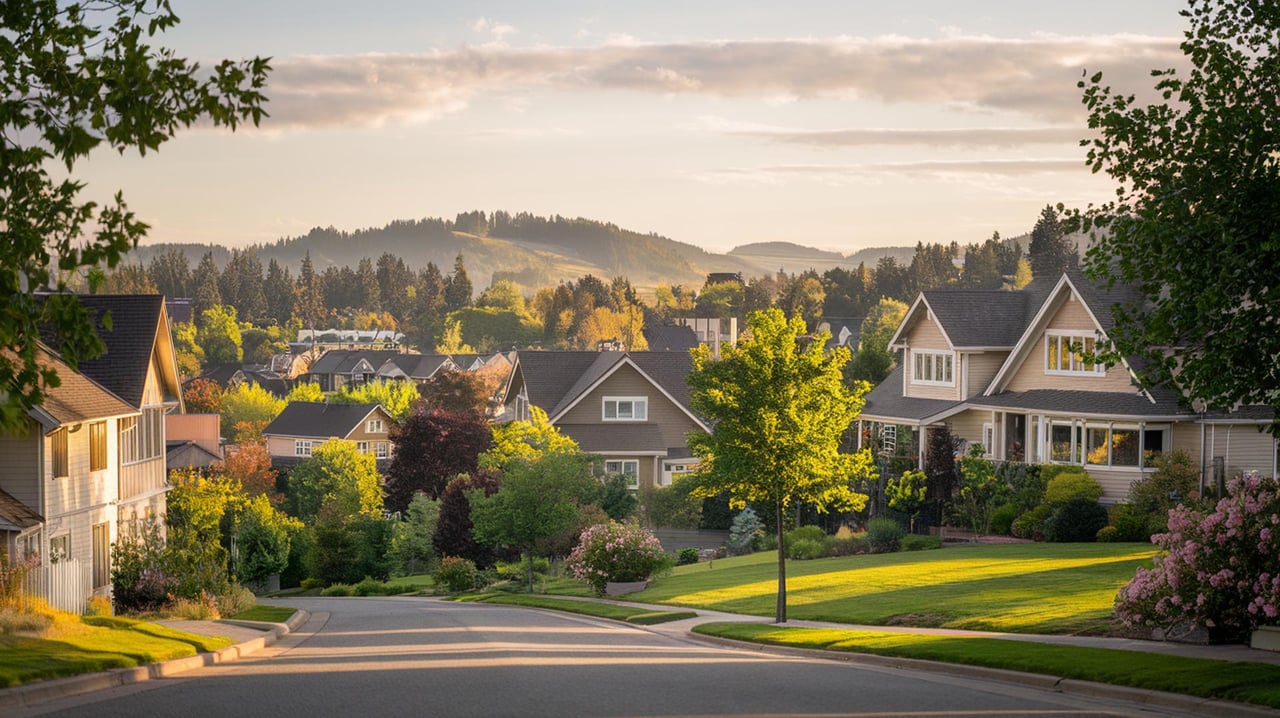
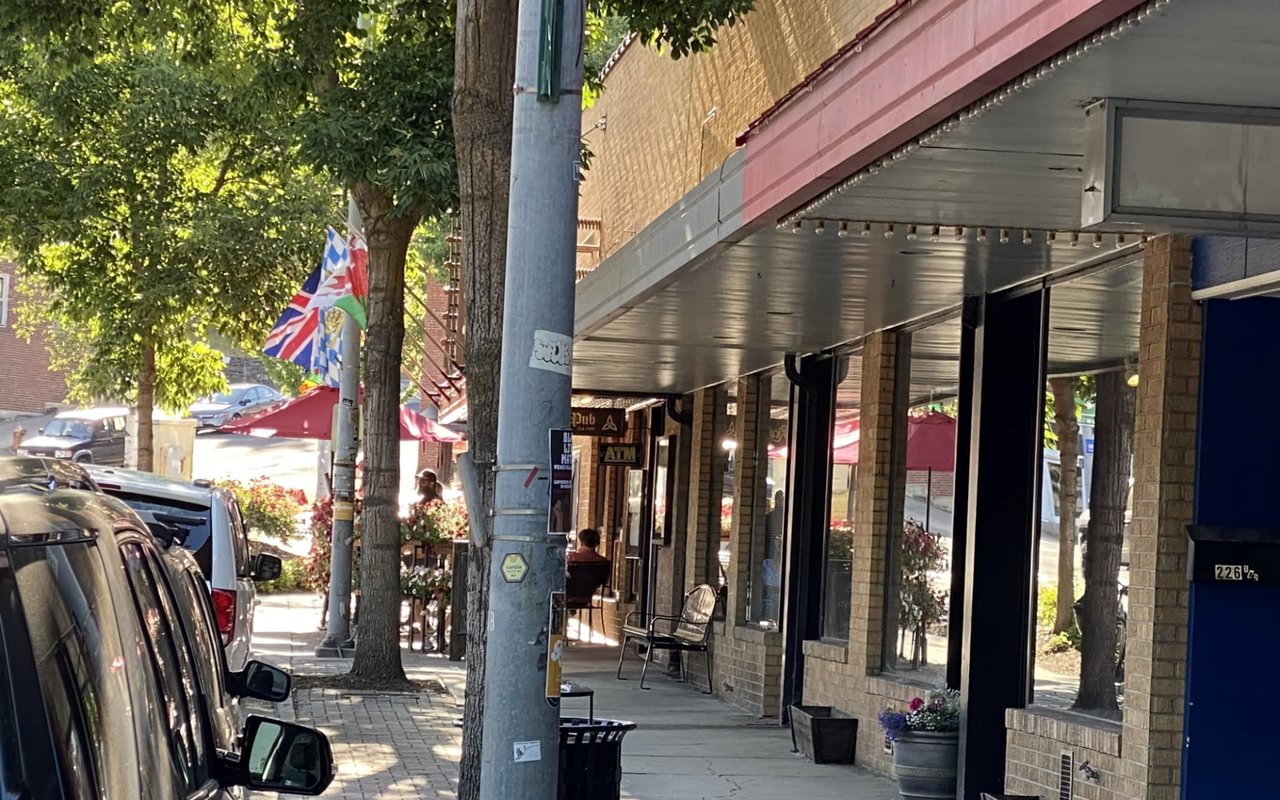
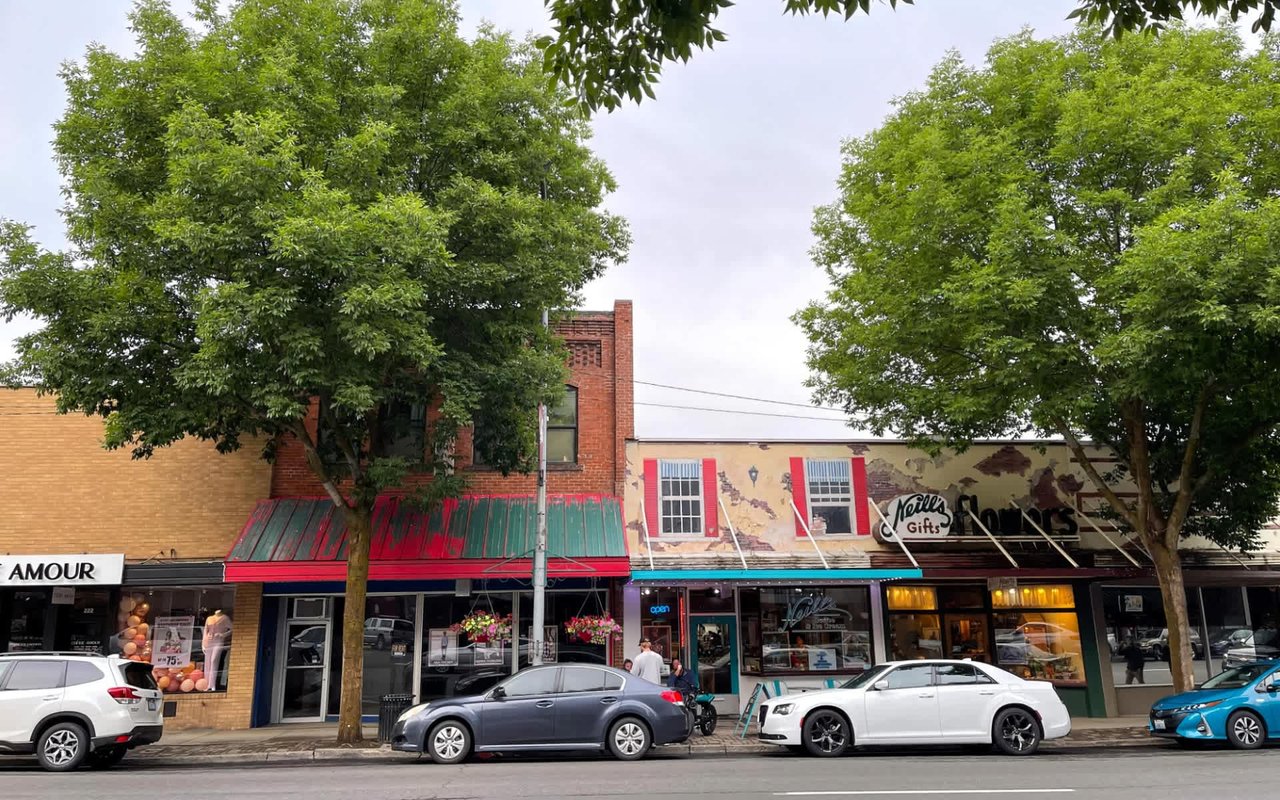
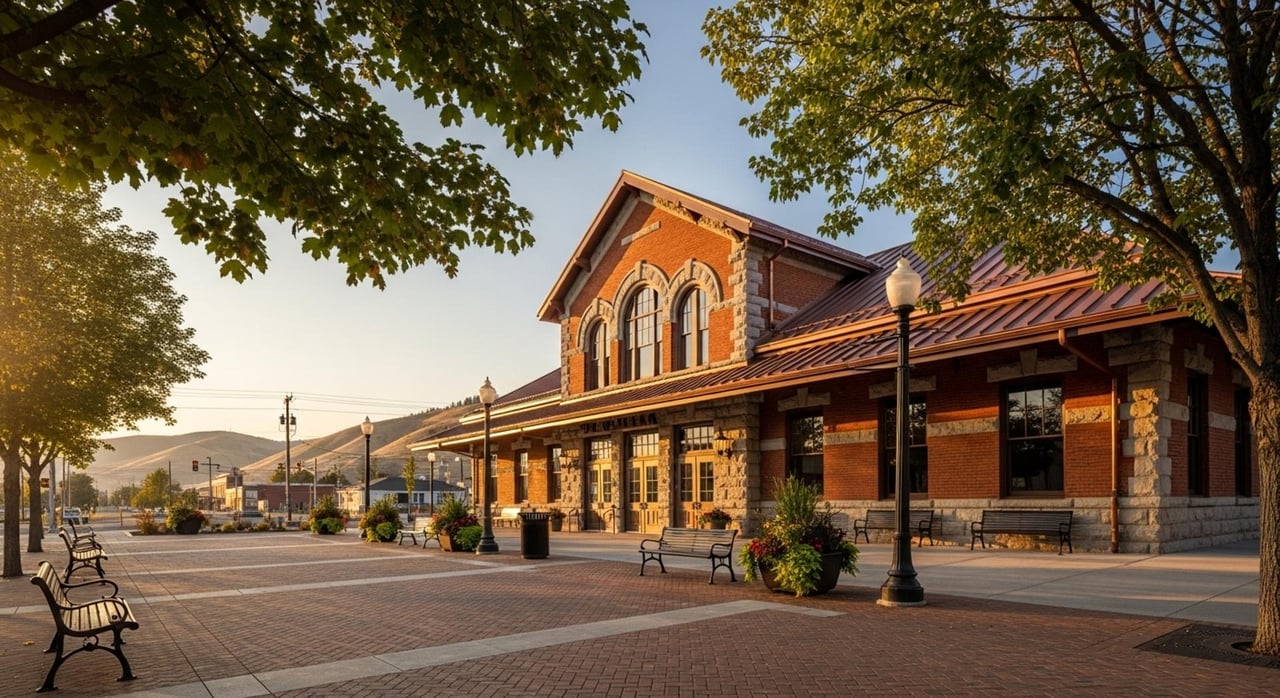
College Hill sits next to the Washington State University campus, so you can walk to classrooms, arts venues, and game day energy in minutes. The area blends campus buildings, Greek houses, and adjacent residential streets. For a quick neighborhood overview, explore the city’s visitor guide to College Hill. You’ll get a feel for its location and vibe right away in the Visit Pullman guide to College Hill.
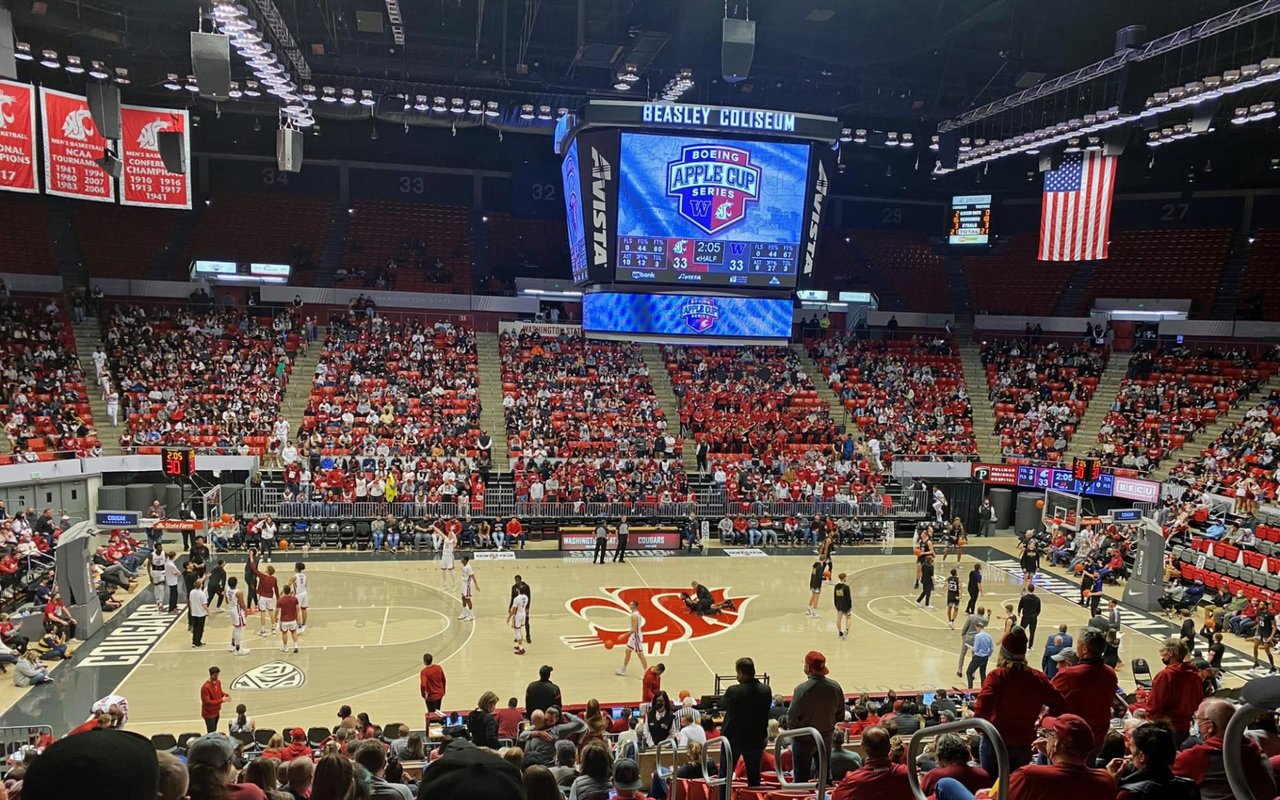
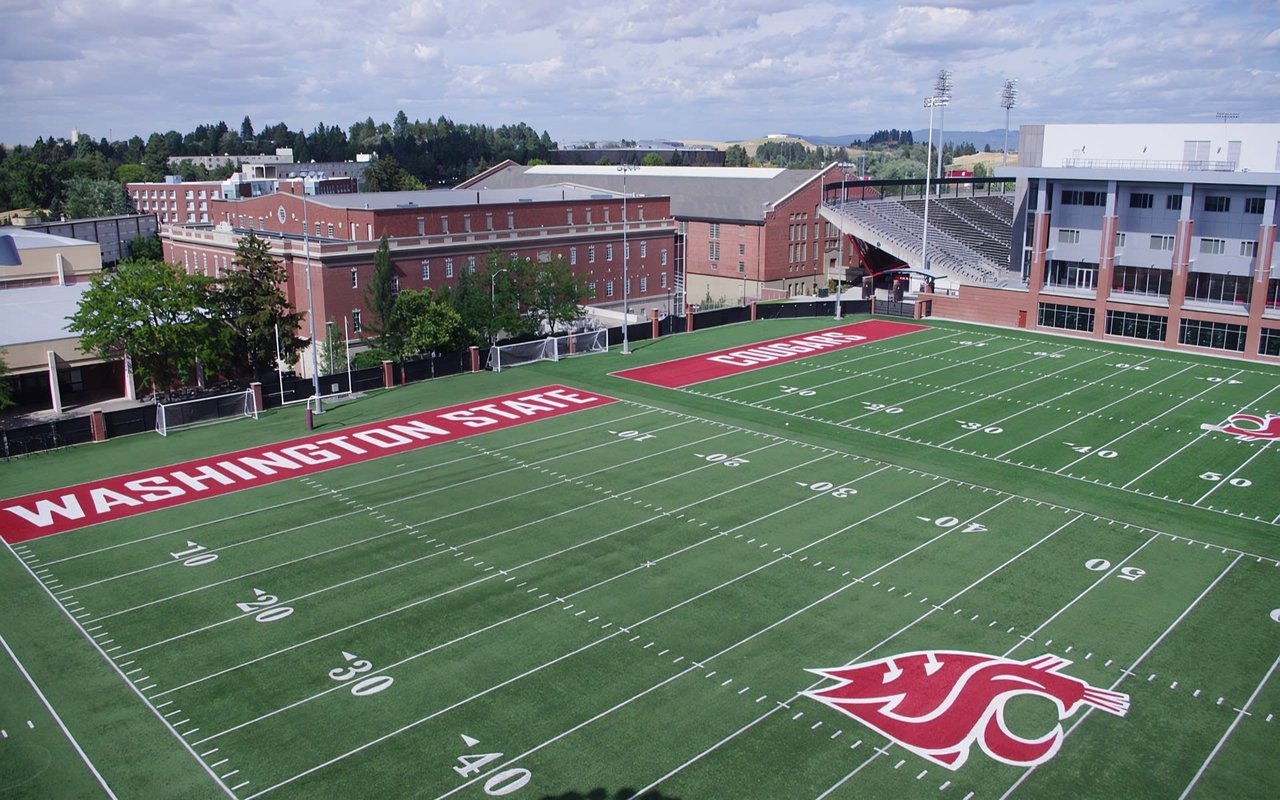
WSU Pullman enrolled about 16,449 students in Fall 2024, which keeps demand for nearby housing consistent year to year. That steady enrollment supports long-term rental interest from students, staff, and visiting faculty. You can confirm the campus context on the About WSU Pullman page.
What homes cost near WSU
Pullman’s citywide home values generally sit in the low to mid 400-thousands based on recent market snapshots. College Hill trades as its own sub-market with more investor activity and smaller inventory, so individual comps matter more than a single neighborhood median. A concrete example: a 5-bedroom student rental at 405 NE Colorado St sold for $410,000 in October 2024.
On the Hill and nearby streets, you’ll typically see:
- Smaller 2–3 bedroom houses often in the low to mid $300,000s, especially if they need updates.
- Larger multi-bed homes or duplex conversions in the $400,000–$600,000+ range, depending on condition, permitted units, and parking.
Because the inventory is small, your best pricing compass is a current set of College Hill comps and condition notes on each property.
Common property types to expect
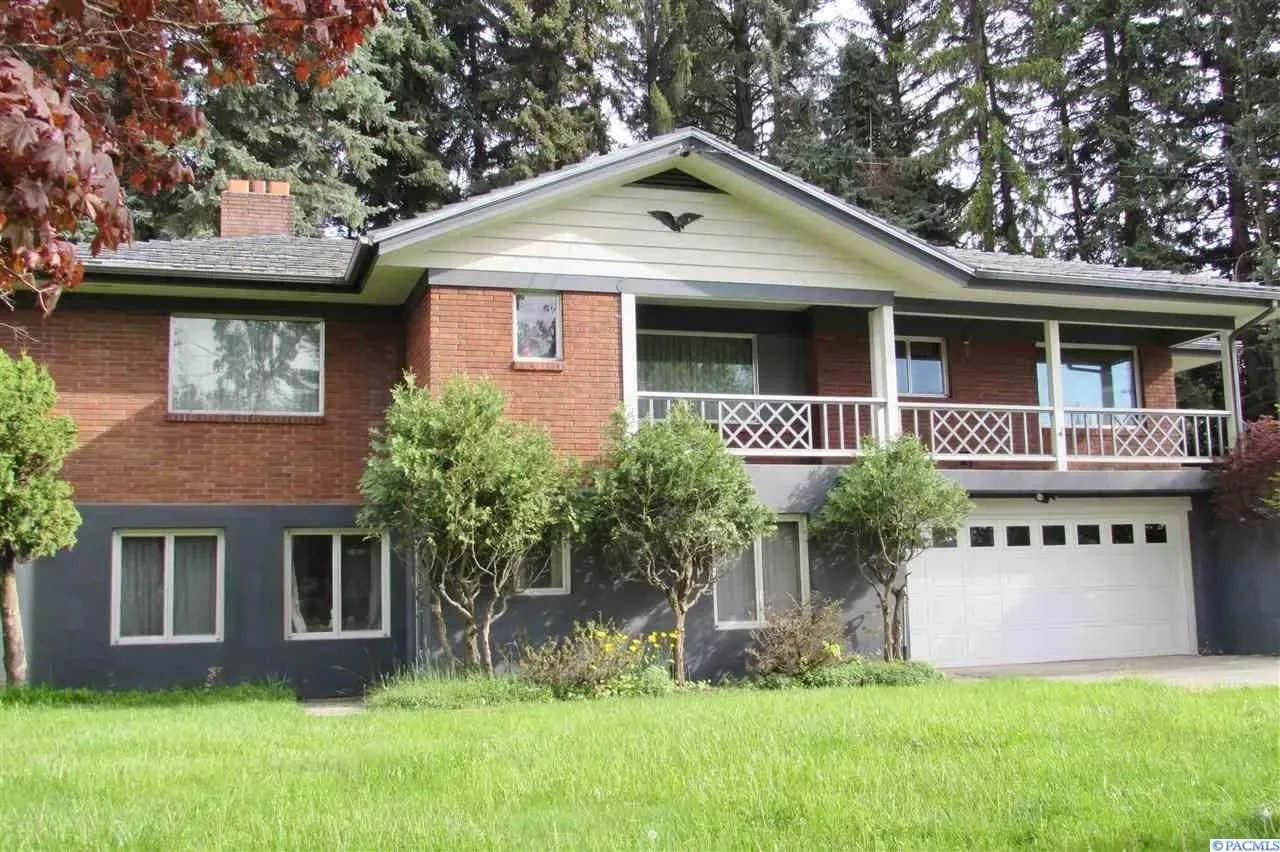
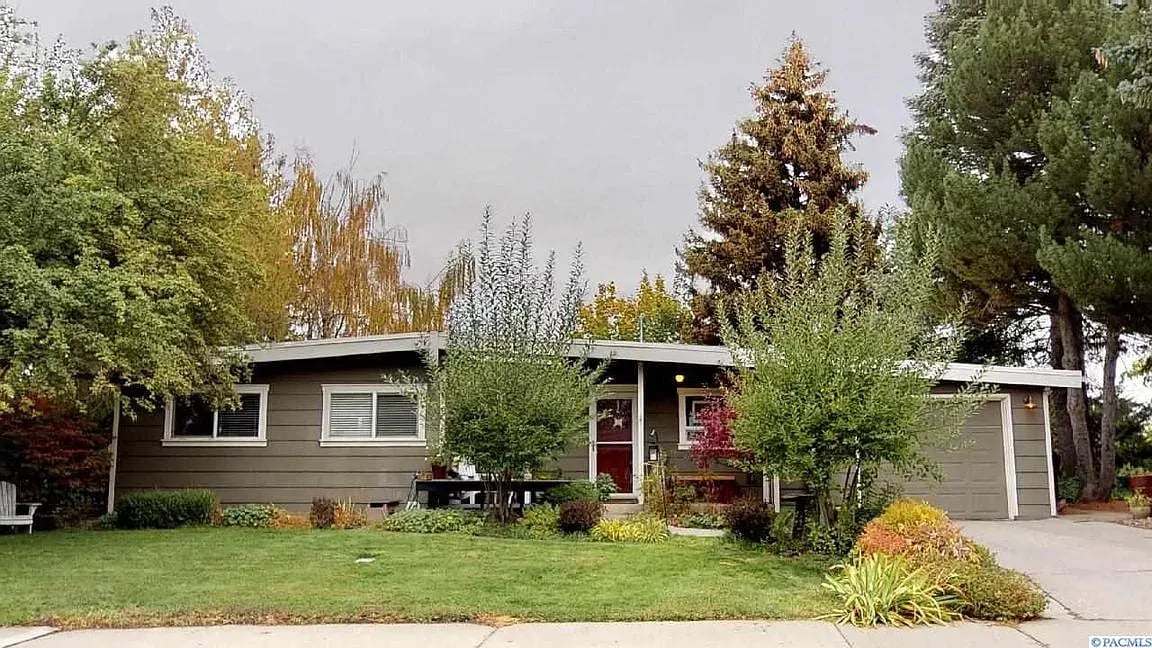
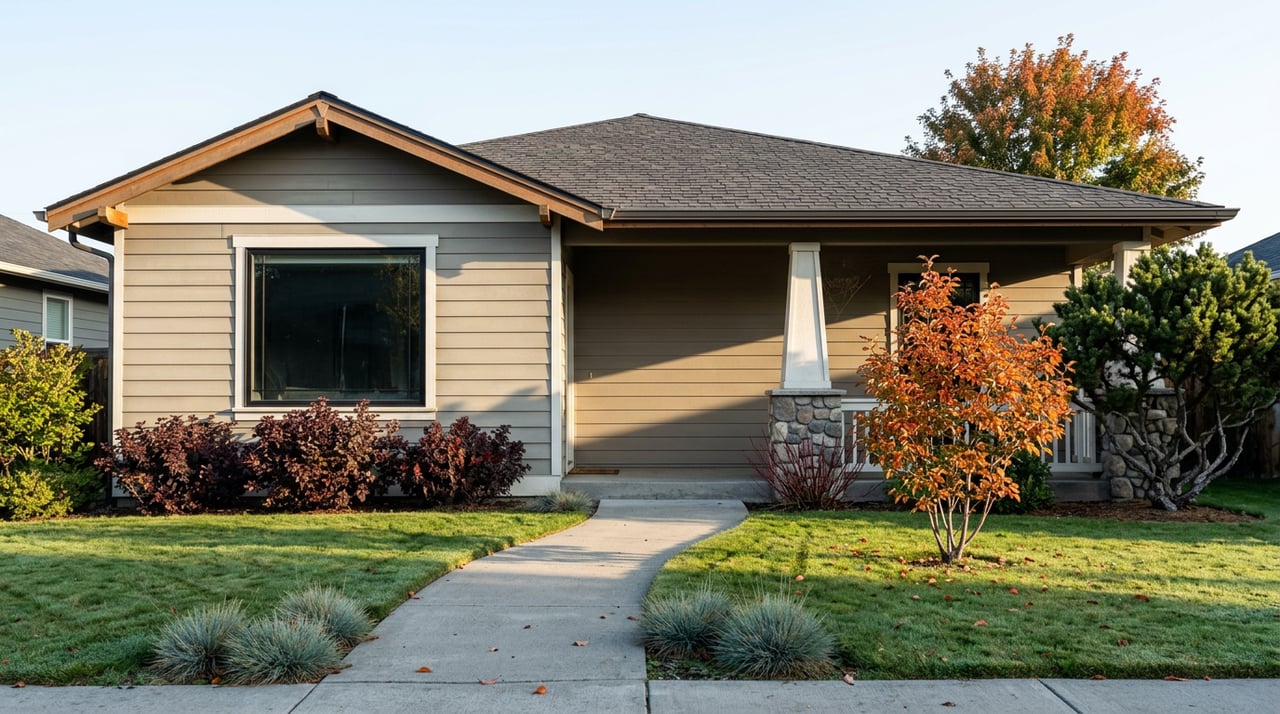
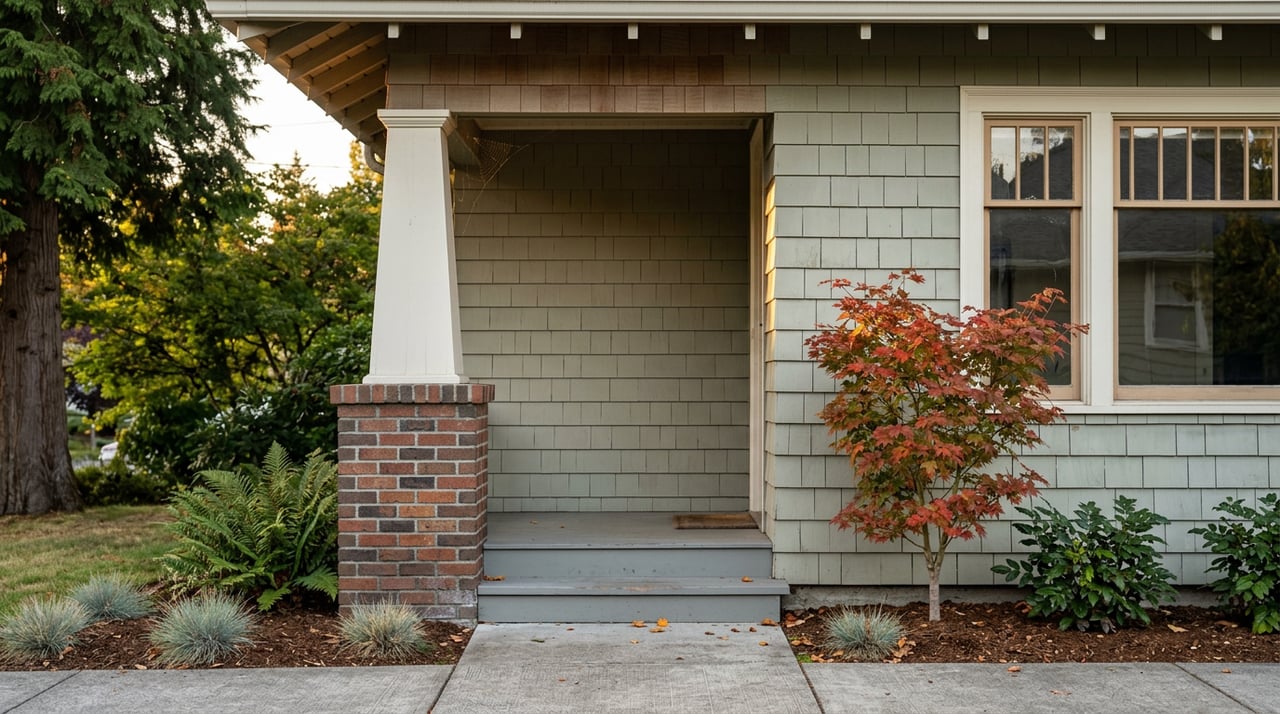
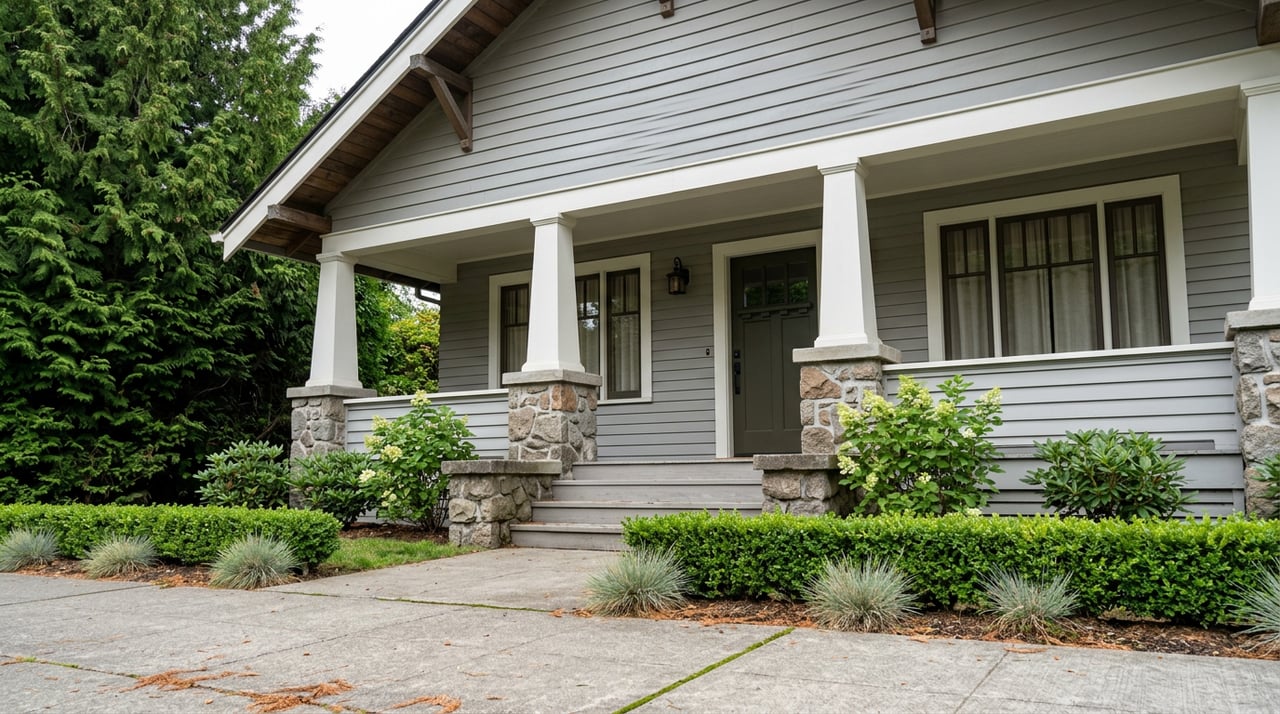
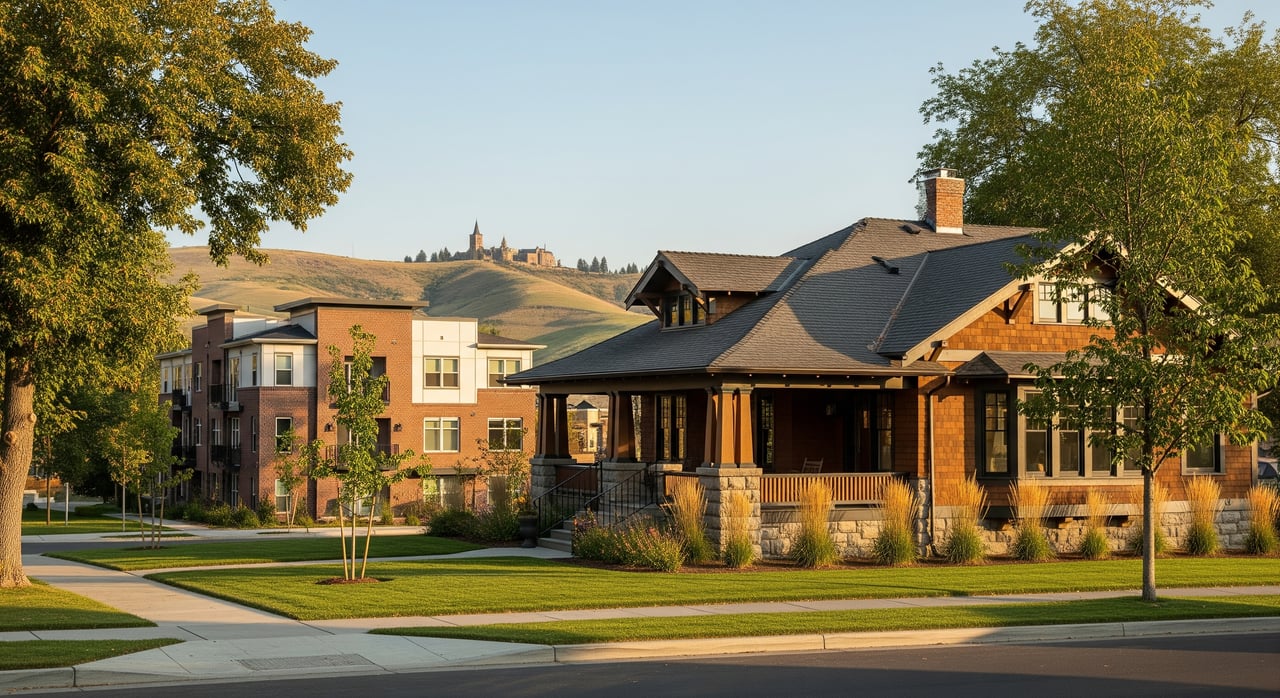
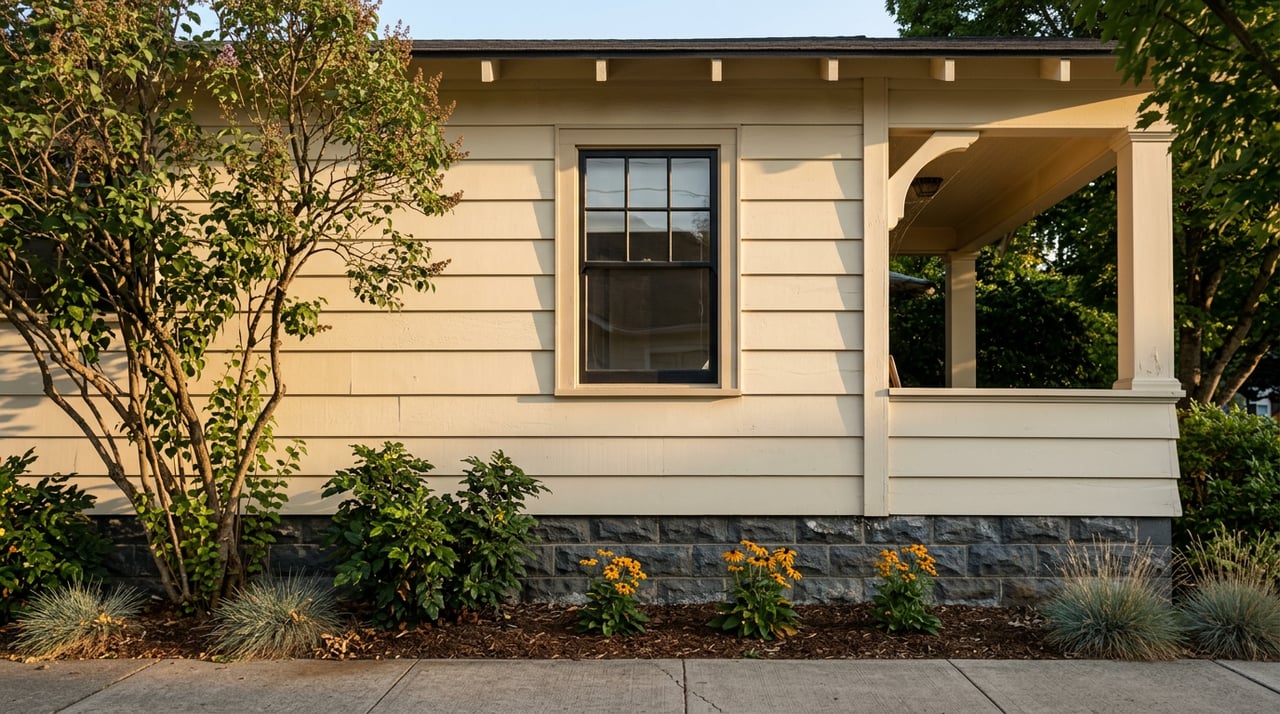
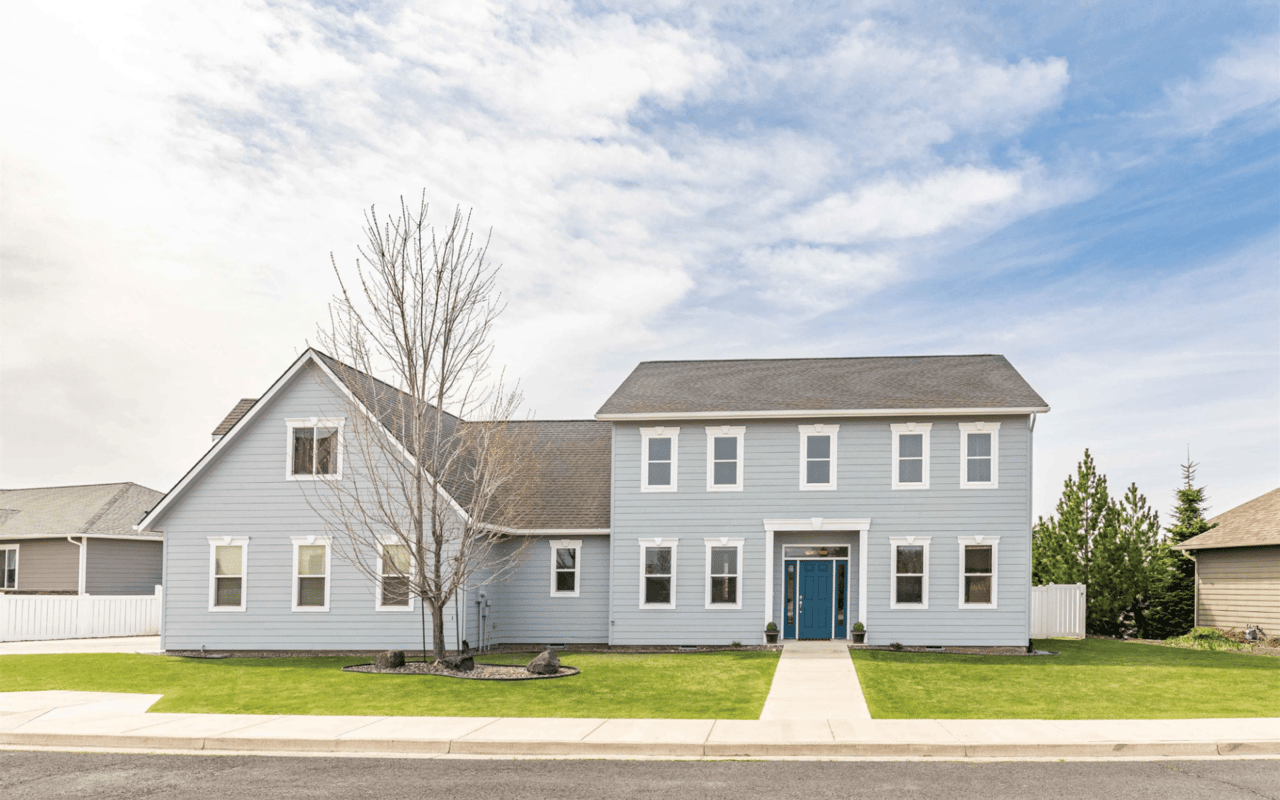
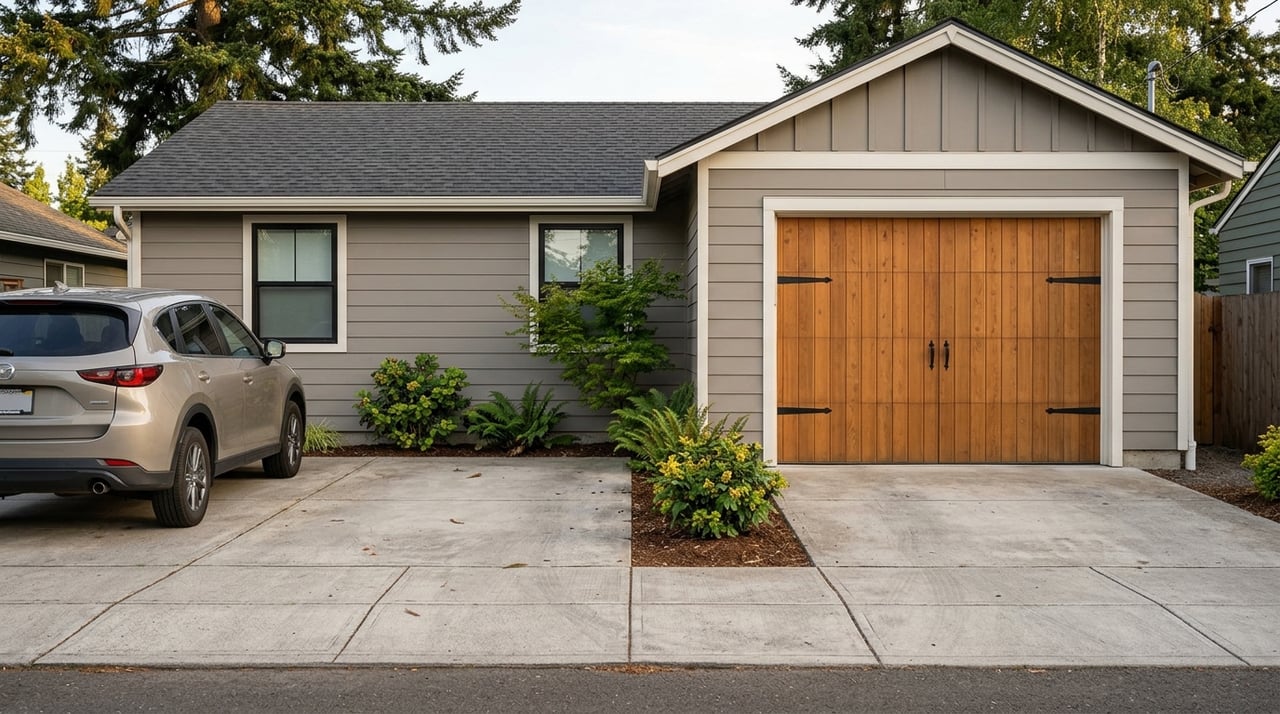
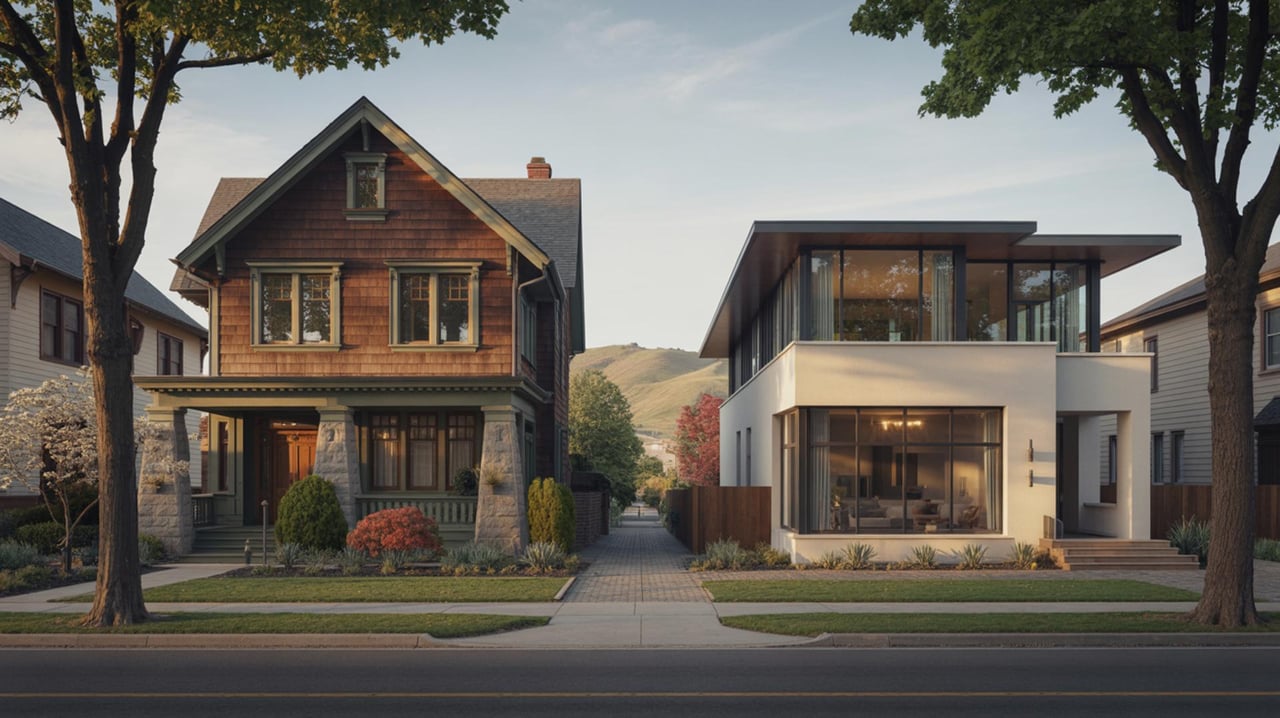
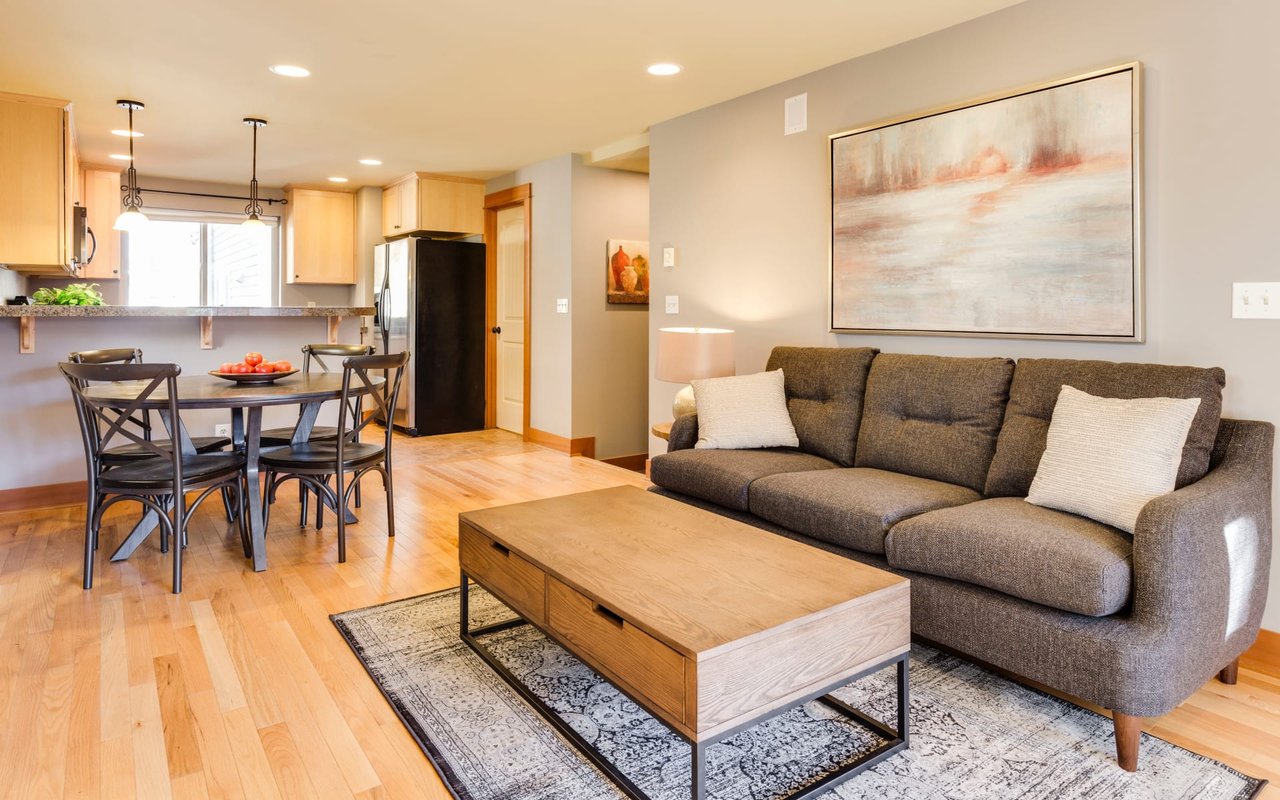
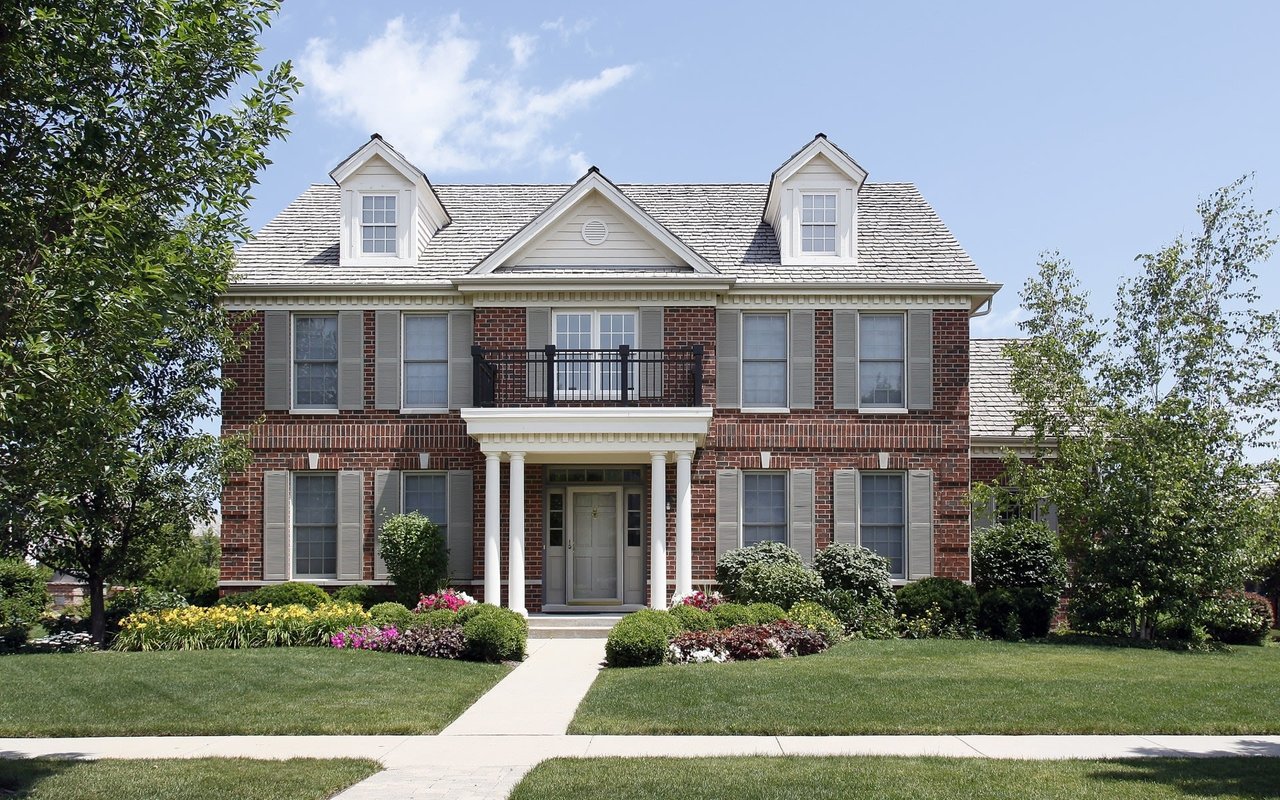
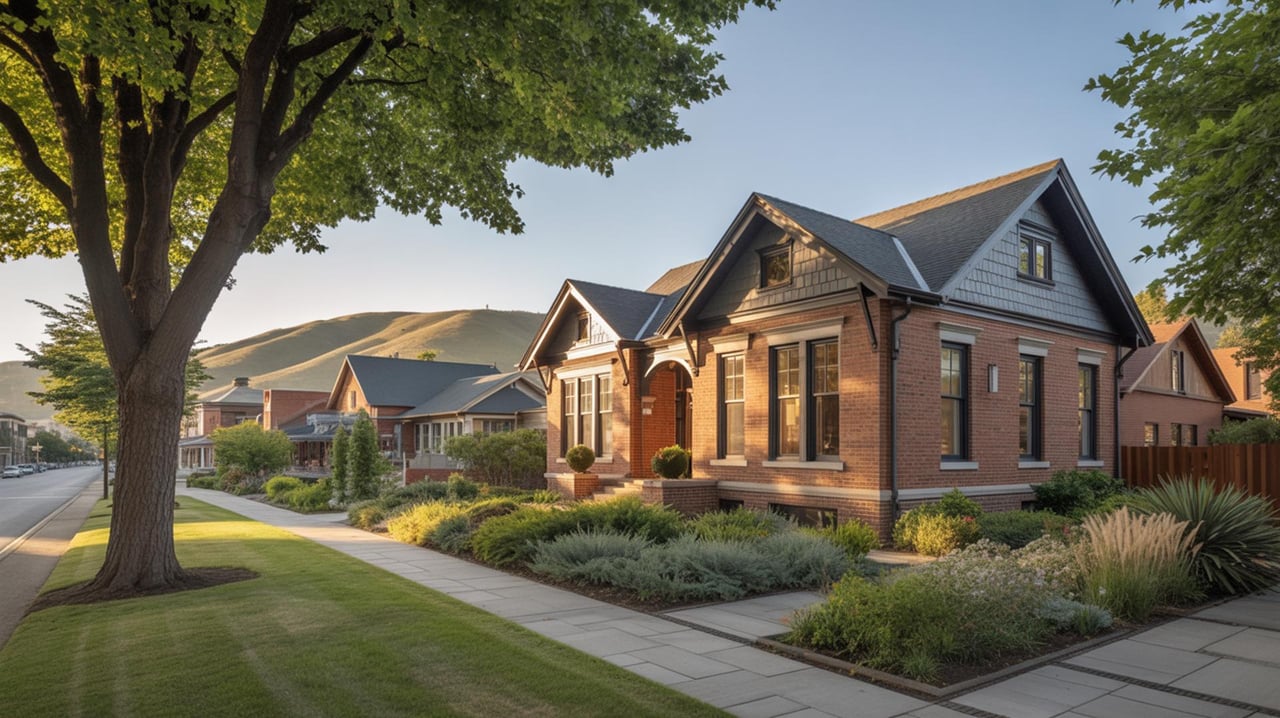
You’ll find older early-1900s bungalows and straightforward single-family homes, many converted into multi-bedroom student rentals. Duplexes and small 2–4 unit properties also appear and can be attractive to buyers who plan to occupy one unit and rent the others. Lots are compact and parking can be tight, so clear site layouts and off-street options are a plus.
For multi-bed student rentals, pay close attention to life-safety and local code requirements such as egress, smoke and CO detectors, and permitted bedroom conversions. You can review relevant standards within the City’s zoning code and short-term rental sections in Pullman Title 17.
Decide how you will use the home
Parent or faculty place with occasional use
If you plan to stay in the home during visits or part of the year, a conventional loan as a second home may fit. Lenders require that you occupy a second home for portions of the year and typically do not allow it to be managed like an investment rental. Rules vary by lender, so confirm details in advance and review guidance in the Fannie Mae Selling Guide.
Long-term hold with a student occupant
If a parent will not live in the property, most lenders treat the purchase as an investment loan. Expect higher down payment requirements, higher interest rates, and cash reserve tests compared to an owner-occupied loan. If a co-borrower structure is on the table, have your loan officer outline underwriting rules early. For Washington landlord basics, you can consult the state’s Residential Landlord-Tenant Act in RCW 59.18.
Short-term rental for game weekends
Short-term rentals are not automatic in Pullman. The City requires a Short-Term Rental endorsement and annual permit under Chapter 17.109. Eligible dwelling types, inspections, public notice to neighbors within 200 feet, lodging tax remittance, and yearly renewals all apply. If you plan to host for football weekends or events, start with the City’s STR rules in Pullman Title 17, Chapter 17.109.
Financing rules that can change your plan
FHA occupancy is strict
FHA requires that at least one borrower occupy the home within 60 days of closing and intend to live there for at least one year. If you will not occupy, FHA is usually not an option. Review the policy in the HUD Single Family Housing Policy Handbook 4000.1.
Conventional loans: primary, second home, or investment
Conventional financing follows clear occupancy categories, and pricing changes with each. Second homes require personal use and are not managed as rentals under most lender rules. If you will not occupy, expect investment underwriting, often with 15 to 25 percent or more down and stronger reserve requirements. See definitions and scenarios in the Fannie Mae Selling Guide.
2–4 units to “house-hack”
Some buyers seek a 2–4 unit property and live in one unit while renting the others. FHA and conventional programs can allow this when you occupy your unit as a primary residence, but underwriting, loan limits, and rental income treatment vary. Confirm specifics with your lender and review FHA occupancy guidance in Handbook 4000.1.
Insurance and taxes
Classify the property correctly before closing so your insurance matches use. Owner-occupied and landlord policies differ. Budget for Whitman County property taxes and ask your lender or title team about any supplemental tax if you purchase mid-year.
What rent looks like on College Hill
Many shared 4-bedroom houses in Pullman fall around $2,200 to $3,000 per month, which pencils to roughly $550 to $800 per room, depending on condition and amenities. This aligns with current local rental listings in Pullman’s house and townhome segment. Individual income properties sometimes disclose in-place rent in their marketing; for example, a 5-bedroom home that sold for $410,000 reported monthly rent in this general range at the time of sale.
Here is a simple way to model a conservative, pre-debt cash flow for a 4–5 bedroom property:
- Gross scheduled rent: for example, $2,600 to $3,375 per month based on current local listings.
- Vacancy and turn allowance: 15 to 25 percent for student cycles and summer turnover.
- Operating costs: property management, maintenance, reserves, and any owner-paid utilities. Use realistic local estimates for each line.
- Property taxes and insurance: obtain current figures from your insurance provider and the county assessor or title team.
This framework helps you see a 12-month picture with room for leasing cycles and repairs before you add financing costs.
Buying remotely and closing with confidence
Pullman is set up for remote-friendly transactions. Virtual showings and 3D tours are common, and most lenders and title companies support electronic document packages. Washington also allows electronic notarization and Remote Online Notarization, subject to the notary and platform used. You can learn more on the Washington Department of Licensing notary page.
Even if you buy from out of state, arrange these on the ground:
- A detailed home inspection with a local inspector experienced in older Pullman homes.
- A life-safety and code compliance check for multi-bedroom rentals, including egress and detectors. See standards in Pullman Title 17.
- A title/escrow team that can coordinate mobile or remote notarization and confirm acceptance of RON for your file.
How a local expert helps on College Hill
College Hill is a small, active sub-market where details drive value. A local agent should pull precise comps, verify parking and permit histories, and confirm bedroom counts and safety compliance for student use. For short-term rentals, your agent can help you navigate the City’s application and inspection steps.
If you plan to keep the home as a rental, you also need a reliable property manager and maintenance contacts. A neighborhood-focused agent can introduce vetted providers and coordinate showings, inspections, and closing logistics so you make decisions confidently from a distance.
Getting around and walkability
Yes, College Hill is adjacent and walkable to the WSU campus. Many homes sit on streets that feed directly into campus, Greek Row, and the arts and stadium area. For a visual of proximity and landmarks, use the Visit Pullman College Hill overview.
Ready to map out a plan that matches your goals and budget on College Hill? Reach out to Krista Gross for local comps, financing paths, and a remote-friendly buying process tailored to you.
FAQs
How close is College Hill to WSU and can my student walk to class?
- College Hill borders the WSU campus, and many streets are a short walk to classrooms and venues; see the area layout in the Visit Pullman College Hill guide.
Can I use an FHA loan if my student will live there and I will not?
- Usually no; FHA expects a borrower to move in within 60 days of closing and live there for at least one year, per HUD Handbook 4000.1.
Are short-term rentals allowed near WSU on College Hill?
- Short-term rentals require a City endorsement and annual permit with inspections, neighbor notice, and lodging tax compliance; see Chapter 17.109 in Pullman Title 17.
What are typical rents per room in Pullman student houses?
- Many 4-bedroom homes total about $2,200 to $3,000 per month, which implies roughly $550 to $800 per room depending on condition and amenities.
How much do homes near WSU on College Hill cost?
- Recent examples show smaller homes in the low to mid $300,000s and larger multi-bed or duplex-style homes from about $400,000 to $600,000+, with individual comps driving value.
Can I buy a College Hill property from out of state?
- Yes; virtual tours, e-signing, and Remote Online Notarization are available in Washington, subject to your title company and lender; see the DOL notary guidance.