If you are drawn to neighborhoods with mature trees, walkable streets, and homes that show real architectural variety, Pioneer Hill is worth a closer look. For buyers and sellers in Pullman, this area stands out for its layered history, established setting, and mix of older character homes and later custom builds. Understanding what you are likely to find here can help you make a smarter move. Let’s dive in.
What Defines Pioneer Hill
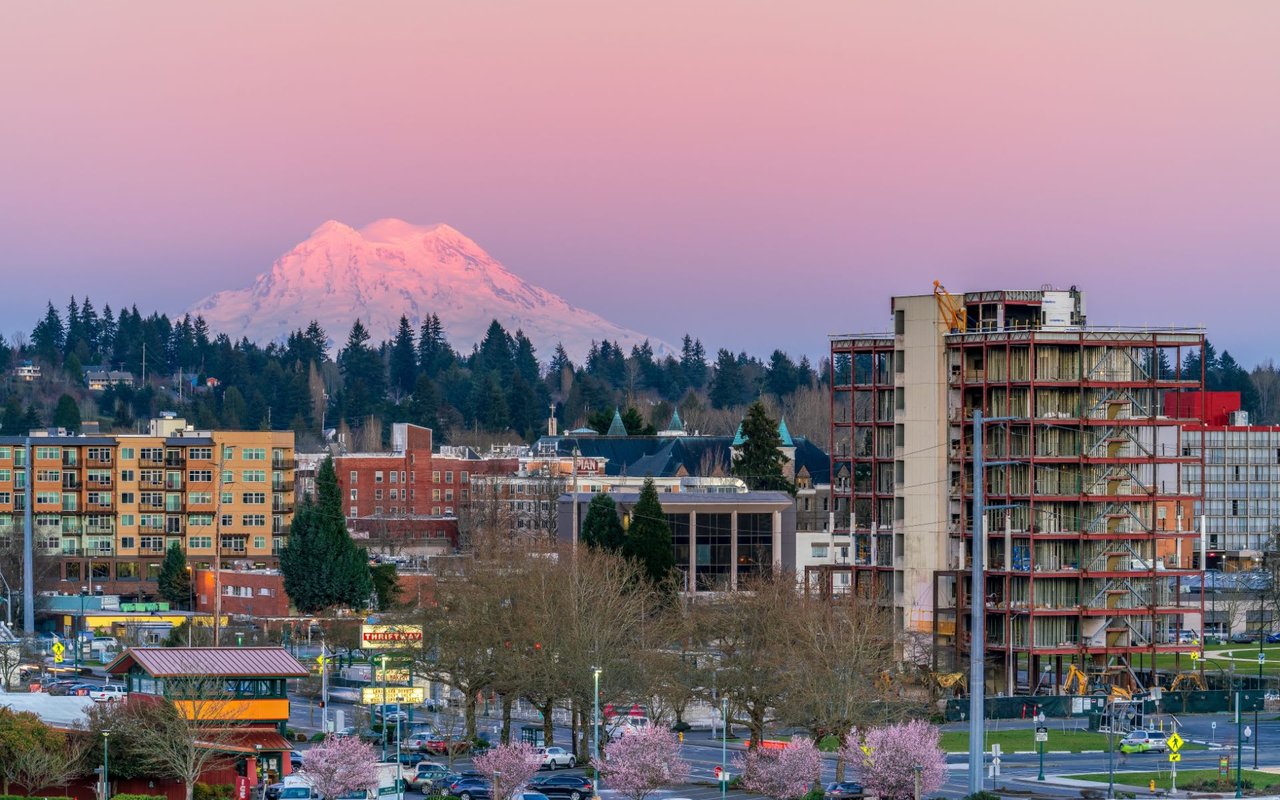
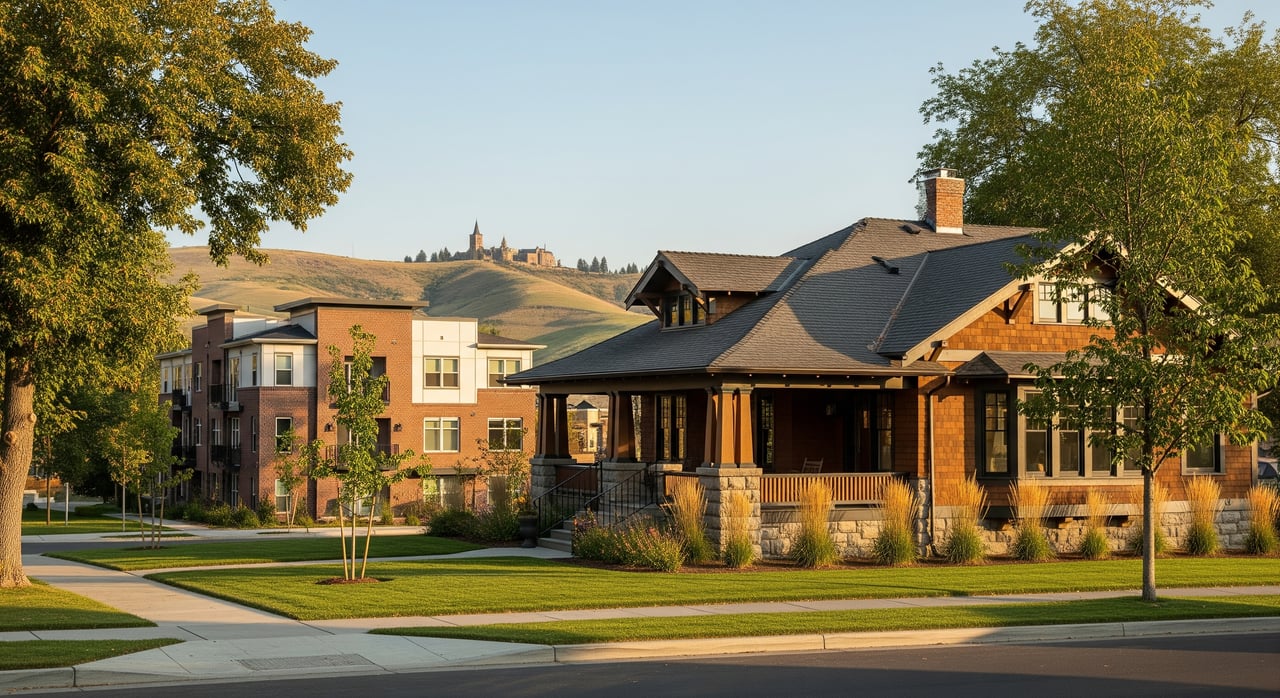
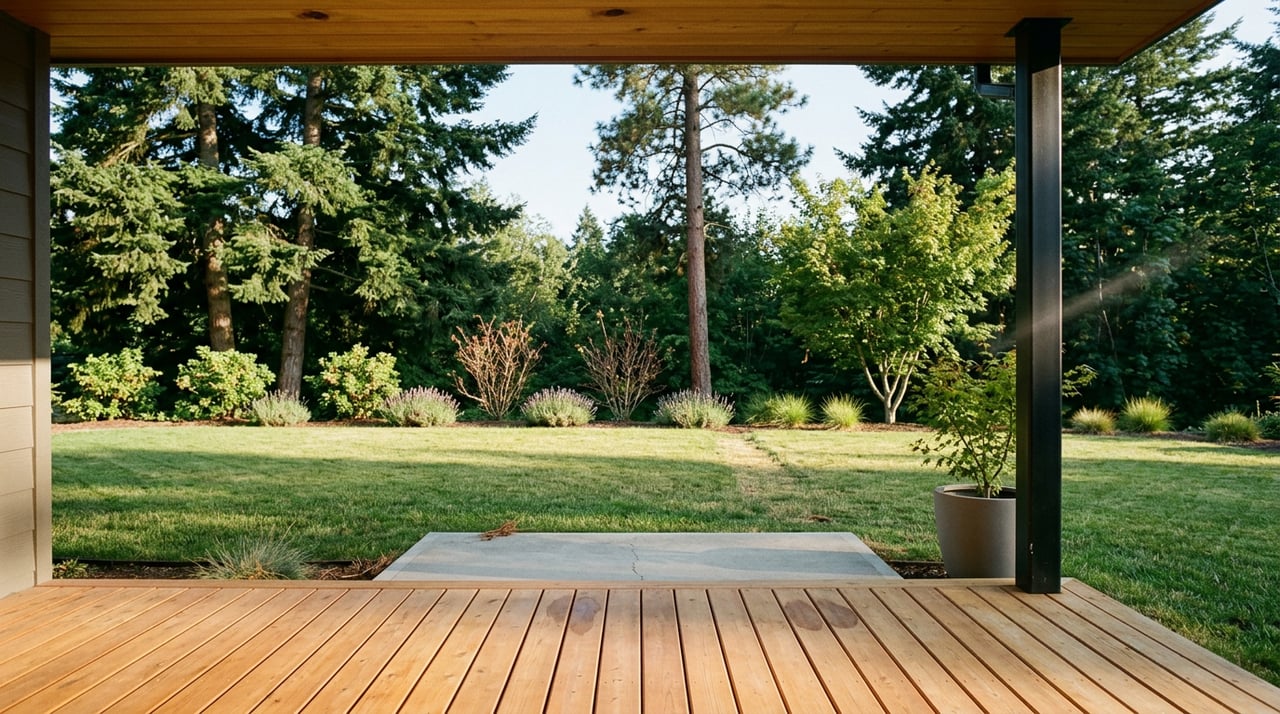
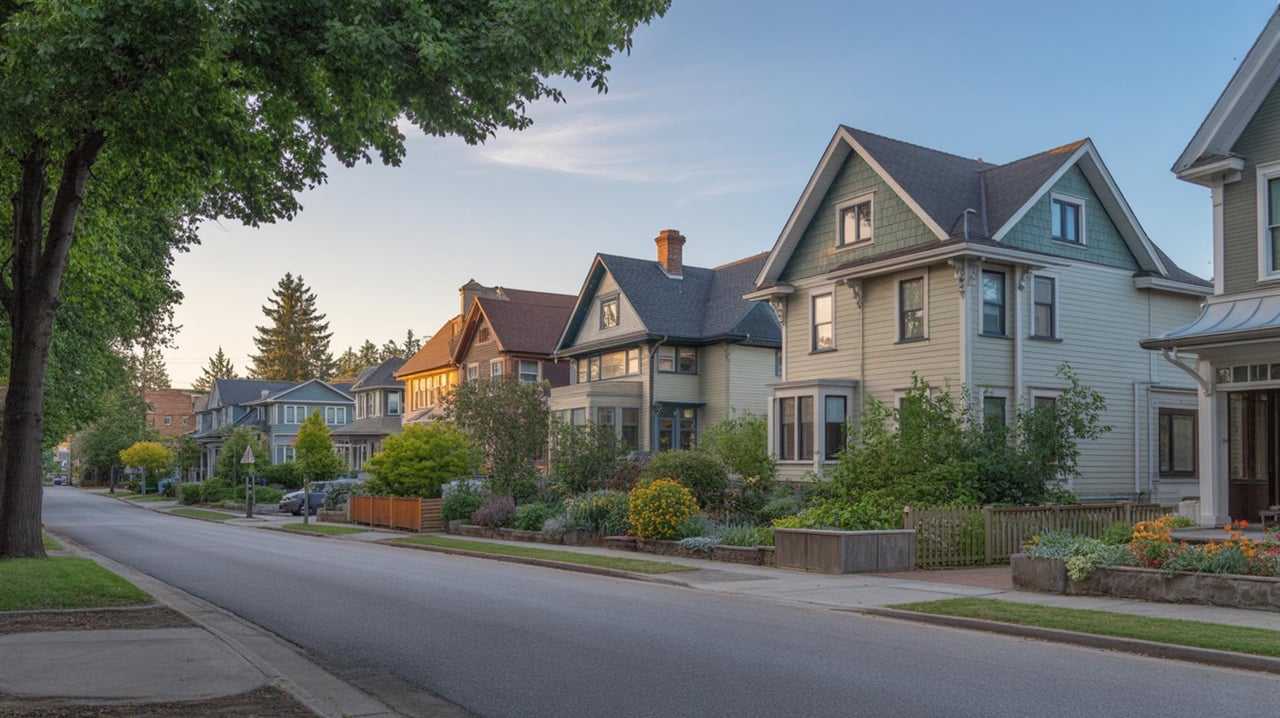
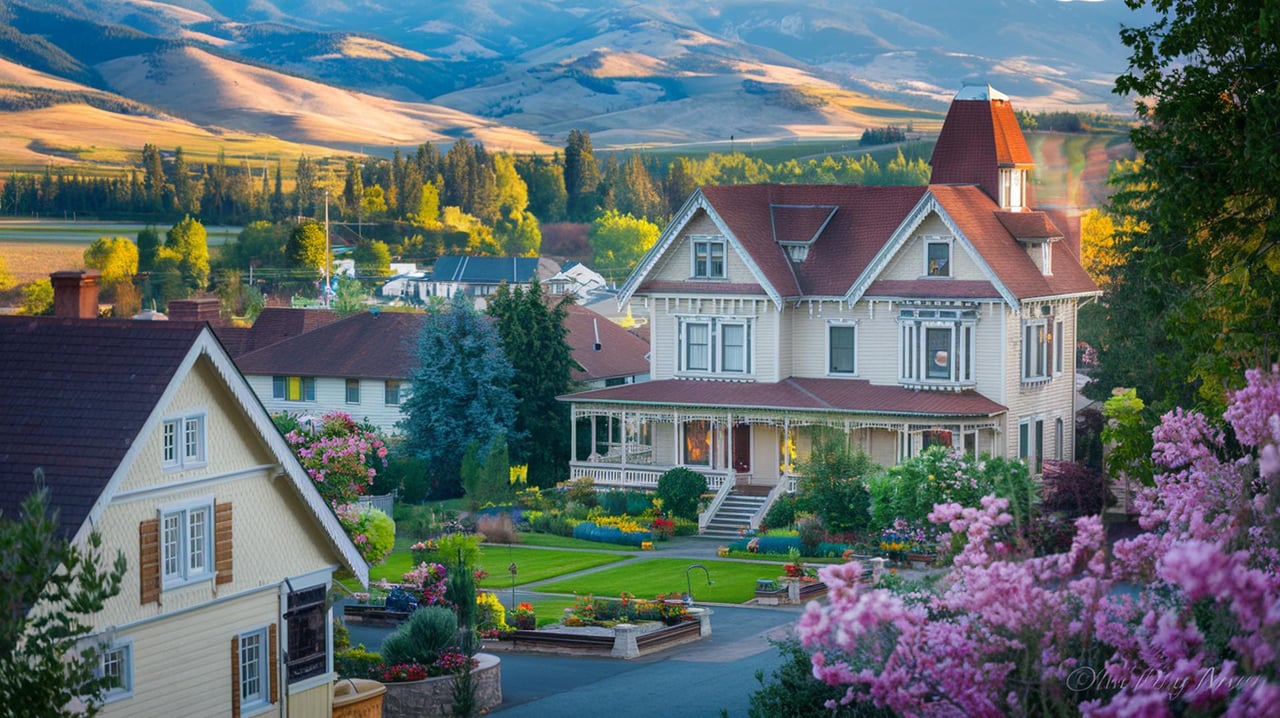
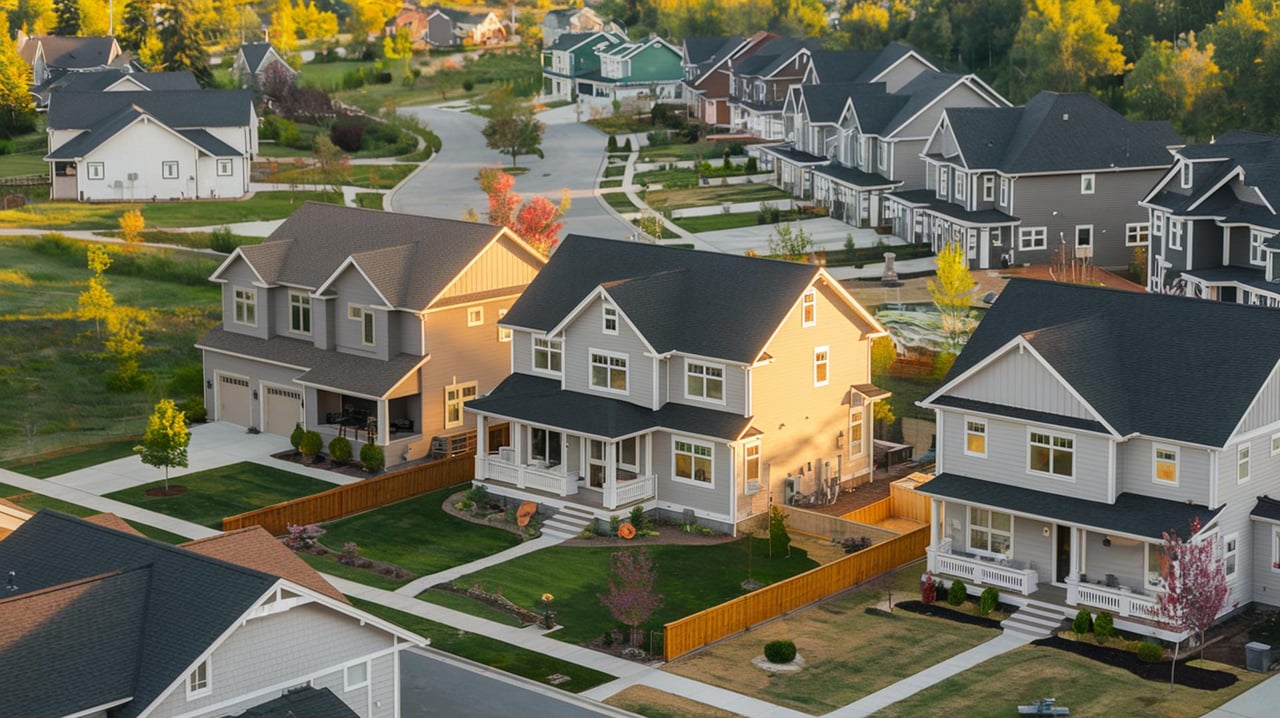
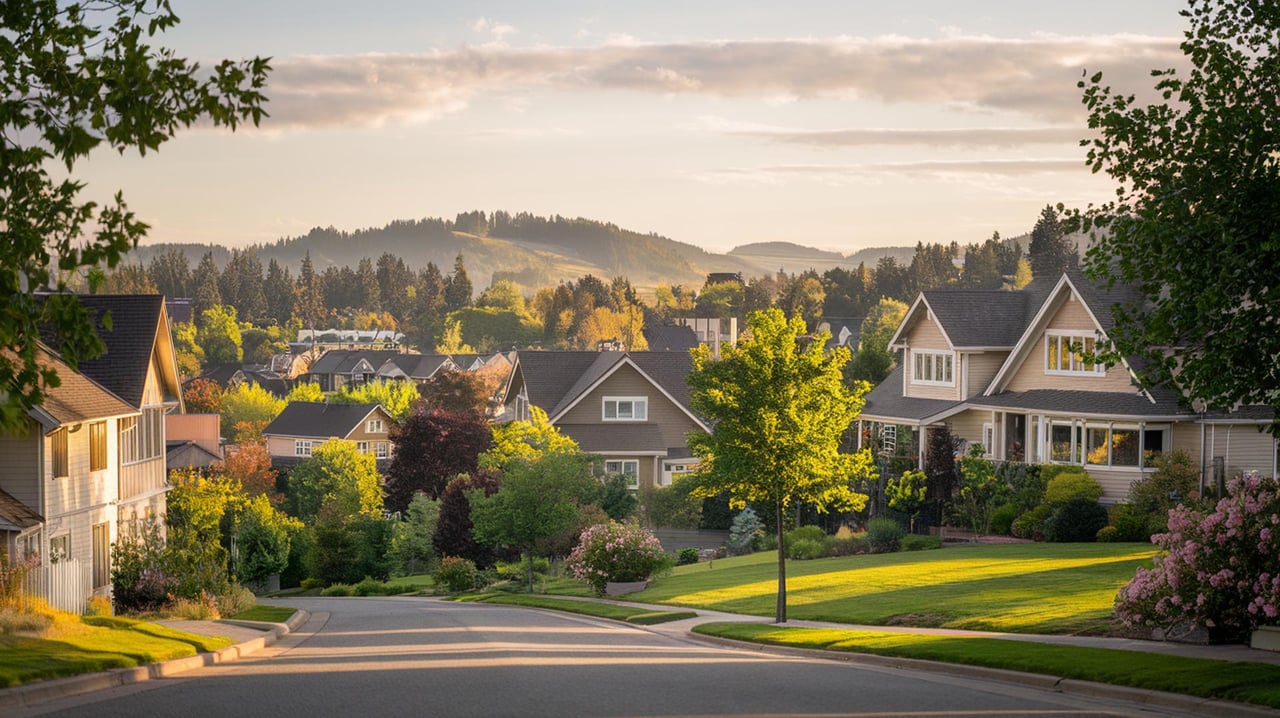
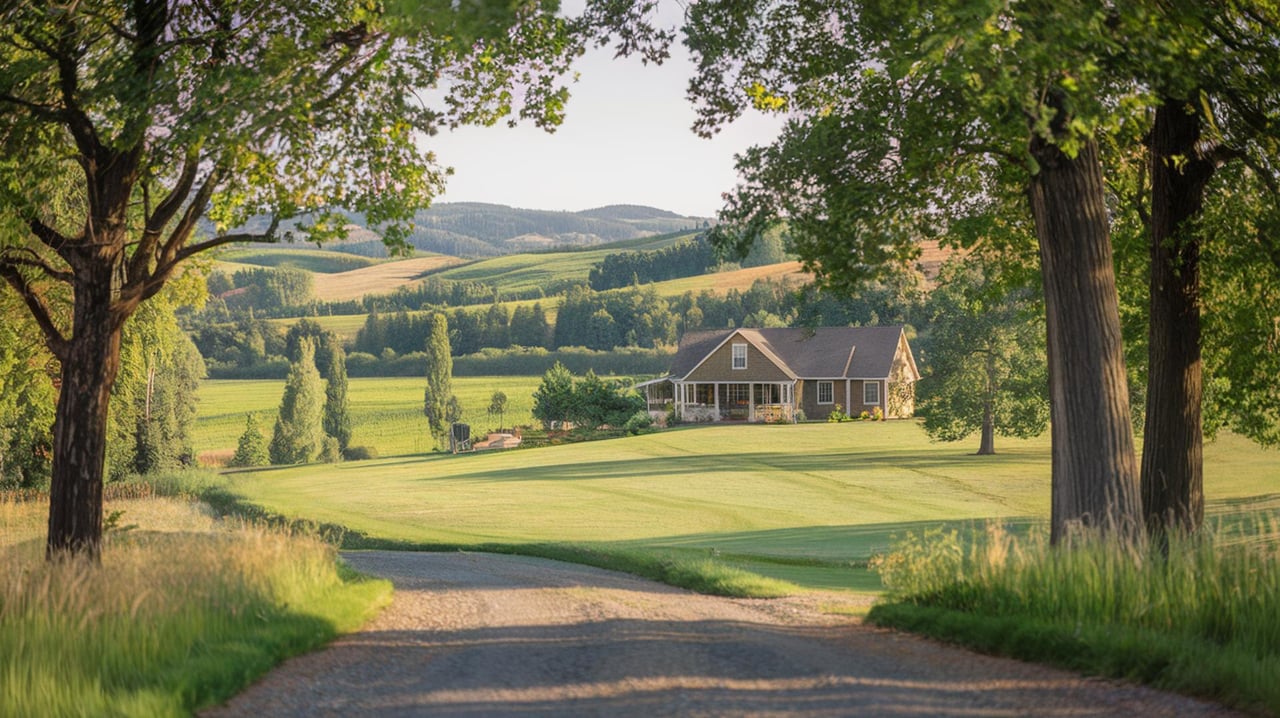
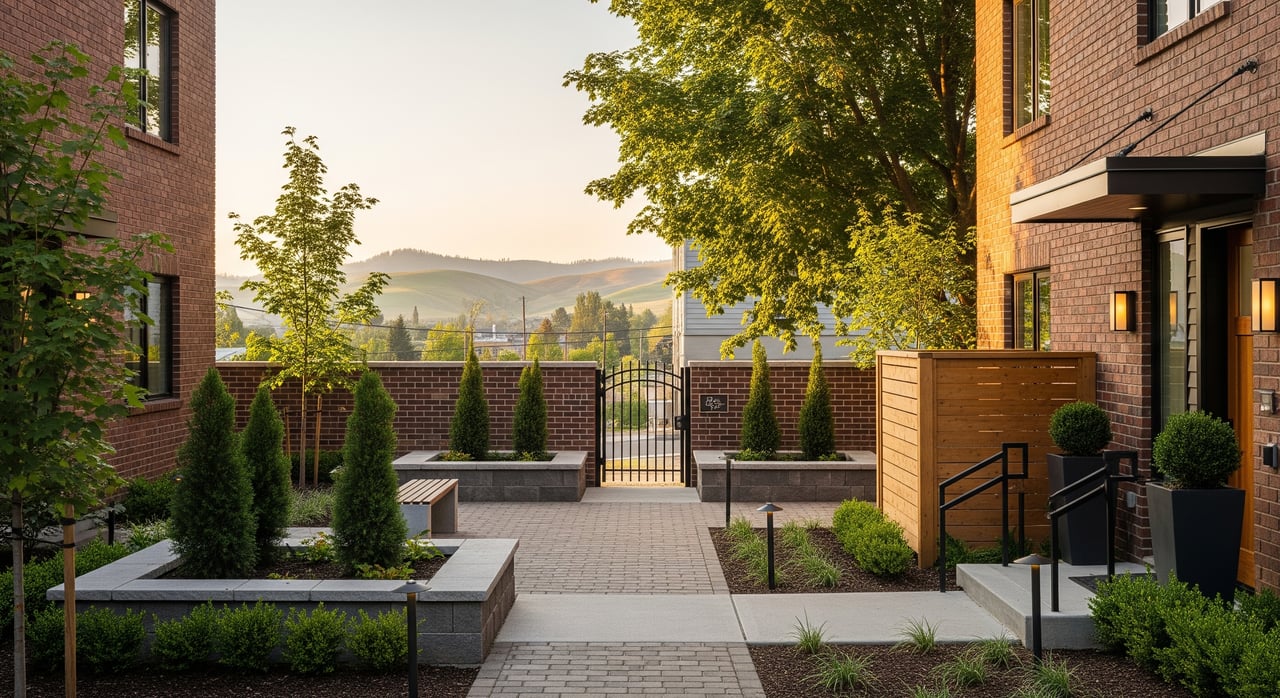
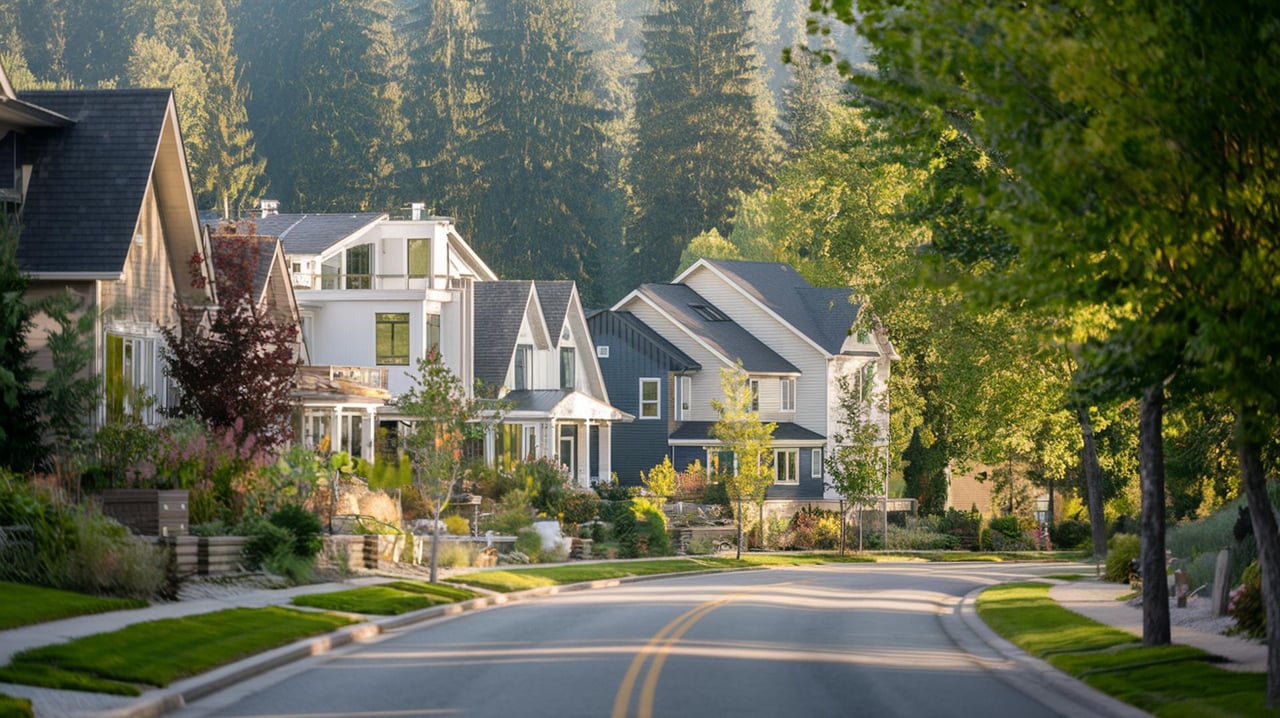
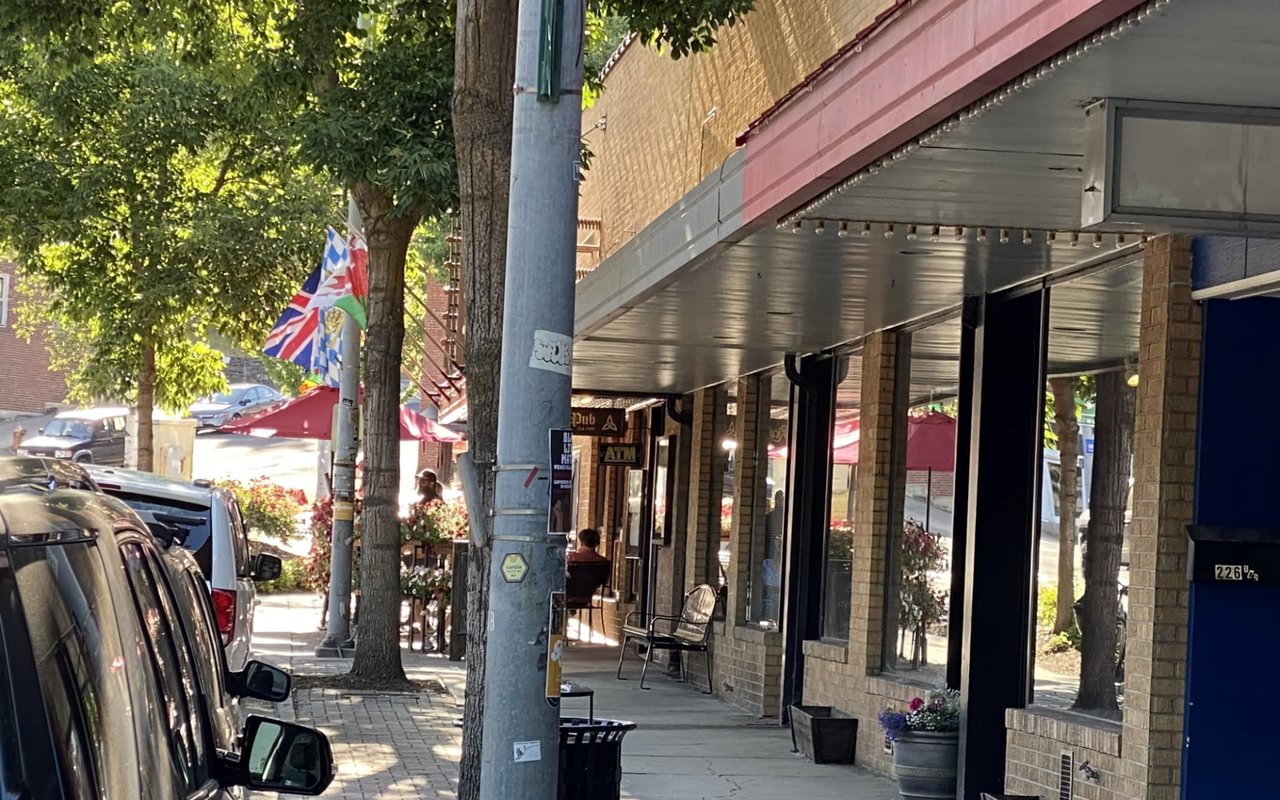
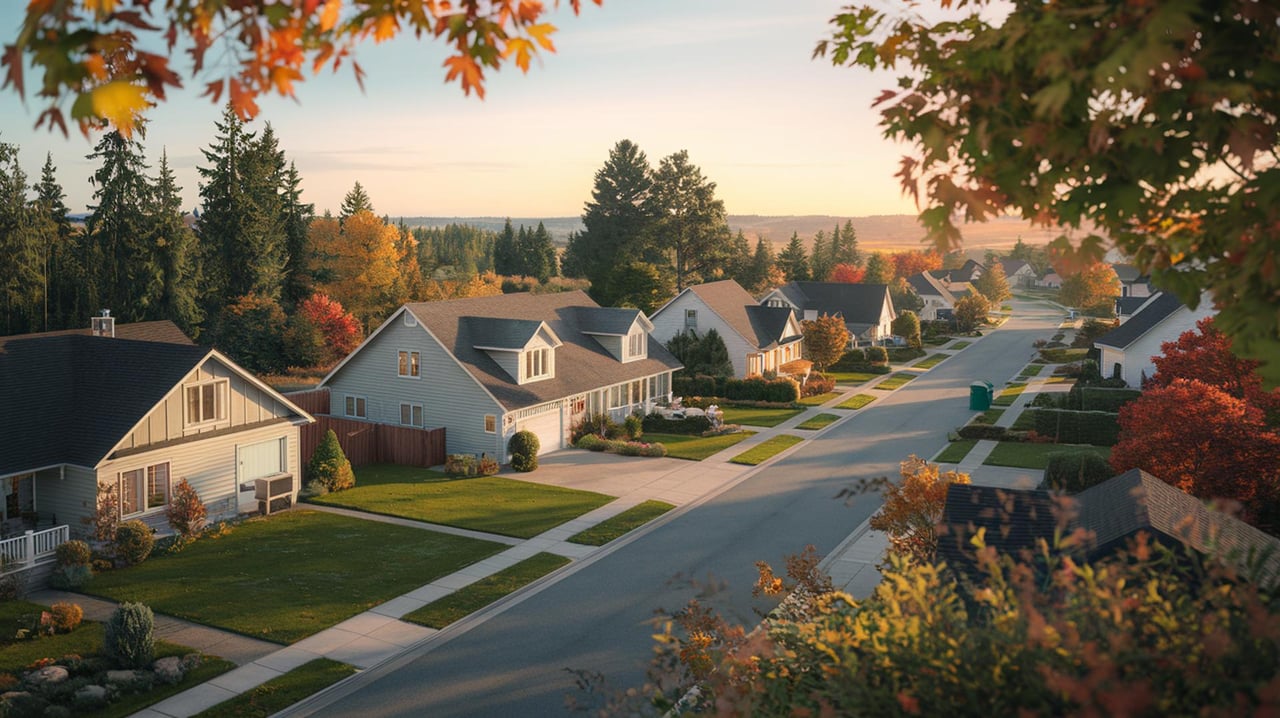
Pioneer Hill sits in Pullman’s southeastern quadrant and is widely recognized as one of the city’s established residential areas. According to the City of Pullman Comprehensive Plan, it is primarily made up of single-family homes, with a tight street grid and extensive tree cover.
The neighborhood also carries historical weight. Local planning materials note that Pioneer Hill was the first of Pullman’s four hills to be settled, which helps explain why the area feels rooted in the city’s early development. In Pullman, hill identity matters, and Pioneer Hill has a distinct place in that local geography.
Pioneer Hill Location Benefits
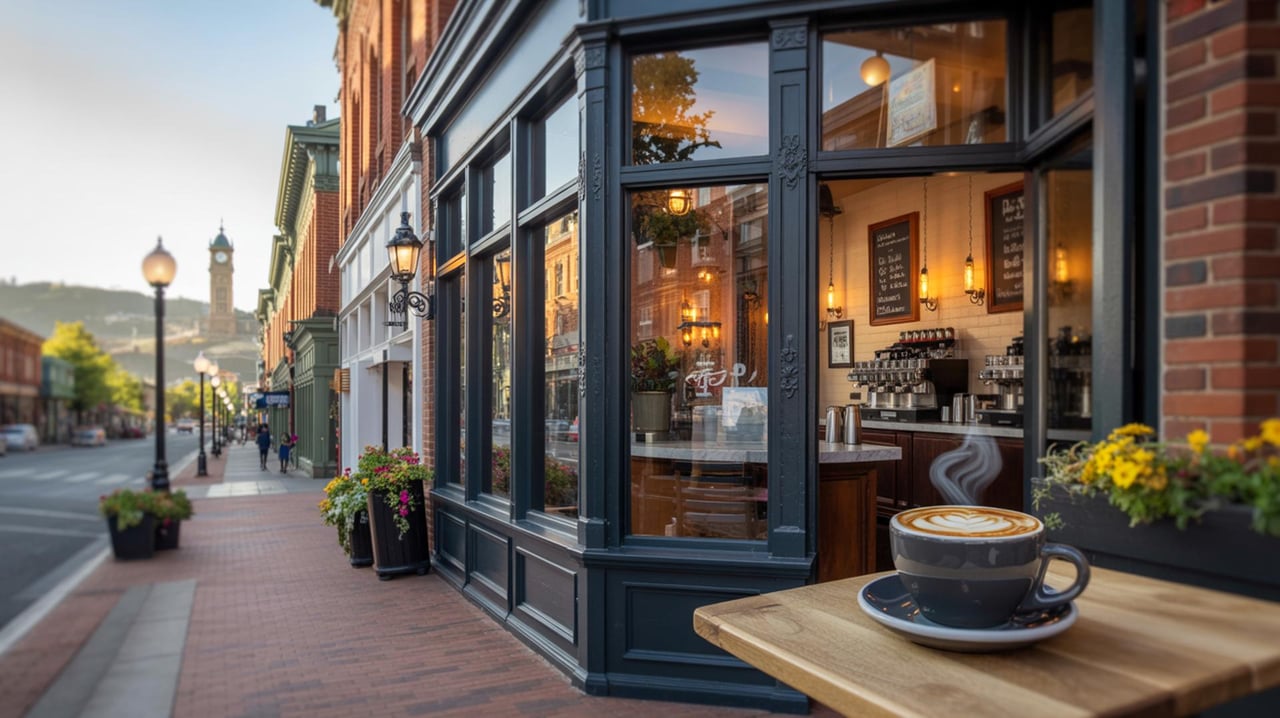
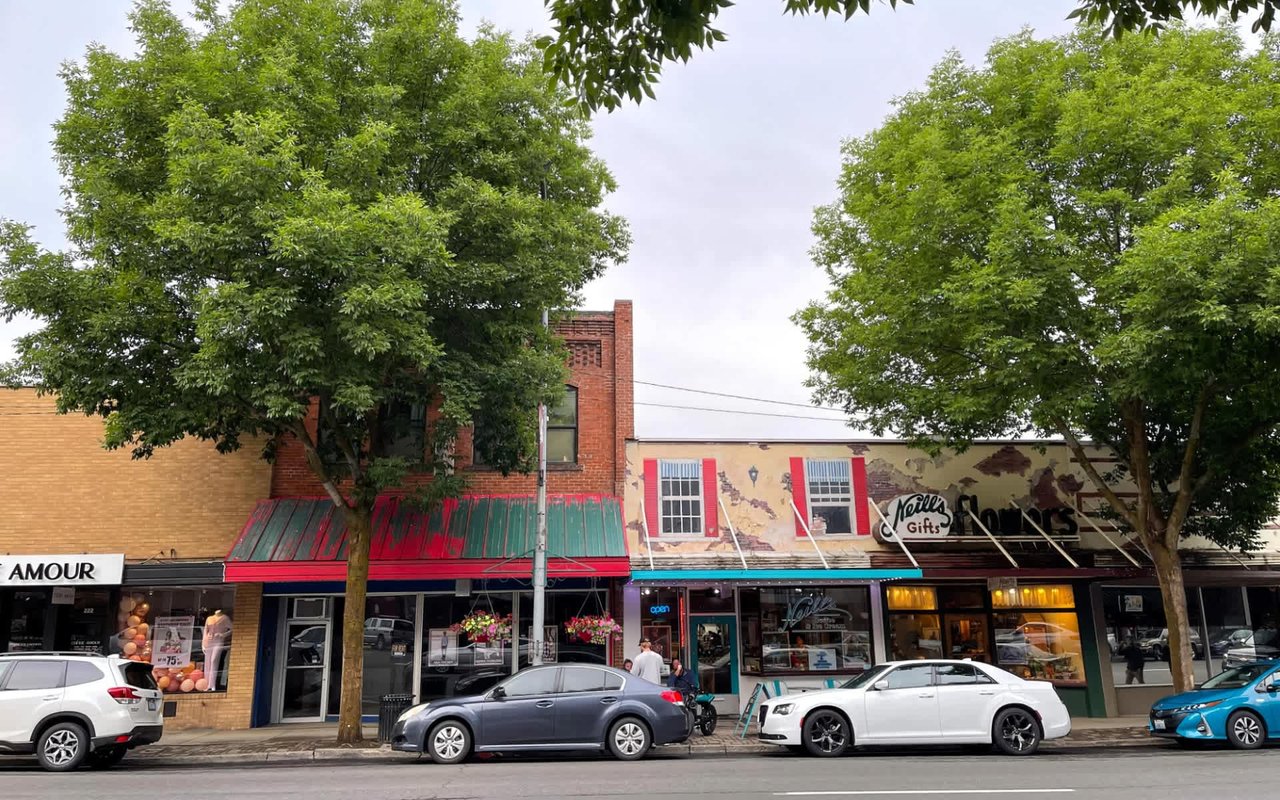
One reason Pioneer Hill appeals to so many buyers is its in-town access. The neighborhood is south of Downtown and within walking distance of Downtown, City Hall, the Pioneer Center, and several parks, based on the city’s comprehensive plan.
Local tourism information from Visit Pullman’s Pioneer Hill page also highlights access to Kruegel Park, Lawson Gardens, downtown, and Bishop Boulevard. If you want a neighborhood that feels residential but still connected to everyday destinations, Pioneer Hill checks that box.
Pioneer Hill Home Styles
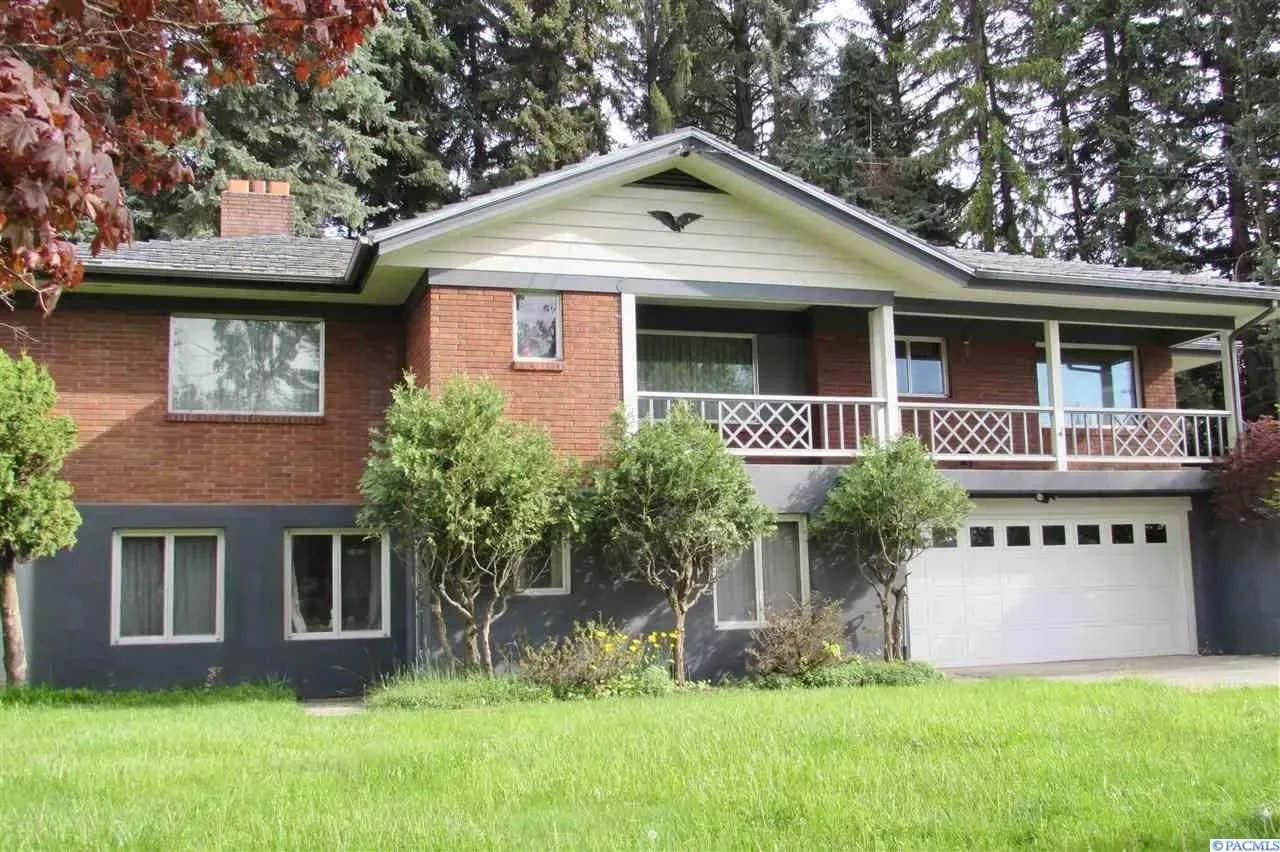
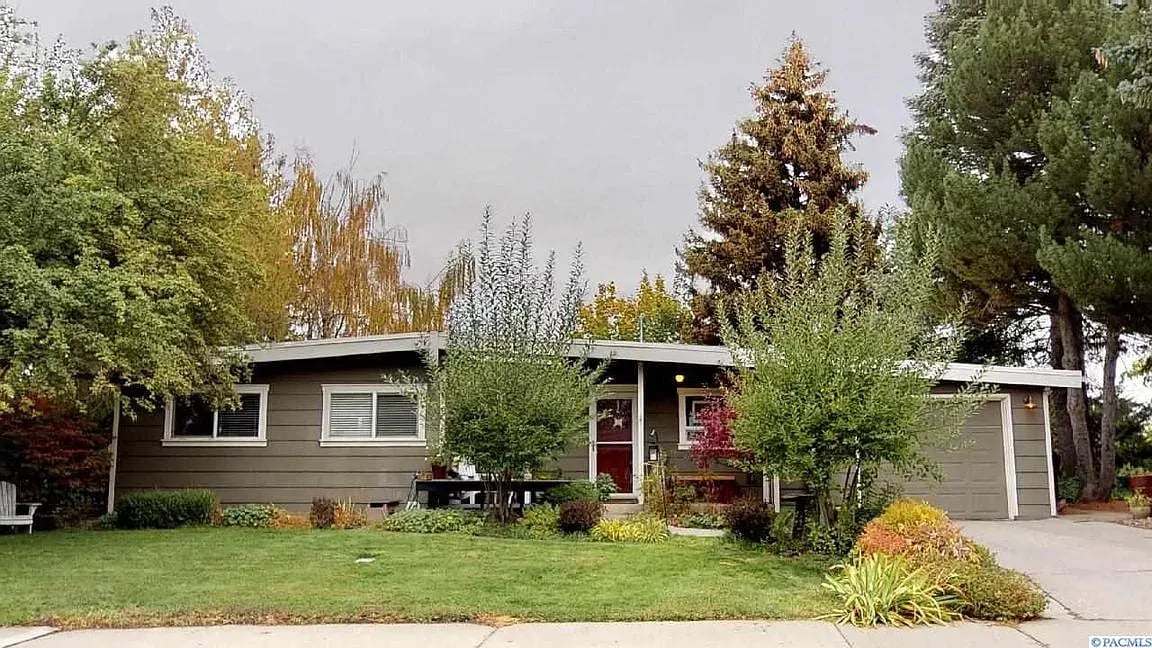
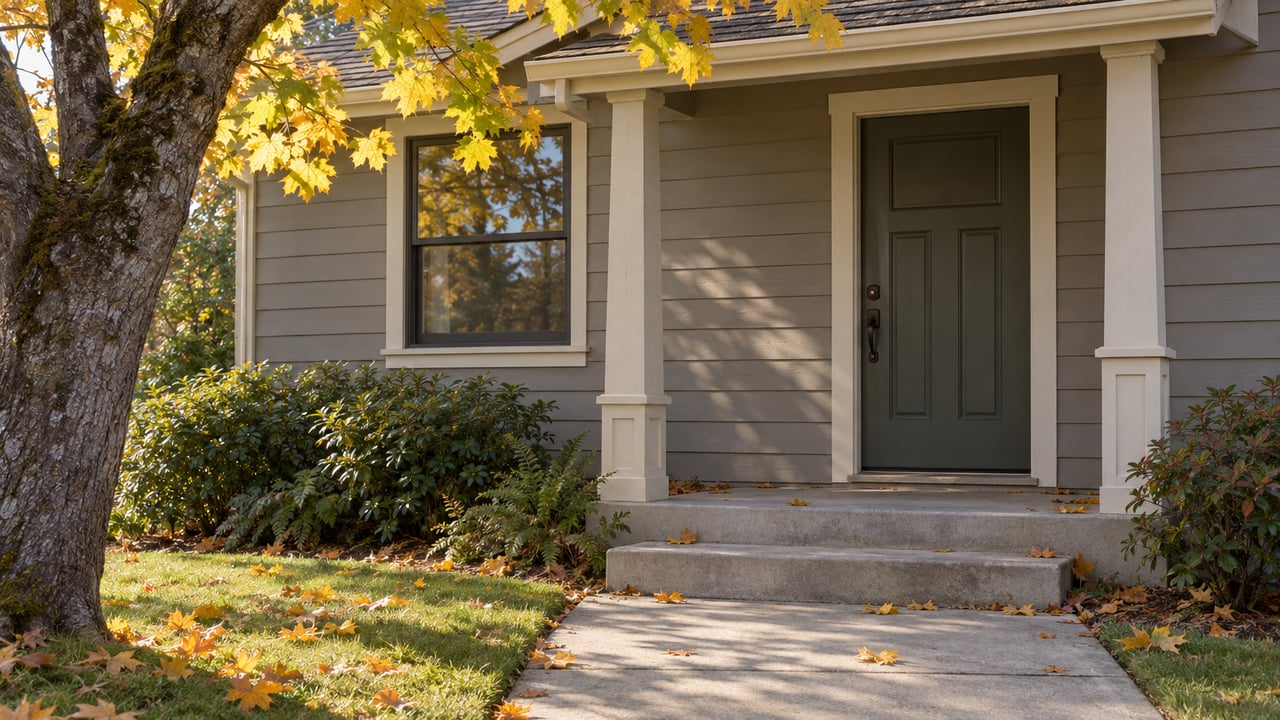
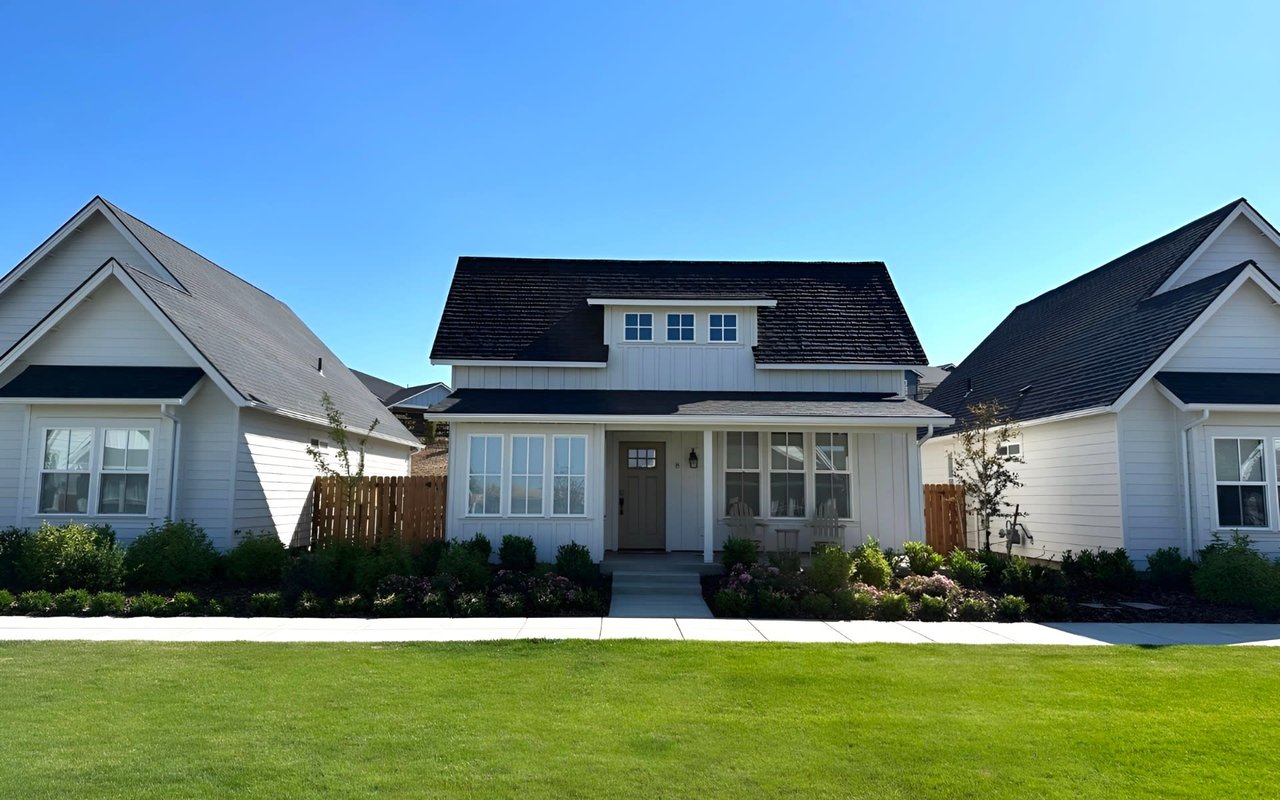
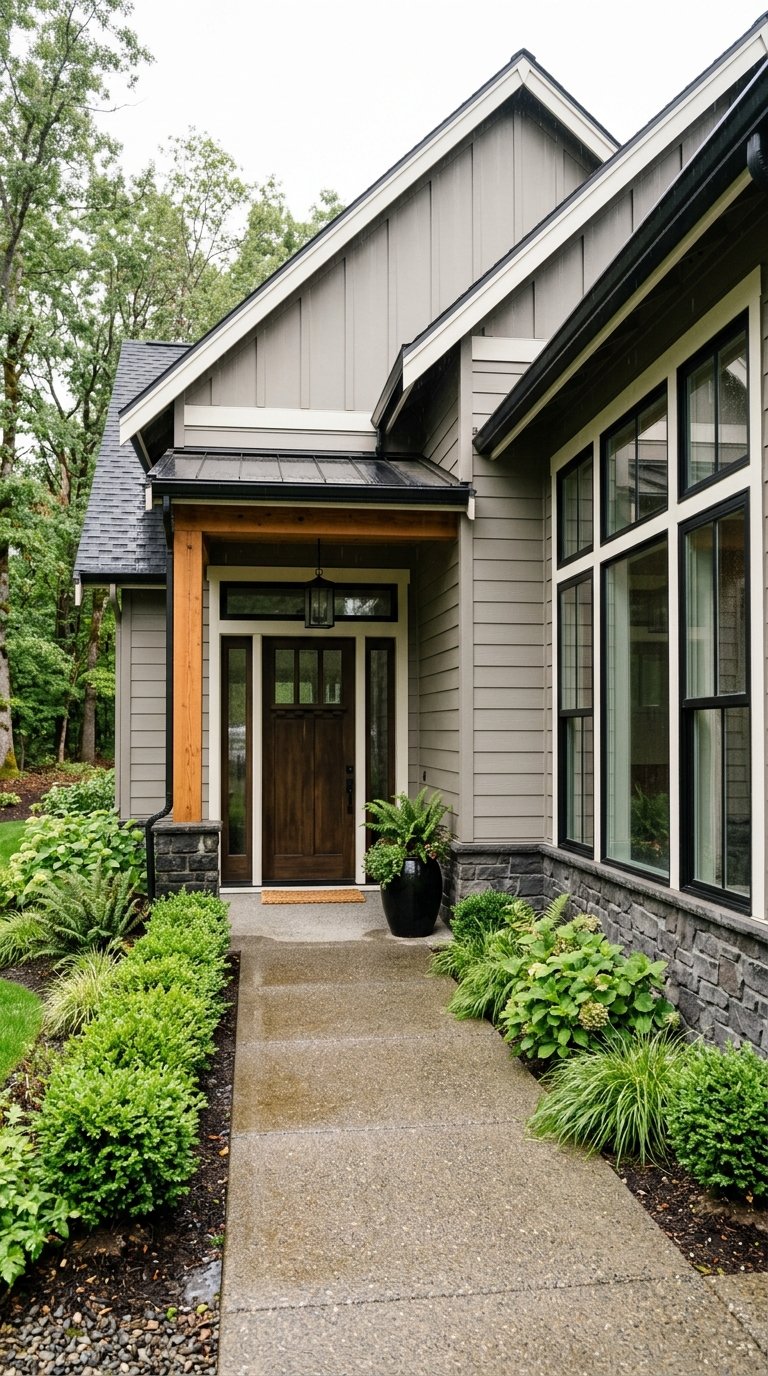
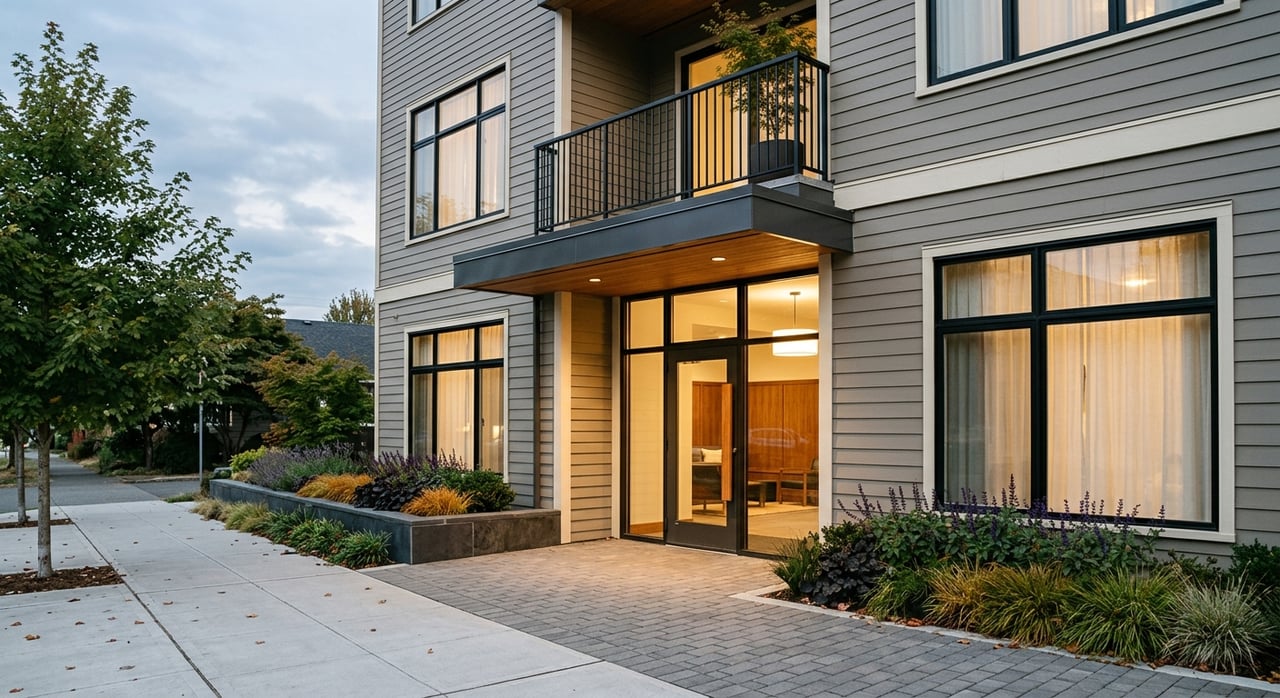
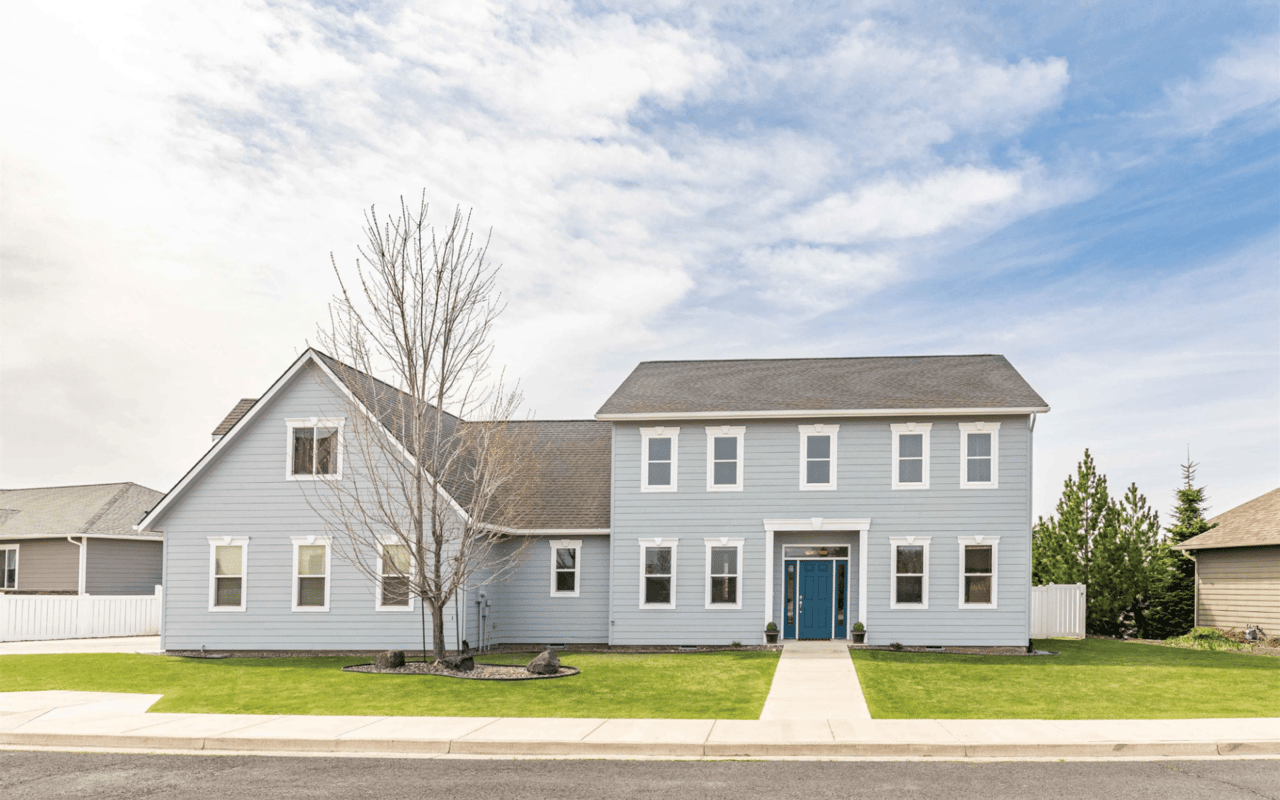
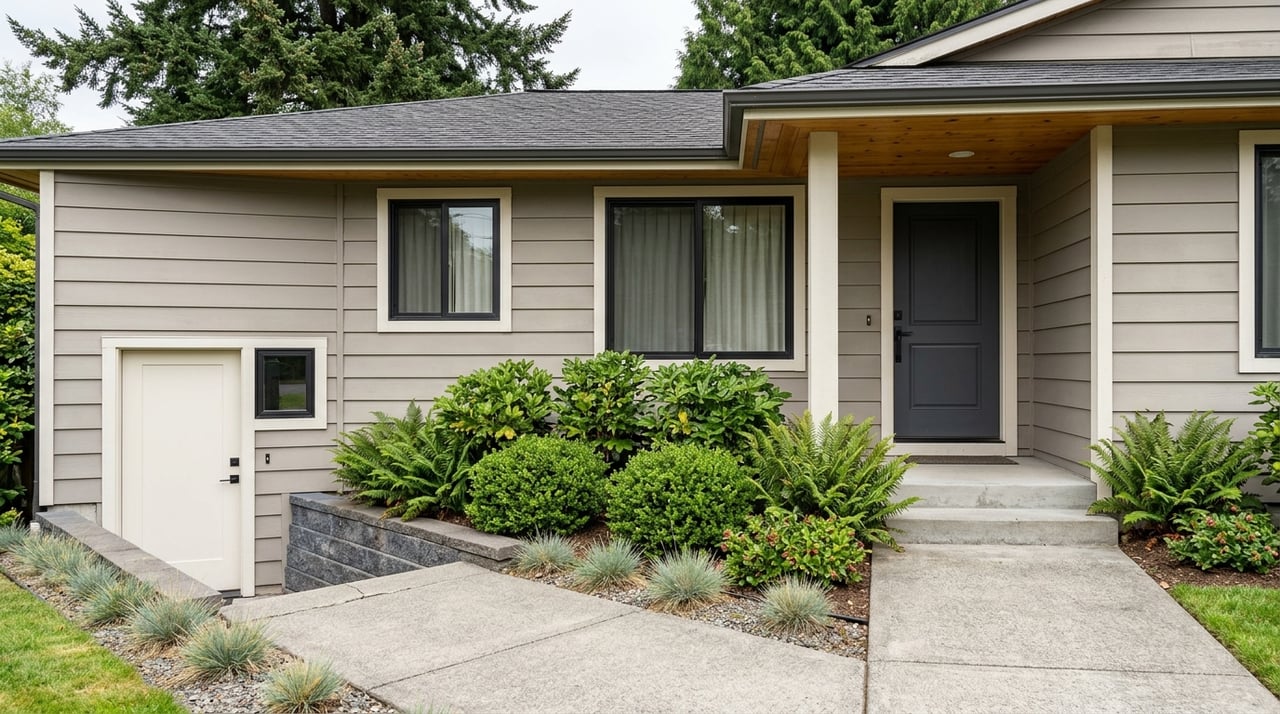
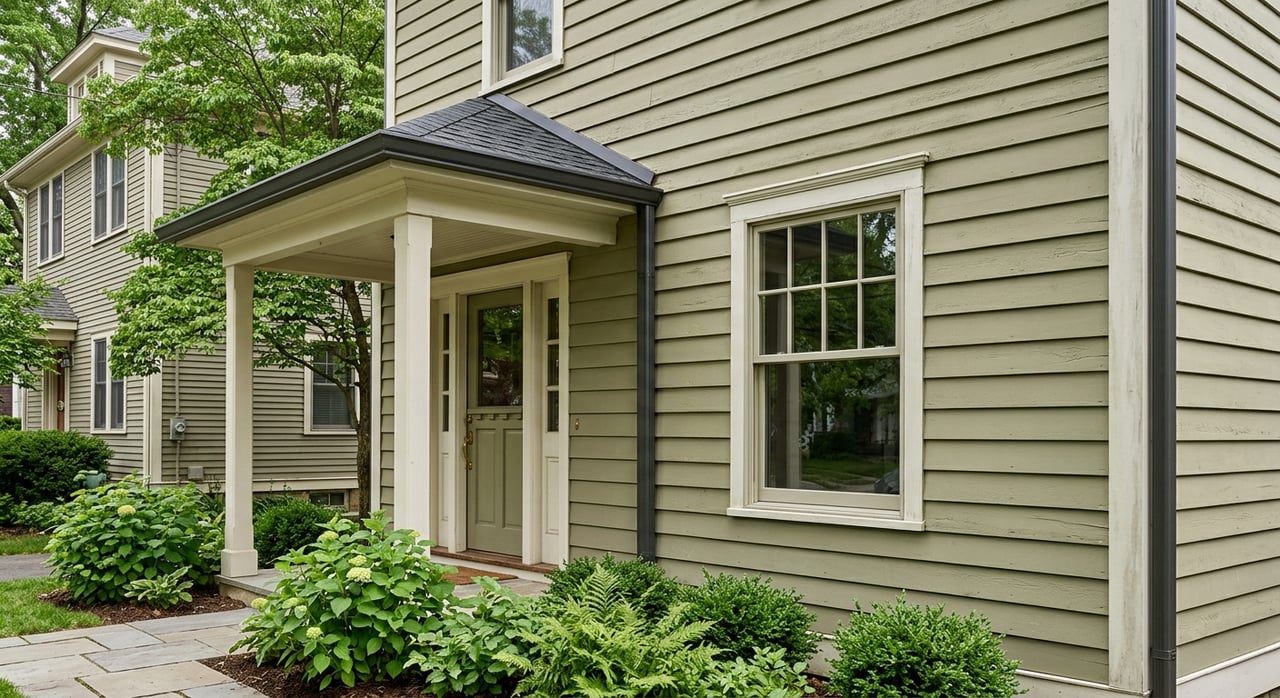
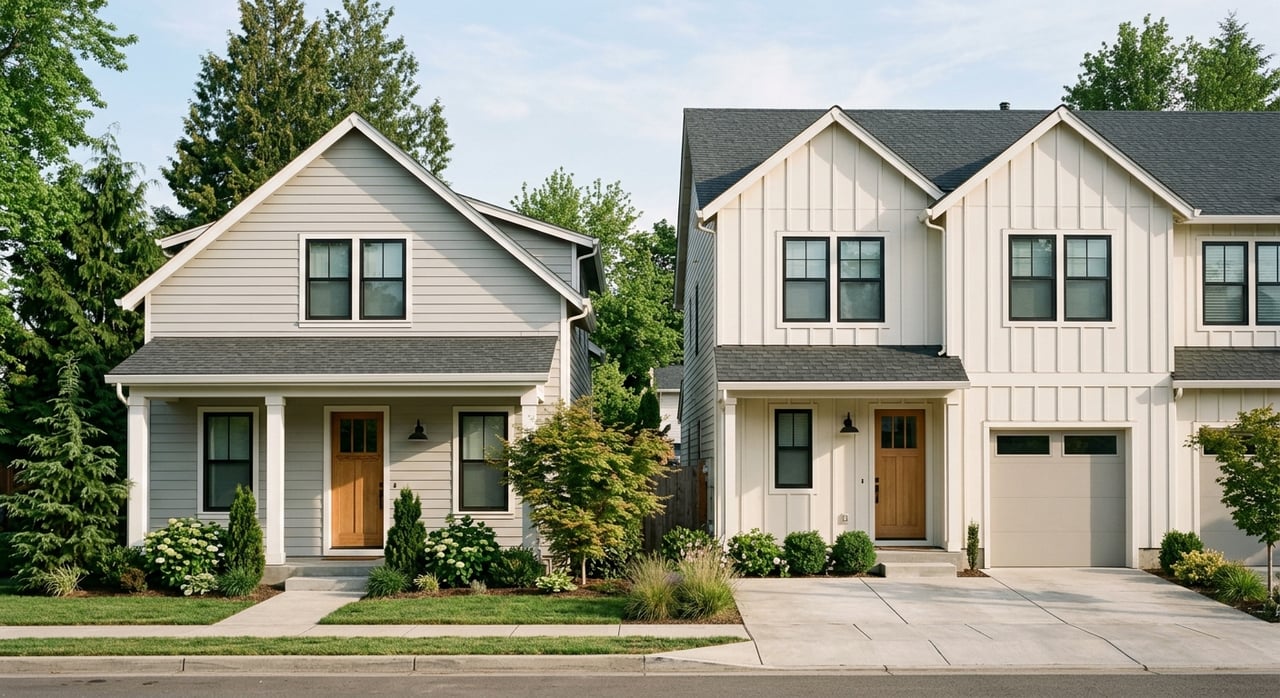
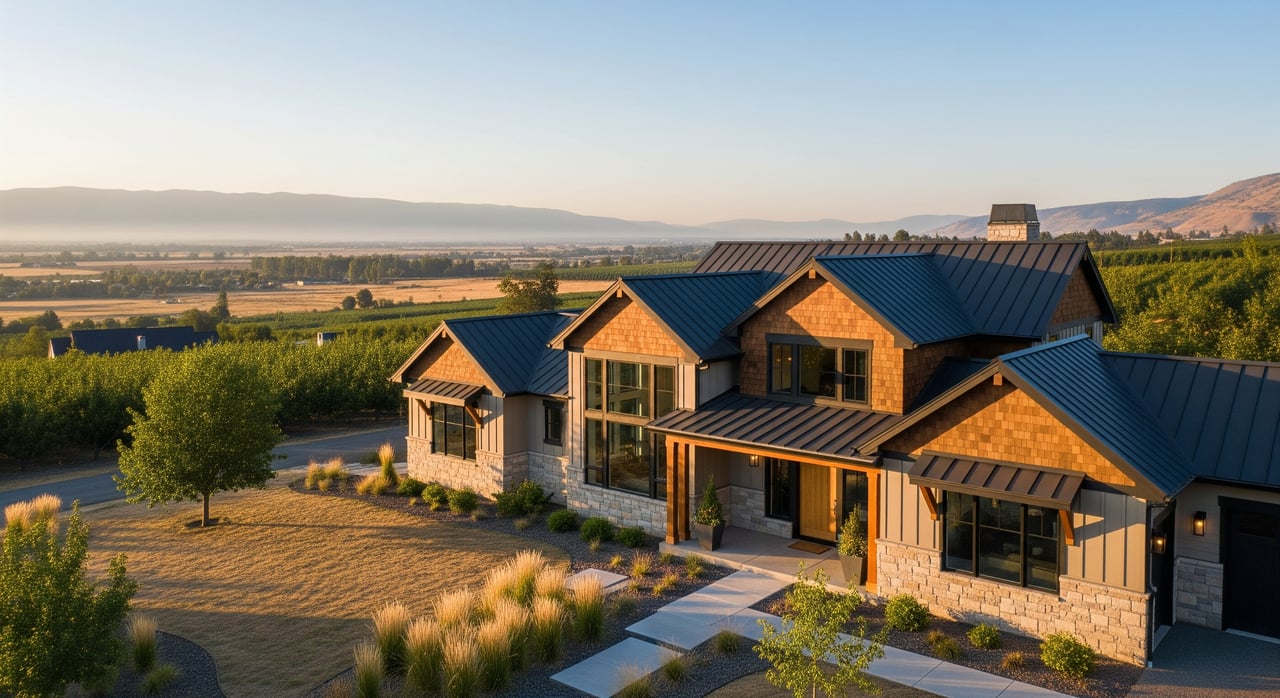
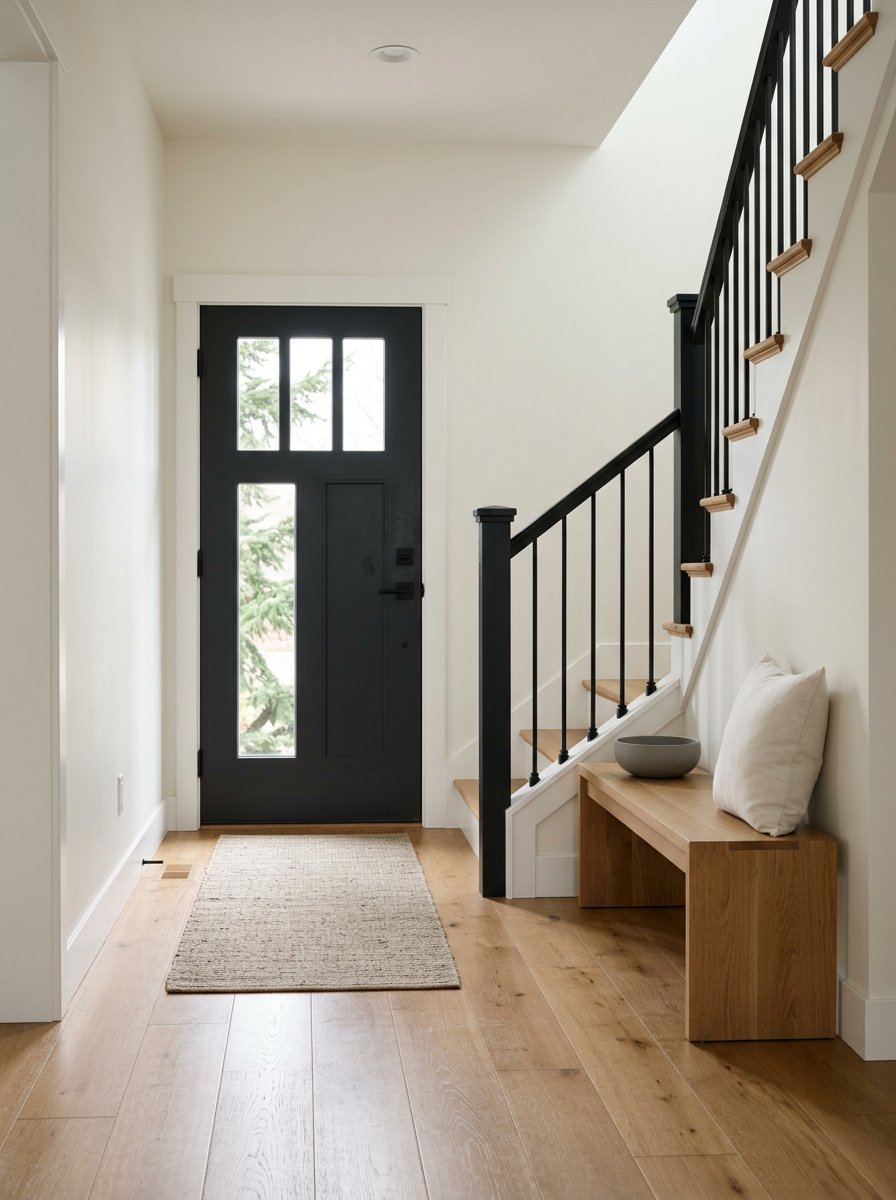
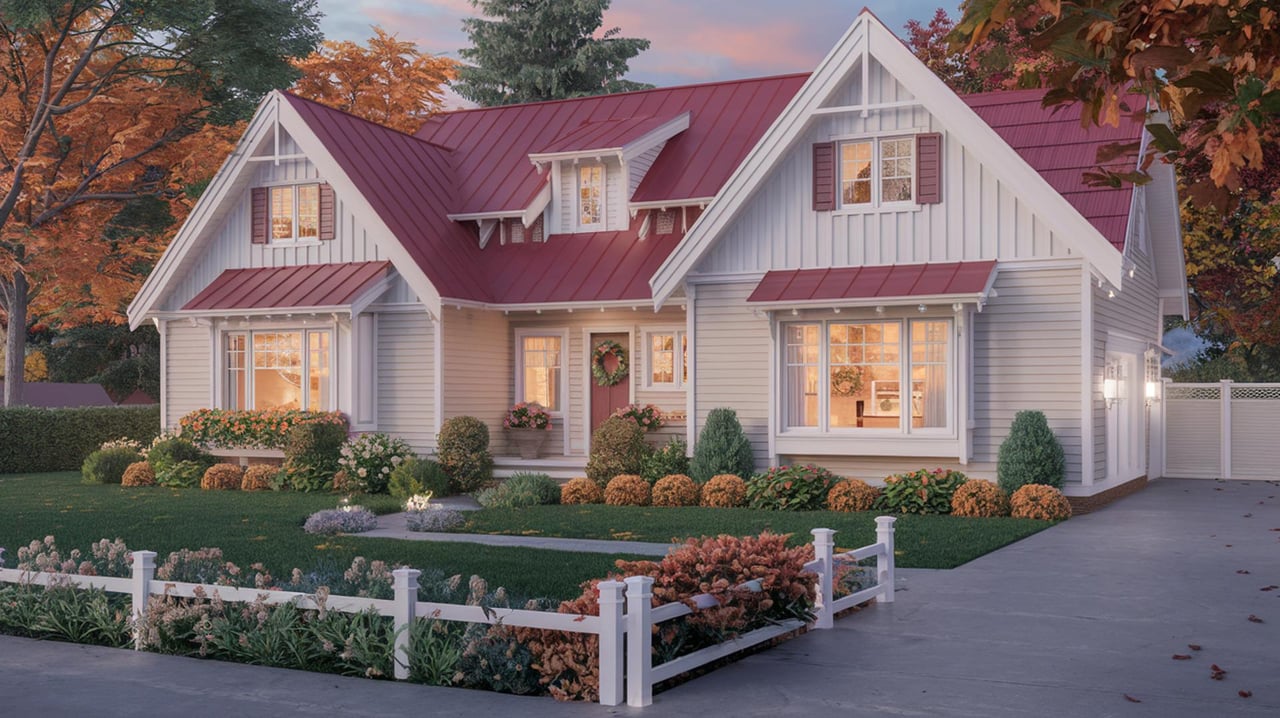
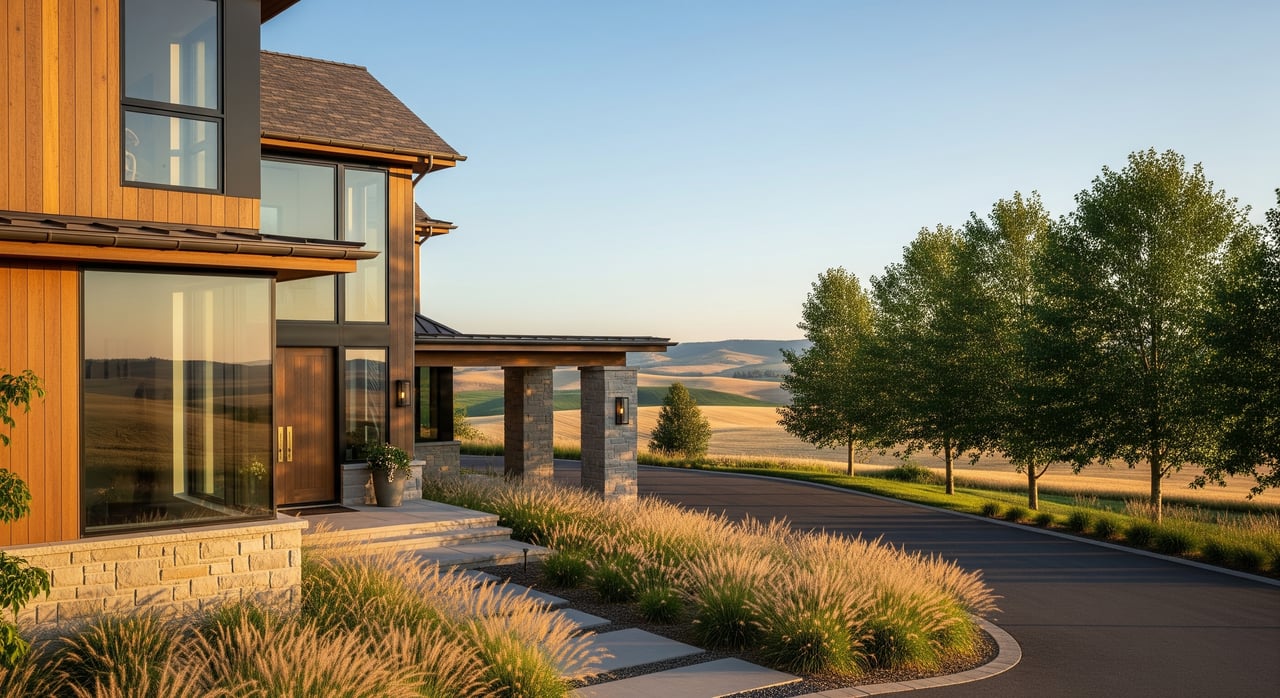
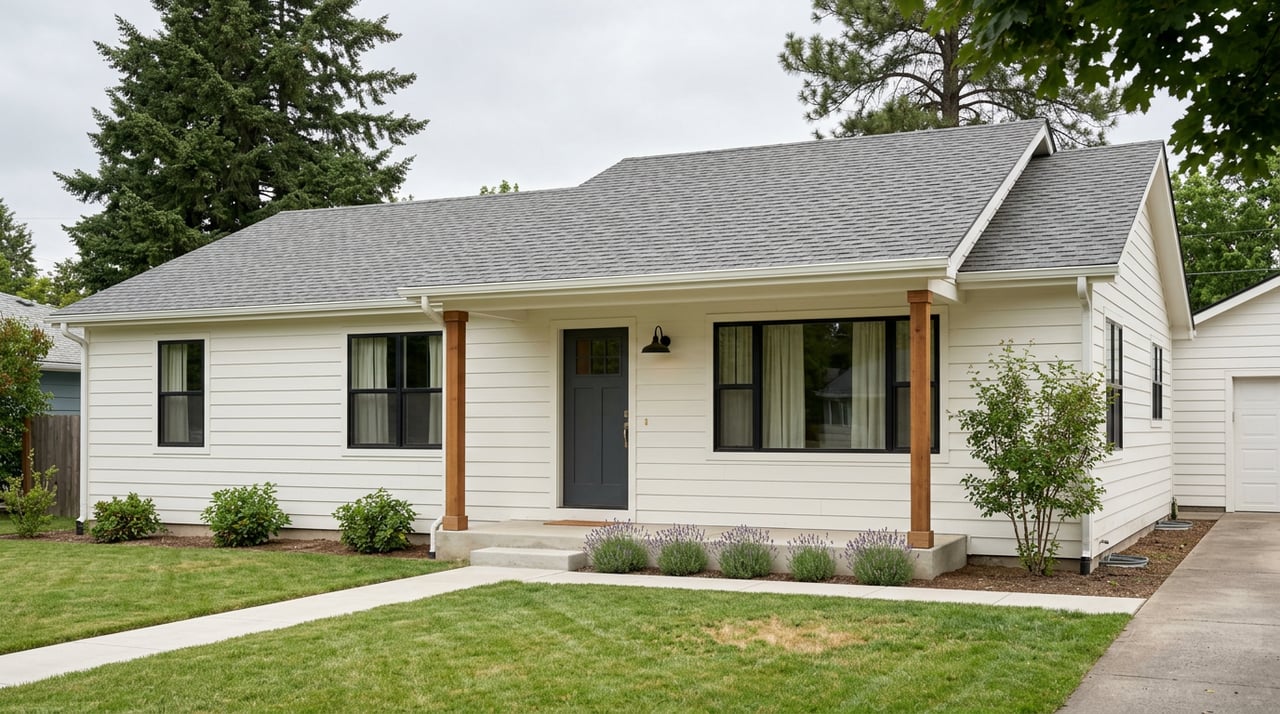
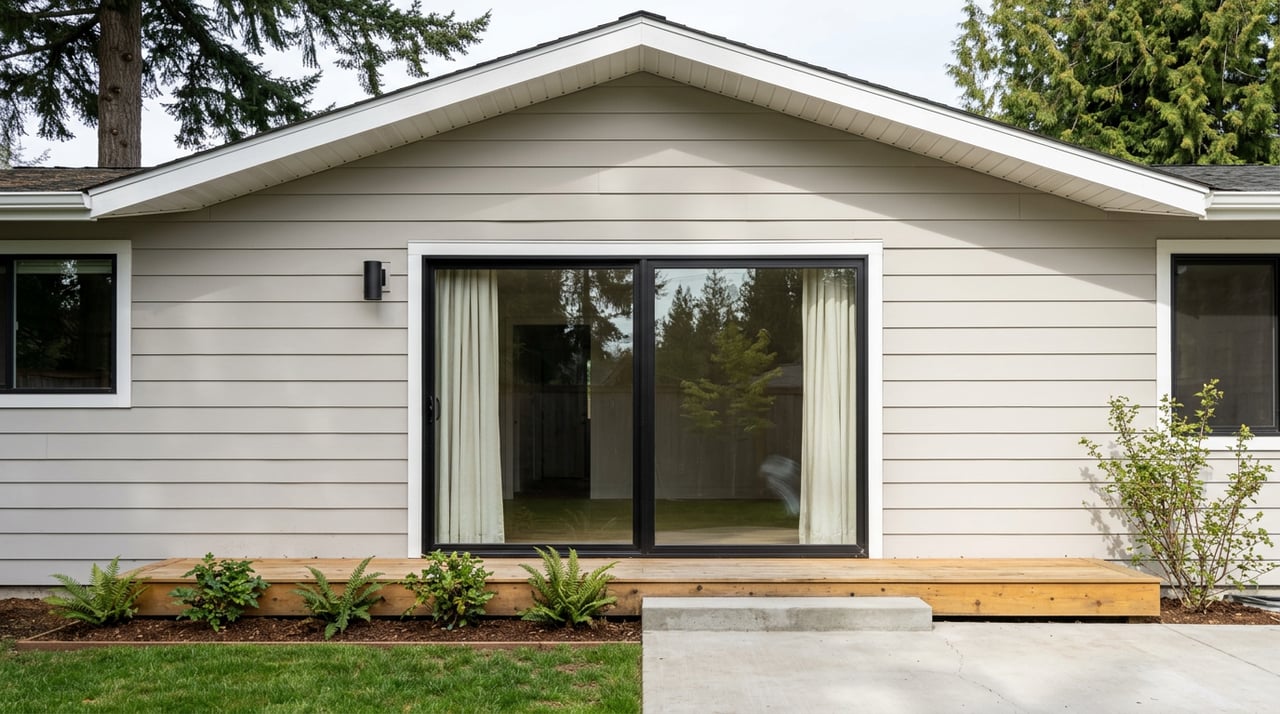
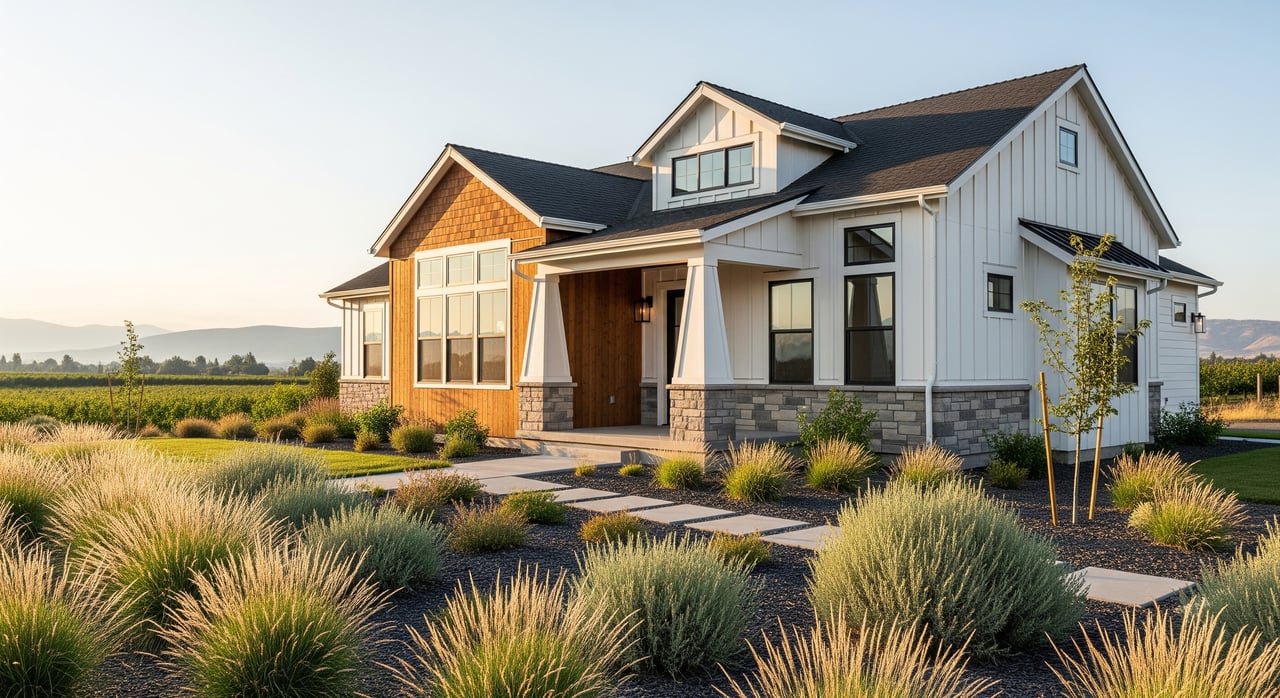
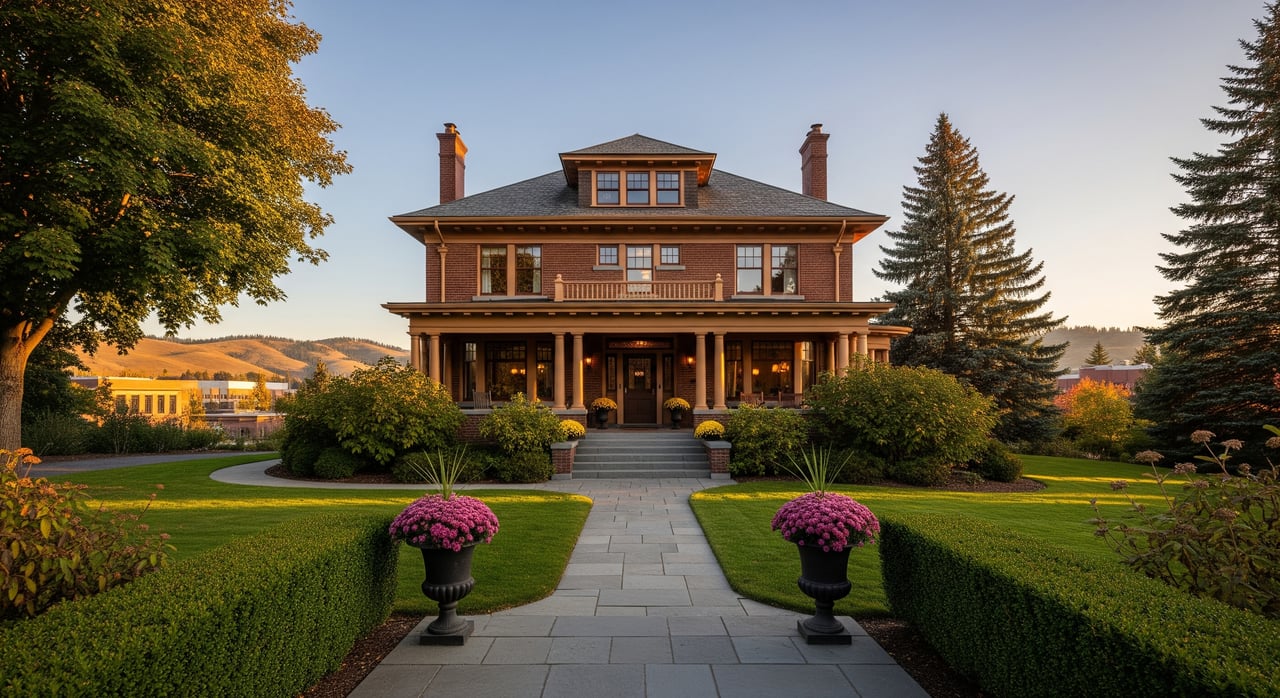
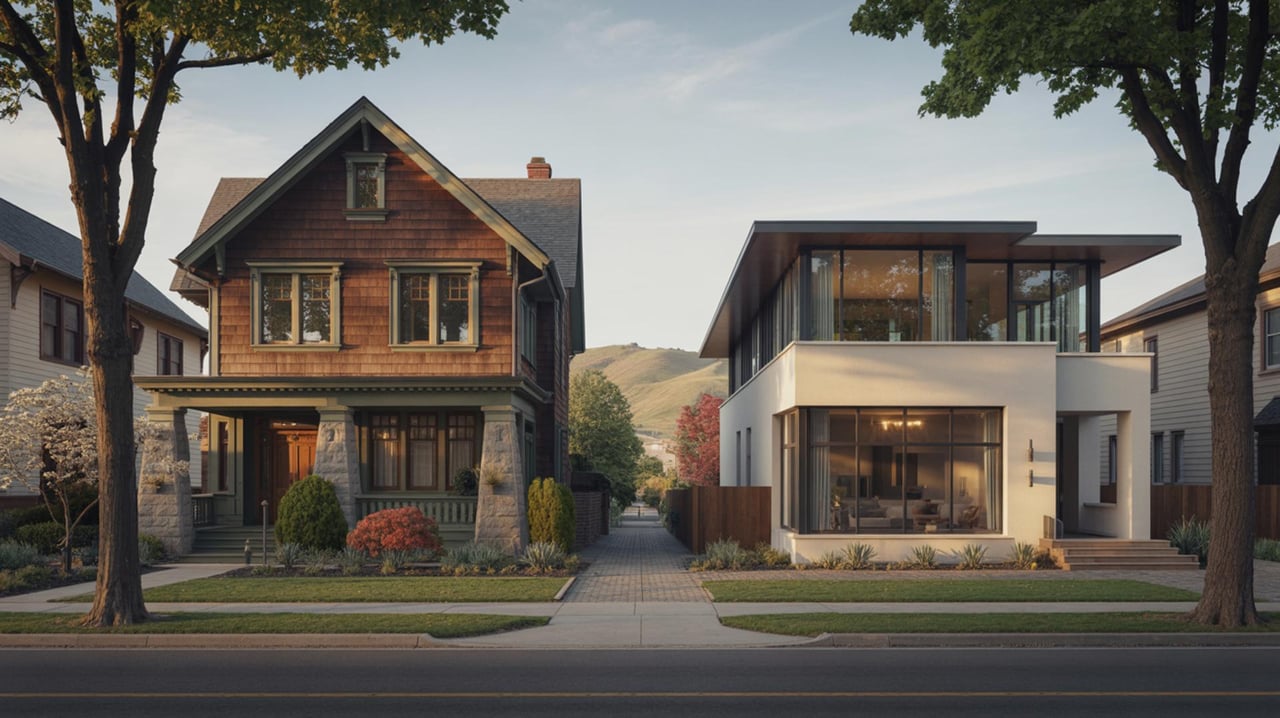
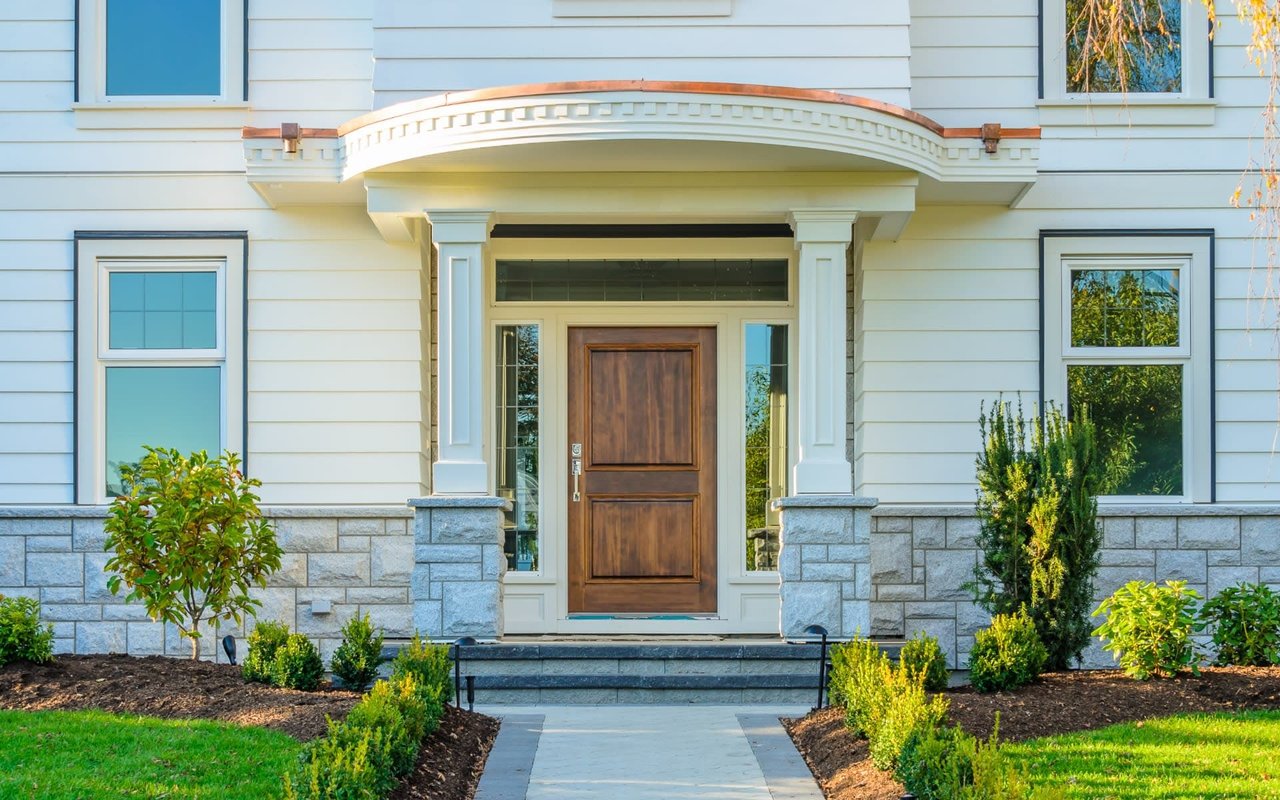
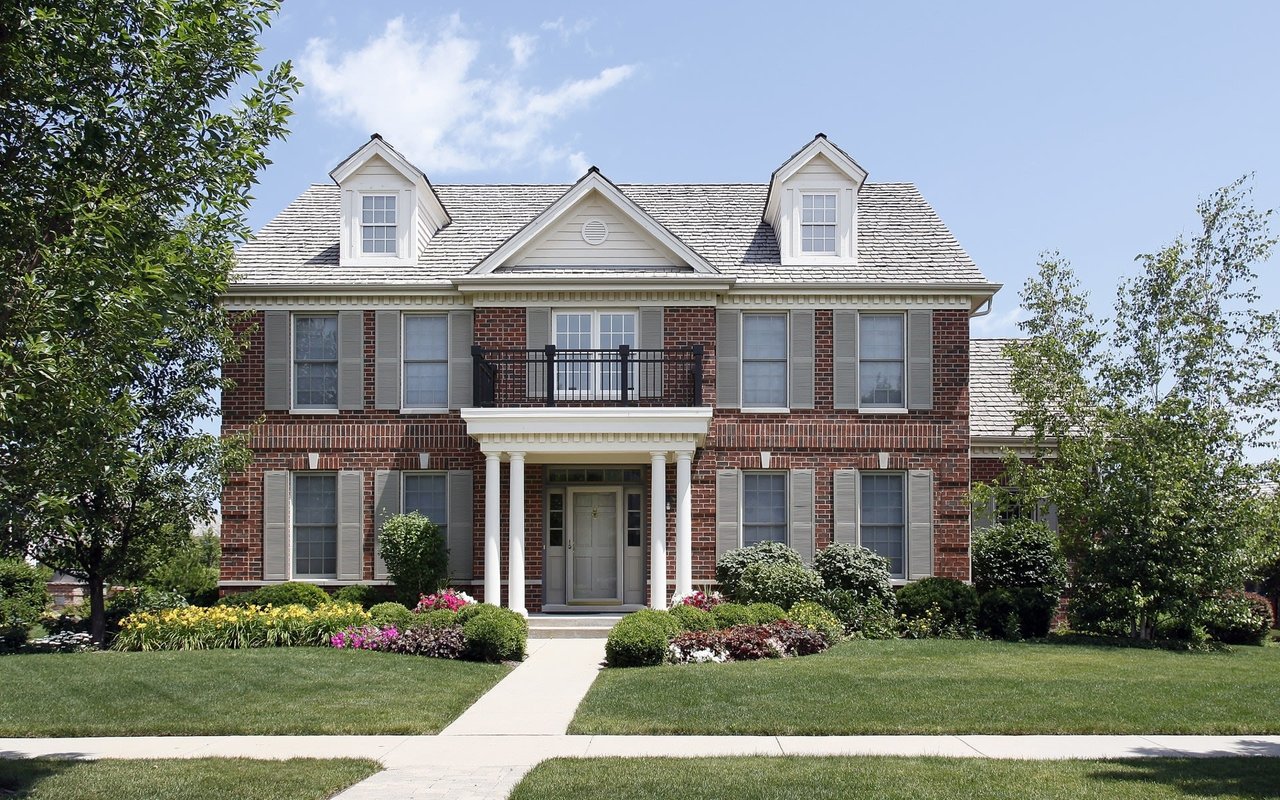
Pioneer Hill does not revolve around one signature architectural style. Instead, its appeal comes from a visible mix of eras and house types, from early cottages and bungalows to later homes designed around views, larger garages, and flexible living space.
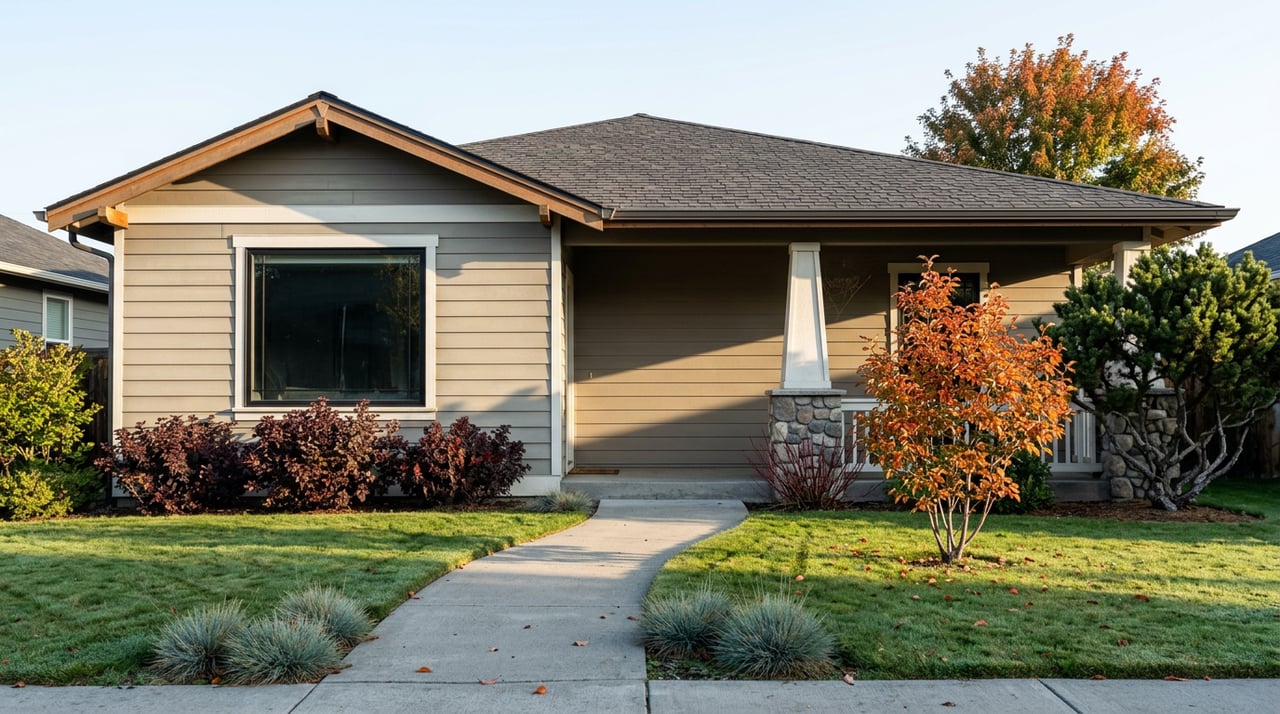
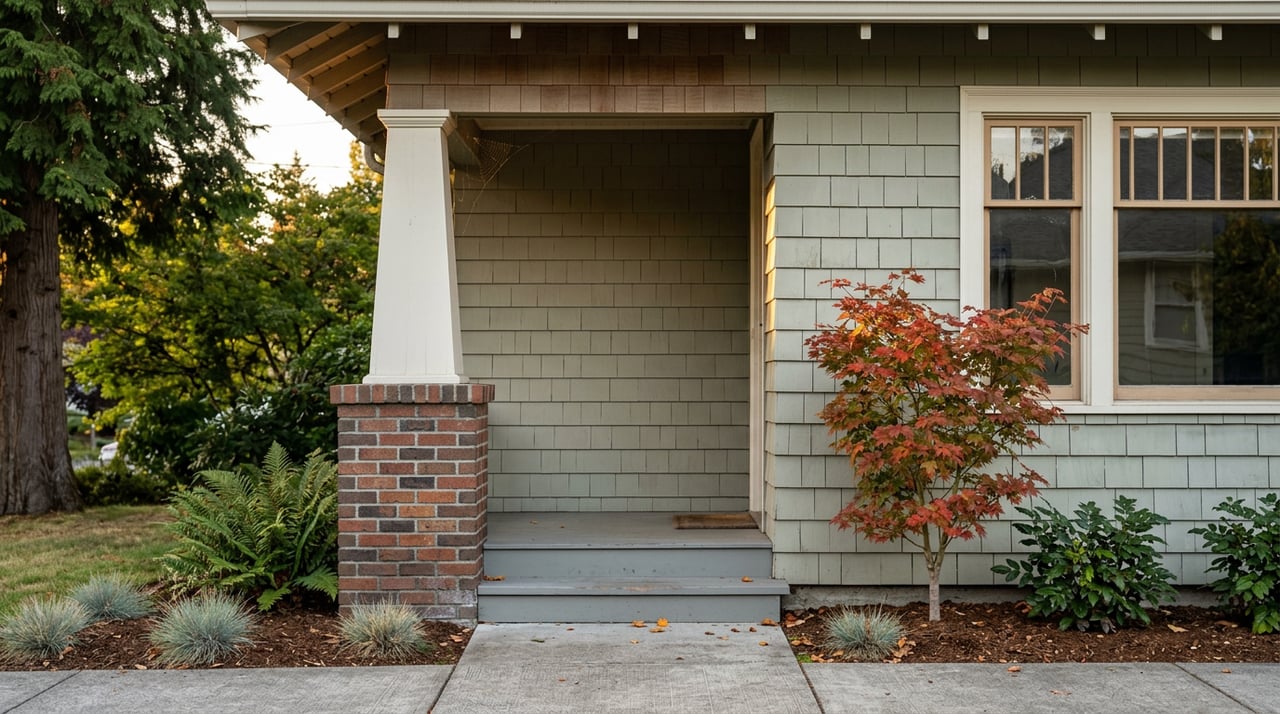
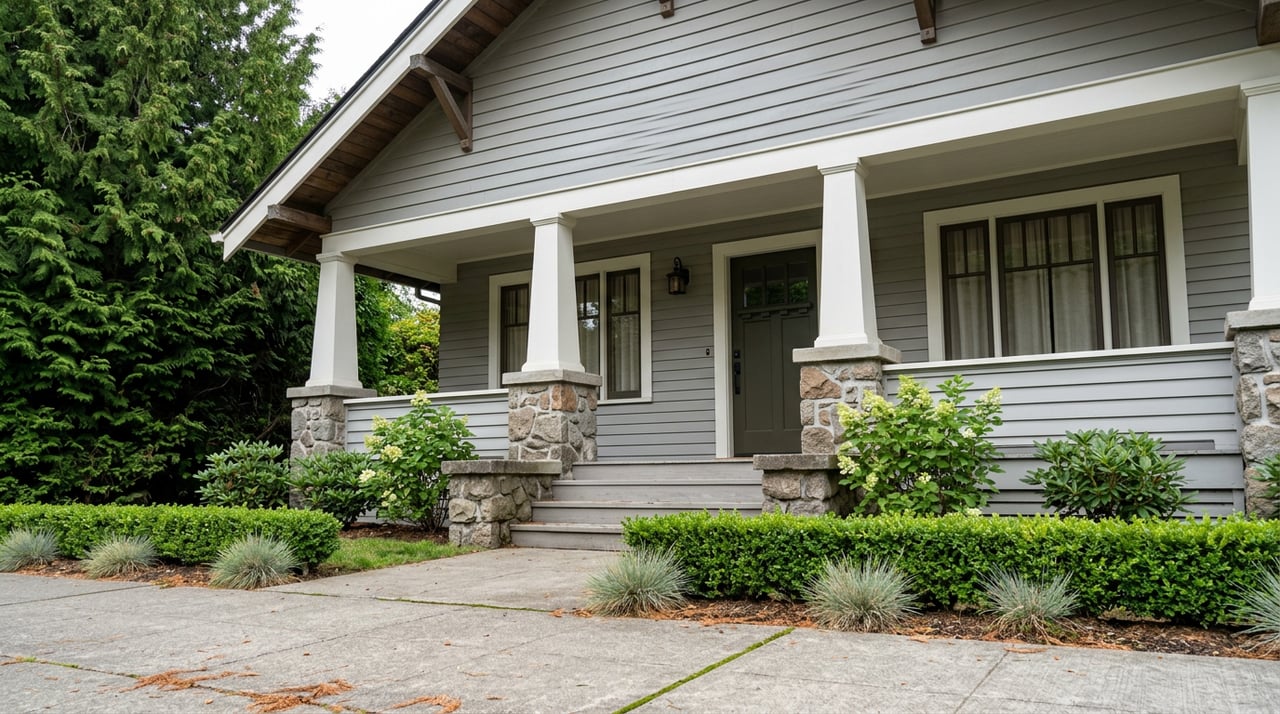
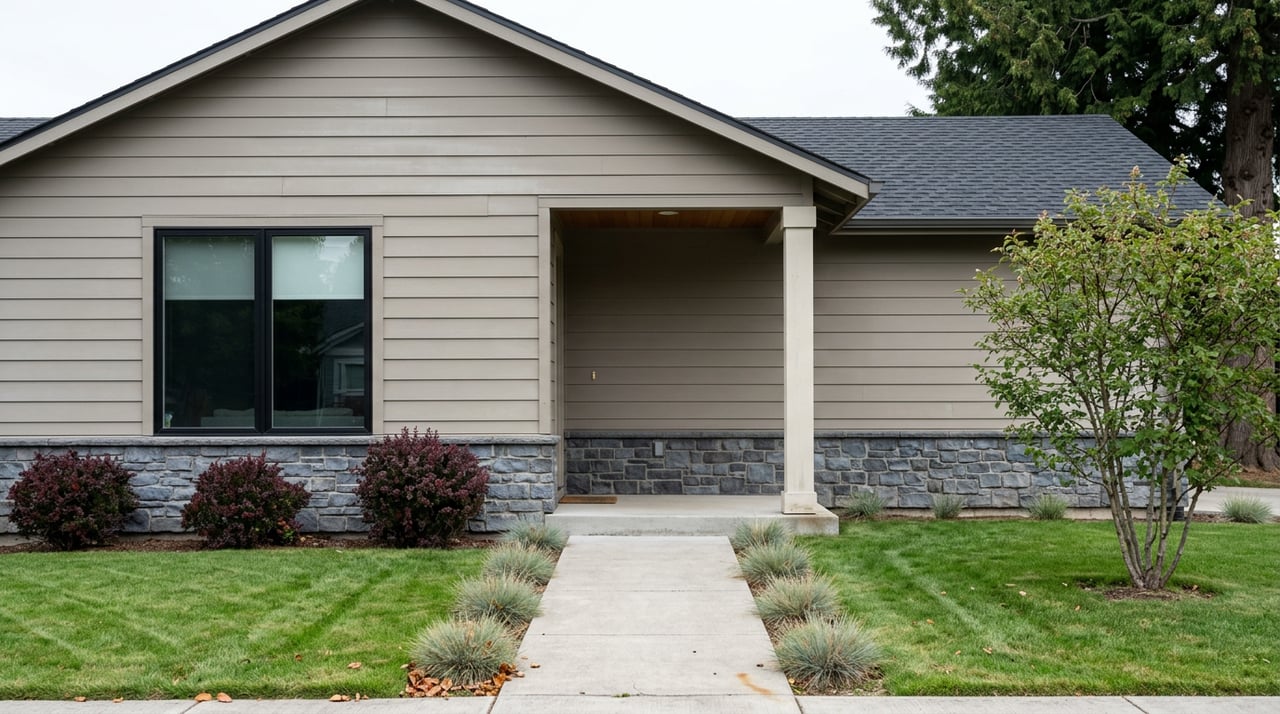
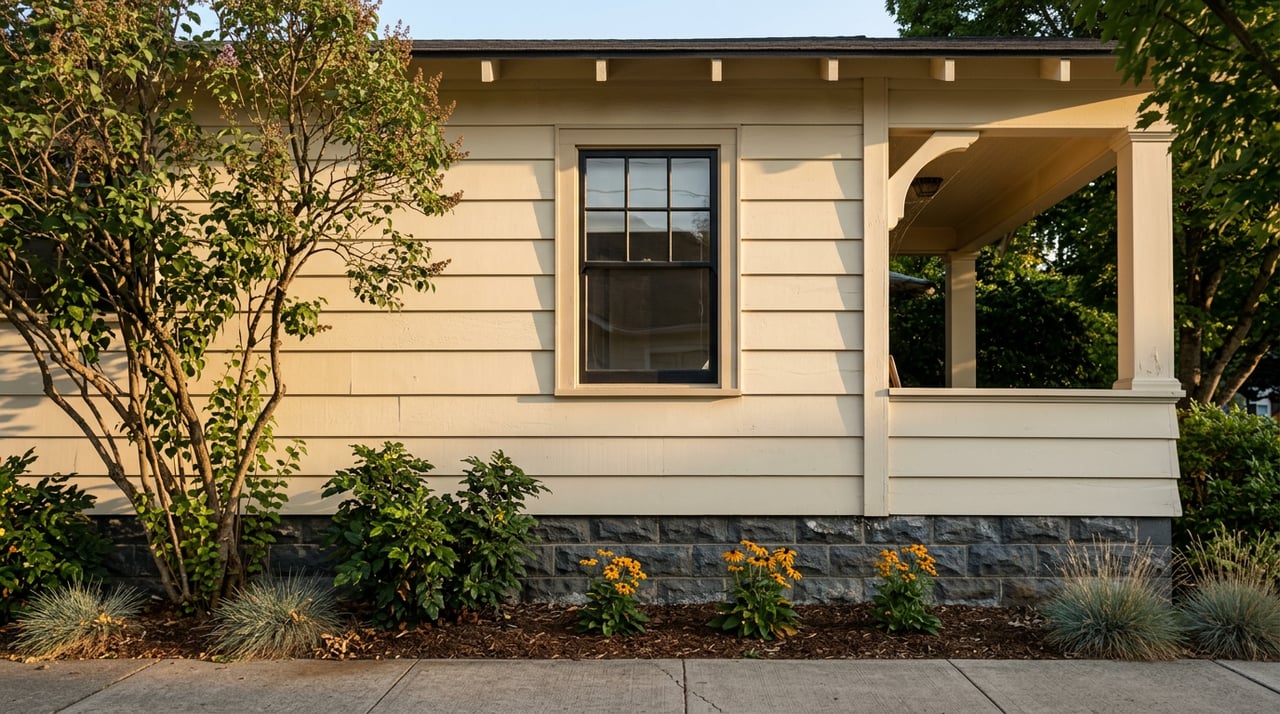
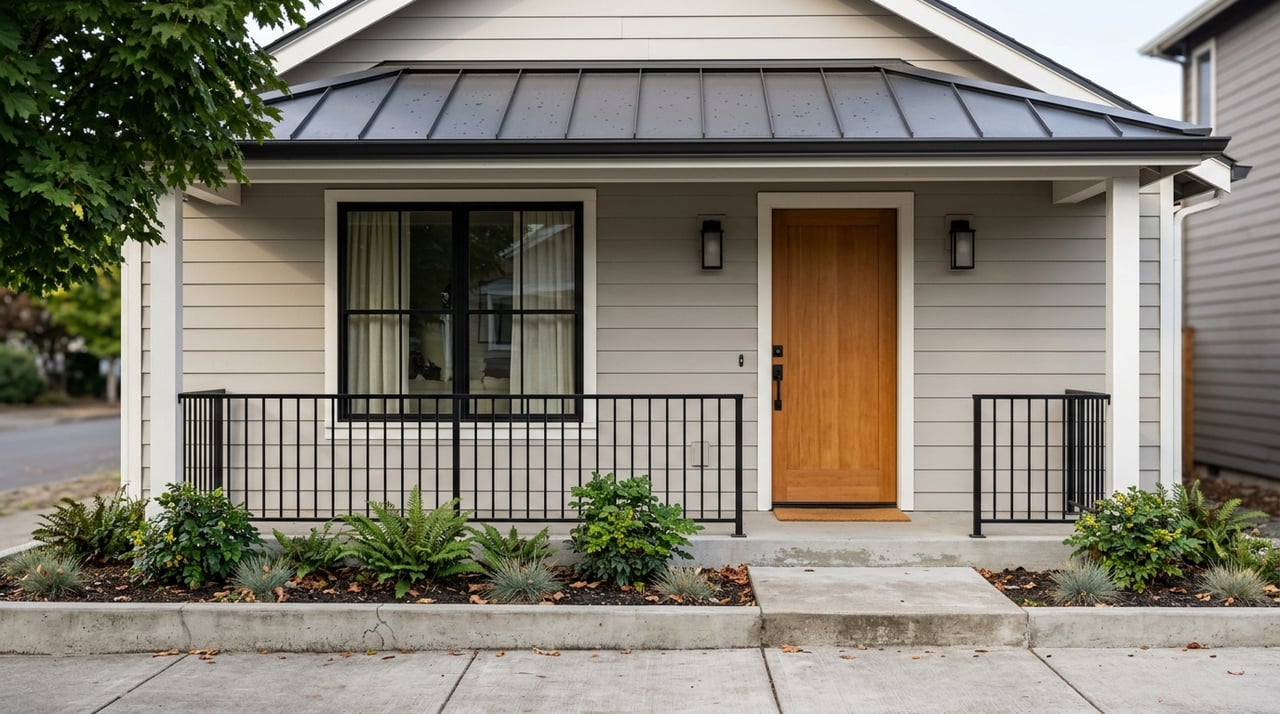
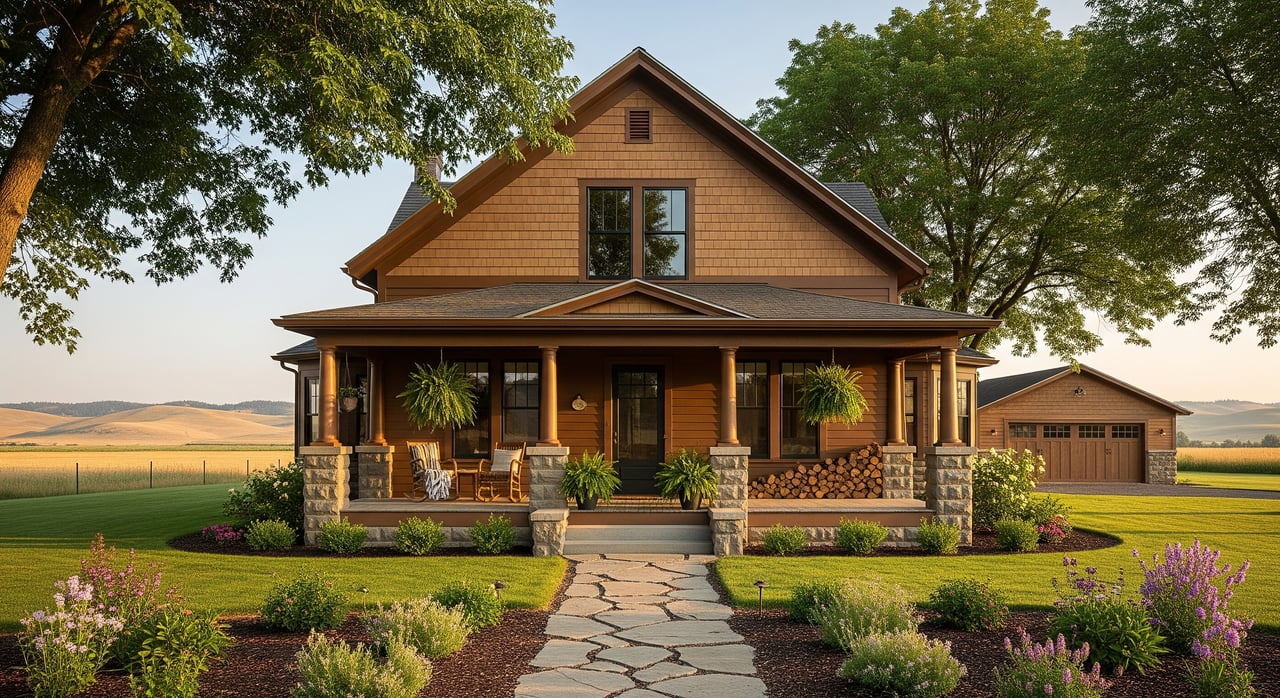
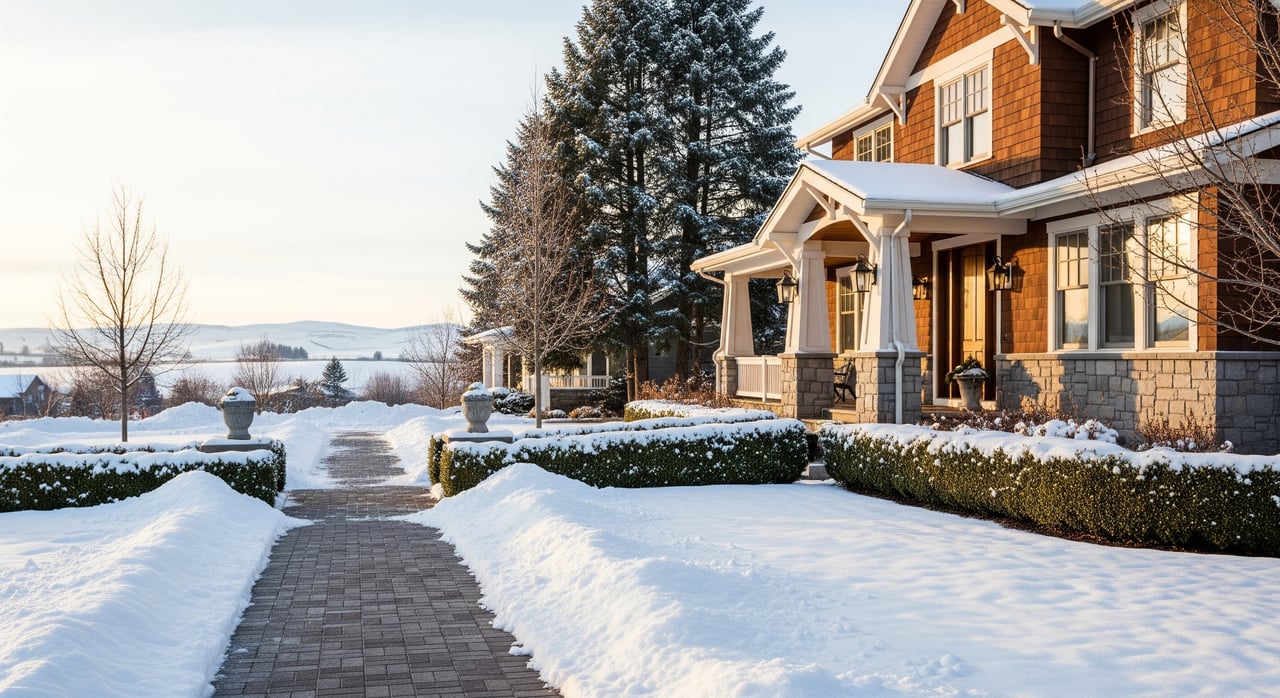
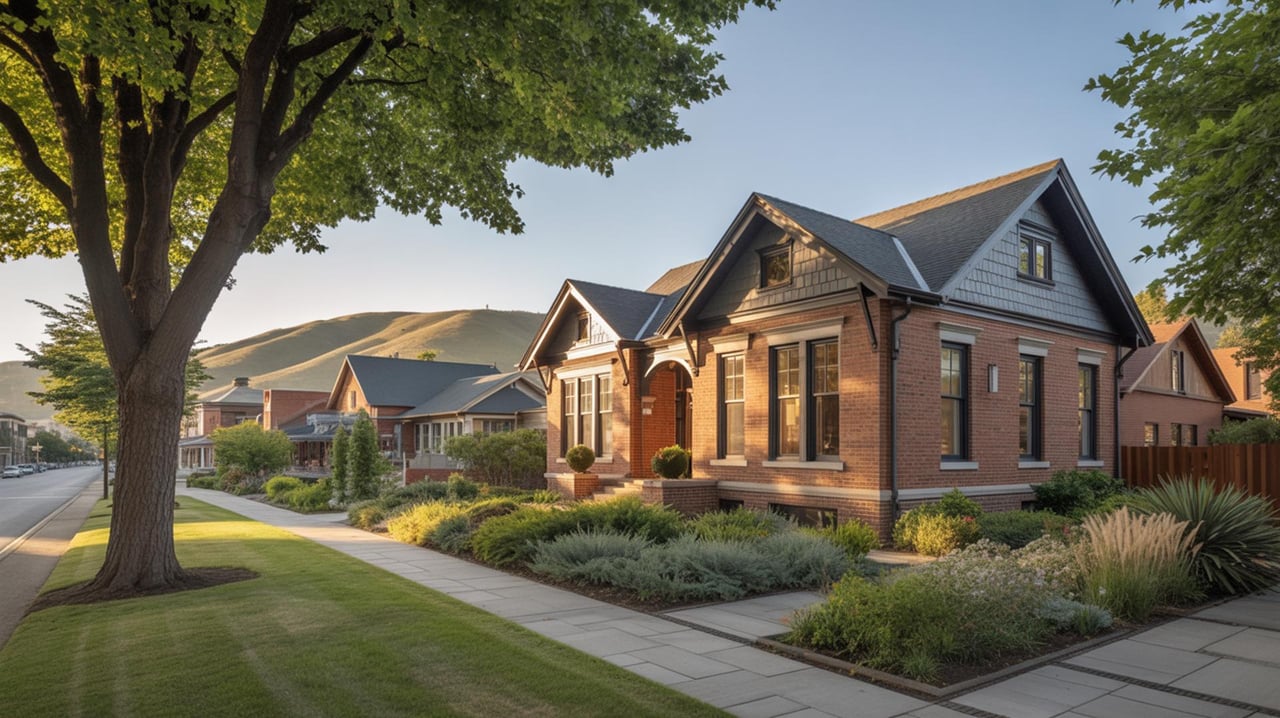
Visit Pullman describes the neighborhood as a place where you can find cozy Craftsman cottages alongside rustic ranch-style houses. Listing history adds more texture, showing that the housing stock includes bungalow details, storybook-era design, and later custom homes with more individualized layouts.
Early Homes With Character
Many of Pioneer Hill’s older homes still show the craftsmanship buyers often hope to find in an established neighborhood. A 1917 bungalow on SE Pioneer Street was marketed with original built-in display cabinets, picture rail, French doors, original wavy-glass windows, a covered porch, and a detached garage, as shown in this property history example.
A 1927 home on Pioneer Way was described as a storybook residence with a steeply pitched roof, stucco exterior, built-in china cabinet, and a finished basement. A 1946 home on SE Water Street retained hardwood floors, original light fixtures, and a parquet kitchen floor while also reflecting later safety-minded updates.
Later Homes With Flexibility
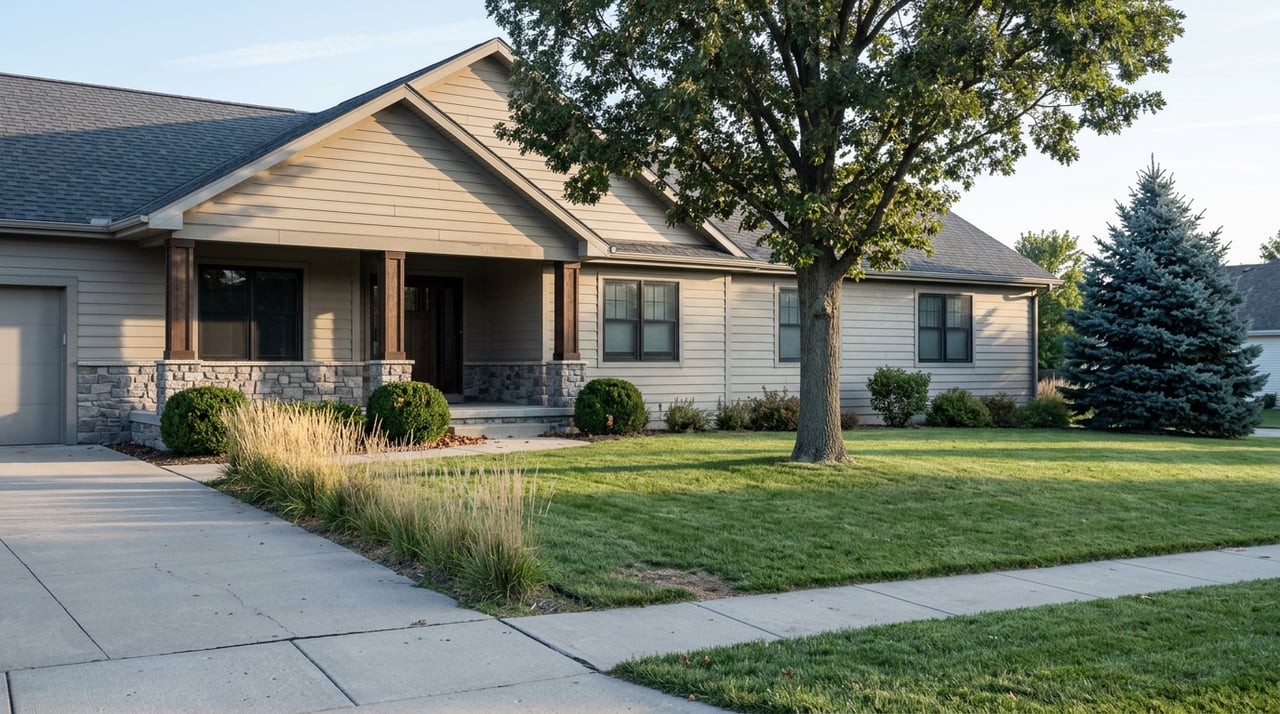
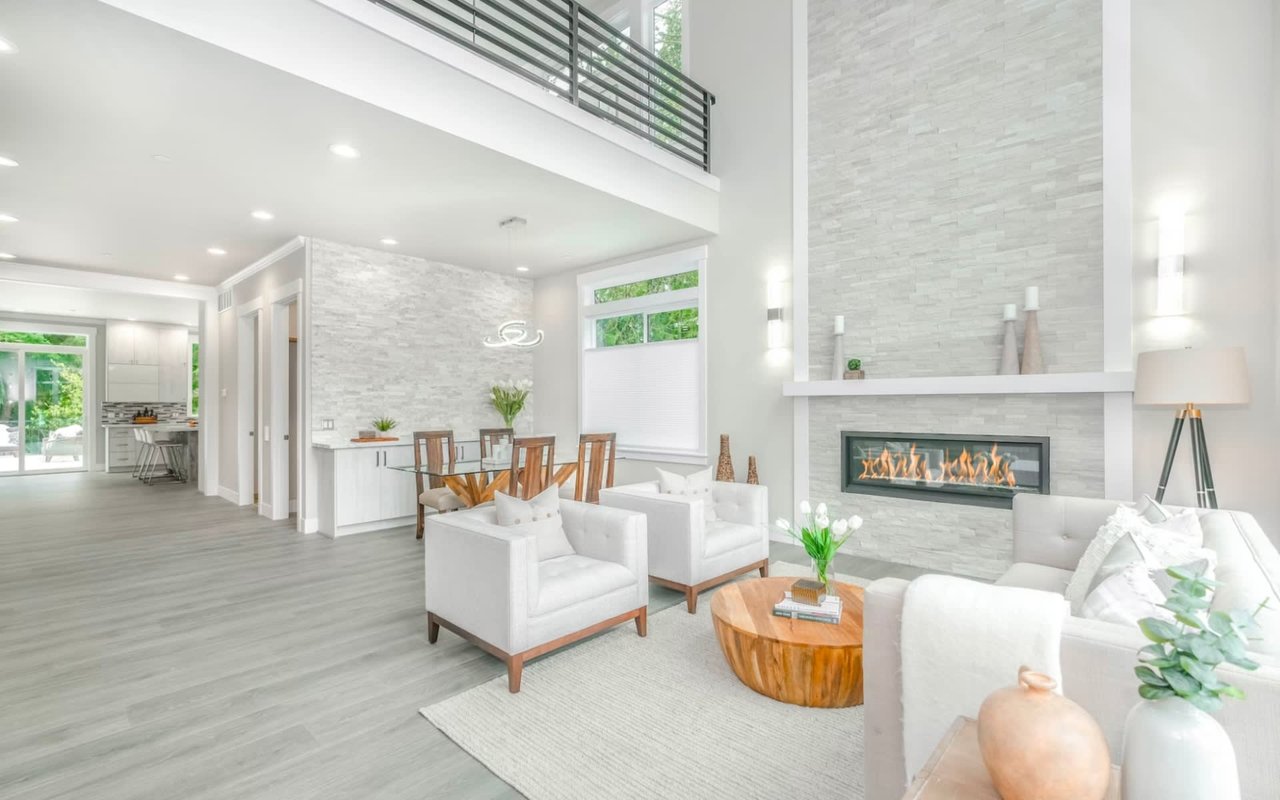
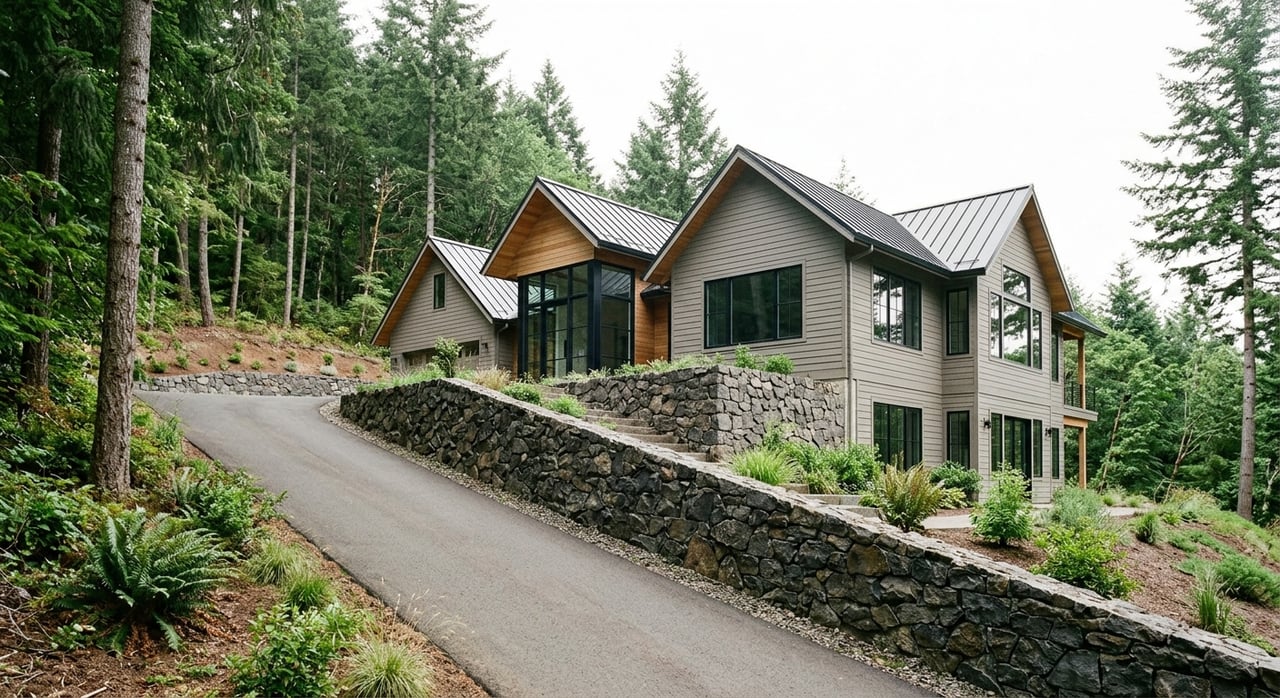
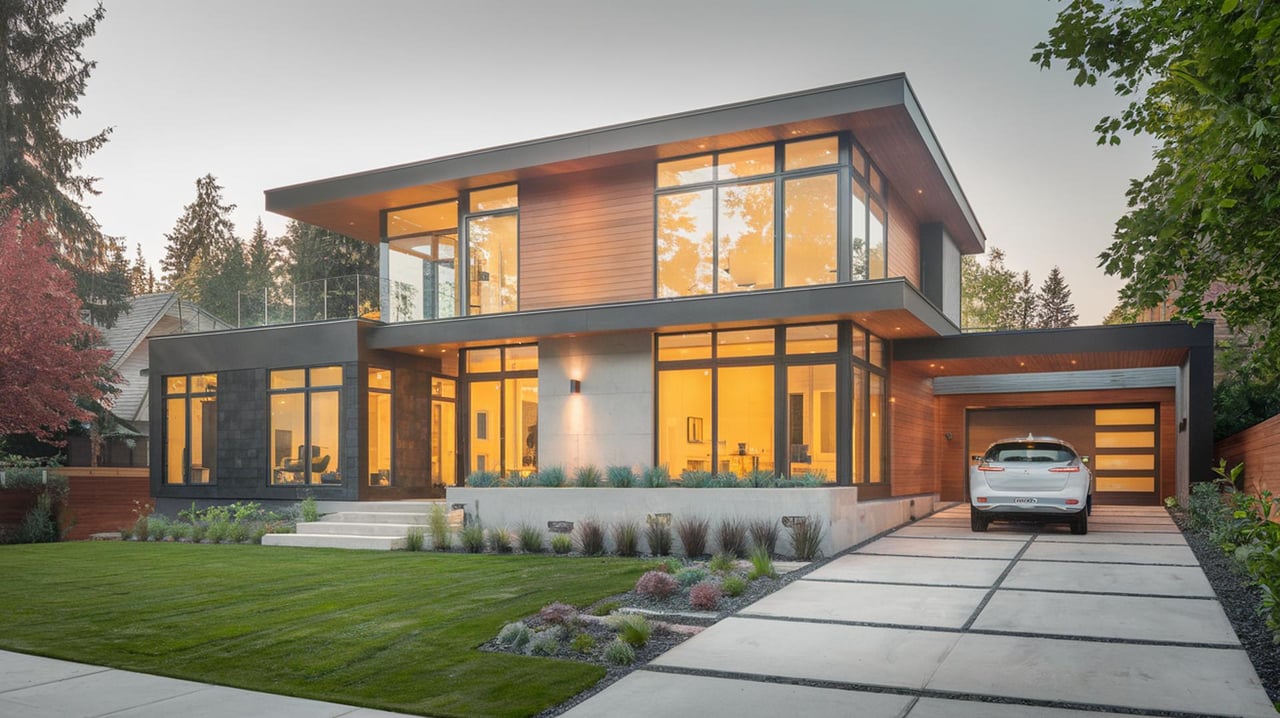
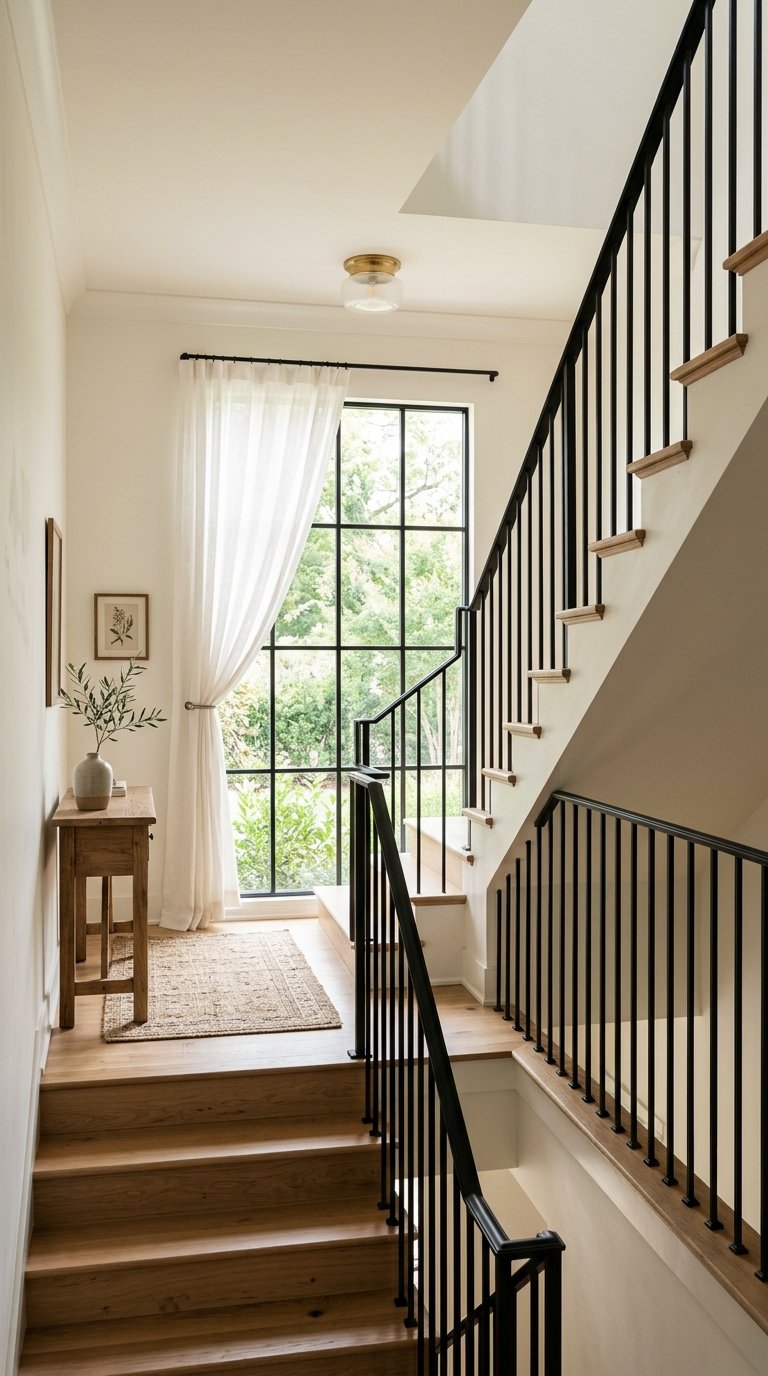
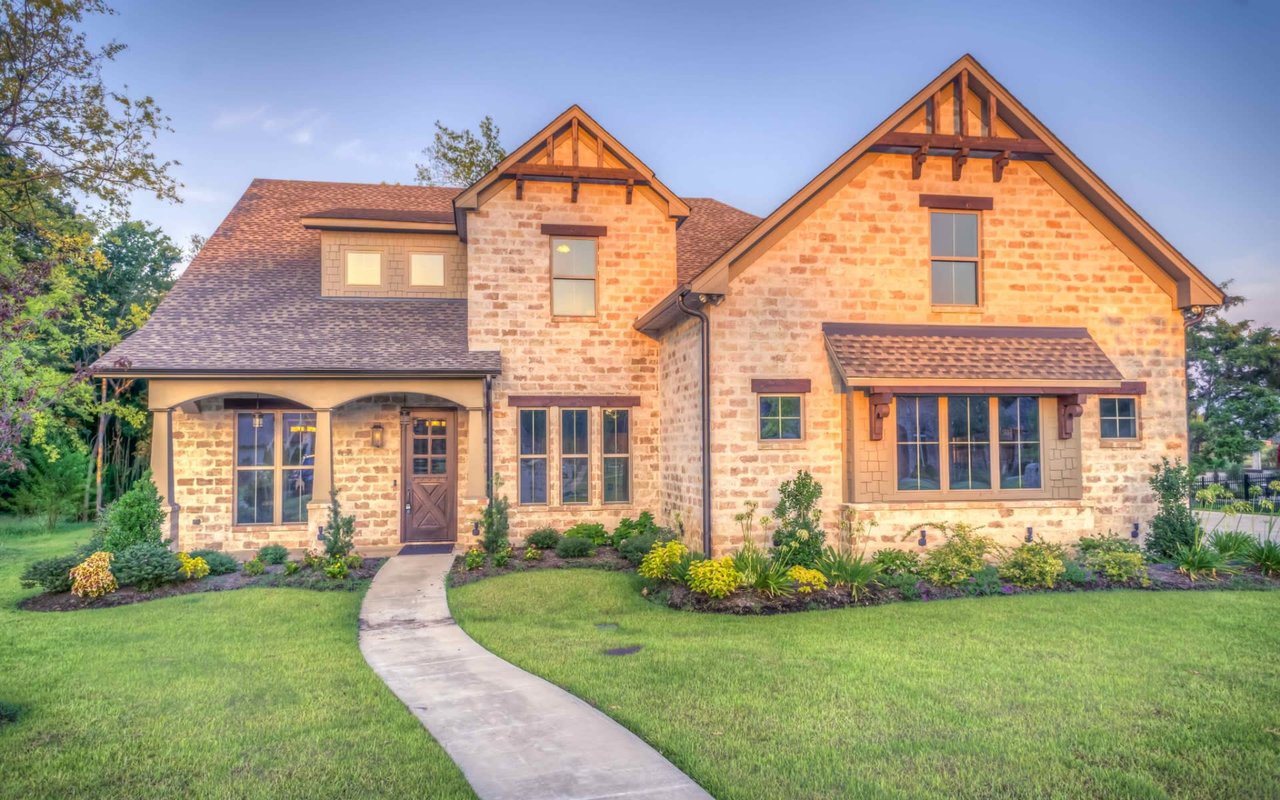
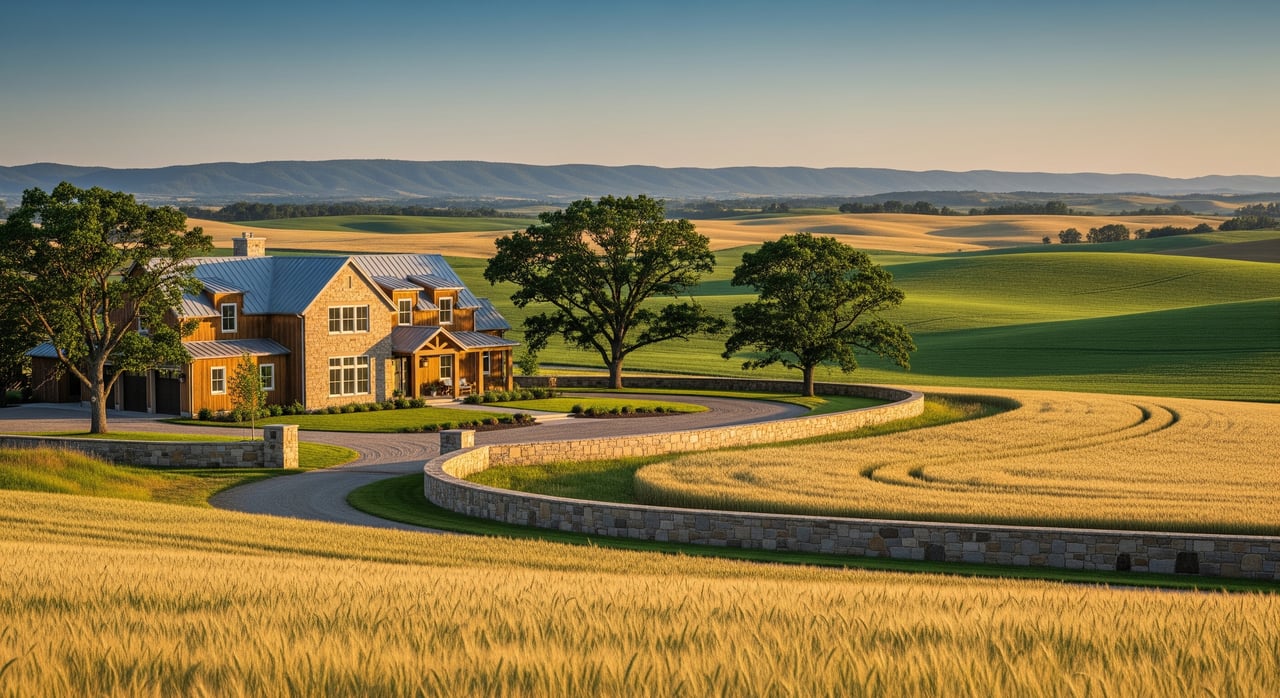
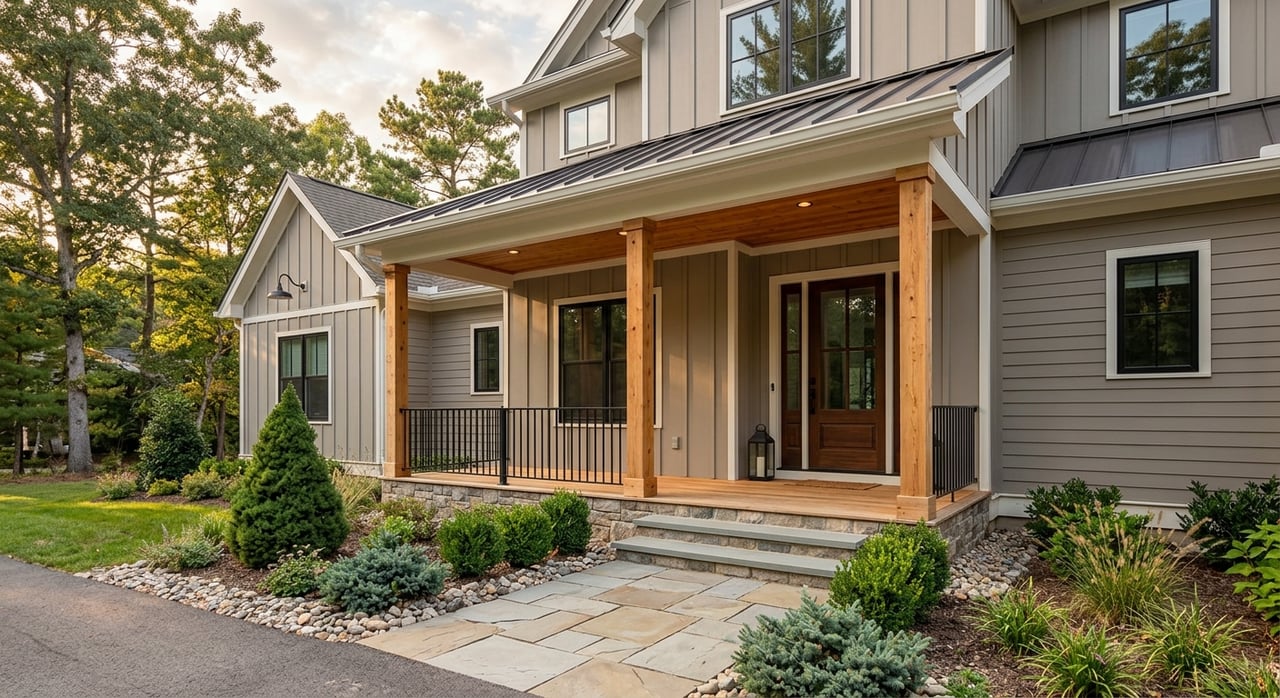
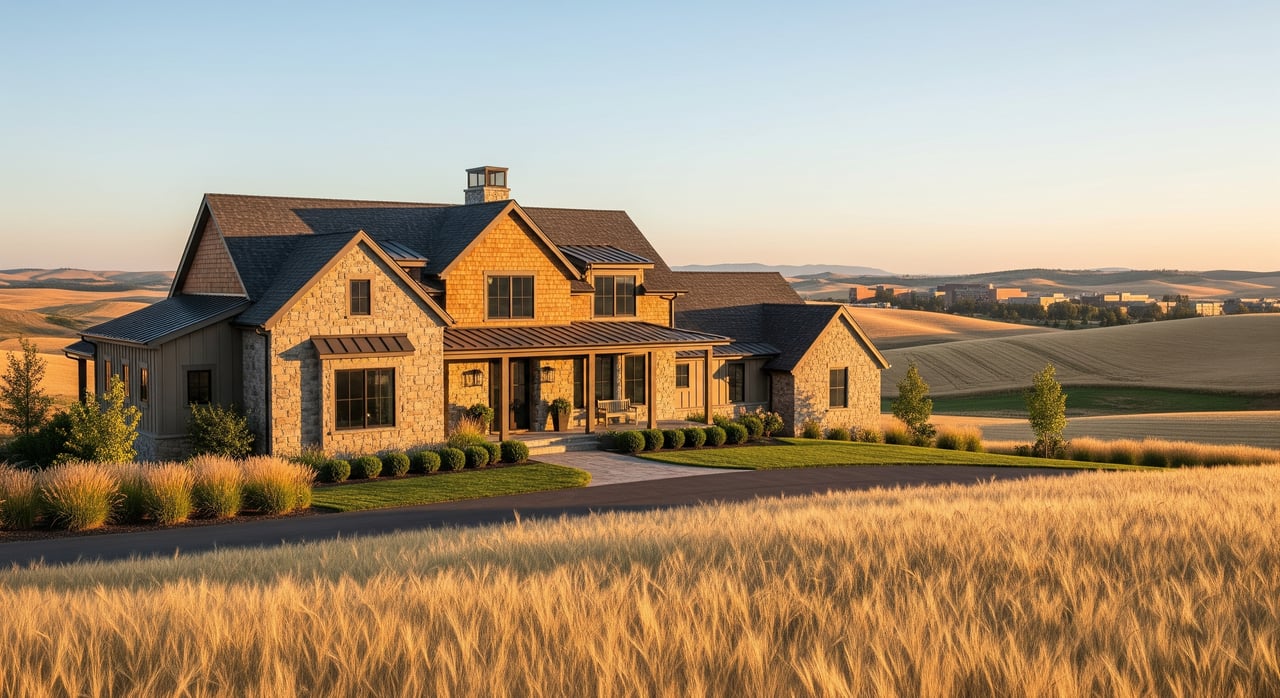
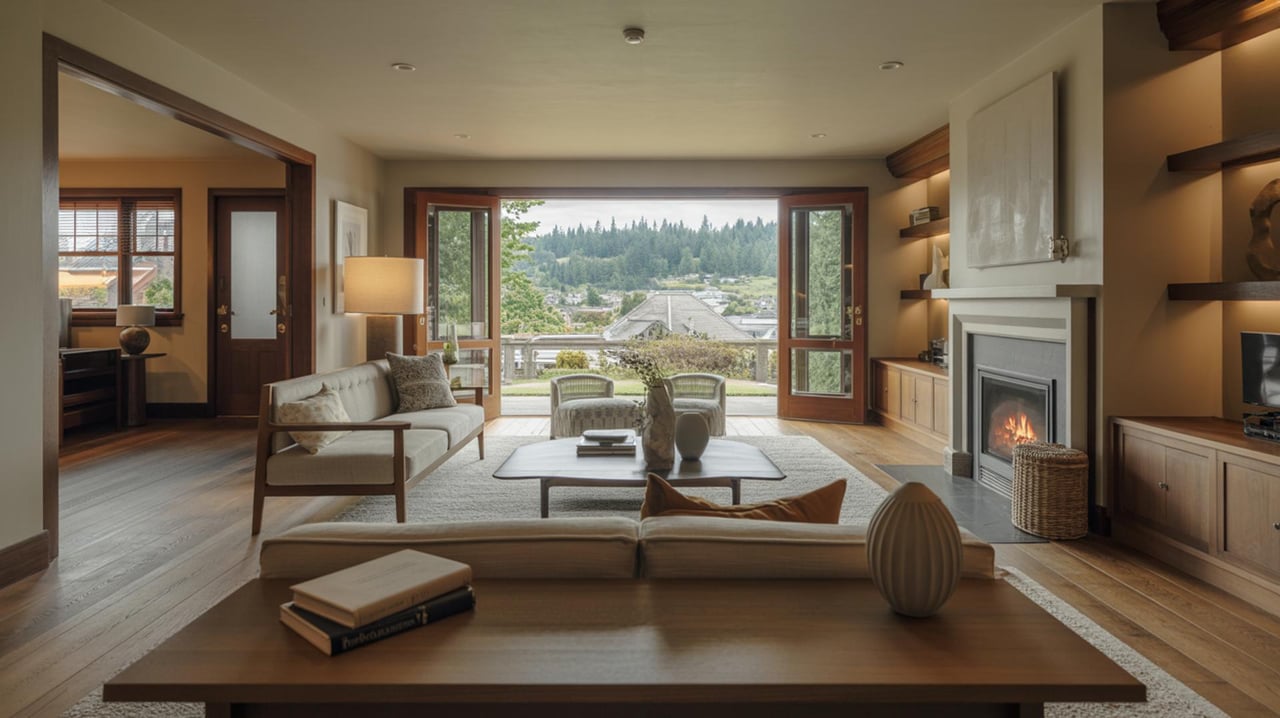
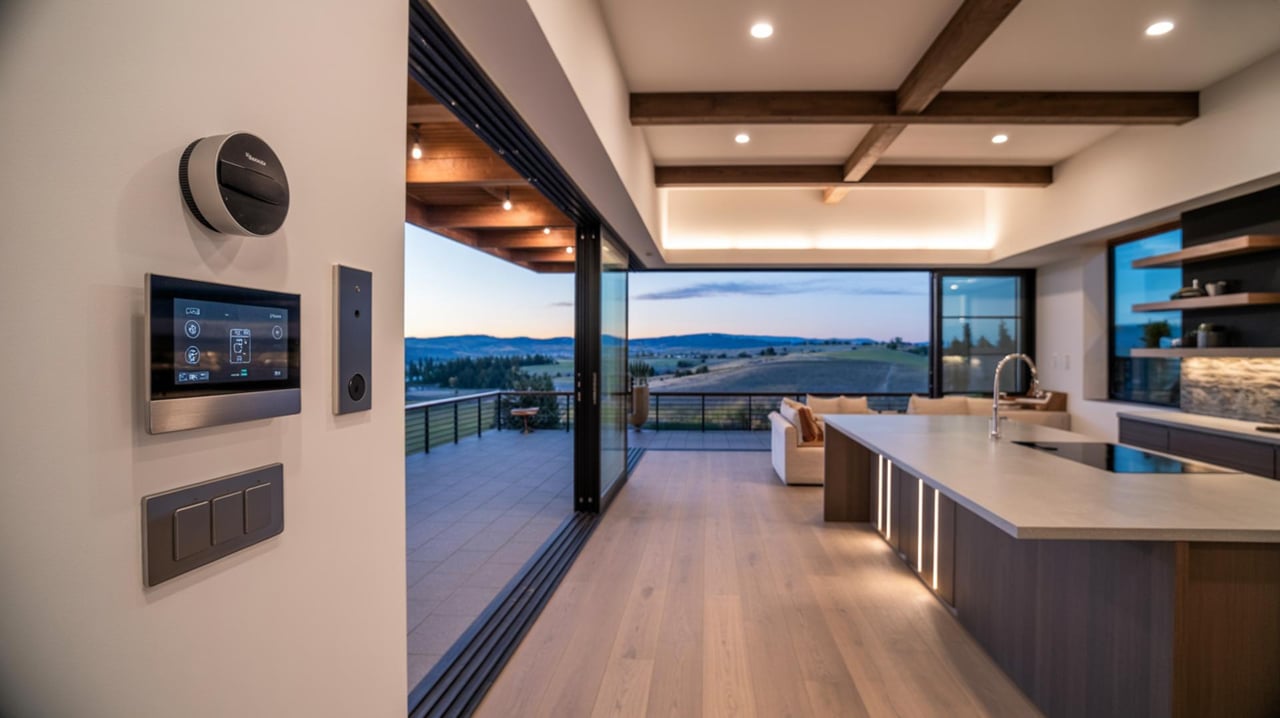
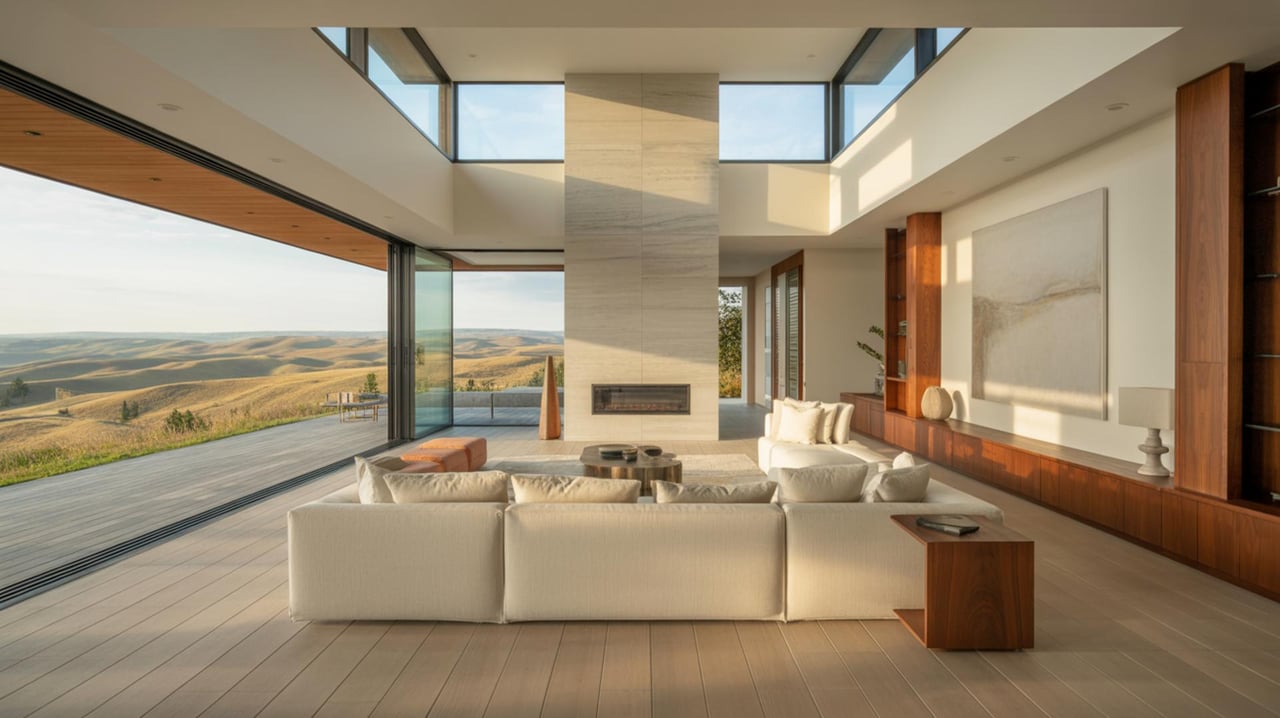
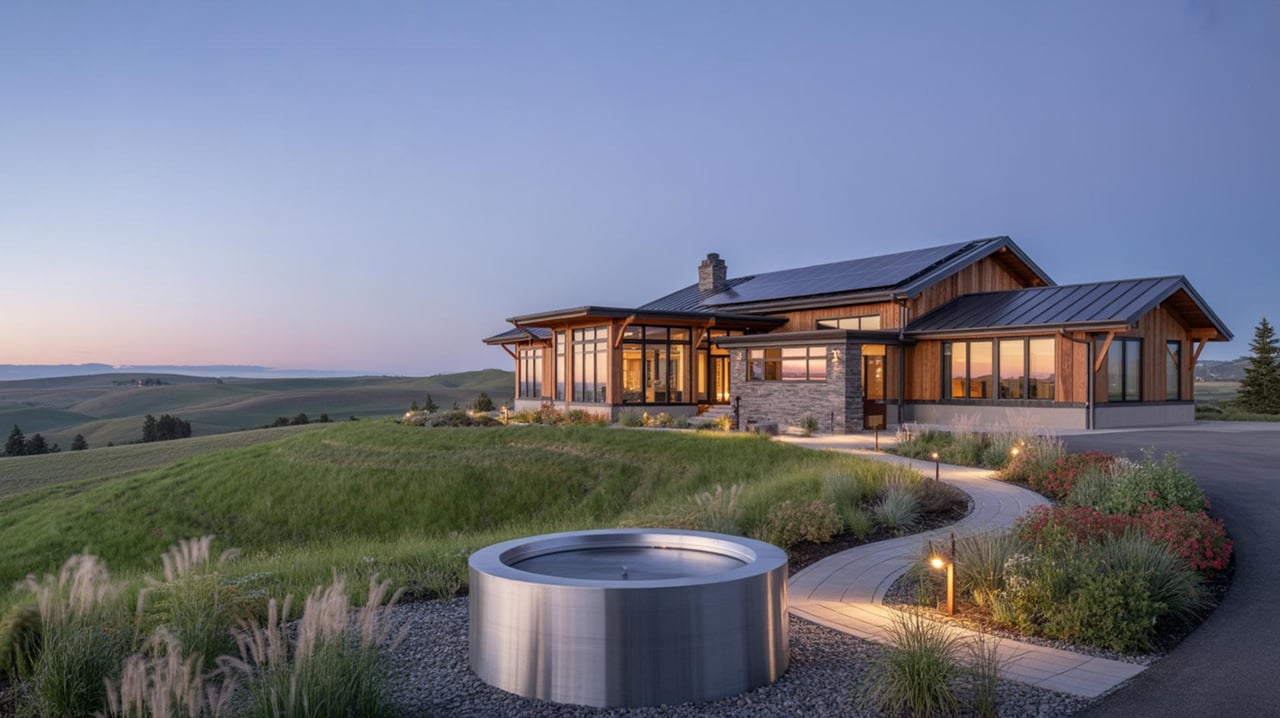
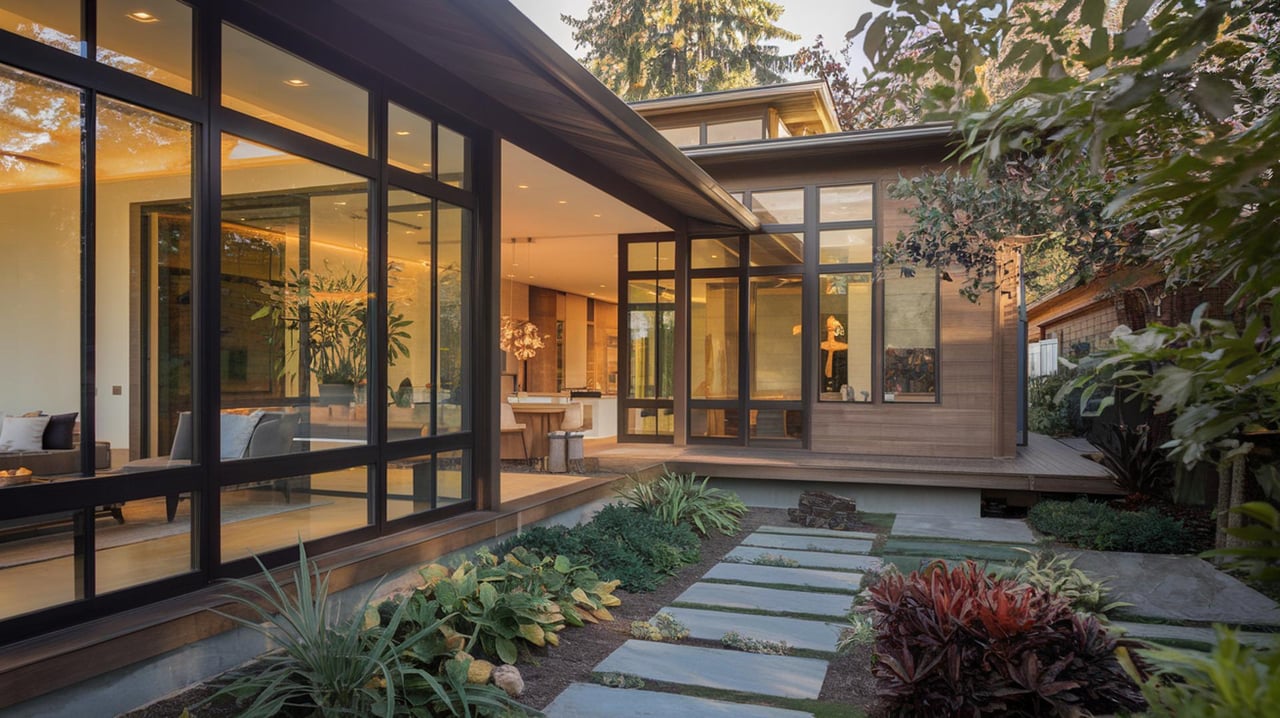
Newer homes on Pioneer Hill often shift away from historic styling and focus more on layout, light, and function. A 1993 home in the area was described as architecturally designed and multilevel, with vaulted ceilings, formal dining, a spacious kitchen, and a lower-level apartment with separate access, based on this listing example.
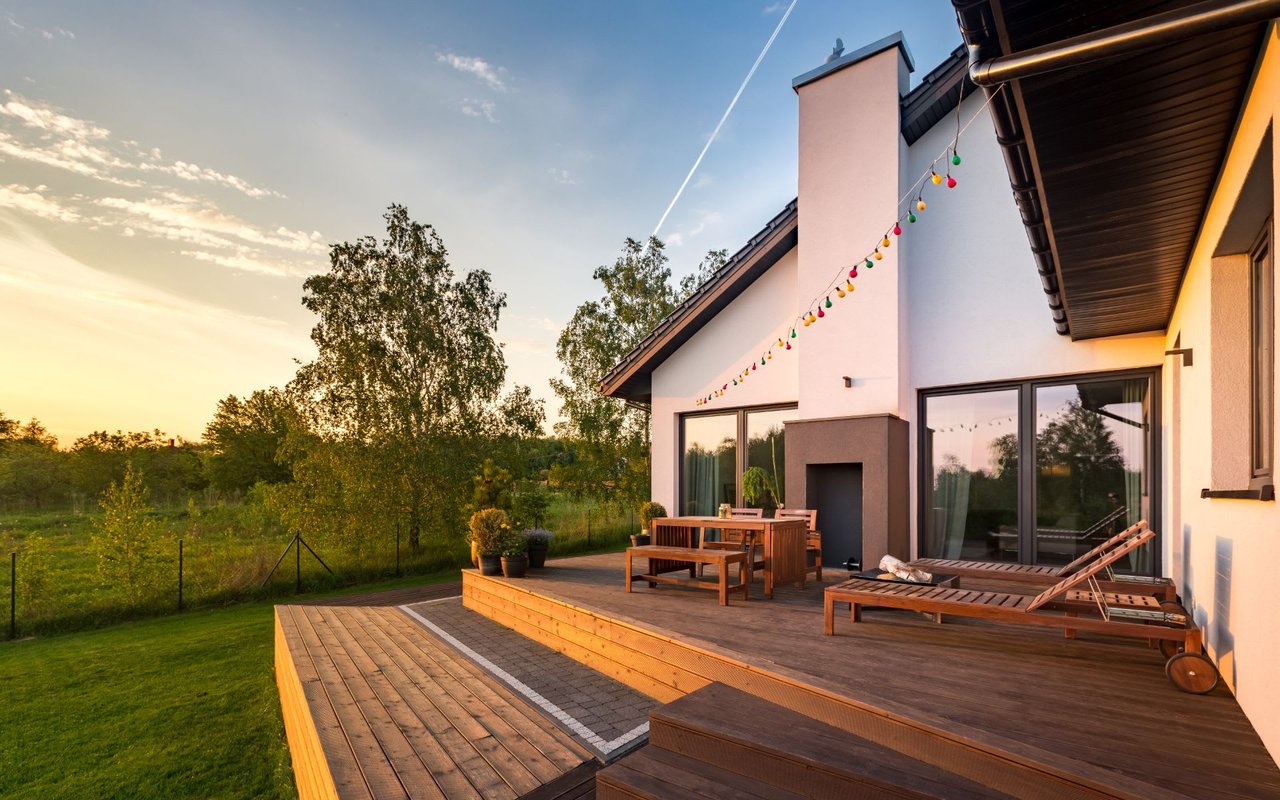
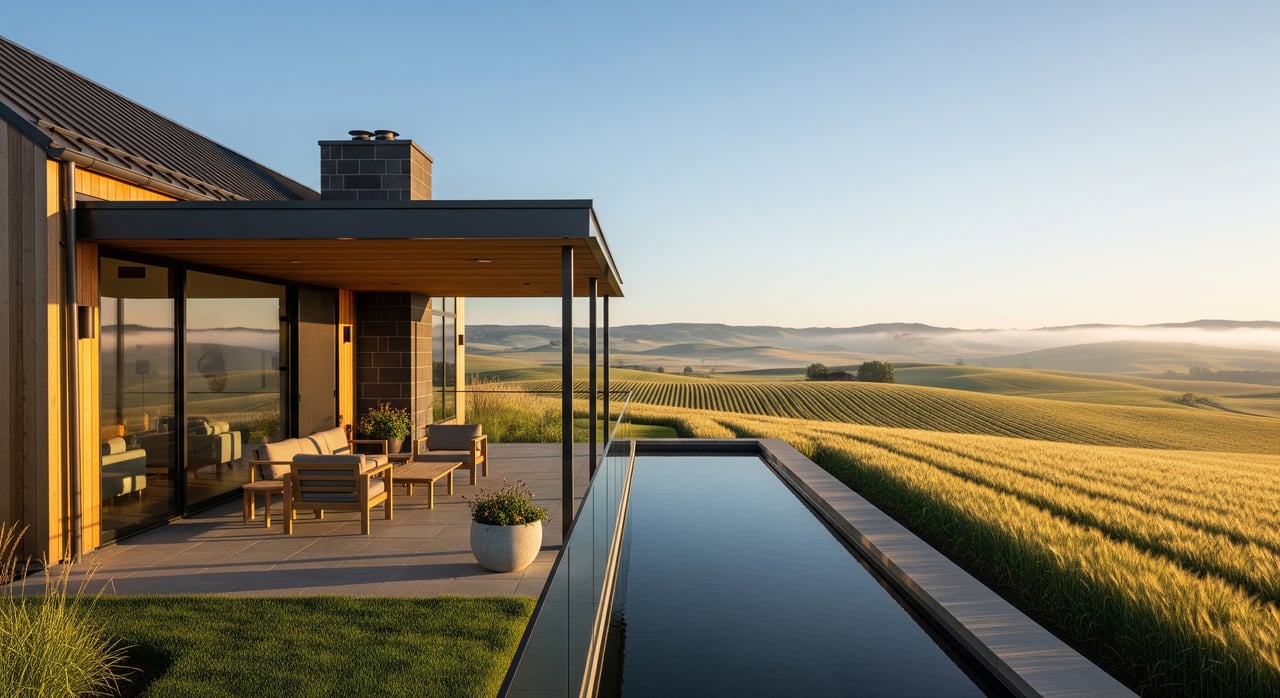
A 1997 nearby home emphasized a deck off the primary bedroom, a large bath, and basement space for storage or additional use. These examples suggest that buyers on Pioneer Hill may find homes that feel more custom and view-oriented as construction dates move forward.
What Buyers Typically Find
Buyers often ask whether Pioneer Hill is mostly compact in-town housing or if larger properties exist. The answer is both. Recent listing samples include lots around 6,969 to 7,840.8 square feet for older homes, while other properties have been much larger, including a 21,222-square-foot lot, a 0.487-acre parcel, and a 0.32-acre lot for a later view home.
That range matters because it gives you more than one path into the neighborhood. You may find a smaller lot with a classic in-town layout, or you may come across a home with more separation, more outdoor space, or a view-focused setting.
Floor Plans Across Eras
Floor plans on Pioneer Hill vary in practical ways. Older homes often feature 1.5- to 2-story layouts with basements, separate bedrooms, formal dining rooms, and detached garages. That pattern shows up in multiple listing examples, including older Pioneer Way and SE Pioneer Street homes.
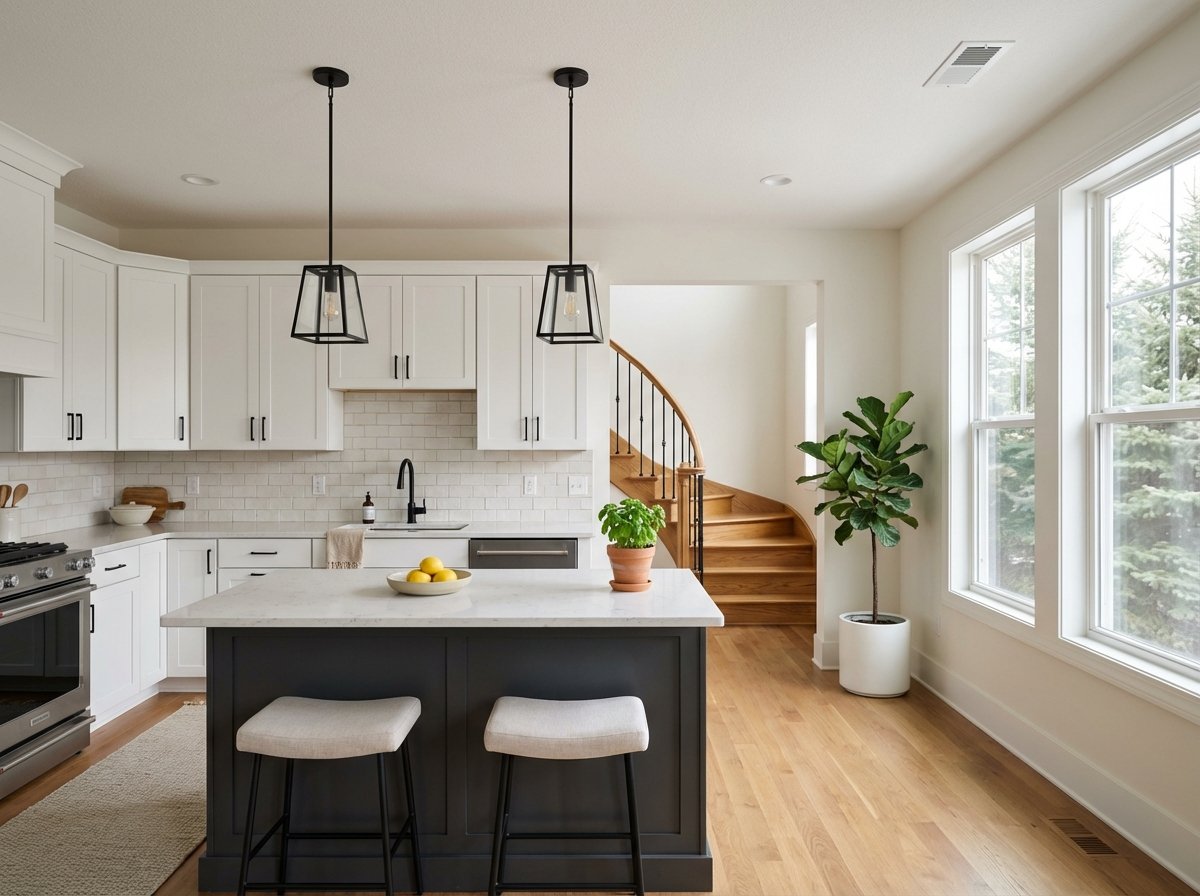
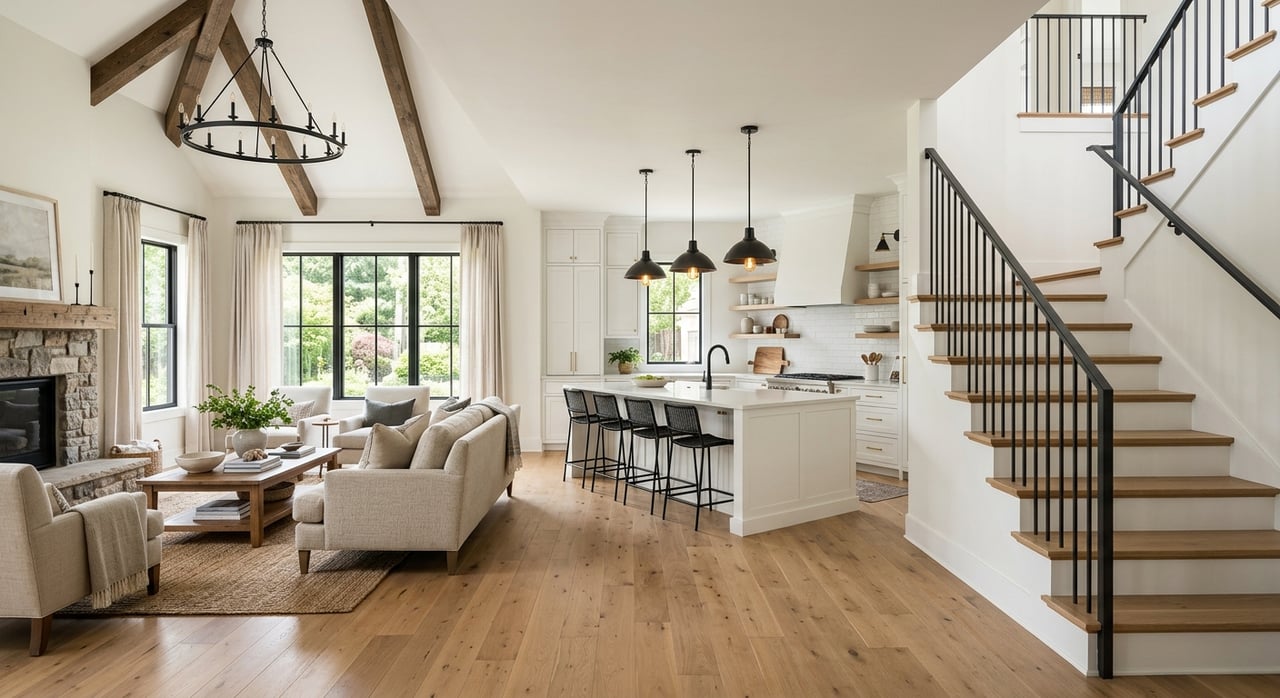
By contrast, later-built homes tend to be multilevel and more flexible in design. Features may include attached garages, a mix of formal and informal living spaces, bonus rooms, offices, or even lower-level apartments, as reflected in listing records for homes in the neighborhood.
Why Architecture Matters Here
In some neighborhoods, homes feel largely interchangeable. Pioneer Hill is not one of them. The neighborhood’s architecture tells a story about Pullman’s growth, from early settlement-era homes to later houses shaped by changing preferences for light, privacy, views, and flexible living.
That matters if you are buying because your search may need to focus less on one style label and more on how a home actually lives. It also matters if you are selling, because effective marketing should highlight the right combination of era, original detail, updates, lot size, and location within the hill.
Renovation Potential in Pioneer Hill
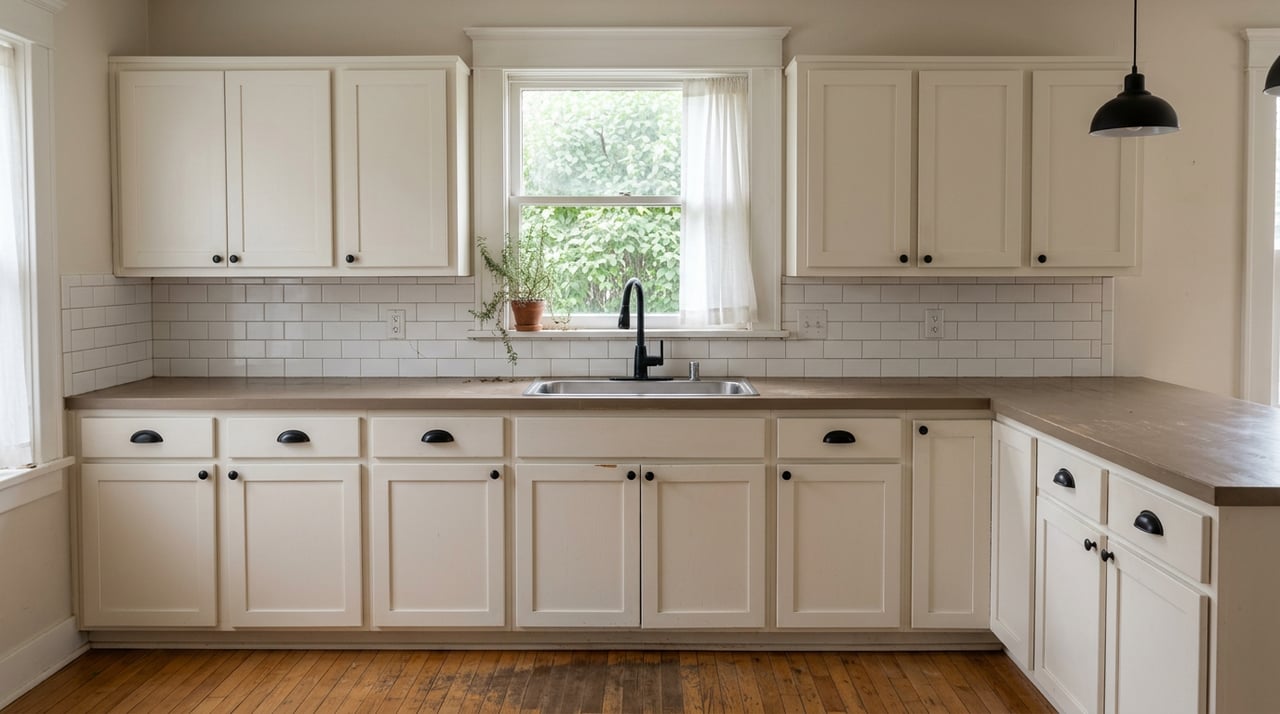
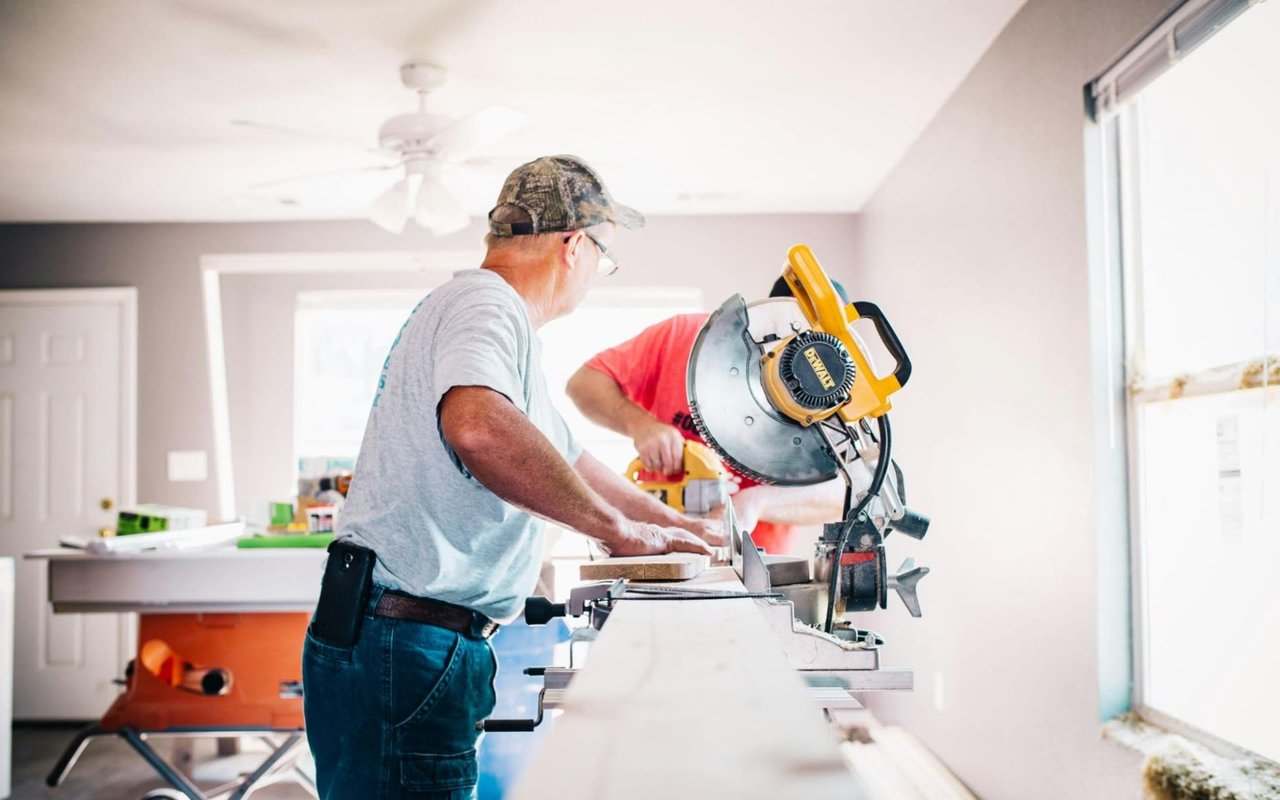
For buyers who like older homes, Pioneer Hill may offer meaningful renovation potential. Listing history shows that many homes still retain original features such as built-ins, wood floors, picture rail, original trim, porches, and older window systems.
In practical terms, that often means updates may focus on kitchens, bathrooms, heating, windows, or safety improvements instead of a full rebuild. One recent city permit example involved window replacement at 235 SE Pioneer Way in 2023, which illustrates the kind of targeted improvements owners may make over time.
Check Historic Status First
If you are considering exterior changes, it is smart to verify whether a property has any formal historic designation. Under Pullman city code, properties listed on the Pullman Register of Historic Places, or properties within a historic district, may need a certificate of alteration or demolition before certain work can move forward.
For buyers, that means due diligence should include more than condition and price. You will also want to understand whether designation status could affect renovation plans, especially for exterior updates.
Is Pioneer Hill Right for You?
Pioneer Hill may be a strong fit if you want an established Pullman neighborhood with tree cover, a walkable layout, and a broad range of home styles. It can also be appealing if you value proximity to downtown destinations and want options that range from preserved early-1900s homes to later custom properties.
Because the neighborhood includes such a wide mix of architecture, lot sizes, and floor plans, local guidance matters. The right home for you may not be the newest or the oldest one. It may be the property whose layout, condition, and long-term potential best match your goals.
Whether you are comparing character homes, planning a move to Pullman, or preparing to sell a Pioneer Hill property, neighborhood-level insight can make the process clearer. If you want help evaluating homes, pricing a property, or understanding how Pioneer Hill fits into the broader Pullman market, connect with Krista Gross.
FAQs
What kinds of homes are common in Pioneer Hill in Pullman?
- Pioneer Hill includes a mix of home styles, including Craftsman cottages, bungalows, storybook-era homes, ranch-style houses, and later custom multilevel homes.
Are Pioneer Hill homes in Pullman mostly older properties?
- Many homes in Pioneer Hill are older and reflect early Pullman development, but the neighborhood also includes later-built homes with more custom layouts and view-oriented design.
What architectural details do older Pioneer Hill homes in Pullman often have?
- Older Pioneer Hill homes may include built-ins, picture rail, hardwood floors, French doors, original trim, covered porches, original window details, and detached garages.
Are there larger lots available in Pioneer Hill in Pullman?
- Yes. While many homes sit on modest in-town lots, listing examples show that some Pioneer Hill properties have substantially larger parcels, including lots over 20,000 square feet and sites measuring nearly half an acre.
Should buyers check for historic restrictions on Pioneer Hill homes in Pullman?
- Yes. Some properties may have historic designation considerations, and certain exterior changes could require city review under Pullman’s historic-preservation rules.