Wondering if a historic home in Colfax is a smart buy or a future money pit? That question is common, especially when you are drawn to the character of an older home but want to avoid expensive surprises. If you are considering a historic property in Colfax, it helps to understand how age, condition, and local designation can affect your decision. Let’s dive in.
Why Colfax appeals to historic-home buyers
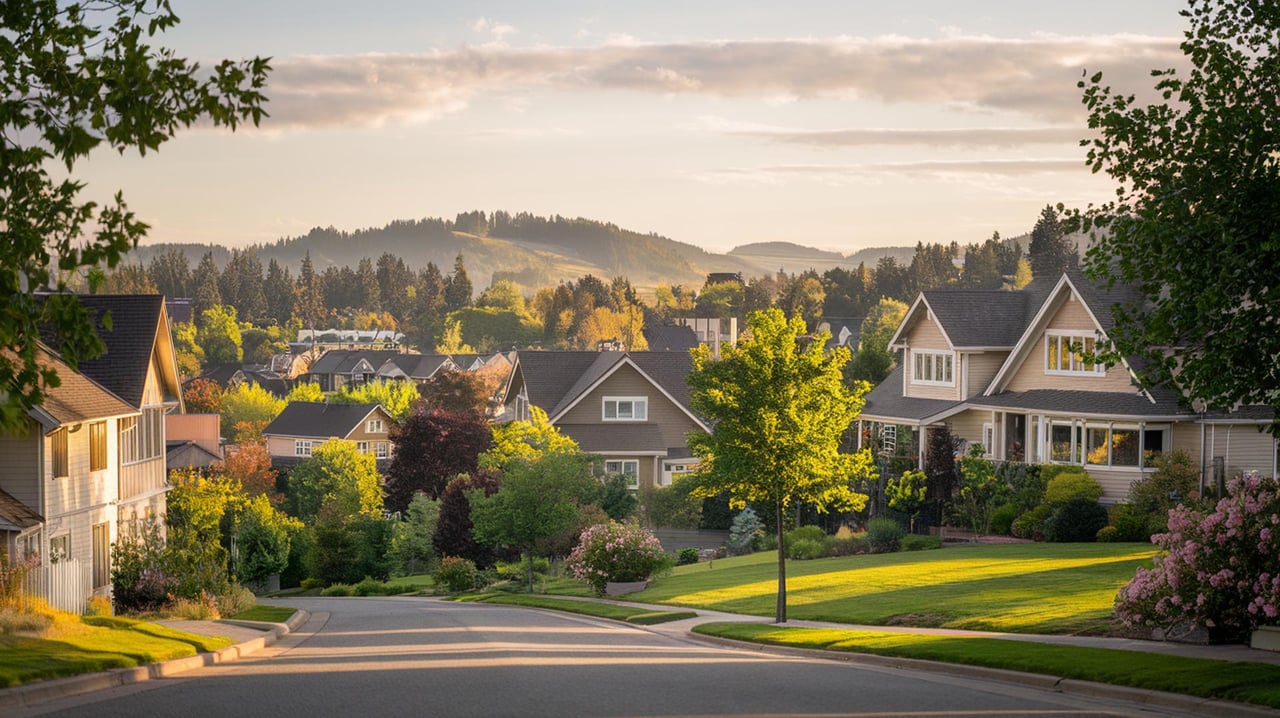
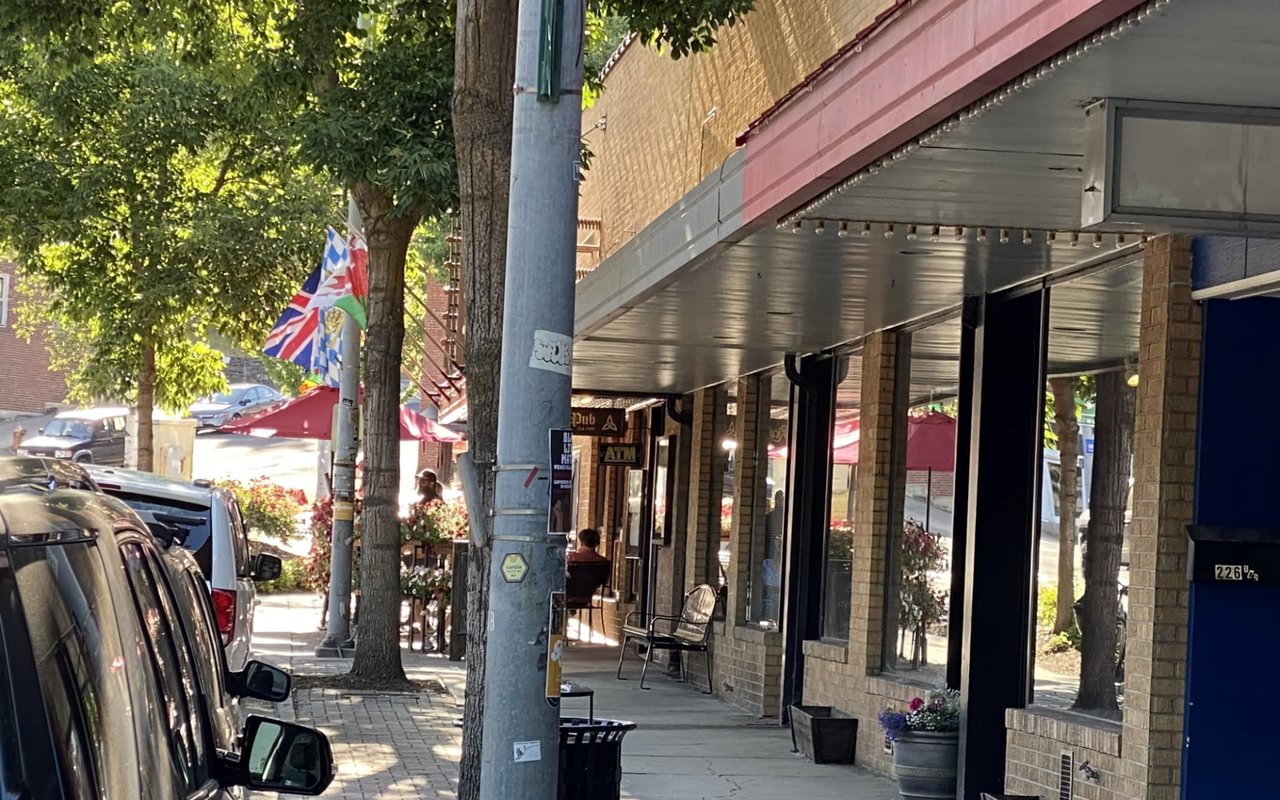
Colfax has a well-documented historic housing stock and an active local preservation framework. The city’s Historic Commission oversees preservation activities, and local code provides for a historic preservation commission, a local register of historic places, and review of certain proposed changes to registered properties.
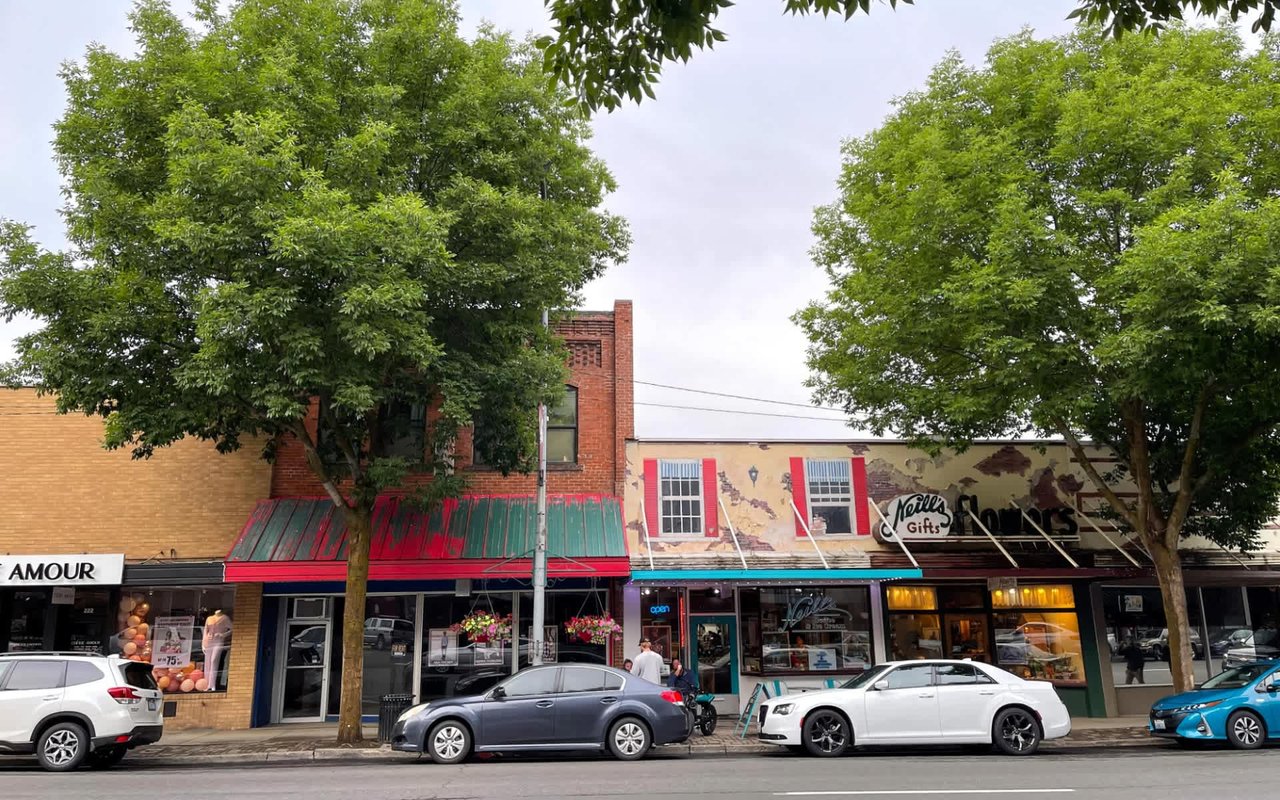
That historic character is not limited to one small pocket. A 2022 survey of the South Mill Street district inventoried 44 historic properties, including 28 residences, and a separate 2017 inventory of the central business district evaluated 54 historic buildings. For you as a buyer, that means Colfax’s historic fabric shows up in multiple parts of town.
What historic homes in Colfax look like
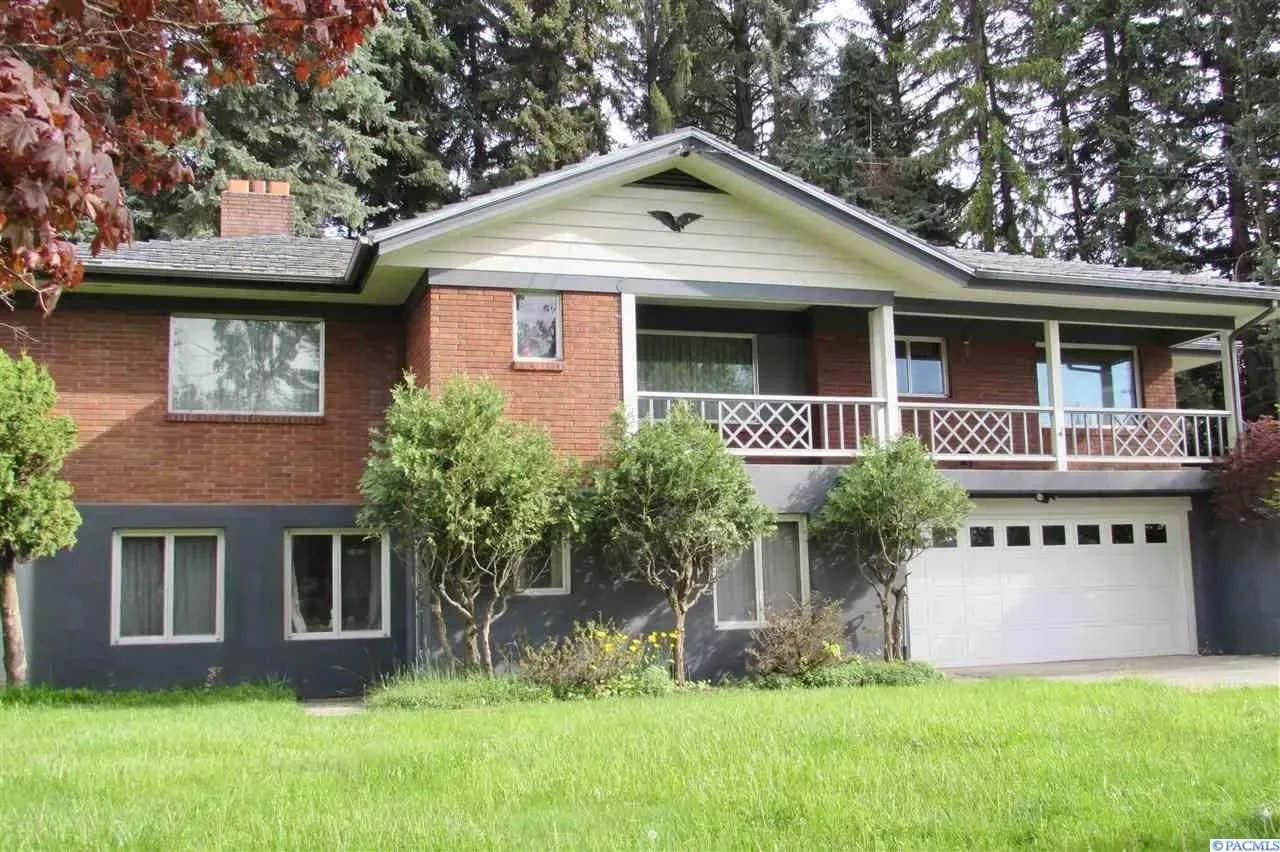
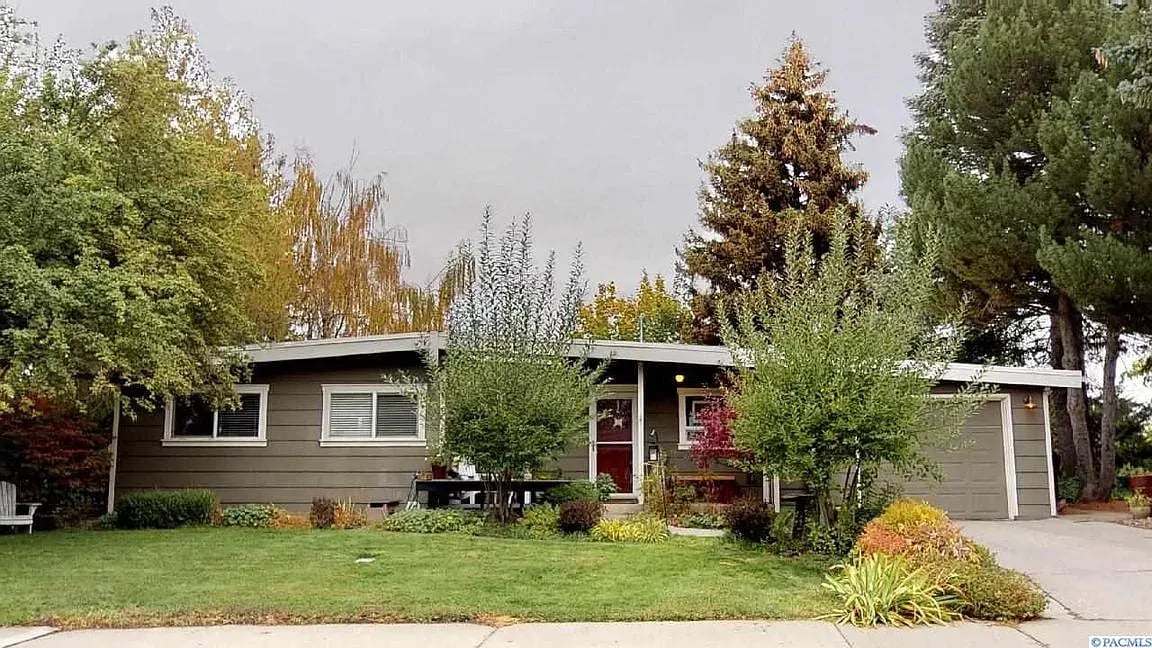
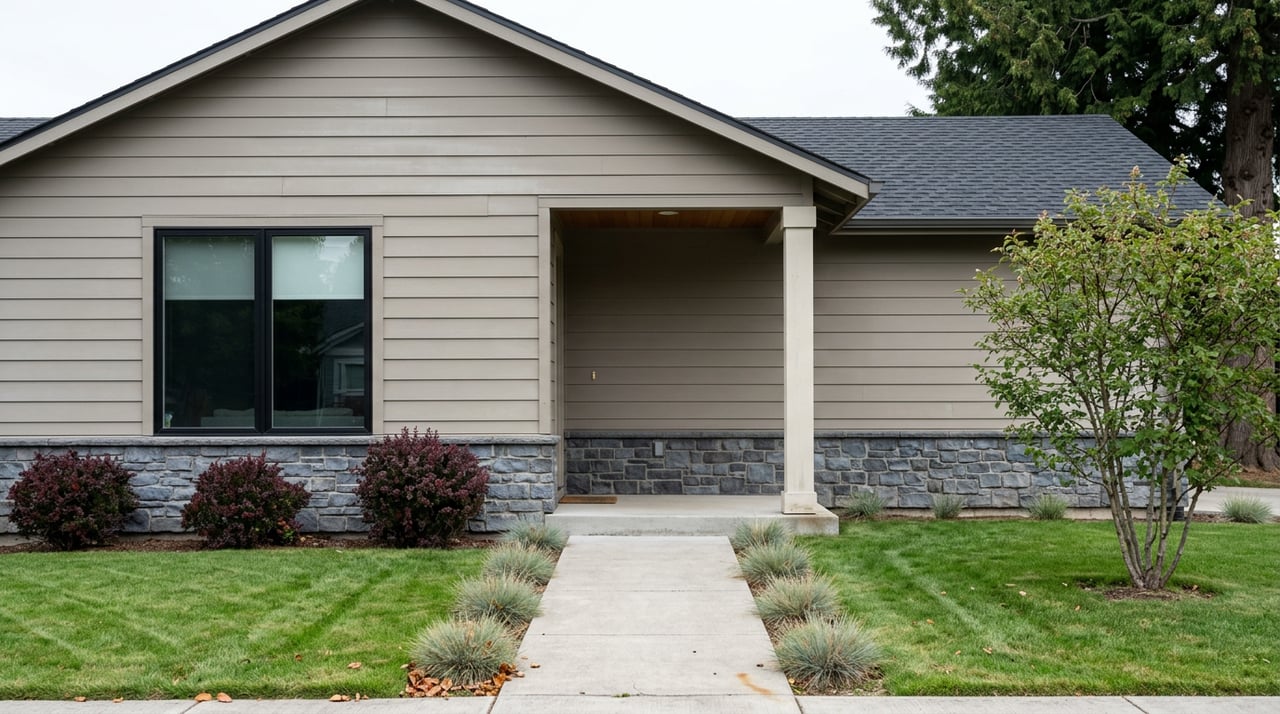
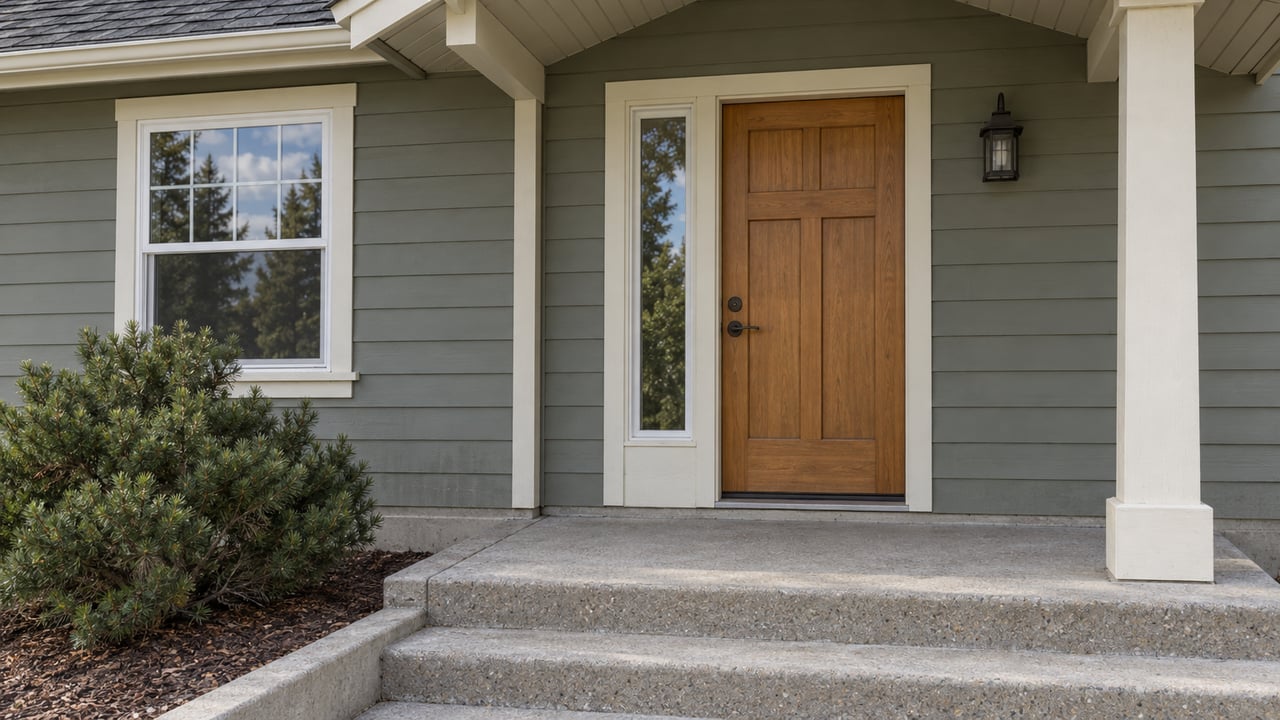
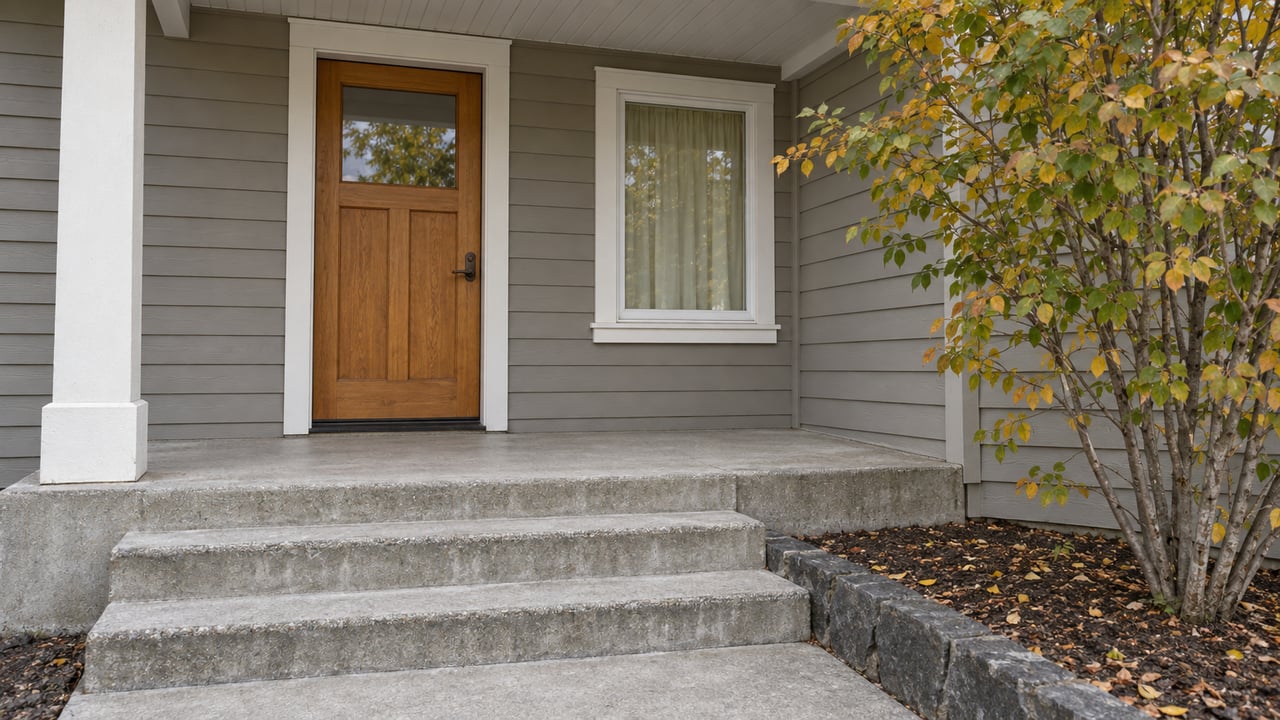
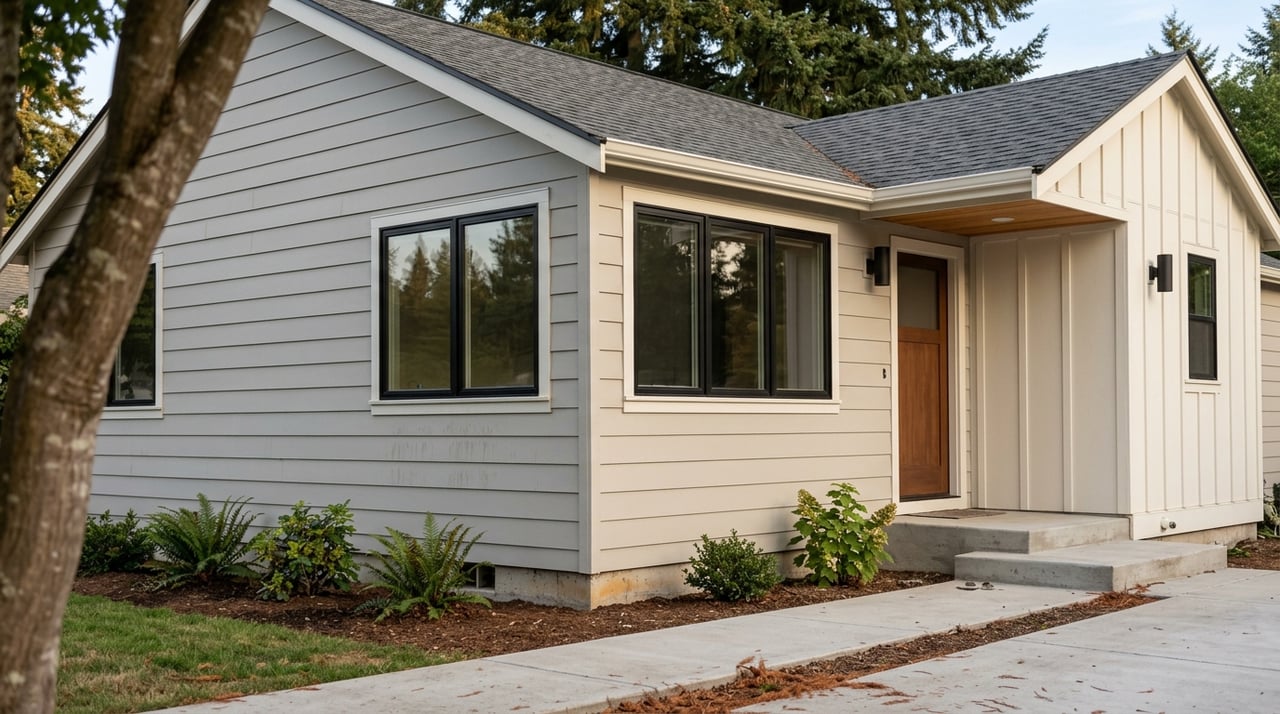
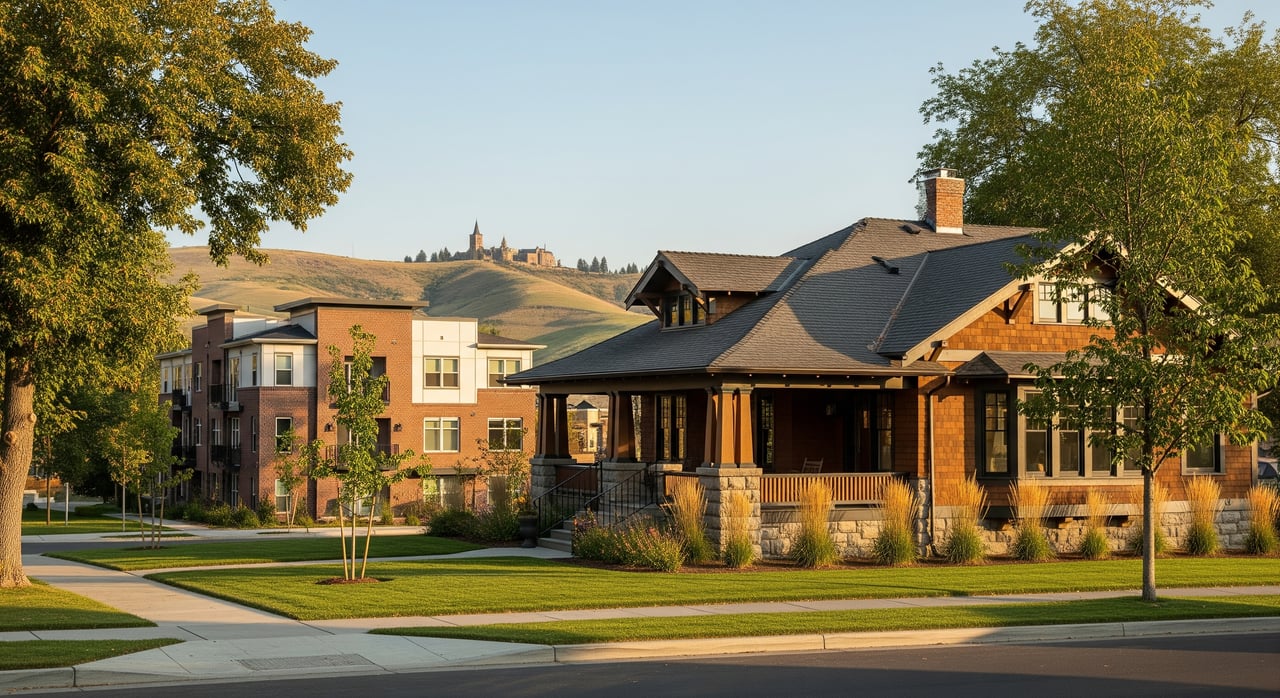
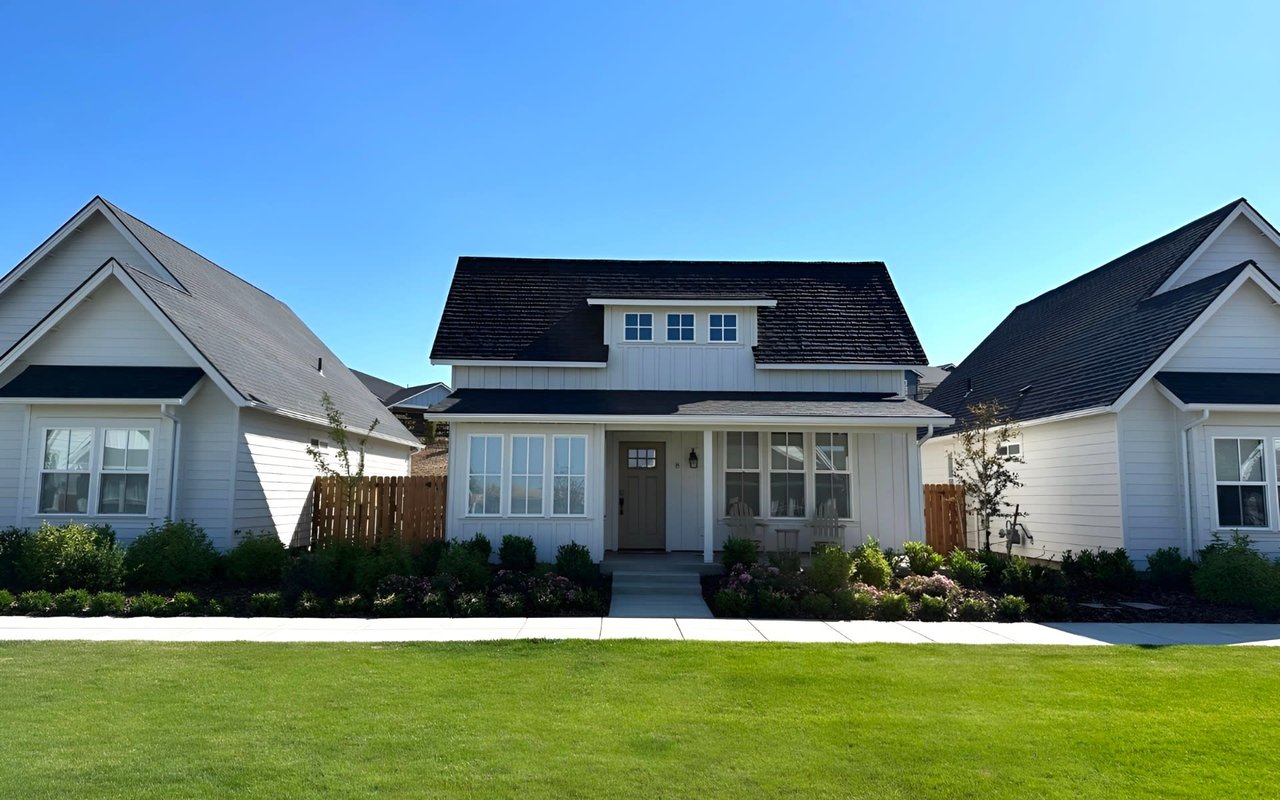
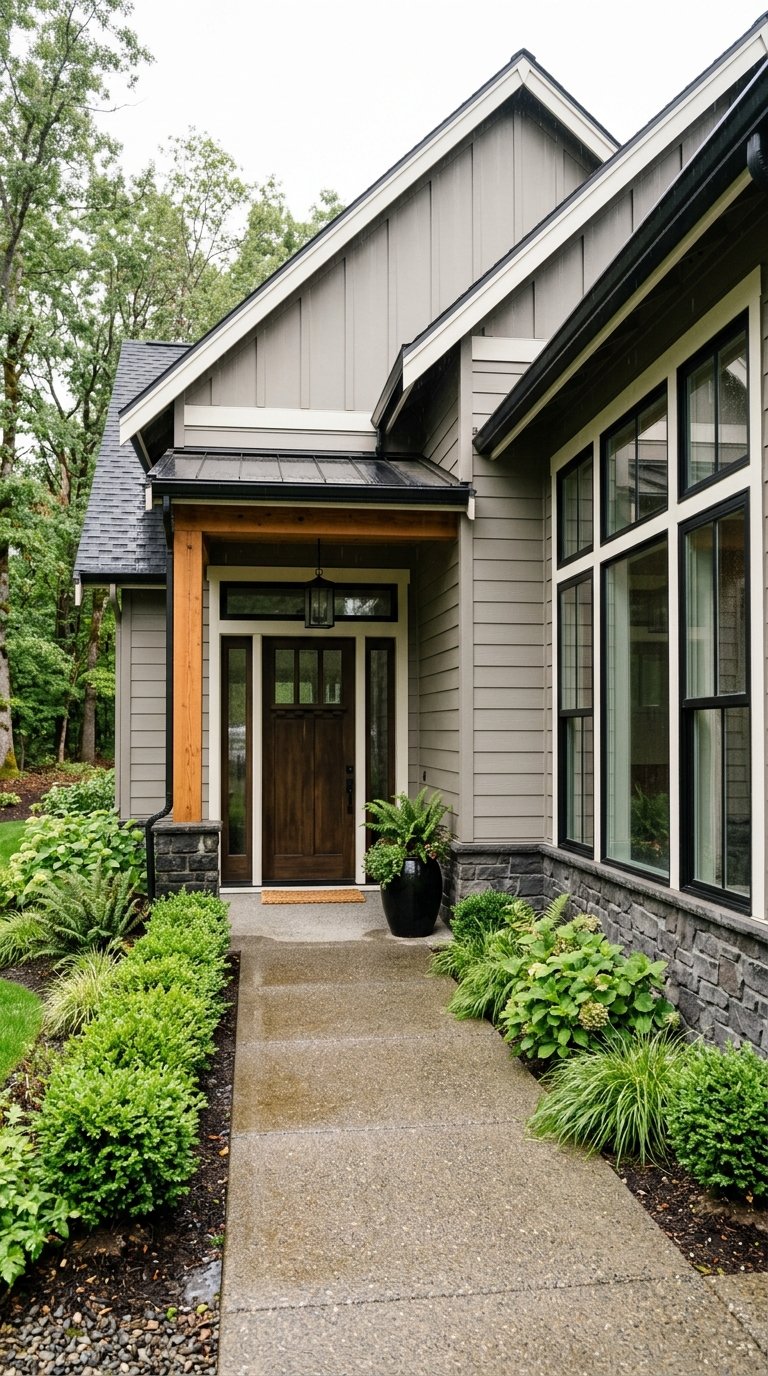
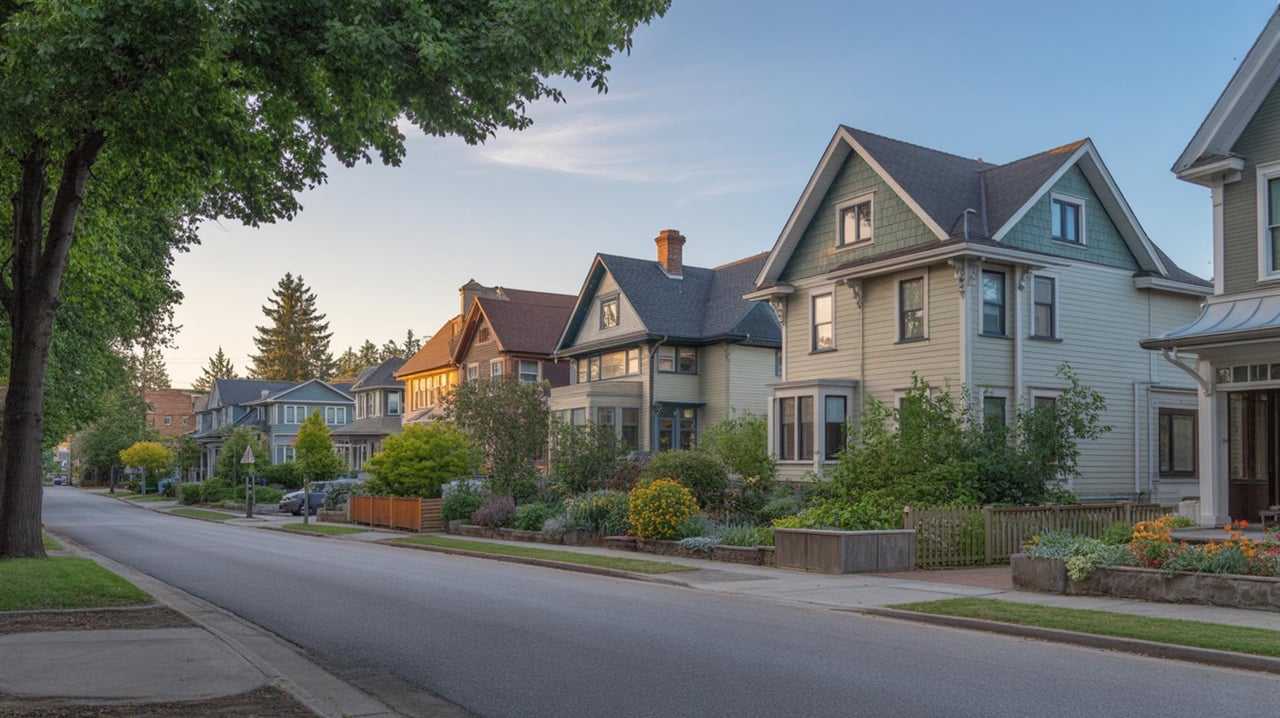
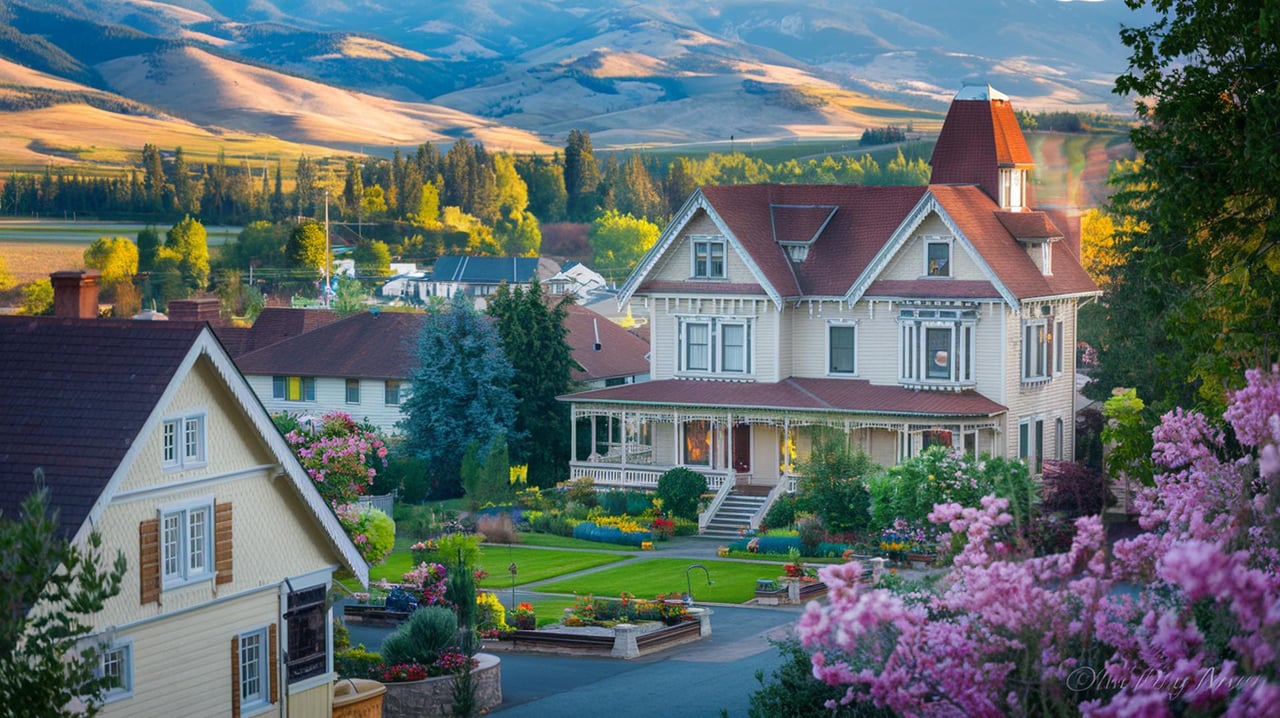
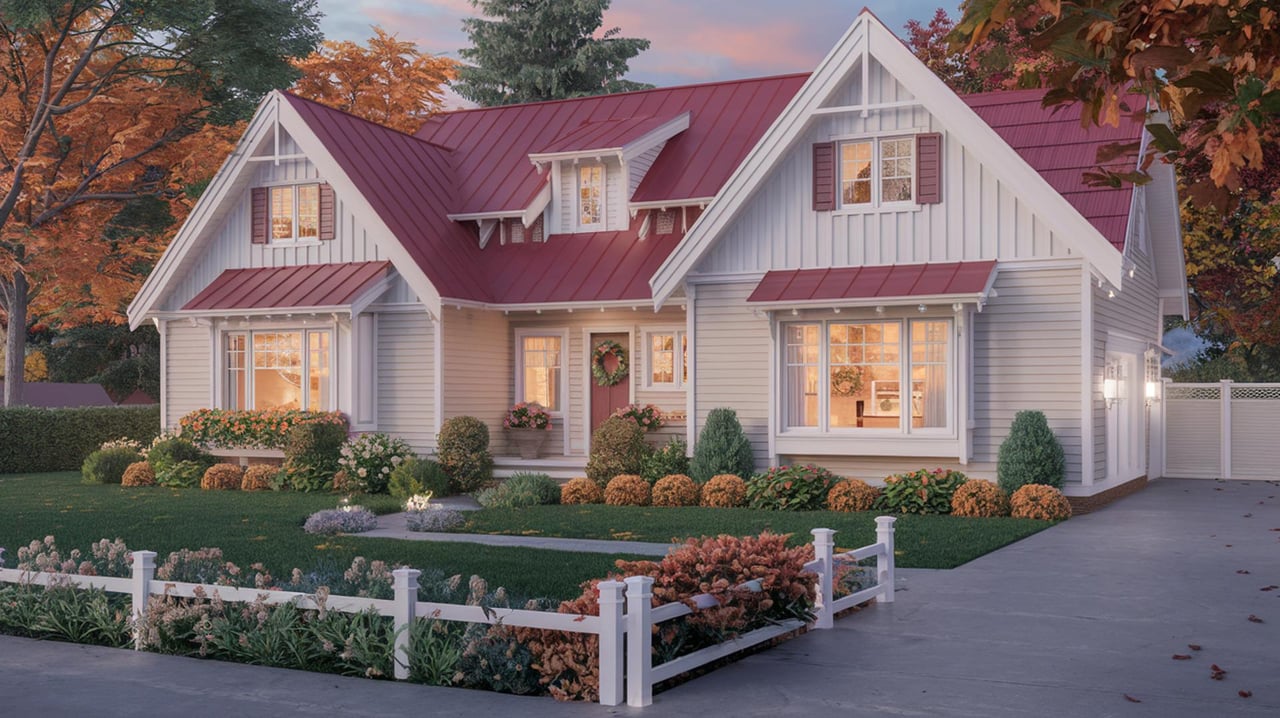
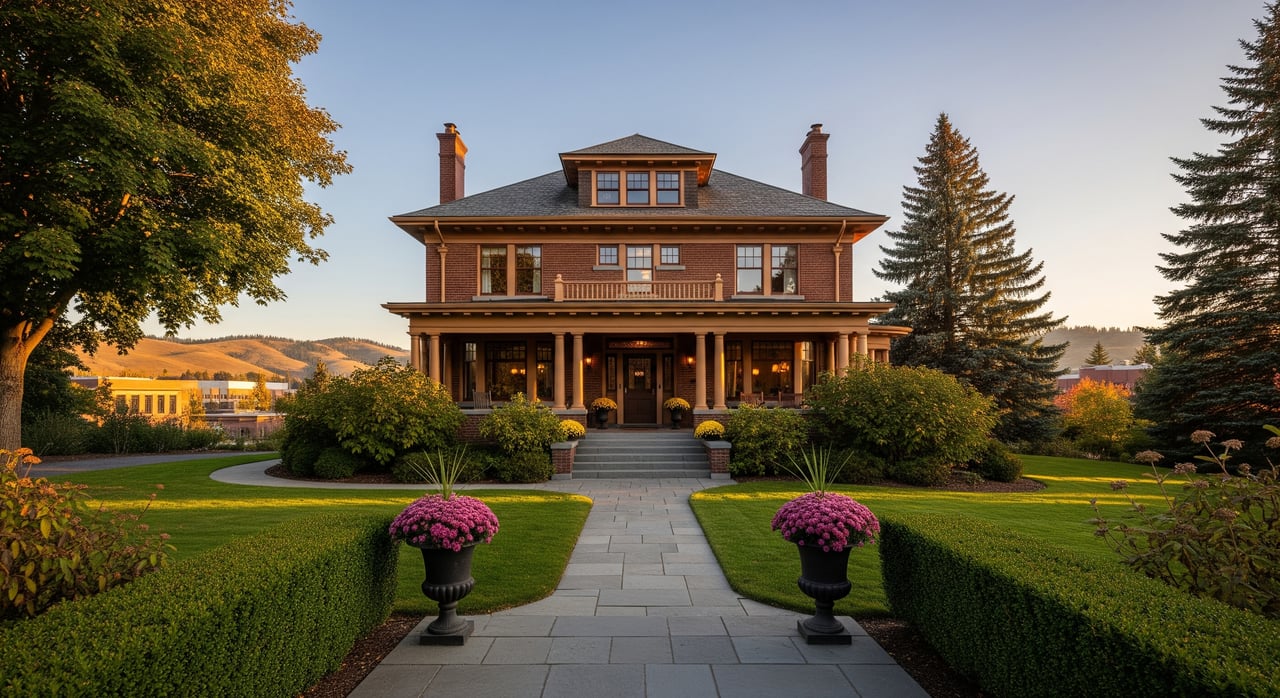
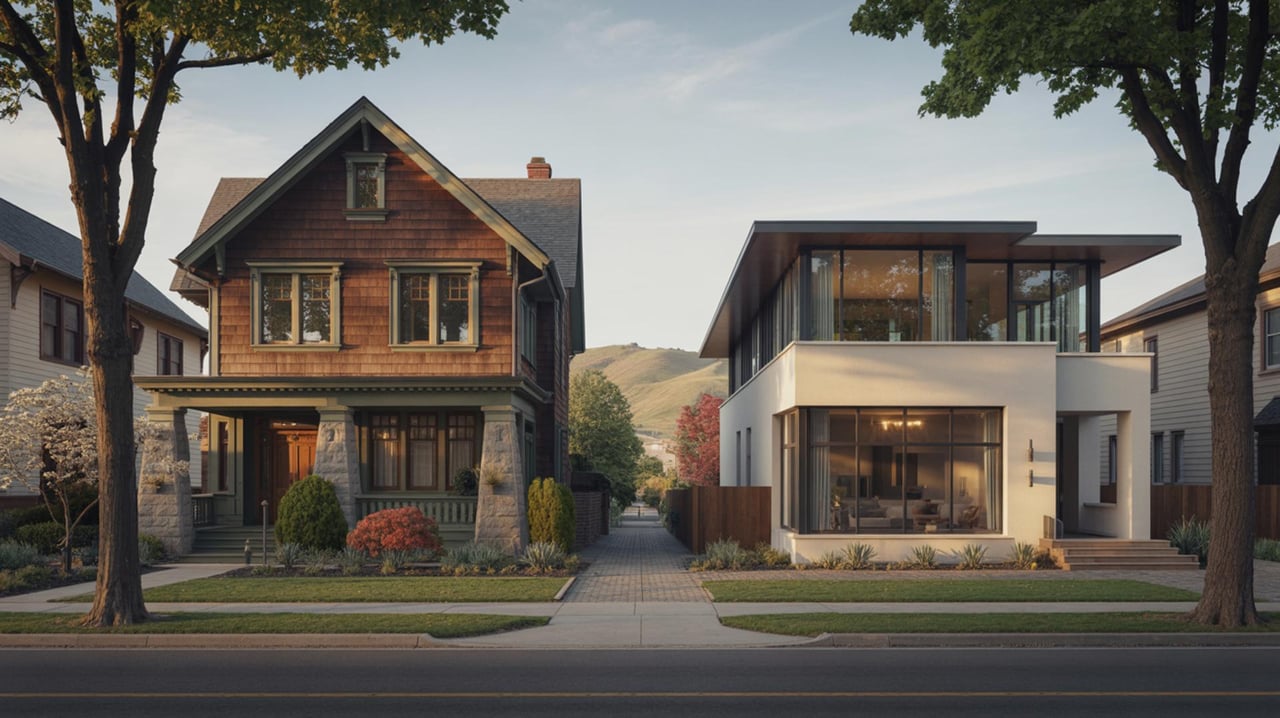
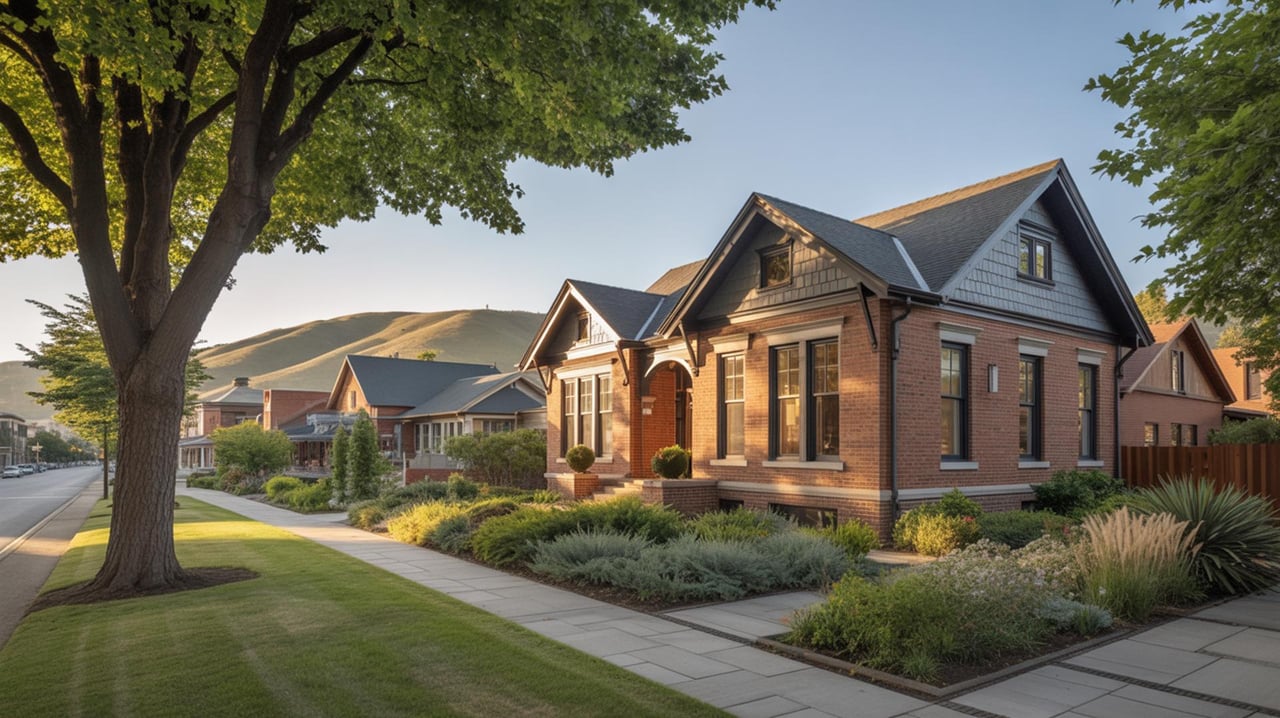
One of the fun parts of shopping for an older home in Colfax is the variety. Local survey work shows a wide mix of architectural styles from the late nineteenth century through the mid-twentieth century, including Tudor Revival, Craftsman, Colonial Revival, Spanish Eclectic, Gothic Revival, Art Deco, International, Minimal Traditional, Ranch, Mansard, and vernacular homes.
In practical terms, you may tour anything from an ornamented late-1800s house to a simpler mid-century home. Tudor Revival and Craftsman styles appear especially common in the local survey data, with Colonial Revival also well represented.
Style cues to watch for
If you are trying to identify what you are seeing during a showing, a few details can help:
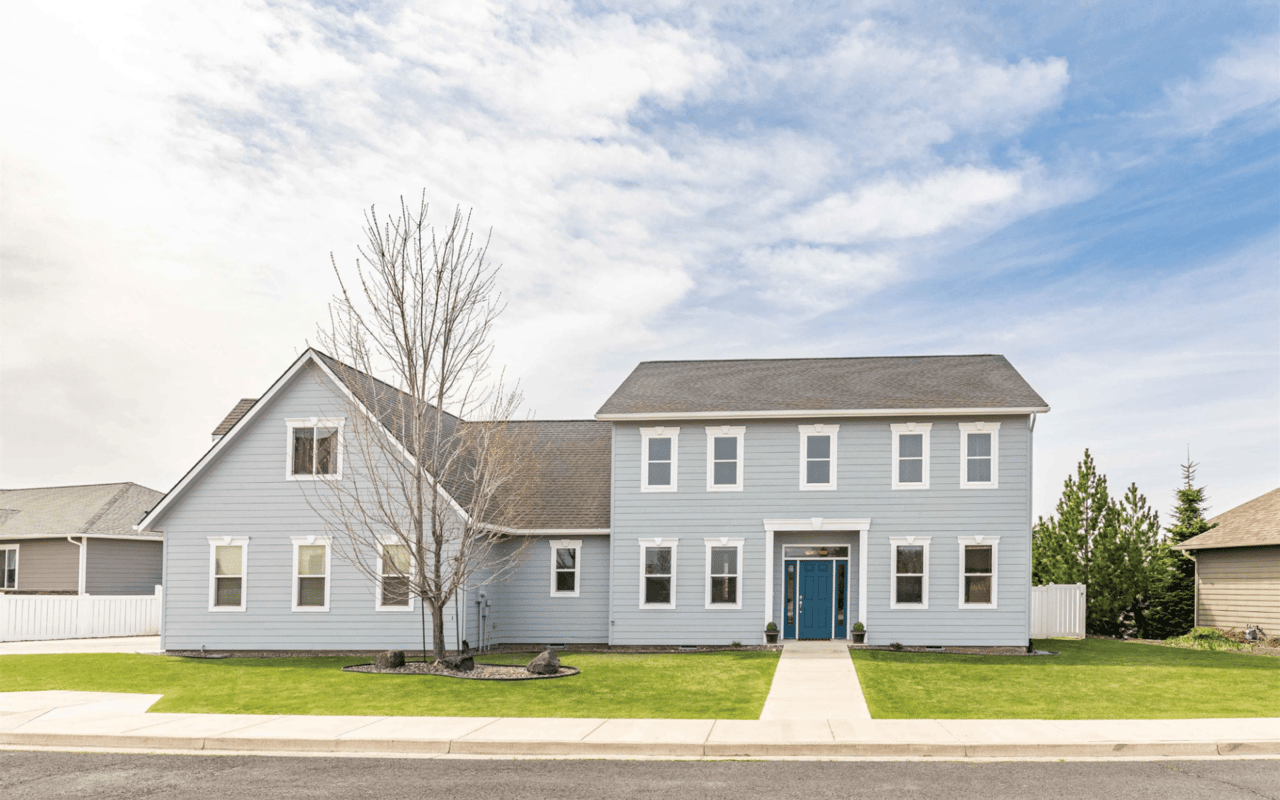
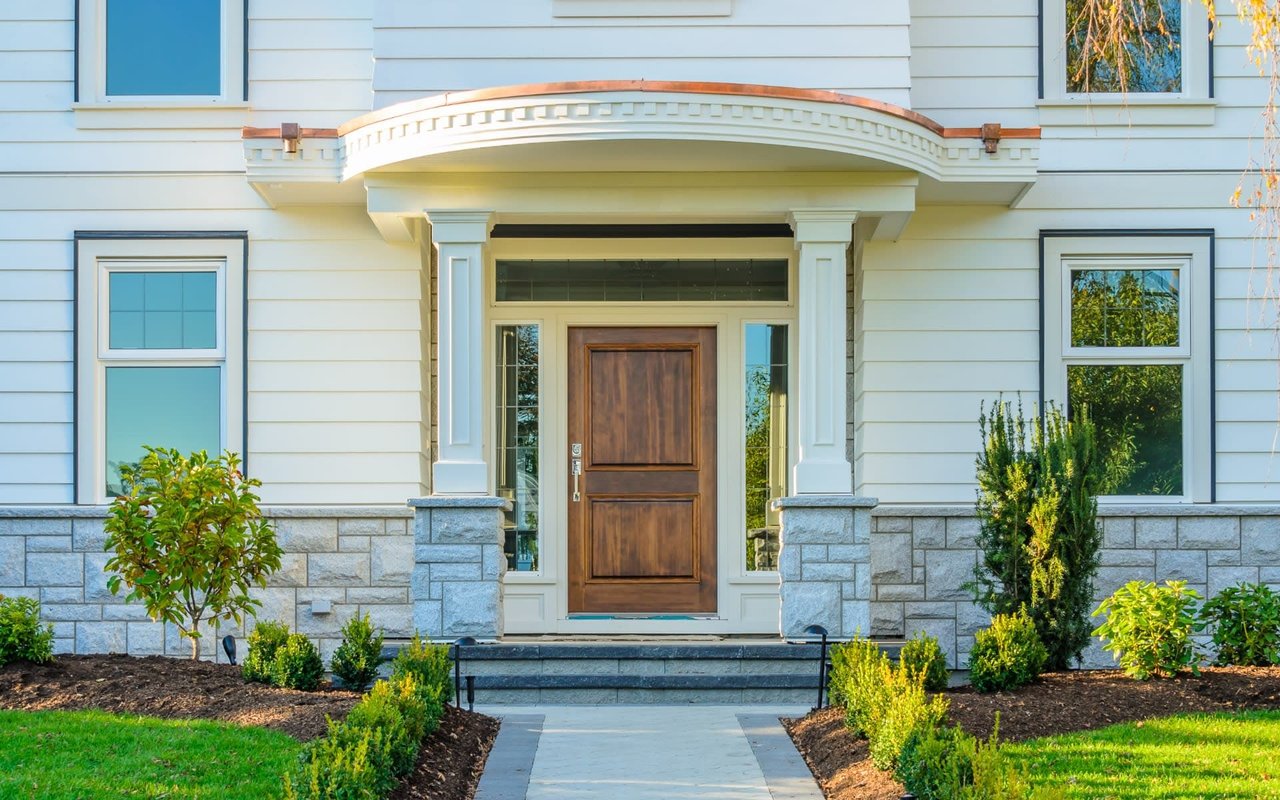
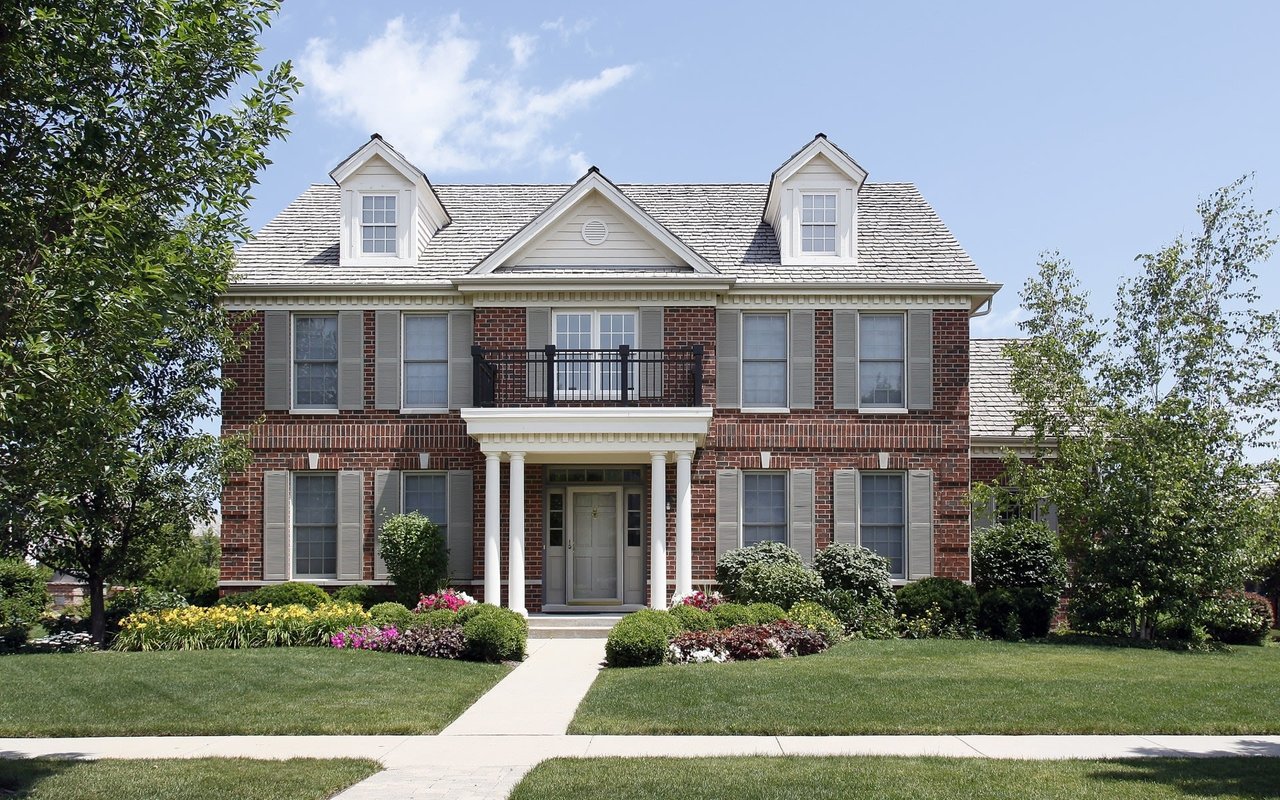
- Colonial Revival homes often have symmetrical facades and prominent front doors.
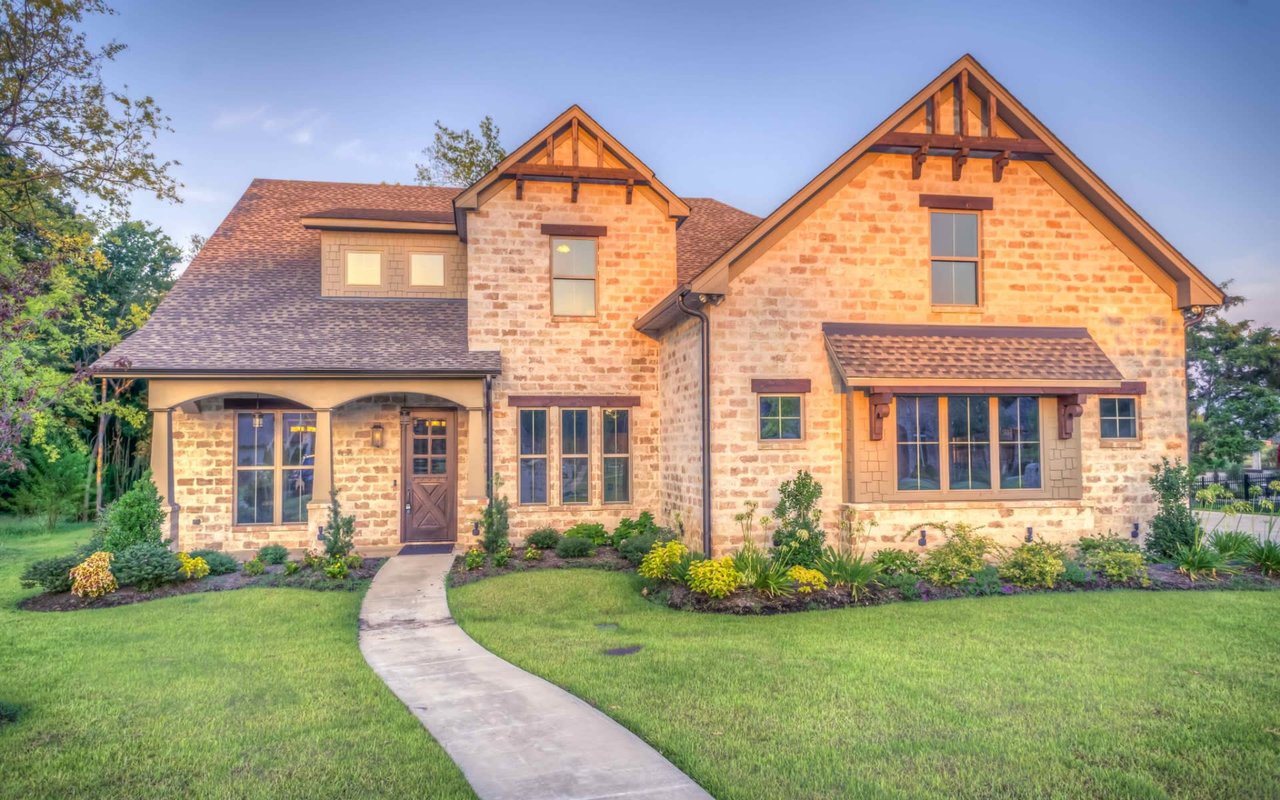
- Tudor Revival homes often feature steep roofs, cross-gables, tall narrow windows, and noticeable chimneys.
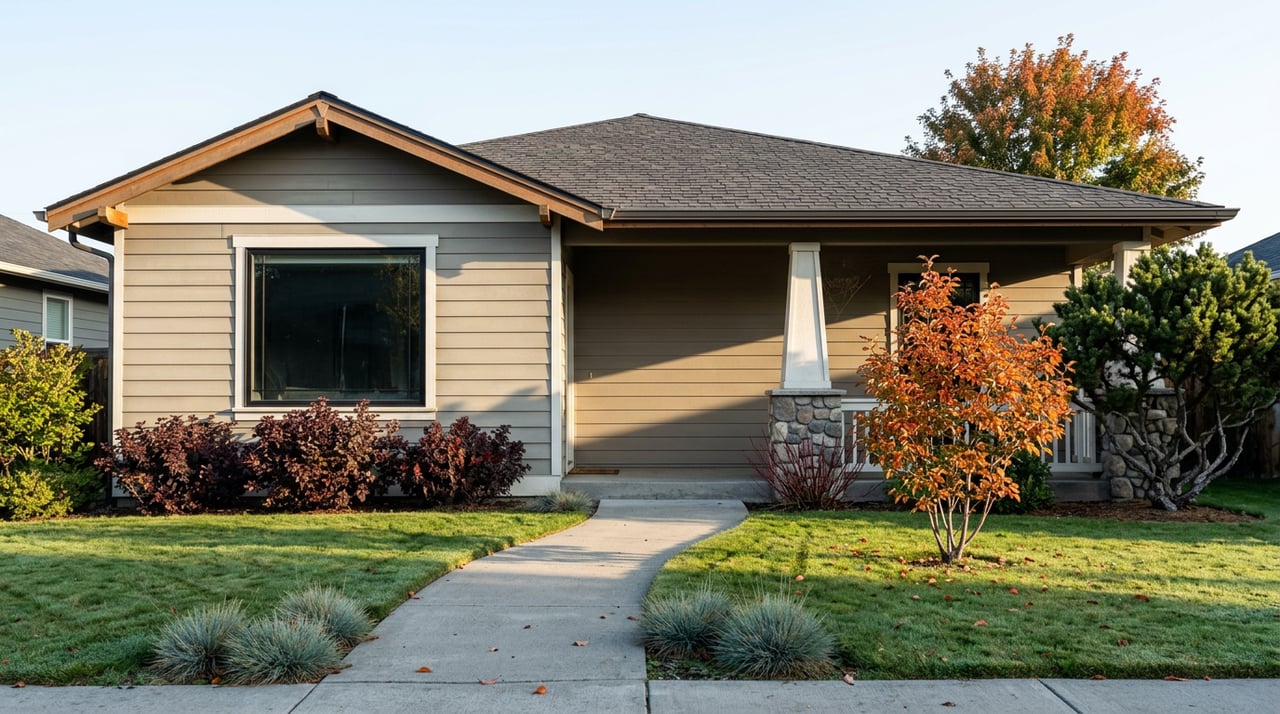
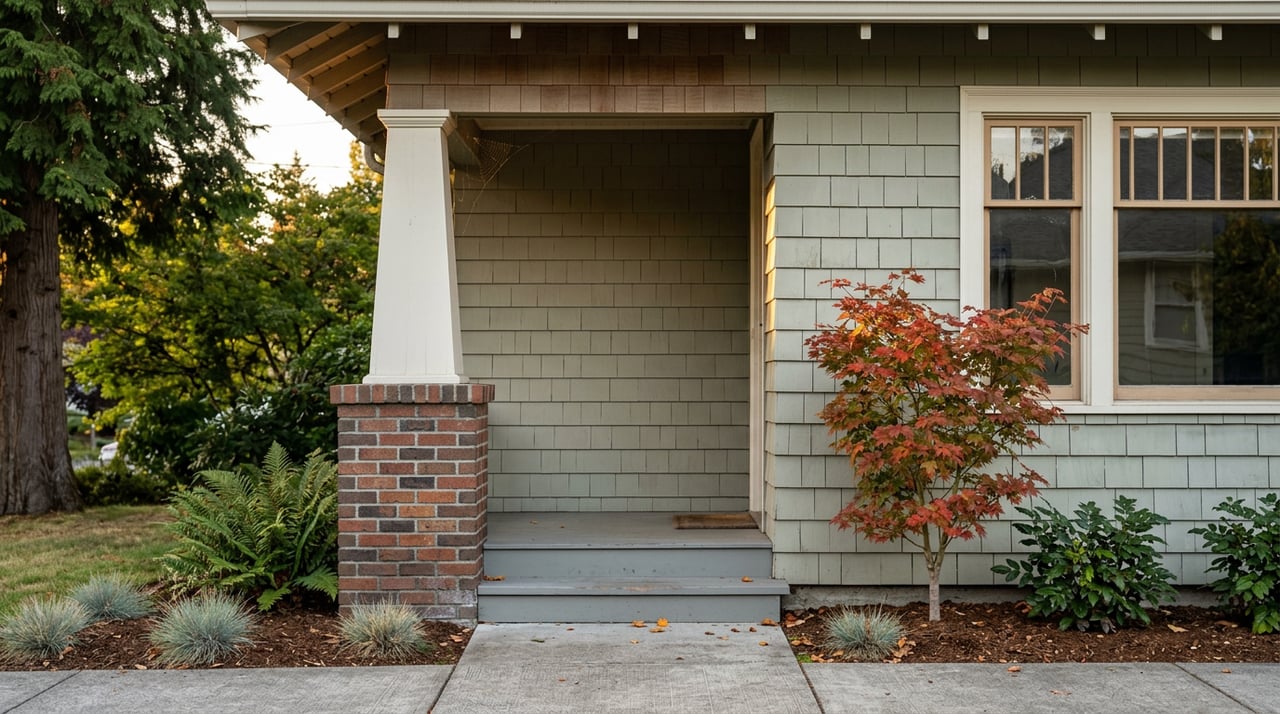
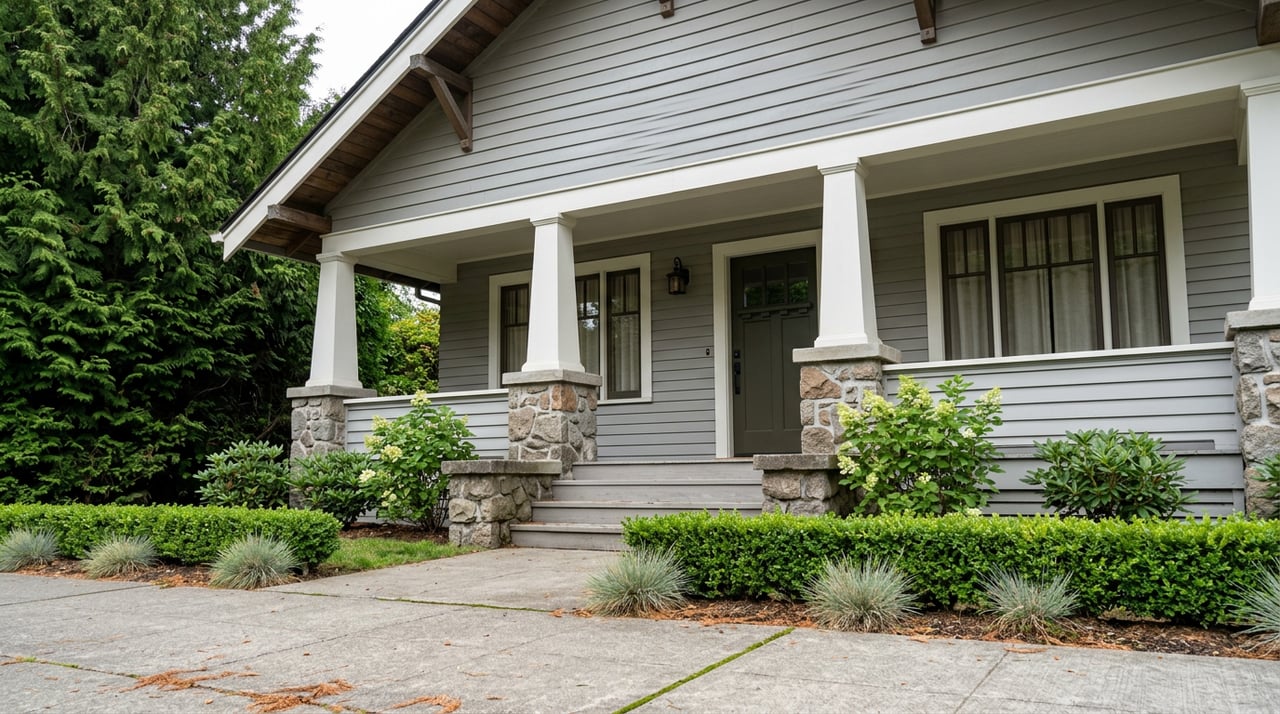
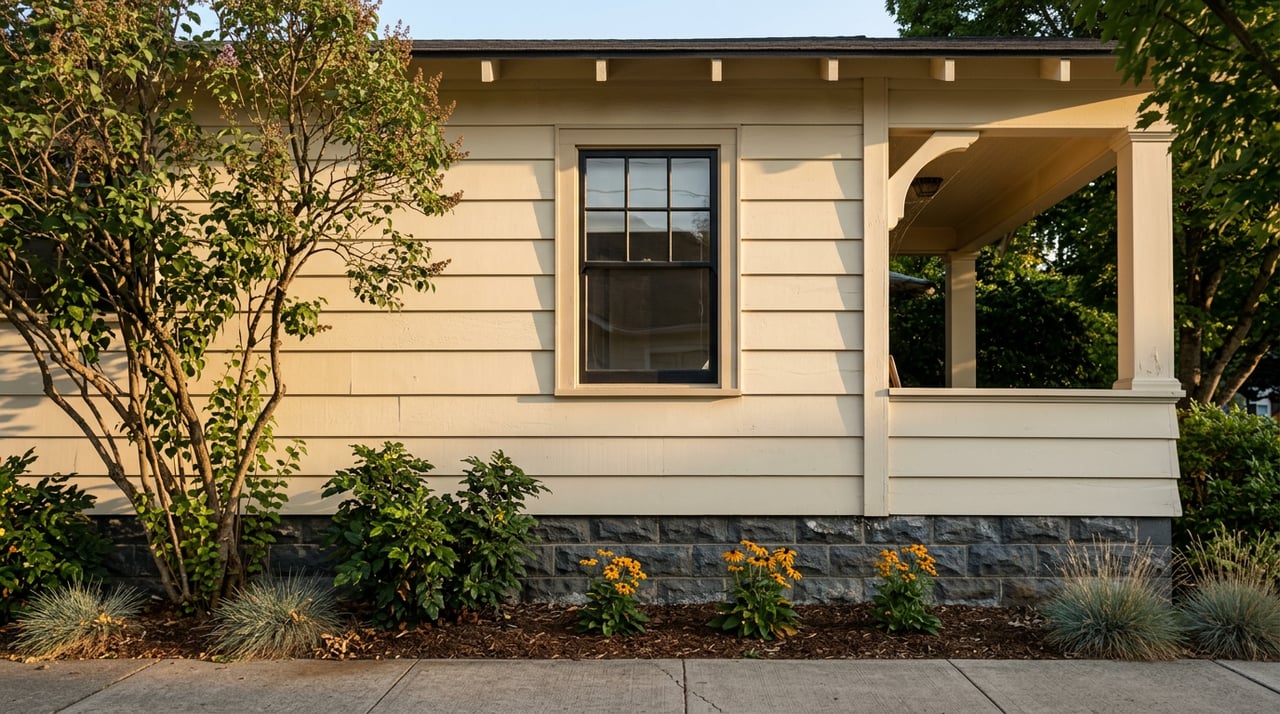
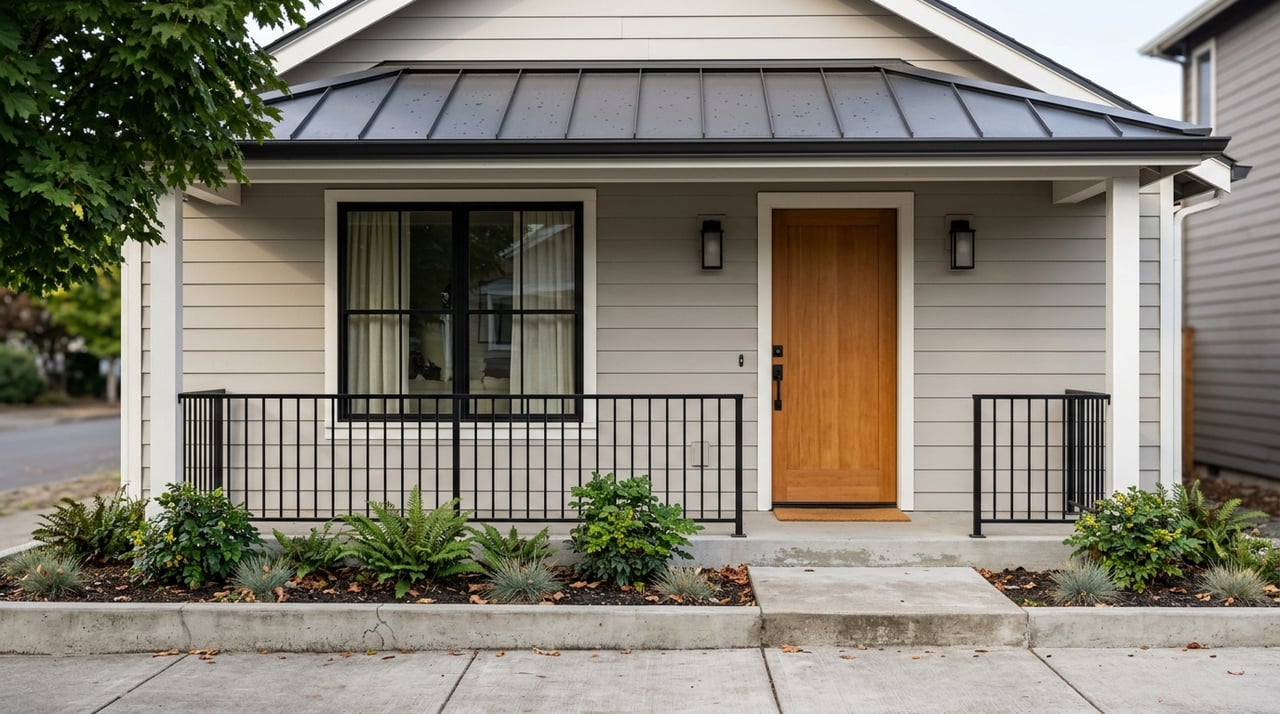
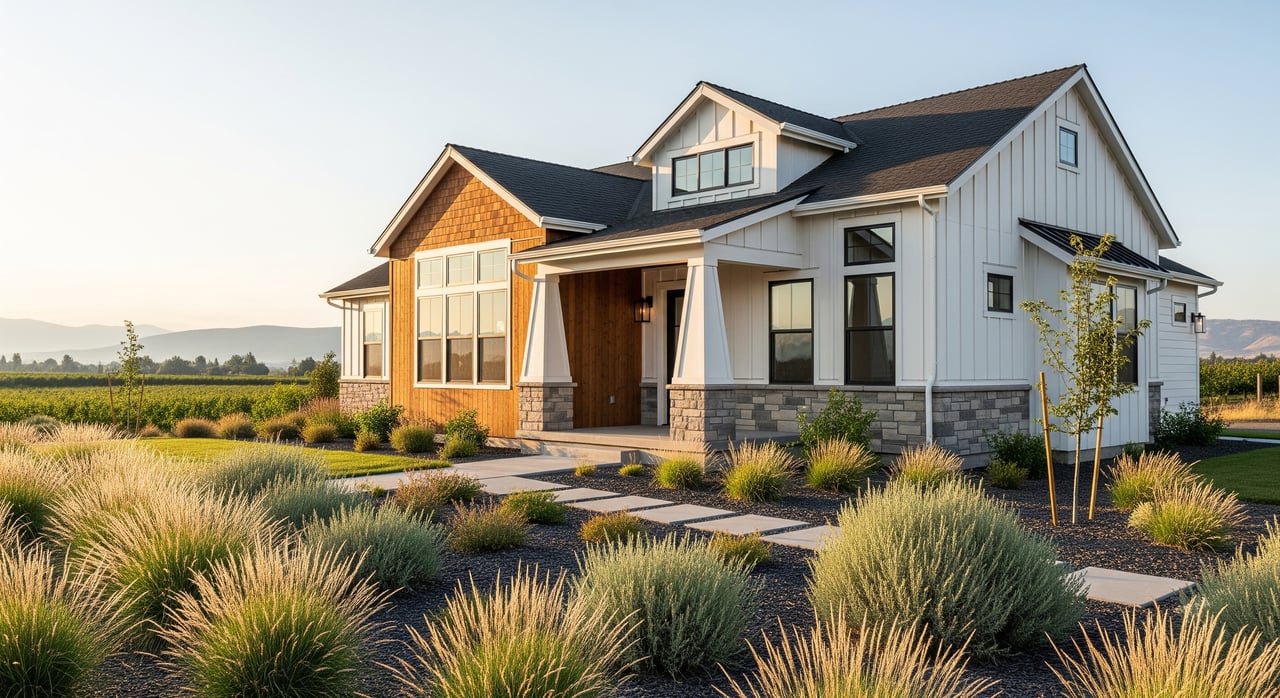
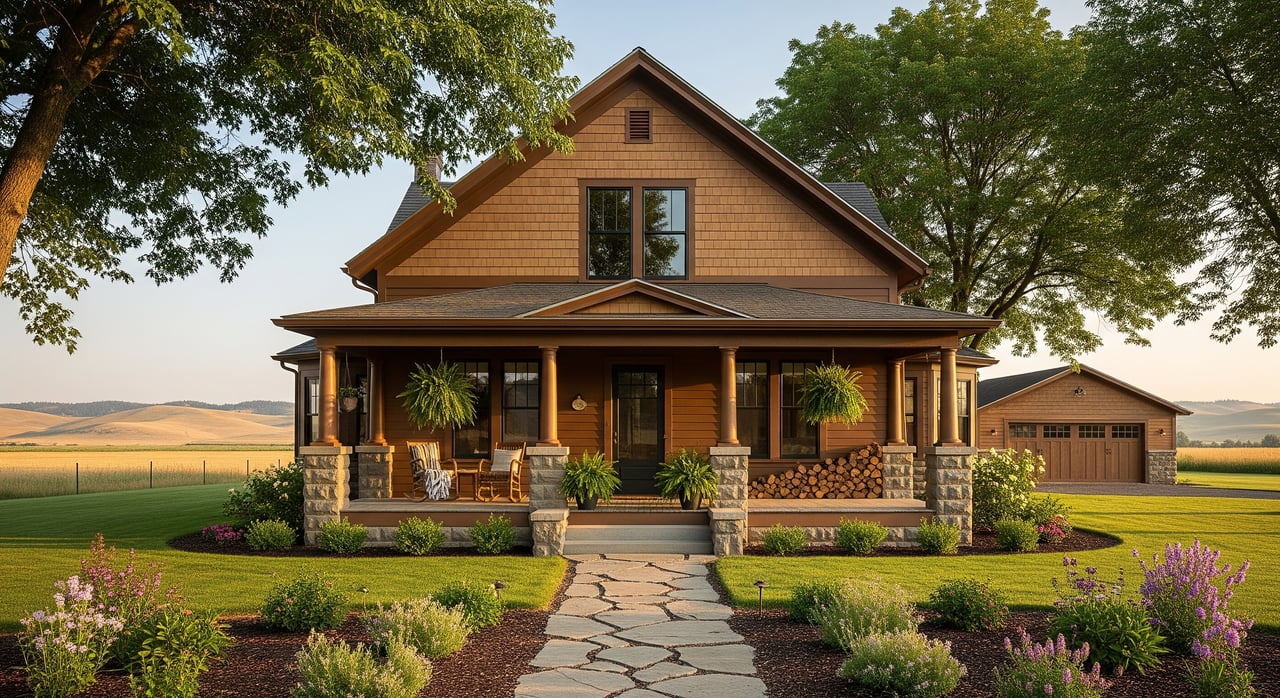
- Craftsman homes often have low-pitched roofs, exposed rafters, and broad porches with square piers.
- Spanish Eclectic homes may include stucco walls, red tile roofs, and arches.
- Gothic Revival homes often show steep roofs and pointed-arch details.
Understand age, designation, and condition
When buying a historic home in Colfax, it helps to separate three different questions. How old is the house? Is it formally designated? What shape are the major systems in?
Those questions may sound similar, but they can lead to very different answers. A house can be old without being formally designated, and a home can be designated without preventing all future changes.
Older does not always mean designated
At the state level, listing on the National Register or Washington Heritage Register is mostly honorary. According to Washington’s Department of Archaeology and Historic Preservation, listing does not automatically preserve a property or prevent modification or demolition when a private owner is using private funds, though local rules can still apply.
That matters in Colfax because the city does have local review requirements for properties on the Colfax Register. If a home is locally registered, proposed changes may require review, and a certificate of appropriateness or waiver may be needed before permits are issued for certain alterations or demolitions.
Condition matters more than charm alone
Historic appeal can be a real asset, but condition should drive your budget decisions. Older-home due diligence should focus on the systems that most affect safety, habitability, and cost, including the roof, foundation, electrical, plumbing, HVAC, and signs of moisture intrusion.
The good news is that Colfax’s historic homes are not always frozen in time. A local survey found that many buildings already had replacement doors, windows, and other updates while still remaining clearly recognizable as historic. For you, that means it is normal to see a mix of original features and later repairs.
What to inspect before you buy
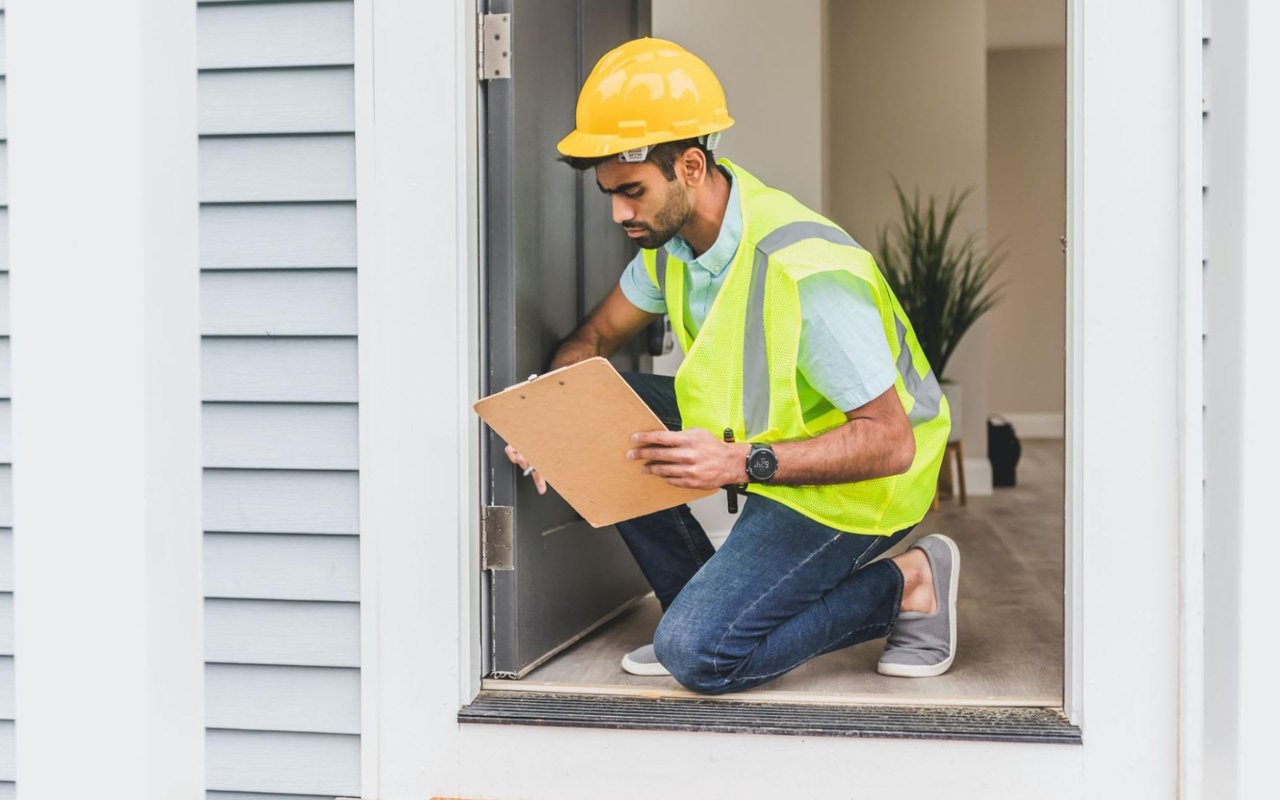
A beautiful porch or original trim can pull your attention fast, but your inspection should stay focused on the expensive stuff first. Major repairs such as a new roof or serious structural issues can become closing issues, so it is important to look closely before you commit.
Key systems to review
Ask your inspector to pay special attention to:
- Roof condition
- Foundation and structural movement
- Plumbing system age and function
- Electrical panel and wiring
- HVAC performance and age
- Moisture intrusion or water damage
- Signs of past repairs that were not well documented
Health and renovation concerns
If the home was built before 1978, lead-based paint is more likely to be present. The older the home, the more likely it is.
You should also think carefully about asbestos if renovation work may disturb older materials. Damaged asbestos-containing material, or material that will be disturbed during renovation, should be handled by trained or accredited professionals.
Energy efficiency in older homes
Many older homes have less insulation than newer homes. That can affect comfort, indoor temperature swings, and ongoing utility costs.
A home energy audit can help identify needs related to air sealing, insulation, moisture control, and ventilation. If you are budgeting for a historic home, it is smart to think beyond the purchase price and include likely efficiency upgrades in your planning.
Questions to ask before making an offer
The right questions can save you time, money, and stress. Historic-home purchases often go more smoothly when you ask early about systems, repair timing, and whether any local review may apply.
Questions for the inspector
- Are there signs of water intrusion, settlement, or past repairs?
- Which issues are urgent, and which are routine maintenance?
- Would you recommend a specialist for any part of the property?
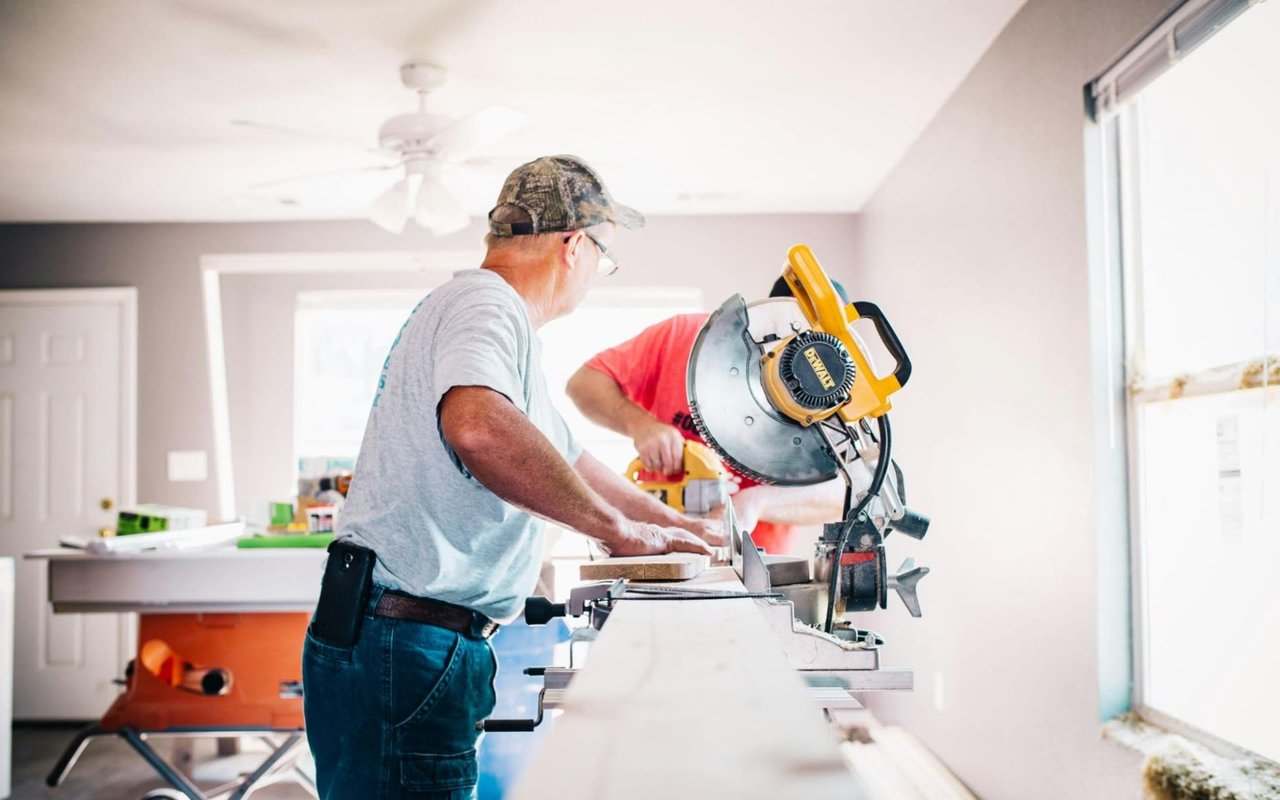
Questions for the contractor
- Which repairs are structural, and which are cosmetic?
- Which updates should happen now, and which can wait?
- Can the work preserve the home’s character while improving safety and function?
- If the home is on the local register, would any exterior work trigger Colfax review before permits can be issued?
Questions for the lender
Loan fit matters with older homes, especially if property condition may affect appraisal or closing timing. VA loans require a VA appraisal and minimum property requirements, and FHA appraisal and property-condition reviews evaluate market value and visible acceptability while still making an independent home inspection important.
Ask your lender:
- Would this property need repairs before the loan can close?
- Does the loan type create any appraisal or condition hurdles?
- Could repair requirements affect the closing timeline?
Historic review and tax questions
If you are serious about a specific property, make sure you understand whether it is simply older or actually locally designated. That distinction can shape your renovation plans and timeline.
For homes on the Colfax Register, proposed changes may go through a local review process before permits are issued for certain work. If you plan to remodel, replace exterior features, or make significant changes, this is worth clarifying early.
Special valuation may apply in some cases
Washington offers a special valuation program that can reduce property-tax impacts for qualifying historic rehabilitation projects. In broad terms, the property must be historic, locally eligible, rehabilitated at a cost equal to at least 25% of its assessed value before rehab, excluding land, and protected by an agreement with the local review board.
Age alone is not enough to qualify. If a home is locally designated and has undergone substantial rehabilitation, you can ask the county assessor or the city historic commission whether special valuation may apply and what documentation is needed.
A practical way to evaluate a Colfax historic home
If you love the idea of buying a historic home in Colfax, you do not need to be scared off by age alone. You just need a clear framework.
Start by separating the home’s age, designation status, and system condition. Then build your decision around inspection findings, repair costs, financing fit, and any local review requirements that may affect future work.
That approach helps you appreciate the charm of an older Colfax property while staying grounded in the details that matter most. If you want guidance as you compare homes in Colfax and the broader Palouse, Krista Gross can help you evaluate your options with clear, local insight.
FAQs
What makes a home historic in Colfax?
- In Colfax, a home may be older and have historic character without being formally designated. A locally registered property is different because certain proposed changes may require review before permits are issued.
What should I inspect first in an older Colfax home?
- Focus first on the roof, foundation, plumbing, electrical, HVAC, moisture intrusion, and any signs of past repairs that were not well documented.
Do historic homes in Colfax always have original features?
- No. Local survey work shows many historic properties in Colfax have replacement doors, windows, and other updates while still remaining clearly recognizable as historic.
Can I renovate a designated historic home in Colfax?
- Possibly, but if the property is on the Colfax Register, certain proposed changes may require review and a certificate of appropriateness or waiver before permits are issued.
Are older Colfax homes less energy efficient?
- They can be. Many older homes have less insulation than newer homes, so a home energy audit can help you understand air sealing, insulation, moisture control, and ventilation needs.
Is there a tax benefit for restoring a historic home in Colfax?
- There may be in some cases. Washington’s special valuation program can reduce property-tax impacts for qualifying historic rehabilitation projects, but the property must meet specific requirements and age alone does not qualify it.