If you are thinking about buying near Washington State University, College Hill probably comes up fast. It is the closest Pullman neighborhood to campus, which makes it a natural fit for parents who want convenience and for investors who want a property tied to steady university demand. If you want to understand how this area really works, from walkability to parking to seasonal turnover, this guide will help you sort through the big considerations. Let’s dive in.
Why College Hill stands out
College Hill sits in a unique position in Pullman’s housing market. Washington State University describes Pullman as a small-town campus city in the rolling hills of the Palouse, and College Hill is closely tied to that campus rhythm.
That matters because this is not a typical suburban neighborhood story. Housing decisions here are shaped by campus access, student movement, parking pressure, and the academic calendar more than by the patterns you might expect in a standard owner-occupied area.
Why parents consider College Hill
For many parents, the biggest draw is simple: proximity to WSU. The university notes that off-campus apartments and houses can be within walking or biking distance, and Pullman Transit serves both on-campus and off-campus routes.
WSU also says Pullman is only a few miles across, so walking can be realistic in good weather, even with the area’s hills. If your goal is to give your student easier daily access to class, campus events, and student life, College Hill offers a location advantage that is hard to ignore.
Convenience during the school years
A home in College Hill can offer more than just a place to sleep. For some families, it can serve as a stable base during the WSU years while also giving you an asset you may choose to keep afterward.
That kind of flexibility is a big reason this area appeals to university-linked buyers. You may use the home for your student now, then hold it as a rental or long-term property later, depending on your plans and financing.
Why long-term investors watch College Hill
From an investor perspective, College Hill benefits from being part of a built-in university housing ecosystem. WSU says Pullman is largely residential, and about 40% of undergraduates live in residence halls or university-owned apartments.
That also means a large share of students will look beyond on-campus housing. Since WSU’s off-campus marketplace identifies College Hill as the closest neighborhood to campus, nearby homes can attract strong interest from renters who want convenience after their first year.
Demand follows the academic cycle
College Hill rental demand tends to move with the university calendar. WSU requires first-year Pullman students to live on campus for one year, and its off-campus housing guidance says students should begin searching in early fall for the following year.
That creates a more seasonal leasing pattern than you would see in many other neighborhoods. For investors, the benefit is recurring renter demand, but the tradeoff can be more frequent turnover, screening, and move-in and move-out wear.
What kinds of homes you will find
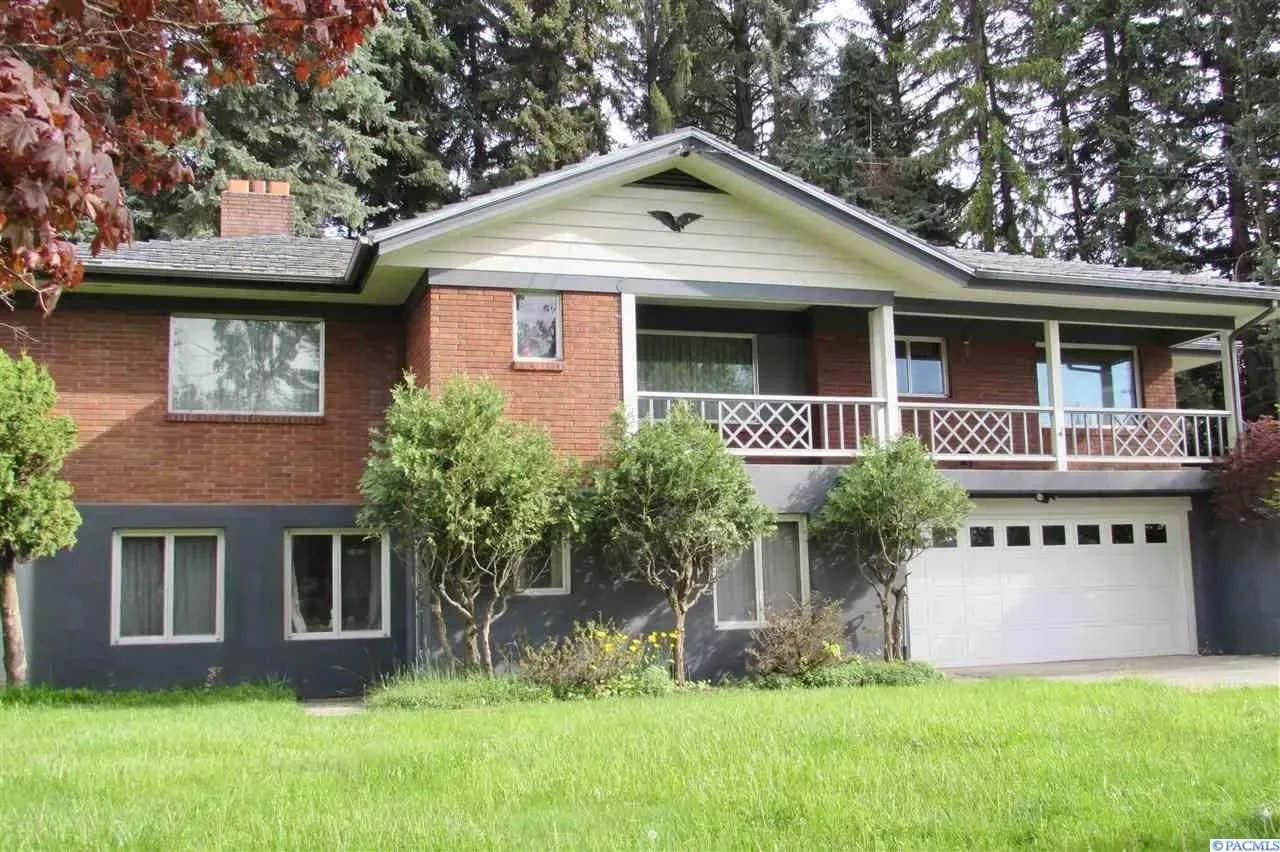
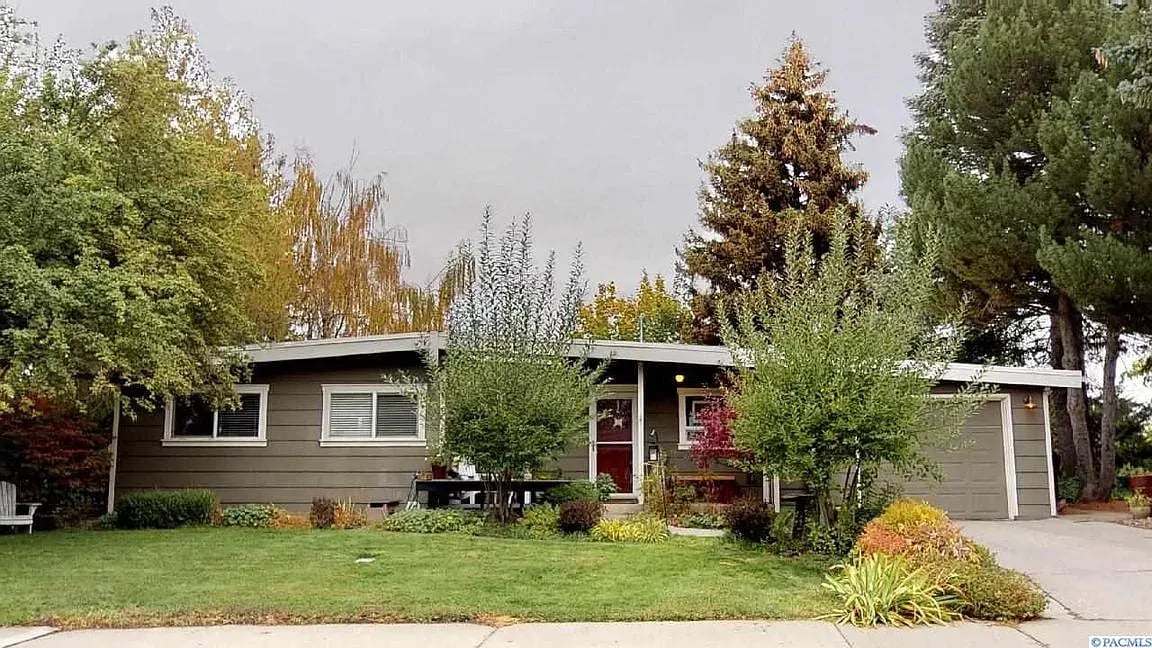
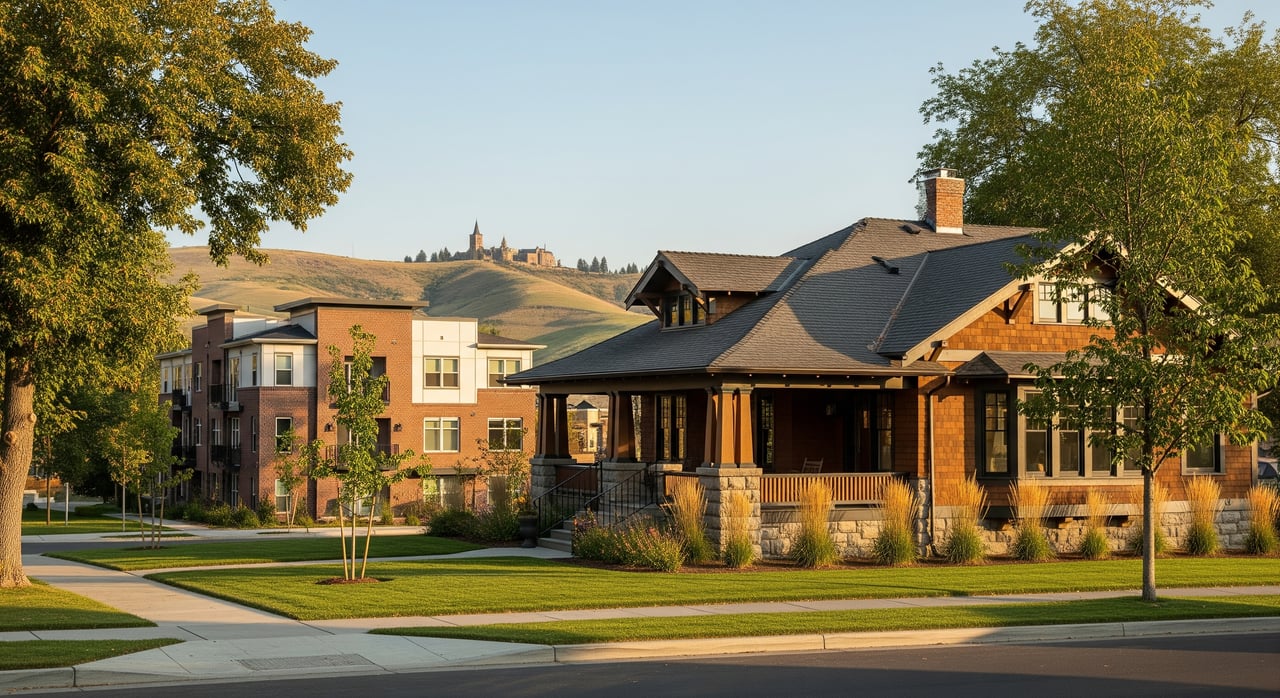
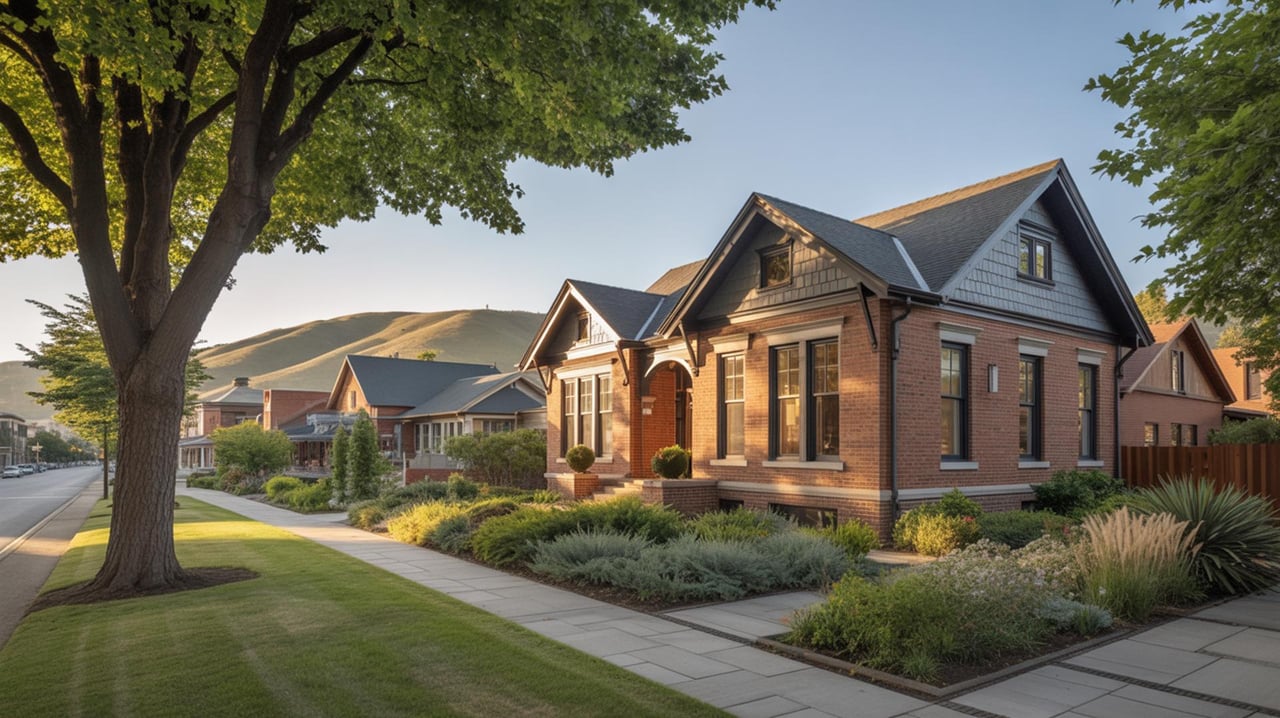
College Hill is best understood as a mix of campus-adjacent housing types. WSU’s off-campus marketplace shows apartments and duplexes within roughly an 8 to 19 minute walk of campus, while the university’s housing information also points to off-campus apartments and houses.
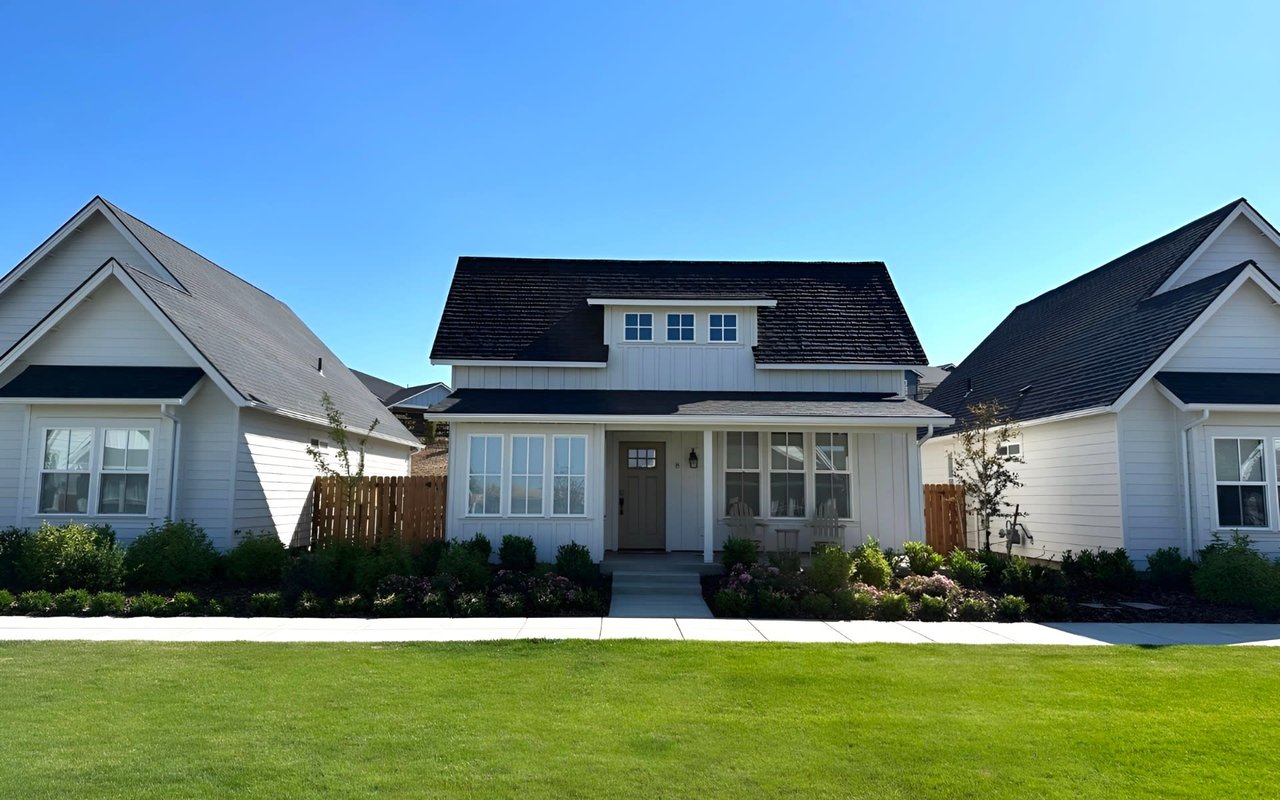
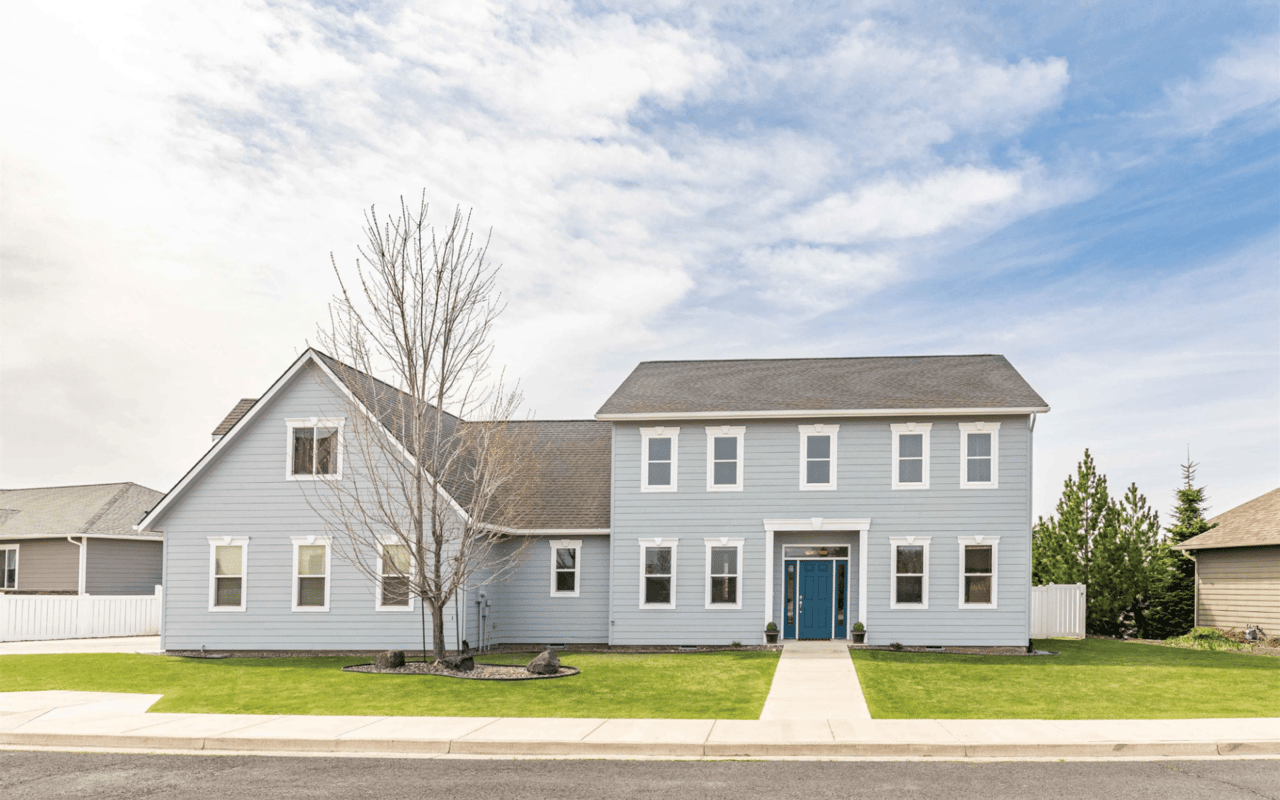
The marketplace FAQ says students live mainly in houses off campus. In practical terms, that suggests College Hill includes single-family homes, duplexes, and small multifamily rentals rather than functioning as a large-apartment district.
Matching the property to your goal
The right property often depends on how you plan to use it. A parent buying for personal use during the college years may prioritize layout, access, and future flexibility, while an investor may focus more on bedroom count, durability, and leasing appeal.
WSU’s marketplace currently features nearby 2 to 4 bedroom apartments and duplexes, which suggests room count can be an important part of rental demand. If you are comparing homes, it helps to think beyond purchase price and consider how the layout fits your long-term plan.
College Hill is not the only housing option
It is important to view College Hill in context. WSU provides nine university-owned apartment buildings with one-, two-, and three-bedroom units, along with family and graduate housing options.
That means off-campus homes do not operate in a vacuum. College Hill can still be appealing, but buyers and investors should understand it as one part of a broader housing market connected to campus choices.
The daily realities that matter most
Location near campus is a major advantage, but College Hill comes with practical issues you should weigh carefully. In this neighborhood, the details of parking, hills, and winter travel can shape your experience as much as the address itself.
Parking can be a real issue
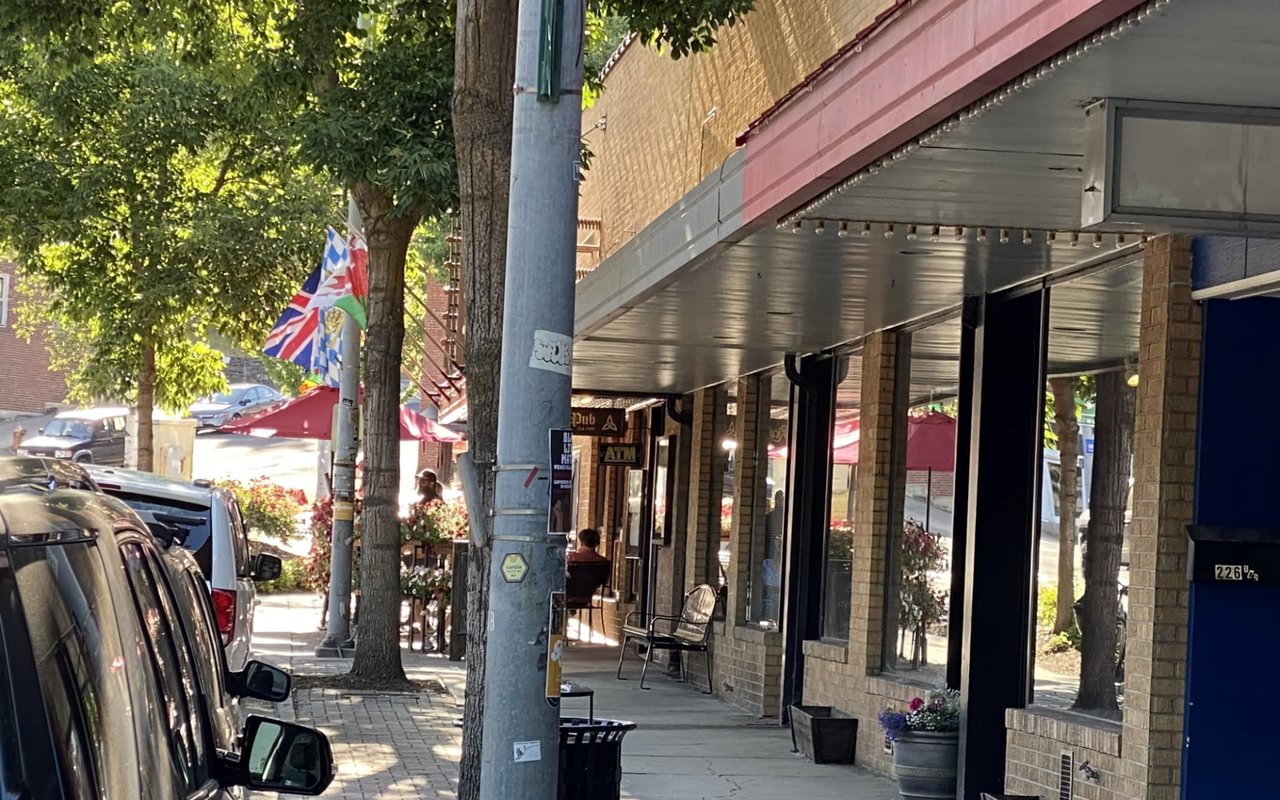
The College Hill Core Neighborhood Plan found a severe shortage of on-street parking within 1/4 mile of campus. It also noted sidewalk gaps, crosswalk concerns, and illegal parking that could affect pedestrian safety.
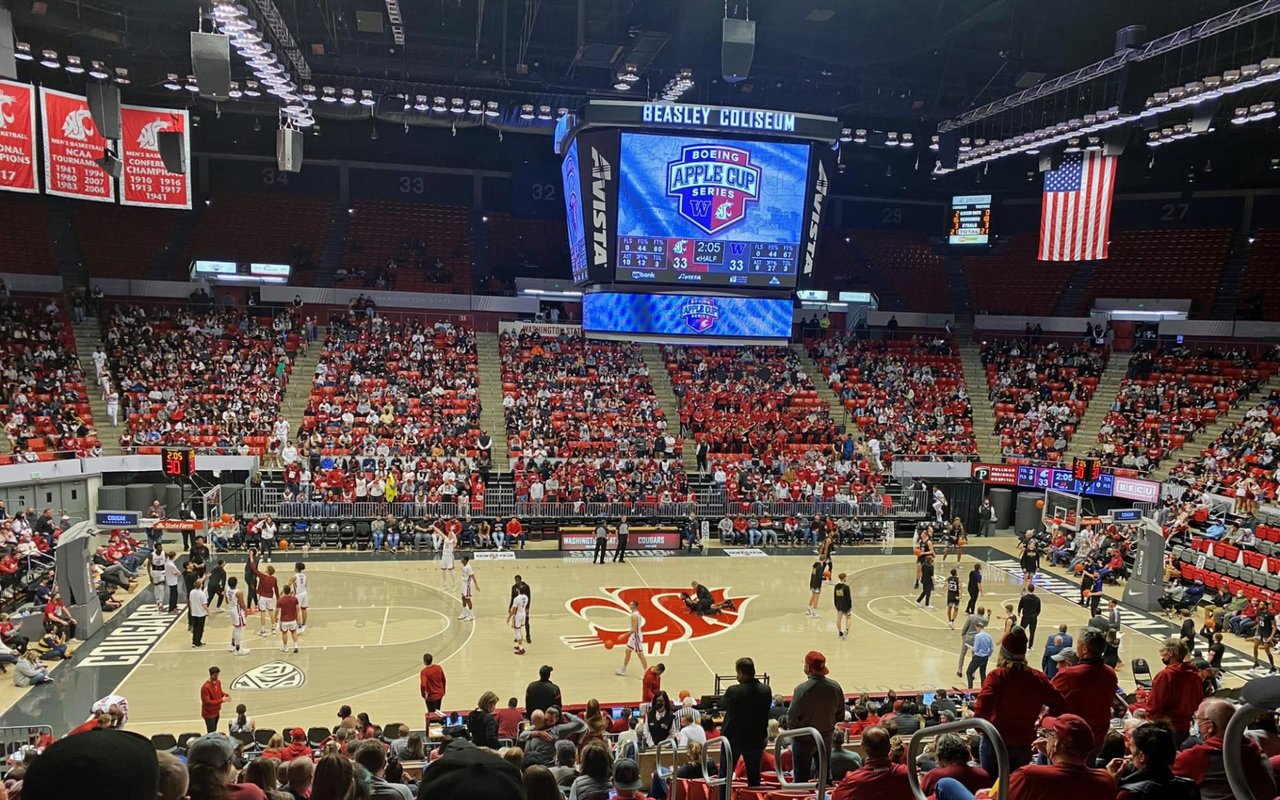
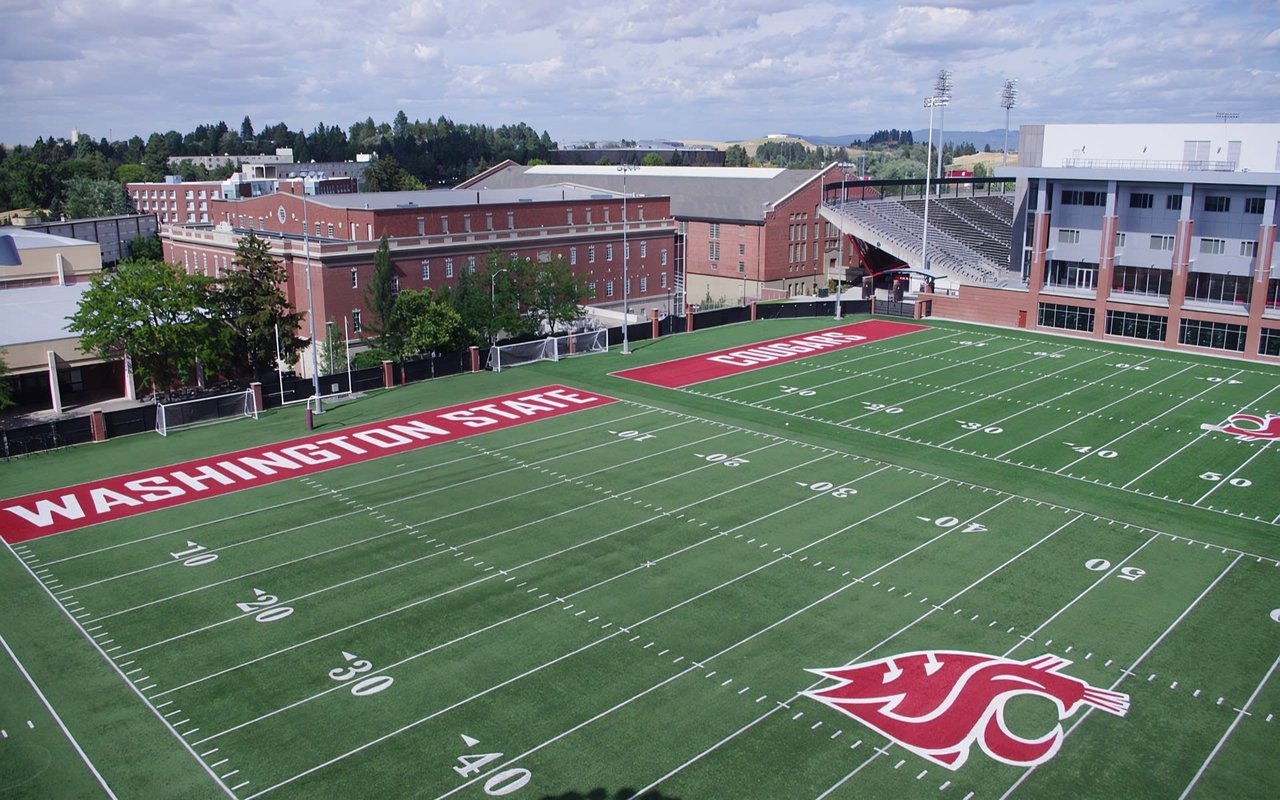
WSU’s game day parking notice adds another layer. Home football games have raised emergency-access concerns and triggered parking-enforcement emphasis patrols in the area, which is important if you are buying a property where tenants or guests will rely on street parking.
Hills and winter change the experience
Pullman’s topography is part of everyday life. WSU describes the area as rolling hills in southeastern Washington, and that terrain can affect how easy a property feels for walking, biking, and winter travel.
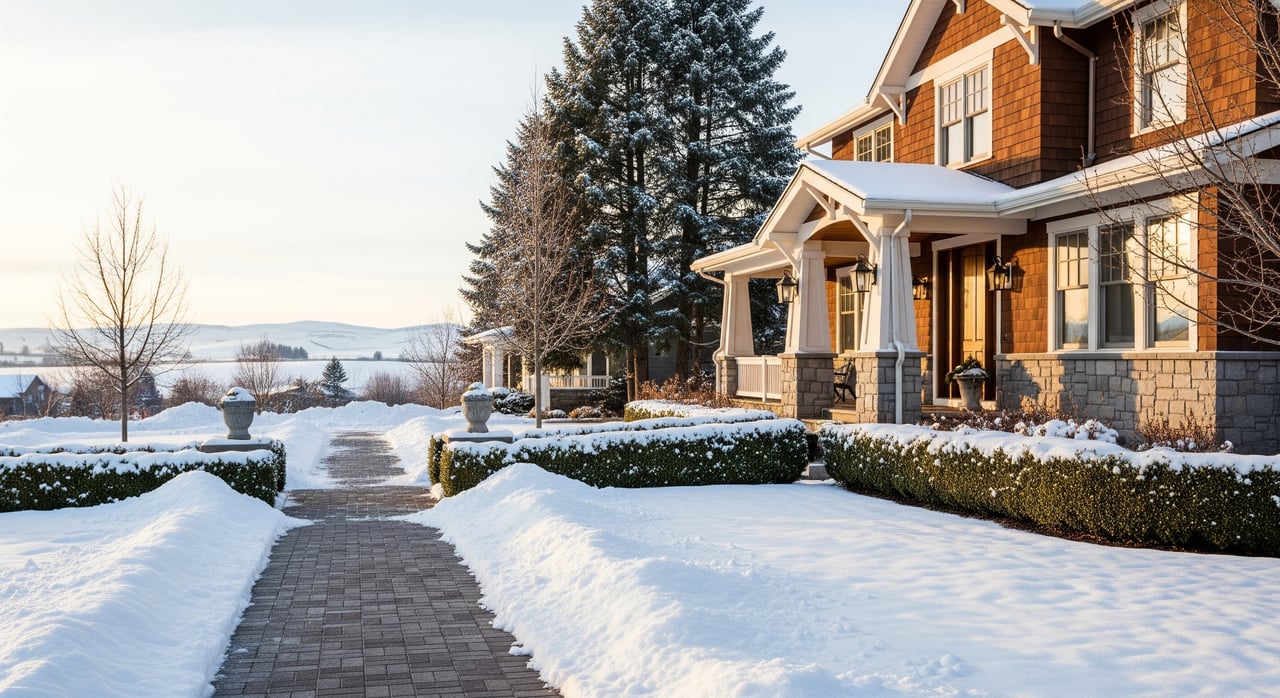
WSU’s winter snow-removal guidance also makes it clear that snow and ice can create unsafe travel conditions. For owners, that points to the need for a realistic budget for snow and ice management, exterior upkeep, and maintenance planning that can hold up through winter conditions.
Due diligence questions to ask
Before you buy on College Hill, it helps to slow down and pressure-test how the property fits your goals. A home that looks ideal on paper may feel very different once you factor in terrain, parking, and leasing rhythm.
Here are a few smart questions to ask as you evaluate options:
- Is the home close enough to campus to truly function as a walk-to-campus property?
- How will hills or winter weather affect the day-to-day experience?
- Does the bedroom count line up with your likely use or tenant profile?
- How much parking pressure should you expect for residents and guests?
- What reserves will you want for maintenance and property taxes?
Whitman County says property taxes are due by October 31, and the county assessor notes that Pullman valuations are reviewed by neighborhood with time-limited appeal windows. For long-term owners, those local timelines are part of responsible planning.
Who College Hill fits best
College Hill can make a lot of sense if you want housing tied closely to WSU. For parents, it may offer a practical mix of convenience and long-term flexibility.
For investors, it can be attractive if you are comfortable with a student-driven leasing cycle and the operational demands that come with it. The key is to go in with a clear strategy, realistic expectations, and strong local guidance on how one block or property type may function differently from another.
If you are comparing homes in College Hill or weighing whether this neighborhood fits your goals, working with someone who knows Pullman block by block can save you time and help you avoid expensive assumptions. When you are ready for local insight and tailored guidance, reach out to Krista Gross.
FAQs
Is College Hill in Pullman a good area for WSU parents to buy a home?
- College Hill can be appealing for WSU parents because it is the closest neighborhood to campus and may offer easier walking, biking, or transit access depending on the property location.
What types of homes are common in College Hill near Washington State University?
- College Hill is best understood as a mix of single-family homes, duplexes, apartments, and small multifamily rentals connected to the university housing market.
How does the WSU calendar affect College Hill rental demand?
- WSU housing policies and off-campus search timing suggest a seasonal leasing pattern, with demand closely tied to when students move off campus and secure housing for the next school year.
What should investors watch for when buying in College Hill Pullman?
- Investors should pay close attention to bedroom count, parking pressure, seasonal turnover, winter maintenance needs, and how easily the property functions for campus access.
Is parking a concern in College Hill near WSU?
- Yes. The College Hill Core Neighborhood Plan identified a severe shortage of on-street parking within one-quarter mile of campus, and WSU has noted parking enforcement concerns during home football game periods.