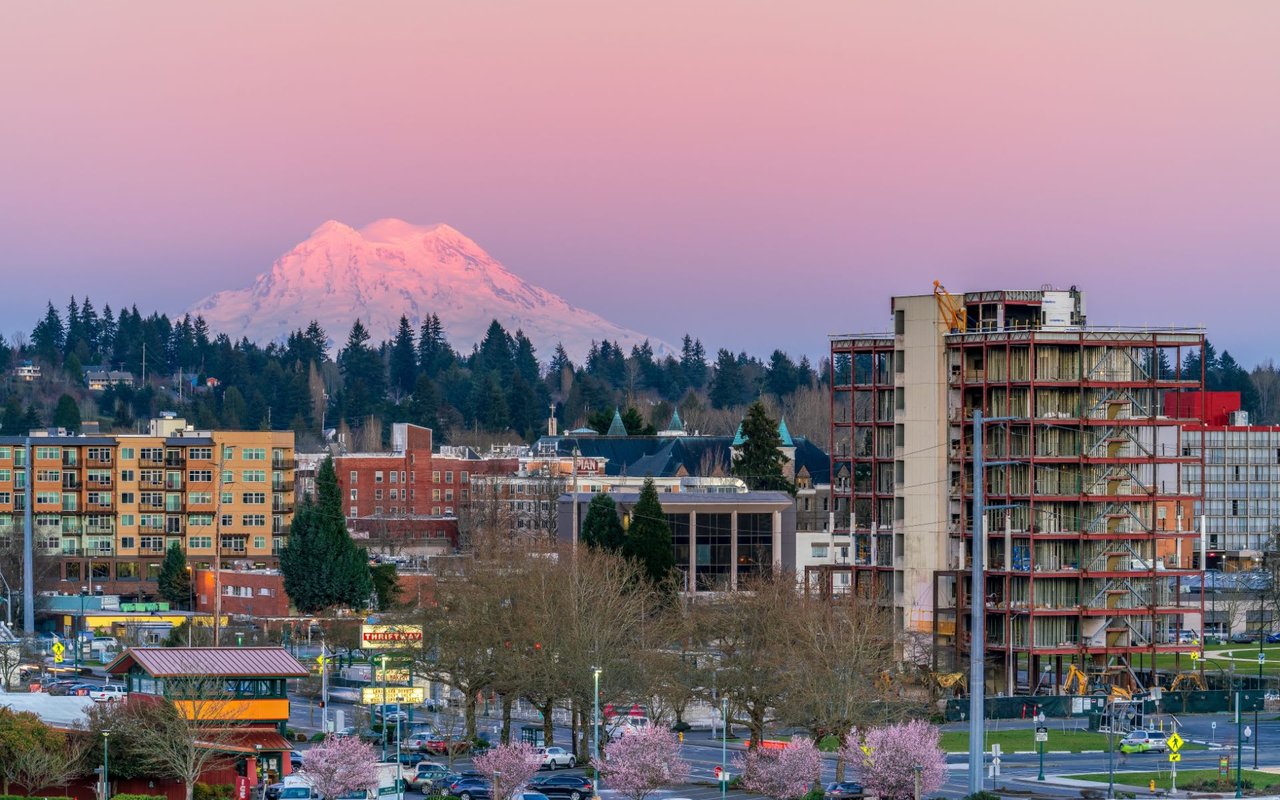
If you want a Pullman neighborhood where daily errands, outdoor time, and in-town access can all fit into a normal routine, Pioneer Hill deserves a closer look. This is one of Pullman’s oldest neighborhoods, and its appeal comes less from flashy amenities and more from how practical everyday life can feel. Whether you are planning a move, comparing neighborhoods, or trying to picture your next chapter in Pullman, this guide will help you understand what living here is really like. Let’s dive in.
Pioneer Hill at a Glance
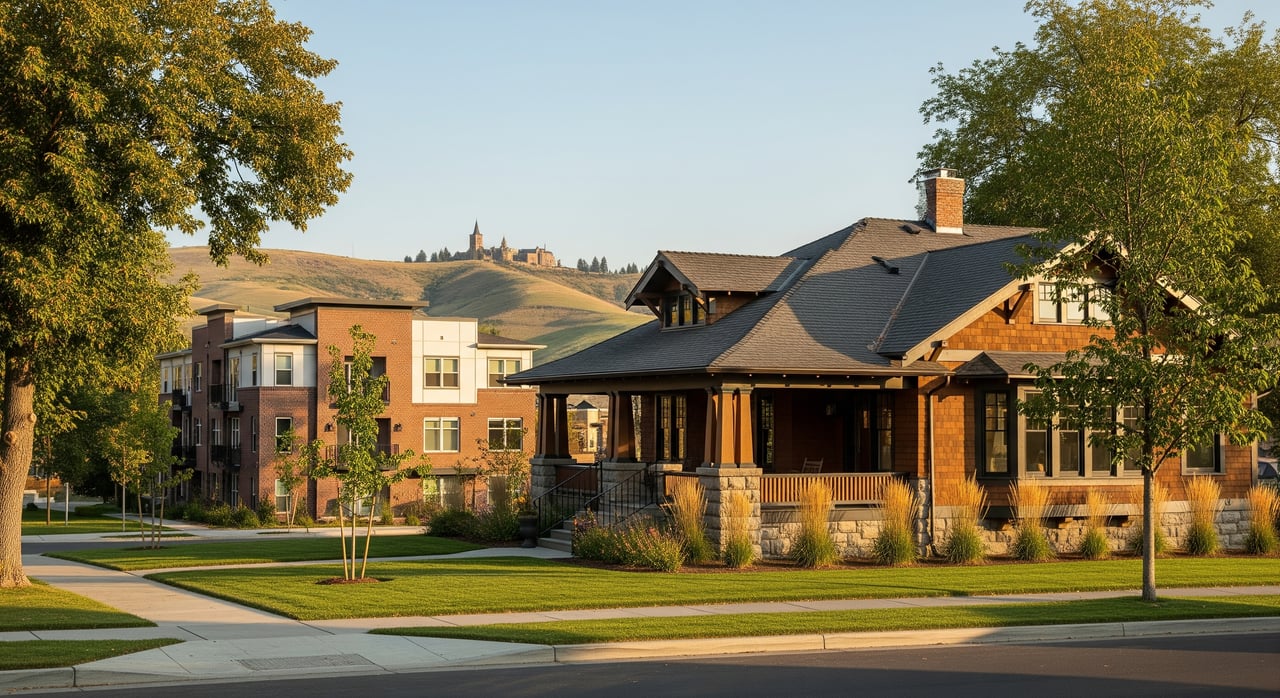
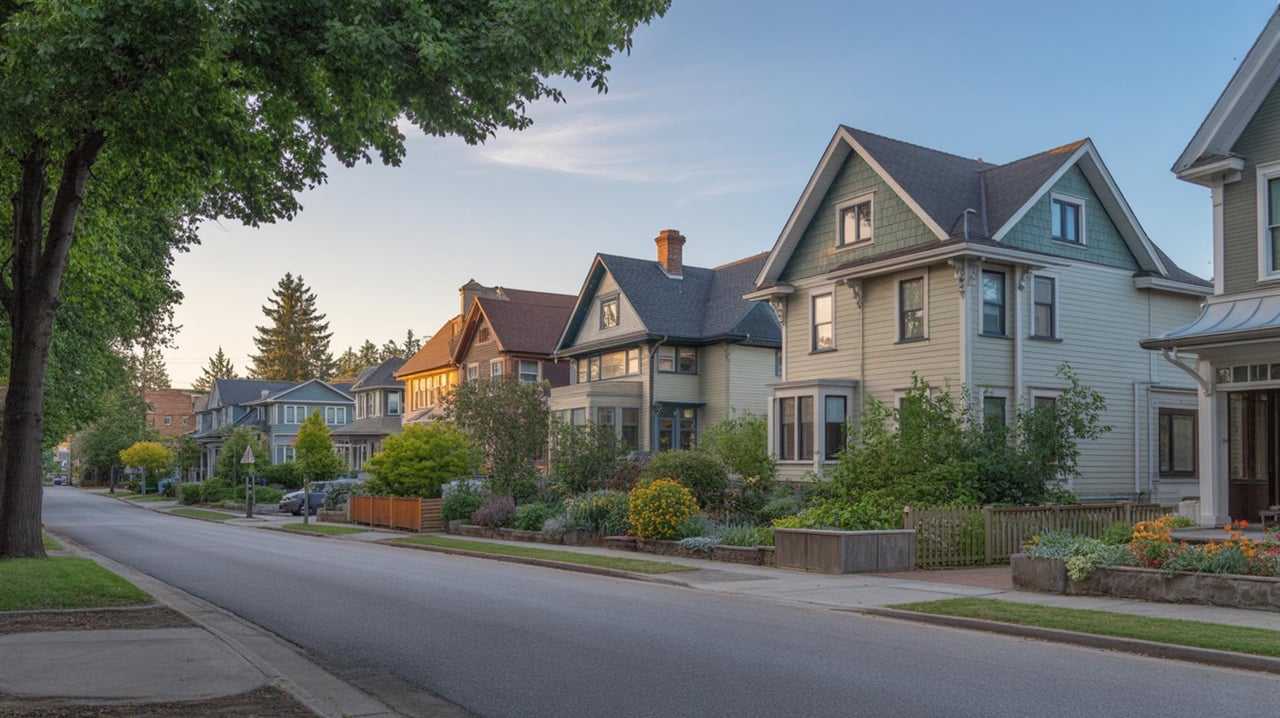
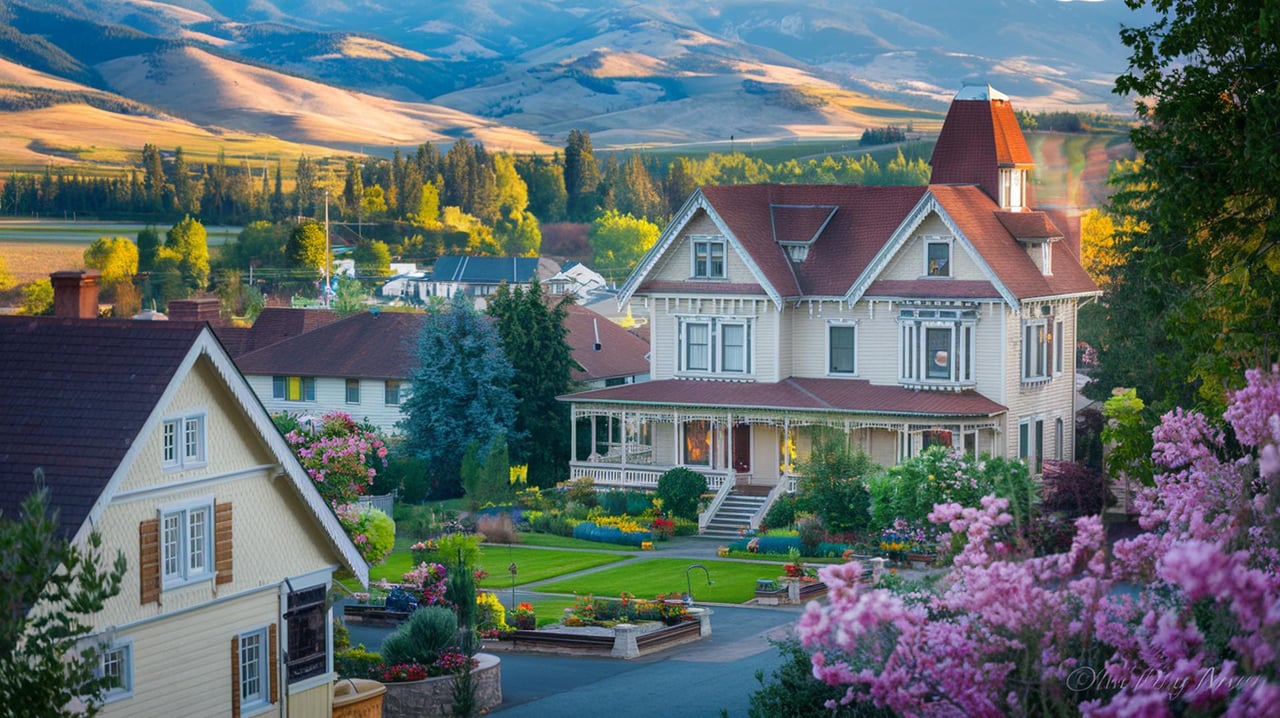
Pioneer Hill sits in Pullman’s southeast quadrant and is known as one of the city’s older, more historic neighborhoods. Visitor materials describe it as the first of Pullman’s hills settled by early pioneers, which gives the area a long-established feel.
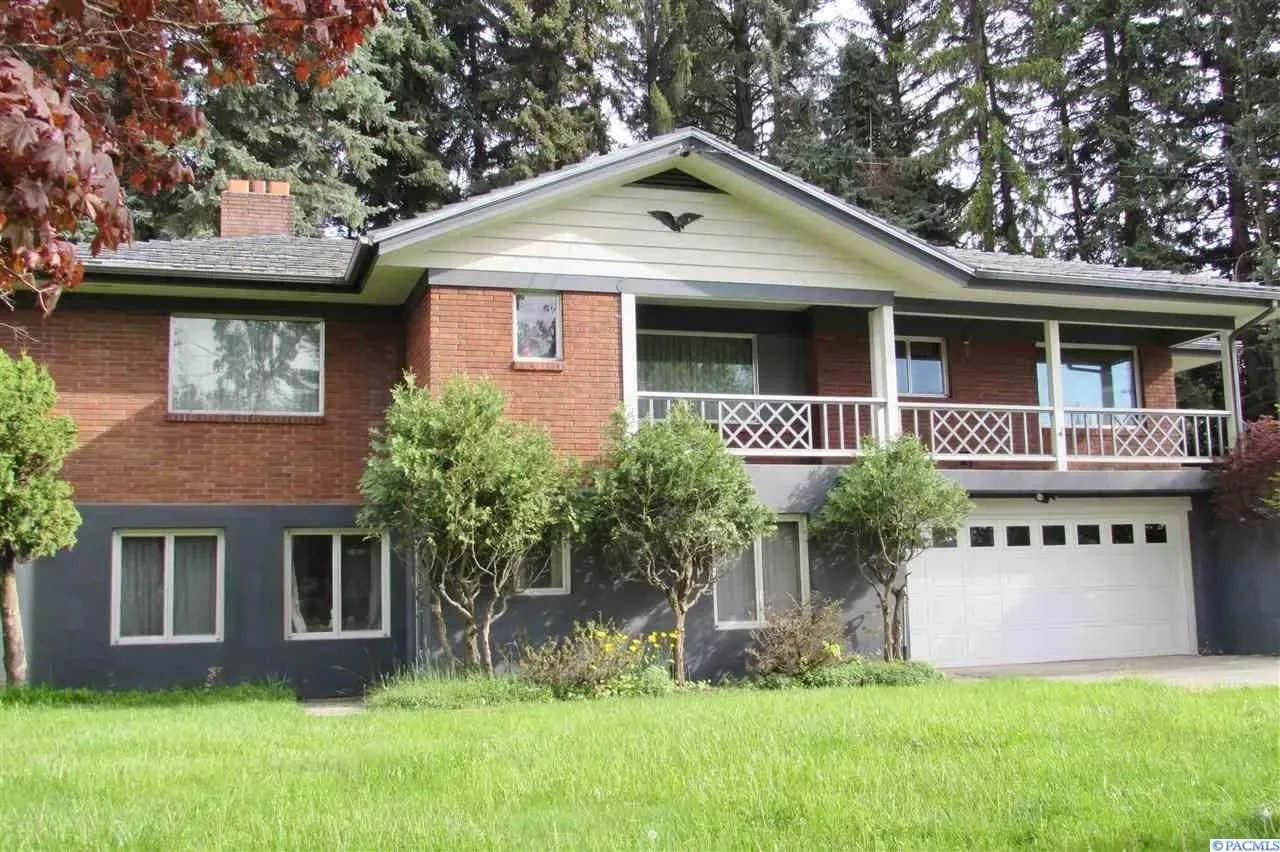
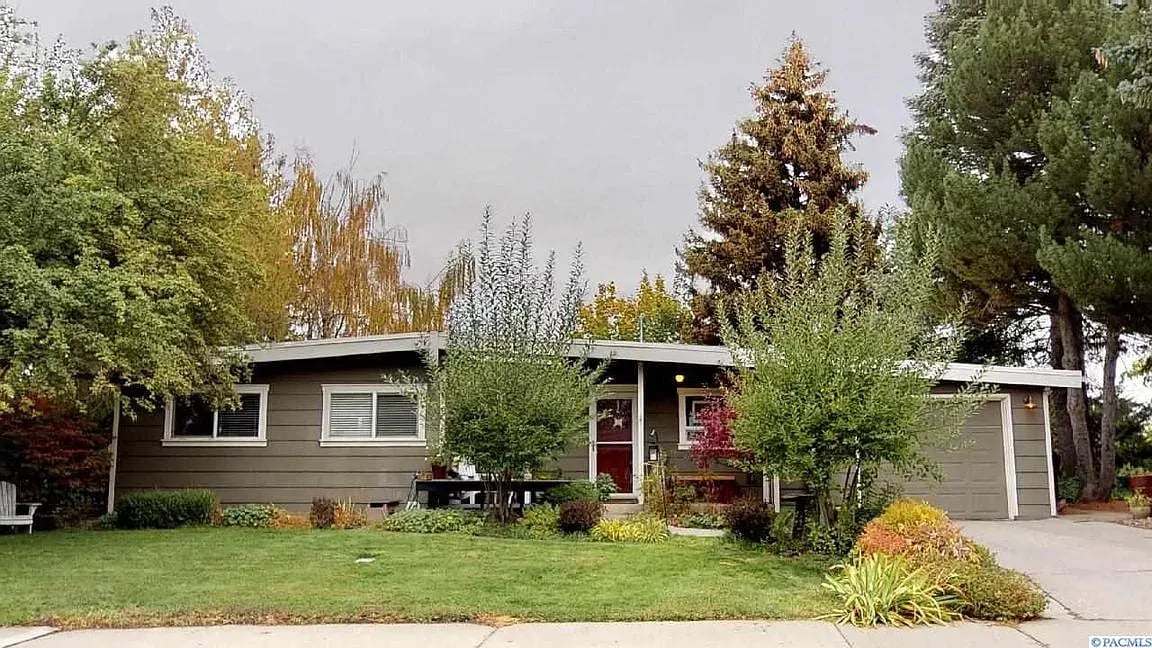
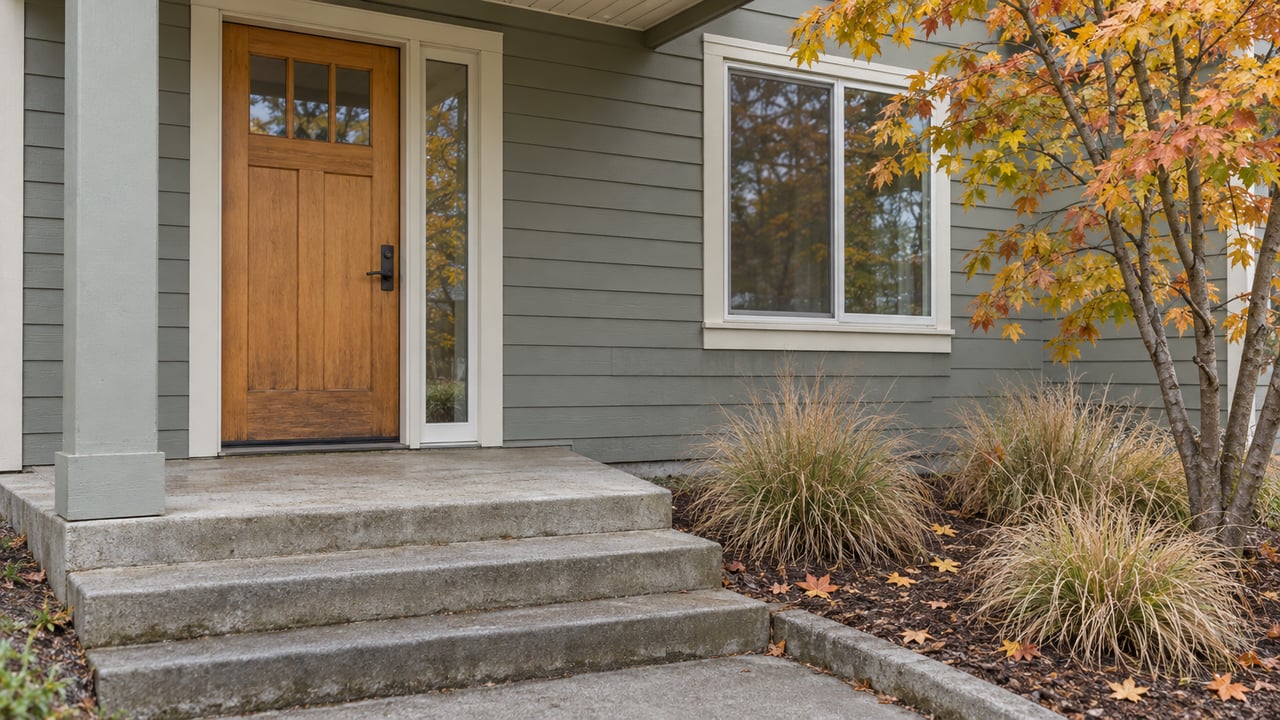
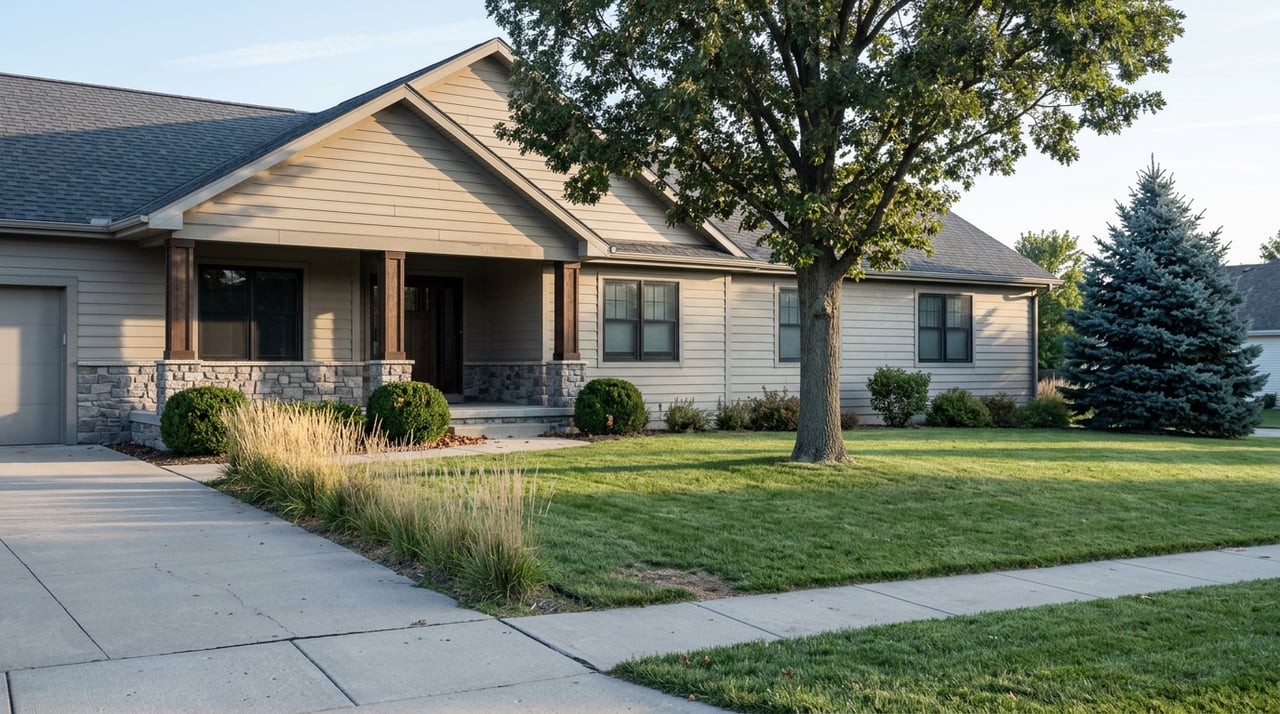
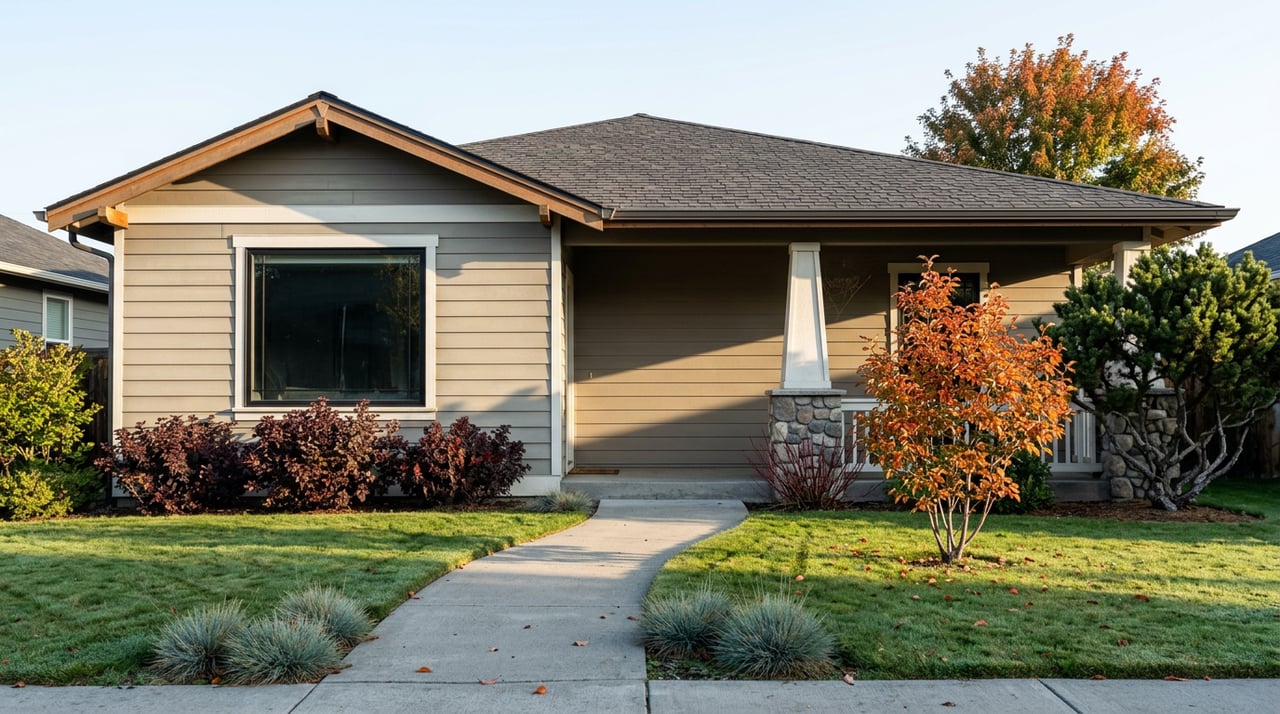
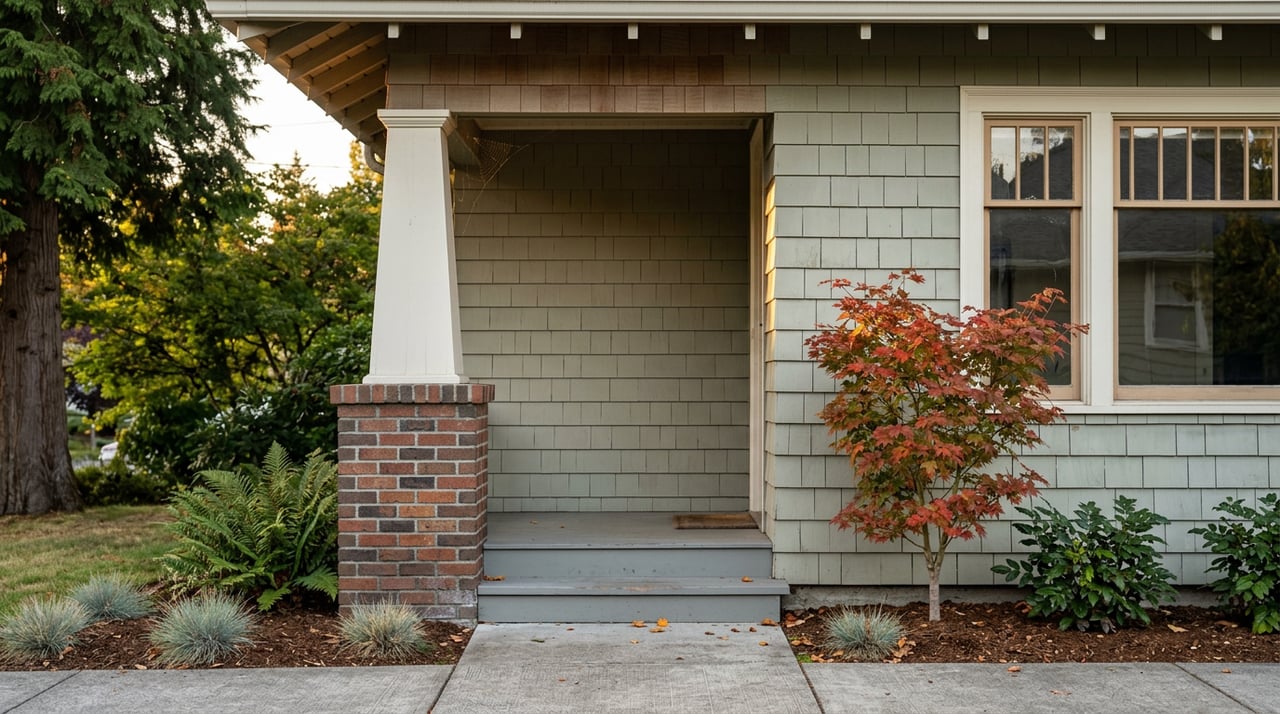
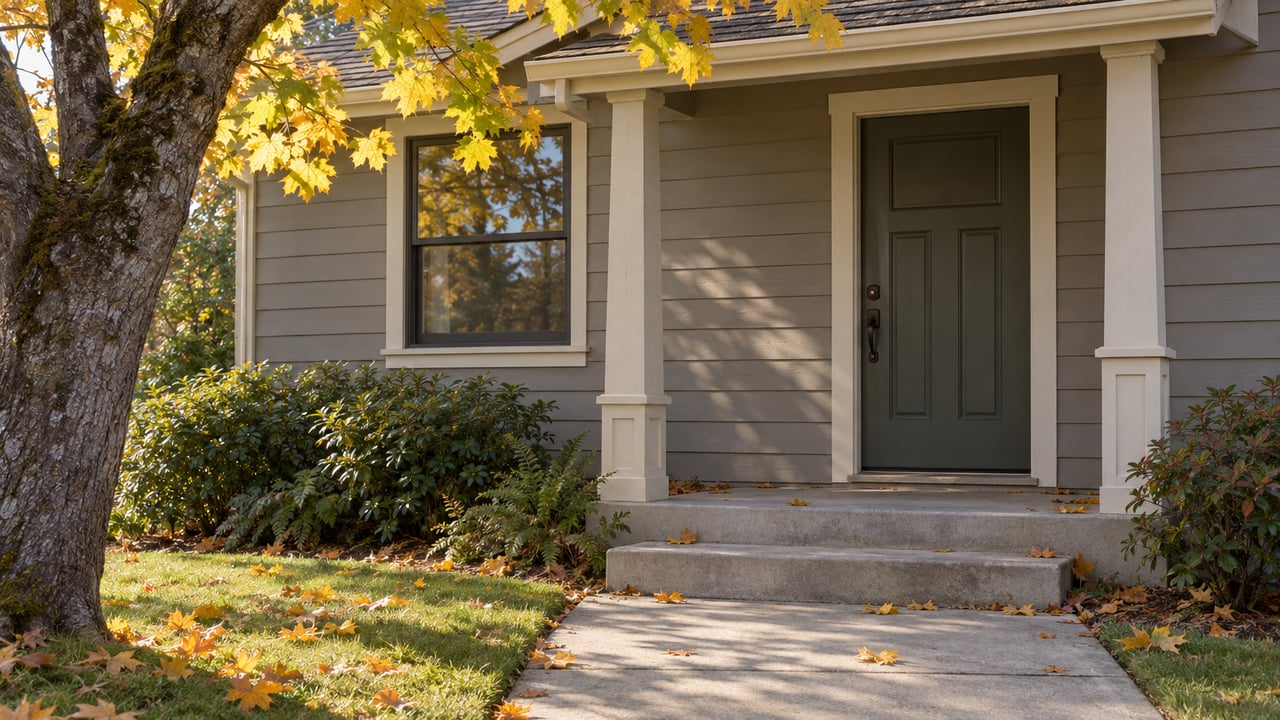
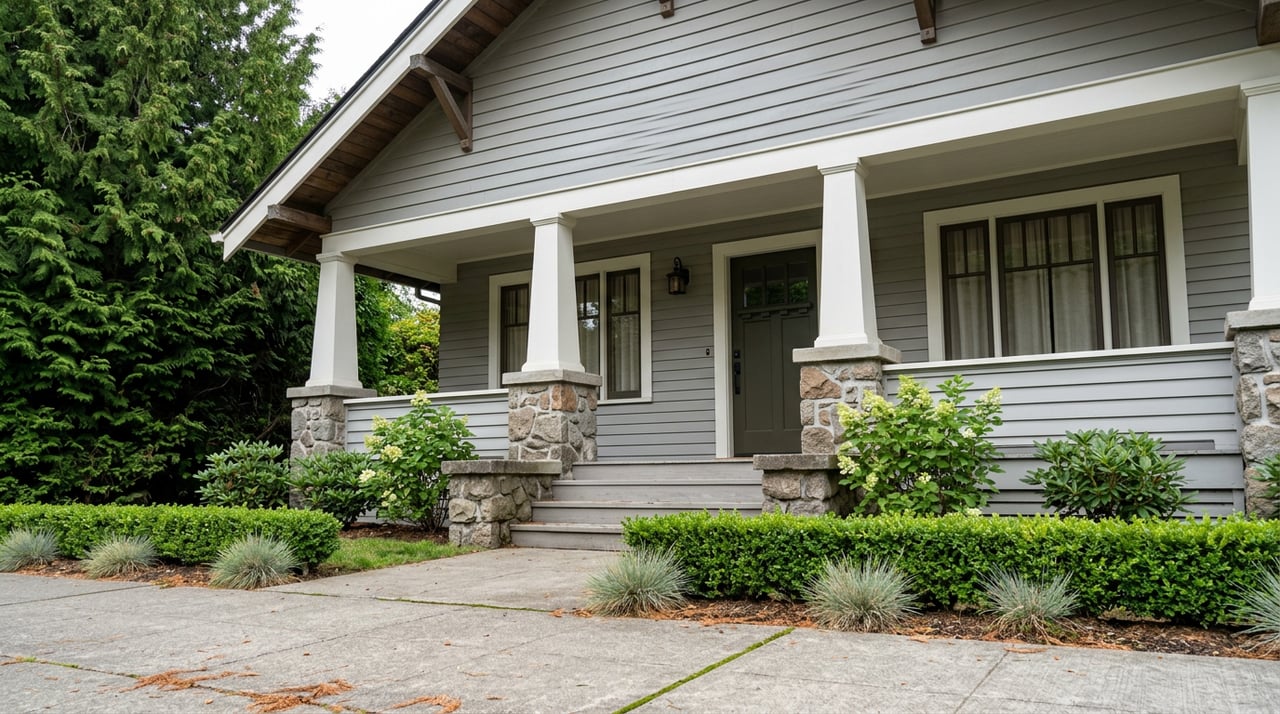
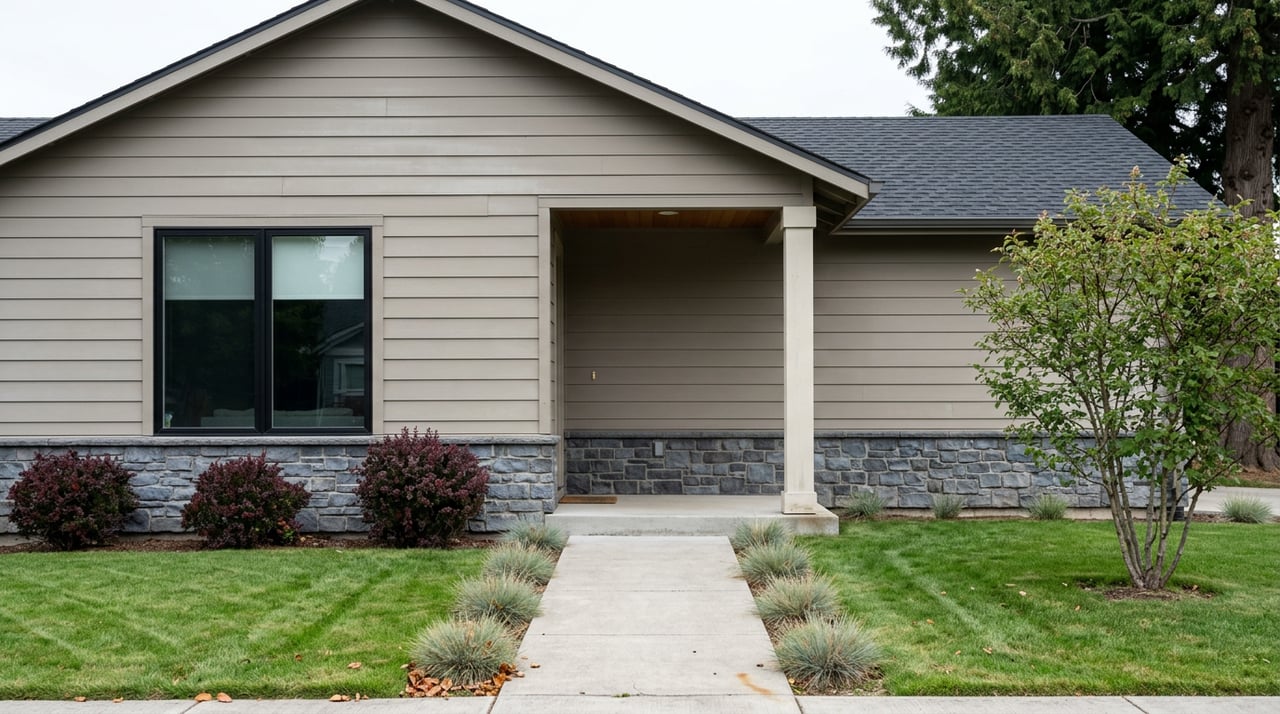
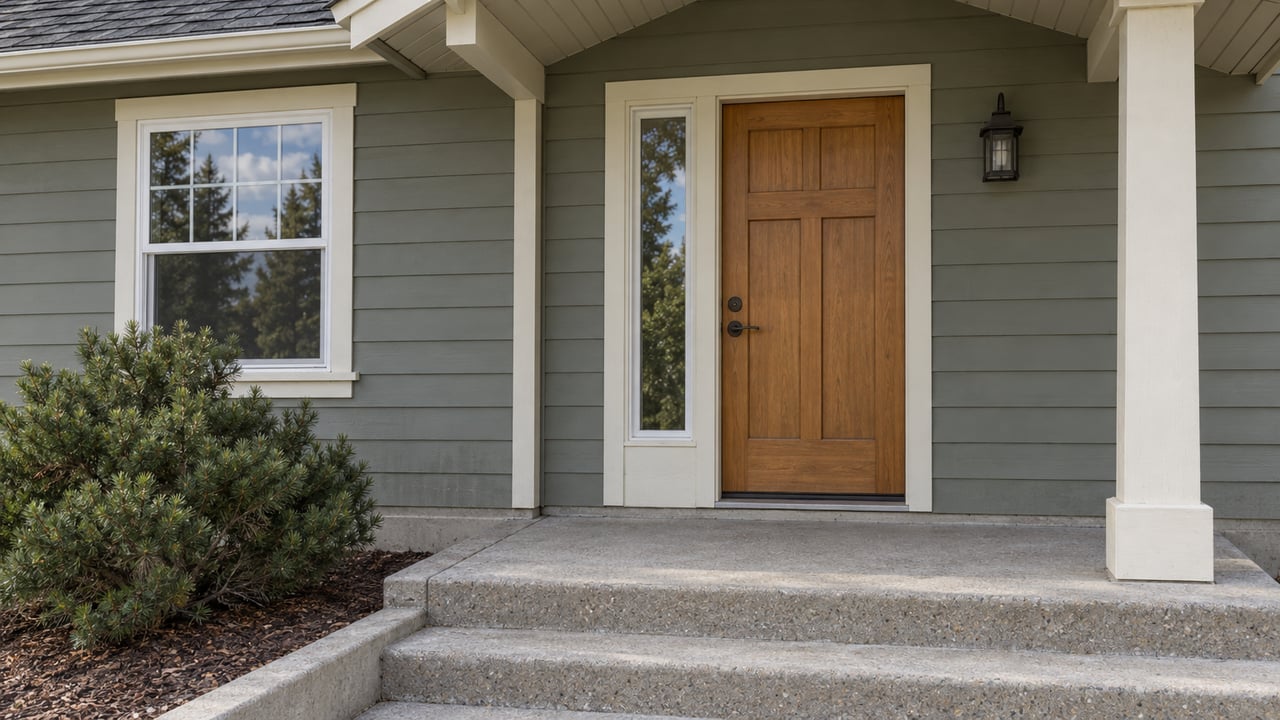
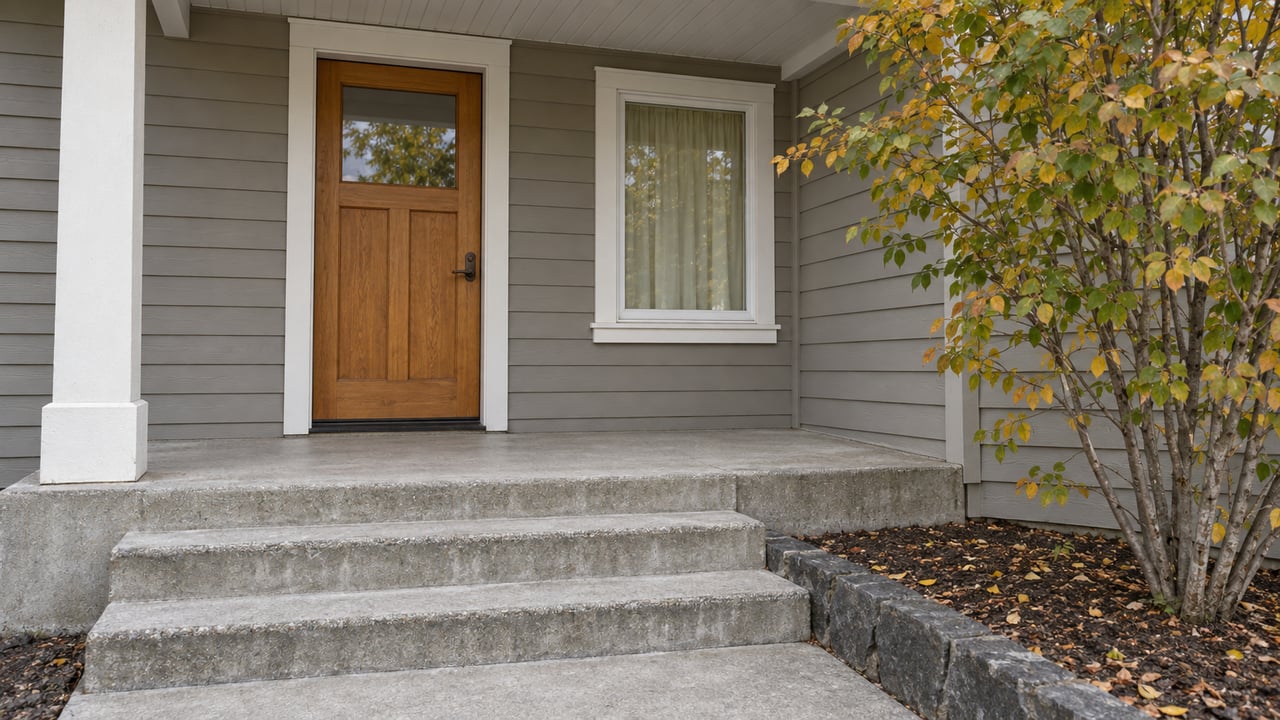
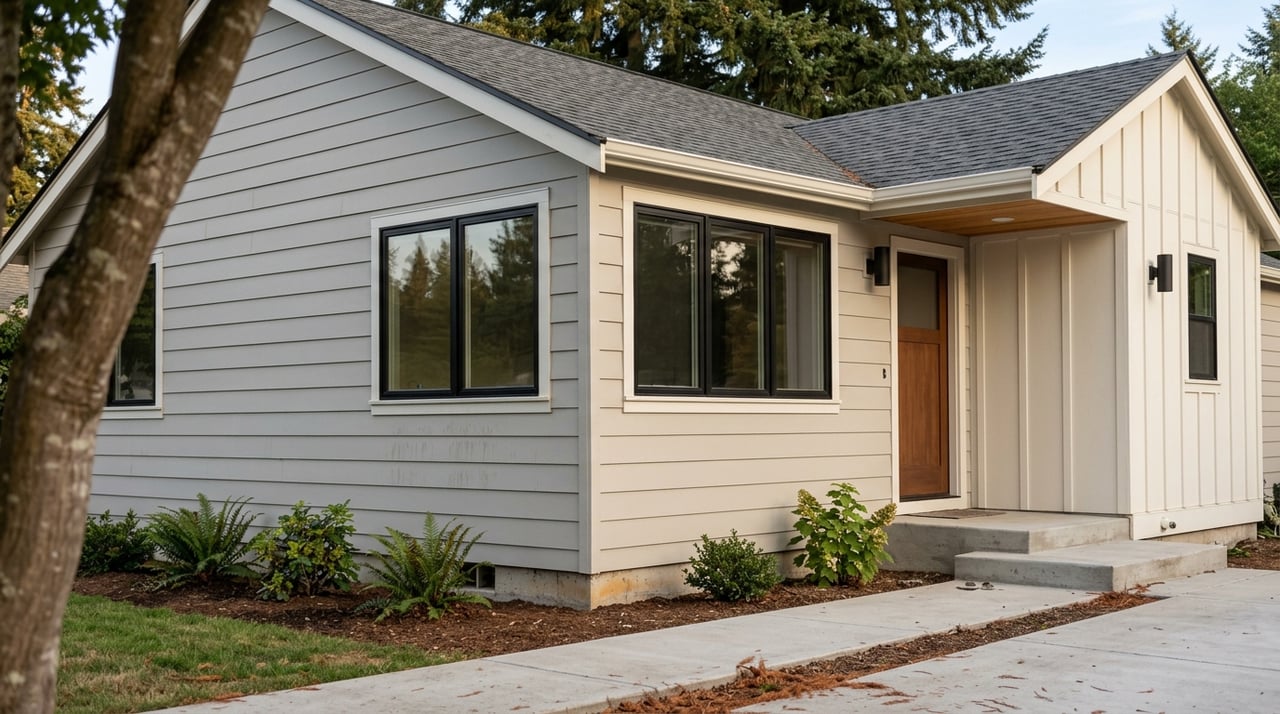
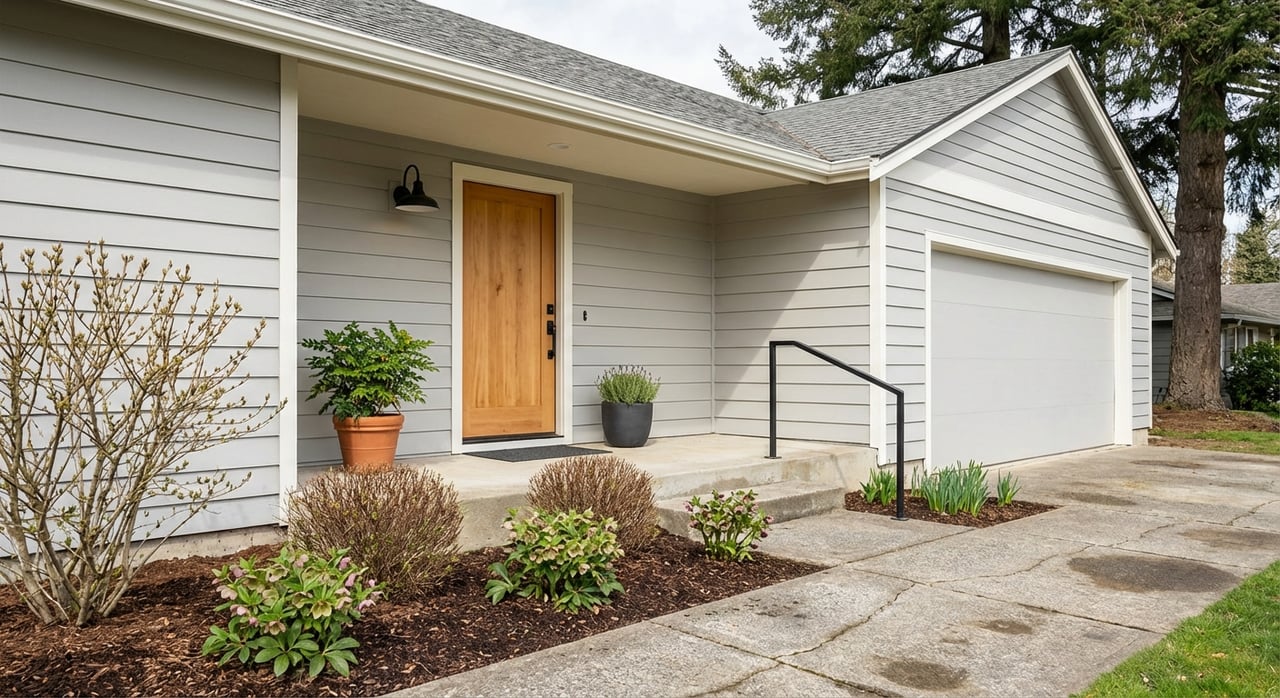
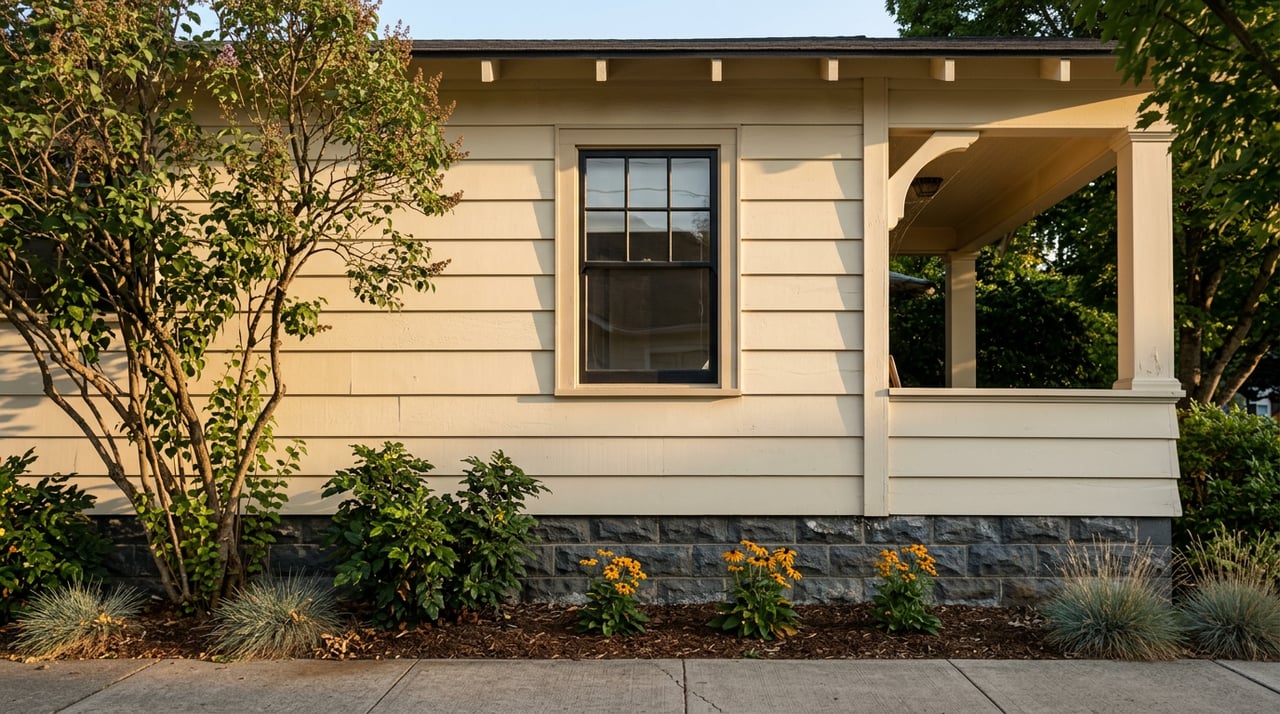
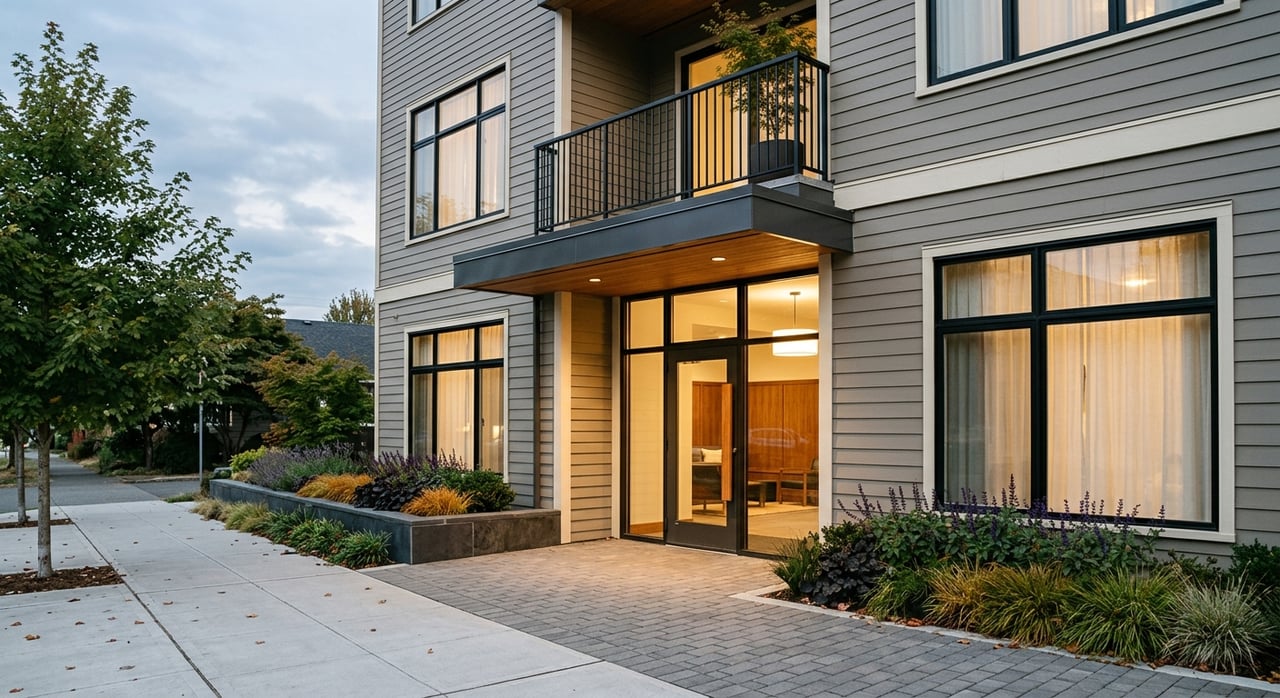
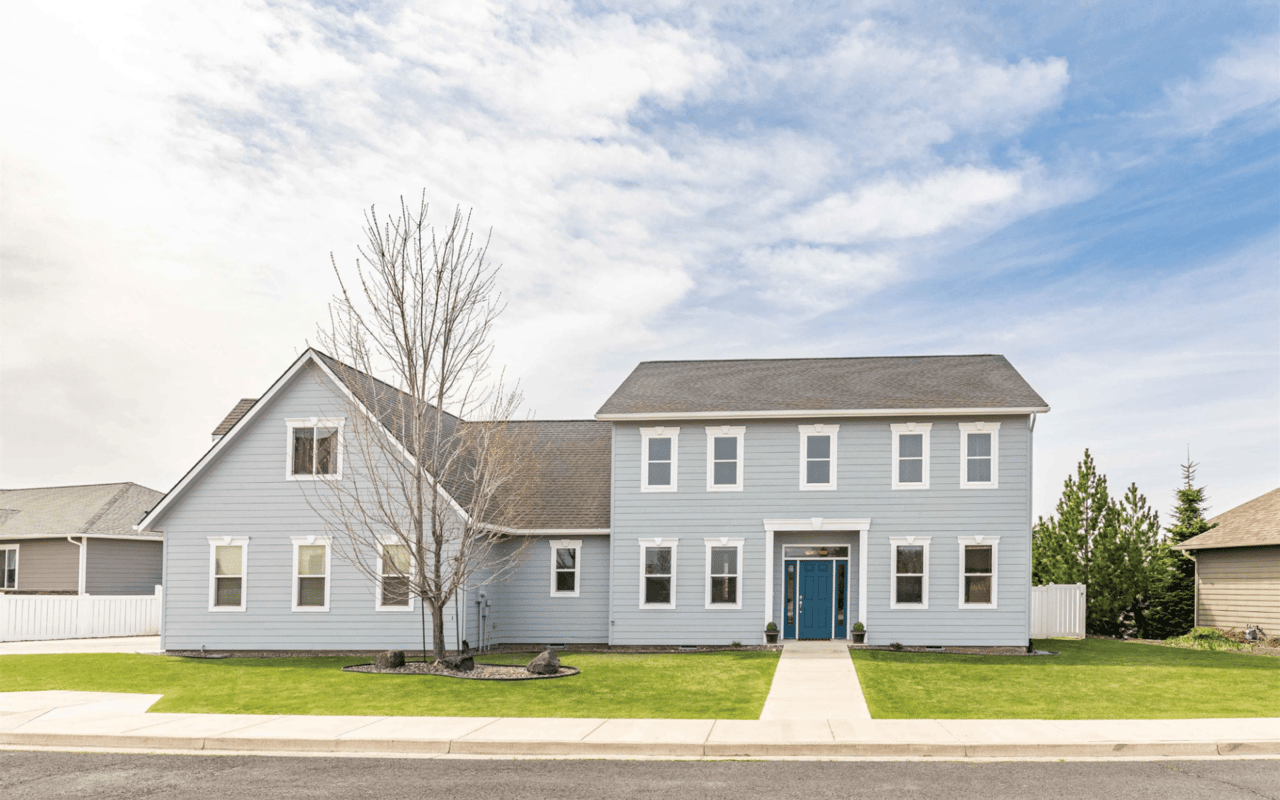
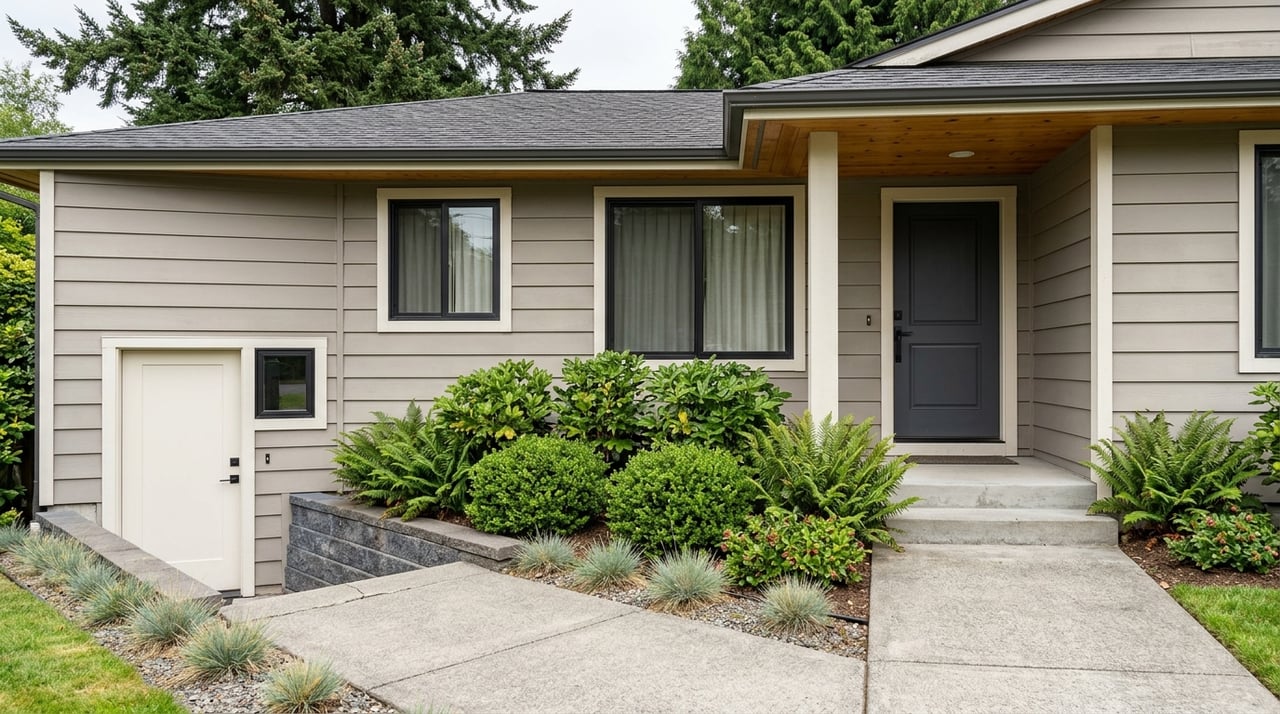
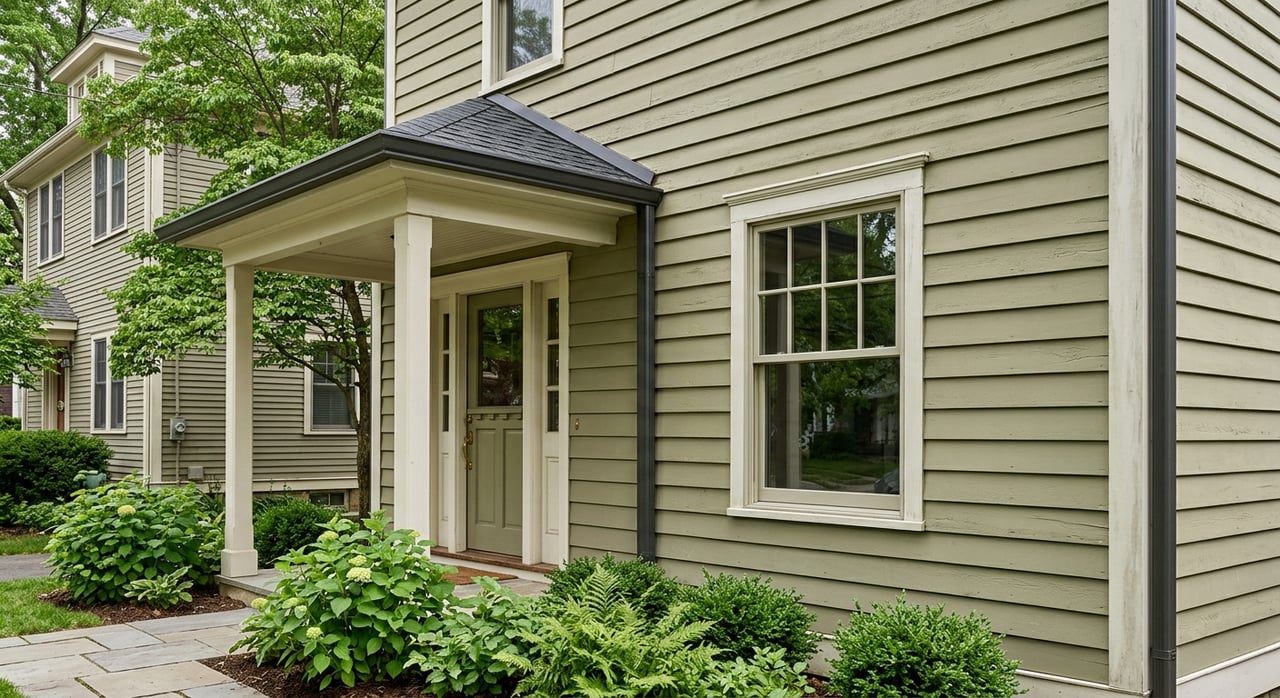
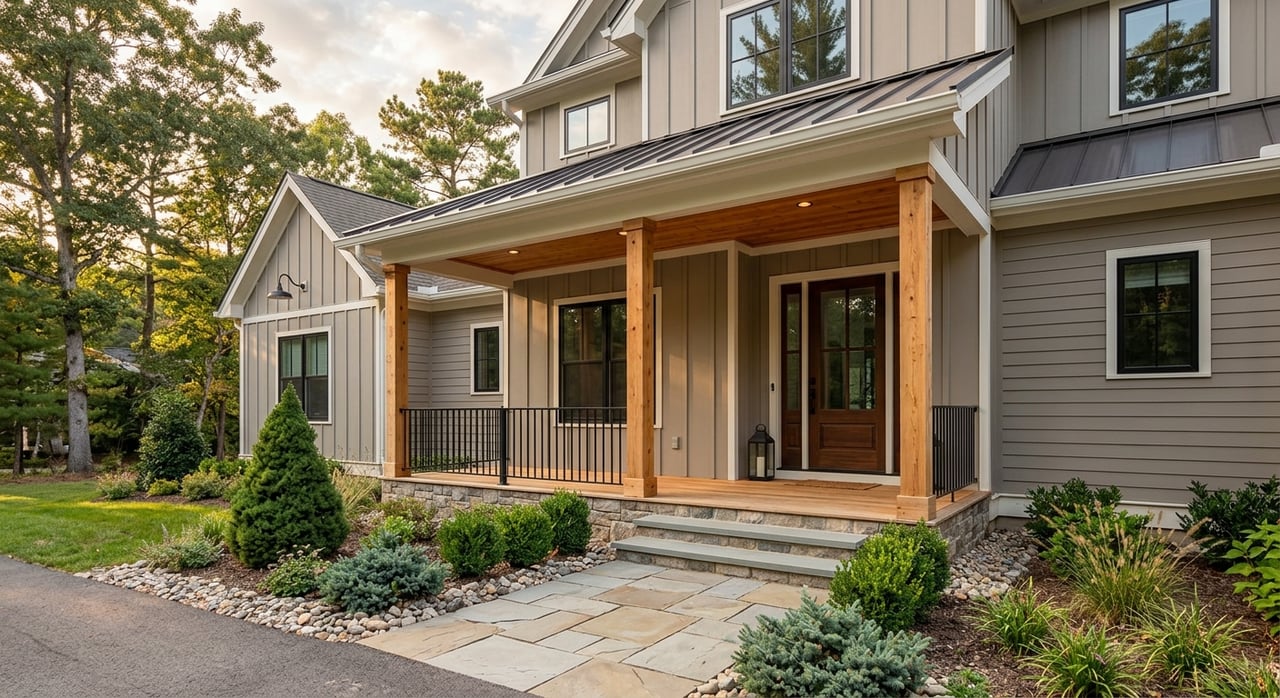
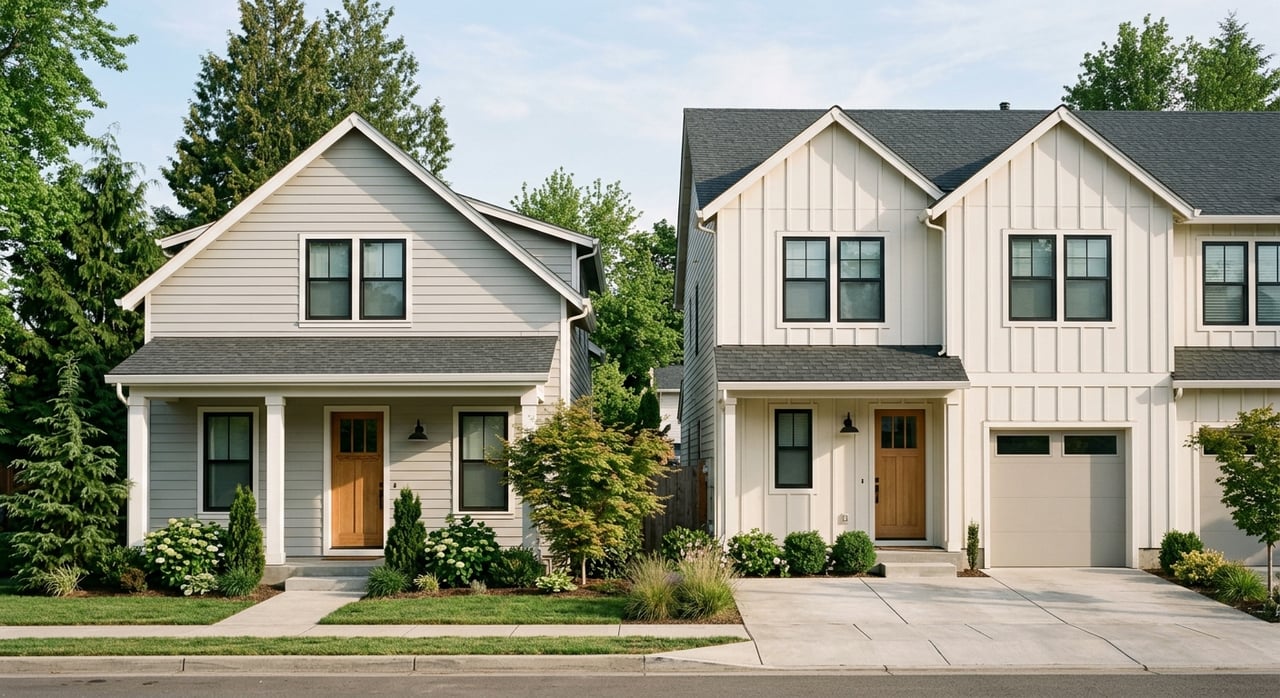
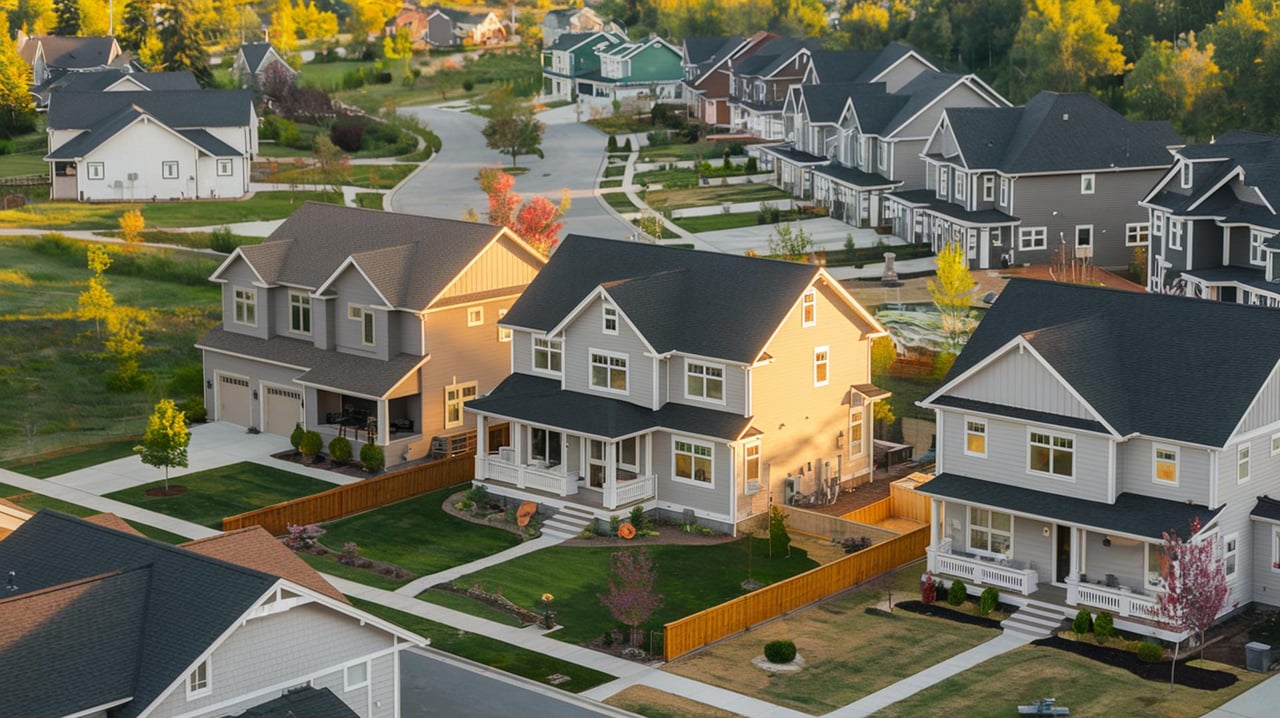
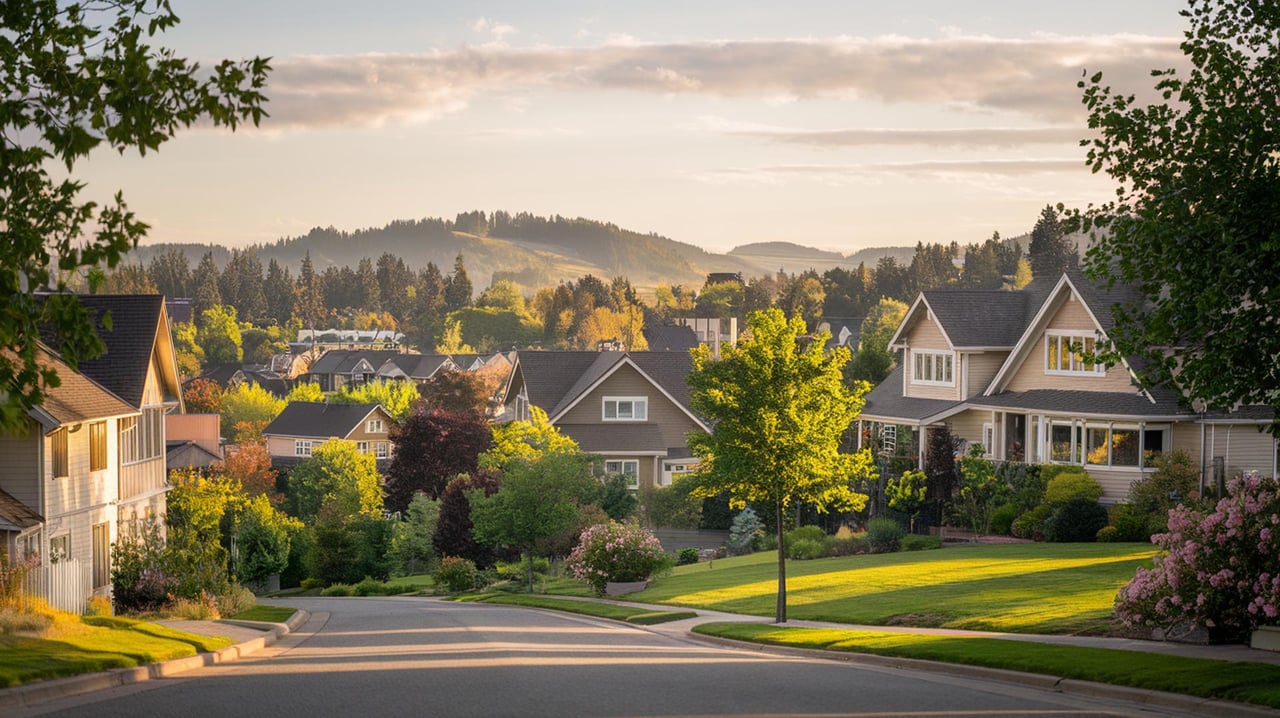
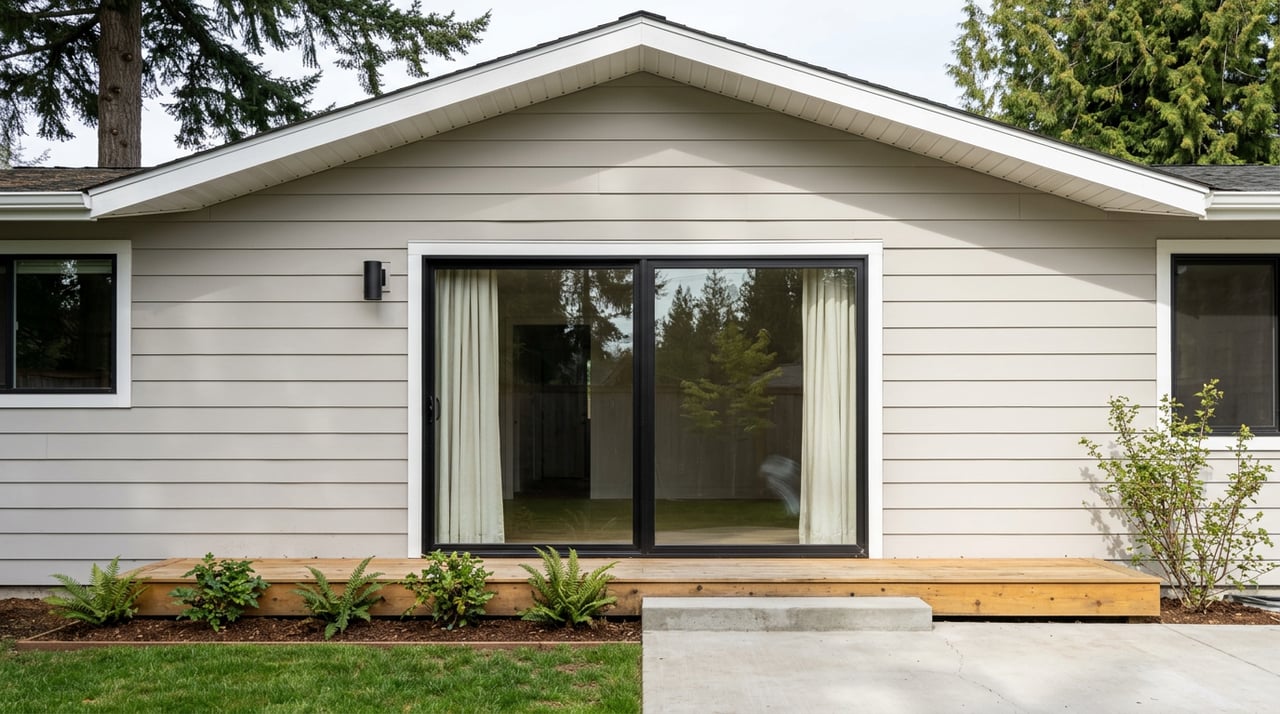
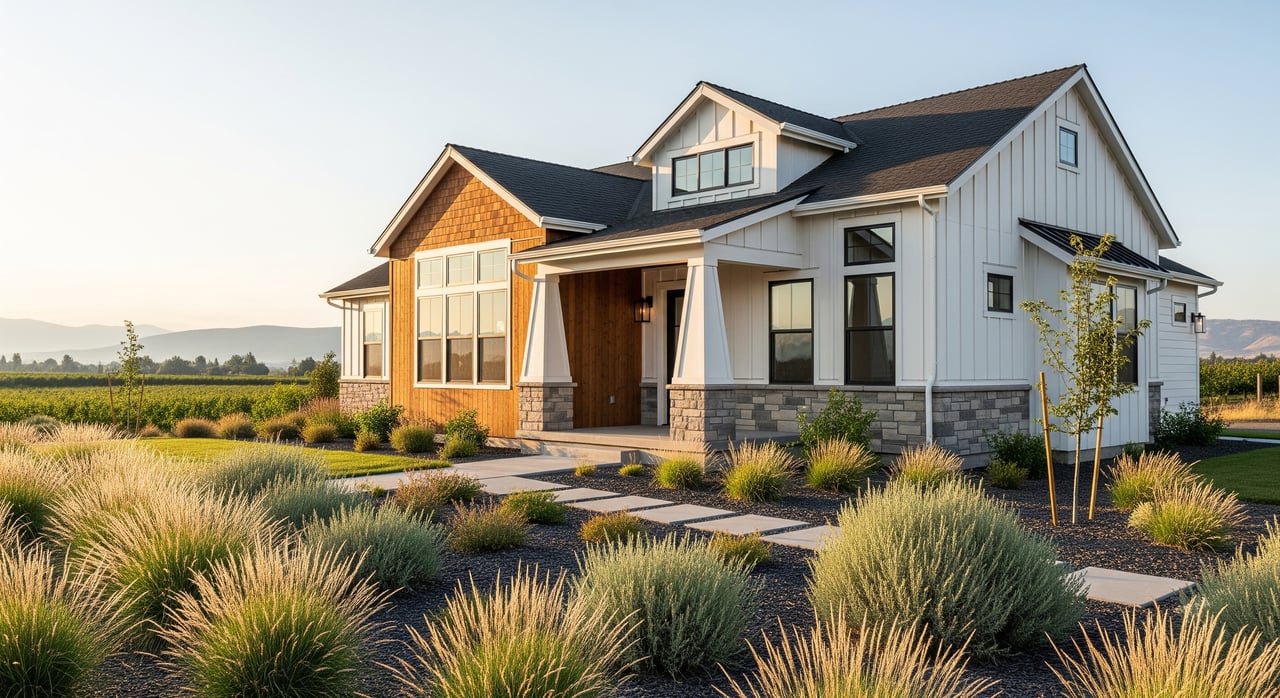
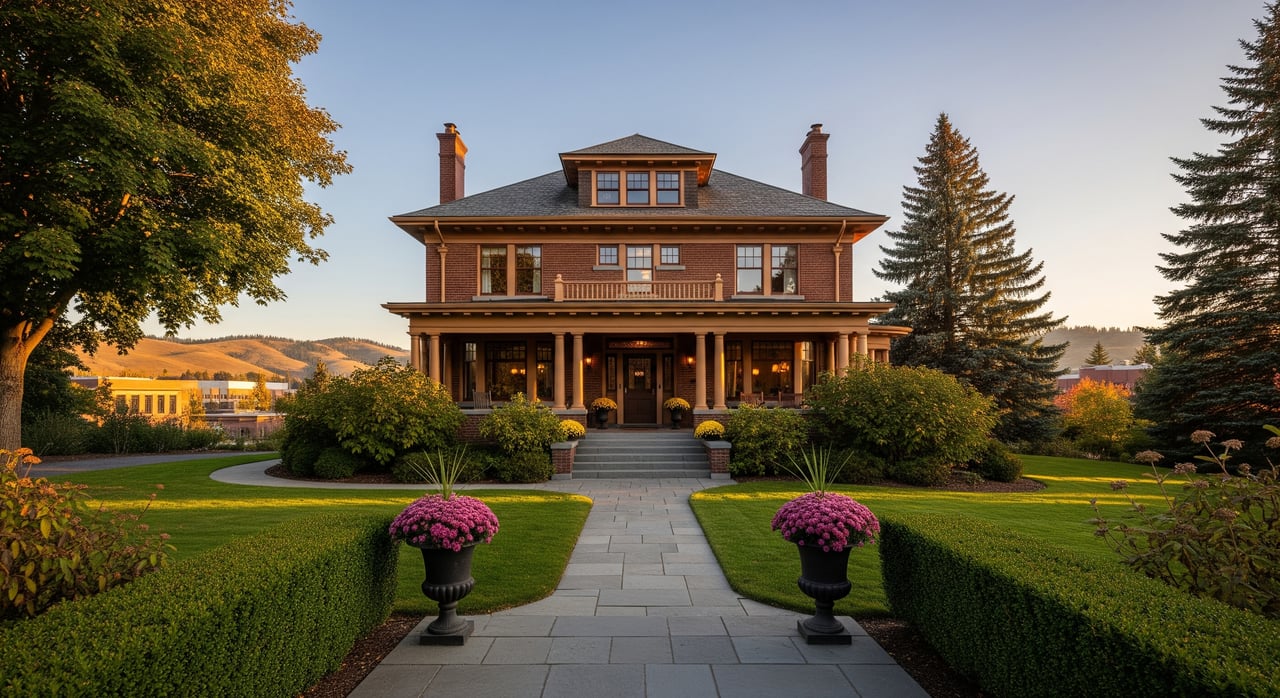
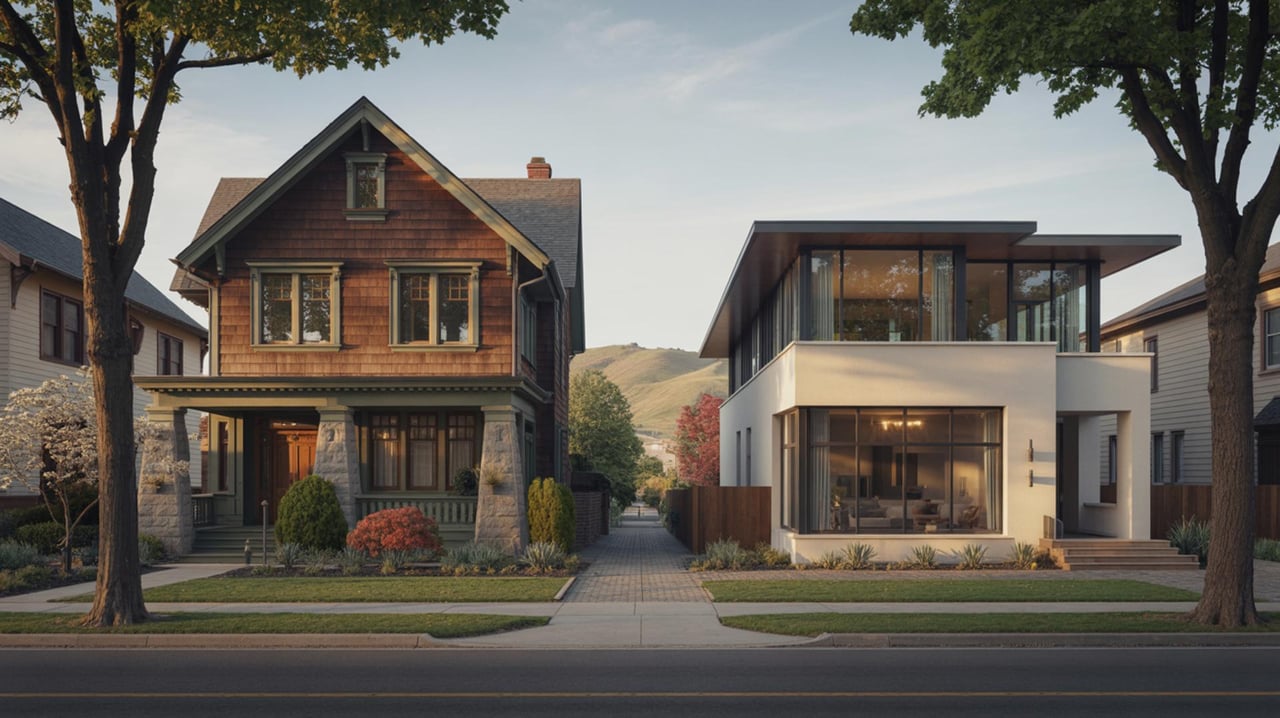
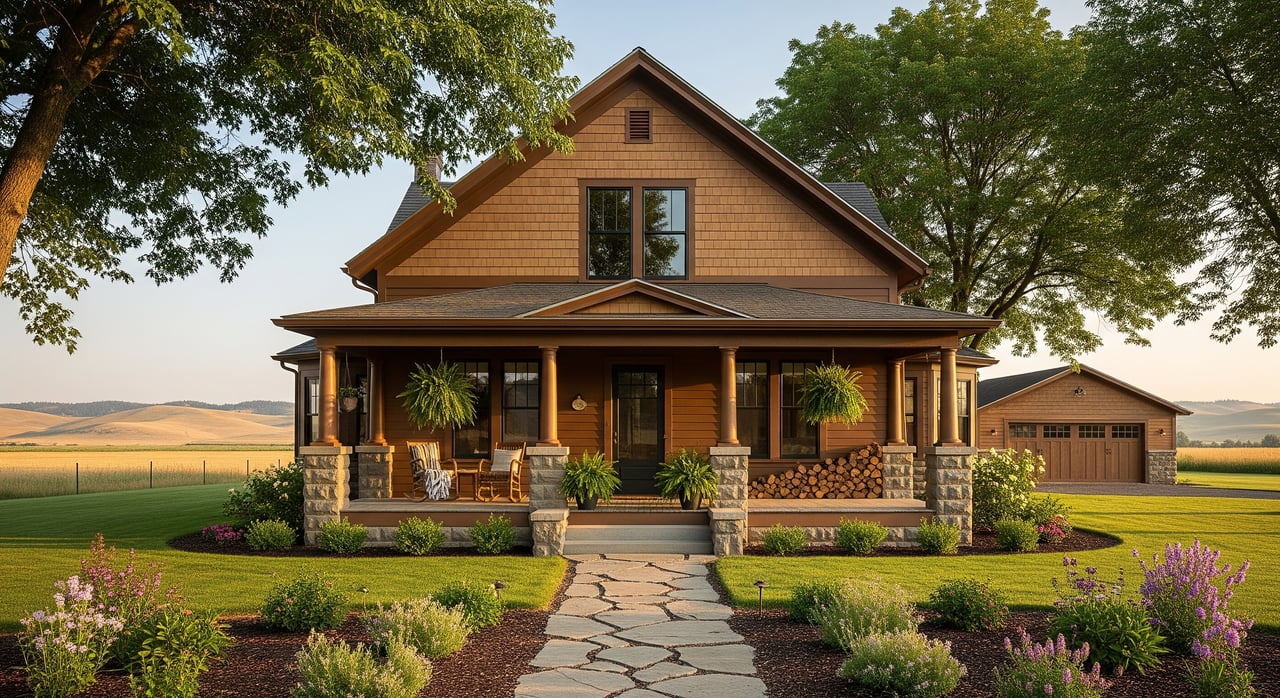
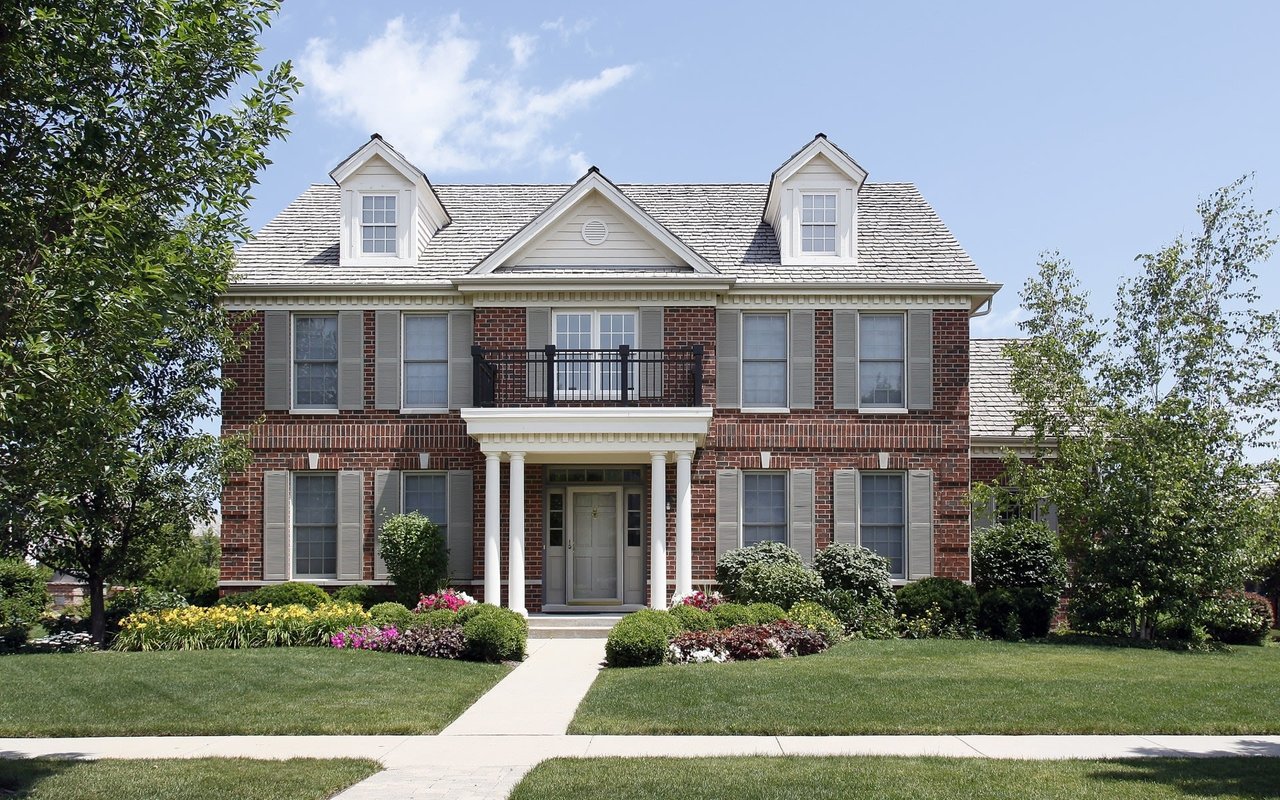
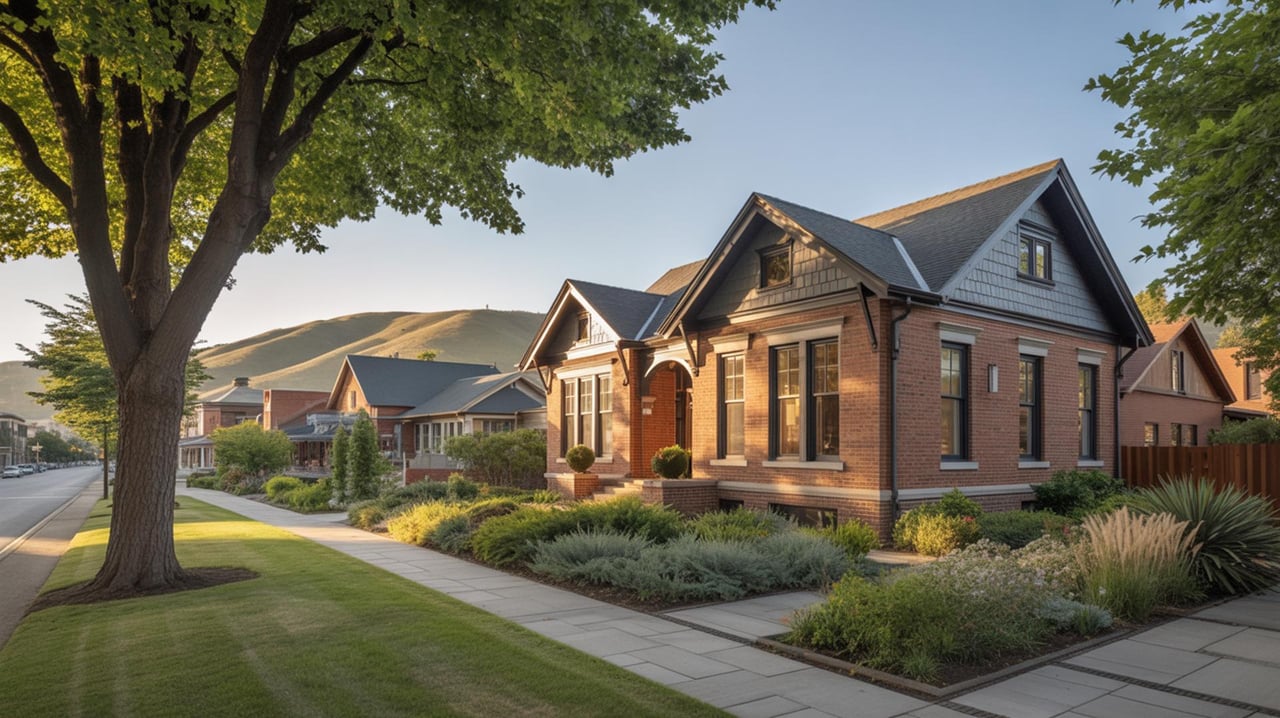
Instead of reading like a newer subdivision, Pioneer Hill feels connected to the city’s history and civic life. You will find older housing styles here, including Craftsman cottages and ranch-style homes, along with streets and paths that support shorter neighborhood trips.
Historic Character Shapes Daily Life
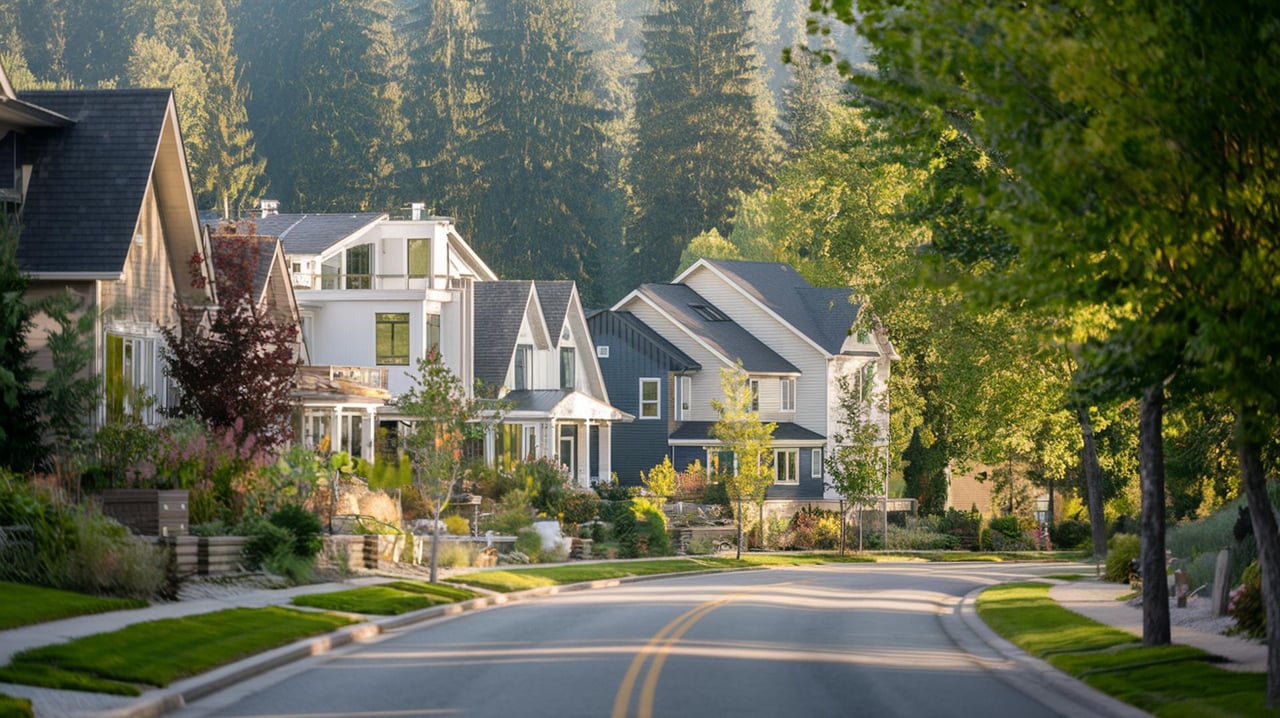
One of the first things you notice about Pioneer Hill is that it feels settled. The housing stock, mature surroundings, and neighborhood layout all contribute to a sense of place that can be hard to replicate in newer areas.
That historic character is not just visual. It often affects how you move through the day, with homes, parks, civic buildings, and downtown-oriented routes all sitting relatively close together.
Older Homes, Established Setting
Pioneer Hill is often associated with older homes and a more traditional neighborhood pattern. For buyers who like the idea of established streets and homes with character, that can be a meaningful part of the neighborhood’s appeal.
If you are comparing Pullman neighborhoods, Pioneer Hill offers a different experience from areas built more recently. It may feel especially appealing if you value an older neighborhood identity and a location that connects easily to the rest of town.
Civic Buildings Nearby
City Hall and the Parks & Recreation Recreation Center are located on Pioneer Hill and can be reached by paved footpaths. That is a unique feature for a residential neighborhood and adds to the area’s day-to-day convenience.
In practical terms, this means neighborhood living and civic life overlap in a useful way. You are not just near homes here. You are also near places people use as part of ordinary weekly routines.
Parks and Outdoor Space Nearby
Pioneer Hill supports a lifestyle that can include regular outdoor time without a major drive. Two standout nearby spaces are Kruegel Park and Lawson Gardens, both of which add variety to everyday life.
For some people, that means a quick walk in the morning. For others, it means a place to unwind after work or spend part of the weekend outdoors.
Kruegel Park for Active Weekends
Kruegel Park is a 7.95-acre neighborhood park with mature shade trees and a broad mix of amenities. According to the city’s amenities sheet, it includes a picnic shelter, BBQ area, playground, tennis and pickleball courts, ball fields, volleyball space, and restrooms.
That range of features makes it useful for more than one kind of outing. A quiet weekday visit and a busy weekend afternoon can both make sense here, depending on what you need.
Lawson Gardens for Slower Moments
Lawson Gardens offers a different outdoor experience. It includes walking paths, a rose garden, perennial garden, reflecting pool, and gazebo.
If Kruegel Park feels more active, Lawson Gardens feels more reflective. It is the kind of nearby space that can make a simple walk or short outing feel a little more special.
Bill Chipman Trail for Movement
The Bill Chipman Trail starts at the Pullman trailhead on SE Bishop Boulevard and runs 7 paved miles to Moscow, Idaho. Local transportation materials highlight walking and trail use as practical options in Pullman during favorable weather.
For Pioneer Hill residents, that matters because the trail can be part of both recreation and transportation. Walking, jogging, and biking are not limited to weekend plans here. They can also fit into the rhythm of everyday movement around town.
Downtown and Bishop Boulevard Access
A big part of life on Pioneer Hill is how close you are to two key everyday destinations: downtown Pullman and Bishop Boulevard. Visitor materials specifically note the neighborhood’s easy pedestrian access to both.
That can make daily life feel simpler. You may still drive for many trips, but being near these activity areas gives you options and can reduce how far you need to go for basic errands or a casual meal.
Downtown Pullman Nearby
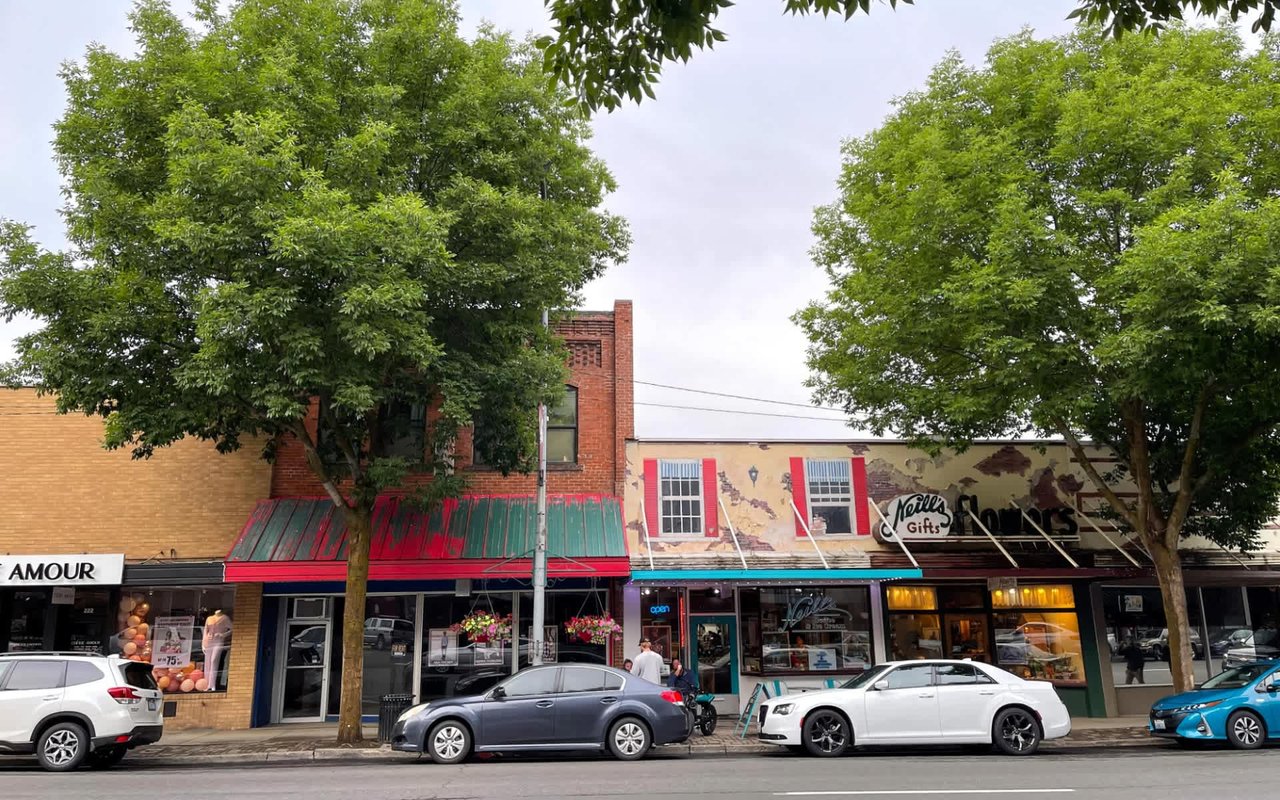
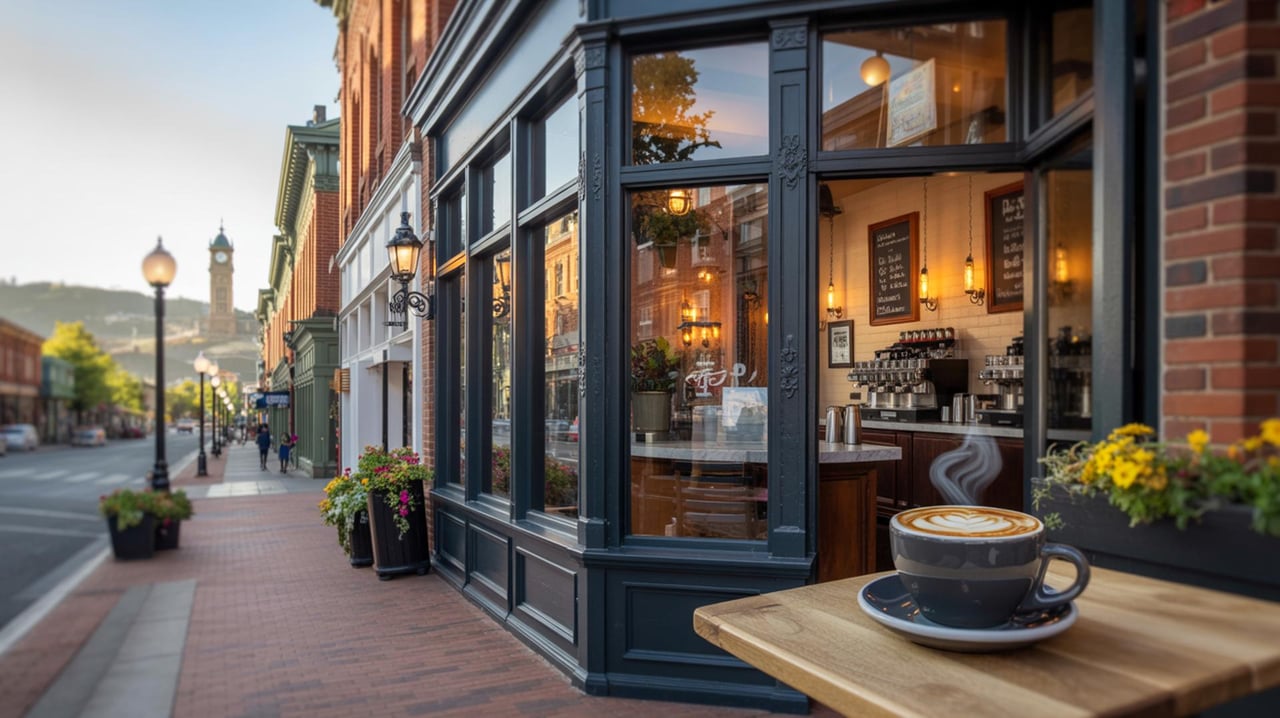
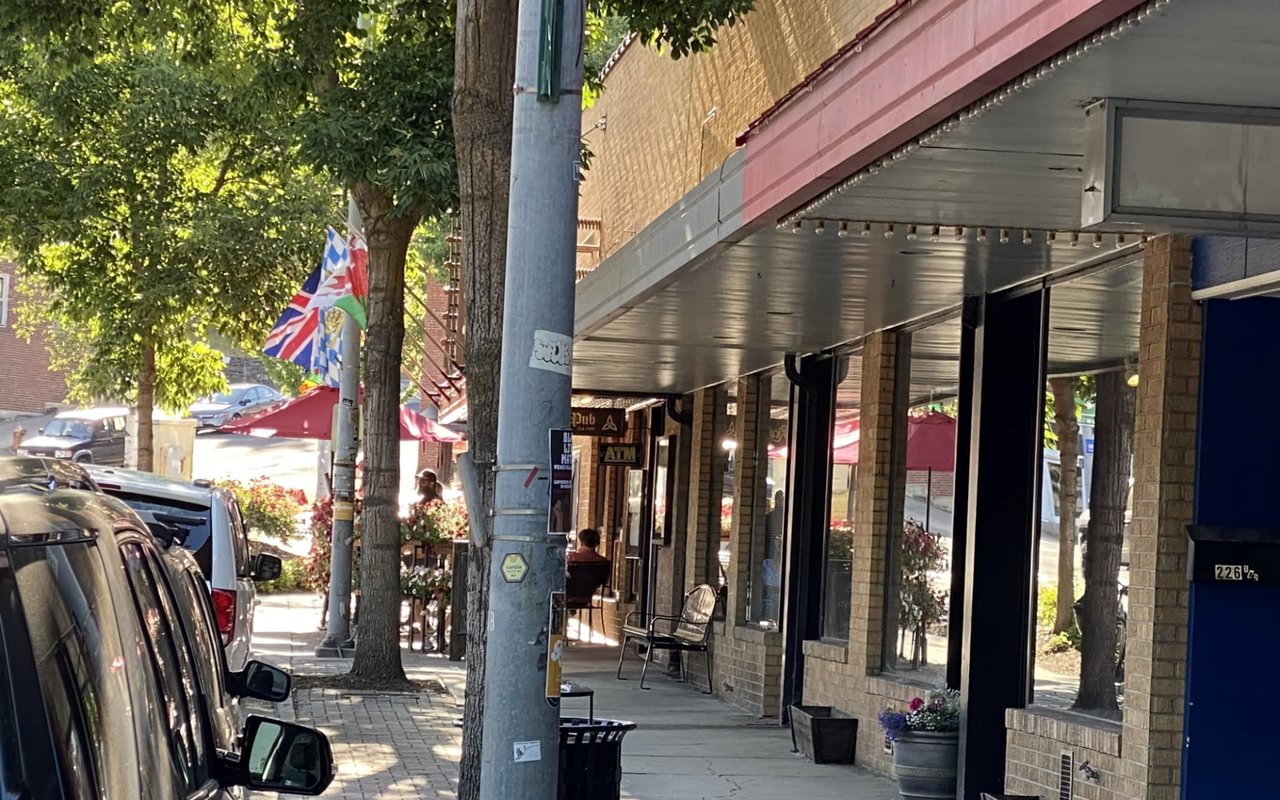
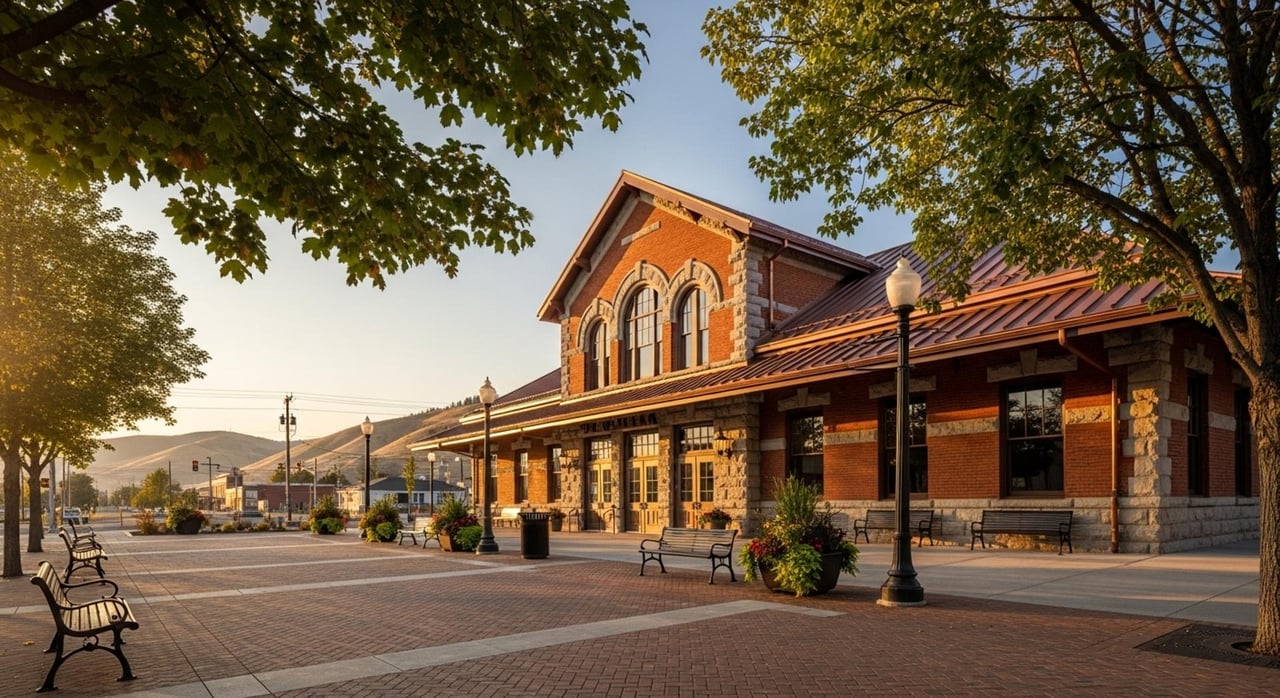
Downtown Pullman is described as the city’s central community hub, located where the four hills meet. It includes boutiques, cafes, pubs, restaurants, and a theater.
For Pioneer Hill residents, downtown can be part of a normal week instead of a special outing. That might look like coffee in the morning, dinner after work, or meeting friends without planning a long cross-town trip.
Bishop Boulevard for Practical Stops
Bishop Boulevard covers many of the practical stops people use most often. Examples listed in local business materials include Safeway at 430 SE Bishop Blvd, Zeppoz at 780 SE Bishop Blvd, Birch & Barley at 1360 SE Bishop Blvd, and Crimson & Gray at 1096 SE Bishop Blvd.
These examples help show why Pioneer Hill can feel efficient day to day. Grocery runs, casual dining, and WSU-related shopping can all happen close to home.
Getting Around Pioneer Hill
For many buyers, neighborhood lifestyle comes down to mobility. Pioneer Hill stands out because it offers several ways to get around Pullman, depending on your schedule, the weather, and your preferences.
That flexibility can be especially useful if your household includes students, commuters, or anyone who prefers not to rely on a car for every in-town trip.
Transit Options in Pullman
Pullman Transit provides fixed-route and paratransit service within city limits. Current service information shows weekday service from 6:30 a.m. to 10:11 p.m., Saturday service from 9:30 a.m. to 10:11 p.m., Sunday service from 10:00 a.m. to 5:26 p.m., and a $1 fare.
That kind of schedule supports a wide range of daily routines. If you value having public transit as part of your transportation mix, Pioneer Hill benefits from being in a city with an active local system.
School-Day Mobility
Pullman Public Schools route guidance states that most Pioneer Hill students walk to Lincoln Middle School, and it outlines transit options for both Lincoln Middle School and Pullman High School riders. While each household’s routine will vary, the neighborhood appears well suited to simple in-town school access.
For buyers who are thinking long term, this can be part of Pioneer Hill’s appeal. Ease of movement matters, and this neighborhood supports a fairly connected lifestyle within Pullman.
What the Seasons Feel Like
Pioneer Hill does not feel the same in every season, and that is part of living in Pullman. NOAA climate normals for Pullman show an annual average temperature of 48.2°F, average annual precipitation of 20.41 inches, and average annual snowfall of 32.7 inches.
That seasonal swing affects how the neighborhood feels on foot, by car, and on nearby trails. If you are relocating from another region, this is an important part of what daily life will look like.
Summer in Pioneer Hill
Summer in Pullman is warm and relatively dry. July and August average highs are in the mid-80s, and each month averages only about half an inch of precipitation.
That makes summer a natural time for trail use, park visits, and evening walks. Outdoor routines tend to be easier to maintain when the weather is warm and the days are long.
Winter in Pioneer Hill
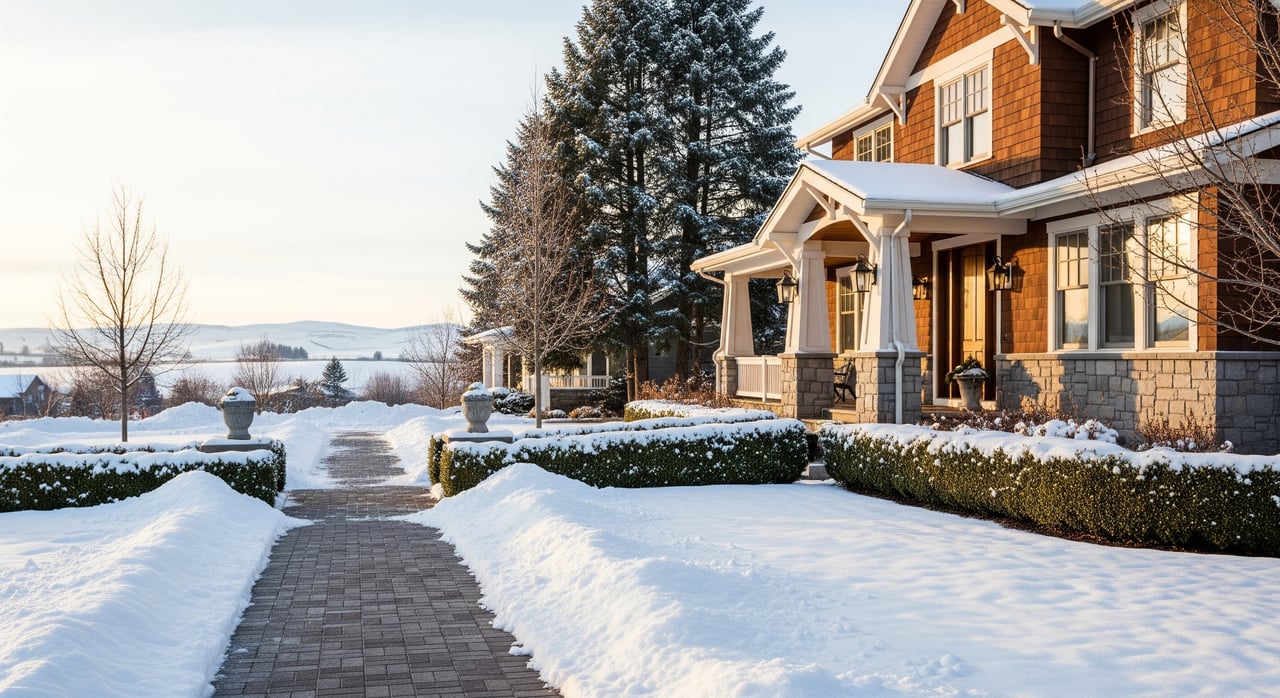
Winter brings colder temperatures and more snow. December and January average highs are in the mid-30s, with snowfall concentrated from late fall through early spring.
That changes the pace of neighborhood life. Walking and driving may take a bit more planning, and the hill setting can feel different during snowy stretches than it does in summer.
The City’s Annual Rhythm
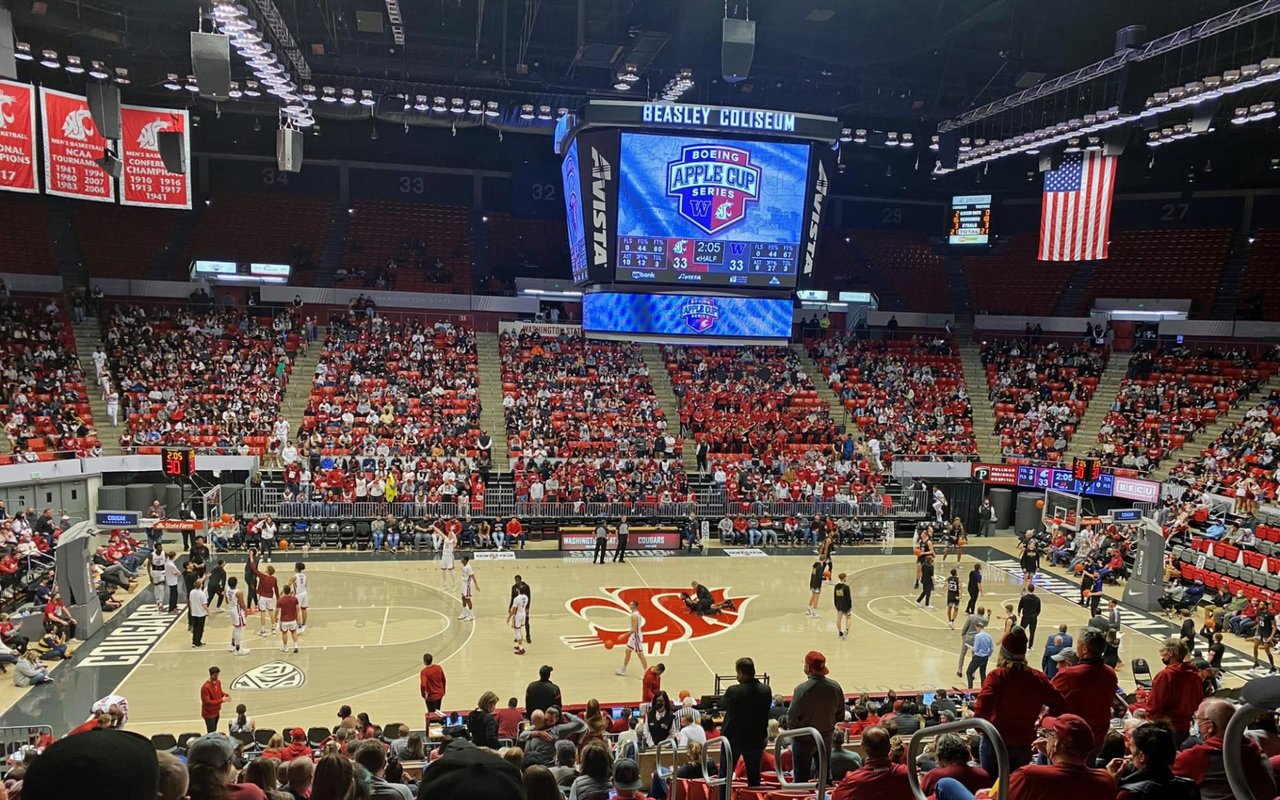
Visitor materials also note that Pullman feels especially lively during the Washington State University academic year. Late August can be especially active with the National Lentil Festival and the beginning of WSU’s fall semester.
For Pioneer Hill residents, that means the neighborhood can feel busier at certain points in the year and quieter at others. If you like a town with a visible seasonal rhythm, that is part of the local experience.
A Typical Week on Pioneer Hill
A useful way to picture Pioneer Hill is to think about a normal week instead of a highlight reel. The neighborhood works well for routines built around shorter trips, nearby amenities, and a mix of outdoor and in-town activities.
Based on the area’s parks, school access, transit, and nearby shopping, a typical week might include:
- Walking or commuting through the neighborhood
- Quick stops on Bishop Boulevard for groceries or everyday needs
- Time at Kruegel Park after work or on weekends
- A stroll through Lawson Gardens
- Biking, jogging, or walking on the Bill Chipman Trail
- Dinner, coffee, or entertainment downtown
That does not mean every resident uses the neighborhood the same way. It simply shows why Pioneer Hill can feel practical, connected, and easy to live in.
Who Pioneer Hill May Appeal To
Pioneer Hill may be a strong fit if you want an established Pullman neighborhood with historic character, nearby parks, and relatively simple access to downtown and Bishop Boulevard. It can also make sense for buyers who value multiple ways to get around town.
The neighborhood may especially appeal to people relocating to Pullman, first-time buyers comparing established areas, and households connected to WSU who want a location with good in-town access. If you are looking for a settled neighborhood rhythm rather than a brand-new subdivision feel, Pioneer Hill is worth considering.
If you are exploring homes in Pullman and want help comparing Pioneer Hill with other neighborhoods, Krista Gross can help you narrow down what fits your lifestyle, timing, and goals.
FAQs
What is Pioneer Hill like in Pullman?
- Pioneer Hill is one of Pullman’s older and more historic neighborhoods, located in the city’s southeast quadrant with older homes, civic buildings, and convenient access to downtown and Bishop Boulevard.
What parks are near Pioneer Hill in Pullman?
- Nearby outdoor spaces include Kruegel Park, which has sports and picnic amenities, and Lawson Gardens, which offers walking paths, gardens, a reflecting pool, and a gazebo.
Can you walk to downtown from Pioneer Hill in Pullman?
- Visitor materials describe Pioneer Hill as having easy pedestrian access to downtown Pullman and to shopping along Bishop Boulevard.
What is near Pioneer Hill for errands and dining?
- Bishop Boulevard includes practical day-to-day stops such as Safeway, Zeppoz, Birch & Barley, and Crimson & Gray, while downtown Pullman adds cafes, restaurants, shops, and a theater.
Is there public transit near Pioneer Hill in Pullman?
- Pullman Transit serves the city with fixed-route and paratransit service, with current local fare information showing a $1 fare and service available on weekdays, Saturdays, and Sundays.
How does the weather affect life on Pioneer Hill in Pullman?
- Pullman has warm, relatively dry summers and colder, snowier winters, so daily routines on foot, by car, and on local trails tend to shift with the seasons.