Pull up three different housing data sites for Pullman, Washington right now and you'll get three different stories. One says the market is accelerating, homes moving fast, prices under pressure. Another says the opposite: values climbing, similar periods, the same city. If you're comparing Pullman to other places you might live, this is the point where most relocation guides shrug and average the numbers together. That's the wrong move. The disagreement itself is the finding.
The Numbers That Don't Add Up
For the three months ending May 2026, the median Pullman home sale price came in at $430,000, down 5.5 percent from the same window a year earlier, with homes selling in an average of 19 days compared to 35 days the prior year. That reads like a market cooling on price but speeding up on velocity, an unusual pairing on its own.
Move to June 2026 and a different tracker puts the median at $469,000, with homes spending an average of 58 days on market, down from 80 days the year before. Same city, one month later, and the price is roughly $39,000 higher while the selling timeline is three times longer than the 19-day figure from the spring window.
Then there's Zillow's Home Value Index, which measures typical home value rather than actual sale prices. As of its June 30, 2026 update, that figure sat at $429,145, up 3.0 percent over the prior year, moving in the opposite direction from the sale-price data covering roughly the same stretch of the calendar.
These differences don't necessarily mean a source made an error. They're describing Pullman using different measures and reporting windows. Pullman also has homes changing hands on different schedules, but these city-wide figures don't tell us how much each segment contributed to the results.
What Could Be Driving the Split
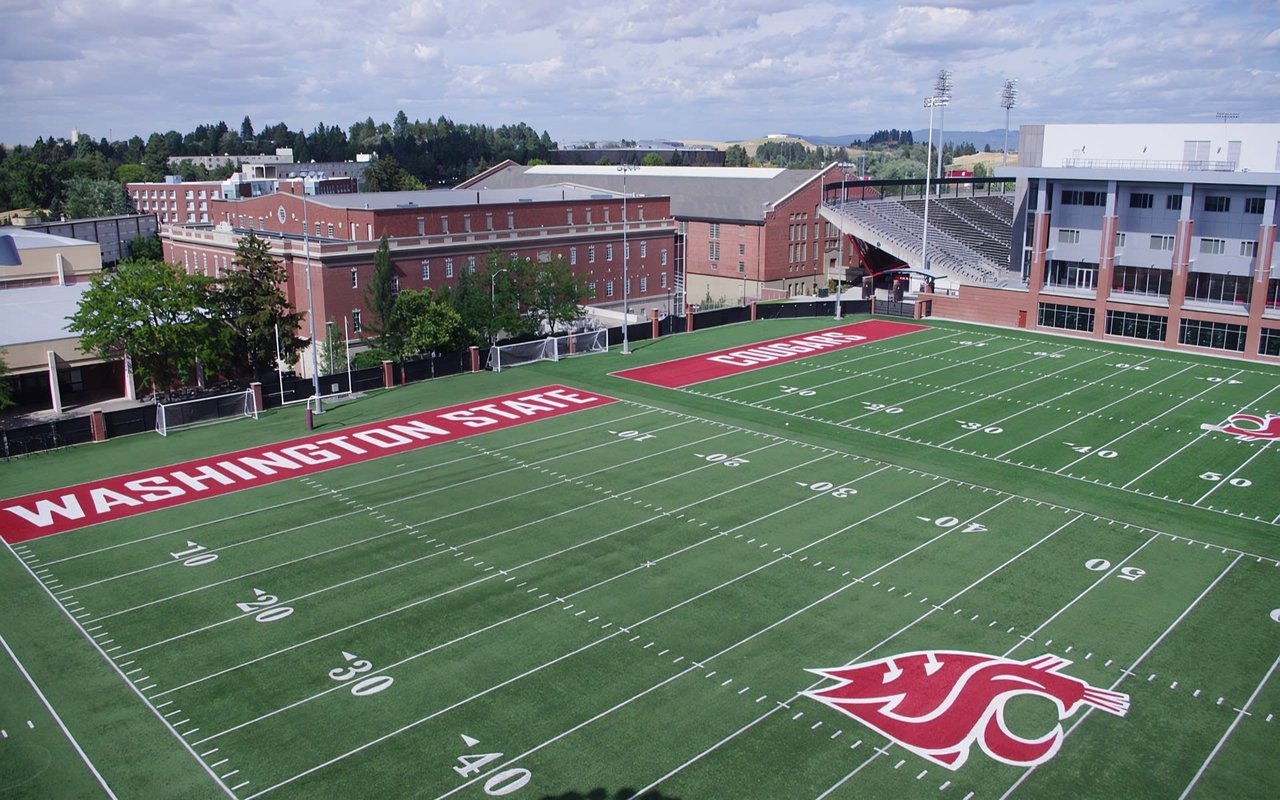
Washington State University runs Pullman's calendar, and that calendar has hard deadlines. New students face a housing application priority date of May 1 each year. Returning students are encouraged to reapply by February 15. Fall semester opens with Week of Welcome, a compressed run of move-ins, orientations, and lease start dates that lands in the days before classes begin.
Behind those academic deadlines sits a parallel real estate deadline. Landlords and investors who own rental-grade housing near campus, much of it concentrated on College Hill, need units turned, cleaned, and re-leased on a schedule that matches WSU's own calendar. That can create turnovers that cluster tightly around specific weeks. But rental turnover isn't the same as a home sale, and the city-wide figures here don't establish how that calendar affected days-on-market or sales volume.
Owner-occupant sales don't necessarily run on that clock. Families and individual buyers may list and close on something closer to the traditional spring-into-summer selling season that shows up in most U.S. markets. The figures here don't tell us whether their homes take longer to sell than investment properties.
Blend different populations into a single city-wide median, and the mix can affect the result. That's one possible explanation to investigate, not a split these figures establish.
Different Housing Contexts, One City
Campus-cycle homes | Owner-occupant homes | |
|---|---|---|
Typical buyer | Investors, landlords | Individuals, families, relocating faculty and staff |
Price sensitivity | Tied to rent rolls and lease terms | Tied to school access, commute, and long-term fit |
Timing pressure | Hard deadlines around WSU's housing calendar | Traditional spring and summer selling season |
Where it concentrates | College Hill and other campus-adjacent blocks | Pioneer Hill, Sunnyside Hill, and similar established neighborhoods |
What the cited aggregate data establishes | No segment-specific days-on-market or pricing measure | No segment-specific days-on-market or pricing measure |
Reading the Data for Your Situation
If you're researching Pullman from outside the area, here's how to use the numbers instead of being confused by them.
- Identify which population you're actually shopping in before you compare a listing's days-on-market to any city-wide figure. A College Hill duplex marketed to investors may behave differently from a single-family home three blocks away.
- Check the reporting window before comparing snapshots. The figures here don't establish which months are most affected by WSU's housing calendar.
- If you're buying to live in the home yourself rather than to rent it out, compare data for that segment rather than relying on a city-wide days-on-market figure. The figures here are city-wide snapshots, not segment-specific measures.
- If your timeline depends on a specific closing date, start your search early and use the city-wide figures as one point of reference. Homes averaged 19 days on market during the trailing quarter ending in May 2026, but that figure does not establish how quickly a home in your segment will sell.
The Neighborhoods Behind the Numbers
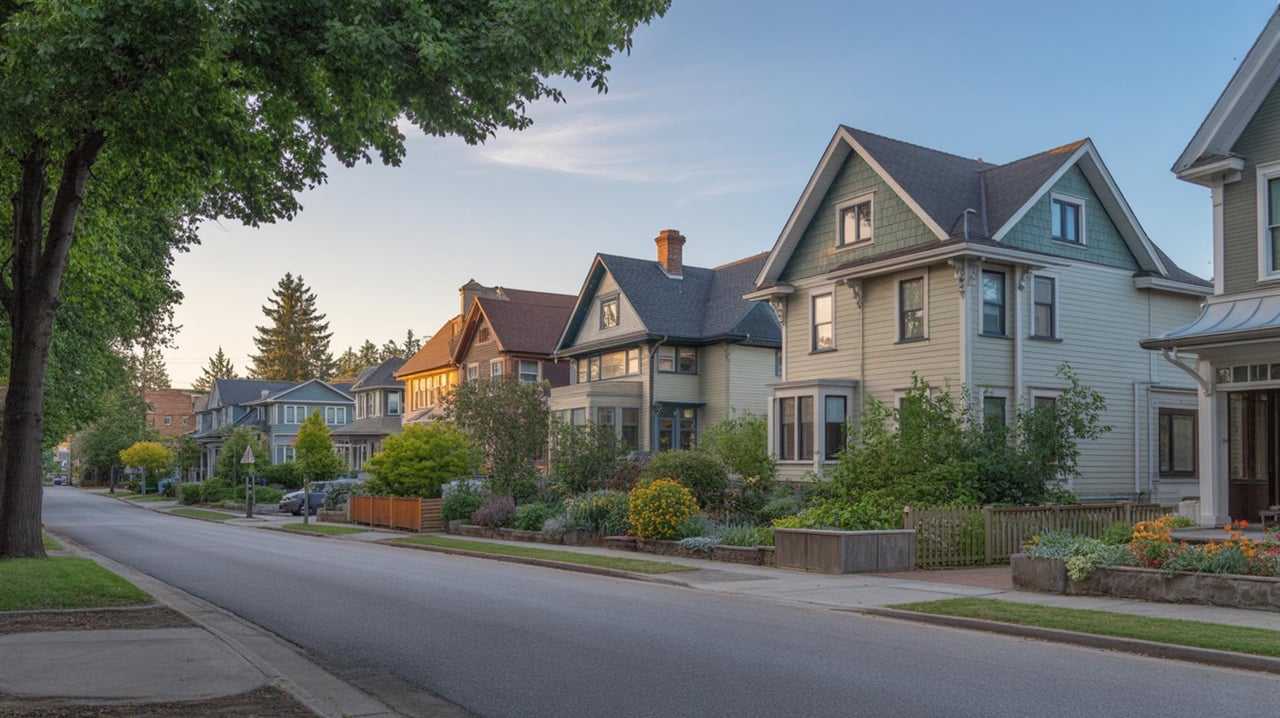
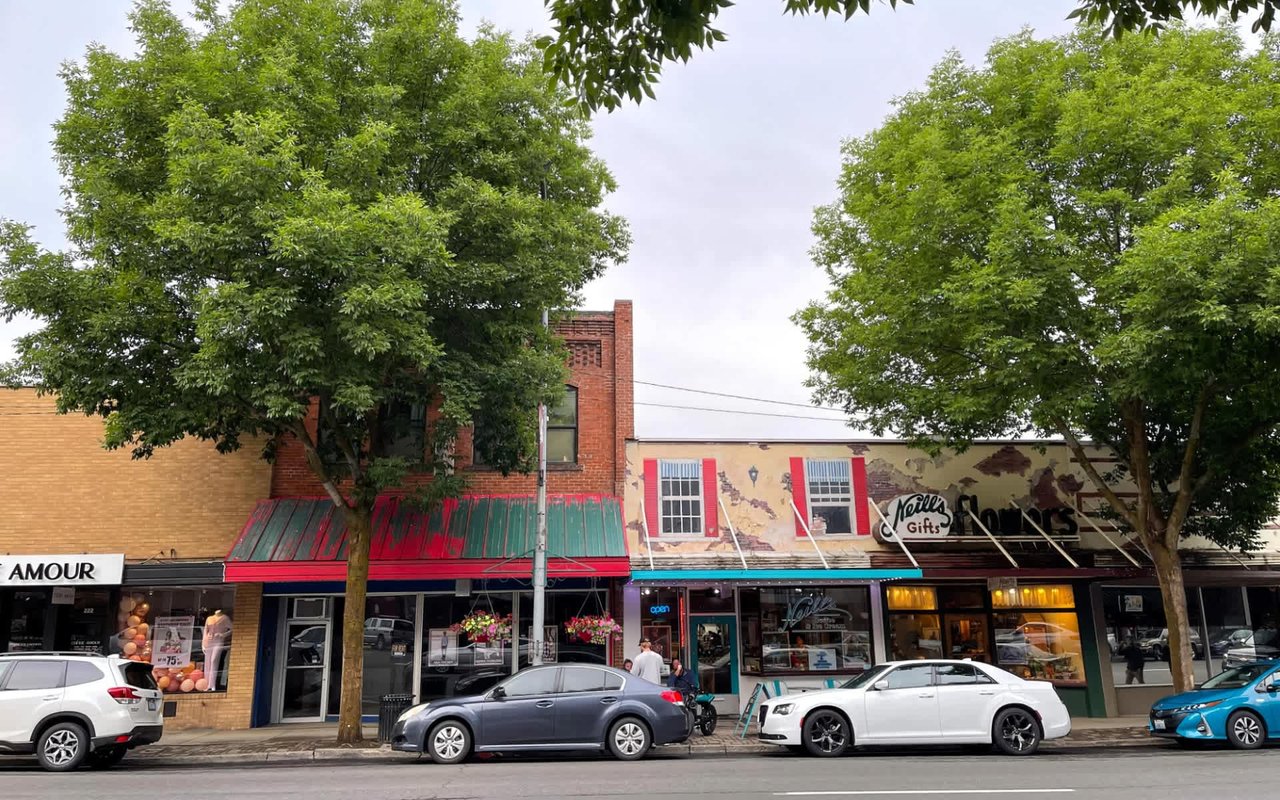
These neighborhoods have different housing contexts. College Hill sits closest to campus and functions largely as an investment and rental play, with tenant turnover tied structurally to WSU enrollment. The figures cited here are city-wide, so they do not identify which segment generated the fast days-on-market numbers.
Pioneer Hill and Sunnyside Hill are established, walkable neighborhoods. If you're comparing Pullman neighborhoods as someone planning to live in the home rather than rent it out, compare relevant listings and sales rather than assuming the city-wide figures describe either neighborhood's pricing or timing.
Knowing which category a property falls into before you start comparing prices saves you from treating a city-wide average as evidence about how quickly you personally need to make an offer.
The Whitman County Association of REALTORS, the trade group representing licensed brokers across Pullman, Colfax, Palouse, Rosalia, Albion, and Tekoa since its founding in 1963, exists partly because this county's market has always required this kind of local interpretation. National portals weren't built to separate a rental-cycle transaction from an owner-occupant one. Someone working the market day to day has to make that distinction for you.
A Few Questions Worth Answering Directly
Why do Redfin and other portals disagree so much about Pullman's days-on-market figure? The figures here cover different reporting windows. A different mix of investment and owner-occupant sales could also affect the results, but these city-wide figures don't establish that mix or its relationship to WSU's housing deadlines and Week of Welcome.
Is Pullman a buyer's market or a seller's market right now? The three months ending May 2026 showed 19-day average marketing times across Pullman, while the June 2026 data showed 58-day average marketing times across Pullman. Neither city-wide figure by itself describes either segment or settles that question.
Which Pullman neighborhoods are best for someone who wants to live in the home long-term rather than rent it out? Compare individual properties, commute, and long-term fit rather than assigning a whole neighborhood to one use. The city-wide figures here don't establish which neighborhood is best for your plans.
If you're weighing Pullman against another town and trying to make sense of listing data that seems to contradict itself, that contradiction is worth a conversation rather than a guess. Krista Gross works this market neighborhood by neighborhood and can help you read the numbers correctly for what you're actually trying to do, whether that's an investment purchase near campus or a long-term family home on one of Pullman's established hills. Request a personalized home valuation to start with numbers specific to your situation instead of a citywide average.