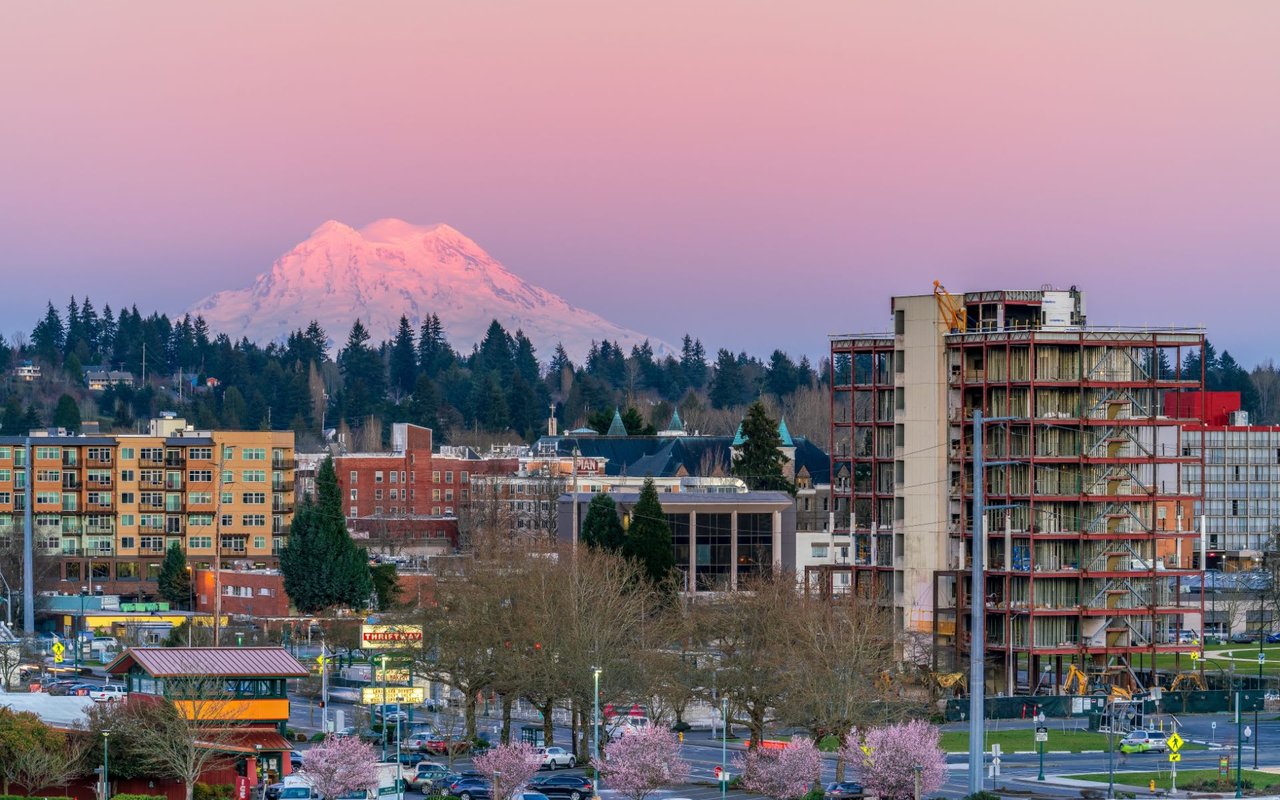
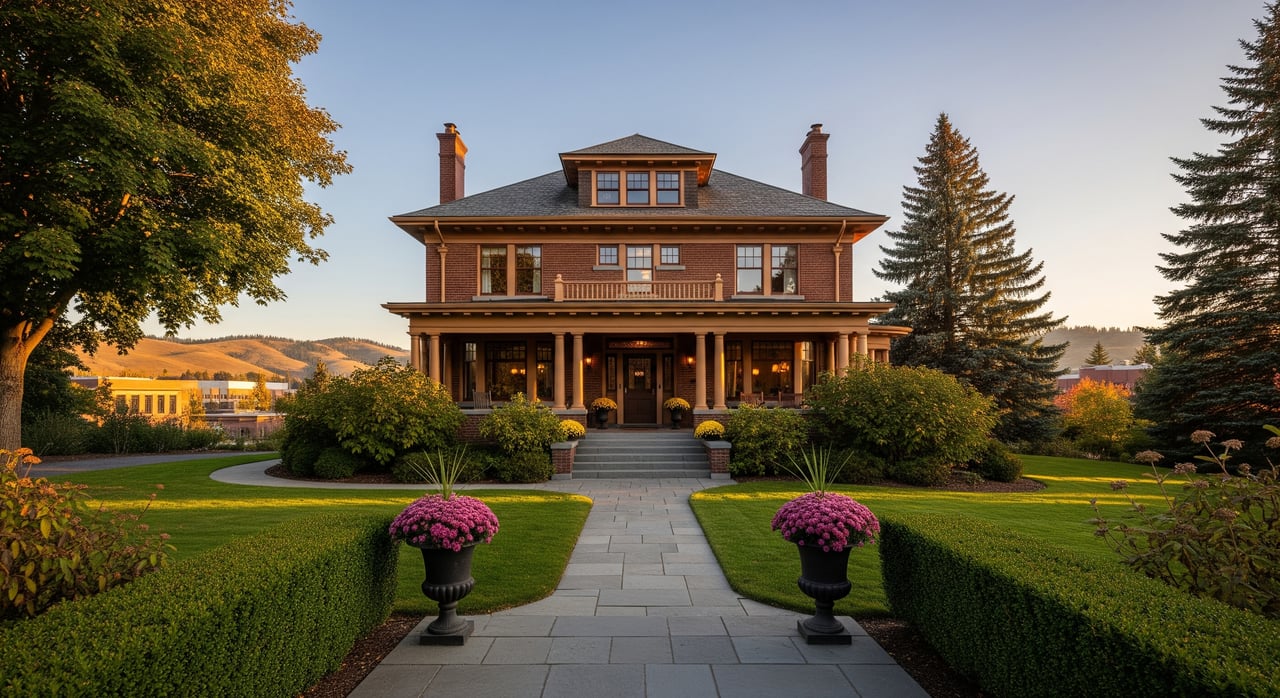
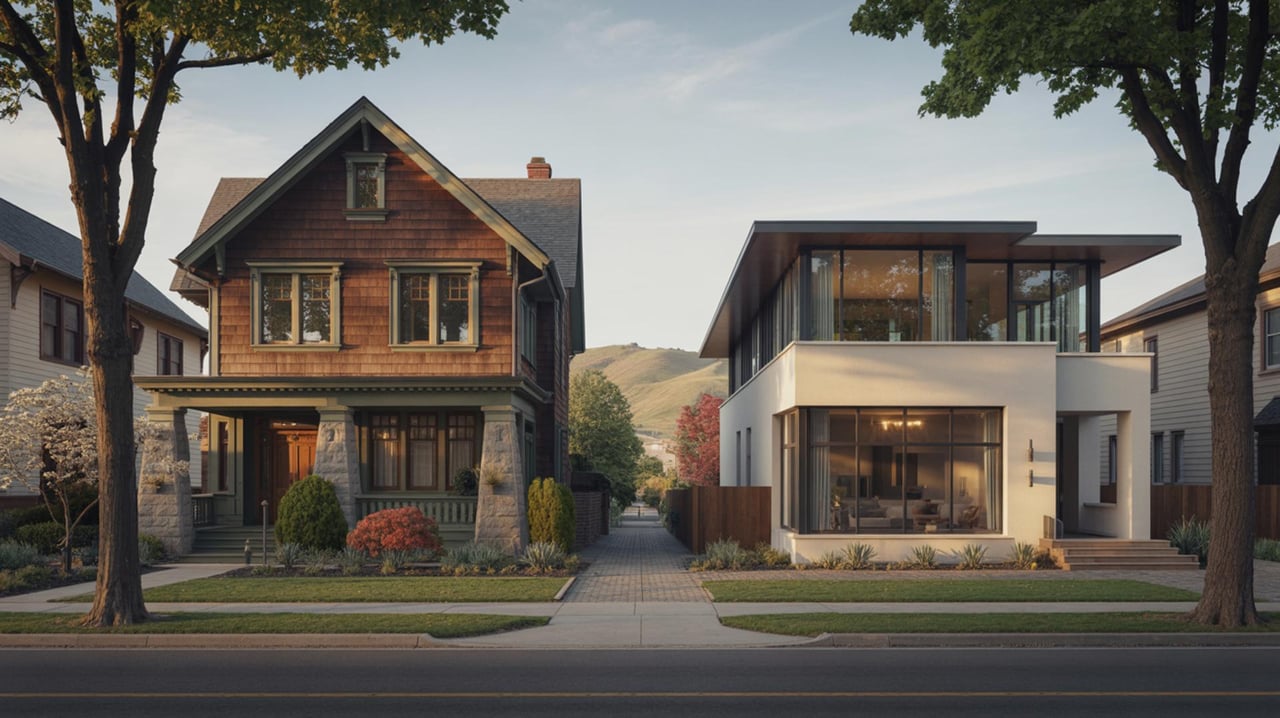
"One of the best pieces of its style of architecture in Washington."
That's how observers once described the Greystone Church, the Romanesque stone building that still looks out over downtown Pullman. It was designed by William Swain, an English-born carpenter who talked his way into a decade of architecture study before arriving in Pullman in 1891, right as the town was rebuilding after a fire and just as the state decided to put its new land-grant college there. Swain became the town's first real architect almost by default. There was a boom happening, and somebody had to draw the buildings.
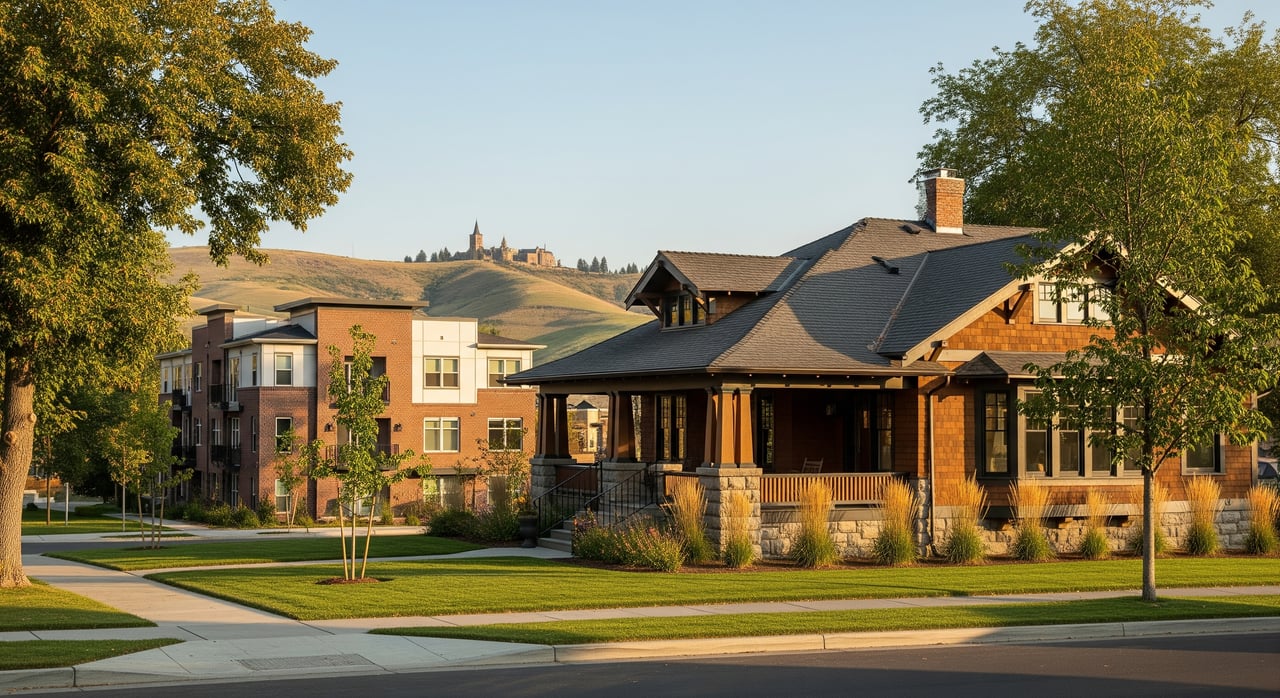
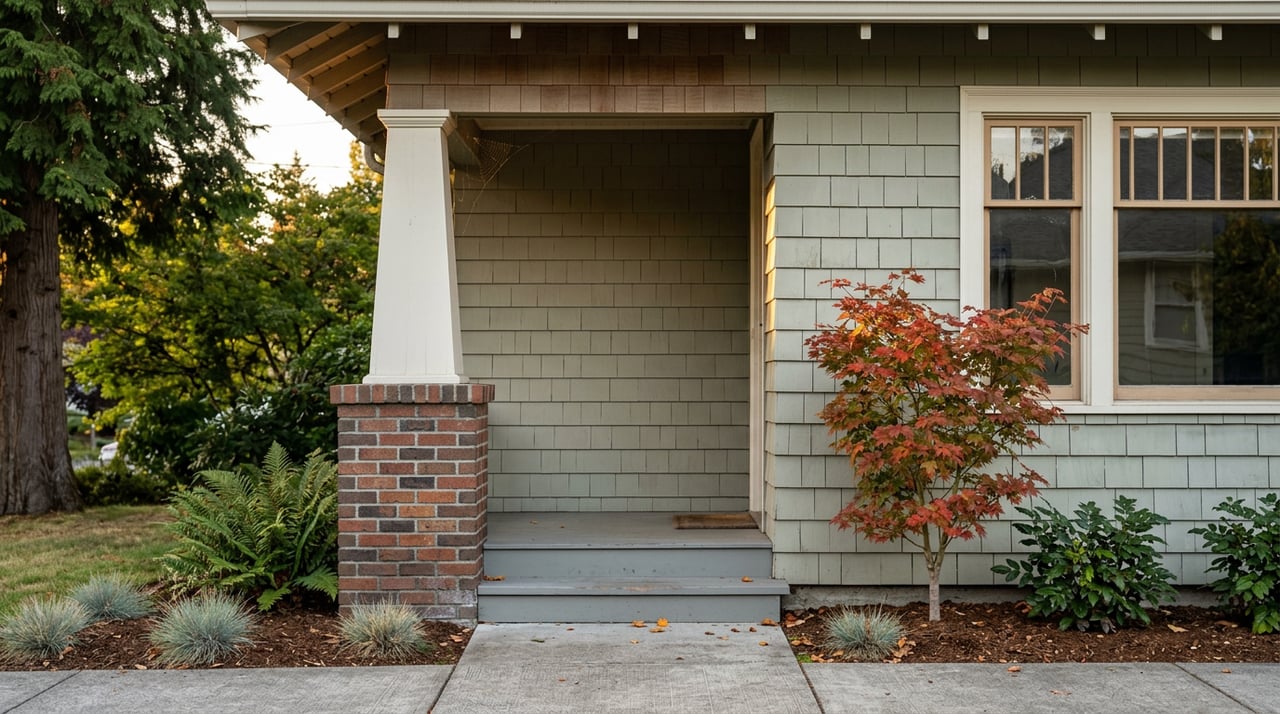
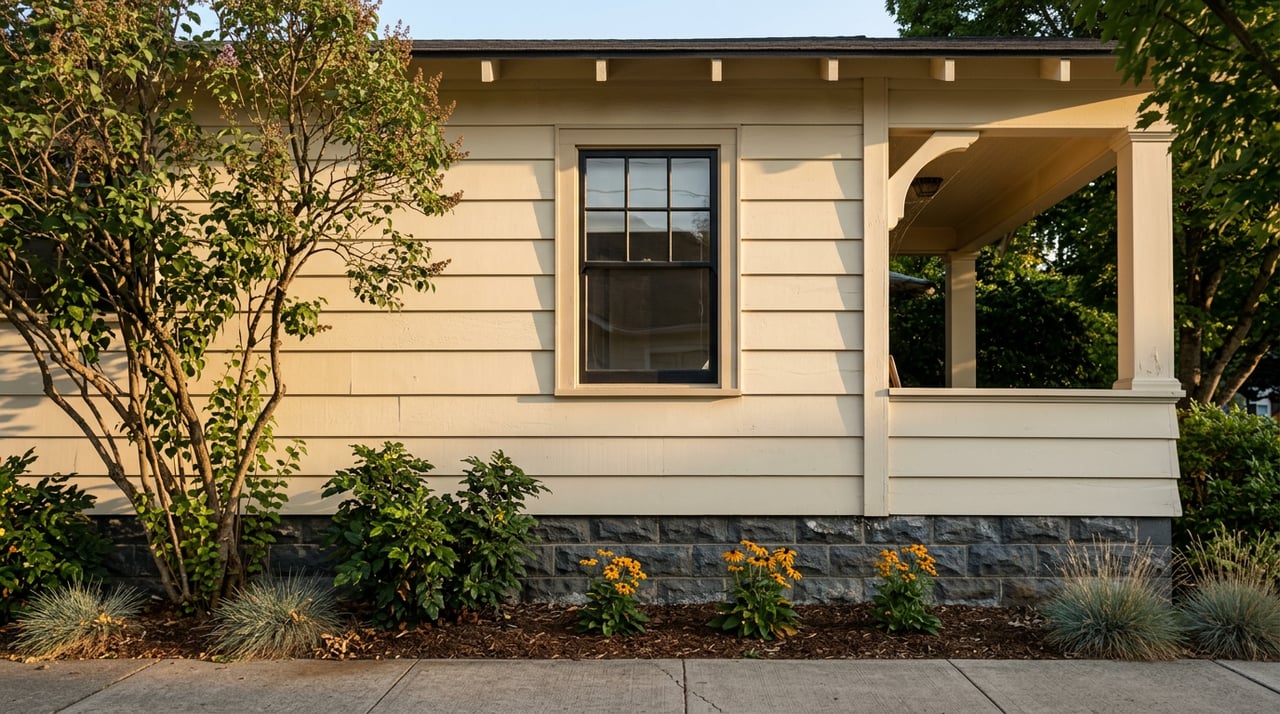
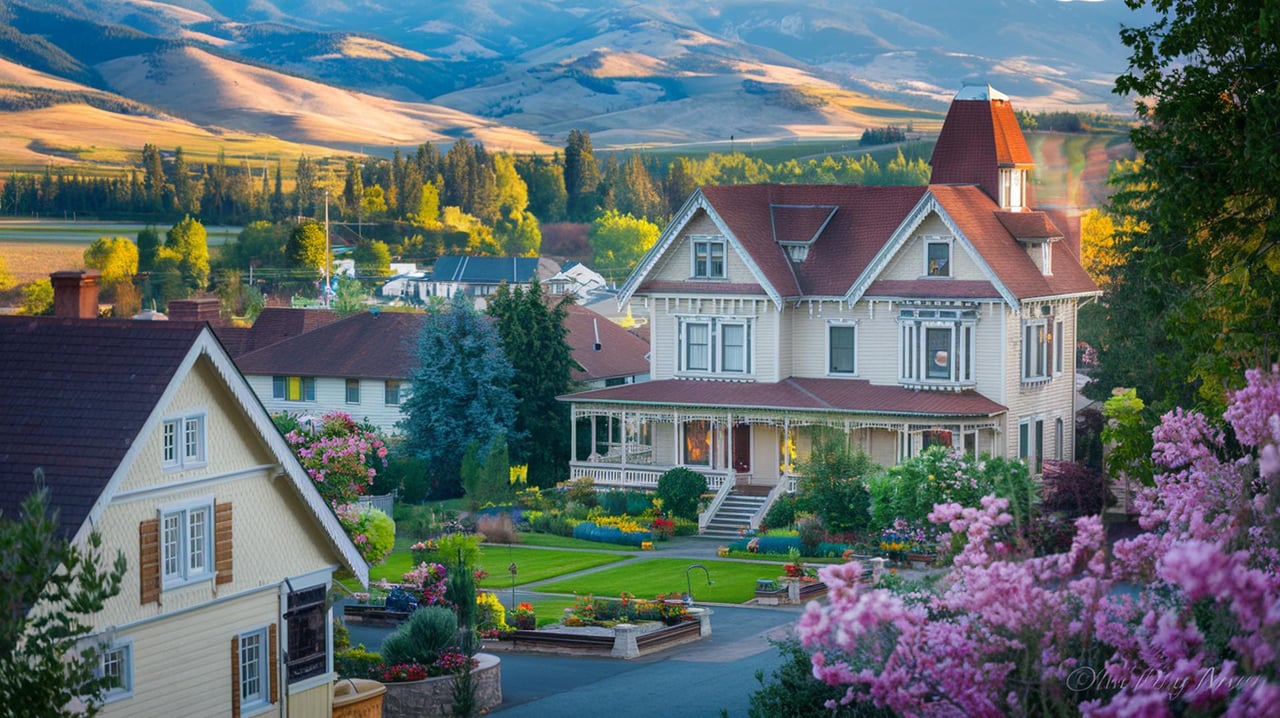
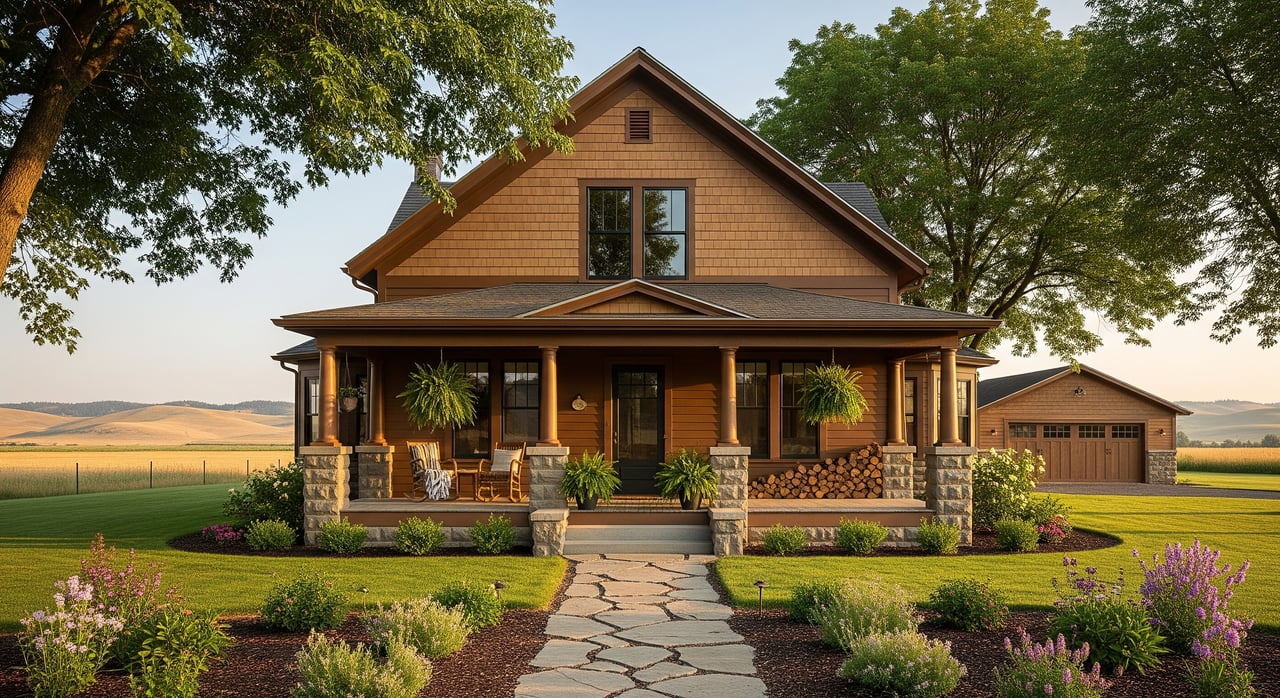
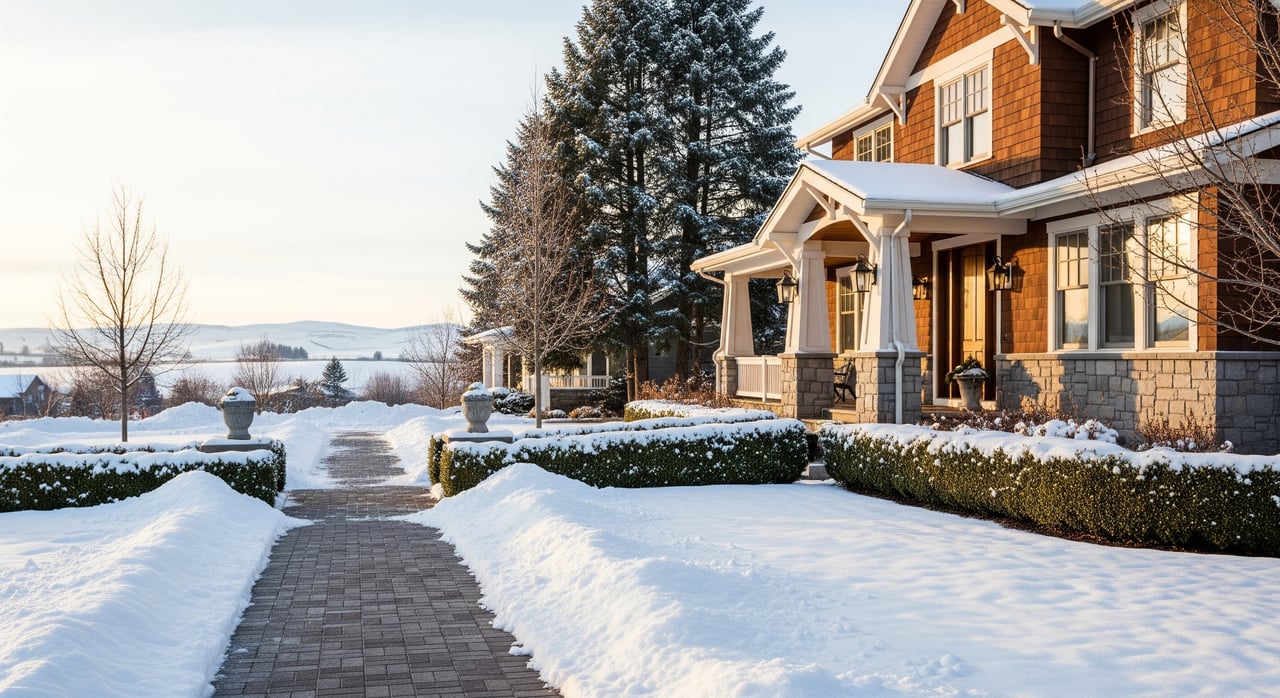
He drew a lot of them. Pullman City Hall, the Pullman High School, the Artesian Hotel. All three burned or came down over the following decades. What survived is the Greystone Church, the Flatiron Building downtown, and one more structure that matters more to anyone shopping Sunnyside Hill listings today than either of those: the house Swain built for himself, a Craftsman bungalow completed the same year he was elected Pullman's mayor. It sits on Sunnyside Hill. It's on the National Register of Historic Places. And it is, by most accounts, one of the first and largest examples of that architectural style the neighborhood ever saw.
If you've already looked at what a comparable house costs in Pullman versus what it costs a half mile up the hill, you've probably wondered why the gap exists. The easy answer is character. The honest answer is a little more complicated, and it has less to do with what a house looks like than with what the county says it's worth.
The gap is bigger than a nicer kitchen
Pullman's citywide median sale price has been sitting around $429,000 to $430,000 through mid-2026. That's the number most buyers see first, whether they're comparing it to Spokane, to the statewide median, or to wherever they're relocating from.
Sunnyside Hill doesn't trade at that number. Updated single-family stock on the hill, along with its neighbor Pioneer Hill, has been running $480,000 to $600,000, according to a 2026 cost-of-living breakdown of the Pullman market. That's not a rounding difference. It's a premium of $50,000 to $170,000 over what the rest of the city is paying for a house with the same bedroom count and roughly the same square footage.
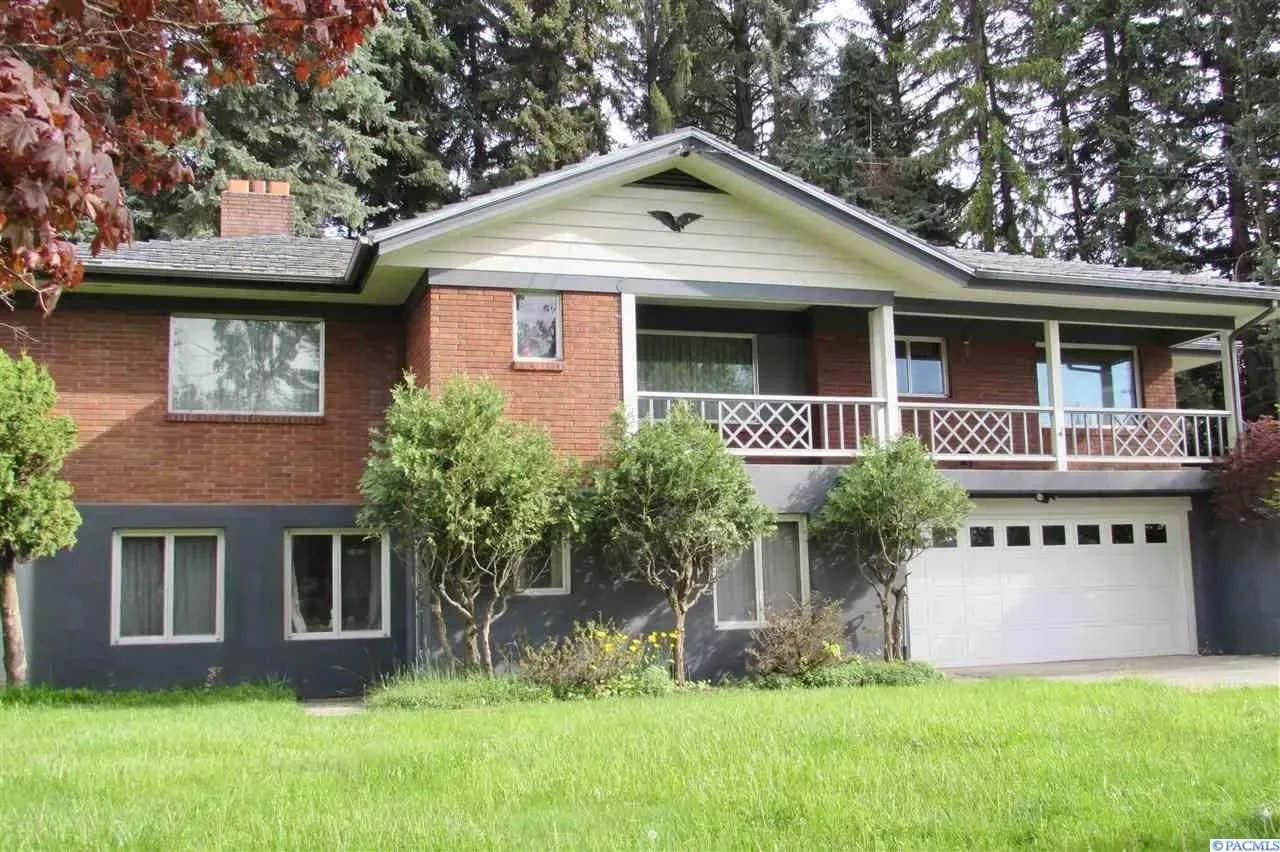
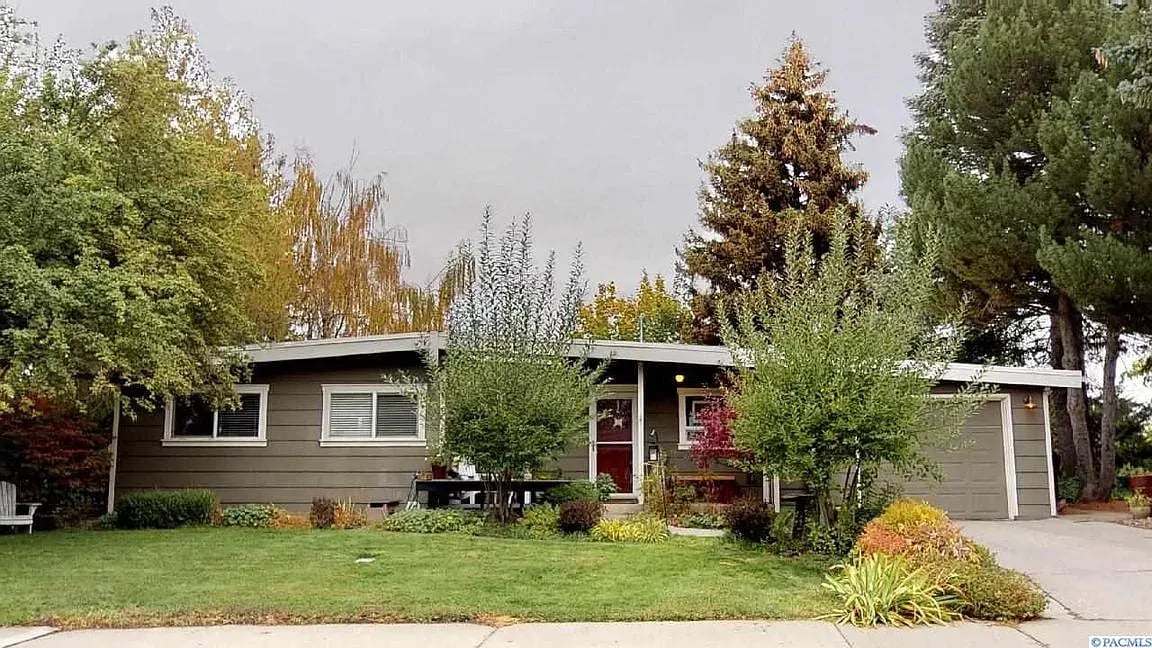
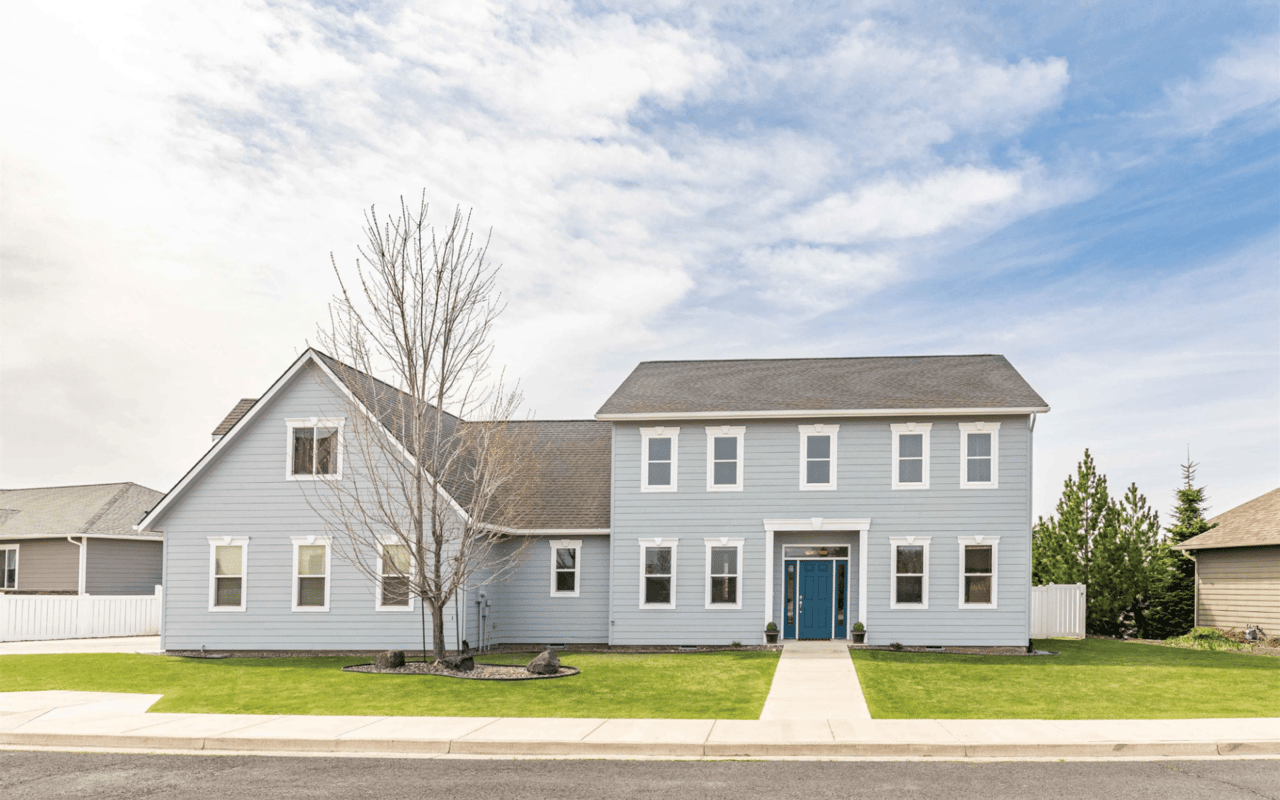
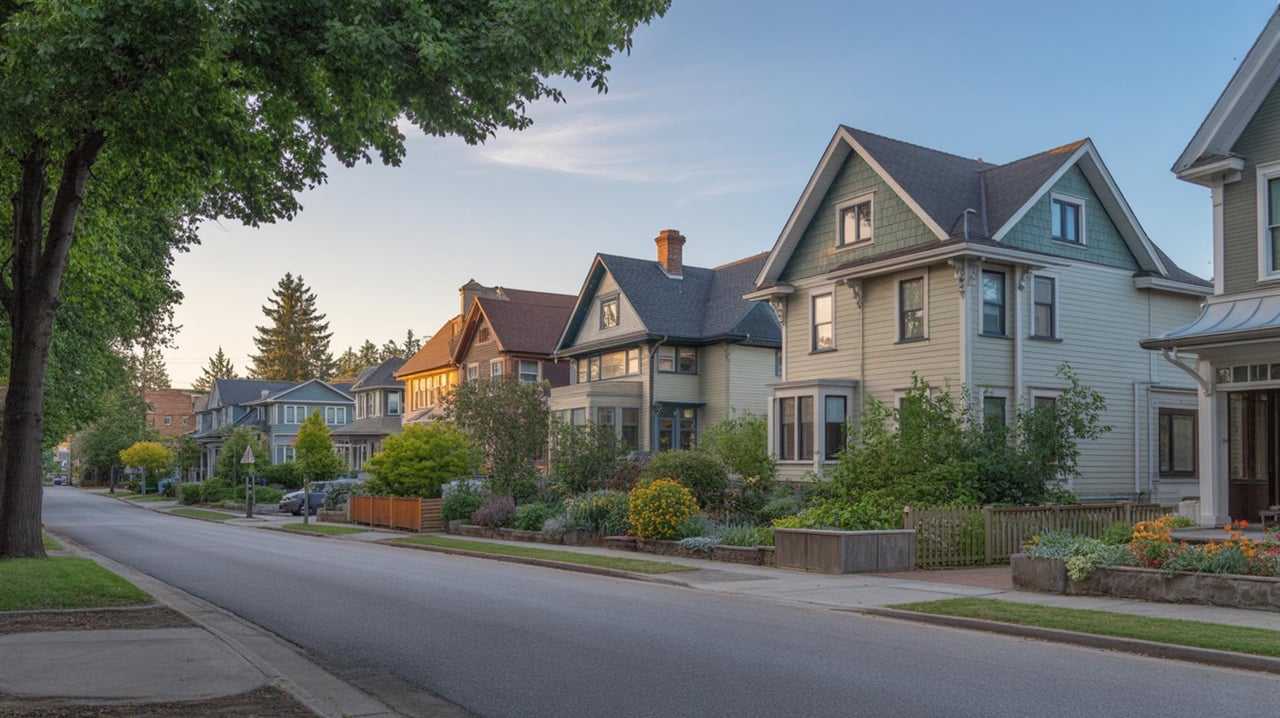
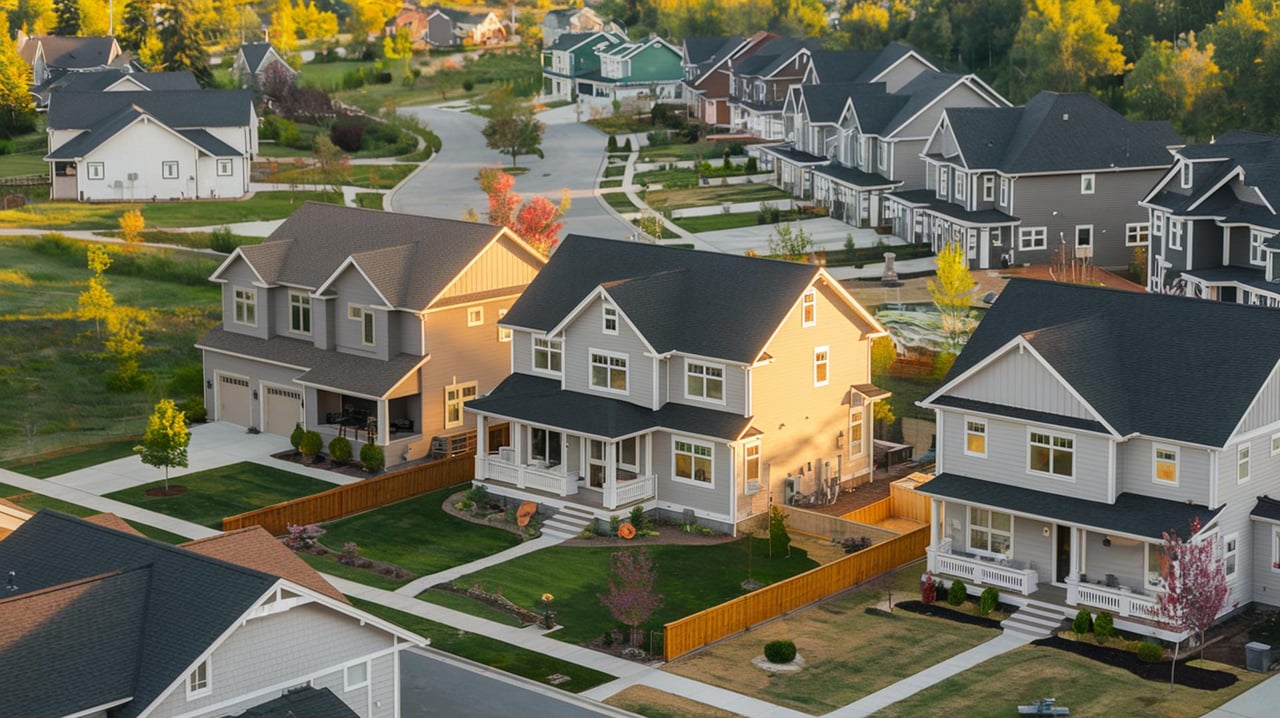
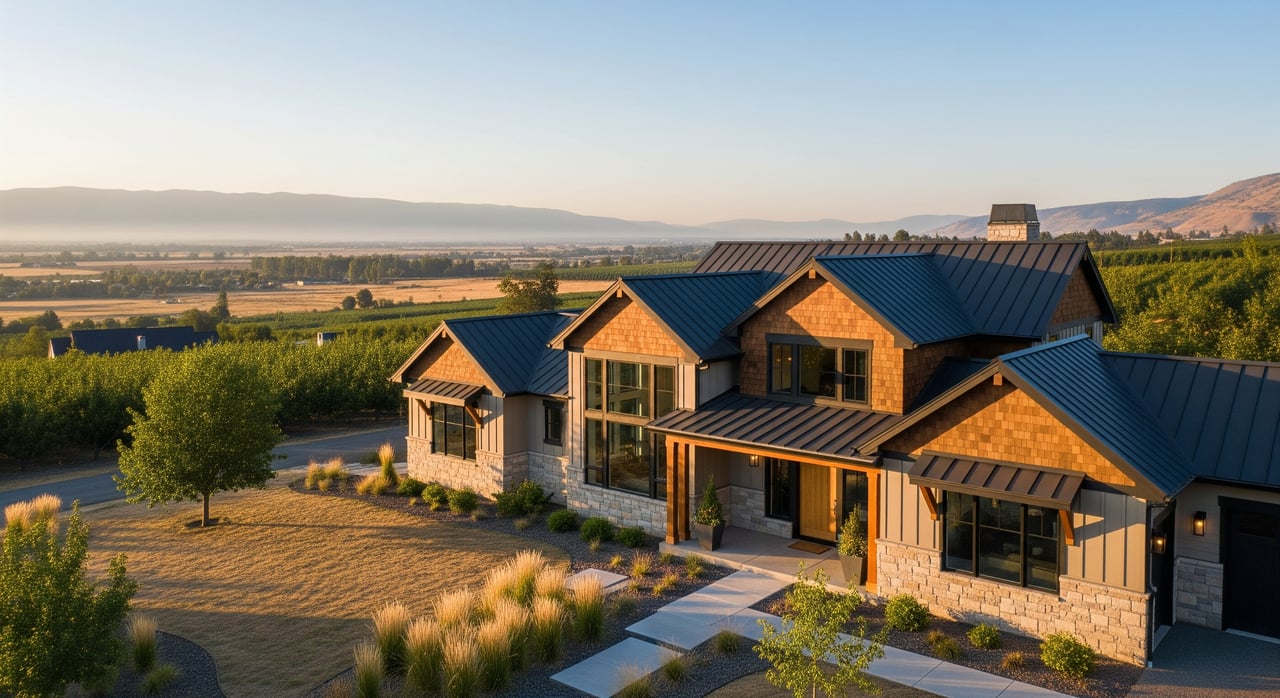
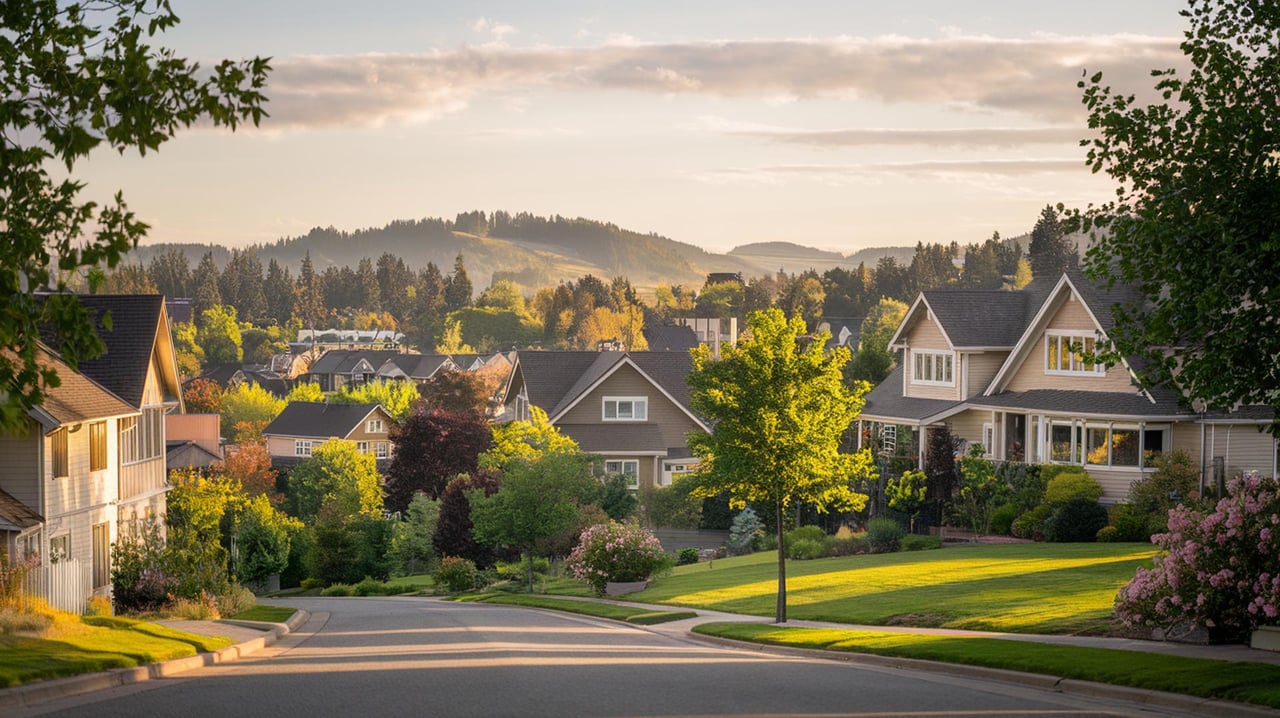
Some of that is easy to explain. Sunnyside Hill sits close to downtown and to campus, walkable to Sunnyside Elementary and Sunnyside Park, with a housing stock that skews older and more architecturally distinct than the newer subdivisions filling in on the edges of town. Buyers are paying for:
- A shorter walk to downtown Pullman and to Washington State University
- Proximity to Sunnyside Elementary and Sunnyside Park
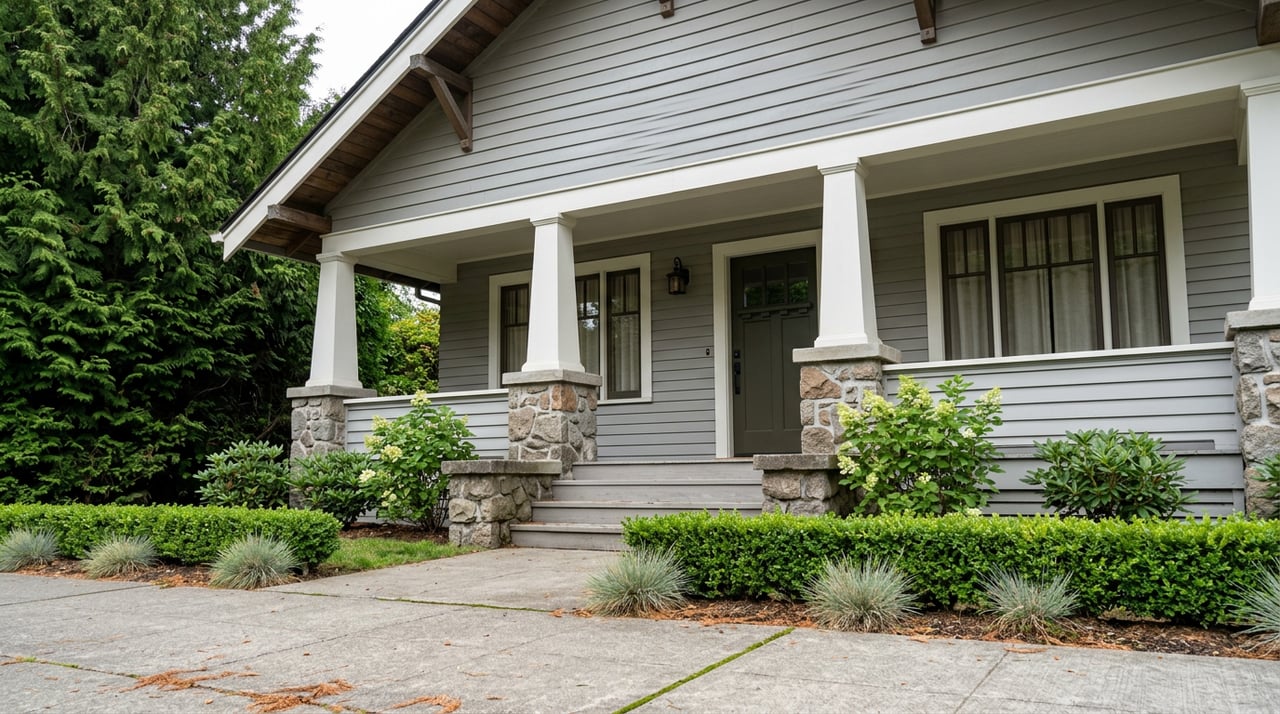
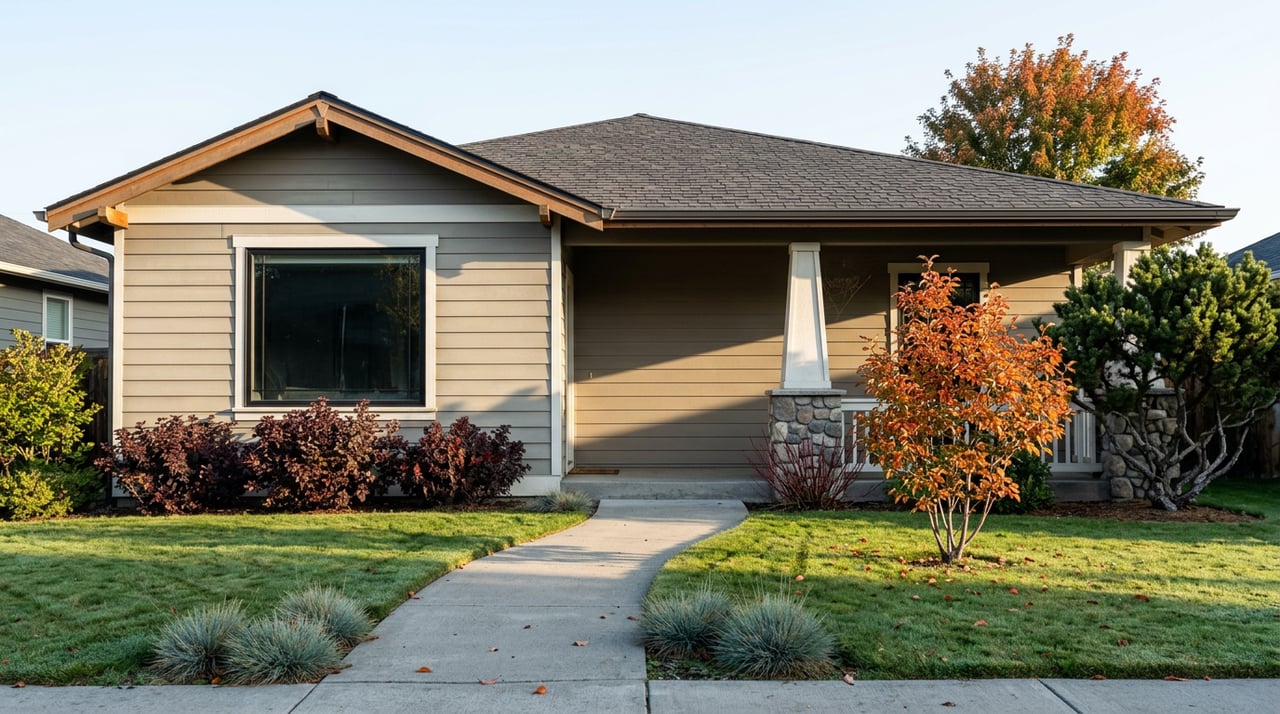
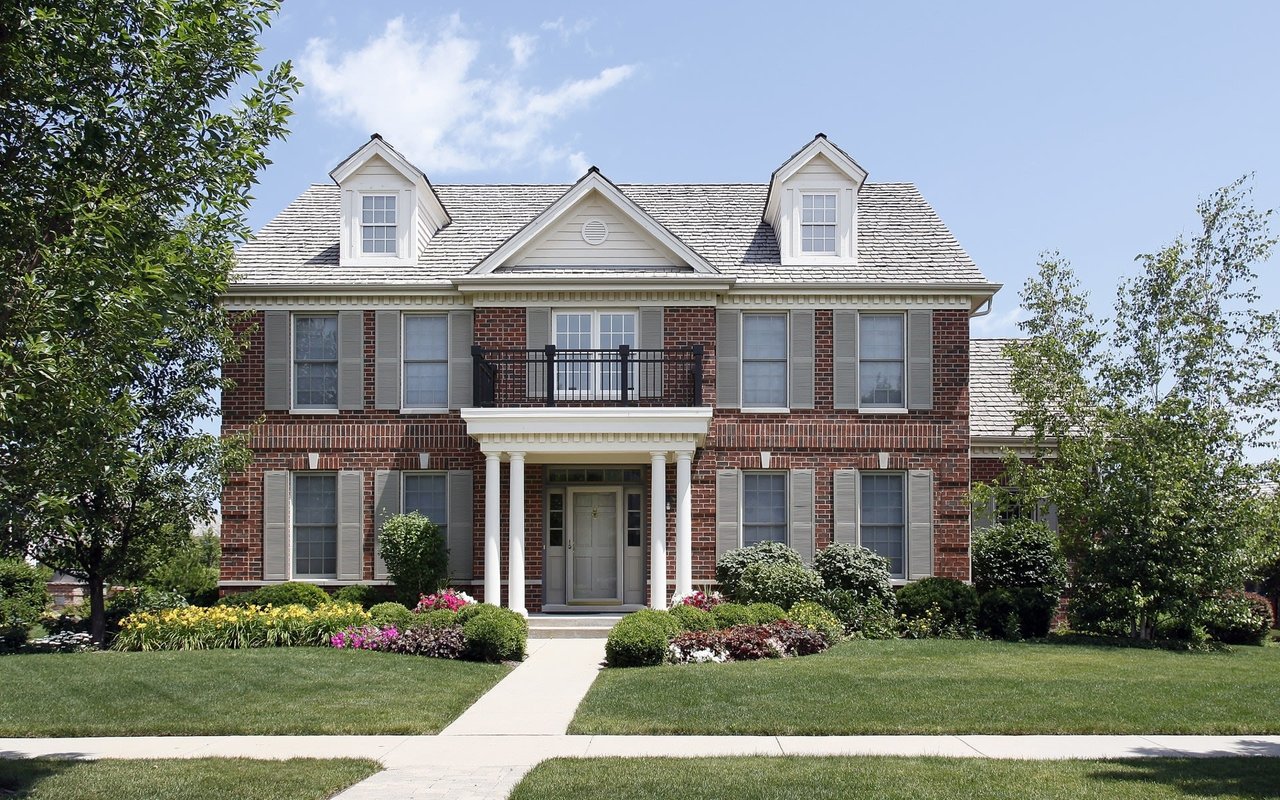
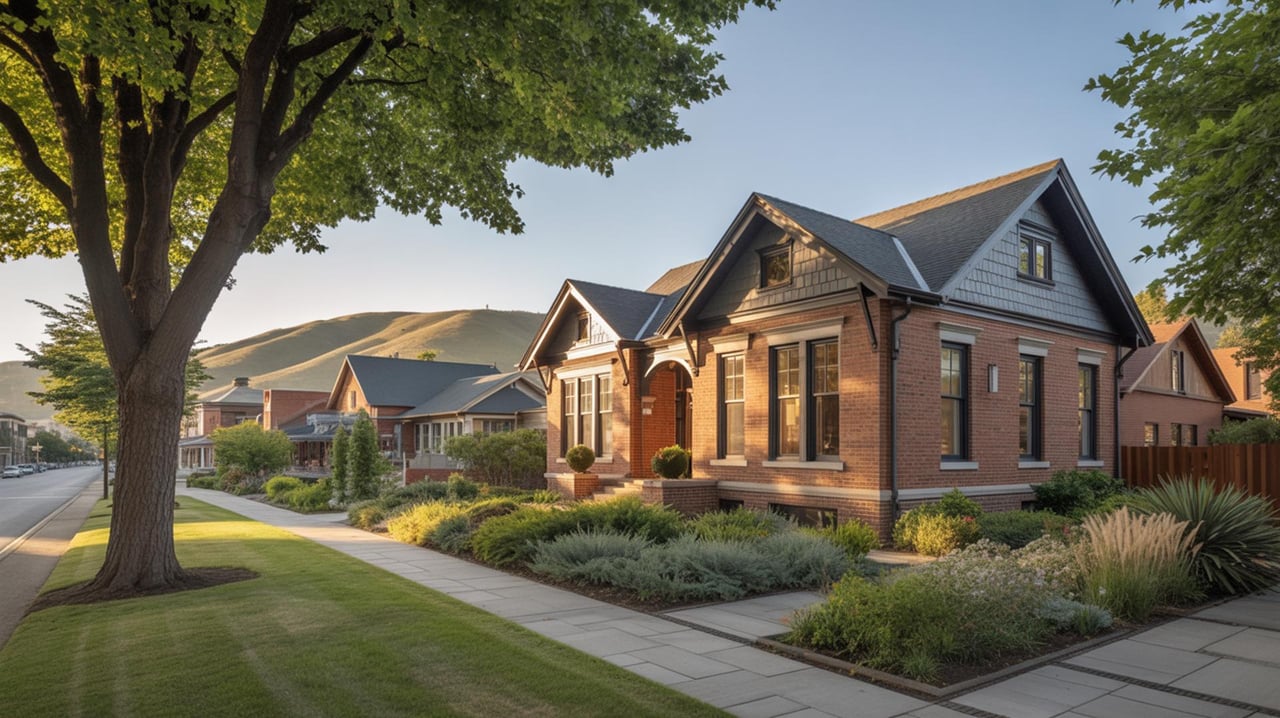
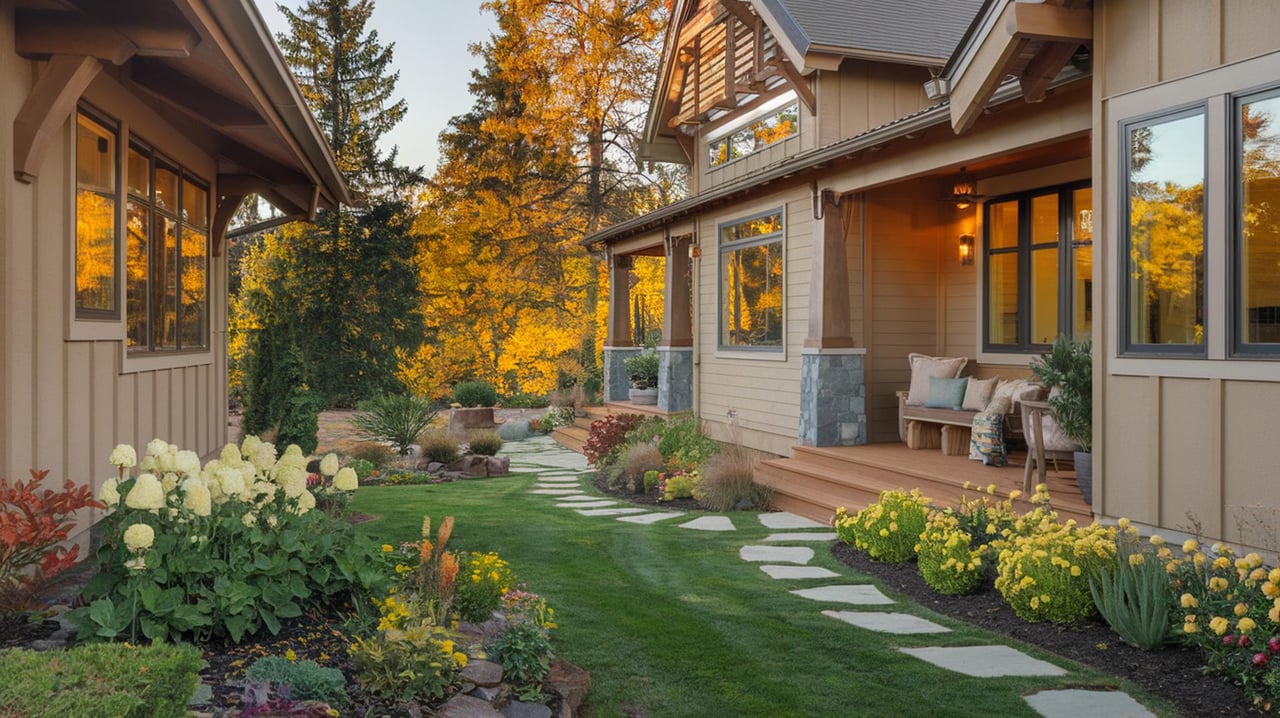
- A concentration of early twentieth-century Craftsman, bungalow, and larger three-story homes, several tied to Pullman's founding-era architects
- Hillside lots with views most flatland Pullman streets don't offer
That's the part of the premium a buyer can see on a walkthrough. It's not the part that shows up on next year's tax bill.
What actually moved in 2024
Washington's property tax system limits how fast the total levy for a taxing district can grow year over year. That cap is real, and it's part of why the state's property tax system reads as more predictable than most. What it doesn't do is freeze what any individual parcel is assessed at. Counties still periodically revalue property to reflect current market conditions, and when they do, some parcels move a lot more than others.
Whitman County ran one of those reassessment cycles in 2024, and lots on Pioneer Hill and Sunnyside Hill were among the parcels that saw assessed values jump significantly. That matters because a buyer doesn't inherit the seller's old tax bill. They inherit the current assessment, whatever the county has decided that specific lot is now worth. Two houses that sold for the same price five years apart on the same street can carry meaningfully different tax bills today if one of them got swept up harder in that 2024 revaluation.
Run the math and the gap gets concrete. At Pullman's roughly 1.45 percent effective property tax rate, a buyer at the city's $429,000 median pays close to $6,221 a year in property tax, or about $518 a month folded into escrow. A buyer at $550,000, roughly the middle of Sunnyside Hill's updated-stock range, is closer to $7,975 a year, or about $665 a month. That's an extra $147 a month that a standard mortgage calculator built around the citywide median won't show you, because it isn't modeling the hill's specific assessment history. It's modeling the city's.
Swain's house is the proof, not the exception
None of this makes Sunnyside Hill's premium a bad trade. It makes it a specific one. The features that draw buyers to the hill, the age of the housing stock, the pedigree of the architects who built it, the proximity to downtown and campus, are close to a checklist of what county assessors weight most heavily when they revalue a neighborhood. Swain's own house is the clearest illustration of that. It has been recognized as a landmark for decades. It represents exactly the kind of asset, old, well-located, architecturally distinct, that a reassessment cycle is built to catch.
That's not an argument against buying here. It's an argument for knowing what you're actually buying before you write an offer.
What to ask before you get past the walkthrough
A few questions are worth raising with your agent or lender before you get attached to a specific lot on Sunnyside Hill:
- What was this parcel's assessed value before the 2024 reassessment, and what is it now? The county assessor's records will show the swing, and not every lot on the hill moved the same amount.
- Is your mortgage pre-approval modeling taxes off the parcel's current assessment, or off a trailing figure that predates the reassessment?
- If you're relocating from a state with income tax, like Idaho or Oregon, have you weighed that savings against Pullman's property tax structure specifically, rather than against the state's overall median?
None of that changes whether Sunnyside Hill is the right neighborhood. It changes whether the number you're comparing it against is the right number.
The house down the street from Swain's
Swain's own house isn't for sale, and it probably won't be anytime soon. But it's worth walking past if you're touring Sunnyside Hill, because it's a physical answer to a question most buyers ask in the abstract: why does character cost more here than it does two neighborhoods over. The answer isn't the woodwork. It's that the county has been pricing this hill's history into its tax rolls for longer than most buyers realize, and 2024 was the year that pricing caught up in a hurry.
If you're comparing Sunnyside Hill against the rest of Pullman and want the actual assessed-value history on a specific lot, not just the listing price, that's the kind of detail worth pulling before you write an offer, not after. Krista Gross can walk you through what a particular Sunnyside Hill address has actually been assessed at, what changed in 2024, and what that means for your monthly payment against the house you're standing in front of.